
ការវះកាត់ឆ្អឹងខ្នង តម្លៃក្នុង ប្រទេសឥណ្ឌា
អមបី ការវះកាត់ឆ្អឹងខ្នង
ឆ្អឹងខ្នងគឺជាប្រព័ន្ធជំនួយកណ្តាលនៃរាងកាយ - តុល្យភាពដ៏ឆ្ងាញ់នៃឆ្អឹង សរសៃប្រសាទ និងសាច់ដុំដែលអនុញ្ញាតឱ្យមានចលនា ភាពបត់បែន និងកម្លាំង។ ប៉ុន្តែនៅពេលដែលអស្ថេរភាពឆ្អឹងខ្នង ការរងរបួស ឬការថយចុះនៃតុល្យភាពនោះ សូម្បីតែចលនាធម្មតាក៏អាចក្លាយជាការឈឺចាប់ ឬពិការផងដែរ។ ក្នុងករណីបែបនេះ,ការវះកាត់ឆ្អឹងខ្នងជួយស្តារស្ថេរភាព និងមុខងារដោយភ្ជាប់ឆ្អឹងកងពីរ ឬច្រើនជាអចិន្ត្រៃយ៍។
ការលាយឆ្អឹងខ្នងគឺជានីតិវិធីទំនើប និងមានប្រសិទ្ធភាពបំផុតក្នុងការថែទាំឆ្អឹងខ្នងទំនើប។ វាបំបាត់ចលនាឈឺចាប់រវាងឆ្អឹងកងដែលខូច កែការខូចទ្រង់ទ្រាយ និងផ្តល់នូវការធូរស្រាលរយៈពេលវែងពីលក្ខខណ្ឌដូចជាជំងឺឌីស degenerative ការបាក់ឆ្អឹងឆ្អឹងខ្នង Scoliosis ឬ spondylolisthesis.
សូមអរគុណចំពោះការច្នៃប្រឌិតថ្មីក្នុងបច្ចេកទេសវះកាត់ និងសម្ភារៈជីវសាស្ត្រ ការបញ្ចូលឆ្អឹងខ្នងបានវិវត្តន៍ពីការវះកាត់បើកចំហដ៏ស្មុគស្មាញទៅជានីតិវិធីដែលមានរូបភាពច្បាស់លាស់។ ឥឡូវនេះ គ្រូពេទ្យវះកាត់ប្រើប្រាស់វិធីសាស្រ្តរាតត្បាតតិចតួច ការជំនួសឆ្អឹង និងឧបករណ៍ឆ្អឹងខ្នង ដែលអាចជួយឱ្យការជាសះស្បើយលឿនជាងមុន កាត់បន្ថយការឈឺចាប់ និងលទ្ធផលដ៏ល្អ។
តើការវះកាត់ឆ្អឹងខ្នងជាអ្វី?
ការវះកាត់ឆ្អឹងខ្នងគឺជាការវះកាត់សរសៃប្រសាទឯកទេសដែលភ្ជាប់ឆ្អឹងកងពីរឬច្រើនជាអចិន្ត្រៃយ៍នៅក្នុងឆ្អឹងខ្នងដោយហេតុនេះការលុបបំបាត់ចលនារវាងពួកវា។ ដោយការច្របាច់បញ្ចូលគ្នានៃឆ្អឹងកងដែលរងផលប៉ះពាល់ ការវះកាត់បង្កើតផ្នែកឆ្អឹងដ៏រឹងមាំតែមួយ ដែលស្តារស្ថេរភាពឆ្អឹងខ្នង និងការពារចលនាឈឺចាប់។ នីតិវិធីជួយបន្ថយរោគសញ្ញាដែលបណ្តាលមកពីផ្នែកឆ្អឹងខ្នងខូច មិនស្ថិតស្ថេរ ឬខូចទ្រង់ទ្រាយ។
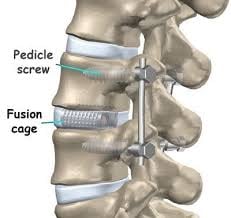
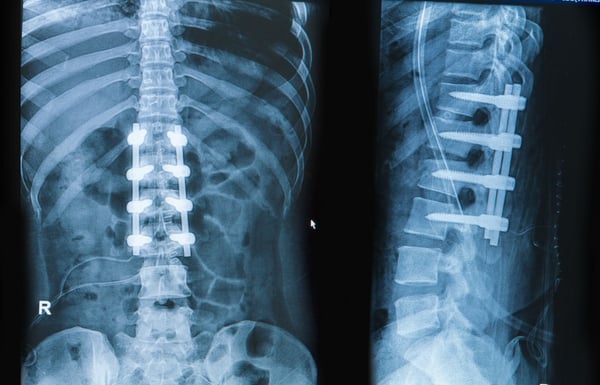
ក្នុងអំឡុងពេលលាយឆ្អឹងខ្នងគ្រូពេទ្យវះកាត់ប្រើពុកឆ្អឹងយកពីអ្នកជំងឺ (autograft) ម្ចាស់ជំនួយ (allograft) ឬការជំនួសសំយោគដើម្បីលើកកម្ពស់ការលូតលាស់ឆ្អឹងរវាងឆ្អឹងកង។ យូរៗទៅ អំពើពុករលួយនេះរឹងមាំ បង្កើតជាស្ពានឆ្អឹងដែលមានស្ថេរភាព។ ការផ្សាំដែក ដូចជាកំណាត់ ចាន ឬវីស ក៏អាចត្រូវបានគេប្រើដើម្បីទប់ឆ្អឹងកងនៅនឹងកន្លែង ខណៈពេលដែលឆ្អឹងជាសះស្បើយ។
គោលបំណងសំខាន់នៃការបញ្ចូលគ្នានៃឆ្អឹងខ្នងគឺ៖
- រក្សាលំនឹងឆ្អឹងខ្នង និងការពារចលនាមិនប្រក្រតី
- កែតម្រូវការខូចទ្រង់ទ្រាយឬមិនត្រឹមត្រូវ
- បំបាត់ការបង្ហាប់សរសៃប្រសាទ និងការឈឺចាប់ដែលពាក់ព័ន្ធ
- កែលម្អឥរិយាបថ កម្លាំង និងការចល័តប្រចាំថ្ងៃ
ការលាយខួរឆ្អឹងខ្នងទំនើបមានសុវត្ថិភាព និងមានប្រសិទ្ធភាពជាងពេលណាទាំងអស់ ដោយសារបច្ចេកទេសឈ្លានពានតិចតួច ការរុករក 3D និងសម្ភារៈជីវសាស្ត្រថ្នាក់ទីខ្ពស់ដែលបង្កើនការព្យាបាល និងកាត់បន្ថយពេលវេលានៃការស្តារឡើងវិញ។
តើនៅពេលណាដែលត្រូវការការបញ្ចូលឆ្អឹងខ្នង?
វេជ្ជបណ្ឌិតណែនាំឱ្យធ្វើការវះកាត់ឆ្អឹងខ្នងនៅពេលដែលឆ្អឹងខ្នងមិនស្ថិតស្ថេរ ឬខូចទ្រង់ទ្រាយ ហើយការព្យាបាលដែលមិនវះកាត់លែងផ្តល់ភាពធូរស្រាលទៀតហើយ។ គោលដៅគឺដើម្បីបញ្ឈប់ចលនាឈឺចាប់រវាងឆ្អឹងកងខ្នង កែកំហុស និងស្ដារឡើងវិញនូវភាពរឹងមាំដល់ផ្នែកដែលរងផលប៉ះពាល់នៃឆ្អឹងខ្នង។
លក្ខខណ្ឌទូទៅដែលតម្រូវឱ្យមានការបញ្ចូលគ្នានៃឆ្អឹងខ្នងគឺ៖
- ជំងឺឌីសខូចនៅពេលដែលឌីសឆ្អឹងខ្នងធ្លាក់ចុះតាមពេលវេលា ឆ្អឹងកងអាចប៉ះគ្នាទៅវិញទៅមក ដែលនាំឱ្យឈឺឆ្អឹងខ្នងរ៉ាំរ៉ៃ។ Fusion ធ្វើឱ្យផ្នែកមានស្ថេរភាព និងការពារការចុះខ្សោយបន្ថែមទៀត។
- Spondylolisthesis (Slipped Vertebra)៖Fusion កែតម្រូវការតម្រឹមនៃឆ្អឹងកងដែលបានរអិលទៅមុខ និងការពារវាពីការផ្លាស់ទីម្តងទៀត។
- ការបាក់ឆ្អឹងឆ្អឹងខ្នង៖ការបាក់ឆ្អឹងធ្ងន់ធ្ងរដោយសាររបួស ឬជំងឺពុកឆ្អឹងអាចធ្វើឱ្យឆ្អឹងកងខ្នងមានអស្ថិរភាព។ Fusion ស្ដារឡើងវិញនូវកម្លាំង និងស្ថេរភាពដល់តំបន់ដែលខូច។
- ជំងឺ Scoliosis ឬ Kyphosis៖Fusion ត្រូវបានប្រើដើម្បីតម្រង់ និងរក្សាលំនឹងឆ្អឹងខ្នង ក្នុងករណីកោង ឬខូចទ្រង់ទ្រាយ។
- ការស្ទះសរសៃប្រសាទ (Spinal Stenosis)៖បន្ទាប់ពីការវះកាត់ decompression, fusion ជួយរក្សាលំនឹងនៅកន្លែងដែលឆ្អឹងឬជាលិកាត្រូវបានយកចេញដើម្បីបន្ថយសម្ពាធលើសរសៃប្រសាទ។
- ដុំសាច់ ឬការខូចខាតដែលទាក់ទងនឹងការឆ្លង៖នៅពេលដែលផ្នែកមួយនៃឆ្អឹងកងខ្នងត្រូវបានចុះខ្សោយ ឬត្រូវបានដកចេញកំឡុងពេលព្យាបាលដុំសាច់ ឬការឆ្លងមេរោគ ការលាយបញ្ចូលគ្នានឹងពង្រឹងតំបន់នេះតាមរចនាសម្ព័ន្ធ។
តើអ្នកណាជាបេក្ខជនឧត្តមគតិ?
ការបញ្ចូលឆ្អឹងខ្នងអាចសមស្របសម្រាប់អ្នកជំងឺដែល៖
- ឈឺខ្នង ឬករ៉ាំរ៉ៃ បណ្តាលមកពីអស្ថិរភាព ឬខូចទ្រង់ទ្រាយ។
- មិនបានឆ្លើយតបល្អចំពោះការព្យាបាលដោយរាងកាយ ការប្រើថ្នាំ ឬការថែទាំបែបអភិរក្សផ្សេងទៀតទេ។
- បង្ហាញភស្តុតាងច្បាស់លាស់នៃភាពមិនប្រក្រតីនៃឆ្អឹងខ្នង ឬការបាត់បង់ឆ្អឹងនៅលើរូបភាព។
- មានសុខភាពល្អ និងអាចទ្រាំទ្រនឹងការវះកាត់ និងជាសះស្បើយឡើងវិញ។
តើការវះកាត់ឆ្អឹងខ្នងត្រូវបានអនុវត្តយ៉ាងដូចម្តេច?
ការបញ្ចូលឆ្អឹងខ្នងគឺជានីតិវិធីដែលមានរចនាសម្ព័ន្ធខ្ពស់ដែលរួមបញ្ចូលគ្នានូវភាពជាក់លាក់នៃការវះកាត់ ការថតរូបភាពទំនើប និងឧបករណ៍ទំនើបដើម្បីធ្វើឱ្យឆ្អឹងខ្នងមានស្ថេរភាព។ វាត្រូវបានអនុវត្តនៅក្រោមការប្រើថ្នាំសន្លប់ទូទៅហើយវិធីសាស្រ្តវះកាត់គឺអាស្រ័យលើទីតាំងនៃបញ្ហា។
- ការធ្វើផែនការជាមុន៖មុនពេលវះកាត់ អ្នកឯកទេសឆ្អឹងខ្នងពិនិត្យការស្កែនរូបភាពដើម្បីកំណត់ថាតើឆ្អឹងកងណាមួយត្រូវការការបញ្ចូលគ្នា។ ក្រុមវះកាត់រៀបចំផែនការកន្លែងវះកាត់ វិធីសាស្រ្ត និងប្រភេទនៃការផ្សាំដោយប្រើការរុករក 3D និងគំរូឌីជីថល។
- ការប្រើថ្នាំសន្លប់ និងទីតាំង៖អ្នកជំងឺត្រូវបានចាក់ថ្នាំស្ពឹកទូទៅ។ អាស្រ័យលើតំបន់ដែលត្រូវបានព្យាបាល អ្នកជំងឺដេកលើខ្នងរបស់ពួកគេ (សម្រាប់ការបញ្ចូលផ្នែកខាងមុខ) ឬក្រពះ (សម្រាប់ការលាយបញ្ចូលគ្នាក្រោយ)។ បន្ទះដាក់ទីតាំងការពារសរសៃប្រសាទ និងសន្លាក់នៅទូទាំងការវះកាត់។
- វិធីសាស្រ្តវះកាត់ និងការប៉ះពាល់៖គ្រូពេទ្យវះកាត់ធ្វើការវះកាត់តូចមួយលើតំបន់គោលដៅ។ សាច់ដុំ និងជាលិកាទន់ត្រូវបានផ្លាស់ប្តូរដោយថ្នមៗ ដើម្បីចូលទៅដល់ឆ្អឹងខ្នង។ ដោយប្រើឧបករណ៍ច្បាស់លាស់ និងការពង្រីក ឆ្អឹងកងដែលរងផលប៉ះពាល់ត្រូវបានលាតត្រដាងយ៉ាងពេញលេញ។
- ការដាក់ឆ្អឹងជំនី៖ដុំសាច់ឆ្អឹង ទាំងពីឆ្អឹងអាងត្រគាករបស់អ្នកជំងឺ អ្នកបរិច្ចាគ ឬសម្ភារៈសំយោគ ត្រូវបានដាក់នៅចន្លោះឆ្អឹងកង ដើម្បីលើកកម្ពស់ការលូតលាស់ឆ្អឹង។ អំពើពុករលួយដើរតួជា "ស្ពាន" ធម្មជាតិដែលនៅទីបំផុតធ្វើឱ្យឆ្អឹងជាមួយគ្នា។
- ការជួសជុល Implant៖ដើម្បីរក្សាឆ្អឹងកងនៅទីតាំងត្រឹមត្រូវអំឡុងពេលព្យាបាល គ្រូពេទ្យវះកាត់បញ្ចូលវីស ដំបង ឬចាន។ ការផ្សាំទាំងនេះផ្តល់នូវស្ថេរភាព ធានាថាឆ្អឹងខ្នងនៅតែតម្រឹម ខណៈពេលដែលការលាយបញ្ចូលគ្នាមានការរីកចម្រើន។
- ការបិទ និងការស្តារឡើងវិញ៖នៅពេលដែលការផ្សាំ និងផ្សាំត្រូវបានធានា ស្នាមវះត្រូវបានបិទដោយថ្នេរ ឬ staples ។ បន្ទាប់មកអ្នកជំងឺត្រូវបានផ្លាស់ប្តូរទៅការជាសះស្បើយ ដែលសញ្ញាសំខាន់ៗ និងមុខងារសរសៃប្រសាទត្រូវបានត្រួតពិនិត្យយ៉ាងដិតដល់។
រយៈពេលនៃការវះកាត់ និងការស្នាក់នៅមន្ទីរពេទ្យ
នីតិវិធីផ្សំឆ្អឹងខ្នងភាគច្រើនយក៣ ទៅ ៦ ម៉ោង។អាស្រ័យលើចំនួននៃឆ្អឹងកងខ្នង និងភាពស្មុគស្មាញនៃស្ថានភាព។ អ្នកជំងឺជាធម្មតាស្នាក់នៅក្នុងមន្ទីរពេទ្យសម្រាប់3 ទៅ 5 ថ្ងៃ។ជាមួយនឹង 24 ម៉ោងដំបូងផ្តោតលើការគ្រប់គ្រងការឈឺចាប់ និងជំនួយការចល័ត។
ប្រភេទនៃការវះកាត់ឆ្អឹងខ្នង
ការវះកាត់ឆ្អឹងខ្នងអាចត្រូវបានអនុវត្តដោយប្រើបច្ចេកទេសផ្សេងៗគ្នា អាស្រ័យលើទីតាំងនៃឆ្អឹងកងដែលរងផលប៉ះពាល់ មូលហេតុនៃអស្ថិរភាព និងវិធីសាស្រ្តរបស់គ្រូពេទ្យវះកាត់។ វិធីសាស្រ្តនីមួយៗមានគោលបំណងបង្កើតផ្នែករឹង និងស្ថេរភាពនៃឆ្អឹងខ្នង ខណៈពេលដែលកាត់បន្ថយការរំខានដល់ជាលិកា និងពេលវេលានៃការស្តារឡើងវិញ។
Posterior Lumbar Interbody Fusion (PLIF)
អនុវត្តតាមរយៈខាងក្រោយ (ខាងក្រោយ)នៃឆ្អឹងខ្នងនេះគឺជាវិធីសាស្រ្តមួយក្នុងចំណោមវិធីសាស្រ្តទូទៅបំផុត។ គ្រូពេទ្យវះកាត់យកឌីសដែលខូចចេញ ដាក់ដុំឆ្អឹង ឬទ្រុងនៅចន្លោះឆ្អឹងកង ហើយរក្សាលំនឹងកន្លែងដោយកំណាត់ និងវីស។
- សមស្របសម្រាប់ផ្នែកខាងក្រោមខ្នង (ចង្កេះ)លក្ខខណ្ឌ។
- អនុញ្ញាតឱ្យមើលឃើញដោយផ្ទាល់នៃសរសៃប្រសាទឆ្អឹងខ្នង និងឌីស។
Transforaminal Lumbar Interbody Fusion (TLIF)
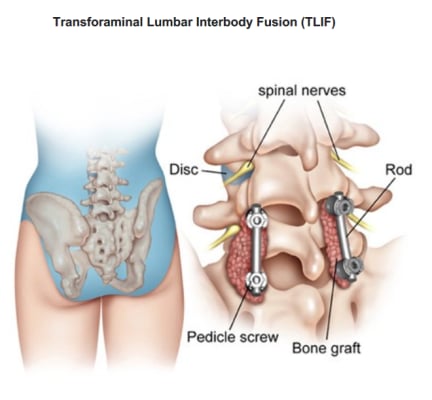
បំរែបំរួលនៃ PLIF, TLIF អនុញ្ញាតឱ្យចូលពីផ្នែកម្ខាងនៃឆ្អឹងខ្នង កាត់បន្ថយការដកសរសៃប្រសាទ និងការខូចខាតសាច់ដុំ។
- ជាញឹកញាប់ត្រូវបានប្រើសម្រាប់ជំងឺនៃឌីស degenerativeឬspondylolisthesis.
- លើកកម្ពស់ការជាសះស្បើយលឿនជាងមុន និងការបាត់បង់ឈាមតិចជាងបើប្រៀបធៀបទៅនឹង PLIF ប្រពៃណី។
ការរួមបញ្ចូលគ្នារវាងឆ្អឹងចង្កេះខាងមុខ (ALIF)
នៅក្នុងវិធីសាស្រ្តនេះ, គ្រូពេទ្យវះកាត់ចូលទៅឆ្អឹងខ្នងពីផ្នែកខាងមុខ (ពោះ)ដើម្បីជៀសវាងការកាត់សាច់ដុំខ្នង។ ឌីសដែលខូចត្រូវបានយកចេញ ហើយឆ្អឹងឬកន្លែងដាក់នៅចន្លោះឆ្អឹងកង។
- ទូទៅសម្រាប់ភាពមិនប្រក្រតីនៃឆ្អឹងខ្នងនិងអ្នកជំងឺដែលមានការវះកាត់ឆ្អឹងខ្នងពីមុន។
- ជួយរក្សាលំនឹងសាច់ដុំខ្នង និងឥរិយាបថ។
ការរួមបញ្ចូលគ្នារវាងចង្កេះចំហៀង (LLIF / XLIF)
ការចូលប្រើត្រូវបានធ្វើឡើងពីចំហៀង (ចំហៀង)នៃរាងកាយដោយប្រើឧបករណ៍រាតត្បាតតិចតួចបំផុត។ វិធីសាស្រ្តនេះជៀសវាងសាច់ដុំខ្នងធំ ឬពោះ ហើយល្អសម្រាប់កែការខូចទ្រង់ទ្រាយ ឬដោះស្រាយការដួលរលំឌីស។
- កាត់បន្ថយការឈឺចាប់ និងពេលវេលានៃការស្តារឡើងវិញ។
- កាត់បន្ថយហានិភ័យនៃការរងរបួសសរសៃប្រសាទ និងស្លាកស្នាម។
Cervical Fusion (ACDF / PCF)
ប្រើសម្រាប់ក (មាត់ស្បូន) ឆ្អឹងខ្នងលក្ខខណ្ឌដូចជា ដំបៅរលួយ ឬ ឆ្អឹងខ្នងមាត់ស្បូន។ ការលាយបញ្ចូលគ្នាអាចត្រូវបានធ្វើពីខាងមុខ (ACDF – anterior Cervical Discectomy and Fusion) ឬខាងក្រោយ (PCF – Posterior Cervical Fusion)។
- រក្សាលំនឹងក និងបំបាត់ការបង្ហាប់សរសៃប្រសាទ។
- ជាទូទៅចំពោះអ្នកជំងឺដែលមានការឈឺចាប់ករ៉ាំរ៉ៃ ឬសម្ពាធឆ្អឹងខ្នង។
ការបញ្ចូលឆ្អឹងខ្នងដែលរាតត្បាតតិចតួច (MISF)
ប្រើស្នាមវះតូចជាង និងឧបករណ៍វះកាត់ឯកទេស ដើម្បីអនុវត្តការបញ្ចូលគ្នាជាមួយនឹងការខូចខាតសាច់ដុំតិច។ Fluoroscopy ឬការរុករកដោយមនុស្សយន្តណែនាំនីតិវិធី។
- លទ្ធផលធ្វើឱ្យមានស្នាមតូច ការឈឺចាប់តិច និងការជាសះស្បើយលឿនជាងមុន។
- សមស្របសម្រាប់អ្នកជំងឺដែលបានជ្រើសរើសដែលមានបញ្ហាឆ្អឹងខ្នង។
ទទួលបានផែនការព្យាបាលដោយឥតគិតថ្លៃ
អំពី ការវះកាត់ឆ្អឹងខ្នង ក្នុង ប្រទេសឥណ្ឌា
How Much Does Spinal Fusion Surgery Cost in India?
The cost of spinal fusion surgery in India depends on several factors, including the type of fusion procedure, the number of vertebrae involved, the implant materials used, and the technology employed. On average, spinal fusion surgery in India costs between ₹3,50,000 and ₹7,50,000 (approximately $4,200 – $9,000).
Minimally invasive and image-guided fusion techniques may be more expensive due to the use of specialized equipment and advanced implants; however, they offer shorter hospital stays, faster recovery, and better long-term outcomes.
Type of Spinal Fusion | Description | Average Cost (INR) | Average Cost (USD) |
| Posterior Lumbar Fusion (PLIF) | Standard approach for lumbar instability | ₹3,50,000 – ₹6,50,000 | $4,200 – $7,800 |
| Transforaminal Fusion (TLIF) | Side-access lumbar fusion with less muscle trauma | ₹4,00,000 – ₹7,00,000 | $4,800 – $8,400 |
| Anterior Lumbar Fusion (ALIF) | Front-access fusion for lower spine | ₹4,50,000 – ₹7,50,000 | $5,400 – $9,000 |
| Lateral Fusion (LLIF/XLIF) | Side-entry minimally invasive fusion | ₹4,00,000 – ₹7,00,000 | $4,800 – $8,400 |
| Cervical Fusion (ACDF/PCF) | Performed in the neck region | ₹3,00,000 – ₹5,50,000 | $3,600 – $6,600 |
| Minimally Invasive Fusion (MISF) | Small-incision robotic or endoscopic fusion | ₹5,00,000 – ₹8,00,000 | $6,000 – $9,600 |
Inclusions
A standard spinal fusion surgery package typically includes:
- Consultations and surgeon's fees (spine surgeon, anesthesiologist, and physiotherapist)
- Preoperative diagnostics: MRI, CT scans, X-rays, and blood investigations
- Operating theatre charges and anesthesia costs
- Implants and consumables: rods, screws, plates, cages, and bone graft materials
- Hospital stay (3–5 days) with ICU and nursing care
- Medications, pain management, and antibiotics during hospitalization
- Post-surgery physiotherapy and rehabilitation sessions during hospital stay
- Follow-up consultation before discharge and during early recovery
These inclusions ensure that patients receive comprehensive medical and surgical support, without hidden costs, during their hospitalization.
Exclusions
Some expenses may fall outside the standard treatment package:
- An extended hospital stay due to medical complications or personal choice
- Special or imported implants beyond standard use
- Additional diagnostic imaging after discharge
- Post-discharge physiotherapy or long-term rehabilitation programs
- Medications for home use after hospital discharge
- Travel, accommodation, and visa expenses for international patients
Hospitals in India maintain complete price transparency by providing itemized cost breakdowns before admission, enabling patients to plan confidently with no unexpected charges.
City-Wise Spinal Fusion Surgery Cost in India
The cost of spinal fusion surgery in India varies from city to city, depending on the hospital's infrastructure, the surgeon's expertise, and the technology used. Metropolitan cities typically have higher pricing due to access to advanced equipment, such as robotic navigation and intraoperative imaging. In contrast, mid-tier cities offer equally skilled specialists at a more affordable rate.
City | Average Cost (INR) | Average Cost (USD) |
| Delhi NCR | ₹4,00,000 – ₹7,50,000 | $4,800 – $9,000 |
| Mumbai | ₹4,50,000 – ₹8,00,000 | $5,400 – $9,600 |
| Bangalore | ₹4,00,000 – ₹7,50,000 | $4,800 – $9,000 |
| Chennai | ₹3,80,000 – ₹7,00,000 | $4,500 – $8,400 |
| Hyderabad | ₹3,50,000 – ₹6,80,000 | $4,200 – $8,100 |
| Pune | ₹3,40,000 – ₹6,50,000 | $4,100 – $7,800 |
| Kolkata | ₹3,20,000 – ₹6,00,000 | $3,800 – $7,200 |
Key Insights
- Delhi NCR and Mumbai: Offer cutting-edge spine centers equipped with robotic navigation, 3D imaging, and neuromonitoring systems for high-precision surgeries.
- Bangalore and Chennai: Combine expert spinal surgeons with balanced pricing, making them preferred destinations for both domestic and international patients.
- Hyderabad, Pune, and Kolkata: Offer affordable treatment packages with skilled surgical teams and modern infrastructure, catering to cost-conscious patients seeking high-quality care.
How Does the Cost in India Compare to Other Countries?
Spinal fusion surgery in India offers the same level of clinical precision, technology, and safety as leading global centers, at a significantly lower cost. The difference primarily stems from lower operational expenses, rather than from quality or expertise.
Country | Average Cost (USD) | Approximate Cost (INR) |
| India | $4,200 – $9,000 | ₹3,50,000 – ₹7,50,000 |
| United States | $45,000 – $80,000 | ₹37,00,000 – ₹66,00,000 |
| United Kingdom | $35,000 – $70,000 | ₹29,00,000 – ₹58,00,000 |
| Singapore | $20,000 – $35,000 | ₹16,60,000 – ₹29,00,000 |
| Thailand | $12,000 – $20,000 | ₹10,00,000 – ₹16,60,000 |
| UAE / Dubai | $15,000 – $25,000 | ₹12,50,000 – ₹20,80,000 |
What Factors Affect the Cost of Spinal Fusion Surgery in India?
The total cost of spinal fusion surgery in India varies depending on several medical, technical, and logistical factors. Each patient's treatment plan is personalized, and the final estimate depends on the underlying condition, surgical approach, and hospital setup.
Below are the main factors that influence the cost:
- Number of Vertebrae Fused: Fusing more vertebrae increases the overall cost due to the need for additional implants, longer surgical time, and extended hospital care.
- Type of Fusion Surgery: Posterior, anterior, lateral, or minimally invasive fusion each involves different equipment and levels of complexity. Minimally invasive and robotic-assisted surgeries tend to be costlier but offer faster recovery and less pain.
- Implant Type and Material: The cost varies based on the type of implants used, including titanium rods, screws, or PEEK cages. Premium or imported implants increase total cost but provide superior long-term durability and stability.
- Surgeon's Experience and Expertise: Surgeons with specialized training in complex spine fusion and robotic techniques may have higher professional fees.
- Hospital Category and Facilities: Super-specialty or JCI-accredited hospitals, equipped with advanced operating rooms, ICU care, and 3D imaging systems, may charge more than standard orthopedic centers.
- Use of Navigation or Neuromonitoring: Advanced intraoperative systems enhance safety by monitoring spinal cord and nerve function during surgery, but add to the overall cost.
- Duration of Hospital Stay: Most patients undergoing spinal fusion stay for 3–5 days. Prolonged recovery or additional ICU monitoring can increase the total cost of the package.
- Preoperative Diagnostics and Imaging: MRI, CT scans, and other pre-surgery tests contribute to total costs but are essential for accurate surgical planning.
- Postoperative Rehabilitation: Physical therapy, bracing, and follow-up sessions play a vital role in recovery and may add to the overall expense.
What Is the Recovery Time and Success Rate After Spinal Fusion?
Recovery after spinal fusion surgery depends on the extent of the fusion, the type of surgical approach used, and the patient's overall health. Thanks to modern techniques and precision implants, recovery is now faster, more comfortable, and highly successful for most patients.
Immediately after surgery, patients spend the first 24 to 48 hours under close observation in the recovery or ICU unit. Pain control, breathing exercises, and assisted movement begin early to promote circulation and prevent stiffness.
Recovery Timeline
- First 2 Weeks: Focus on pain management, wound care, and gentle movement. Patients usually resume light daily activities.
- Weeks 3–6: Patients gradually regain mobility. Physiotherapy helps improve flexibility and strengthen back muscles.
- 3 to 6 Months: The bone graft begins to solidify, creating a stable fusion. Most patients undergoing spinal fusion surgery can return to work and engage in moderate physical activity during this stage of recovery.
- 6 to 12 Months: The fusion fully matures, and patients regain near-normal function. Ongoing rehabilitation ensures proper posture and spine strength.
Success Rate
Spinal fusion surgery has a success rate of more than 90% when performed by experienced spine specialists using modern instrumentation and techniques.
- Pain Relief: 85–95% of patients experience lasting relief from instability and nerve compression pain.
- Fusion Success: Over 90% of patients achieve solid bone fusion within the first year of treatment.
- Improved Mobility: Most individuals regain complete functional independence and can return to work or engage in low-impact physical activity within 3 to 6 months.
- Low Complication Rate: Major complications occur in fewer than 3% of cases at advanced centers that utilize real-time imaging and neuromonitoring.
Why Choose India for Spinal Fusion Surgery?
- World-Class Spine Surgeons: India is home to highly trained neurosurgeons and orthopedic spine specialists with extensive experience in complex spinal fusion techniques.
- Advanced Technology and Implants: Leading hospitals use 3D navigation, robotic-assisted systems, intraoperative neuromonitoring, and titanium implants, ensuring optimal precision and long-term success.
- Comprehensive Multidisciplinary Care: Teams of spine surgeons, anesthesiologists, neurologists, and physiotherapists collaborate to deliver complete, coordinated treatment from diagnosis to rehabilitation.
- Affordable and Transparent Packages: The cost of spinal fusion surgery in India is 60–70% lower than in Western countries, with no compromise on safety or technology.
- High Success Rates and Global Outcomes: The success rates for spinal fusion in India range from 90% to 95%, comparable to international benchmarks. Patients report improved spinal stability, pain relief, and an overall improvement in quality of life.
Comprehensive Support for International Patients
Indian hospitals are designed to make every step of the medical journey seamless for overseas patients.
- Pre-Arrival Assistance: Medical teams review records, plan treatment, and provide detailed cost and recovery timelines before travel.
- Travel and Logistics Support: Our dedicated international coordinators assist with medical visas, airport pickup, and local accommodations for patients and their companions.
- Language and Cultural Comfort: Multilingual staff and interpreters ensure clear communication and a comfortable hospital experience.
- Post-Surgery Rehabilitation and Follow-Up: Hospitals offer structured physiotherapy, brace fitting (if needed), and virtual follow-up consultations to monitor progress after discharge.
ការវះកាត់ឆ្អឹងខ្នង ការប្រៀបធៀបតម្លៃតាមប្រទេស
ប្រៀបធៀបការចំណាយ ការវះកាត់ឆ្អឹងខ្នង នៅទូទាំងប្រទេសផ្សេងៗដើម្បីធ្វើការសម្រេចចិត្តប្រកបដោយព័ត៌មានអំពីការព្យាបាលវេជ្ជសាស្រ្តរបស់អ្នក។
| រសុករេស | ជួរចំណាយ (ដុល្លារអាមេរិក) | ការសន្សំសក្តានុពល | កិច្ច |
|---|---|---|---|
ប្រទេសឥណ្ឌាថ្ផី currentតម្លៃដ៏ល្អបំផុត | $4,200 - $9,000 | — | ទទួលបានការដកស្រង់ |
សម្គាល់ៈ ការចំណាយអាចខុសគ្នាអាស្រ័យលើជម្រើសមន្ទីរពេទ្យប្រភេទរបៀបសេវាកម្មបន្ថែមនិងតម្រូវការផ្នែកវេជ្ជសាស្រ្តនីមួយៗ។
មន្ទីរពេទ្យឈានមុខគេសម្រាប់ ការវះកាត់ឆ្អឹងខ្នង ក្នុង ប្រទេសឥណ្ឌា
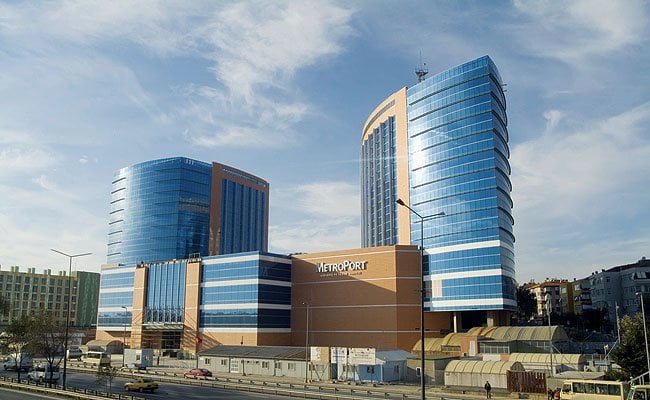
ឧទ្យានវេជ្ជសាស្ត្រ Bahcelievler មន្ទីរពេទ្យ
Medical Park Bahcelievler Hospital គឺជាមន្ទីរពេទ្យដែលមានការទទួលស្គាល់ពី JCI ដែលមានគ្រែ 242 នៅទីក្រុងអ៊ីស្តង់ប៊ុល ដែលបានបង្កើតឡើងក្នុងឆ្នាំ 2007។ លាតសន...
ការទទួលស្គាល់

មធ្យោបាយបរិក្ខារ
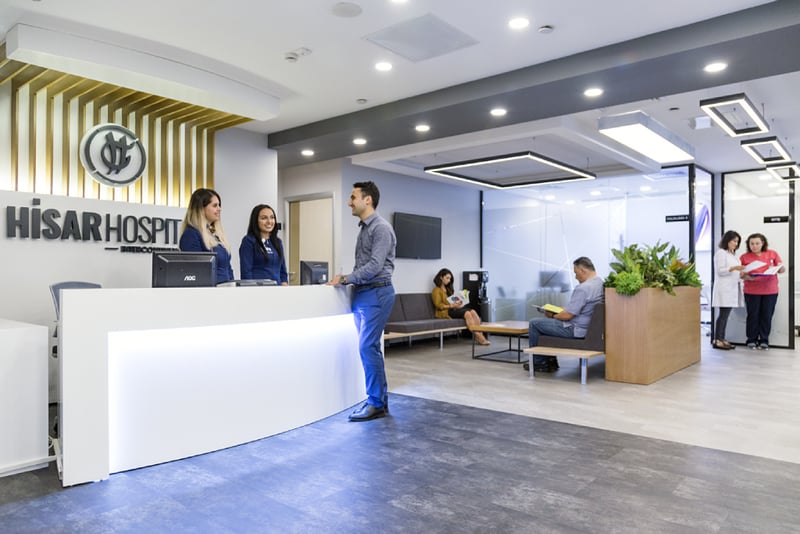
មន្ទីរពេទ្យ Hisar Intercontinental ទីក្រុងអ៊ីស្តង់ប៊ុល។
មន្ទីរពេទ្យ Hisar Intercontinental ក្នុងទីក្រុងអ៊ីស្តង់ប៊ុល គឺជាមន្ទីរពេទ្យពហុឯកទេសដែលមានគ្រែចំនួន 212 ដែលត្រូវបានទទួលស្គាល់ដោយ JCI ដែលលាតសន្ធឹងលើផ្ទៃ...
ការទទួលស្គាល់
មធ្យោបាយបរិក្ខារ

មន្ទីរពេទ្យ Medipol Bahçelievler
មន្ទីរពេទ្យ Medipol Bahçelievler គឺជាមន្ទីរពេទ្យឯកជនទំហំ 441 គ្រែក្នុងទីក្រុងអ៊ីស្តង់ប៊ុល ដែលបានចាប់ផ្តើមប្រតិបត្តិការក្នុងខែឧសភា ឆ្នាំ 2022។ គ្របដណ្ត...
ការទទួលស្គាល់
មធ្យោបាយបរិក្ខារ
នីតិវិធីស្រដៀងគ្នា
ការវះកាត់ឆ្អឹងខ្នងតិចតួចបំផុត។ ក្នុង ប្រទេសឥណ្ឌា
ការវះកាត់ឆ្អឹងខ្នង Keyhole ក្នុង ប្រទេសឥណ្ឌា
ការវះកាត់ឆ្អឹងខ្នង Endoscopic ក្នុង ប្រទេសឥណ្ឌា
ការបង្ហាប់ឆ្អឹងខ្នងនិងការបង្ហាប់ ក្នុង ប្រទេសឥណ្ឌា
ការរំញោចខួរឆ្អឹងខ្នង ក្នុង ប្រទេសឥណ្ឌា
ការរកឃើញខួរឆ្អឹងខ្នង ក្នុង ប្រទេសឥណ្ឌា
រ៉ាំរ៉ៃ Cerebro Spinal Venous Insufficiency (CCSVI) ក្នុង ប្រទេសឥណ្ឌា
វិចិរតសាល
សំណួរគេសួរញឹកញាប់
អ្នកវិស្វិក
មើលទាំងអស់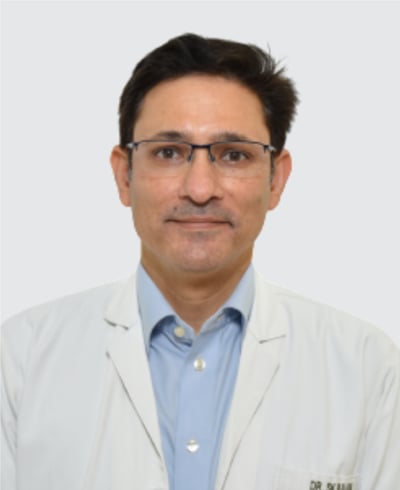
Dr. SK Rajan is an internationally trained and AO-certified Spine Surgeon with extensive expertise in managing complex spinal disorders. He has trained at leading national and global institutions, i... អានបន្ថែម

គេហទំព័ររបស់យើងប្រើខូឃីស៍។ គោលការណ៍ភាពឯកជន.