
Handtransplantation Kostnad i Indien
Om Handtransplantation
Vad är en handtransplantation?
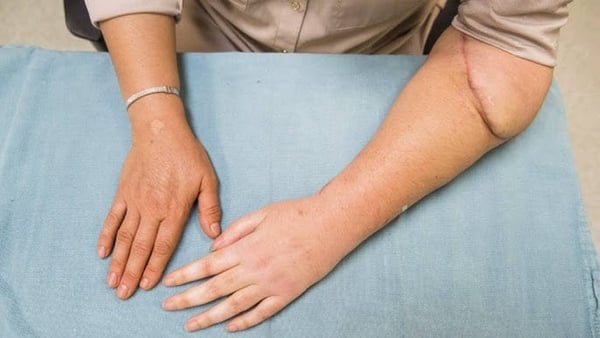
etthandtransplantationär ett högspecialiserat kirurgiskt ingrepp där endonatorhand eller armär kirurgiskt knuten till en person som har tappat handen på grund av trauma, brännskador, infektioner eller medfödda funktionsnedsättningar. Till skillnad från proteser erbjuder denna procedur potential att återta verkliga, funktionella lemmar med känsel, rörlighet och utseende närmare en naturlig hand.
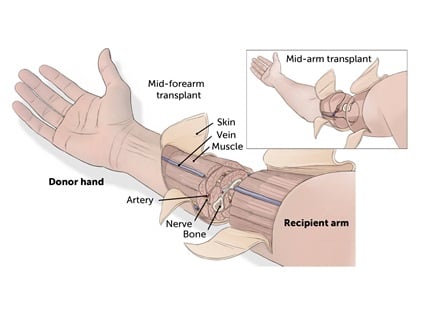
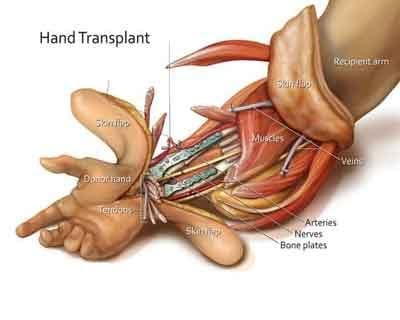
Operationen involverarExakt återkoppling av ben, artärer, vener, senor, muskler och nervermed hjälp av mikrokirurgiska tekniker. Med tiden, med korrekt rehabilitering, kan patienter återställa betydande funktion – som grepp, känsla och rörelse.
Det är dock viktigt att notera att detta inte bara är ett kirurgiskt ingrepp. En handtransplantation är ett livslångt åtagande. Transplantationspatienter tarimmunsuppressiva läkemedelFör att undvika avvisande av den nya handen och genomgå långvarig sjukgymnastik och psykologiskt stöd för att säkerställa funktionell integration i det dagliga livet.
Vem kan vara donator för en handtransplantation?
En handtransplantation kräver en donator som har förklarats hjärndöd och vars familj har lämnat informerat samtycke för donation av extremiteter. Till skillnad från inre organ är händerna yttre och synliga, vilket gör donationsprocessen mer känslig. Det kräver noggrant övervägande av både medicinsk och kosmetisk kompatibilitet.
Givarvalet baseras på strikta kriterier för att säkerställa bästa möjliga matchning. Dessa inkluderar:
- blodgruppskompatibilitet
- Vävnadsmatchning (HLA-typning)
- Liknande hudton, lemstorlek och kroppsbyggnad
- Ålder och könsanpassning, om möjligt
När en lämplig donator har identifierats, hämtas handen eller underarmen kirurgiskt med precision för att bevara kritiska strukturer somNerver, artärer, vener, muskler, senor och ben. Timing är avgörande. Den hämtade extremiteten måste transplanteras inom ett begränsat fönster för att säkerställa vävnadens livsduglighet och minska risken för komplikationer.
Processen koordineras genom officiella organdonationsnätverk och etiska protokoll följs strikt. Givarans anonymitet upprätthålls i allmänhet. I vissa fall kan båda familjerna välja att dela begränsad information med varandra efter operationen.
Hur utförs en handtransplantation?
En handtransplantation är en av de mest komplexa rekonstruktiva operationerna, som kräver samarbete mellan flera specialiteter inklusive plastikkirurgi, ortopedisk kirurgi, kärlkirurgi och anestesiologi. Proceduren tar vanligtvis12 till 20 timmaroch involverarmikrokirurgisk precisionFör att koppla ihop ben, blodkärl, nerver, muskler och hud.
Den fullständiga proceduren är som följer:
- mottagarförberedelse: Patientens kvarvarande lem bedöms noggrant. Kirurger trimmar ben och förbereder artärer, vener och nerver för fastsättning.
- donatorlemberedning: Donatorns hand eller underarm är matchad och bevarad. Kirurger säkerställer att alla vaskulära och strukturella element är intakta och redo för anslutning.
- benfixering: Donatorhandens ben är inriktade och fixerade till mottagarens ben med hjälp av titanplattor och skruvar för stabilitet.
- kärlkoppling: Kirurger använder mikrokirurgiska verktyg för att koppla samman artärer och vener, vilket gör att blodflödet kan börja. Det är en kritisk fas som återställer liv till den transplanterade handen.
- sena och muskelsuturering: Flexor- och extensorsenor är fästa för att tillåta finger- och handledsrörelse.
- nervkoaptation: Kirurger kopplar samman stora nerver för att möjliggöra eventuell sensorisk och motorisk funktion.
- Hudförslutning och förband: Det yttre lagret stängs försiktigt och handen är immobiliserad i en skena.
Efter operationen övervakas patienten på ICU, ochimmunsuppressiv terapistartas omedelbart för att förhindra organavstötning. Långvarig rehabilitering börjar strax efter för att återfå styrka, rörelse och känsel.
Vad kostar en handtransplantation i Indien och vad innehåller den?
Kostnaden för en handtransplantation i Indien varierar vanligtvis mellan35 000 USD och 55 000 USD per hand. Prissättningen täcker hela spektrumet av vård, från preoperativa utvärderingar till postoperativ rehabilitering. Jämfört med länder som USA, där handtransplantationer kan överstiga $250 000, erbjuder Indien kirurgiska resultat i världsklass till en bråkdel av kostnaden.
Kostnaden inkluderar i allmänhet:
- Pre-kirurgiska undersökningar: Blodarbete, avbildning, korsmatchning och psykologisk bedömning.
- donatorhandhämtning och transport: Koordinerad genom certifierade organnätverk.
- kirurgiskt ingrepp: Involverar flera specialister som använder avancerad mikrokirurgisk utrustning.
- Implantat och fixeringsanordningar: såsom titanplattor, skruvar och kirurgiska förbrukningsvaror.
- Sjukhusvistelse och intensivvård: I cirka 2–3 veckor, inklusive övervakning och sårvård.
- immunsuppressiva läkemedel: För första månaden efter transplantationen.
- Sjukgymnastik och arbetsterapi: Inledande sessioner som tillhandahålls under sjukhusvistelse.
- Efter uppföljning och konsultationer: Med transplantationsteamet i upp till 30 dagar.
Få en gratis behandlingsplan
Om Handtransplantation i Indien
What Is the Cost of a Hand Transplant in India and What Does It Include?
The cost of a hand transplant in India typically ranges between $35,000 and $55,000 per hand. The pricing covers the full spectrum of care, from preoperative evaluations to postoperative rehabilitation. Compared to countries like the USA, where hand transplants can exceed $250,000, India offers world-class surgical outcomes at a fraction of the cost.
The cost generally includes:
- Pre-surgical investigations: Blood work, imaging, crossmatching, and psychological assessment.
- Donor hand retrieval and transport: Coordinated through certified organ networks.
- Surgical procedure: Involving multiple specialists using advanced microsurgical equipment.
- Implants and fixation devices: Such as titanium plates, screws, and surgical consumables.
- Hospital stay and ICU care: For around 2–3 weeks, including monitoring and wound care.
- Immunosuppressive medications: For the first month post-transplant.
- Physiotherapy and occupational therapy: Initial sessions provided during hospitalization.
- Post-op follow-up and consultations: With the transplant team for up to 30 days.
Breakdown of Hand Transplant Cost in India
The total cost of a hand transplant in India typically falls between ₹30,00,000 and ₹50,00,000 ($35,000 – $55,000), and this includes several crucial stages of treatment. To help international patients understand exactly where their money goes, here's a detailed cost breakdown of the components involved in a hand transplant in India.
- Preoperative investigations, such as blood tests, HLA typing, imaging scans (like CT or MRI), and psychological evaluations, generally cost between $1,000 and $2,000. These tests are essential for determining the patient's suitability for surgery and compatibility with the donor hand.
- The cost of procuring the donor hand, including transportation, surgical retrieval, and preservation, ranges from $3,000 to $5,000.
- The surgical procedure itself, which involves complex microsurgery by a team of highly specialized surgeons, is the most significant part of the expense and usually costs between $20,000 and $30,000. It includes the use of advanced operating theaters, specialized instruments, and surgical consumables, such as titanium plates and sutures.
- The ICU care and hospital stay after surgery (typically 14 to 21 days) costs approximately $4,000 to $7,000, depending on the type of room selected and any complications that may arise during recovery.
- Immunosuppressive medications, which are crucial to prevent rejection of the donor hand, can cost $2,000 to $4,000 during the initial post-surgery period.
- Postoperative physiotherapy and occupational therapy, which are needed to regain movement and function, can add $2,000 to $3,000 to the overall cost. Intensive rehabilitation usually begins during the hospital stay and may continue as an outpatient service.
- Finally, follow-up consultations and wound care management during the first month may cost around $500 to $1,000.
Treatment Component | Estimated Cost (USD) |
| Pre-operative Investigations | $1,000 – $2,000 |
| Donor Hand Procurement & Transport | $3,000 – $5,000 |
| Transplant Surgery (Single Hand) | $20,000 – $30,000 |
| ICU & Hospital Stay (2–3 weeks) | $4,000 – $7,000 |
| Immunosuppressive Medication (1 month) | $2,000 – $4,000 |
| Post-operative Physiotherapy | $2,000 – $3,000 |
| Follow-up Consultations (30 days) | $500 – $1,000 |
| Total Estimated Cost | $35,000 – $55,000 |
Important: This cost is for a single hand transplant. A double hand transplant could cost 1.8x to 2x more, depending on the complexity and duration of surgery.
Cost Comparison: Hand Transplant in India vs Other Countries
Choosing where to undergo a hand transplant is a vital decision with cost being one of the biggest factors for international patients. Compared to Western countries, India offers the same surgical quality and postoperative care at dramatically lower prices.
Country | Average Cost (USD) | Inclusions & Notes |
| India | $35,000 – $55,000 | Includes surgery, hospital stay, ICU, immunosuppressants, and rehab |
| United States | $250,000 – $400,000 | Surgery alone; post-op rehab and long-term medications billed separately |
| United Kingdom | $200,000+ (Private) | Limited transplant availability; not typically covered by NHS |
| Germany | $220,000 – $350,000 | High-end care with long waiting times and added cost for rehab |
| UAE / Middle East | $180,000 – $250,000 | Expensive due to imported specialists and limited centers |
| Thailand | $60,000 – $90,000 | Fewer transplant cases and less experience in complex microsurgery |
In India, patients receive complete transplant care (surgical, medical, and rehabilitative) for nearly 80% less than what they would spend in the US or Europe. The cost savings do not come at the expense of quality; leading hospitals in India match global standards and often exceed expectations in personalized care and recovery support.
What Factors Affect the Cost of Hand Transplant in India?
Several variables can direct the final cost of a hand transplant in India. Understanding these helps patients plan more accurately and avoid unexpected expenses:
- Single vs. Double Hand Transplant: A transplant involving both hands nearly doubles the surgical time, recovery effort, and resource use, increasing the overall cost significantly compared to a single-hand transplant.
- Donor Availability and Procurement Logistics: If a suitable donor is not locally available, additional costs may arise for transportation, coordination with organ registries, and surgical retrieval of the donor limb.
- Duration of ICU and Hospital Stay: Patients who need extended critical care, ventilator support, or have postoperative complications will incur higher hospitalization costs.
- Type and Brand of Immunosuppressive Drugs: The cost of anti-rejection medications varies widely based on brand, dosage, and duration. Imported or higher-end immunosuppressants may increase the budget.
- Rehabilitation and Physiotherapy Intensity: Longer or more aggressive physiotherapy protocols, including robotic-assisted rehabilitation or customized splints, may increase the cost.
- City and Choice of Hospital: Metro cities like Delhi, Mumbai, and Bangalore may have slightly higher pricing due to facility standards and specialist availability, while tier-2 towns can be more affordable.
- Surgeon's Expertise and Hospital Accreditation: Renowned transplant surgeons and JCI/NABH-accredited hospitals often charge more, but they offer better outcomes and provide assurance of safety.
India's Leadership in Hand Transplant: Latest Statistics and Landmark Cases
As of September 2024, India has completed 73 out of 179 hand transplants performed globally, accounting for over 40% of all such cases worldwide. The United States follows with 55 cases, while the United Kingdom has completed 17.
Mumbai alone accounts for nearly one-third of India's total hand transplants (around 24), showing strong regional leadership.
Recent and Notable Cases
- Amrita Hospital, Faridabad has completed multiple complex transplants:
- In December 2023, they performed North India's first transplant on a kidney transplant recipient (64-year-old) and a 19-year-old with above-elbow amputations.
- In February 2025, they conducted a rare double-hand transplant, followed by multi-organ transplants from the same donor—making them the first team in North India to do so.
- Sir Ganga Ram Hospital, Delhi, achieved the first successful bilateral hand transplant in Delhi in early 2024, giving both hands to a 45-year-old accident survivor from a brain-dead female donor.
- Sir Ganga Ram Hospital also led North India's inaugural bilateral hand transplant, performed on Meena Mehta, benefiting multiple organ recipients. Hands were transplanted to "Rahul" following a 12-hour procedure.
- In Gujarat, Kiran Hospital performed the state's first bilateral hand transplant in March 2025, granting renewed independence to a 35-year-old lineman.
Why Is Hand Transplant More Affordable in India?
India has emerged as a top destination for advanced surgeries, such as hand transplants—not just because of its medical expertise, but also due to its cost-effectiveness. Here's why India can offer high-quality care at significantly lower prices:
- Lower Surgical and Hospital Fees: The overall cost of healthcare services in India—including surgeons' fees, operating room charges, and nursing care—is substantially lower compared to the US or Europe. Yet, the quality of care meets international standards.
- Economic Infrastructure and Staffing: India's hospitals operate with optimized operational costs. Medical staff salaries, administrative expenses, and facility maintenance are cost-effective without compromising safety or hygiene.
- In-House Rehabilitation and Follow-Up Services: Many Indian hospitals offer physiotherapy, occupational therapy, and follow-up consultations as part of their package, thereby reducing the need for expensive third-party rehabilitation centers.
- Cost of Medications Is Significantly Lower: India is a global hub for generic pharmaceuticals. Life-long immunosuppressive drugs required after a hand transplant are available at 40–70% less than in most Western countries.
- Favorable Currency Exchange Rates: Patients coming from the US, UK, Middle East, or Australia benefit from favorable exchange rates, making even premium Indian hospitals highly affordable in dollar terms.
- Government-Supported Medical Tourism Ecosystem: With strong government backing for medical tourism, Indian hospitals provide bundled packages, visa support, and concierge services—all at competitive pricing for international patients.
Support Services for International Patients Undergoing Hand Transplant in India
India offers a well-developed medical tourism ecosystem that ensures international patients receive seamless, end-to-end support before, during, and after their treatment. These services are designed to make the journey smooth, comfortable, and medically successful.
- Visa Assistance and Medical Invitation Letters: Hospitals provide official visa invitation letters (VILs) that facilitate the quick issuance of a medical visa for patients and their attendants. Some centers even assist with visa extensions if the recovery period is longer than expected.
- Airport Pickup and Local Transfers: International patients are offered complimentary airport pickup and drop-off services. In-city transport for medical appointments and rehab sessions is also arranged to reduce logistical stress.
- Language Interpreters and Translation Services: Professional interpreters are available for Arabic, French, Russian, Swahili, and Spanish, ensuring there is no communication barrier between doctors and patients or their families.
- Dedicated International Patient Coordinator: A multilingual coordinator is assigned to each case to assist with managing daily schedules, billing, medical queries, follow-ups, and non-medical needs, including hotel bookings and local SIM card arrangements.
- Assistance with Accommodation and Meals: Affordable guesthouses, service apartments, or hotel stays near the hospital are offered at discounted rates. Customizable meal plans, including halal or vegan options, are also provided upon request.
- Virtual Consultation Before Travel: Patients can consult with surgeons online before flying to India, helping them make informed decisions and plan travel dates based on clinical recommendations.
- Post-Discharge Rehabilitation Planning: Hospitals assist in arranging ongoing physiotherapy sessions, training caregivers, and providing guidance on long-term medication use and follow-up care once the patient returns home.
What is the Success Rate and Recovery Timeline After Hand Transplant?
Hand transplantation is a technically demanding and life-altering surgery, and its success depends on a combination of surgical precision, long-term medication adherence, and patient dedication to rehabilitation. Over the last decade, India has consistently reported high success rates and functional outcomes, making it a preferred destination for this advanced procedure.
Success Rate of Hand Transplant in India
The success rate of hand transplants in India ranges between 80% and 85%, which is comparable to that of leading global centers. "Success" in hand transplants refers to:
- Graft survival (i.e., the transplanted hand remains viable and is not rejected),
- Functional restoration (i.e., the patient regains use of the hand),
- Patient compliance with rehabilitation and immunosuppressive medication.
Key factors contributing to India's high success rate include:
- Experienced microsurgery teams with global training.
- Advanced postoperative monitoring systems.
- Access to cost-effective, high-quality immunosuppressive medications.
- Structured physical therapy programs integrated into hospitals.
Indian hospitals also follow stringent donor-recipient matching criteria, which improves surgical compatibility and reduces the risk of chronic rejection.
Functional Recovery Timeline
Recovery after a hand transplant is a gradual and multi-phase process that spans several months to years.
- First 1–2 Weeks (Immediate Post-Op Phase): The patient remains in the ICU for close monitoring. Blood flow through the transplanted hand is carefully tracked. Immunosuppressive drugs are started immediately to prevent rejection. Passive physiotherapy (movement with assistance) begins in the first few days.
- Weeks 3–6: Patients are shifted to regular wards and continue medication. Dressings are changed frequently, and sutures are inspected for healing. Physiotherapy becomes more active, focusing on joint mobility and tendon glide. Early signs of sensory return may appear, especially in the fingertips.
- Months 2–6: Outpatient rehabilitation begins, with patients visiting therapy centers three to five times a week. Nerve regeneration begins (at approximately 1 mm per day), improving sensation and movement. Patients relearn basic functions, such as holding utensils, buttoning shirts, and typing. Psychological counseling is ongoing to address body image changes and medication side effects.
- Months 6–18: Fine motor control improves as nerves continue regenerating deeper into the hand and fingers. Muscle reeducation enables firmer grip, pinch, and rotational movements. Many patients regain up to 70–80% of hand function if rehab is consistent. Routine checkups help monitor for signs of chronic rejection or infection.
- After 2 Years: Most nerve pathways stabilize, and further improvements may plateau. Patients typically adapt well to daily life using the transplanted hand(s). Long-term immunosuppression continues but may be adjusted to lower doses. Functional independence is restored in many cases, allowing return to employment or school.
Psychological and Emotional Recovery
Alongside physical healing, patients undergo psychological adjustment to the "new" hand. Emotional acceptance, coping with appearance differences, and dealing with lifelong medication can be challenging. Many hospitals in India now provide dedicated mental health support to help patients transition successfully.
Handtransplantation Kostnadsjämförelse per land
Jämför Handtransplantation kostnader mellan olika länder för att fatta ett välgrundat beslut om din medicinska behandling.
| Land | Kostnadsintervall (USD) | Potentiella besparingar | Handling |
|---|---|---|---|
IndienNuvarandeBästa värde | $35,000 - $55,000 | — | Få offert |
Notera: Kostnaderna kan variera beroende på sjukhusval, rumstyp, tilläggstjänster och individuella medicinska krav.
Ledande sjukhus för Handtransplantation i Indien

BLK-Max Super Specialty Hospital, New Delhi
BLK-Max Super Specialty Hospital i New Delhi är en av Indiens främsta vårdinstitutioner, som erbjuder 650 bäddar, 22 avancerade operationssalar och 13...
Ackrediteringar


Faciliteter

Max Smart Super Specialty Hospital, Saket, New Delhi
Max Smart Super Specialty Hospital, Saket, är ett sjukhus för tertiärvård med 250 bäddar i södra Delhi. Det erbjuder avancerad medicinsk och kirurgisk...
Ackrediteringar
Faciliteter

PSRI sjukhus, Delhi
Pushpawati Singhania Research Institute (PSRI Hospital), New Delhi, är ett ledande multi-specialty tertiärvårdssjukhus som grundades 1996 av JK Group....
Ackrediteringar
Faciliteter
Liknande förfaranden
Galleri
FAQ


Vår webbplats använder cookies. Sekretesspolicy.