
Levertransplantation Kostnad i Indien
Om Levertransplantation
Vad är en levertransplantation?
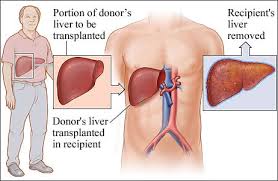
En levertransplantation är ett livräddande kirurgiskt ingrepp där en sjuk/skadad lever ersätts med en frisk lever från en annan person. Denna nya lever kan komma från antingen en levande donator (som ger en del av sin lever) eller en avliden donator (som donerar sin lever efter döden). Levern är ett viktigt kroppsorgan som spelar en avgörande roll i matsmältningen, tar bort gifter från blodet och lagrar viktiga näringsämnen. Utan en fungerande lever börjar kroppen stängas av.
Vid många allvarliga leversjukdomar kanske medicinering och andra behandlingar inte längre hjälper. Vid denna tidpunkt blir en levertransplantation den enda chansen att överleva. Operationen tar bort den skadade levern och ersätter den med en frisk som kan utföra alla väsentliga funktioner.
Vem behöver en levertransplantation?
Inte alla med leversjukdom behöver en transplantation. Men när levern börjar svika och inte längre kan hålla kroppen frisk, börjar läkare överväga en levertransplantation. Denna livräddande operation är ofta det bästa alternativet för patienter med leversjukdom i slutstadiet eller de som har vissa typer av levercancer.
vanliga tillstånd som kräver en levertransplantation
Leversvikt utvecklas ofta gradvis hos många människor, vanligtvis efter månader eller år av ackumulerad skada. De vanligaste anledningarna till att någon kan behöva en transplantation är:
- skrumplej: Detta är den vanligaste orsaken. Vid cirros blir levervävnaden ärrad och härdad, vilket stoppar blodflödet och försämrar den sunda leverfunktionen. Alkoholmissbruk, hepatit och fettleversjukdom leder ofta till cirros.
- Icke-alkoholisk fettleversjukdom (NAFLD): Detta händer när fett ackumuleras i levern, vilket orsakar inflammation över tid.
- Långvarig hepatit B eller C: Kroniska virusinfektioner skadar leverceller och leder gradvis till leversvikt.
- Levercancer (hepatocellulärt karcinom): I vissa fall kan cancer som börjar i levern fortfarande botas om den upptäcks tidigt och en transplantation utförs.
- akut leversvikt: Detta är en plötslig förlust av leverfunktionen, ofta på grund av överdosering av läkemedel (som paracetamol), infektioner eller giftig exponering.
Hur bestämmer läkare behörighet?
Läkare föreslår inte en transplantation direkt. Först kör de flera tester för att kontrollera hur väl levern fungerar. denMELD-poäng(Modell för leversjukdom i slutstadiet) Hjälper läkare att bestämma när en transplantation behövs. Ju högre poäng, desto större är det att det är brådskande.
Patienter måste också uppfylla andra villkor. Till exempel måste de:
- Var frisk nog att genomgå en stor operation.
- har inga aktiva infektioner eller cancer utanför levern.
- Visa tecken på att de kommer att följa instruktionerna för vård efter transplantation.
Läkare utvärderar också emotionell och mental beredskap. Eftersom återhämtning av levertransplantationer kräver livslång vård och medicin, måste patienterna visa ett starkt engagemang för att hålla sig friska.
Vilka är de olika typerna av levertransplantationer?
Levertransplantationskirurgi är tillgänglig i olika former, beroende på patientens medicinska tillstånd, donatortillgänglighet och hur brådskande ingreppet är. Varje typ av levertransplantation har sin egen uppsättning fördelar och väljs ut efter en grundlig medicinsk utvärdering av transplantationsteamet.
Levande donator levertransplantation
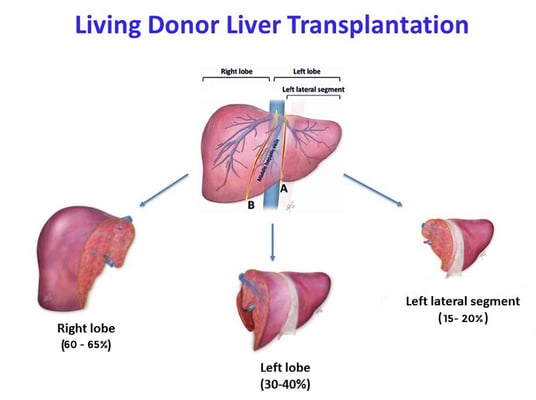
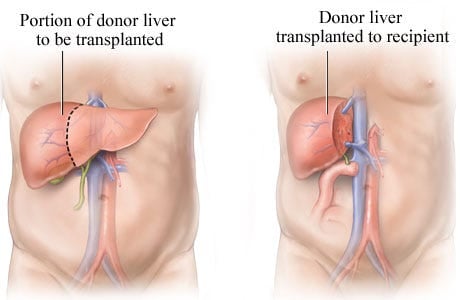
En levande donatorlevertransplantationsprocedur innebär att man tar en del av levern (vanligtvis höger eller vänster lob) från en frisk levande person och transplanterar den till mottagaren. Denna typ av transplantation är möjlig eftersom levern har en unik förmåga att regenerera till sin fulla storlek hos både donatorn och mottagaren inom några veckor efter operationen.
Levande donator Levertransplantationer är bäst lämpade för barn eller vuxna som har en villig och medicinskt vältränad familjemedlem eller vän som donator. De främsta fördelarna med denna typ inkluderar kortare väntetider, möjligheten att schemalägga operationen i förväg och en högre framgångsfrekvens på grund av bättre organkvalitet och timing.
Levertransplantation av avliden donator
En avliden donatorlevertransplantation använder en full lever från en person som nyligen har dött och har donerat sina organ. Levern bevaras noggrant och transplanteras in i patienten inom ett kritiskt tidsfönster efter avlägsnande.
En avliden donator levertransplantation rekommenderas för patienter som inte har en kvalificerad levande donator. Det kan dock innebära längre väntetider på grund av den begränsade tillgången på lämpliga avlidna donatororgan. Det utförs vanligtvis hos patienter med leversjukdom i slutstadiet eller akut leversvikt.
delad levertransplantation
Delad levertransplantationsoperation innebär att dela upp en avliden donatorlever i två delar, som sedan transplanteras i två olika mottagare, vanligtvis en vuxen och ett barn. Det är en högspecialiserad procedur och kräver utmärkt kirurgisk precision och sjukhusinfrastruktur.
Splittrade levertransplantationer är fördelaktiga eftersom de tillåter två liv att räddas med en enda donerad lever. Tekniken används ofta i pediatriska levertransplantationsfall där mottagaren kräver ett mindre transplantat.
hjälplevertransplantation
En extra levertransplantation innebär att en partiell donatorlever implanteras tillsammans med patientens egen sjuka lever, istället för att ersätta den helt. Denna metod övervägs när det finns en möjlighet att den infödda levern kan återhämta sig med tiden, till exempel vid akut leversvikt på grund av förgiftning eller viral hepatit.
Hjällevertransplantation används främst till yngre patienter eller i situationer där läkarna vill bevara den ursprungliga leverfunktionen. Om patientens lever återhämtar sig kan donatortransplantatet krympa eller till och med tas bort i ett senare ingrepp.
Hur utförs en levertransplantation?
Levertransplantationsprocessen följer ett noggrant strukturerat protokoll för att säkerställa bästa resultat. Hela resan inkluderar utvärdering, donatorval, kirurgiskt ingrepp och postoperativ återhämtning. Att förstå varje steg hjälper patienter och deras familjer att förbereda sig mentalt, fysiskt och ekonomiskt.
Utvärdering före transplantation
Kirurger börjar processen med att genomföra en grundlig medicinsk bedömning för att bekräfta att levertransplantationskirurgi är det bästa behandlingsalternativet. Utvärderingen inkluderar blodprov, avbildningsskanningar, bedömningar av hjärt- och lungfunktion och psykologisk rådgivning.
Transplantationsteamet kontrollerar också efter eventuella kontraindikationer, som okontrollerade infektioner eller allvarlig hjärtsjukdom. Endast de som uppfyller behörighetskriterierna går framåt i transplantationsprocessen.
Donatormatchning och förberedelse
Om patienten har en levande donator utför läkare kompatibilitetstester för att säkerställa en säker matchning. För en avliden donatortransplantation läggs patientens namn till på transplantationsväntlistan. Matchning innebär att kontrollera blodtyp, leverstorlek och allmän hälsa.
När en lämplig donator har bekräftats genomgår både givare och mottagare slutliga medicinska kontroller och förkirurgisk planering. När det gäller en levande donator är transplantationsdatumet planerat i förväg.
levertransplantationsoperation
Operationen sker i en steril operationssal utrustad med avancerad levertransplantationsteknologi. Transplantationskirurger tar bort den sjuka levern och ersätter den med ett friskt lever- eller leversegment från donatorn.
Operationen varar vanligtvis 8 till 12 timmar. Erfarna levertransplantationskirurger arbetar tillsammans med anestesiologer och stödpersonal för att minimera risker och säkerställa precision.
Omedelbar ICU-vård efter operationen
Efter operationen flyttas patienten till intensivvårdsavdelningen (ICU) för noggrann övervakning. Läkare kontrollerar regelbundet vitala tecken, leverfunktion och kroppens svar på det nya organet.
Under ICU-vistelsen får patienter immunsuppressiva läkemedel för att förhindra organavstötning och antibiotika för att avvärja infektioner.
Sjukhusvistelse och återhämtning
Sjukhusvistelsen efter en levertransplantation i Indien varierar från 2 till 3 veckor. Patienter börjar gradvis gå, äta och återuppta grundläggande aktiviteter under medicinsk övervakning.
Transplantationsteamet utbildar patienten och vårdgivare om hygien, kost, sårvård och medicinscheman före utskrivning.
Långtidsuppföljning och övervakning
Efter utskrivning går patienter på regelbundna uppföljningsbesök under de första månaderna. Dessa besök inkluderar blodprov, ultraljudsundersökningar och justeringar av läkemedelsdoser.
Läkare övervakar tecken på organavstötning, infektioner och andra komplikationer. Långtidsvård hjälper till att säkerställa att levern fungerar bra och att patienten förblir frisk.
Få en gratis behandlingsplan
Om Levertransplantation i Indien
What is the Cost of a Liver Transplant in India?
The liver transplant cost in India ranges between ₹20 lakhs to ₹30 lakhs, which is approximately $23,000 to $36,000. It includes most of the essential services required for a successful transplant and postoperative recovery. Compared to countries like the United States or the United Kingdom, India offers world-class liver transplant services at a significantly lower price.
What's Included in the Liver Transplant Package in India?
Most liver transplant packages in India cover a comprehensive list of medical and surgical services, which include:
- Pre-transplant evaluation: This includes blood tests, imaging scans (such as MRI or CT), liver function tests, and cardiopulmonary assessments. These tests help determine whether the patient is fit for transplant.
- Surgical procedure charges: The actual cost of liver transplant surgery includes operating theater charges, surgeon's fees, anesthetist fees, and the cost of medical equipment used during the procedure.
- Donor surgery expenses: In the case of a living donor liver transplant, the cost also includes evaluation, hospitalization, and surgery for the donor.
- Intensive Care Unit (ICU) stay: The transplant recipient requires ICU support for several days post-surgery to monitor vital signs and manage complications.
- Hospital stay for both donor and recipient: Typically, recipients remain in the hospital for 2 to 3 weeks while donors stay for about a week.
- Immunosuppressive medications: These are critical drugs that prevent the immune system from rejecting the transplanted liver. The initial cost of these medications is included in the package.
- Nursing and ward care: High-quality postoperative care is provided by trained nurses and medical staff to ensure proper recovery.
- Follow-up consultations (initial period): Some hospitals include a few months of follow-up visits, blood tests, and follow-up monitoring in the overall transplant cost.
India's liver transplant centers also offer value-added services, such as dietary planning, physiotherapy, and counseling, particularly for international patients, as part of a comprehensive care plan.
Cost Breakdown of Liver Transplant in India
The complete cost structure of liver transplant in India includes various stages such as medical evaluations, surgery, hospital stay, medications, and donor care. Below is a detailed cost breakdown of what you can expect.
- Pre-Transplant Evaluation Cost: Doctors perform several diagnostic tests before scheduling the surgery. These include blood tests, imaging scans, cardiac evaluations, and consultations with specialists. The cost for liver transplant pre-evaluation ranges between ₹1,50,000 and ₹2,50,000 (approximately $1,800 to $3,000).
- Liver Transplant Surgery Cost: The surgical cost of liver transplant covers the operation theater, surgeon's fee, anesthetist, surgical team, and equipment. It is the most considerable portion of the expense, ranging from ₹10 lakhs to ₹15 lakhs ($12,000 to $18,000).
- Donor Surgery and Care Cost: In living donor transplants, the donor also undergoes surgery. It includes hospital admission, donor evaluation, and surgical fees. The donor surgery cost in India ranges from ₹3 lakhs to ₹5 lakhs ($3,500 to $6,000).
- Postoperative ICU and Hospital Stay: Patients typically spend several days in the ICU, followed by recovery in a general ward or private room. The ICU and hospitalization cost ranges between ₹3 lakhs and ₹4 lakhs ($3,500 to $4,800).
- Immunosuppressive Medication Cost: After transplant, patients need lifelong medications to prevent organ rejection. The initial cost of the immunosuppressive drug is approximately ₹1 lakh to ₹1.5 lakh ($1,200 to $1,800), which may increase depending on the patient's response to treatment.
- Follow-up Tests and Consultation Charges: After discharge, doctors continue to monitor the patient's progress through regular blood tests and check-ups. The first few months of follow-up care can cost between ₹50,000 and ₹1,00,000 ($600 to $1,200).
Expense Component | Cost in INR | Cost in USD |
| Pre-transplant Evaluation | ₹1,50,000 – ₹2,50,000 | $1,800 – $3,000 |
| Liver Transplant Surgery | ₹10,00,000 – ₹15,00,000 | $12,000 – $18,000 |
| Donor Surgery and Care | ₹3,00,000 – ₹5,00,000 | $3,500 – $6,000 |
| ICU & Hospital Stay | ₹3,00,000 – ₹4,00,000 | $3,500 – $4,800 |
| Immunosuppressive Medications | ₹1,00,000 – ₹1,50,000 | $1,200 – $1,800 |
| Follow-up Care | ₹50,000 – ₹1,00,000 | $600 – $1,200 |
| Total Estimated Cost | ₹20,00,000 – ₹30,00,000 | $23,000 – $36,000 |
Liver Transplant Cost Comparison: India vs Other Countries
India is a preferred destination for liver transplant surgery because of its cost-effectiveness without compromising on quality. When comparing liver transplant costs globally, India consistently offers some of the most affordable options while maintaining excellent outcomes.
In countries such as the United States or the United Kingdom, the total cost of a liver transplant can be overwhelming. Patients often face long waiting times and high out-of-pocket expenses due to insurance deductibles. On the other hand, Indian hospitals provide world-class liver transplant procedures at a fraction of the international cost.
Country | Average Liver Transplant Cost (USD) | Key Highlights |
| India | $23,000 – $36,000 | Affordable, shorter wait time, skilled surgeons |
| United States | $5,00,000 – $8,00,000 | Very high cost, long waiting period |
| United Kingdom | $3,00,000 – $4,50,000 | High cost, availability mostly through the NHS |
| UAE | $1,20,000 – $2,00,000 | Expensive, limited number of transplant centers |
| Turkey | $70,000 – $1,00,000 | Growing medical hub, still costlier than India |
| Singapore | $2,50,000 – $3,50,000 | High-tech facilities but high cost |
India stands out as a country that provides advanced liver transplant surgeries at economical rates. Even after including travel, accommodation, and postoperative recovery costs, the total expense in India remains significantly lower than in most developed nations.
Additionally, Indian hospitals provide comprehensive support to international patients, ensuring a smooth and stress-free process. Choosing India for a liver transplant not only saves money but also reduces waiting time, improves access to skilled doctors, and ensures personalized care.
What are the Factors Affecting Liver Transplant Cost in India?
The liver transplant cost in India can vary widely based on several critical elements related to both the patient and the healthcare facility. These factors influence overall medical expenses, and understanding them provides patients with better clarity on what to expect financially.
- Type of Liver Transplant: Living donor liver transplant usually costs more because it includes two surgeries, one for the donor and one for the patient. Deceased donor transplant may involve costs for coordination and organ matching.
- Hospital and City: The cost of a liver transplant varies depending on the hospital's reputation and location. Premium hospitals in metro cities like Delhi or Mumbai may charge more due to advanced facilities and expert teams.
- Surgeon's Experience: Surgeons with years of transplant experience may charge higher fees. However, their skills often lead to better outcomes and fewer complications.
- Patient's Health Condition: If the patient has advanced liver failure or multiple health issues, they may require additional tests, a more extended ICU stay, and more medications, which can increase the overall cost.
- Donor-Related Expenses: A living donor transplant includes donor screening, surgery, and postoperative care. These services are billed along with the recipient's transplant package.
- Length of Hospital Stay: Patients who recover slowly or need ICU care for longer periods will incur higher hospital bills. The length of hospital stay directly impacts total expenses.
- Post-Transplant Medicines: Immunosuppressants and follow-up tests are essential after surgery. These long-term medications can increase the overall cost by several lakhs.
Why Choose India for Liver Transplant?
India has become one of the top destinations for liver transplants due to its blend of affordability and high medical standards. Patients from across the globe travel here to receive expert care without compromising on quality.
- World-Class Surgeons with Global Training: India boasts some of the most experienced liver transplant surgeons, who have received training at leading institutions worldwide. Their expertise ensures safe procedures and excellent outcomes.
- Advanced Hospitals with Modern Infrastructure: Top hospitals in India offer cutting-edge technology, advanced ICUs, and dedicated transplant units. These facilities follow strict international protocols for safety, hygiene, and postoperative care.
- Affordable Liver Transplant Packages: Liver transplants in India are significantly less expensive than those in countries like the US or the UK. Despite the lower cost, patients receive comprehensive care, including donor surgery and intensive aftercare.
- High Donor Availability and Efficient Coordination: India has a growing living donor program and is steadily improving deceased donor networks. Hospitals here are adept at managing the complex logistics of transplant coordination.
- Minimal Waiting Time and Faster Procedures: Compared to the long waiting lists in many Western countries, India offers quicker evaluation, faster matching, and prompt surgery scheduling, which is critical for patients with urgent liver conditions.
- Holistic Care for International Patients: From visa assistance and travel planning to local language support and post-discharge guidance, Indian hospitals offer a smooth experience for foreign patients seeking liver transplant treatment.
What Services are Provided to Overseas Patients?
India offers a comprehensive range of support services to ensure that overseas patients feel safe, comfortable, and well cared for throughout their liver transplant journey. These services make the entire process, from planning to recovery, stress-free and efficient.
- Dedicated Case Managers for Personalized Care: Each patient is assigned a case manager who acts as the single point of contact. The manager helps coordinate appointments, doctor consultations, surgery schedules, and follow-ups, ensuring seamless communication throughout the treatment.
- Visa Assistance and Medical Invitations: Hospitals in India provide official visa invitation letters (VILs) and help patients and their caregivers with visa applications. Many institutions have tie-ups with embassies to expedite the process.
- Airport Pick-up and Local Travel Support: Many medical travel packages include complimentary airport pick-up and drop-off services. Additionally, hospital teams assist in arranging safe transportation between the hotel, hospital, and recovery accommodations.
- Multilingual Translators and Cultural Support: Most top hospitals have in-house interpreters for Arabic, French, Spanish, Russian, Swahili, and other widely spoken languages. They also assist with local cultural needs and dietary preferences.
- Affordable Guest House and Recovery Stay Options: Hospitals partner with nearby guest houses, serviced apartments, and budget hotels that offer safe and hygienic stays for patients and families. These are often within walking distance of the hospital.
- Currency Exchange and Payment Assistance: The hospital's support teams assist with currency exchange, international payment options, and guidance on utilizing health insurance (if applicable). Some hospitals even allow advance deposits through bank transfers.
- Post-Discharge Care and Follow-Up Support: Even after discharge, hospitals in India offer teleconsultation services and ongoing follow-up with the transplant team. Patients can stay connected with their doctors even after returning home.
What is the Success Rate and Survival After Liver Transplant in India?
Liver transplant outcomes in India have improved significantly, thanks to advancements in surgical techniques, experienced transplant teams, and comprehensive postoperative care. India now offers survival rates that match many leading global transplant centers, while keeping the treatment affordable.
- 1-Year Survival Rate After Liver Transplant: The average 1-year survival rate for liver transplant patients in India is between 85% and 90%. It means that the vast majority of patients recover well after the procedure, especially when the transplant is done at a reputed center with skilled specialists.
- 5-Year Survival Rate After Liver Transplant: The 5-year survival rate ranges from 70% to 75%, depending on the patient's underlying condition, age, and adherence to medications and follow-up protocols. Long-term success also depends on early detection of complications and regular monitoring.
Factors That Improve Liver Transplant Outcomes in India
Liver transplant success is higher when the procedure is performed at transplant centers with a high volume of patients and multidisciplinary teams. Early referral, optimal patient health before surgery, a compatible donor match, and consistent postoperative care also play key roles in improving survival rates.
India's Strength in Delivering High-Quality Transplants
Many Indian hospitals follow international protocols, such as those established by the AASLD (American Association for the Study of Liver Diseases) and the EASL (European Association for the Study of the Liver). The adherence to global standards, combined with state-of-the-art ICUs and access to affordable medications, helps ensure strong outcomes.
Recovery Timeline After Liver Transplant in India
Recovering from a liver transplant is a gradual process that happens in several stages. Each phase is essential for building strength, preventing complications, and adjusting to life with a new liver.
- Hospital Stay (2–3 Weeks): Most patients stay in the hospital for around 2 to 3 weeks after the transplant. The first 7–10 days are usually spent in the ICU, where doctors closely monitor the patient's condition, check liver function, and manage any signs of infection or rejection.
- Initial Home Recovery (First 3 Months): After discharge, patients need to follow strict rest and hygiene routines at home. During the first 3 months, they attend regular follow-up visits, undergo blood tests, and take medications to suppress the immune system (immunosuppressants). It is important to avoid crowded places and eat a well-balanced, low-salt diet during this time.
- Gradual Return to Routine (3–6 Months): Between 3 to 6 months, many patients begin to feel stronger and return to light activities. Doctors may reduce the dosage of certain medications, and the body starts adapting to the new liver. It's vital to closely monitor blood pressure, weight, and blood sugar levels.
- Long-Term Recovery and Lifestyle (6 Months–1 Year): By 6 to 12 months, most patients can resume work or school and return to an everyday daily life. However, long-term medication is essential, along with periodic liver function tests and check-ups. Maintaining a healthy lifestyle, avoiding alcohol, eating nutritious food, and staying active, is crucial for lifelong success after transplant.
Levertransplantation Kostnadsjämförelse per land
Jämför Levertransplantation kostnader mellan olika länder för att fatta ett välgrundat beslut om din medicinska behandling.
| Land | Kostnadsintervall (USD) | Potentiella besparingar | Handling |
|---|---|---|---|
IndienNuvarandeBästa värde | $23,000 - $36,000 | — | Få offert |
Notera: Kostnaderna kan variera beroende på sjukhusval, rumstyp, tilläggstjänster och individuella medicinska krav.
Ledande sjukhus för Levertransplantation i Indien

BLK-Max Super Specialty Hospital, New Delhi
BLK-Max Super Specialty Hospital i New Delhi är en av Indiens främsta vårdinstitutioner, som erbjuder 650 bäddar, 22 avancerade operationssalar och 13...
Ackrediteringar


Faciliteter

Max Smart Super Specialty Hospital, Saket, New Delhi
Max Smart Super Specialty Hospital, Saket, är ett sjukhus för tertiärvård med 250 bäddar i södra Delhi. Det erbjuder avancerad medicinsk och kirurgisk...
Ackrediteringar
Faciliteter

PSRI sjukhus, Delhi
Pushpawati Singhania Research Institute (PSRI Hospital), New Delhi, är ett ledande multi-specialty tertiärvårdssjukhus som grundades 1996 av JK Group....
Ackrediteringar
Faciliteter
Liknande förfaranden
Galleri
FAQ


Vår webbplats använder cookies. Sekretesspolicy.