
Stamcellstransplantation Kostnad i Indien
Om Stamcellstransplantation
Vad är en stamcellstransplantation?
En stamcellstransplantation är en procedur som återställer frisk benmärg hos patienter vars märg har skadats av sjukdom, kemoterapi eller vissa blodsjukdomar. Målet med denna behandling är att hjälpa kroppen att producera normala blodkroppar igen genom att introducera friska stamceller, som är de "moderceller" som är ansvariga för att skapa röda blodkroppar, vita blodkroppar och blodplättar.
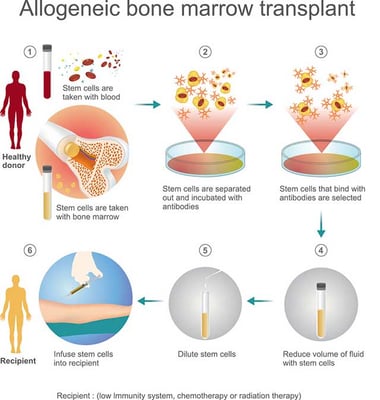
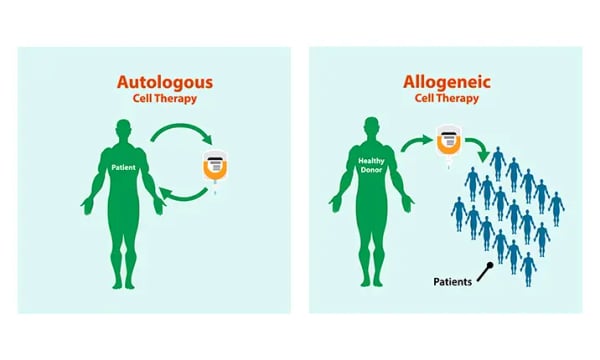
Dessa stamceller kan erhållas från patientens egen kropp (känd som enautolog transplantation) eller från en donator (kallad som enallogen transplantation). I vissa fall kan en partiell matchning från en familjemedlem användas, kallad enhaploidentisk transplantation.
Stamcellstransplantation rekommenderas ofta för personer som lider av tillstånd som:
- leukemi
- lymfom
- multipelt myelom
- aplastisk anemi
- thalassemi
- vissa immunbriststörningar
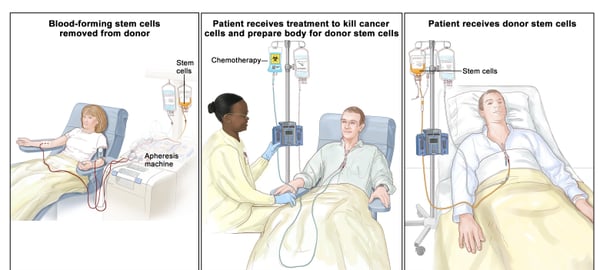
Proceduren involverar flera faser, som börjar med utvärderingar före transplantation, följt av högdos kemoterapi eller strålning (för att eliminera sjuka celler), sedan den faktiska stamcellsinfusionen och slutligen en noggrann återhämtningsperiod efter transplantationen.
Även om det är komplext, erbjuder stamcellstransplantation nytt hopp för patienter med annars livshotande tillstånd.
Vilka är de olika typerna av stamcellstransplantationer?
Stamcellstransplantationer klassificeras baserat på källan till stamcellerna. Att välja rätt typ beror på vilken sjukdom som behandlas, tillgången på en donator, patientens hälsotillstånd och läkarens rekommendation.
Autolog stamcellstransplantation (självhärledd)
Vid en autolog transplantation används patientens egna stamceller för behandlingen. Dessa celler samlas upp från blodomloppet eller benmärgenförepatienten som genomgår högdos kemoterapi eller strålning. När cancern eller de sjuka cellerna förstörs, infunderas stamcellerna tillbaka i kroppen för att hjälpa till att regenerera frisk märg.
Denna metod används främst i:
- multipelt myelom
- Återfallande Hodgkins eller non-Hodgkins lymfom
- vissa solida tumörer hos barn
Fördelar:
- Ingen risk för graft-versus-host-sjukdom (GVHD), eftersom cellerna kommer från patienten.
- Lägre risk för immunavstötning.
- Kortare sjukhusvistelse och snabbare initial återhämtning.
Det finns dock en risk att vissa av de insamlade stamcellerna fortfarande kan bära spår av cancer, vilket är anledningen till att denna typ inte är lämplig för vissa typer av leukemi.
Allogen stamcellstransplantation (donator-härledd)
En allogen transplantation använder stamceller från en annan person - vanligtvis en genetiskt matchadsyskon,släkting, ellerorelaterade donator. Före transplantationen, ett test som kallashla-typninggörs för att säkerställa kompatibilitet mellan givaren och patienten. Denna metod används ofta för att behandla:
- akut och kronisk leukemi
- aplastisk anemi
- ärftliga blodsjukdomar som talassemi
- Myelodysplastiska syndrom (MDS)
Fördelar:
- Donatorstamcellerna kan också attackera överblivna cancerceller - en gynnsam effekt som kallasgraft-versus-leukemiEffekt.
- Friska donatorstamceller skapar ett nytt immunförsvar i patientens kropp.
Risker:
- möjlighet tillGVHD, där donatorns immunceller angriper mottagarens kropp.
- Kräver mer noggrann övervakning, speciellt under de första 100 dagarna.
Allogen transplantation är mer komplex och dyrare än autolog men kan vara botande i många högriskfall.
Haploidentisk stamcellstransplantation (halvmatchad donator)
Haploidentisk stamcellstransplantation är en form av allogen transplantation där donatorn endast är en50% genetisk matchning. Detta alternativ är idealiskt för patienter som inte kan hitta en helt matchad donator. Familjemedlemmar (som föräldrar, barn eller syskon) används ofta som donatorer.
De senaste framstegen inom immunsuppressiv terapi har gjort denna typ av transplantation säkrare och mer framgångsrik, även i resursbegränsade miljöer. Används ofta för:
- leukemi
- lymfom
- aplastisk anemi
- Thalassemi när inget matchat syskon är tillgängligt
Fördelar:
- Nästan varje patient kan hitta en halvmatchad familjedonator.
- Snabb donatortillgänglighet påskyndar transplantationsprocessen.
Nackdelar:
- Högre risk för immunkomplikationer jämfört med matchade syskontransplantationer.
- Kräver expertvård och noggrann övervakning.
navelsträngsblodtransplantat
Navelsträngsstamcellstransplantation använder stamceller som samlats in från navelsträngsblod vid födseln. Dessa celler finns bevarade i navelsträngsblodbanker och kan användas för transplantationer, särskilt hos barn. Även om dessa celler är mer anpassningsbara till HLA-felmatchningar, är de färre i antal, vilket begränsar deras användning hos vuxna.
Vem behöver en stamcellstransplantation?
En stamcellstransplantation är ofta enlivräddande behandlingFör personer vars benmärg inte längre fungerar korrekt. det kan bero påcancer, agenetisk störning, eller enallvarligt immunförsvar. I sådana fall hjälper det att ersätta den felaktiga eller förstörda märgen med friska stamceller kroppen att börja producera normala blodkroppar igen.
De primära tillstånden där stamcellstransplantation vanligtvis rekommenderas är:
Blodcancer
Många patienter som diagnostiserats med blodcancer kräver en transplantation som en del av sin långsiktiga behandlingsplan. Dessa inkluderar:
- leukemi: Speciellt akut lymfoblastisk leukemi (ALL) och akut myeloid leukemi (AML). Transplantationer hjälper till att eliminera cancerceller och återuppbygga frisk märg.
- lymfom: Både Hodgkins och non-Hodgkins lymfom, särskilt i återfall eller aggressiva former.
- multipelt myelom: Autolog stamcellstransplantation används ofta efter initial kemoterapi för att förlänga remission.
Benmärgssviktsstörningar
När märgen misslyckas med att producera tillräckligt med friska blodkroppar, blir en transplantation väsentlig:
- aplastisk anemi: En sjukdom där kroppen slutar producera tillräckligt med nya blodkroppar.
- Myelodysplastiskt syndrom (MDS): En grupp av störningar där blodkroppar är dåligt bildade eller dysfunktionella.
- Paroxysmal nattlig hemoglobinuri (PNH): En sällsynt sjukdom som förstör röda blodkroppar och ökar risken för blodproppar.
ärftliga blodsjukdomar
Barn och unga vuxna med vissa genetiska tillstånd kan uppnå ett botemedel genom stamcellstransplantation:
- thalassemi major: Speciellt hos unga patienter med en matchad donator kan stamcellstransplantation eliminera behovet av livslånga blodtransfusioner.
- sicklecellssjukdom: I svåra eller återkommande fall kan transplantation erbjudas när standardbehandlingar misslyckas.
- fanconi anemi: Ett sällsynt ärftligt tillstånd som påverkar benmärgen och leder till aplastisk anemi eller cancer.
immunbristsyndrom och återfall eller resistenta cancerformer
Vissa människor föds med försvagande immunförsvar, vilket gör dem benägna att frekventa infektioner. En stamcellstransplantation kan återuppbygga sin immunitet. Exempel inkluderar:
- Svår kombinerad immunbrist (SCID)
- Wiskott-Aldrichs syndrom
- kronisk granulatös sjukdom
Om standardkemoterapi eller strålning misslyckas, eller sjukdomen kommer tillbaka efter remission, kan läkare rekommendera stamcellstransplantation som ett sista men kraftfullt alternativ.
Vad är proceduren för en stamcellstransplantation?
En stamcellstransplantation är en noggrant planerad flerfasbehandling som sker under flera veckor. Processen innebär att förbereda patienten, samla in och infundera stamceller och sedan hantera kroppens svar under återhämtningsperioden. Varje steg är avgörande för att säkerställa att de transplanterade stamcellerna får fäste och börjar producera friska blodkroppar.
Utvärdering före transplantation
Före transplantationen görs en fullständig hälsobedömning för att kontrollera om patienten är tillräckligt vältränad för att genomgå proceduren. det inkluderar:
- blodprov
- Avbildningsskanningar (som lungröntgen eller datortomografi)
- hjärt- och lungfunktionstester
- Benmärgsbiopsi (i vissa fall)
- HLA-typning för donatormatchning (vid allogena eller haploidentiska transplantationer)
Läkare screenar också för infektioner, bedömer organfunktion och identifierar andra riskfaktorer som kan påverka transplantationsresultaten.
balsambehandling
När utvärderingen är klar får patientenkonditioneringsbehandling, som vanligtvis involverarhögdos kemoterapi,strålbehandling, eller en kombination av båda. Denna fas är viktig eftersom den:
- Förstör cancer eller sjuka celler i benmärgen
- dämpar immunförsvaret och hjälper till att minska risken för transplantatavstötning
- Ger utrymme för de nya stamcellerna att växa
Konditionering kan pågå från några dagar till över en vecka, beroende på patientens sjukdom och transplantationstyp.
stamcellsinsamling
Stamceller samlas in före transplantationen. Det kan göras på olika sätt:
- från patientens blod(För autologa transplantationer)
- från en donators blod eller benmärg(för allogena transplantationer)
- från navelsträngsblod, om tidigare lagrat och matchat
Insamlingsprocessen är vanligtvis smärtfri och görs under kontrollerade förhållanden.
stamcellsinfusion
Efter konditionering tinas de uppsamlade stamcellerna (om de fryses) och infunderas i patientens blodomlopp, ungefär som en blodtransfusion. Denna del av transplantationen är enkel och tar vanligtvis några timmar.
När de väl har infunderats flyttas stamcellerna till benmärgen och initierar processen förengraftment,under vilken de börjar producera nya, friska blodkroppar.
övervakning av återhämtning och transplantation
Dagarna efter infusionen är de mest kritiska. Patienten övervakas noga för:
- Infektioner (eftersom immuniteten är mycket låg)
- organfunktion
- Graft-versus-värdsjukdom (vid donatorbaserade transplantationer)
- blödnings- eller transfusionsbehov
Engraftment börjar vanligtvis runt10 till 20 dagarEfter infusion. Under denna tid kan stödjande vård, inklusive antibiotika, smärtlindring, näringsstöd och blodprodukter, vara nödvändig.
Få en gratis behandlingsplan
Om Stamcellstransplantation i Indien
What Is the Cost of Stem Cell Transplant in India?
The cost of a stem cell transplant in India typically ranges between ₹15,00,000 and ₹35,00,000 (approximately $18,000 to $42,000), depending on several factors, including the type of transplant, the hospital, and the patient's clinical condition. The cost usually covers the full course of treatment, from evaluation to post-transplant care.
A standard stem cell transplant package at Indian hospitals includes:
- Pre-transplant evaluations such as HLA typing, imaging, blood tests, and infection screening.
- Hospital admission and inpatient care in specialized isolation rooms with HEPA filters.
- High-dose chemotherapy or radiation therapy for conditioning.
- Stem cell collection, processing, and storage (for autologous or donor-based procedures).
- Transplantation procedure including stem cell infusion and infusion-related care.
- Post-transplant monitoring such as infection control, blood transfusions, and supportive medications.
- Initial follow-up care for around 30–60 days after discharge (varies by center).
In some cases, additional expenses may arise for donor identification (for unrelated transplants), treatment of complications like graft-versus-host disease (GVHD), or extended ICU stay. International patients may also need to account for travel, visa, food, and accommodation costs separately.
Detailed Cost Breakdown of Stem Cell Transplant in India
The overall cost of a stem cell transplantation in India, which ranges between $18,000 and $42,000, can be better understood when broken down into individual components. Each phase of the transplant journey involves specific medical and logistical expenses.
- The initial phase includes pre-transplant evaluations, which typically cost between ₹1,00,000 and ₹2,00,000. These evaluations involve blood tests, imaging, heart and lung assessments, and donor matching (HLA typing), which are essential before proceeding with the transplant.
- The hospital stay accounts for a significant portion of the cost. For most patients, inpatient care in a high-efficiency isolation unit can cost anywhere between ₹4,00,000 and ₹7,00,000, depending on the duration of admission, which usually ranges from two to four weeks. Isolation rooms equipped with HEPA filters are essential for reducing the risk of infection during periods of immune suppression.
- The stem cell collection and processing charges vary depending on whether the transplant is autologous or allogeneic. For autologous transplants, the cost ranges from ₹2,00,000 to ₹4,00,000, while allogeneic transplants can cost ₹3,00,000 to ₹6,00,000, particularly if donor stem cells need to be mobilized and stored.
- Chemotherapy or conditioning therapy, which is administered before the transplant to destroy cancerous or damaged cells, adds around ₹1,50,000 to ₹3,00,000 to the total bill. Some cases may require additional radiation sessions, which are charged separately.
- The actual transplantation procedure, which includes stem cell infusion, medication, transfusions, and close monitoring, typically ranges between ₹3,00,000 and ₹5,00,000.
- Post-transplant care, including infection control, immunosuppressive drugs, supportive injections, and routine blood monitoring for the first 30–60 days, can cost another ₹2,00,000 to ₹4,00,000. This phase may also include the treatment of complications, such as graft-versus-host disease (GVHD), which can increase the cost if additional hospitalization is required.
Cost Component | Estimated Cost (INR) | Estimated Cost (USD) |
| Pre-Transplant Evaluation | ₹1,00,000 – ₹2,00,000 | $1,200 – $2,400 |
| Hospital Stay (Isolation & ICU) | ₹4,00,000 – ₹7,00,000 | $4,800 – $8,400 |
| Stem Cell Collection & Processing | ₹2,00,000 – ₹6,00,000 | $2,400 – $7,200 |
| Chemotherapy / Conditioning Therapy | ₹1,50,000 – ₹3,00,000 | $1,800 – $3,600 |
| Transplant Procedure & Infusion | ₹3,00,000 – ₹5,00,000 | $3,600 – $6,000 |
| Post-Transplant Medications & Monitoring | ₹2,00,000 – ₹4,00,000 | $2,400 – $4,800 |
| Total Estimated Cost | ₹15,00,000 – ₹35,00,000 | $18,000 – $42,000 |
Note: Prices may vary based on the type of transplant (autologous vs. allogeneic), complications, duration of stay, and the hospital chosen.
Cost Comparison: Stem Cell Transplant in India vs Other Countries
One of the biggest reasons overseas patients from more than 120 nations choose India for stem cell transplant is the significant cost advantage. While hospitals in India offer internationally accredited care with top-notch medical technology, the total expense remains a fraction of what it would cost in many Western countries.
Country | Average Cost (USD) | Inclusions |
| India | $18,000 – $42,000 | Complete transplant package including hospitalization, chemo, transplant, follow-up |
| United States | $120,000 – $250,000 | Usually excludes post-op stay and long-term care |
| United Kingdom | $100,000 – $200,000 | NHS may cover UK residents; private hospitals are costly |
| Canada | $110,000 – $210,000 | Public system covers locals; private costs for foreigners are high |
| Singapore | $60,000 – $120,000 | Excellent care, but overall expensive |
| UAE / Middle East | $80,000 – $150,000 | High-quality services, but at a premium price |
| Thailand | $30,000 – $50,000 | Competitive pricing, though still more than India |
Despite the lower pricing, the quality of care in India remains on par with global standards — making it an ideal destination for patients who need timely, affordable, and effective stem cell transplant care.
What Factors Affect Stem Cell Transplant Cost in India?
The cost of a stem cell transplant in India can vary widely between patients. While the average range falls between ₹15,00,000 and ₹35,00,000, several key factors influence where a patient falls within this spectrum.
- Type of Transplant: The most significant cost variation arises from the kind of stem cell transplant being performed. An autologous transplant is less expensive than an allogeneic transplant. Haploidentical and unrelated donor transplants further increase costs due to added testing, stem cell procurement, and immune-suppressive care.
- Donor Availability and Matching: If a matched sibling donor is available, the process is more straightforward and more cost-effective. However, when a matched unrelated donor or cord blood unit must be sourced from a registry, the cost rises.
- Choice of Hospital and City: Renowned multispecialty centers in metropolitan areas like Delhi, Mumbai, or Bangalore may charge more due to their premium infrastructure and advanced infection control systems.
- Length of Hospital Stay: If complications arise (such as infections or delayed engraftment), the hospital stay can extend, thereby increasing the overall bill.
- Post-Transplant Complications: Some patients may experience graft-versus-host disease (GVHD), serious infections, or organ dysfunction, especially after allogeneic transplants. Managing these complications requires additional medications, supportive care, or even re-hospitalization, all of which increase the total expenditure.
- Medications and Supportive Therapy: Costs for growth factors, antifungals, antivirals, and immunosuppressants can accumulate over the first few months of treatment.
- Follow-up and Recovery Needs: After discharge, the patient may require frequent follow-up tests, blood transfusions, or extended nutritional and physical rehabilitation services.
Why Choose India for Stem Cell Transplant?
India has become one of the world's leading destinations for stem cell transplant due to a rare combination of world-class treatment, experienced doctors, and affordable pricing. For patients facing complex blood disorders and life-threatening conditions, India offers not only clinical excellence but also personalized, compassionate care at a fraction of the global cost.
- Internationally Accredited Hospitals: India offers top-tier hospitals with JCI and NABH accreditations. These centers are equipped with HEPA-filtered transplant units and advanced laboratories that adhere to global standards.
- Expert Transplant Specialists: India boasts highly experienced doctors who have successfully handled hundreds of transplants. Many have received training in Europe or the US, ensuring access to world-class care.
- Cost-Effective Treatment: The cost of stem cell transplant in India is just a fraction of what it costs in the West, starting from ₹15 lakh. Yet, the quality of care remains uncompromised.
- High Success Rates: Indian hospitals report strong success rates, with over 80% for autologous transplants and up to 75% for matched donor transplants. These outcomes align with global benchmarks.
- Fast Treatment Without Waitlists: Unlike Western countries, where waiting for a transplant can take months, Indian hospitals can begin treatment quickly after evaluation and donor confirmation.
- Dedicated International Patient Support: From visa letters and airport pickups to translators and hotel booking, Indian hospitals offer full logistical support to patients traveling from abroad.
- Donor Flexibility: India has a strong track record in performing haploidentical and unrelated donor transplants. It benefits patients who don't have a fully matched sibling donor.
What Services Are Available for International Patients Undergoing Stem Cell Transplant in India?
India is a global hub for medical tourism, and top hospitals ensure that international patients receive not only excellent medical care but also comprehensive logistical and emotional support throughout their treatment journey.
- Medical Visa Assistance: Hospitals provide official invitation letters to help patients and donors secure a fast-track medical visa from Indian embassies. Many also guide families through the visa application process.
- Airport Pickup and Transfers: On arrival, patients are offered airport pickup services with a hospital representative to ensure safe and direct transport to the medical facility or hotel.
- Dedicated International Patient Coordinator: A multilingual coordinator is assigned to manage appointments, hospital admissions, discharge planning, and communication with doctors throughout the treatment.
- Affordable Accommodation Options: Hospitals either have in-house guest rooms or tie-ups with nearby hotels and serviced apartments for long-term stays. These are comfortable, hygienic, and budget-friendly for patient families.
- Language Interpretation Services: For non-English speakers, interpretation support is available in Arabic, French, Swahili, Bengali, and other major languages, facilitating easy communication with doctors and staff.
- Donor and Family Support: In allogeneic transplants, donors often accompany the patient. Hospitals assist in arranging donor evaluations, accommodations, and documentation for both parties.
- Food and Cultural Considerations: Hospitals often provide customized food options that take into account cultural and dietary needs, including halal, vegetarian, and African cuisine upon request.
- Post-Treatment Follow-up Coordination: Once the patient returns home, hospitals maintain ongoing communication through email, video consultations, and WhatsApp support to track recovery and manage medications.
These services are designed to make the process smooth and stress-free, allowing patients to focus entirely on their healing while the hospital handles the rest.
What Is the Success Rate and Recovery Timeline of Stem Cell Transplant in India?
Stem cell transplant is a complex and high-stakes treatment, but with the right medical team and supportive care, it offers excellent long-term outcomes. In India, the success rate of stem cell transplants is comparable to that of top international centers, while the recovery journey is carefully managed through structured protocols.
Success Rate of Stem Cell Transplant in India
The success of a stem cell transplant depends on multiple factors, including the patient's age, disease type, donor match, and the timing of the transplant. That said, India has built a strong track record of high success rates across various transplant types.
- Autologous Stem Cell Transplant: In cases like multiple myeloma or relapsed lymphoma, where the patient's own stem cells are used, India reports success rates of 80–90%. Since there is no risk of rejection, these procedures are generally safer and have quicker recovery times.
- Allogeneic Stem Cell Transplant: For patients receiving donor stem cells — especially those with leukemia, thalassemia, or aplastic anemia — success rates range from 60% to 75%, provided there is a suitable donor match and a timely transplant.
- Haploidentical Transplants (Half-Matched Donors): With improvements in immunosuppressive therapy and GVHD management, India has achieved survival rates of 50–70% even in high-risk haploidentical transplants.
- Pediatric Thalassemia and Immune Disorders: Children with matched sibling donors often see success rates above 90%, particularly when transplanted early in the disease course.
Success is typically measured by engraftment (the acceptance of new stem cells), the absence of severe graft-versus-host disease (GVHD), and long-term disease-free survival. Indian hospitals adhere to global protocols for transplant eligibility, infection control, and complication management, resulting in consistently positive outcomes.
Recovery Timeline After Stem Cell Transplant in India
Recovery after a stem cell transplant is gradual and closely supervised. While the hospital stay is just a few weeks, complete recovery can take several months.
- Hospital Stay (2-4 Weeks): Patients remain hospitalized during the transplant and engraftment phases. During this time, they are kept in protective isolation to reduce the risk of infection. Daily blood tests are performed to track the recovery of WBCs, RBCs, and platelets.
- Engraftment Period (10 to 20 Days Post-Infusion): This is the period when the transplanted stem cells begin producing new blood cells. Signs of engraftment include rising white cell counts and improved immunity. Fever, rashes, or gastrointestinal symptoms may occur and are treated promptly.
- Initial Home Recovery (1 to 3 Months): After discharge, patients continue recovering at home or in hotel apartments near the hospital. They must follow strict hygiene practices, avoid crowds, and attend frequent follow-ups. During this phase, they may require supportive medications, such as antivirals, antifungals, and immune boosters.
- Immune System Rebuilding (3 to 12 Months): It can take up to one year for the immune system to recover fully, especially in allogeneic or haploidentical transplants. Patients are gradually re-vaccinated during this time and closely monitored for late complications.
- Return to Normal Life (6 to 12 Months): Most patients resume work, school, or everyday activities within 6 to 12 months, depending on their overall condition. Physical strength, mental well-being, and quality of life steadily improve during this time with good nutrition, rest, and rehabilitation.
Stamcellstransplantation Kostnadsjämförelse per land
Jämför Stamcellstransplantation kostnader mellan olika länder för att fatta ett välgrundat beslut om din medicinska behandling.
| Land | Kostnadsintervall (USD) | Potentiella besparingar | Handling |
|---|---|---|---|
IndienNuvarandeBästa värde | $18,000 - $42,000 | — | Få offert |
Notera: Kostnaderna kan variera beroende på sjukhusval, rumstyp, tilläggstjänster och individuella medicinska krav.
Ledande sjukhus för Stamcellstransplantation i Indien
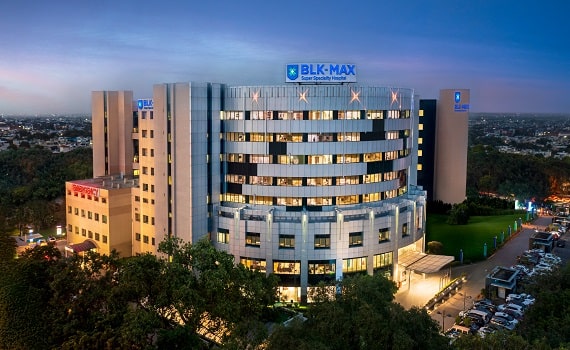
BLK-Max Super Specialty Hospital, New Delhi
BLK-Max Super Specialty Hospital i New Delhi är en av Indiens främsta vårdinstitutioner, som erbjuder 650 bäddar, 22 avancerade operationssalar och 13...
Ackrediteringar


Faciliteter
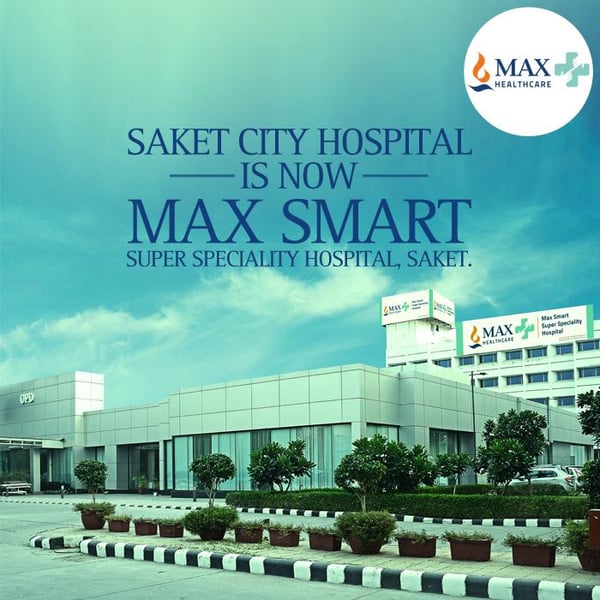
Max Smart Super Specialty Hospital, Saket, New Delhi
Max Smart Super Specialty Hospital, Saket, är ett sjukhus för tertiärvård med 250 bäddar i södra Delhi. Det erbjuder avancerad medicinsk och kirurgisk...
Ackrediteringar
Faciliteter
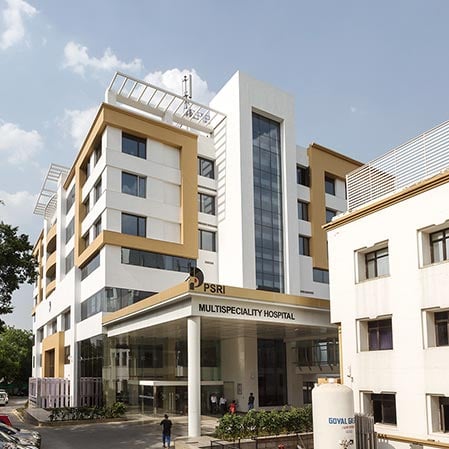
PSRI sjukhus, Delhi
Pushpawati Singhania Research Institute (PSRI Hospital), New Delhi, är ett ledande multi-specialty tertiärvårdssjukhus som grundades 1996 av JK Group....
Ackrediteringar
Faciliteter
Liknande förfaranden
Galleri
FAQ


Vår webbplats använder cookies. Sekretesspolicy.