
Knäartroskopi Kostnad i Indien
Om Knäartroskopi
Vad är knäartroskopi och varför utförs det?
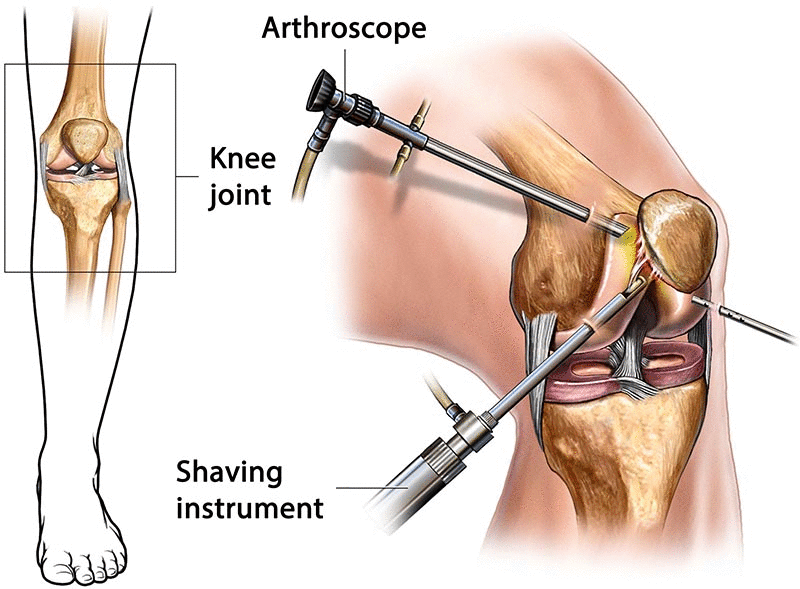
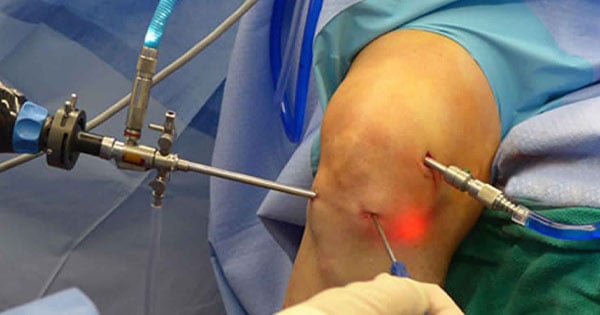
Knäartroskopi är en minimalt invasiv kirurgisk teknik som gör det möjligt för ortopediska kirurger att visualisera, diagnostisera och åtgärda problem i knäleden med hjälp av en liten kamera som kallas enartroskop. Det här verktyget sätts in genom små snitt och överför bilder i realtid till en monitor, vilket hjälper kirurger att navigera och operera inuti leden med precision.
Proceduren är allmänt van vididentifiera den exakta orsaken till ihållande knäsmärta,svullnad, eller mekaniska problem som inte svarar på konservativa behandlingar, såsom medicinering eller sjukgymnastik. det kan vara antingendiagnostisk, där kirurgen undersöker knät för tillstånd som trasiga ligament eller broskskador, ellerterapeutisk, där den underliggande frågan behandlas under samma procedur.
Artroskopi används ofta för att:
- Ta bort eller reparera en trasig menisk, som är brosket som dämpar knät.
- Trimma eller jämnt skadat brosk, särskilt vid artros i tidigt stadium.
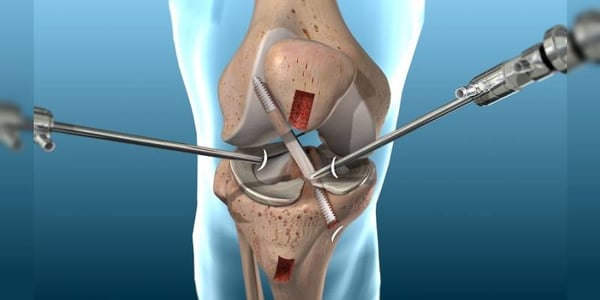
- Rekonstruera det främre korsbandet (ACL) med hjälp av transplantatvävnad.
- Ta bort lösa benfragment eller inflammerad ledvävnad.
- Behandla patellarspårningsstörningar, som påverkar hur knäskålen rör sig.
- Töm vätska eller ta bort cystor inuti leden.
Eftersom det bara kräver små snitt resulterar knäartroskopi iSnabbare lä,minimal ärrbildning, ochMindre postoperativt obehagJämfört med öppen operation.
Vem behöver en knäartroskopi?
Knäartroskopi rekommenderas för individer som uppleverKroniska eller återkommande knäproblemsom inte har förbättrats med konservativa behandlingar som droger, injektioner eller sjukgymnastik. Det är inte ett förstahandsalternativ utan blir nödvändigt när icke-kirurgiska ingrepp inte löser symtom eller när diagnosen är oklar.
Knäartroskopi rekommenderas ofta för:
- Idrottare med ledskador:Meniskrevor, ligamentskador (som ACL- eller PCL-skador) och brosktrauma är frekventa i sport. Artroskopi möjliggör en korrekt bedömning och reparation utan betydande störningar i omgivande vävnader.
- Patienter med degenerativa ledsjukdomar:I fall av tidig artros eller kondromalaci, där brosket börjar slitas ner, hjälper artroskopi att rengöra ledytan och minska smärta som orsakas av grov eller trasig vävnad.
- Individer med oförklarlig knäsmärta eller svullnad:När MRT eller fysisk undersökning inte ger en exakt diagnos ger artroskopi en direkt vy inuti leden, vilket gör det lättare att identifiera dold skada eller inflammation.
- Patienter med mekaniska knäsymtom:Individer som upplever låsning, fastnat eller begränsad rörelse i knät kan ha lösa fragment av brosk eller ben som kräver borttagning genom artroskopisk kirurgi.
- Posttraumatiska fall:Individer som återhämtar sig från frakturer eller svåra knäskador kan kräva artroskopisk intervention för att ta bort ärrvävnad, reparera mjukvävnadsskador eller förbättra ledmekaniken.
Denna minimalt invasiva kirurgi är lämplig för vuxna i alla åldrar, särskilt de med fysiskt krävande jobb, som föredrar att undvika stora snitt och söka en snabbare återgång till normal rörelse.
Hur utförs knäartroskopi?
Knäartroskopi utförs under antingenallmän, spinal eller regional anestesi, beroende på patientens medicinska tillstånd och procedurens komplexitet. Hela operationen varar vanligtvis30 till 90 minuter, och de flesta patienter skrivs ut samma dag, om inte ytterligare behandling krävs.
Nedan är en steg-för-steg-process för hur knäartroskopin utförs:
- Patientförberedelse:Det kirurgiska teamet placerar patienten på operationsbordet med det drabbade knäet lätt böjt. Området är noggrant steriliserat och en tourniquet appliceras för att minimera blodflödet och därigenom förbättra sikten inuti leden.
- Insättning av snitt och artroskop:Kirurgen gör två eller tre små snitt (vardera ca 5–10 mm) nära knäleden. Genom ett snitt sätter de in artroskopet, en penntunn kamera ansluten till en högupplöst bildskärm. Det gör det möjligt för kirurgen att se detaljerade bilder av leden i realtid.
- Ledundersökning och diagnos:Kirurgen inspekterar brosket, menisken, ligamenten och synovium för skador eller inflammation. De kan böja och rotera benet för att undersöka leden från flera vinklar. Detta steg bekräftar eller förtydligar diagnosen.
- Terapeutiska procedurer (vid behov):Om ett problem upptäcks, sätter kirurgen in specialiserade instrument genom de andra snitten för att utföra reparationer. Dessa kan inkludera:
- Trimma eller reparera en trasig menisk
- Utjämning av skadat brosk (kondroplastik)
- ta bort lösa kroppar eller inflammerad vävnad
- Rekonstruera trasiga ligament som ACL med hjälp av transplantat
- Bevattning och stängning:Kirurgen spolar leden med steril koksaltlösning för att ta bort skräp och säkerställa tydlig sikt. Efter att ha avslutat proceduren drar de tillbaka instrumenten och artroskopet och stänger sedan snitten med hjälp av steri-remsor eller små suturer.
- Postoperativ vård:Teamet applicerar ett sterilt förband och, i vissa fall, ett kompressionsbandage. Patienten flyttas till återhämtning och övervakas i några timmar. De flesta får gå hem samma dag med instruktioner för vila, isapplicering, smärtkontroll och inledningsskedet av sjukgymnastik.
Knäartroskopi anses vara en lågriskprocedur med minimalt trauma mot omgivande vävnader. På grund av knäartskopiets minimalt invasiva karaktär kan patienter vanligtvis börja gå (ibland med stöd) inom 24 till 48 timmar efter operationen.
Få en gratis behandlingsplan
Om Knäartroskopi i Indien
What is the Cost of Knee Arthroscopy in India?
The cost of knee arthroscopy in India generally ranges from $1,800 to $3,200. The price depends on the hospital, the surgeon's expertise, and whether the procedure is diagnostic or therapeutic. The pricing is significantly lower than in countries like the USA, UK, or UAE, without compromising on medical standards, technology, or outcomes.
Most hospitals in India offer comprehensive surgical packages that are transparent, fixed, and inclusive of key medical services. These treatment packages are designed to provide international patients with a smooth and predictable treatment journey from admission to recovery.
The cost of knee arthroscopy in India typically includes:
- Pre-operative consultation and evaluation: This covers the initial orthopedic assessment, physical examination, and planning for the arthroscopy based on your symptoms and imaging studies.
- Diagnostic imaging and blood tests: Required investigations, such as X-rays, MRIs, ECGs, and lab tests, are part of the pre-surgical workup.
- Surgeon's and anesthetist's fees:
- These are bundled into the overall surgical charges and reflect the expertise of the operating team.
- Operation theatre charges and surgical equipment use: Includes sterilization, arthroscopic tower rental, and use of high-definition imaging systems and instruments.
- Hospital stay (1–2 days): While most arthroscopies are day-care procedures, a one-night stay may be recommended based on your recovery. Standard or private room charges are usually included.
- Medications and consumables during hospitalization: This covers pain relievers, antibiotics, IV fluids, sterile dressings, and other surgical disposables.
- Postoperative review and initial physiotherapy session: Most hospitals include at least one post-surgery consultation and a basic physio session before discharge.
Breakdown of Knee Arthroscopy Cost in India
The total cost of knee arthroscopy in India typically ranges from ₹1,50,000 to ₹2,70,000, depending on whether the surgery is diagnostic or therapeutic, as well as the hospital or city where it is performed.
- The pre-operative investigations for knee arthroscopy in India, including X-rays, MRI scans, ECGs, and blood tests, typically cost between $100 and $200. These are essential for evaluating the joint and confirming the surgical plan.
- The actual arthroscopic procedure, which involves inserting a camera and instruments to treat internal joint issues, usually costs between $1,200 and $2,000. It includes the use of an arthroscopy tower, high-definition imaging, and disposable surgical kits.
- Surgeon and operation theatre fees typically range from $300 to $500, depending on the surgeon's expertise, hospital infrastructure, and duration of the procedure.
- The hospital stay charges for knee arthroscopy in India are relatively low, typically ranging from $100 to $200, especially if the patient is discharged within 24 hours.
- Postoperative medications, dressings, and supportive aids (such as knee braces or ice packs) may incur an additional cost of $100 to $300, depending on the patient's individual recovery needs.
Treatment Component | Estimated Cost (USD) |
| Preoperative Investigations | $100 – $200 |
| Arthroscopic Surgery Procedure | $1,200 – $2,000 |
| Surgeon and OT Charges | $300 – $500 |
| Hospital Stay (1–2 Days) | $100 – $200 |
| Medications & Recovery Aids | $100 – $300 |
| Total Estimated Cost | $1,800 – $3,200 |
Note: This cost structure applies to a standard single-knee arthroscopy. Suppose you require bilateral (both knees) or complex repairs, such as ACL reconstruction or meniscus suturing. In that case, the cost may be slightly higher due to the additional materials and time required for surgery.
Knee Arthroscopy Cost Comparison: India vs Other Countries
International patients often choose India for knee arthroscopy because of its exceptional balance of low cost and high-quality care. The savings can be as high as 70–80% compared to hospitals in the US, UK, or Australia.
Country | Average Cost (USD) | Remarks |
| India | $1,800 – $3,200 | Complete package includes surgery, hospital stay, medications, and post-op care |
| United States | $8,000 – $15,000 | Excludes physical therapy and has higher facility/surgeon charges |
| United Kingdom | $6,000 – $10,000 | Not typically covered under NHS unless severe; long wait times |
| Australia | $7,500 – $12,000 | Private insurance may cover part of the cost; waiting periods apply |
| UAE | $5,000 – $9,000 | Expensive due to imported technology and high consultant fees |
| Singapore | $7,000 – $12,000 | World-class care, but significantly costlier than in India |
| Thailand | $3,500 – $5,000 | Lower than Western nations but still above Indian pricing |
Choosing knee arthroscopy in India can save patients over $10,000 in some cases, while still receiving world-class orthopedic care from internationally trained surgeons and personalized recovery support.
What Factors Influence Knee Arthroscopy Cost in India?
Several important factors influence the cost of knee arthroscopy in India. These variables can affect your total expense depending on the type of treatment you require, the hospital you choose, and the complexity of your knee condition. The main cost-determining factors are:
- Type of Arthroscopy (Diagnostic vs Therapeutic): A purely diagnostic arthroscopy is less expensive than a therapeutic one, which involves repairing or removing damaged tissue (like meniscus trimming or ligament reconstruction).
- Extent of Joint Damage: The more severe the damage inside the knee joint, the longer the surgical duration and the more advanced tools required. Procedures involving cartilage restoration, ligament grafting, or removal of large bone fragments will naturally increase costs.
- Surgeon's Experience and Team Expertise: Highly skilled orthopedic surgeons with global training and extensive arthroscopy experience may charge higher professional fees. However, their precision often leads to faster recovery and fewer complications.
- Hospital Category and City Location: Premium hospitals in major metropolitan cities, such as Delhi, Mumbai, or Bangalore, may have slightly higher rates due to their advanced infrastructure, robotic systems, and international patient services.
- Anesthesia Type and Monitoring Requirements: The choice between spinal, general, or local anesthesia influences the overall surgical setup and anesthetist's fees. Complex therapeutic procedures may also require extended operating time and post-anesthesia monitoring.
- Postoperative Support and Rehabilitation Services: If your package includes physiotherapy sessions, mobility aids, or joint supports, such as braces, the cost may increase slightly. However, these services play a vital role in optimizing recovery.
- Use of Surgical Implants or Sutures: While most knee arthroscopies do not require implants, procedures involving ligament repair or meniscus fixation may involve high-quality sutures or anchors, which can add to the total expense.
- Insurance or Self-Pay Mode: For domestic patients, partial insurance coverage may apply. International patients typically opt for self-pay packages, which are transparently priced and often discounted for overseas travelers.
Why Is Knee Arthroscopy More Affordable in India?
India has some of the most competitive rates in the world for orthopedic procedures, such as knee arthroscopy, without compromising surgical outcomes, safety standards, or patient care. Several factors contribute to the affordability of knee arthroscopy in India, making it an ideal destination for medical tourists.
- Lower Operational and Facility Costs: Indian hospitals operate at lower infrastructure and staffing costs compared to Western countries. These savings are passed on to patients in the form of cost-effective treatment packages.
- Competitive Surgeon Fees Without Compromising Expertise: Orthopedic surgeons in India are often internationally trained and highly experienced, yet their consultation and surgical fees remain significantly lower than their counterparts in the US or UK.
- Availability of In-House Diagnostic and Surgical Facilities: Most multi-specialty hospitals in India offer in-house radiology, laboratory services, and operating theaters. It eliminates the need for third-party outsourcing, thereby reducing the overall treatment cost.
- Efficient Healthcare Delivery Models: Indian hospitals are optimized for high patient volumes. As a result, they are able to streamline surgical scheduling, reduce hospital stay durations, and avoid administrative overheads—contributing to lower overall pricing.
- Cost-Effective Medications and Surgical Supplies: India is a global leader in the production of generic pharmaceuticals and medical consumables. Everything, from anesthesia to postoperative antibiotics, is available at a fraction of the global price, directly lowering your hospital bill.
- Favorable Currency Exchange for Foreign Patients: For international travelers from Africa, the UK, CIS countries, or the Middle East, the exchange rate makes Indian medical care substantially more affordable, even when including flights and accommodations.
- Bundled All-Inclusive Packages for Medical Tourists: Most hospitals offer fixed-price arthroscopy packages that cover everything from consultations and surgery to hospital stay and follow-up.
International Patient Services for Knee Arthroscopy in India
Reputable orthopedic hospitals and surgical centers offer a range of dedicated services to ensure a stress-free experience from arrival to recovery.
- Medical Visa Assistance: Hospitals provide a formal medical invitation letter that facilitates the quick issuance of medical visas for patients and their caregivers. Visa coordinators assist with document preparation, embassy requirements, and extensions if needed.
- Airport Pickup and Drop-Off: A representative from the hospital or medical tourism department arranges airport pickup in a private vehicle and ensures that patients are safely transported to their accommodation or the hospital.
- Language Interpretation Services: To eliminate communication barriers, hospitals offer interpreters for Arabic, French, Russian, Spanish, Swahili, and more. Medical forms, reports, and discharge summaries can also be translated.
- Dedicated International Patient Coordinators: Each patient is assigned a multilingual care coordinator who assists with scheduling consultations, managing hospital logistics, ensuring billing transparency, and organizing follow-up appointments and rehabilitation sessions.
- Help with Local Accommodations and Meals: Whether you prefer a hotel, serviced apartment, or guesthouse, the hospital can assist in booking safe and hygienic accommodations near the facility. Dietary preferences, including halal, vegetarian, or diabetic-friendly meals, are accommodated.
- Pre-Treatment Online Consultations: Before traveling, patients can consult with orthopedic surgeons virtually. These consultations provide clarity on diagnosis, estimated costs, length of stay, and treatment expectations.
- Post-Surgery Rehabilitation Planning: Hospitals offer customized rehabilitation plans that include physiotherapy sessions, home exercises, and follow-up consultations to support patients' recovery. For longer stays, patients can undergo extended rehab at discounted rates.
- FRRO and Legal Registration Support: Foreigners undergoing treatment for more than 180 days in India are required to register with the Foreigners Regional Registration Office (FRRO). Hospitals assist in completing this process.
What is the Success Rate and Recovery Timeline After Knee Arthroscopy?
Knee arthroscopy is considered one of the most reliable and low-risk orthopedic procedures worldwide, and India maintains a success rate of approximately 90% to 95% for both diagnostic and therapeutic arthroscopies. With the use of advanced arthroscopic systems, minimally invasive techniques, and postoperative rehabilitation protocols, patients typically achieve excellent pain relief and restoration of joint function.
Success Rate of Knee Arthroscopy in India
- The high success rate is attributed to experienced orthopedic surgeons, most of whom are trained in the latest arthroscopic techniques from the US, UK, or Germany.
- The resolution of pain, improved joint mobility, restoration of function, and a return to regular activity within the expected timeframe define success.
- Complications, such as infection, blood clots, or poor healing, are rare and typically occur in fewer than 3–5% of patients.
- Therapeutic outcomes are best for meniscal tears, cartilage smoothing, ligament injuries, and loose body removal, especially when paired with guided physiotherapy.
Recovery Timeline After Knee Arthroscopy
Recovery from knee arthroscopy is faster compared to open knee surgery due to minimal tissue damage, smaller incisions, and reduced blood loss.
- First 24-48 Hours: Patients are monitored for a few hours post-surgery and are usually discharged on the same day or the day after. Cold therapy and leg elevation are recommended to reduce swelling. Walking with support (walker or crutches) is often permitted within 24 hours.
- Weeks 1-2: The dressing is removed, and the incision sites are cleaned and monitored for healing. Swelling and stiffness reduce significantly with rest and light activity. Basic physiotherapy begins, focusing on gentle range-of-motion exercises to improve mobility.
- Weeks 3-4: Strength-building exercises and quadriceps activation begin under physiotherapy supervision. Most patients return to desk work or light activity within 2 to 3 weeks. Pain is minimal and manageable with oral medications.
- Weeks 5 to 8: More dynamic activities like cycling, squats, or swimming are gradually introduced. Patients typically regain 70–80% of their joint function and can walk unassisted for longer periods.
- Month 3 and Beyond: Full recovery is generally achieved within 8 to 12 weeks, depending on the procedure performed. Athletes and physically active individuals may require 3 to 4 months before returning to sports or activities. Long-term outcomes are excellent when patients adhere to rehab and post-op guidelines.
Recovery Tip:
Success after knee arthroscopy depends as much on postoperative rehabilitation as on surgical technique. Patients are encouraged to attend all physiotherapy sessions, follow activity restrictions, and avoid high-impact movements until cleared by their surgeon.
Knäartroskopi Kostnadsjämförelse per land
Jämför Knäartroskopi kostnader mellan olika länder för att fatta ett välgrundat beslut om din medicinska behandling.
| Land | Kostnadsintervall (USD) | Potentiella besparingar | Handling |
|---|---|---|---|
IndienNuvarandeBästa värde | $1,800 - $3,200 | — | Få offert |
Notera: Kostnaderna kan variera beroende på sjukhusval, rumstyp, tilläggstjänster och individuella medicinska krav.
Ledande sjukhus för Knäartroskopi i Indien
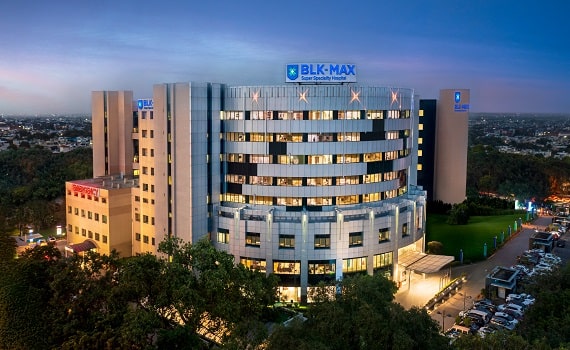
BLK-Max Super Specialty Hospital, New Delhi
BLK-Max Super Specialty Hospital i New Delhi är en av Indiens främsta vårdinstitutioner, som erbjuder 650 bäddar, 22 avancerade operationssalar och 13...
Ackrediteringar
Faciliteter
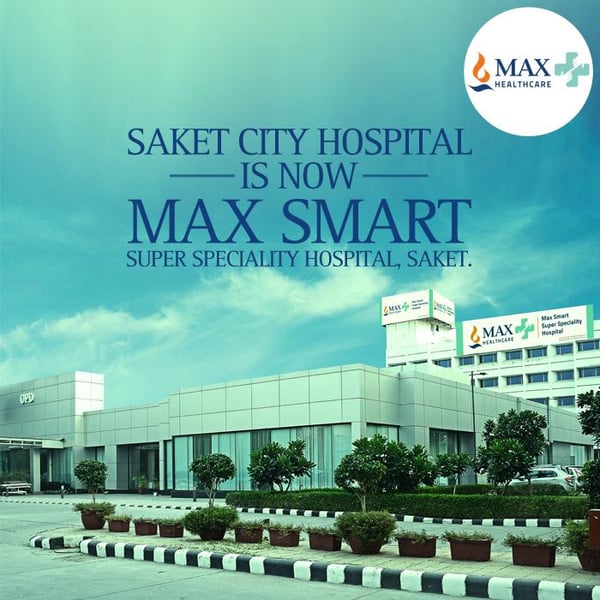
Max Smart Super Specialty Hospital, Saket, New Delhi
Max Smart Super Specialty Hospital, Saket, är ett sjukhus för tertiärvård med 250 bäddar i södra Delhi. Det erbjuder avancerad medicinsk och kirurgisk...
Ackrediteringar
Faciliteter
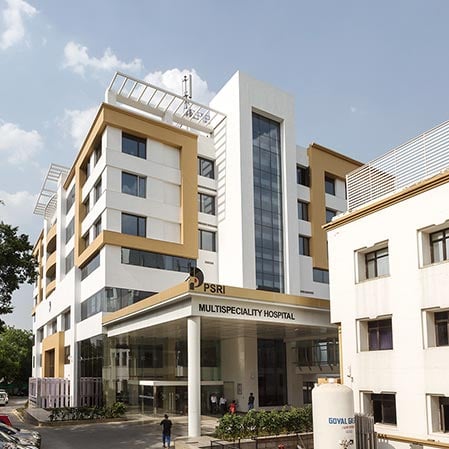
PSRI sjukhus, Delhi
Pushpawati Singhania Research Institute (PSRI Hospital), New Delhi, är ett ledande multi-specialty tertiärvårdssjukhus som grundades 1996 av JK Group....
Ackrediteringar
Faciliteter
Liknande förfaranden
Galleri
FAQ

Vår webbplats använder cookies. Sekretesspolicy.