
Axelartroskopi Kostnad i Indien
Om Axelartroskopi
Vad är axelartroskopi och varför görs det?
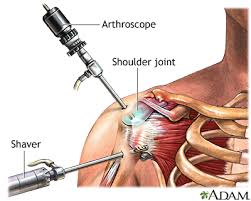
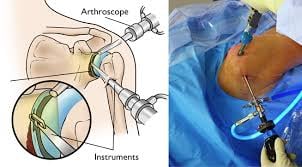
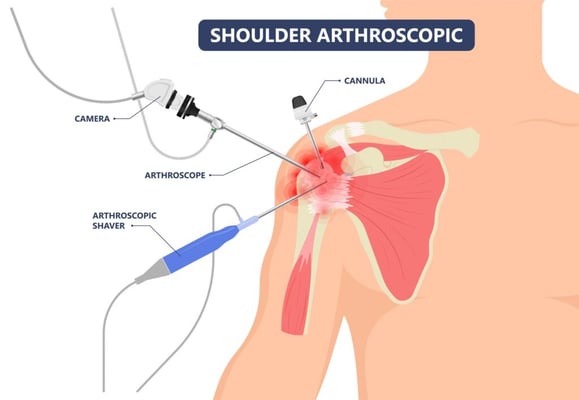
Axelartroskopi är en procedur som gör det möjligt för läkare att titta in i axelleden och behandla problem med små instrument och en liten kamera. Istället för att göra ett stort snitt skapar kirurgen några mindre skär och sätter in ett artroskop (ett tunt rör med ljus och kamera) för att se leden tydligt på en skärm. Denna minimalt invasiva metod minskar smärtan, minskar risken för infektion och påskyndar återhämtningstiden.
Läkare använder axelartroskopi till bådadiagnostisera och behandla en mängd olika tillståndsom påverkar axeln. Det görs oftast när patienter upplever pågående smärta, svaghet, stelhet eller begränsad rörelse som inte förbättras med mediciner eller sjukgymnastik.
Några av de vanligaste orsakerna till axelartroskopi inkluderar:
- rotatorcuff revorsom behöver kirurgisk reparation
- labral tårar, såsom smällar eller bankart-lesioner, som ofta ses hos idrottare
- Frozen Shoulder (adhesiv kapsulit)När konservativa behandlingar misslyckas
- axelimpingement syndrom, där ben och mjuka vävnader gnuggar smärtsamt
- Borttagning av bensporrar, löst brosk eller inflammerad vävnad
- axelförskjutningarsom orsakar upprepad instabilitet
Proceduren är mycket effektiv för både aktiva vuxna och äldre patienter som vill återfå axelfunktionen utan att genomgå en större öppen operation. Det kan göras som en dagis eller korttidsoperation, beroende på komplexiteten och patientens hälsa.
Vilka är de olika typerna av axelartroskopi?
Axelartroskopi är en mångsidig procedur som används för att behandla ett brett spektrum av axelproblem. Beroende på det specifika tillståndet utför ortopediska kirurger olika typer av artroskopiska operationer med hjälp av specialiserade instrument genom små nyckelhålssnitt. Varje typ är inriktad på ett visst problem, vilket möjliggör exakt behandling med minimal vävnadsskada.
- Diagnostisk artroskopi:I detta förfarande inspekterar kirurgen insidan av axelleden för att utvärdera skada eller inflammation. Det används ofta när bildsökningar (som MRI) är ofullständiga. Om ett problem upptäcks kan behandlingen ofta göras under samma session.
- reparation av rotatorcuff:Det är en av de vanligaste artroskopiska procedurerna. När rotatorcuffsenan slits sönder rengör kirurgen den skadade vävnaden och fäster den på benet med hjälp av suturer och ankare. Det hjälper till att återställa styrkan, minska smärta och förbättra rörelseomfånget.
- Labral reparation (slap eller Bankart reparation):Labrum är broskringen runt axelhålet. Revor kan uppstå på grund av skada eller upprepad overheadaktivitet. Artroskopi gör det möjligt för kirurgen att trimma eller återfästa det trasiga labrum, vilket återställer ledstabiliteten och förhindrar framtida dislokationer.
- subakromial dekompression:Det utförs på patienter med impingementsyndrom. Kirurgen tar bort inflammerad vävnad, beniga sporrar eller en del av akromionbenet för att skapa utrymme och minska friktionen på rotatorcuffsenorna. Det lindrar kronisk axelsmärta och inflammation.
- Bicepssenreparation eller tenodes:I de fall där bicepssenan är skadad eller instabil kan kirurgen släppa eller fästa den igen under artroskopi. Det hjälper till att lindra smärta i framsidan av axeln och förhindrar ytterligare rivning.
- Borttagning av lös kropp eller synovektomi:Om leden har flytande ben- eller broskfragment (lösa kroppar), eller inflammerad synovialvävnad (sedd vid reumatoid artrit), tar kirurgen bort dessa för att återställa mjukare rörelser och minska ledsvullnad.
Var och en av dessa procedurer är skräddarsydda för patientens tillstånd, och flera tekniker kan ofta kombineras i en enda session. Artroskopi minskar kirurgiskt trauma, påskyndar läkningen och är lämplig för både idrottare och äldre vuxna med degenerativa axeltillstånd.
Hur utförs axelartroskopi?
Axelartroskopi är ett minimalt invasivt kirurgiskt ingrepp som ortopediska kirurger utför under anestesi med hjälp av små snitt och ett kamerastyrt system. Operationen gör det möjligt för dem att diagnostisera och behandla problem inuti leden utan att skära igenom stora mängder muskler eller vävnad.
Nedan är steg-för-steg-översikten av proceduren:
- Positionering av patienten:Det kirurgiska teamet placerar patienten antingen i en halvsittande (strandstol) eller lateral decubitus (side-liggande) position, beroende på kirurgens preferenser och området av axeln som behandlas. Det ger optimal åtkomst till axelleden.
- Administrering av anestesi:En anestesiolog administrerar antingen generell anestesi eller regional nervblockad för att hålla patienten smärtfri under hela proceduren. I många fall används båda för att säkerställa komfort under och efter operationen.
- Skapa portalsnitt:Kirurgen gör två eller tre små snitt (vanligtvis 5-10 mm vardera) runt axeln. Genom ett av dessa snitt sätter de in ett artroskop, en kamera i blyertsstorlek som projicerar högupplösta bilder av leden på en skärm i realtid.
- Inspektera fogen:Kirurgen undersöker noggrant alla delar av axeln, såsom labrum, rotatorkuffen, brosk, ligament och bicepssenan, genom att försiktigt rotera artroskopet och blåsa upp leden med steril vätska för att förbättra sikten.
- Infoga kirurgiska instrument:Med hjälp av de andra små snitten (kallade portaler) sätter kirurgen in små instrument för att trimma sönderrivna vävnader, ta bort bensporrar, släta ut brosk eller reparera trasiga senor och ligament med hjälp av suturer eller ankare. Kameran styr varje steg för maximal precision.
- spolning och stängning av fogen:Efter att ha slutfört reparationen eller behandlingen spolar kirurgen leden med steril koksaltlösning för att ta bort skräp eller blod. Sedan tar de bort instrumenten och artroskopet och stänger de små snitten med några stygn eller kirurgisk tejp.
- Övervakningsrumsövervakning:Efter axelartroskopi flyttas patienten till uppvakningsrummet där vitala tecken övervakas medan anestesi försvinner. Smärtbehandlingen startar omedelbart och kirurgen ger instruktioner om rörelsebegränsningar, användning av sling och sjukgymnastik.
Hela proceduren tar vanligtvis mellan30 minuter och 1,5 timmar, beroende på reparationens komplexitet. De flesta patienter skrivs ut samma dag eller nästa dag. Med tidig rehabilitering återfår de vanligtvis axelfunktionen snabbare än de som genomgår traditionell öppen operation.
Få en gratis behandlingsplan
Om Axelartroskopi i Indien
What Is the Cost of Shoulder Arthroscopy in India and What Does It Include?
The cost of shoulder arthroscopy in India typically ranges between ₹1,20,000 and ₹3,00,000, which is approximately $1,450 to $3,600. This pricing is significantly lower than what is charged in countries like the US, UK, or UAE, where the same procedure can cost up to $10,000–$15,000 or more.
What's Typically Included in the Cost
- Pre-surgery investigations, such as X-rays, MRI (if needed), blood tests, and anesthesia evaluation
- Surgeon's fees for performing the procedure, including consultation and postoperative care
- Anesthesia and operating theatre charges
- Arthroscopic instruments and consumables, including suture anchors or implants if used
- Hospital stay (usually 1 to 2 days), including room charges, nursing care, and meals
- Medications during admission, including antibiotics, pain relievers, and IV fluids
- Initial post-op physiotherapy during the hospital stay to help restore shoulder mobility.
- Follow-up consultation, typically within 7 to 10 days of surgery for suture removal and progress check
Breakdown of Shoulder Arthroscopy Cost in India
The total cost of shoulder arthroscopy in India ranges from ₹1,20,000 to ₹3,00,000 (approximately $1,450 to $3,600), depending on the procedure's complexity, hospital choice, and postoperative needs. Knowing where this cost goes helps patients plan better, especially when traveling from overseas.
- A portion of the cost is allocated to pre-operative investigations, which include shoulder X-rays, MRI scans (if needed), and general medical screening. It typically costs between ₹10,000 and ₹15,000.
- Surgeon and anesthesia fees form a significant part of the package, ranging from ₹40,000 to ₹75,000 depending on the expertise involved.
- Operating theatre and surgical consumables, including arthroscopic tools, suture anchors, and camera-guided systems, can cost ₹30,000 to ₹70,000.
- A 1–2 day hospital stay in a private room adds ₹25,000 to ₹50,000, which includes nursing care, medications during admission, and meals.
- Postoperative physiotherapy and follow-up care may cost another ₹10,000 to ₹30,000, especially if multiple therapy sessions are needed.
Cost Component | Estimated Cost (INR) |
| Pre-surgery Investigations | ₹10,000 – ₹15,000 |
| Surgeon and Anesthesia Fees | ₹40,000 – ₹75,000 |
| OT Charges and Surgical Instruments | ₹30,000 – ₹70,000 |
| Hospital Stay (1–2 days) | ₹25,000 – ₹50,000 |
| Post-op Medications and Physiotherapy | ₹10,000 – ₹30,000 |
| Total Estimated Cost | ₹1,20,000 – ₹3,00,000 |
Note: Additional costs may apply in case of complex repairs or if shoulder implants (anchors, screws) are used.
How Does Shoulder Arthroscopy Cost in India Compare with Other Countries?
India offers shoulder arthroscopy at a significantly lower price compared to many developed countries, while maintaining excellent clinical outcomes. The procedure in India typically costs ₹1,20,000 to ₹3,00,000 ($1,450 to $3,600), which includes surgeon fees, operating room charges, anesthesia, and a short hospital stay.
In contrast, the same surgery in Western countries can cost three to five times more, often excluding follow-up physiotherapy or post-op support.
Country | Average Cost (USD) | What’s Included |
| India | $1,450 – $3,600 | Complete surgical package including hospital stay, medication, and follow-up |
| United States | $10,000 – $15,000 | Often excludes post-op therapy and additional hospital charges |
| United Kingdom | $9,000 – $13,000 | Covered by NHS for locals; private hospitals are expensive |
| Canada | $10,000 – $14,000 | Long waiting lists in public hospitals; private care is costly for foreigners |
| UAE / Middle East | $7,000 – $11,000 | Premium pricing with variable follow-up services |
| Singapore | $6,000 – $10,000 | High-quality care but at a premium |
| Thailand | $3,500 – $6,000 | Competitive pricing but still higher than India for similar service levels |
Why Choose India for Shoulder Arthroscopy?
- Affordable, All-Inclusive Packages: India offers shoulder arthroscopy at a fraction of the global cost, with complete packages that cover surgery, stay, medications, and post-op care.
- Skilled Orthopedic Surgeons: Indian surgeons are globally trained and experienced in high-volume arthroscopic procedures, ensuring safe and successful outcomes for both simple and complex cases.
- World-Class Hospital Facilities: JCI and NABH-accredited hospitals use modern arthroscopic equipment, sterile surgical units, and advanced implants that meet international standards.
- Minimal Waiting Time: Unlike many Western countries, India offers immediate surgical scheduling, which is crucial for patients in pain or with joint damage.
- International Patient Services: Hospitals in India have dedicated teams to assist with visas, language interpretation, travel, and personalized recovery planning for overseas patients.
What Factors Affect Shoulder Arthroscopy Cost in India?
The cost of shoulder arthroscopy in India starts from ₹1,20,000, but the final amount depends on several clinical and non-clinical factors. Each patient's case is unique, and the complexity of the procedure, choice of hospital, and type of repair required all play a role in determining the total expense.
The key factors that influence shoulder arthroscopy cost in India are:
- Type of Shoulder Condition Treated: Simple procedures like diagnostic arthroscopy or minor tissue debridement cost less, while complex surgeries such as rotator cuff repair or labral reconstruction involve longer operation time, special anchors, and costlier materials.
- Surgeon's Experience and Credentials: Orthopedic surgeons with advanced fellowship training or international exposure often charge higher consultation and surgical fees.
- Hospital Infrastructure and Location: Hospitals in metro cities like Delhi, Mumbai, or Bangalore may charge more due to better facilities, modular operating theatres, and international patient departments.
- Implant and Anchor Usage: In many shoulder procedures, surgeons use suture anchors, screws, or biodegradable implants to repair tendons or cartilage. These materials vary in cost depending on quality and manufacturer, affecting the overall bill.
- Anesthesia and Operating Room Time: Longer or more complex surgeries require extended anesthesia and operating theatre usage. The duration of the procedure directly impacts hospital charges, especially in multi-surgeon or high-dependency cases.
- Length of Hospital Stay: Most patients stay in the hospital for 24 to 48 hours. If complications arise or the patient needs extended monitoring due to age or comorbidities, the hospital stay and cost may increase accordingly.
- Postoperative Physiotherapy Needs: While some patients need only a few therapy sessions, others may require intensive physiotherapy over weeks or months, especially after major tendon repairs.
What Services Are Available for International Patients Undergoing Shoulder Arthroscopy in India?
India is one of the top destinations for medical tourists seeking orthopedic surgery. Hospitals across the country offer a complete care experience for international patients, making it easier to travel, receive treatment, and recover comfortably without stress.
The services typically provided to foreign patients coming for shoulder arthroscopy in India include:
- Medical Visa Assistance: Hospitals issue a visa invitation letter (VIL) to help patients and their companions obtain a fast-track medical visa. Some centers also guide them through the application process and document submission.
- Airport Pickup and Drop-off: Most hospitals offer complimentary airport pickup and drop-off services, ensuring safe transport between the airport, hotel, and hospital on arrival and departure.
- Dedicated International Patient Coordinator: A personal coordinator manages everything, from doctor appointments and surgery bookings to translation services and discharge planning, offering one-on-one support throughout the patient's stay.
- Language Interpretation Support: Language should never be a barrier to care. Interpreters are available for Arabic, French, Swahili, Bengali, and more, allowing smooth communication between patients and medical staff.
- Affordable Accommodation Nearby: Hospitals assist in arranging guest houses, hotels, or serviced apartments for patient families at varying budgets within walking distance or a quick drive from the hospital.
- Dietary and Cultural Support: Custom meal plans are provided based on dietary restrictions, including halal, vegetarian, diabetic-friendly, and regional cuisine preferences to ensure a comfortable stay.
- Local SIM, Currency Exchange, and Connectivity: Hospitals help with getting local SIM cards, forex services, and Wi-Fi support so international patients stay connected with loved ones throughout their treatment.
- Follow-Up Care After Return Home: After surgery, hospitals offer remote follow-up consultations via video calls, email, or WhatsApp to monitor recovery, advise on therapy, and handle medication-related queries.
What Is the Success Rate and Recovery Timeline After Shoulder Arthroscopy in India?
Shoulder arthroscopy in India has a strong track record of success, primarily when performed by experienced orthopedic surgeons using advanced minimally invasive techniques. The combination of accurate diagnosis, precise surgical execution, and structured rehabilitation contributes to a success rate of 90-95%, depending on the type and severity of the shoulder condition.
Success Rate of Shoulder Arthroscopy in India
Indian hospitals consistently report high success rates for procedures like rotator cuff repair, labral tear repair, subacromial decompression, and frozen shoulder release. Most patients regain near-normal shoulder movement, experience significant pain relief, and return to daily activities within weeks.
Factors that support this success include:
- Use of international-grade arthroscopic equipment
- High surgical volume centers with orthopedic sub-specialists
- Pre-defined rehabilitation protocols
- Low rates of postoperative infection and complications
Complex procedures such as full-thickness rotator cuff repair may take longer to heal, but still show excellent long-term results when combined with physiotherapy.
Recovery Timeline After Shoulder Arthroscopy
Recovery from shoulder arthroscopy happens in phases, and the speed varies based on the type of repair performed and the patient's overall health. Here's what most patients can expect:
- Immediate Recovery (First 1-3 Days): After surgery, the shoulder is placed in a sling to minimize movement. Pain, swelling, and mild bruising are common but well-managed with medications and cold therapy. Patients are usually discharged within 24 hours.
- Early Mobility Phase (Week 1 to Week 3): Gentle movements begin under a physiotherapist's guidance. The focus is on preventing stiffness while protecting the repaired tissues. Passive range-of-motion exercises are introduced gradually.
- Strength Building Phase (Week 4 to Week 8): As healing progresses, the sling is removed, and patients begin light strengthening exercises. Activities like dressing, eating, and using a computer become easier. Pain continues to decrease.
- Functional Recovery (Week 8 to Week 12): Patients regain shoulder mobility and strength. Most can return to non-strenuous work, driving, and daily routines by this stage. Sports or heavy lifting are still restricted.
- Full Return to Activity (3 to 6 Months): By three to six months, the shoulder is usually fully functional. Athletes or those in physically demanding jobs may need longer rehab to return to full performance.
Note: Recovery speed may vary based on whether the patient had a simple diagnostic procedure or a complex repair (e.g., multiple tendon tears or joint reconstruction).
Axelartroskopi Kostnadsjämförelse per land
Jämför Axelartroskopi kostnader mellan olika länder för att fatta ett välgrundat beslut om din medicinska behandling.
| Land | Kostnadsintervall (USD) | Potentiella besparingar | Handling |
|---|---|---|---|
IndienNuvarandeBästa värde | $1,450 - $3,600 | — | Få offert |
Notera: Kostnaderna kan variera beroende på sjukhusval, rumstyp, tilläggstjänster och individuella medicinska krav.
Ledande sjukhus för Axelartroskopi i Indien
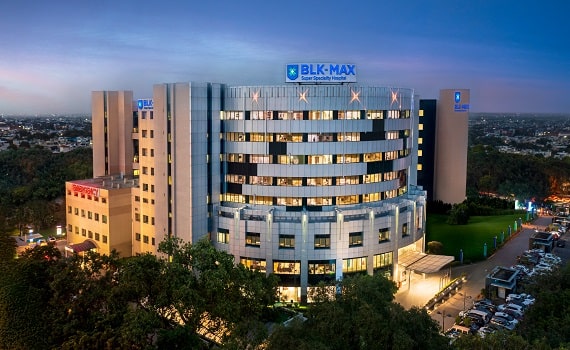
BLK-Max Super Specialty Hospital, New Delhi
BLK-Max Super Specialty Hospital i New Delhi är en av Indiens främsta vårdinstitutioner, som erbjuder 650 bäddar, 22 avancerade operationssalar och 13...
Ackrediteringar
Faciliteter
Max Smart Super Specialty Hospital, Saket, New Delhi
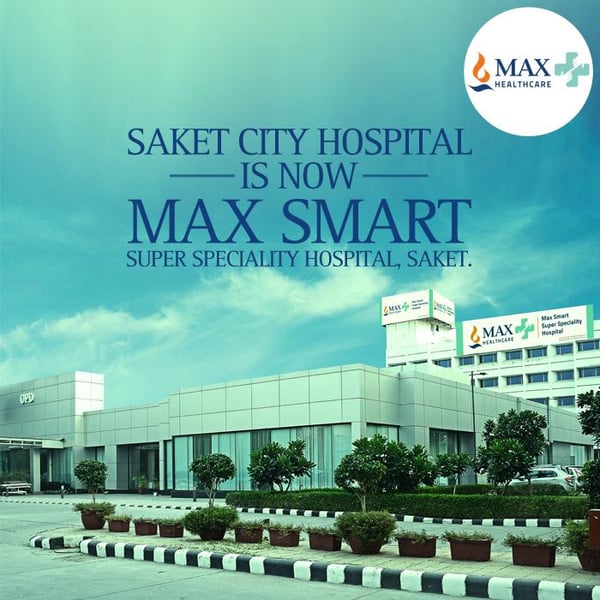
Max Smart Super Specialty Hospital, Saket, är ett sjukhus för tertiärvård med 250 bäddar i södra Delhi. Det erbjuder avancerad medicinsk och kirurgisk...
Ackrediteringar
Faciliteter
PSRI sjukhus, Delhi
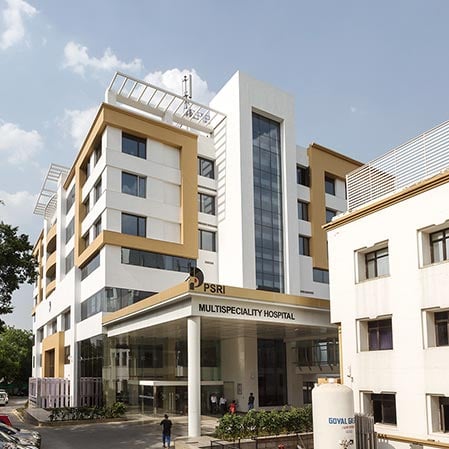
Pushpawati Singhania Research Institute (PSRI Hospital), New Delhi, är ett ledande multi-specialty tertiärvårdssjukhus som grundades 1996 av JK Group....
Ackrediteringar
Faciliteter
Liknande förfaranden
Galleri
FAQ

Vår webbplats använder cookies. Sekretesspolicy.