
Totalt knäbyte - TKR Kostnad i Indien
Om Totalt knäbyte - TKR
Vad är total knäprotes och varför görs det?
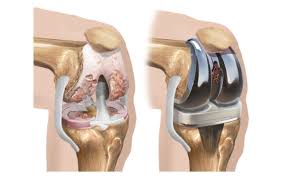
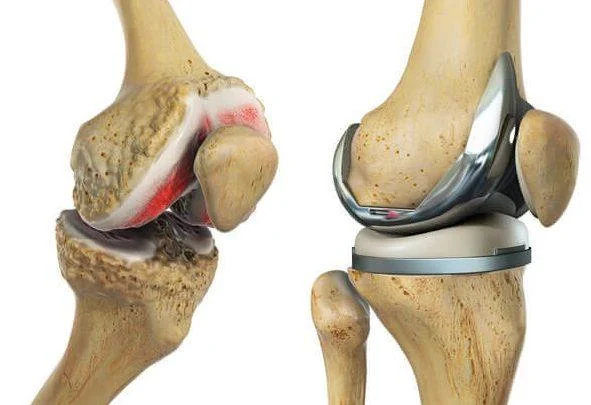
Total Knee Replacement (TKR) är ett kirurgiskt ingrepp där knäets skadade eller utslitna ytor tas bort och ersätts med komponenter gjorda av metall och plast. Dessa konstgjorda komponenter efterliknar den naturliga rörelsen av ett friskt knä och befriar därigenom patienter från smärta, stelhet och funktionella begränsningar.
Knäprotesoperation blir nödvändig när brosket som dämpar benen i knäet slits på på grund av:
- artros: Den vanligaste orsaken till TKR, som orsakar leddegeneration med åldern.
- reumatoid artrit: Ett autoimmunt tillstånd som inflammerar och eroderar ledytor.
- posttraumatisk artrit: Till följd av tidigare skador som frakturer eller ligamentrevor.
- svåra missbildningar: Strukturella deformiteter som bågben eller knäna som påverkar gång och hållning.
Totalt knäproteser rekommenderas när:
- konstant smärta även i vila eller under sömnen.
- Att gå, gå i trappor eller utföra rutinaktiviteter blir svårt eller omöjligt.
- Mediciner, sjukgymnastik och ledinjektioner ger inte längre lindring.
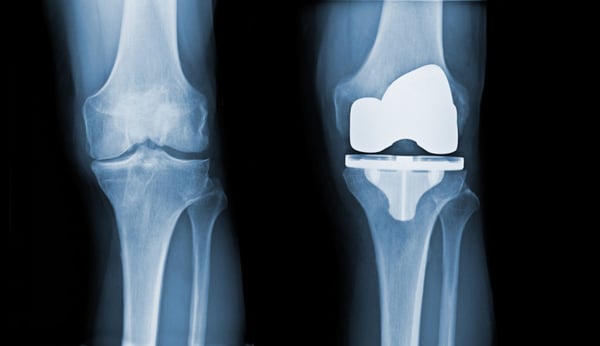
- Röntgenstrålar visar ben-på-ben-kontakt, vilket indikerar avancerad leddegeneration.
Målet med TKR-operationen är att eliminera smärta, återställa normal ledfunktion och låta patienten återgå till vardagliga aktiviteter utan hjälp. De flesta patienter upplever betydande förbättringar i rörlighet och livskvalitet inom några månader efter operationen.
Vem behöver total knäprotesoperation?
Total knäprotesoperation rekommenderas vanligtvis för patienter som lider av kronisk, invalidiserande knäsmärta som påverkar deras förmåga att leva ett normalt, aktivt liv. Även om knäproblem kan uppstå i alla åldrar, utförs total knäprotes oftast hos individer över 50 år med måttlig till svår ledskada.
- Patienter med avancerad artros:När brosket i knät försvinner på grund av åldrande leder det till ben-på-ben-friktion, vilket orsakar smärta, stelhet och förlust av rörelse. Dessa patienter vaknar ofta med stelhet i leden och har svårt att gå, stå under långa perioder eller gå i trappor.
- Individer med reumatoid artrit eller inflammatorisk ledsjukdom:Autoimmuna sjukdomar, såsom reumatoid artrit, orsakar kronisk inflammation i knäleden. Med tiden förstör denna inflammation brosk och ben, vilket resulterar i allvarliga missbildningar, instabilitet och konstant smärta.
- De med posttraumatisk artrit:Människor som har drabbats av tidigare knäskador, såsom frakturer, trasiga ligament eller broskskador, kan utveckla artrit år senare. När detta trauma leder till ledkollaps eller stelhet kan total knäprotes krävas.
- Patienter som inte längre svarar på icke-kirurgiska behandlingar:Om mediciner, ledinjektioner, sjukgymnastik, tandställning eller livsstilsförändringar inte lindrar symtomen, och dagliga aktiviteter förblir begränsade, blir operation den mest tillförlitliga lösningen.
- Individer med svåra knämissbildningar:Tillstånd som valgus (knockknä) eller varus (bågben) kan förändra benets naturliga inriktning. Med tiden stressar dessa deformiteter leden, ökar smärtan och minskar rörligheten. TKR hjälper till att justera leden och korrigera deformiteten.
- Patienter med konstant nattsmärta eller förlust av sömn:När knäsmärta stör vilan eller hindrar patienter från att sova bekvämt, indikerar det ofta artrit i slutstadiet. Sjukdomen är en nyckelindikator för kirurgiskt ingrepp.
Hur utförs en total knäprotes?
Total knäprotes är en procedur som vanligtvis varar60 till 90 minuter. Under operationen tar kirurgen bort de skadade ledytorna och ersätter dem med konstgjorda komponenter (proteser) som återställer jämna, smärtfria rörelser. Hela processen utförs under spinal eller generell anestesi, vilket säkerställer att patienten inte känner någon smärta.
- Positionering och anestesi:Patienten förs till operationssalen och placeras på rygg med det drabbade knäet böjt. Efter att ha bekräftat anestesi rengörs benet och steriliseras för att upprätthålla ett sterilt fält under hela operationen.
- Snitt och exponering av leden:Kirurgen gör ett vertikalt snitt på framsidan av knät, vanligtvis 6 till 10 tum långt. De flyttar försiktigt knäskålen åt sidan för att exponera leden, vilket ger en vy av de skadade ben- och broskytorna.
- Borttagning av skadade ytor:Med hjälp av exakta kirurgiska verktyg skär kirurgen bort det utslitna brosket och benet från lårbenet (lårbenet), skenbenet (shinben) och undersidan av knäskålen (knäkål). Särskilda jiggar och instrument hjälper till att upprätthålla korrekt inriktning.
- Implantation av proteskomponenter:Kirurgen placerar metalllock på lårbenet och skenbenet, ibland med bencement. En plastdistans sätts också in mellan dem för att möjliggöra en jämn glidning. Vid behov återupptas även baksidan av knäskålen med ett plastimplantat.
- Omställning och stängning:När alla komponenter är fixerade kontrollerar kirurgen knäets rörelseomfång och inriktning. De stänger snittet i lager med hjälp av absorberbara suturer eller häftklamrar, följt av ett sterilt förband och, i vissa fall, ett kompressionsbandage.
- Postkirurgisk övervakning:Patienten förs över till ett uppvakningsrum, där sjuksköterskor övervakar de vitala tecknen. Smärtbehandling börjar omedelbart. De flesta patienter börjar gå med stöd inom 24 till 48 timmar efter operationen under ledning av en sjukgymnast.
I avancerade centra kan kirurger användaDatorstödda eller robotassisterade navigationssystemFör att öka precisionen. Dessa tekniker hjälper till med bättre implantatpositionering, minskad blodförlust och snabbare återhämtning.
Få en gratis behandlingsplan
Om Totalt knäbyte - TKR i Indien
What is the Cost of a Total Knee Replacement in India?
The cost of total knee replacement (TKR) in India typically ranges from ₹3,50,000 to ₹6,00,000 per knee (approximately $4,500 to $8,000), depending on the hospital's infrastructure, the surgeon's experience, and the type of implant used. For patients requiring bilateral knee replacement, the combined cost ranges from $8,500 to $13,500.
Unlike many countries where pricing is fragmented and excludes post-operative services, hospitals in India offer transparent, all-inclusive packages that cover the entire treatment journey from pre-op evaluations to recovery support.
The total knee replacement cost in India generally includes:
- Pre-operative Investigations: This covers X-rays, MRI (if needed), blood tests, ECG, and other screenings required to assess surgical fitness and plan the procedure.
- Surgeon's and Anesthetist's Fees: The professional fees of the orthopedic surgeon, anesthesiologist, and the entire surgical team are included in the package cost.
- Operation Theatre and Equipment Charges: This consists of the use of the OT, surgical instruments, sterilization, suction, and high-end equipment such as computer navigation or robotics (if applicable).
- FDA- or CE-approved Knee Implants: Hospitals typically offer a selection of implant brands (Zimmer, Stryker, DePuy, etc.), including both fixed-bearing and mobile-bearing designs, as well as cemented and cementless options, tailored to meet patient needs and budget.
- Hospital Stay and Nursing Care: Packages include a hospital stay of 5 to 7 days, including ICU care (if needed), daily rounds, and all medical consumables.
- Medications and Consumables During Admission: All intraoperative and post-operative medications, surgical dressings, disposable items, and pain control medications are covered.
- Physiotherapy During Hospital Stay: Basic physiotherapy sessions begin 24 to 48 hours after surgery. These are included to ensure early mobility and pain-free joint function.
- Post-Discharge Follow-up Consultation: One or two follow-up appointments are included in the standard package after discharge.
Breakdown of Total Knee Replacement Cost in India
The cost of a total knee replacement in India is divided across multiple components, each contributing to the overall expense of the surgery. While package pricing offers a bundled estimate, understanding the individual cost segments helps international patients plan better and avoid hidden charges.
- The pre-operative investigations for total knee replacement in India, including X-rays, blood tests, ECG, and fitness evaluations, generally cost between $200 and $400. These assessments ensure that the patient is medically fit for surgery.
- The implant cost is the largest contributor to the total bill, ranging from $1,800 to $3,500 depending on the brand, material (metal, ceramic, or oxinium), and whether the procedure is single or bilateral. India utilizes globally recognized implants that are FDA and CE approved.
- The surgeon's and anesthetist's fees typically fall between $800 and $1,500. Surgeons with international training or experience in robotic-assisted TKR may charge at the higher end.
- Operating theatre charges, including sterilization, surgical tools, and advanced systems such as navigation or robotics, typically range from $600 to $1,000 per procedure.
- The hospital stay cost for total knee replacement in India (including 5 to 7 days of room rent, nursing, and inpatient care) ranges between $800 and $1,200.
- Post-surgery, the patient receives pain medications, antibiotics, dressing materials, and other consumables at a cost of around $300 to $500.
- Initial physiotherapy and rehabilitation sessions during the hospital stay add about $100 to $300 to the total bill.
Cost Component | Estimated Cost (USD) |
| Pre-operative Investigations | $200 – $400 |
| Knee Implant (per knee) | $1,800 – $3,500 |
| Surgeon & Anesthesia Fees | $800 – $1,500 |
| Operation Theatre & Equipment | $600 – $1,000 |
| Hospital Stay & Nursing Care | $800 – $1,200 |
| Medications & Consumables | $300 – $500 |
| In-Hospital Physiotherapy | $100 – $300 |
| Total Estimated Cost (Single Knee) | $4,500 – $8,000 |
| Total Estimated Cost (Both Knees) | $8,500 – $13,500 |
Cost Comparison: Total Knee Replacement in India vs Other Countries
Total knee replacement is a major procedure, and the cost varies significantly across countries. India offers one of the most affordable options globally, while maintaining high standards in surgical expertise, implant quality, and hospital care.
Country | Average Cost per Knee (USD) | Remarks |
| India | $4,500 – $8,000 | All-inclusive; includes implant, surgery, stay, and physiotherapy |
| United States | $30,000 – $60,000 | Very high due to surgeon fees, hospital charges, and separate rehab costs |
| United Kingdom | $20,000 – $40,000 (Private) | Covered by NHS only in limited cases; long waiting periods apply |
| Australia | $22,000 – $35,000 | Partial coverage with insurance; long elective wait times |
| Canada | $25,000 – $40,000 (Private) | Public system has waitlists; private care is expensive |
| UAE | $18,000 – $25,000 | Premium pricing; limited availability of advanced implants |
| Singapore | $15,000 – $28,000 | Surgery and implants are priced separately |
| Thailand | $7,000 – $12,000 | Costlier than India; limited robotic surgery options |
Choosing total knee replacement surgery in India can save international patients up to 75% in costs while receiving treatment from world-class orthopedic surgeons using globally approved implants.
What Factors Influence Total Knee Replacement Cost in India?
The cost of total knee replacement (TKR) in India is influenced by several variables that extend beyond the surgical procedure itself. These factors determine whether the final price stays on the lower or higher end of the average range.
- Type of Surgery (Unilateral vs Bilateral): The cost of replacing both knees (bilateral) is naturally higher than a single knee replacement (unilateral). However, doing both knees in the same surgical session is often more cost-effective than two separate procedures.
- Choice of Knee Implant: Implants vary in cost based on brand, material, and design. Standard metal-polyethylene implants are more affordable, while high-end options, such as ceramic-coated implants, oxinium implants, or gender-specific implants, are more expensive.
- Use of Robotic or Computer-Assisted Technology: Hospitals offering robotic-assisted or navigation-guided knee replacement may charge more due to the precision tools and infrastructure involved.
- Hospital Location and Accreditation: Hospitals in metro cities (Delhi, Mumbai, Chennai) or those accredited by JCI/NABH may have slightly higher pricing compared to hospitals in tier-2 cities.
- Surgeon's Experience and Reputation: Orthopedic surgeons with decades of experience, international fellowships, and specialization in complex cases may charge higher consultation and surgical fees.
- Duration of Hospital Stay: The standard stay is 5–7 days; however, if the patient requires ICU monitoring, develops complications, or requires extended rehabilitation, the cost can increase.
- Post-Operative Support Services: Inclusions such as physiotherapy sessions, joint braces, walker/crutches, and medication kits can influence the total cost. Many international patient packages include these services to reduce out-of-pocket expenses later.
- Additional Health Conditions: Patients with diabetes, heart disease, or obesity may require special medical management, extended hospital monitoring, or extra diagnostics, which can increase the total cost of surgery.
Why Is Total Knee Replacement More Affordable in India?
India offers some of the most cost-effective total knee replacement surgeries in the world, attracting thousands of international patients every year. The affordability of TKR does not compromise the quality of care. In fact, many Indian hospitals perform more TKRs annually than top hospitals in Europe or the US. Several key reasons explain why this high-quality surgery remains so accessible in India:
- Affordable Surgeon and Medical Staff Fees: Highly experienced orthopedic surgeons in India charge far less than their counterparts abroad.
- Cost-Effective Medical Implants and Devices: India is home to leading manufacturers and suppliers of high-quality knee implants, which are approved by global health authorities like the FDA and CE.
- In-House Diagnostic and Rehab Services: Most Indian hospitals offer integrated imaging, lab tests, physiotherapy, and pharmacy services under one roof. It minimizes outsourcing and keeps costs low for patients.
- High Patient Volume and Surgical Efficiency: Indian orthopedic centers handle a large number of TKR cases annually, which improves surgical workflow, minimizes waste, and reduces per-patient costs.
- Low Administrative and Insurance Overheads: Unlike Western healthcare systems, which are burdened by layers of insurance processing, Indian hospitals offer direct billing and pre-negotiated packages, eliminating hidden charges.
- Currency Exchange Benefits for Foreign Patients: For international travelers, especially from the US, UK, Canada, or the Middle East, the conversion rate to Indian Rupees (INR) results in significant savings.
- Government and Hospital Support for Medical Tourism: India actively promotes medical tourism through streamlined visa processes, transparent pricing, and international patient departments in top hospitals.
What International Patient Services are Available in India for Total Knee Replacement Surgery?
India has developed a robust medical tourism infrastructure that supports patients throughout their entire journey. For those undergoing total knee replacement surgery, hospitals in India offer comprehensive international patient services that ensure safety, convenience, and peace of mind.
- Medical Visa Assistance: Hospitals provide a formal visa invitation letter, required for visa processing. Dedicated international desks assist patients and their attendants in securing e-visas or physical visas under India's medical visa category, often within a few days.
- Free Airport Pickup and Drop: Patients are met at the airport by a hospital representative and transported directly to their hotel or the hospital.
- Dedicated International Patient Coordinator: Each international patient is assigned a personal case manager who assists with appointments, billing, translations, accommodation coordination, and post-surgery support.
- Multilingual Interpretation Services: Language interpreters are available for Arabic, French, Russian, Swahili, Spanish, and more.
- Pre-Travel Video Consultation: Patients can consult the orthopedic surgeon online before traveling. This virtual appointment helps finalize the diagnosis, confirm the need for surgery, estimate the duration of stay, and clarify any medical concerns.
- Assistance with Local Accommodations: Hospitals often partner with nearby hotels, serviced apartments, and guesthouses to provide affordable and hygienic stay options for patients.
- Personalized Diet and Mobility Support: Specialized meal plans (including halal, vegetarian, diabetic, etc.) are available, tailored to the patient's specific needs. After surgery, hospitals typically provide patients with walkers, commodes, wheelchairs, and other mobility aids as part of their care plan.
- Physiotherapy and Rehabilitation Services: In-house physiotherapy departments offer guided rehab sessions starting 24 to 48 hours after surgery.
- Post-Discharge Remote Follow-Up: After returning to their country, patients can continue to consult with their surgeon via email, phone, or video.
What is the Success Rate of Total Knee Replacement in India?
- The success rate for total knee replacement in India ranges from 90% to 95%, making it a safe and effective option for international patients.
- Indian orthopedic surgeons perform more than 150,000 knee replacements annually, with leading hospitals often exceeding 1,000 cases per year.
- Success is measured by long-term joint function, pain reduction, patient satisfaction, and implant longevity.
- Most patients experience dramatic improvement in mobility and are able to walk, climb stairs, and return to daily routines without assistance within a few months.
- With proper care and follow-up, knee implants typically last 15 to 20 years, or even longer in patients with a healthy weight and a low-impact lifestyle.
What is the Recovery Timeline After Total Knee Replacement?
The recovery process is structured and progressive. Here's what patients can expect post-surgery:
- First 24 to 48 Hours (In-Hospital Phase): The patient is transferred to a recovery room for pain management and stabilization of vital signs. Walking with support (using a walker or crutches) usually begins within 24 hours under a physiotherapist's supervision.
- Days 3 to 7 (Hospital Stay): Patients continue walking with support and practice bending and straightening the knee. Sutures or staples may be visible, and the dressing is changed regularly. Doctors manage pain and swelling with medications and cold therapy. Discharge usually occurs between days 5 and 7, depending on the patient's progress.
- Weeks 2 to 4 (Initial Rehab Phase): The patient transitions to walking with a cane or walking stick. Knee flexion and muscle strengthening exercises are intensified under the guidance of a physiotherapist. Many patients can climb stairs and perform light household activities by week 3.
- Weeks 5 to 8 (Functional Recovery): Patients achieve nearly complete knee bending (110–120 degrees). Walking without support becomes easier, and confidence improves. Patients may resume low-impact activities, such as cycling or swimming, if cleared by a doctor.
- Month 3 and Beyond (Long-Term Recovery): Most patients return to work and everyday routines. Full recovery is typically achieved within 3 to 6 months, depending on factors such as age, weight, and commitment to rehabilitation. Long-term follow-up includes periodic X-rays and implant assessment every 1–2 years.
Recovery Tips for Patients:
- Stick to your rehab plan after returning home. Indian hospitals usually provide a printed or digital exercise protocol.
- Try maintaining a healthy weight to reduce stress on the new joint.
- Avoid high-impact sports or deep knee bending unless advised otherwise.
- Stay in contact with your orthopedic surgeon for remote follow-up, especially during the first 6 months.
Totalt knäbyte - TKR Kostnadsjämförelse per land
Jämför Totalt knäbyte - TKR kostnader mellan olika länder för att fatta ett välgrundat beslut om din medicinska behandling.
| Land | Kostnadsintervall (USD) | Potentiella besparingar | Handling |
|---|---|---|---|
IndienNuvarandeBästa värde | $4,500 - $8,000 | — | Få offert |
Notera: Kostnaderna kan variera beroende på sjukhusval, rumstyp, tilläggstjänster och individuella medicinska krav.
Ledande sjukhus för Totalt knäbyte - TKR i Indien

BLK-Max Super Specialty Hospital, New Delhi
BLK-Max Super Specialty Hospital i New Delhi är en av Indiens främsta vårdinstitutioner, som erbjuder 650 bäddar, 22 avancerade operationssalar och 13...
Ackrediteringar


Faciliteter

Max Smart Super Specialty Hospital, Saket, New Delhi
Max Smart Super Specialty Hospital, Saket, är ett sjukhus för tertiärvård med 250 bäddar i södra Delhi. Det erbjuder avancerad medicinsk och kirurgisk...
Ackrediteringar
Faciliteter
PSRI sjukhus, Delhi
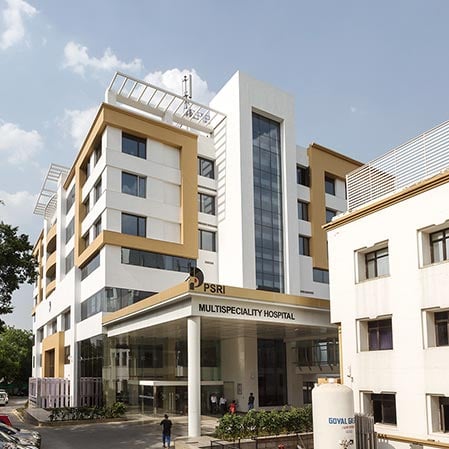
Pushpawati Singhania Research Institute (PSRI Hospital), New Delhi, är ett ledande multi-specialty tertiärvårdssjukhus som grundades 1996 av JK Group....
Ackrediteringar
Faciliteter
Liknande förfaranden
Galleri
FAQ

Vår webbplats använder cookies. Sekretesspolicy.