
Lungcancerbehandling Kostnad i Indien
Om Lungcancerbehandling
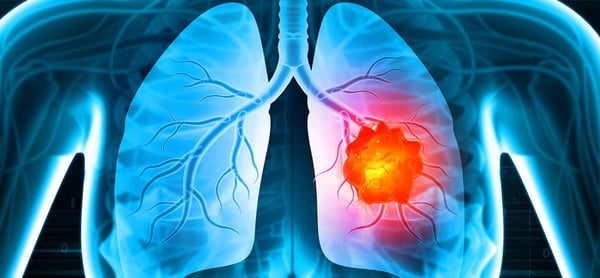
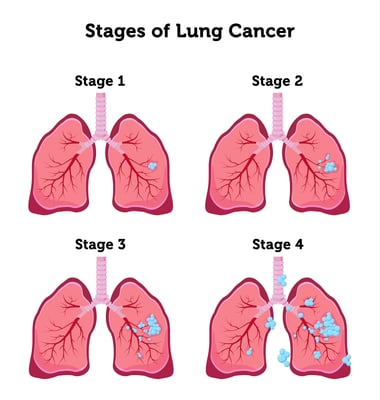
Lungcancer är en av de allvarligaste cancerformerna i världen. Det uppstår när onormala celler i lungorna börjar föröka sig okontrollerat och bildar tumörer som stör normal andning och syreutbyte. Tillståndet kan utvecklas i vilken del av lungorna som helst och kan, om det lämnas obehandlat, spridas till andra vitala organ som lever, ben, hjärna eller bröst.
Sjukdomen drabbar miljontals människor globalt varje år och är bland de främsta orsakerna till cancerrelaterade dödsfall. Men med tidig upptäckt, avancerad diagnostisk bildbehandling och moderna behandlingsalternativ kan många patienter nu hantera lungcancer effektivt och leva längre och hälsosammare liv.
Nyligen genomförda framsteg inom onkologi, inklusive riktad terapi, immunterapi och minimalt invasiva operationer, har förbättrat behandlingsresultat och livskvalitet för patienter i alla stadier av sjukdomen.
Vad är lungcancer?
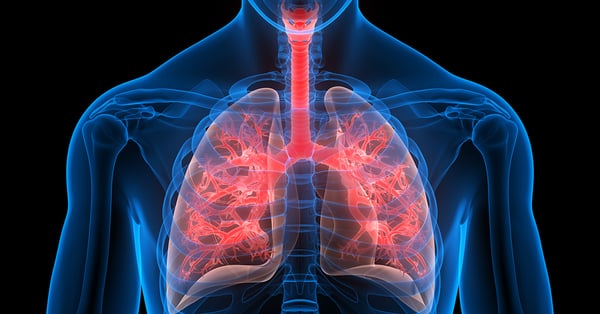
Lungcancer är en kronisk sjukdom där onormala celler växer okontrollerat i lungorna. Dessa celler bildar tumörer som stör normal lungfunktion, vilket gör det svårt för kroppen att få tillräckligt med syre. Med tiden kan dessa cancerceller spridas till närliggande vävnader eller andra delar av kroppen genom blodomloppet eller lymfsystemet.
Det finns två huvudtyper av lungcancer, som var och en har olika tillväxtmönster:
- Icke-småcellig lungcancer (NSCLC):Detta är den vanligaste typen och står för nästan 85–90 % av alla lungcancerfall. Den växer relativt långsamt och inkluderar subtyper som skivepitelcancer, adenokarcinom och storcelliga karcinom.
- Småcellig lungcancer (SCLC):Denna typ är mindre vanlig men tenderar att spridas snabbare. Det förekommer vanligtvis hos personer med rökning i anamnesen och kräver ofta kemoterapi eller strålning som primärbehandling.
Den exakta orsaken till lungcancer varierar, men den vanligaste riskfaktorn är långvarig tobaksexponering. Andra bidragande faktorer inkluderar luftföroreningar, passiv rökning, yrkesmässig exponering för kemikalier och en familjehistoria av cancer.
Vilka är symtomen på lungcancer?
I dess tidiga skeden kan lungcancer kanske inte visa märkbara symtom. De flesta patienter diagnostiseras först efter att sjukdomen har utvecklats, varför tidig screening och medicinsk utvärdering är avgörande för dem som är i riskzonen.
Symtom på lungcancer varierar beroende på tumörens plats och stadium, men följande är vanligast:
- Ihållande hosta som inte försvinner
- hosta upp blod eller rostfärgat sputum
- andnöd eller andningssvårigheter
- Bröstsmärtor som förvärras vid hosta
- frekventa luftvägsinfektioner (som bronkit)
- trötthet och oförklarad viktminskning
- heshet eller förändringar i rösten
- Svullnad i ansiktet eller halsen (i avancerade fall)
Dessa symtom betyder inte alltid cancer. De kan kopplas till andra lungtillstånd, men ihållande eller förvärrade symtom bör kontrolleras av en läkare omedelbart.
Hur diagnostiseras lungcancer?
Diagnos innebär en kombination av laboratorieundersökningar, avbildningstester och vävnadsprovtagning för att bekräfta förekomsten och stadium av cancer.
Standarddiagnostiska tester inkluderar:
- Röntgen av lungor:Ofta det första avbildningstestet som används för att identifiera eventuell onormal massa eller skugga i lungorna.
- CT-skanning:Denna avbildningsteknik ger detaljerade bilder av lungorna, vilket möjliggör bestämning av tumörens storlek och position.
- PET-CT-skanning:Upptäcker cancer som sprids till andra organ och hjälper till med iscensättning.
- bronkoskopi:Ett tunt rör med en kamera förs in genom luftvägarna för att visualisera lungorna och samla in vävnadsprover för diagnos.
- Biopsi:Ett litet vävnadsprov tas från lungan eller lymfkörtlarna för att bekräfta typen av cancer under ett mikroskop.
- Molekylär testning:Hjälper till att identifiera specifika genmutationer (som EGFR eller ALK) för att vägleda riktad terapi.
Hur behandlas lungcancer?
Lungcancerbehandling beror på cancerstadiet och patientens allmänna hälsa. Med framsteg inom onkologi har läkare nu flera tillgängliga alternativ för att kontrollera cancer, lindra symtom och förbättra livskvaliteten.
Nedan är de primära behandlingsmetoderna som används för lungcancer:
operationssal
Kirurgi rekommenderas i de tidiga stadierna av icke-småcellig lungcancer (NSCLC), när tumören är begränsad till en del av lungan. Standardkirurgiska ingrepp inkluderar:
- Lobektomi:avlägsnande av en hel lunglob (vanligast).
- Pneumonektomi:avlägsnande av en hel lunga (för större eller centralt belägna tumörer).
- Segmentektomi eller kilresektion:avlägsnande av en liten del av lungvävnaden som innehåller tumören.
Minimalt invasiva tekniker som videoassisterad torakoskopisk kirurgi (VATS) och robotassisterad kirurgi har minskat återhämtningstiden och postoperativt obehag.
kemoterapi
Kemo använder läkemedel för att döda snabbt delande cancerceller. den kan användas:
- före operation (neoadjuvant terapi) för att krympa tumören,
- efter operation (adjuvant terapi) för att eliminera kvarvarande cancerceller, eller
- som den primära behandlingen för avancerad eller inoperabel lungcancer.
Kemoterapi administreras i cykler, ofta kombinerat med strålning eller riktade läkemedel för förbättrad effektivitet.
strålbehandling
Denna behandling använder högenergiröntgen eller protonstrålar för att rikta in sig på och förstöra cancerceller. det kan tillämpas:
- för att behandla lokaliserade tumörer när operation inte är möjlig,
- för att lindra symtom som blödning, eller
- Efter operation för att förhindra återfall.
Moderna former, såsom IMRT (Intensitetsmodulerad strålterapi) och Stereotaktisk kroppsstrålbehandling (SBRT), möjliggör exakt inriktning av tumörer samtidigt som den skyddar frisk vävnad.
målterapi
Riktad terapi fungerar genom att blockera specifika genmutationer eller proteiner som underblåser cancertillväxt, såsom EGFR-, ALK- eller ROS1-mutationer. Dessa behandlingar är tillgängliga i piller- eller infusionsform och är särskilt effektiva för patienter vars cancer visar dessa genetiska markörer.
immunterapi
Immunterapi stärker kroppens naturliga immunsystem för att bekämpa cancerceller. Läkemedel som kallas immunkontrollpunktshämmare (som pembrolizumab eller nivolumab) hjälper immunsystemet att känna igen och döda cancerceller mer effektivt. Denna behandling är särskilt fördelaktig för framskridet eller återkommande lungcancer.
Få en gratis behandlingsplan
Om Lungcancerbehandling i Indien
What Is the Cost of Lung Cancer Treatment in India?
The average price of lung cancer treatment in India generally ranges between $4,500 and $8,500 (approximately ₹3.7 to ₹7.1 lakhs). The exact price depends on the type and stage of cancer, the treatment approach, and the city and hospital where care is received.
India has become one of the most affordable destinations for comprehensive cancer care, offering access to advanced therapies, including chemotherapy, radiation therapy, targeted therapy, and immunotherapy.
Below is an approximate breakdown of lung cancer treatment costs in India:
Treatment Type | Average Cost (USD) | Approx. Cost (INR) |
| Lung Cancer Surgery (Lobectomy / Pneumonectomy) | $3,500 – $6,000 | ₹2.9 – ₹5.0 lakh |
| Chemotherapy (per cycle) | $300 – $600 | ₹25,000 – ₹50,000 |
| Radiation Therapy (complete course) | $3,000 – $5,000 | ₹2.5 – ₹4.1 lakh |
| Targeted Therapy (per month) | $1,000 – $2,500 | ₹85,000 – ₹2.1 lakh |
| Immunotherapy (per cycle) | $1,500 – $3,000 | ₹1.2 – ₹2.5 lakh |
| PET-CT Scan / Diagnostics | $400 – $800 | ₹33,000 – ₹65,000 |
- The total cost depends on the number of chemotherapy or immunotherapy cycles required.
- Patients in early stages (Stage I or II) may require surgery and fewer therapy sessions, resulting in lower expenses.
- For advanced stages (Stage III or IV), where multiple treatments or combination therapies are used, the total cost may be higher.
Cost Inclusions
- Oncologist’s consultation and professional fees
- Surgery or therapy costs, including operating room, anesthesia, and medical consumables
- Hospital stay and nursing care during treatment or recovery
- Routine investigations, such as blood tests, X-rays, and CT scans performed during hospitalization
- Standard medications and supportive care provided during the active treatment phase
- Follow-up consultations within the hospital during the initial recovery period
Cost Exclusions
- Pre-treatment diagnostic tests (PET-CT, biopsy, molecular testing, etc.) performed before admission
- Targeted therapy or immunotherapy drugs, if imported or branded
- An extended hospital stay in case of complications or additional procedures
- Rehabilitation or physiotherapy after surgery
- Travel, visa, and accommodation for the patient and companion
- Post-treatment follow-ups once the patient returns home
What Is the Cost of Lung Cancer Treatment in Different Indian Cities?
The cost of lung cancer treatment in India varies slightly from one city to another. The difference is mainly due to variations in hospital infrastructure, doctor expertise, and overall living costs across each region.
Below is an approximate city-wise cost range to help international patients plan their budget more accurately:
City | Average Cost (USD) | Approx. Cost (INR) |
| New Delhi | $4,500 – $8,000 | ₹3.7 – ₹6.6 lakh |
| Mumbai | $5,000 – $8,500 | ₹4.1 – ₹7.1 lakh |
| Chennai | $4,200 – $7,500 | ₹3.4 – ₹6.2 lakh |
| Bangalore | $4,800 – $8,000 | ₹3.9 – ₹6.6 lakh |
| Hyderabad | $4,500 – $7,800 | ₹3.7 – ₹6.4 lakh |
- Delhi and Mumbai: Known for advanced oncology centers and globally trained specialists; slightly higher but comprehensive.
- Chennai and Hyderabad: Offer excellent medical expertise at moderately lower costs.
- Bangalore: Popular among international patients for modern hospitals and strong patient-support infrastructure.
What Factors Affect the Cost of Lung Cancer Treatment in India?
While India offers lung cancer treatment at a much lower cost than most countries, the final expense can vary depending on several medical and logistical factors. Here are the key elements that influence the total price:
- Type and Stage of Cancer: Early-stage lung cancer (Stage I–II) usually requires surgery or limited therapy, whereas advanced stages (Stage III–IV) need multiple chemotherapy or radiation sessions, which increases overall cost.
- Treatment Method Chosen: The cost differs based on whether the patient undergoes surgery, chemotherapy, radiation therapy, targeted therapy, or immunotherapy.
- Hospital Selection: Multispecialty and internationally accredited hospitals in major cities, such as Delhi, Mumbai, or Bangalore, charge slightly more than smaller regional centers.
- Oncologist’s Experience: Highly experienced or internationally trained oncologists may have higher consultation and procedure fees.
- Type of Medicines Used: Imported or branded chemotherapy, targeted therapy, or immunotherapy drugs are costlier than locally manufactured generic alternatives.
- Duration of Treatment: The number of therapy cycles, hospital stays, and follow-up visits directly impacts the total cost of treatment.
- Patient’s General Health: Patients with other health issues, such as heart or kidney conditions, may require additional medical care or extended hospitalization, which can increase expenses.
- Room Category and Hospital Stay: Selecting a private or deluxe room, or requiring extended post-treatment monitoring, may result in increased total billing.
How Does the Cost in India Compare With Other Countries?
Lung cancer treatment in India is considerably more affordable than in Western and Middle Eastern countries. Despite the lower cost, Indian hospitals offer access to advanced infrastructure, skilled specialists, and modern treatment options.
Below is a general cost comparison:
Country | Average Cost (USD) |
| United States | $35,000 – $60,000 |
| United Kingdom | $30,000 – $50,000 |
| UAE | $25,000 – $40,000 |
| Singapore | $20,000 – $35,000 |
| India | $4,500 – $8,500 |
Patients can save up to 70–80% on total treatment expenses by choosing India, while still receiving internationally standardized medical care. The cost difference is due to lower operational expenses and favorable currency exchange rates, not due to any compromise in treatment quality.
Why Should You Choose India for Lung Cancer Treatment?
India is a leading destination for affordable and advanced cancer care. Patients from around the world choose India for lung cancer treatment due to these key reasons:
- Advanced Oncology Infrastructure: Major Indian hospitals are equipped with state-of-the-art radiation therapy systems, PET-CT scanners, and robotic surgical units.
- Experienced and Globally Trained Oncologists: India’s oncologists have trained at top global institutions and are skilled in the latest cancer therapies, including immunotherapy, targeted therapy, and minimally invasive thoracic surgery.
- Affordable Treatment Packages: Lung cancer treatment in India costs a fraction of what it does in the US or Europe. Despite this price difference, hospitals maintain international standards of hygiene, safety, and care.
- Accredited Hospitals: Most major Indian hospitals that treat international patients are NABH or JCI accredited, ensuring they meet globally recognized quality standards.
- Seamless Patient Support: Hospitals have dedicated international patient service teams to assist with medical visa documentation, airport pickup, accommodation, and post-treatment travel coordination.
- English-Speaking Medical Staff: Doctors, nurses, and coordinators communicate fluently in English, ensuring comfort and clarity for foreign patients throughout their treatment journey.
- Short Waiting Times: Unlike in other developed countries, India offers prompt appointments and immediate treatment scheduling, enabling patients to begin therapy without delay.
What Is the Recovery and Success Rate After Lung Cancer Treatment?
Recovery from lung cancer varies depending on the type of therapy, the stage at which the cancer is detected, and the patient’s overall health. With advances in oncology, both recovery times and success rates have improved significantly in recent times.
Recovery After Treatment
- After Surgery: Patients who undergo surgery such as lobectomy or pneumonectomy usually stay in the hospital for 5 to 7 days. Most lung cancer patients can return to their normal daily activities within 4 to 6 weeks, although it may take several months for their lung function to return to normal.
- After Chemotherapy: Recovery between cycles is typically 1 to 2 weeks, depending on the body’s response and side effects. Supportive medications help manage side effects such as fatigue, nausea, or low immunity.
- After Radiation Therapy: Radiation may cause mild fatigue or irritation in the treated area, which typically improves within a few weeks of completing therapy.
- After Targeted or Immunotherapy: These modern therapies generally cause fewer side effects than chemotherapy. Most patients continue daily activities during treatment, with periodic monitoring by their oncologist.
Success Rate of Lung Cancer Treatment
The success rate of lung cancer treatment depends on the cancer stage and the treatment approach:
- Early-Stage Lung Cancer (Stage I–II): With timely surgery and/or targeted therapy, success rates can reach 60–80%, with many patients living long, healthy lives.
- Locally Advanced (Stage III): Combination therapy (surgery, chemo, radiation) can achieve success rates of around 40–50%.
- Advanced-Stage (Stage IV): For metastatic cancer, targeted and immunotherapy options have extended median survival to 2–5 years in many patients, improving both quality and length of life.
Lungcancerbehandling Kostnadsjämförelse per land
Jämför Lungcancerbehandling kostnader mellan olika länder för att fatta ett välgrundat beslut om din medicinska behandling.
| Land | Kostnadsintervall (USD) | Potentiella besparingar | Handling |
|---|---|---|---|
IndienNuvarandeBästa värde | $4,500 - $8,500 | — | Få offert |
Notera: Kostnaderna kan variera beroende på sjukhusval, rumstyp, tilläggstjänster och individuella medicinska krav.
Ledande sjukhus för Lungcancerbehandling i Indien
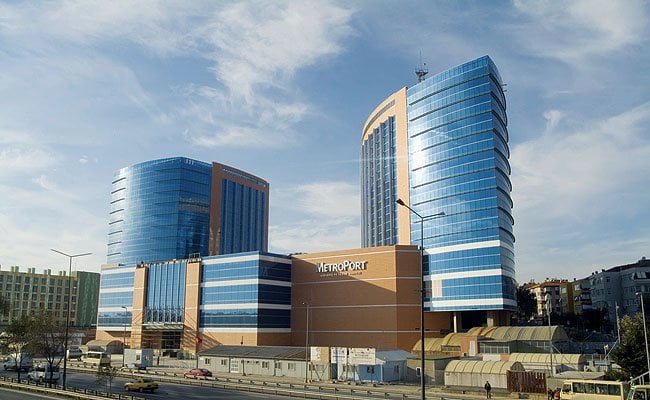
Medical Park Bahcelievler Hospital
Medical Park Bahcelievler Hospital är ett JCI-ackrediterat sjukhus med 242 bäddar i Istanbul, etablerat 2007. Den är spridd över 33 000 kvadratmeter o...
Ackrediteringar
Faciliteter

Hisar Intercontinental Hospital, Istanbul
Hisar Intercontinental Hospital i Istanbul är ett JCI-ackrediterat, 212-bädds multispecialty sjukhus som sträcker sig över 35 000 kvadratmeter och med...
Ackrediteringar
Faciliteter
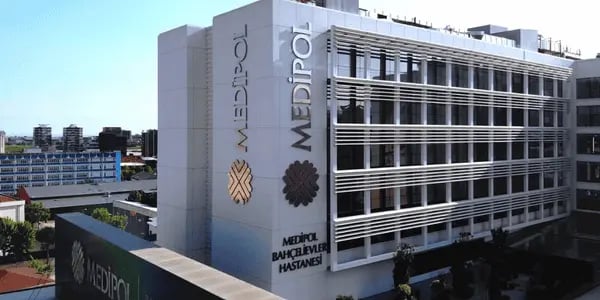
Medipol Bahçelievler sjukhus
Medipol Bahçelievler Hospital är ett privatsjukhus med 441 bäddar i Istanbul som startade sin verksamhet i maj 2022. Sjukhuset täcker 60 000 kvadratme...
Ackrediteringar
Faciliteter
Liknande förfaranden
Galleri
FAQ

Vår webbplats använder cookies. Sekretesspolicy.