
Kemoterapi Kostnad i Indien
Om Kemoterapi
Vad är kemoterapi och hur fungerar det?
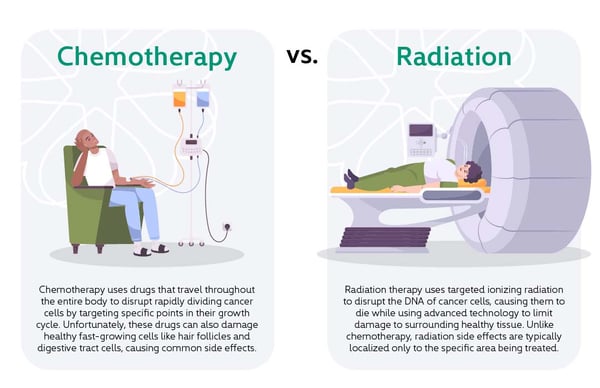
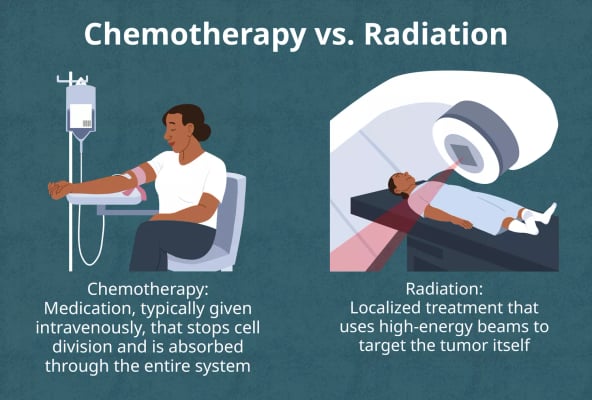
Kemoterapi är en medicinsk behandling som använder speciella läkemedel för att förstöra cancerceller. Dessa läkemedel reser genom blodomloppet för att nå cancerceller i olika delar av kroppen, vilket gör kemoterapi särskilt användbar för cancer som har spridit sig eller riskerar att spridas. Till skillnad från kirurgi eller strålning, som fokuserar på ett specifikt område, fungerar kemoterapi systemiskt och riktar sig mot cancer var den än kan vara.
Läkemedlen som används vid kemoterapi är utformade för att stoppa tillväxten och delningen av snabbt förökande celler. Eftersom tumörceller delar sig mycket snabbare än de flesta normala celler, är de mycket känsliga för dessa mediciner. Men vissa friska celler, som de i hårsäckarna, matsmältningskanalen och benmärgen, kan också påverkas, vilket är anledningen till att biverkningar som håravfall och trötthet kan uppstå.
Kemoterapi kan användas på flera sätt:
- Före operation (neoadjuvant terapi)att krympa en tumör.
- Som primärbehandlingFör cancer som inte kan avlägsnas kirurgiskt.
- Efter operation (adjuvant terapi),För att eliminera kvarvarande cancerceller.
- i kombinationmed strålning eller riktad terapi för bättre resultat.
Varje kemoterapiplan är personlig. Läkare väljer läkemedelstyp, dosering och antal cykler baserat på cancertyp, stadium, patientens ålder, övergripande hälsa och behandlingsmål. Detta tillvägagångssätt säkerställer att cancerpatienten får den mest effektiva behandlingen samtidigt som riskerna minimeras.
Vilka är de olika typerna av kemoterapi?
Kemoterapi är inte ett tillvägagångssätt som passar alla. Det finns flera typer av kemoterapi, var och en gjord för ett specifikt syfte beroende på typen av cancer, dess stadium och hur aggressiv den är. Låt oss utforska huvudkategorierna i enkla termer:
Baserat på läkemedelsfunktion
- Alkyleringsmedel:Dessa läkemedel fungerar genom att skada cancercellers DNA, vilket gör det omöjligt för dem att föröka sig. De används ofta vid behandling av lymfom, leukemi och solida tumörer som lever- och lungcancer.
- antimetaboliter:Dessa läkemedel efterliknar naturliga substanser i kroppen och lurar cancerceller att använda dem. När de väl absorberats stoppar de cellerna från att växa. Cancer som cancer i tjocktarm, bröst och bukspottkörteln svarar ofta bra på dessa.
- antiremidd -Tumerantibiotika:Trots namnet är dessa inte infektionsbekämpande antibiotika. Istället stör de enzymer som cancerceller behöver för att dela sig och växa. De används ofta vid behandling av blodrelaterade cancerformer och vissa solida tumörer.
- Växtalkaloider och mitotiska inhibitorer:Dessa läkemedel härrör från växter och blockerar celldelning. De används ofta vid bröst- och lungcancerbehandling och är kända för att vara särskilt effektiva under specifika stadier av cellcykeln.
- Topoisomerasinhibitorer:Dessa stoppar cancercellerna från att reparera deras DNA, vilket leder till celldöd. De är till hjälp vid behandling av leukemi, äggstockscancer och vissa lungcancer.
baserat på hur det ges
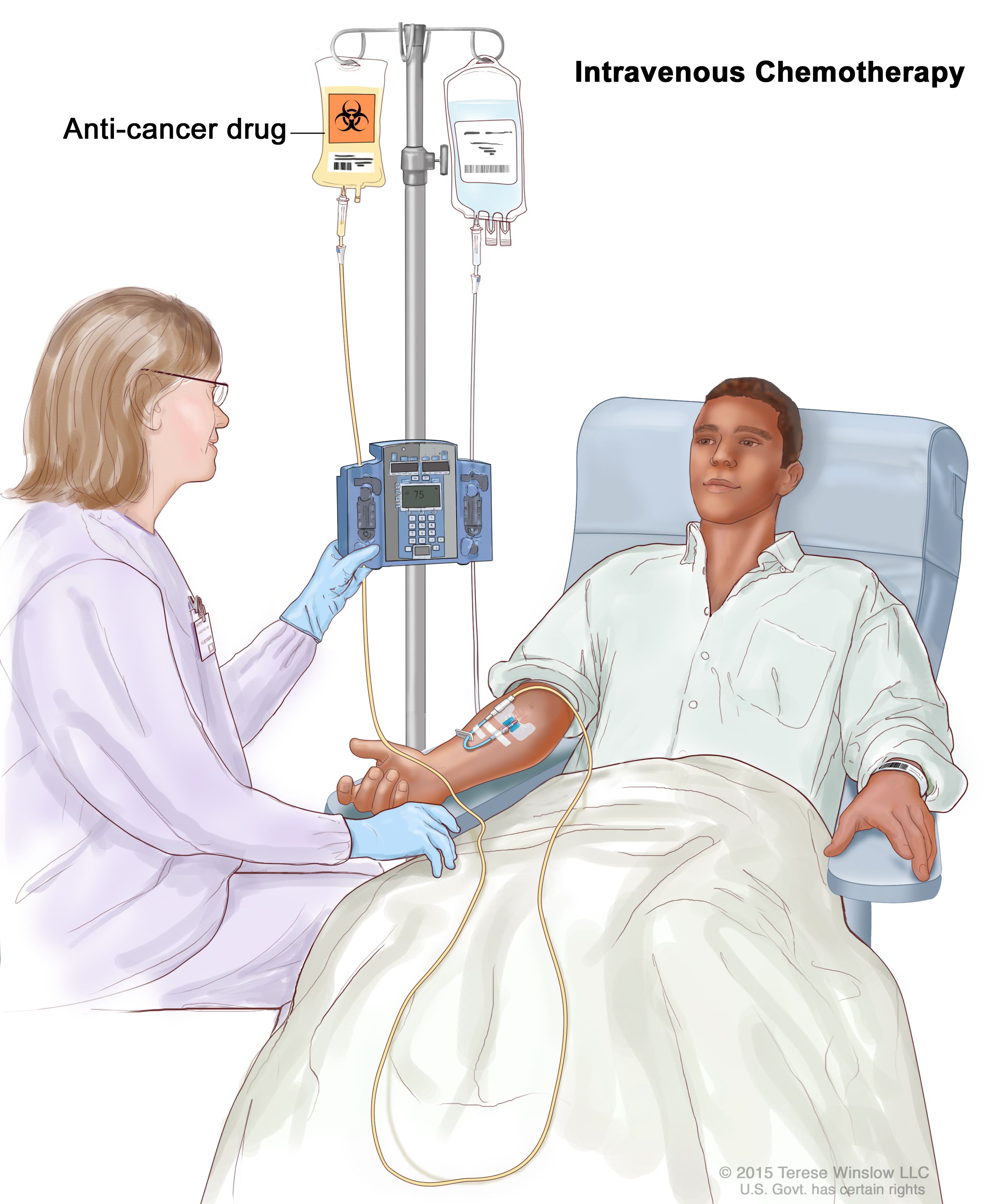
- Intravenös (iv) kemoterapi:Detta är den vanligaste metoden. Läkemedlen injiceras direkt i en ven och cirkulerar i hela kroppen.
- Oral kemoterapi:Dessa läkemedel tas som piller eller kapslar och tillåter patienter att genomgå behandling hemma med regelbunden uppföljning.
- Intramuskulära eller subkutana injektioner:Ibland injiceras kemoterapiläkemedel i en muskel eller under huden, beroende på läkemedelstyp.
- Aktuell kemoterapi:Används i sällsynta fall, denna form appliceras på huden, vanligtvis för ytlig hudcancer.
Var och en av dessa typer har en roll att spela i cancerbehandling. Onkologer väljer noggrant ut den mest lämpliga kombinationen baserat på klinisk utvärdering, som syftar till maximal effektivitet med hanterbara biverkningar.
kemoterapiprocess
Att börja med kemoterapi kan kännas överväldigande, särskilt för förstagångspatienter eller de som reser utomlands för behandling. Men att veta vad man kan förvänta sig kan göra resan smidigare och mindre stressande. Cancersjukhus följer internationella protokoll och säkerställer att patienterna är fullt vägledda under hela processen.
Inledande samråd och utvärdering
Din cancerbehandling inleds med en grundlig konsultation med en medicinsk onkolog. De granskar dina biopsirapporter, bildskanningar, blodprov och övergripande hälsa för att fastställa den bästa kemoterapiplanen. Faktorer som din cancertyp, stadium, ålder och tidigare behandlingar hjälper till att forma ditt individualiserade protokoll.
behandlingsplanering
När kemoterapi har bekräftats kommer din läkare att bestämma:
- Vilka läkemedel att använda
- Hur många cykler behövs
- gapet mellan varje cykel (vanligtvis 2–3 veckor)
- Stödjande mediciner för att minimera biverkningar
Du kan också träffa en klinisk koordinator, sjuksköterska eller medicinsk rådgivare som förklarar schemat, vad som ska göras och inte göras, kosttips och symtomövervakning.
kemoterapisession
Kemoterapi ges vanligtvis på ett särskilt daghem inom sjukhuset. Om du får IV-kemoterapi:
- En kanyl eller port placeras i din ven.
- Läkemedlen infunderas långsamt under 1–4 timmar, beroende på typ.
- Du övervakas för eventuella omedelbara biverkningar som illamående eller allergiska reaktioner.
- Efter sessionen kan du gå hem samma dag om inte sjukhusvård behövs.
För oral kemoterapi ger sjukhuset din medicin tillsammans med instruktioner om när och hur du ska ta den.
Övervakning efter behandling
Efter varje cykel kontrollerar läkare ditt blodvärde, lever- och njurfunktion och övergripande respons. Avbildningstester kan upprepas efter några cykler för att spåra tumörkrympning eller sjukdomskontroll. Dosjusteringar görs baserat på hur din kropp reagerar på läkemedlen.
Få en gratis behandlingsplan
Om Kemoterapi i Indien
What is the Cost of Chemotherapy in India?
India offers high-quality cancer treatment at prices that are significantly lower than in Western countries. On average, a single cycle of chemotherapy in India costs between ₹20,000 to ₹70,000 ($240 to $840), depending on the drugs used and the hospital chosen. Most patients undergo 4 to 8 cycles, which brings the total treatment cost to around ₹1,00,000 to ₹5,00,000 ($1,200 to $6,000).
Doctors in India determine the number of chemotherapy cycles based on the type of cancer, the stage at diagnosis, and the patient's response to treatment. They also decide on the drug combinations, which directly influence the cost. For example, standard drugs like paclitaxel or cyclophosphamide cost less, while targeted or platinum-based therapies like carboplatin or docetaxel raise the expense.
Top private hospitals in India offer chemotherapy as part of day-care oncology units. These centers include consultation, drug administration, pre-medication, nursing, and follow-up care in their cost. Some hospitals offer international patients bundled packages that make budgeting easier.
Oral chemotherapy medications cost less per cycle and don't always require hospital visits. Intravenous chemotherapy, however, involves additional costs like IV setup, blood tests, port insertion (if needed), and observation time, which can slightly increase the price.
Compared to the US, where a single chemo cycle can cost $4,000 to $10,000, India offers world-class chemotherapy at just a fraction of that. Many international patients find that even after including travel and lodging expenses, their overall savings remain substantial.
Chemotherapy Cost Breakdown by Treatment Type
Understanding the different types of chemotherapy and their associated costs helps patients make informed financial decisions. Below is a detailed look at how chemotherapy expenses vary based on treatment type, drug choice, and delivery method in India.
- Intravenous Chemotherapy Cost in India: Hospitals typically charge ₹25,000 to ₹70,000 ($300 to $840) per cycle for IV chemotherapy. This cost includes the drug itself, infusion setup, pre-medication, nursing charges, and observation. If a patient receives high-end or imported drugs like docetaxel, trastuzumab, or bevacizumab, the cost rises. Using a chemo port also adds around ₹30,000 ($360) as a one-time cost.
- Oral Chemotherapy Cost in India: Oral chemotherapy tends to be more affordable and convenient. Most pills cost between ₹5,000 to ₹25,000 ($60 to $300) per cycle, depending on the brand and molecule. These medications are often prescribed for hormone-sensitive cancers or maintenance therapy and can be taken at home. Follow-up tests and consultations may incur extra costs.
- Neoadjuvant and Adjuvant Chemotherapy Cost: When doctors prescribe chemotherapy either before or after surgery, it is called neoadjuvant or adjuvant therapy. The cost for each cycle remains the same as regular IV chemotherapy, but the total number of cycles might vary. Patients typically spend ₹1,00,000 to ₹3,50,000 ($1,200 to $4,200) for the full course, depending on the treatment duration.
- Palliative Chemotherapy Cost: In advanced-stage cancers, doctors may recommend palliative chemotherapy to reduce symptoms and improve quality of life. This type often uses lower doses or less aggressive combinations. Each cycle costs ₹15,000 to ₹40,000 ($180 to $480), with total expenses depending on how long the patient continues therapy.
- Additional Expenses to Consider: Besides the cost of drugs and sessions, patients should also plan for supportive medications (anti-nausea, growth factors), blood tests, scans, and periodic consultations. These additional services may add ₹2,000 to ₹10,000 ($25 to $120) per cycle to the total bill.
Each chemotherapy plan is unique, and costs will depend on the exact drugs used, the cancer type, and how the body responds. Fortunately, India's transparent pricing and affordable treatment models allow patients from across the globe to access top-tier care without financial strain.
Comparison of Chemotherapy Cost – India vs Other Countries
India offers chemotherapy at significantly lower prices compared to many developed nations. Patients traveling from the US, UK, or the Middle East often choose India because of its cost-effectiveness without compromising on medical quality.
Country | Cost per Chemotherapy Cycle (USD) | Total Cost for 6–8 Cycles | Key Notes |
| India | $240 – $840 | $1,500 – $6,000 | Includes top-tier hospital care and international support services |
| United States | $4,000 – $10,000 | $25,000 – $80,000+ | Extremely high due to drug pricing, hospital bills, and insurance complexity |
| United Kingdom | $3,800 – $9,000 | $20,000 – $60,000 | Free for citizens via the NHS; very expensive for private or international patients |
| UAE / Gulf | $3,500 – $7,000 | $25,000 – $50,000 | High cost with limited generic options |
| Singapore | $2,500 – $5,000 | $15,000 – $30,000 | Modern hospitals but much more expensive than in India |
| Thailand | $2,000 – $4,000 | $12,000 – $24,000 | Cheaper than Western countries, but still double the Indian rates |
| South Africa / Kenya / Nigeria | $2,000 – $5,000 | $15,000 – $30,000 | Expensive due to limited access and drug imports |
Why Is Chemotherapy Affordable in India?
India is a global hub for cost-effective cancer care. Several important factors contribute to the significantly lower price of chemotherapy here compared to Western nations.
- Widespread Use of Generic Chemotherapy Drugs: India is one of the world's largest producers of generic medications. Pharmaceutical companies manufacture high-quality, FDA-approved generic versions of expensive chemotherapy drugs. These generics lower the cost of treatment by up to 70% while maintaining international standards of safety and efficacy.
- Competitive Healthcare Market: India's private healthcare sector is highly competitive. Leading hospitals and cancer centers continuously strive to offer better care at lower prices to attract international patients.
- Lower Operational and Labor Costs: Healthcare staff salaries, administrative charges, and facility overheads in India are lower than in countries like the USA or the UK.
- Cost-Efficient Infrastructure: Many Indian hospitals invest in cost-effective, high-volume infrastructure. They treat thousands of patients annually, which helps distribute fixed costs like equipment and utilities over a larger base, keeping individual treatment costs down.
- Government and NGO Support Programs: India offers several subsidy schemes and partnerships with NGOs that reduce chemotherapy costs for eligible patients. While these are primarily for residents, international patients indirectly benefit as hospitals maintain overall pricing within an accessible range.
Together, these factors make India one of the most affordable countries for chemotherapy, especially for foreign patients seeking top-tier cancer treatment without the burden of sky-high expenses.
Factors That Affect Chemotherapy Cost in India
The cost of chemotherapy in India doesn't follow a fixed number. It depends on several medical and logistical factors that can influence both the per-cycle cost and the total treatment expense. Knowing these factors helps patients plan their budget better and avoid unexpected charges during their cancer journey.
- Type of Cancer: The cost of chemotherapy varies depending on the type of cancer. Some cancers require basic drug combinations, while others need targeted or high-intensity regimens.
- Stage of Cancer: Advanced-stage cancers often require longer treatment plans, more potent drugs, and additional cycles, increasing the overall cost of chemotherapy.
- Choice of Chemotherapy Drugs: Generic drugs cost much less than branded or imported chemotherapy medications. The choice of drug directly impacts the price of each cycle.
- Number of Chemotherapy Cycles: Patients receiving more cycles pay higher cumulative costs. Most treatment plans range between 4 to 8 cycles based on medical response.
- Route of Administration: Intravenous chemotherapy involves extra charges for hospital stay and IV setup, while oral drugs can reduce overall costs by eliminating inpatient care.
- Hospital Type and City: Premium hospitals in metro cities charge more than smaller or tier-2 hospitals. However, they often include added support like accommodation, translators, and concierge services for international patients.
- Diagnostic and Monitoring Tests: Regular blood tests, imaging, and toxicity monitoring are essential during chemotherapy and add to the total cost, especially in long-term treatment.
- Supportive Medications: Drugs for managing side effects like nausea, immunity boosters, and pain relief also influence the total cost of chemotherapy treatment in India.
Services for International Patients Seeking Chemotherapy in India
India offers a seamless healthcare experience for international patients, especially those seeking chemotherapy. Leading hospitals have dedicated teams to assist patients every step of the way, from arrival to recovery.
- Dedicated International Patient Departments: Top hospitals in India have a dedicated international patient wing. These teams handle everything, including appointment scheduling, visa invitation letters, airport pickups, and accommodation planning.
- Personalized Treatment Coordination: A medical coordinator is assigned to every patient to manage their appointments, diagnostic tests, doctor consultations, and follow-up care. It ensures a smooth, stress-free experience for patients traveling from abroad.
- Multilingual Support: Language is never a barrier. Hospitals offer interpreters fluent in Arabic, French, Spanish, Swahili, Bengali, and many other languages, allowing patients and families to communicate easily with medical staff.
- Visa Assistance and Travel Help: International patients receive complete assistance for medical visas, documentation, and travel arrangements. Many hospitals partner with medical tourism facilitators to streamline this process.
- Affordable Accommodation Options: Patients can choose from hospital guesthouses, service apartments, or budget hotels located close to treatment centers.
- Nutritional and Psychological Support: Chemotherapy can be physically and emotionally challenging. Dieticians and counselors are available throughout the journey to support patients with meal plans and mental health care.
- Follow-Up and Teleconsultation Services: After treatment, patients can stay connected with their doctors through virtual follow-up sessions. Hospitals offer long-term support via email, WhatsApp, and video calls, ensuring continuity of care from home.
- 24/7 Emergency Care and Monitoring: Hospitals provide round-the-clock medical support and emergency services during chemotherapy. Nurses, oncologists, and ICU teams are always on standby in case of complications.
Success Rate of Chemotherapy in India
Chemotherapy in India has shown excellent success, especially when the cancer is diagnosed early. For early-stage cancers like breast, colon, or lymphoma, patients often experience survival rates exceeding 80–90% with timely chemotherapy cycles.
Advanced Protocols for Complex Cases: Indian oncology centers follow globally accepted protocols, including targeted therapies and combination regimens. This approach boosts success rates even for advanced-stage cancers, making treatment outcomes comparable to top hospitals in the US or the UK.
Personalized Chemotherapy Improves Outcomes: Oncologists in India customize chemotherapy plans based on cancer type, genetic profile, and patient tolerance. This individualized approach increases treatment effectiveness and reduces the chances of recurrence.
Success Rates Vary by Cancer Type: The outcome of chemotherapy varies depending on the specific cancer. For example, testicular cancer responds very well to chemotherapy with a cure rate of over 95%, while pancreatic cancer has a lower success rate despite treatment. Oncologists explain realistic expectations during the planning stage.
What are the Side Effects of Chemotherapy?
Chemotherapy works by targeting fast-growing cancer cells, but it also affects healthy cells that grow quickly. This is why patients often experience a range of side effects during and after treatment. Not every patient has the same symptoms. Some experience mild discomfort, while others need active medical support to manage the effects.
- Fatigue: Most patients feel unusually tired during chemotherapy. It can make daily tasks difficult, even after a full night's sleep. The fatigue builds up over time but usually improves after the treatment ends.
- Nausea and Vomiting: Many chemotherapy drugs cause nausea or vomiting, especially in the first few hours or days after treatment. Doctors usually prescribe anti-nausea medications to reduce this side effect.
- Hair Loss: Hair loss is among the most visible side effects of chemotherapy. It can affect the eyebrows, eyelashes, scalp, and body hair. Hair begins to grow back after cancer treatment ends.
- Loss of Appetite: Patients may lose their desire to eat due to changes in taste, nausea, or fatigue. A dietitian can help manage this by suggesting calorie-rich, easy-to-digest foods.
- Low White Blood Cell Count: Chemotherapy can weaken the immune system by lowering white blood cells, making patients more vulnerable to infections. Doctors monitor blood counts closely during treatment.
- Mouth Sores: Some people develop painful sores in the mouth or throat. These can make eating and drinking uncomfortable, but usually heal after treatment is over.
- Skin and Nail Changes: Skin may become dry, red, or sensitive. Nails can turn dark, brittle, or develop ridges. These changes are usually temporary and fade over time.
- Nerve Damage (Neuropathy): Tingling, numbness, or burning in the hands and feet may occur. It is known as peripheral neuropathy and can persist for weeks or months after chemotherapy.
- Emotional Changes: Chemotherapy often affects mood and mental health. It's normal to feel anxious, depressed, or emotionally drained during long treatments. Support groups and counseling can help.
- Fertility Impact: In some cases, chemotherapy affects fertility in both men and women. Patients concerned about future family planning should discuss options with their doctor before starting treatment.
How Indian Hospitals and Doctors Manage Chemotherapy Side Effects
Indian hospitals follow a patient-first approach when managing the side effects of chemotherapy. Oncologists in India combine advanced medical care with personalized support to help patients cope with physical, emotional, and nutritional challenges during treatment.
- Proactive Symptom Management: Doctors in India don't wait for side effects to become severe. They start patients on preventive medications like anti-nausea drugs, steroids, and immune boosters from the very first cycle to minimize discomfort and complications.
- Regular Blood Monitoring: Indian oncologists closely monitor blood cell counts during each cycle. If levels drop, they promptly adjust the dose or administer supportive injections like growth factors to avoid treatment delays or infections.
- Nutritional Counseling: Most cancer centers in India have in-house dietitians who create personalized meal plans to help patients maintain energy, manage nausea, and recover faster from treatment.
- Emotional and Psychological Support: Top hospitals offer access to oncology counselors and support groups. These services help patients deal with anxiety, fear, and depression, which are common emotional side effects of long-term chemotherapy.
- Specialized Nursing Teams: Chemotherapy patients are assisted by dedicated oncology nurses trained to recognize early signs of adverse reactions. They provide day-to-day care, help manage fatigue, and offer comfort during hospital stays.
- Use of Latest Drug Formulations: Doctors in India often use newer-generation chemotherapy drugs or combine them with targeted therapies to reduce damage to healthy cells. It helps lower the risk and intensity of common side effects like hair loss or neuropathy.
- Holistic and Integrative Care: Some Indian hospitals also offer complementary treatments like yoga, meditation, and ayurvedic support to improve mental well-being and overall tolerance to chemotherapy.
- Personalized Dose Adjustments: If a patient experiences severe side effects, oncologists quickly adjust the dosage or switch drug regimens without compromising treatment effectiveness.
Kemoterapi Kostnadsjämförelse per land
Jämför Kemoterapi kostnader mellan olika länder för att fatta ett välgrundat beslut om din medicinska behandling.
| Land | Kostnadsintervall (USD) | Potentiella besparingar | Handling |
|---|---|---|---|
IndienNuvarandeBästa värde | $1,200 - $6,000 | — | Få offert |
Notera: Kostnaderna kan variera beroende på sjukhusval, rumstyp, tilläggstjänster och individuella medicinska krav.
Ledande sjukhus för Kemoterapi i Indien
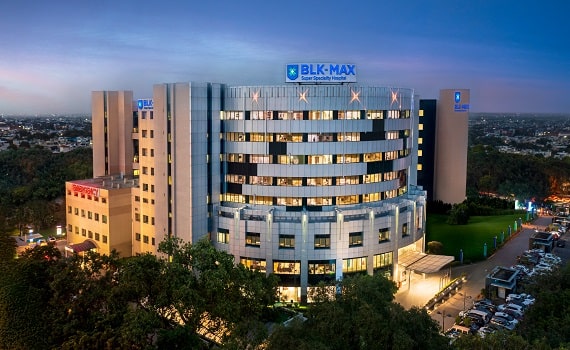
BLK-Max Super Specialty Hospital, New Delhi
BLK-Max Super Specialty Hospital i New Delhi är en av Indiens främsta vårdinstitutioner, som erbjuder 650 bäddar, 22 avancerade operationssalar och 13...
Ackrediteringar

Faciliteter
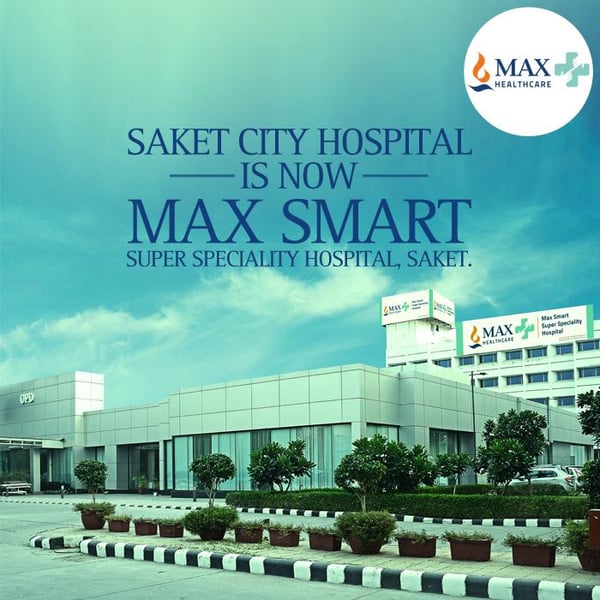
Max Smart Super Specialty Hospital, Saket, New Delhi
Max Smart Super Specialty Hospital, Saket, är ett sjukhus för tertiärvård med 250 bäddar i södra Delhi. Det erbjuder avancerad medicinsk och kirurgisk...
Ackrediteringar
Faciliteter
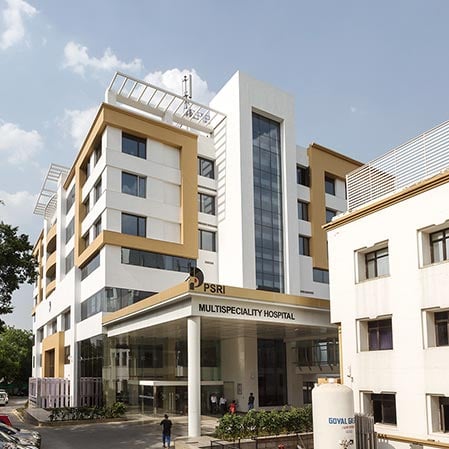
PSRI sjukhus, Delhi
Pushpawati Singhania Research Institute (PSRI Hospital), New Delhi, är ett ledande multi-specialty tertiärvårdssjukhus som grundades 1996 av JK Group....
Ackrediteringar
Faciliteter
Liknande förfaranden
Galleri
FAQ

Vår webbplats använder cookies. Sekretesspolicy.