Riktad terapi Kostnad i Indien
Om Riktad terapi
Vad är riktad terapi vid cancerbehandling?
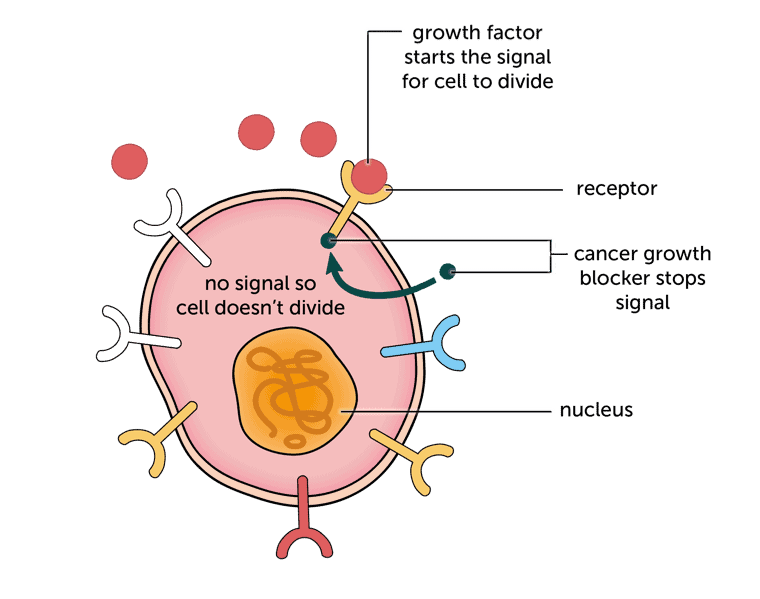
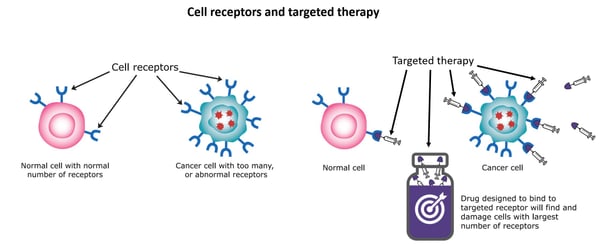
Riktad terapi är en form av cancerbehandling som använder läkemedel eller andra substanser för att identifiera och attackera cancerceller samtidigt som de skonar de flesta friska celler. Till skillnad från traditionell kemoterapi, som påverkar snabbt delande celler i allmänhet, fungerar riktad terapi genom att interferera med specifika molekyler som är involverade i cancercelltillväxt, progression och överlevnad.
Dessa läkemedel är utformade för att "inrikta sig på" avvikelser i gener eller proteiner som är ansvariga för den okontrollerade uppdelningen av cancerceller. Genom att blockera dessa kritiska signaler kan riktad terapi antingen stoppa cancern från att växa eller utrota cancercellerna. I vissa fall kan det hjälpa immunsystemet att känna igen och bekämpa tumören mer effektivt.
Riktade terapier används oftast vid cancer som:
- Bröstcancer (HER2-positiv)
- Lungcancer (EGFR- eller ALK-mutationer)
- Kolorektal cancer (KRAS, BRAF-mutationer)
- Blodcancer som leukemi och lymfom (CD20, Bcl-2-mål)
- Njur-, lever- och sköldkörtelcancer med specifika genmarkörer
Denna behandlingsform har revolutionerat onkologi, särskilt i cancer i framskridet stadium och återfall, där standardbehandlingar kanske inte längre fungerar. Riktad terapi kan ges ensam eller i samband med kemoterapi, strålning, immunterapi eller hormonbehandling, beroende på cancertyp och stadium.
Är kemoterapi och riktad terapi detsamma?
Nej, kemoterapi och riktad terapi är detInte samma sak, även om båda används för att behandla cancer. Riktade och kemoterapi skiljer sig åt i hur de fungerar, hur de levereras och hur de påverkar kroppen.
målterapi
Riktad terapi är utformad för attAtt attackera cancerceller exaktGenom att fokusera på specifika gener, proteiner eller andra molekyler som hjälper cancern att växa eller spridas. Dessa läkemedel skadar inte de flesta friska celler och väljs utifrån den unika molekylära profilen för patientens tumör.
- precisionsfokuserad
- färre biverkningar
- Personlig för cancertypen
- Fungerar bäst när en känd mutation är närvarande
- kan ges som piller eller IV-infusioner
kemoterapi
Kemoterapi, å andra sidan, är mer generell. det attackeraralla snabbväxande celler, oavsett om de är cancerframkallande eller friska. Det inkluderar celler i håret, matsmältningskanalen och benmärgen, vilket är anledningen till att kemoterapi ofta orsakar fler biverkningar som håravfall, illamående och trötthet.
- icke-specifik attack
- mer sannolikt att skada friska vävnader
- används för ett brett spektrum av cancerformer
- Levereras vanligtvis via IV eller injektion
nyckeldifferens
Tänk på det så här:Kemoterapi är som att använda ett hagelgevär, medan riktad terapi är som att använda en laserpekare. Båda kan vara effektiva, men riktad terapi är vanligtvis att föredra när cancern har en specifik mutation som kan utnyttjas. I många behandlingsplaner kan läkare kombinera båda metoderna för att öka effektiviteten, särskilt vid aggressiva eller avancerade cancerformer.
Hur fungerar riktad terapi?
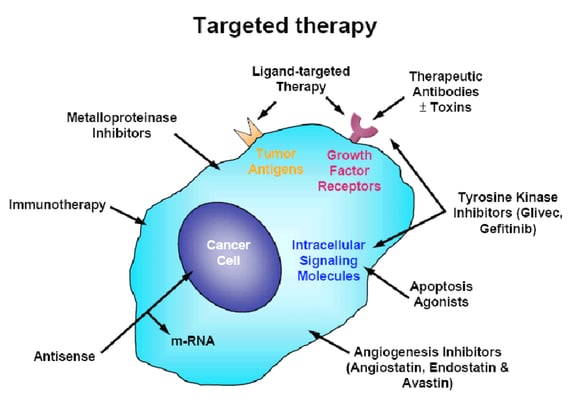
Riktad terapi fungerar genom att störa vissa gener, proteiner eller vävnadsmiljön som hjälper cancerceller att växa och överleva. Dessa läkemedel är konstruerade för att känna igen cancerceller baserade på specifika biologiska markörer och sedan blockera de signaler de använder för att föröka sig eller spridas.
Processen börjar medidentifiera molekylära mål,som är avvikelser eller mutationer som finns i cancerceller men inte i normala. När dessa mål har identifierats genom genetiska eller biomarkörtestningar, väljer onkologer ett läkemedel som exakt blockerar eller förändrar funktionen hos dessa mål.
Riktad terapi fungerar på olika sätt:
- Blockering av celltillväxtsignaler:Vissa läkemedel stoppar signalerna som säger att cancerceller ska växa okontrollerat.
- Utlöser celldöd (apoptos):Vissa terapier aktiverar interna mekanismer som leder cancerceller till självförstörelse.
- Avbrytande av blodtillförsel (angiogenesinhibering):Vissa medel stoppar bildandet av nya blodkärl och svälter tumören på näringsämnen.
- Markera cancerceller för förstörelse:Monoklonala antikroppar kan flagga cancerceller så att immunsystemet kan känna igen och förstöra dem.
- Leverera cytotoxiska ämnen direkt till cancerceller:Vissa läkemedel transporterar radioaktiva partiklar eller toxiner direkt in i tumören.
Vilka olika typer av riktad terapi används?
Onkologer använder ett brett spektrum av riktade terapier som överensstämmer med globala behandlingsstandarder. Varje typ arbetar med specifika cancerdrivande mekanismer, vilket gör behandlingen mer exakt och skräddarsydd för enskilda patienter.
Här är de vanligaste formerna av riktade terapier som finns tillgängliga i cancercentra:
Monoklonala antikroppar (mAbs)
Dessa är labbtillverkade antikroppar som efterliknar immunförsvaret. De fäster sig vid specifika proteiner som finns på ytan av cancerceller, blockerar deras funktion eller markerar dem för immunförstöring. Vissa levererar också kemoterapi eller radioaktiva medel direkt till cancercellerna.
Exempel:Trastuzumab (HER2-positiv bröstcancer), Rituximab (B-cellslymfom), Cetuximab (kolorektal cancer)
Tyrosinkinashämmare (TKI)
TKI är små molekyler som kommer in i cancerceller och blockerar enzymer som kallas tyrosinkinaser, som är involverade i att överföra tillväxtsignaler. Genom att störa dessa signaler stoppar eller bromsar läkemedlen tumörutvecklingen.
Exempel:Imatinib (KML), erlotinib (EGFR-positiv lungcancer), sunitinib (njurcancer)
angiogeneshämmare
Dessa läkemedel förhindrar bildandet av nya blodkärl som tumörer behöver för att växa. Genom att skära av tillförseln av syre och näringsämnen krymper tumörcellerna gradvis eller slutar spridas.
Exempel:Bevacizumab (används vid kolorektal, lung- och äggstockscancer)
mTOR och PARP-hämmare
Dessa är nyare klasser av riktade medel som blockerar proteiner involverade i cellreparation och tillväxt. PARP-hämmare, i synnerhet, har visat starka resultat i BRCA-muterade äggstocks- och bröstcancer.
Exempel:Everolimus (mTOR), olaparib (PARP)
proteasomhämmare
Används huvudsakligen i blodcancer som multipelt myelom, dessa läkemedel blockerar cellulära maskiner som är ansvariga för att bryta ner proteiner, vilket gör att cancerceller ackumulerar avfall och dör.
Exempel:bortezomib
Immunriktade terapier (biologiska responsmodifierare)
Dessa är hybridterapier som både riktar sig mot cancerspecifika markörer och ökar immunsystemets svar. De är särskilt värdefulla vid avancerad eller återfallande cancer.
När rekommenderas riktad terapi?
Riktad terapi ordineras noggrant när en tumör bär på specifika genetiska mutationer eller proteinmarkörer som kan "riktas" av särskilda läkemedel. Innan behandlingen påbörjas kör läkare molekylära eller biomarkörtester för att kontrollera om cancern uttrycker dessa mål.
Riktad terapi rekommenderas vanligtvis i följande situationer:
- När cancer har specifika genetiska mutationer:Om testning avslöjar en mutation som EGFR vid lungcancer eller HER2 vid bröstcancer, blir riktade läkemedel den första försvarslinjen.
- När standardkemoterapi har begränsad effektivitet:I många fall, om tumören inte svarar bra på konventionell kemoterapi eller om cancern återkommer efter initial behandling, introduceras riktad terapi för att stoppa ytterligare progression.
- När precisionsbehandling krävs för bättre tolerabilitet:Riktad terapi används ofta när en patient inte kan tolerera aggressiv kemoterapi. Eftersom det fungerar selektivt orsakar det mindre skada på friska celler och tolereras vanligtvis bättre, särskilt hos äldre eller svaga patienter.
- När cancer har spridit sig (metastaserande stadium):Läkare rekommenderar riktad terapi vid avancerad eller metastaserad cancer där målet är att förlänga livet, minska symtomen och upprätthålla livskvalitet. Många sådana patienter svarar bra när deras behandling matchas med tumörens unika biologi.
- I underhålls- eller adjuvansinställningar:Vissa patienter får riktade läkemedel efter initial behandling (som kirurgi eller kemoterapi) för att minska risken för återfall. Det ses ofta i leukemi eller bröstcancerprotokoll.
Finns riktad terapi tillgänglig för alla typer av cancer?
Nej, riktad terapi ärEj tillgänglig för alla typer av cancer. Det är bara effektivt när en tumör har specifika genetiska mutationer eller proteinmarkörer som riktade läkemedel kan verka på. Det är därförMolekylär testning är avgörande.Den talar om för läkaren om din cancer har ett "mål" som ett läkemedel kan träffa.
där riktad terapi fungerar bra
Det används oftast vid cancer som:
- Icke-småcellig lungcancer (EGFR, ALK, ROS1-mutationer)
- Bröstcancer (HER2-positiv)
- Kolorektal cancer (KRAS/Braf vildtyp)
- Kronisk myeloid leukemi (Philadelphia-kromosom)
- Lymfom (CD20-positiva B-cellslymfom)
- Njur-, lever-, äggstockscancer och sköldkörtelcancer med handlingsbara mutationer
När det inte är lämpligt
Om din cancerbär inte på en känd mutationeller proteinuttryck som matchar ett tillgängligt läkemedel, riktad terapi kommer sannolikt att vara ineffektiv. I sådana fall kan kemoterapi, immunterapi eller strålning rekommenderas istället.
Riktad terapi är inte baserad på enbart cancertyp. den är baserad påTumörens biologiska sammansättning. Två patienter med samma cancer kan behöva helt olika behandlingar beroende på tumörens genetiska profil.
Hur avgör onkologer om riktad terapi kommer att fungera för dig?
Innan riktad terapi påbörjas måste läkare bekräfta om en patients tumör innehåller specifika mutationer eller proteinuttryck som effektivt kan behandlas med riktade läkemedel. det kräver exakt ochavancerade diagnostiska tester, som utgör grunden för en personlig behandlingsplan.
- Molekylär testning (genetisk mutationsanalys):Detta är det mest kritiska testet. Med hjälp av ett vävnadsprov från en biopsi kontrollerar laboratorier efter specifika mutationer som EGFR, ALK, KRAS, HER2, BRAF eller BRCA, beroende på cancertyp. Det hjälper läkare att matcha rätt läkemedel till patientens tumörprofil.
- Immunhistokemi (IHC):IHC-testning innebär färgning av tumörvävnaden för att upptäcka närvaron eller överuttrycket av specifika proteiner på cancercellytan. Det används ofta för HER2-, PD-L1- och CD-markörer i solida tumörer och lymfom.
- Fluorescens in situ hybridisering (FISH):FISH är ett specialiserat test som används för att upptäcka kromosomavvikelser och genomarrangemang. Det rekommenderas ofta för ALK-positiva lungcancer eller HER2-amplifiering vid bröstcancer när IHC-resultaten är tvetydiga.
- Nästa generations sekvensering (NGS):NGS erbjuder en bredare bild genom att screena flera gener samtidigt. Detta test är fördelaktigt i komplexa fall där mer än en mutation kan driva cancern. Det används alltmer i Indien för cancer i framskridet stadium eller behandlingsresistent.
- Flytande biopsi (valfritt):När en tumör inte är lättillgänglig eller biopsi inte är möjlig, kan ett blodbaserat test (vätskebiopsi) göras för att upptäcka DNA-fragment från cancerceller som cirkulerar i blodomloppet.
- Rutinmässiga blodprov och organfunktionspaneler:Dessa tester utvärderar lever-, njur- och benmärgsfunktion för att säkerställa att patienten säkert kan tolerera riktade terapiläkemedel.
Få en gratis behandlingsplan
Om Riktad terapi i Indien
What is the Treatment Protocol for Targeted Therapy in India?
In India, the protocol for delivering targeted therapy follows a stepwise, evidence-based approach, combining global treatment guidelines with personalized care. The process begins with confirming if the patient's cancer is eligible for targeted treatment based on molecular characteristics.
- Diagnostic Workup: The journey starts with advanced testing. Doctors order molecular profiling, genetic sequencing, and immunohistochemistry to identify specific markers or mutations like EGFR, ALK, HER2, or BRAF.
- Multidisciplinary Case Review: A tumor board, typically including a medical oncologist, pathologist, radiologist, and molecular biologist, reviews the test results to confirm whether targeted therapy is the right fit for the case.
- Drug Selection Based on Mutation Type: Once a target is confirmed, oncologists prescribe an appropriate drug. The choice may depend on factors like drug availability (original vs. biosimilar), patient age, comorbidities, and past treatment responses.
- Initiation of Treatment: The therapy is administered in either of two ways:
- Oral tablets/capsules: Taken at home under supervision (e.g., TKIs)
- IV infusions in daycare centers: Given in hospital settings (e.g., monoclonal antibodies)
- Each cycle may last 3–4 weeks, and the total number of cycles varies depending on how the patient responds.
- Monitoring and Follow-Up: Patients undergo regular imaging (PET-CT, MRI) and blood tests to evaluate tumor response. Dose adjustments or drug switching may be done if the cancer stops responding or side effects appear.
- Long-Term Maintenance or Transition: If the tumor responds well, doctors may continue maintenance therapy for several months or years. If resistance develops, alternative targeted agents or combination therapies are explored.
Targeted Therapy Cost in India
The cost of targeted therapy in India typically ranges between ₹1,50,000 to ₹4,00,000 ($1,800 to $4,800) per cycle, depending on several factors such as the type of drug, the cancer being treated, and the duration of treatment. Some patients may require just a few cycles, while others (especially those on maintenance therapy) may continue for several months or even years.
Some of the factors that influence the price are:
- Type of Targeted Drug: Branded drugs like Trastuzumab, Bevacizumab, or Osimertinib can be expensive, while biosimilar versions reduce the cost significantly without compromising quality.
- Cancer Type and Mutation: A therapy for HER2-positive breast cancer may cost less per cycle than a drug used in lung cancer with an ALK mutation.
- Cycle Duration and Frequency: Most treatments follow 21-day or 28-day cycles, and the total cost increases with more cycles.
- Mode of Administration: Oral drugs are often cheaper than intravenous (IV) infusions, which also incur administration and daycare charges.
- Hospital Category: Treatment at premium cancer centers in metro cities may cost more due to high-end infrastructure and services.
Cancer Type | Drug Type Example | Approx. Cost Per Cycle (INR) | Cost in USD |
| Breast Cancer (HER2+) | Trastuzumab | ₹1,80,000 – ₹2,80,000 | $2,200 – $3,300 |
| Lung Cancer (EGFR/ALK+) | Osimertinib / Crizotinib | ₹2,00,000 – ₹4,00,000 | $2,400 – $4,800 |
| Colorectal Cancer (KRAS wild-type) | Cetuximab / Bevacizumab | ₹1,50,000 – ₹2,50,000 | $1,800 – $3,000 |
| CML / Leukemia | Imatinib / Dasatinib | ₹50,000 – ₹1,20,000 | $600 – $1,450 |
| Kidney / Liver Cancer | Sunitinib / Sorafenib | ₹90,000 – ₹1,80,000 | $1,100 – $2,200 |
Note: These prices are indicative. Drug prices vary based on brand vs. biosimilar, import status, and hospital markup.
What's Included in the Targeted Therapy Package?
When receiving targeted therapy in India, patients often benefit from comprehensive care packages that cover far more than just the medication. These packages are designed to streamline treatment and eliminate hidden expenses, making it easier for patients and caregivers to plan financially.
Standard inclusions in a targeted therapy treatment package are:
- Oncology Consultations
- Pre-Treatment Investigations
- Daycare Drug Administration (If IV-based)
- Medication Cost (One Cycle)
- Daycare or Short Hospital Stay (if required)
- Follow-Up Review and Reports
Cost Breakdown of Targeted Therapy in India
The total cost of targeted therapy depends on multiple components that go beyond the drug itself. Below is a detailed breakdown of what contributes to the overall expense of each cycle:
- Initial Oncology Consultation: Before therapy begins, patients undergo a thorough review with an oncologist. It helps assess medical history, current condition, and treatment suitability. This consultation usually costs between ₹2,000 to ₹5,000 ($25–$60).
- Genetic and Biomarker Testing: Since targeted therapy is based on specific mutations, the cost of molecular diagnostics like EGFR, ALK, HER2, or NGS panels is a critical part of the initial workup. These tests can cost ₹20,000 to ₹60,000 ($240–$720), depending on the complexity.
- Drug Cost Per Cycle: This is the most expensive component. Branded targeted drugs range between ₹1,20,000 and ₹3,50,000 ($1,450–$4,200) per cycle, though biosimilars may cost less.
- Administration Charges: For intravenous drugs, daycare, or infusion charges are added. It typically costs ₹5,000 to ₹10,000 ($60–$120) per cycle.
- Supportive Medications and Monitoring – Anti-allergy medications, antiemetics, and organ monitoring tests are often required during each cycle and may cost an additional ₹5,000 to ₹15,000 ($60–$180).
- Follow-Up Consultations and Imaging: Post-treatment reviews, scans (CT, PET-CT), and lab tests are done periodically to evaluate the effectiveness of the therapy. These may add ₹8,000 to ₹20,000 ($100–$240) across the treatment duration.
Cost Component | Estimated Cost (INR) | Estimated Cost (USD) |
| Initial Consultation | ₹2,000 – ₹5,000 | $25 – $60 |
| Genetic/Biomarker Testing | ₹20,000 – ₹60,000 | $240 – $720 |
| Targeted Drug (Per Cycle) | ₹1,20,000 – ₹3,50,000 | $1,450 – $4,200 |
| Daycare/Infusion Charges | ₹5,000 – ₹10,000 | $60 – $120 |
| Supportive Medicines & Monitoring | ₹5,000 – ₹15,000 | $60 – $180 |
| Follow-up and Imaging | ₹8,000 – ₹20,000 | $100 – $240 |
Total Estimated Cost Per Cycle: ₹1,60,000 – ₹4,60,000 ($1,950 – $5,500)
Cost Comparison: India vs Other Countries
Targeted cancer therapy is often prohibitively expensive in many developed countries. In contrast, India offers the same FDA-approved drugs, internationally trained oncologists, and advanced hospital facilities at a significantly reduced cost, making it a global hub for affordable precision oncology.
The table below compares the average cost per cycle of targeted therapy across countries:
Country | Average Cost Per Cycle (USD) | Inclusions |
| India | $1,800 – $4,800 | Drug cost, oncologist consultation, diagnostics, daycare charges, follow-up |
| United States | $10,000 – $25,000+ | Drug only; excludes hospital stay and diagnostics in most cases |
| United Kingdom | $8,000 – $20,000 (Private Care) | Drug + consultation; NHS options are limited to UK residents |
| Canada | $9,000 – $18,000 | Public care is often restricted to citizens; private care is expensive |
| UAE/Middle East | $7,500 – $15,000 | Includes branded drugs and hospital stay; higher cost due to import pricing |
| Singapore | $6,000 – $12,000 | Advanced care, but overall cost is 2–3x that of India |
| Thailand | $4,000 – $8,000 | Lower cost than the West, but still higher than India for long-term treatment |
Why India Is More Affordable:
- Access to cost-effective biosimilars
- Local manufacturing of key oncology drugs
- Competitive pricing in private hospitals
- Lower consultation and hospital overheads
- Government-regulated drug pricing policies for life-saving medications
Despite the price advantage, India doesn't cut corners. Hospitals maintain international accreditation, use the same treatment protocols as in the US/UK, and are staffed with globally trained oncologists.
What Services are Available for International Cancer Patients in India?
India has become a preferred destination for targeted cancer therapy among international patients, thanks not just to its medical affordability, but also its end-to-end patient support system. From the moment you express interest in treatment, dedicated medical teams and coordinators work to simplify your journey.
- Hassle-Free Arrival Support: Patients receive airport pick-up services, fast-tracked medical visas, and help with travel logistics, including flight booking, ambulance transfers (if needed), and local transportation during treatment.
- Personalized Hospital Assistance: Dedicated International Desks handle everything from appointments to billing. Language interpreters (Arabic, Russian, French, and others) ensure clear communication. Patients are assigned treatment coordinators who stay in touch 24/7 for any queries.
- Affordable Accommodation Options: Hospitals often partner with nearby guesthouses, serviced apartments, and hotels to offer clean and affordable accommodation for patients and their families during extended treatments like targeted therapy.
- Medical Documentation and Visa Support: Assistance with medical visa letters and embassy documents. Help with compiling and translating medical reports for pre-arrival evaluation.
- Post-Treatment Follow-Up from Abroad: Many hospitals offer online follow-up consultations with oncologists, so patients don't need to travel back unless necessary. Scans and blood reports can be reviewed digitally with the medical team.
- Emotional and Nutritional Support: Some cancer centers also offer psychological counseling, dietary guidance, and access to patient communities to support holistic healing during therapy.
Is Targeted Therapy Covered by Insurance or Government Schemes?
Targeted therapy is often one of the costliest components of cancer care, which raises a crucial question: Does insurance or government support in India cover it? The answer depends on the type of insurance policy and the patient's eligibility for public schemes.
Private Health Insurance
Most comprehensive health insurance plans in India now cover targeted therapy under their inpatient hospitalization benefit or daycare procedures. However, patients must ensure:
- The policy does not have a cap on chemotherapy or cancer treatment expenses.
- The specific drug prescribed is listed in the insurer's formulary.
- Pre-authorization is obtained before beginning the treatment.
Some insurers may partially cover the cost of the drug and fully cover administration, diagnostics, and hospitalization. It's essential to read the fine print and confirm inclusions with the provider.
Employee/Corporate Insurance Policies
Employees covered under group medical insurance through their company often receive broader coverage for cancer therapies, including targeted therapy. However, limits and co-pay clauses may apply.
Government Schemes (for Indian Citizens)
Several national and state-run schemes offer assistance for economically weaker sections:
- Ayushman Bharat – PM-JAY: Covers certain cancers and therapies, but access to high-cost targeted drugs is limited under standard packages.
- State Health Schemes: Some states provide financial aid through programs like Arogyasri (Telangana/AP), Karunya (Kerala), and CM Relief Funds.
- NGO and Hospital-Based Support: Select hospitals and cancer NGOs in India offer patient assistance programs, donor support, or drug discounts for eligible low-income patients.
For International Patients
International medical tourists generally do not qualify for Indian government subsidies. However, hospitals often negotiate special rates, offer generic/biosimilar alternatives, and tailor therapy plans based on budget without compromising care quality.
What is the Success Rate of Targeted Therapy in India?
The success of targeted therapy largely depends on how accurately the treatment is matched to the patient's cancer profile. In India, leading cancer centers have achieved high response rates and longer survival outcomes, especially when therapy is guided by genetic and molecular testing.
Because targeted therapy is designed to block the specific mechanisms that drive tumor growth, it often works faster and more effectively than conventional treatments in eligible patients.
Success rates vary by cancer type, stage, and mutation. But when used appropriately, results are impressive:
- Non-Small Cell Lung Cancer (EGFR/ALK mutations): 60%–80% of patients show a major response; many achieve stable disease for 12–24 months.
- HER2-Positive Breast Cancer: Over 50% of patients experience tumor shrinkage; with combined treatments, 5-year survival improves significantly.
- CML (Chronic Myeloid Leukemia): Over 90% of patients respond well to TKIs like imatinib, with many entering long-term remission.
- Colorectal Cancer (KRAS wild-type): Patients treated with EGFR inhibitors often show prolonged progression-free survival.
- Lymphoma (CD20+ B-cell): Rituximab-based therapies have drastically improved remission and relapse-free periods.
Factors Behind India's Success in Targeted Therapy:
- Accurate diagnostics: Molecular profiling ensures the right drug is chosen from the start.
- International treatment protocols: Hospitals follow NCCN, ESMO, and ASCO guidelines.
- Access to biosimilars and FDA-approved originals: Enables continuous, uninterrupted therapy.
- Multidisciplinary teams: Oncologists, pathologists, and radiologists work together to monitor progress.
Note: Targeted therapy may not "cure" advanced cancers in every case, but it often halts progression, reduces tumor burden, and improves quality of life. In some cases, it converts inoperable tumors into operable ones or prepares the body for further curative treatments.
Recovery and Monitoring After Targeted Therapy
Recovery after targeted therapy doesn't always follow the same path as chemotherapy. Since these drugs are designed to act selectively on cancer cells, patients often experience a more manageable recovery period. However, close monitoring is essential to track effectiveness and manage side effects.
Most patients undergoing targeted therapy in India remain active and continue their daily routines. It is especially true for oral therapies taken at home. Unlike chemotherapy, there's usually no hair loss, intense nausea, or severe fatigue.
Regular Monitoring Is Crucial
Doctors closely monitor patients during and after each cycle. It includes:
- Blood Tests: To evaluate organ function (mainly liver and kidneys) and detect early signs of toxicity.
- Imaging Scans: CT, MRI, or PET-CT scans are done periodically to assess whether the tumor is shrinking or staying stable.
- Mutation Reassessment: In cases where the cancer becomes resistant, additional molecular testing may be done to switch to a second-line targeted drug.
- Symptom Check-ins: Oncologists review symptoms like rash, diarrhea, elevated blood pressure, or fatigue to adjust dosages if needed.
Duration of Recovery
Recovery time varies. For patients on short-term targeted therapy, recovery can begin within weeks after stopping treatment. For maintenance or long-term therapy, side effects may be mild, but continuous monitoring is needed over months or years.
Riktad terapi Kostnadsjämförelse per land
Jämför Riktad terapi kostnader mellan olika länder för att fatta ett välgrundat beslut om din medicinska behandling.
| Land | Kostnadsintervall (USD) | Potentiella besparingar | Handling |
|---|---|---|---|
IndienNuvarandeBästa värde | $1,800 - $4,800 | — | Få offert |
Notera: Kostnaderna kan variera beroende på sjukhusval, rumstyp, tilläggstjänster och individuella medicinska krav.
Ledande sjukhus för Riktad terapi i Indien
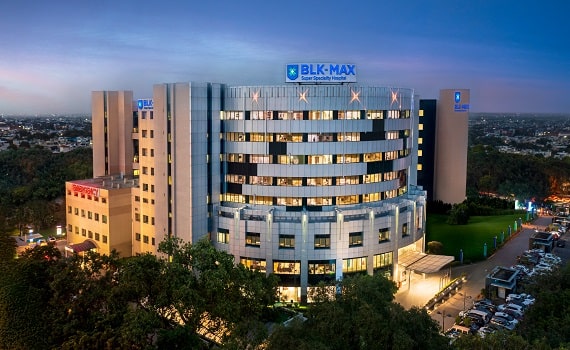
BLK-Max Super Specialty Hospital, New Delhi
BLK-Max Super Specialty Hospital i New Delhi är en av Indiens främsta vårdinstitutioner, som erbjuder 650 bäddar, 22 avancerade operationssalar och 13...
Ackrediteringar
Faciliteter
Max Smart Super Specialty Hospital, Saket, New Delhi
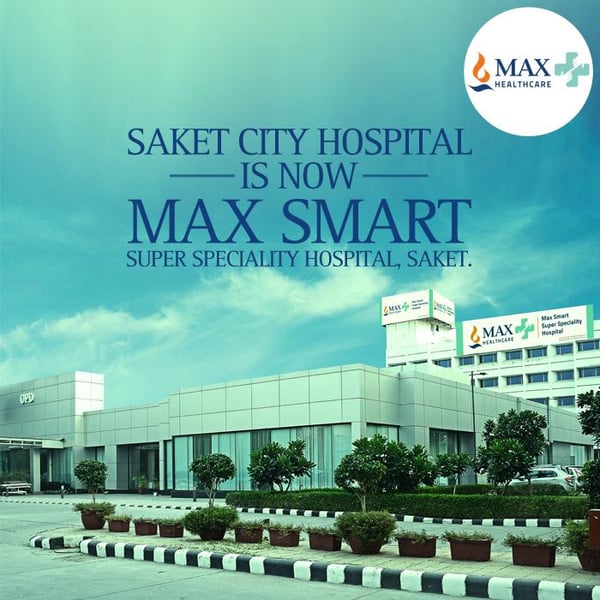
Max Smart Super Specialty Hospital, Saket, är ett sjukhus för tertiärvård med 250 bäddar i södra Delhi. Det erbjuder avancerad medicinsk och kirurgisk...
Ackrediteringar
Faciliteter
PSRI sjukhus, Delhi
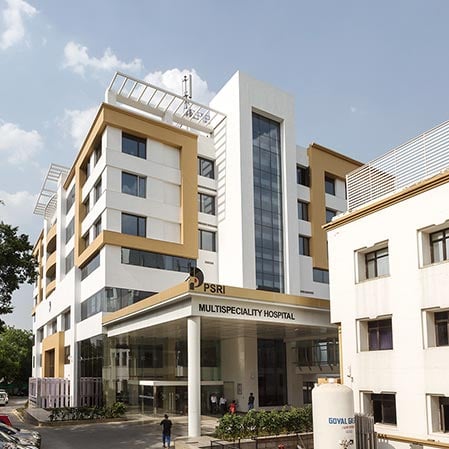
Pushpawati Singhania Research Institute (PSRI Hospital), New Delhi, är ett ledande multi-specialty tertiärvårdssjukhus som grundades 1996 av JK Group....
Ackrediteringar
Faciliteter
Liknande förfaranden
Galleri
FAQ

Vår webbplats använder cookies. Sekretesspolicy.