
Upasuaji wa Kurekebisha Matiti Gharama katika India
Kuhusu Upasuaji wa Kurekebisha Matiti
Kila mwaka, zaidiwanawake milioni 2 duniani kotekufanyiwa upasuaji wa kurekebisha matiti ili kurejesha imani na usawa wa mwili baada ya saratani ya matiti au jeraha.
Mbinu za kisasa za kujenga upya sasa hutoa matokeo ya mwonekano wa asili, ahueni ya haraka, na faraja ya kudumu ya kihisia. Utaratibu umebadilika kutoka chaguo la urembo hadi sehemu muhimu ya uponyaji, na kusaidia wanawake kujisikia tena.
Iwe inafanywa mara tu baada ya upasuaji wa kuondoa matiti au baadaye, urekebishaji wa matiti hutoa tumaini, imani na hisia mpya ya kujitegemea.
Upasuaji wa Kurekebisha Matiti ni Nini?
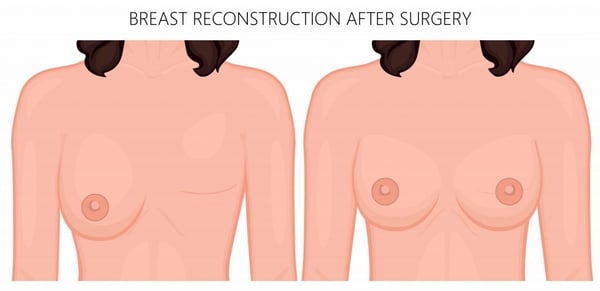
Upasuaji wa kurekebisha matiti hujenga upya umbo la matiti na mtaro baada ya upasuaji wa kuondoa matiti au lumpectomy.
Inarejesha mwonekano wa asili wa matiti kwa kutumiavipandikizi, tishu za mwili (flaps), au zote mbili. Lengo ni kuwasaidia wanawake kurejesha ulinganifu, kujiamini, na faraja baada ya matibabu ya saratani au kiwewe.
Madaktari wa upasuaji wanaweza kufanya utaratibu mara baada ya kuondolewa kwa matiti au baadaye, mara moja kupona na tiba ya saratani imekamilika. Mbinu za kisasa hufanya matokeo kuonekana na kujisikia asili, kuboresha ustawi wa kimwili na wa kihisia.
Ni Masharti Gani Yanayohitaji Upasuaji wa Kurekebisha Matiti?
Urekebishaji wa matiti una jukumu muhimu katika kusaidia wanawake kurejesha umbo la asili la mwili, kurejesha ujasiri, na kupona kihisia kutokana na athari za saratani ya matiti au kiwewe.
Wakati sababu ya kawaida niujenzi wa baada ya mastectomy, hali zingine kadhaa za matibabu na vipodozi zinaweza pia kuhitaji utaratibu huu.
- Baada ya Matibabu ya Saratani ya Matiti:Wanawake ambao wamepata mastectomy (kuondolewa kamili) au lumpectomy (kuondolewa kwa sehemu) kutokana na saratani ya matiti mara nyingi huchagua ujenzi upya ili kurejesha ulinganifu wa matiti na kuonekana. Inawasaidia kusonga mbele baada ya matibabu na kujisikia kamili tena.
- Ulemavu wa Matiti wa Kuzaliwa:Baadhi ya wanawake huzaliwa na hali kama vile ugonjwa wa Polandi au matatizo mengine ya ukuaji ambayo husababisha titi moja kuwa dogo au kukosa. Urekebishaji wa matiti unaweza kurekebisha tofauti hizi na kuunda kuangalia kwa usawa, asili.
- Majeraha ya Kiwewe:Ajali, kuungua, au majeraha ya kimwili yanaweza kuharibu tishu za matiti au ngozi. Kujenga upya hurejesha tishu na sura iliyopotea kwa kutumia ngozi za ngozi au vipandikizi, kumsaidia mgonjwa kupona kimwili na kihisia.
- Upasuaji wa Matiti Uliopita:Katika baadhi ya matukio, upasuaji wa awali wa vipodozi au matibabu ya matiti inaweza kusababisha ulemavu, maambukizi, au asymmetry. Upasuaji wa kurekebisha husaidia kurekebisha matatizo haya na kurejesha contour ya asili.
- Upasuaji wa Kuthibitisha Jinsia:Kwa wanawake waliobadili jinsia, urekebishaji wa matiti (mara nyingi ni sehemu ya taratibu za kuthibitisha jinsia) husaidia kuunda mtaro wa kifua wa kike unaolingana na utambulisho wao na huongeza kujiamini.
- Uharibifu wa tishu baada ya Mionzi:Tiba ya mionzi wakati mwingine inaweza kuathiri ngozi na tishu za eneo la matiti, na kusababisha kupungua au kovu. Kujenga upya husaidia kujenga upya tishu hii kwa kutumia mafuta ya mwili wa mgonjwa au mikunjo ya misuli kwa matokeo bora ya muda mrefu.
Je! Upasuaji wa Kurekebisha Matiti Unafanywaje?
Upasuaji wa ukarabati wa matiti unafanywa chini yaanesthesia ya jumlana kwa kawaida hudumuSaa 2 hadi 6, kulingana na mbinu iliyochaguliwa. Inaweza kufanywa mara baada ya upasuaji wa upasuaji au kama utaratibu uliochelewa baada ya kupona au matibabu ya saratani.
- Maandalizi na Anesthesia:Kabla ya upasuaji, daktari wa upasuaji huweka alama kwenye tovuti za chale na kupanga mbinu ya ujenzi. Kisha mgonjwa huwekwa chini ya anesthesia ya jumla ili kuhakikisha faraja kamili wakati wa operesheni.
- Maandalizi ya tishu au Uwekaji wa Kipandikizi:Daktari wa upasuaji hujenga upya matiti kwa kutumia mojawapo ya mbinu kuu mbili:
- Uundaji upya wa Kipandikizi:Silicone au implant ya chumvi huingizwa chini ya misuli ya kifua au ngozi. Wakati mwingine, kupanua tishu hutumiwa kwanza kunyoosha ngozi hatua kwa hatua kabla ya kuweka implant ya mwisho. Chaguo hili hutoa upasuaji mfupi na kupona haraka.
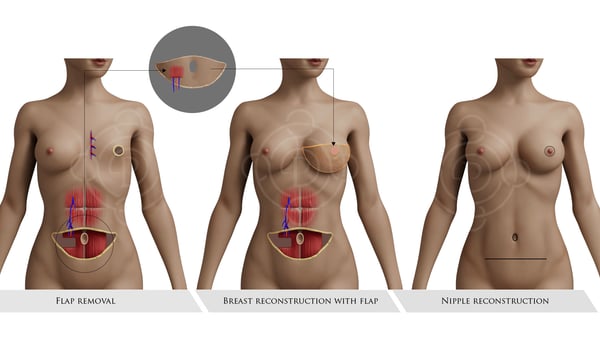
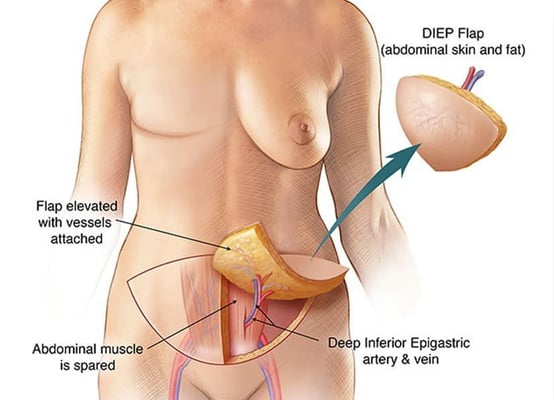
- Uundaji upya wa Flap (Autologous):Daktari wa upasuaji hutumia tishu, mafuta, na wakati mwingine misuli kutoka sehemu nyingine ya mwili (kama vile tumbo, mgongo, paja, au kitako) kuunda kifusi kipya cha matiti. Aina za flap za kawaida ni pamoja na DIEP, TRAM, Latissimus Dorsi, na mikunjo ya TUG. Hizi hutoa mwonekano wa asili zaidi na hisia.
- Uundaji na Marekebisho ya Ulinganifu:Pindi tishu au kipandikizi kinapowekwa, daktari wa upasuaji huitengeneza kwa uangalifu ili ilingane na titi lililo kinyume. Ikiwa inahitajika, marekebisho madogo yanafanywa kwa titi lingine kwa usawa kamili.
- Kufunga na kuvaa jeraha:Chale zimefungwa kwa sutures nzuri, na zilizopo za mifereji ya maji zinaweza kuingizwa kwa muda ili kuondoa maji ya ziada. Kisha kifua hufunikwa na vazi jepesi au sidiria ya upasuaji ili kusaidia uponyaji.
- Uokoaji na Ufuatiliaji:Wagonjwa kawaida hukaa hospitalini kwa siku 3 hadi 7. Maumivu na uvimbe hudhibitiwa na dawa. Wanawake wengi wanaweza kuendelea na shughuli nyepesi baada ya wiki 2 hadi 3, na kupona kabisa baada ya wiki 6.
Mara Moja dhidi ya Kuchelewa Kujenga Upya
- Uundaji upya wa papo hapo:Inafanywa wakati wa upasuaji sawa na mastectomy. Inatoa faida za kihisia na uzuri, wakati mgonjwa anaamka na contour ya matiti tayari kurejeshwa.
- Kucheleweshwa kwa ujenzi:Inafanywa miezi au hata miaka baada ya mastectomy. Inaruhusu muda wa matibabu ya saratani, tiba ya mionzi, au uponyaji kabla ya kujenga upya titi.
Pata mpango wa matibabu ya bure
Kuhusu Upasuaji wa Kurekebisha Matiti katika India
What Is the Cost of Breast Reconstruction Surgery in India?
The cost of breast reconstruction surgery in India ranges from USD 2,800 to USD 8,000 (₹2,30,000 – ₹6,70,000). The exact price depends on the technique used, the hospital chosen, the city, and the surgeon’s expertise.
Compared to the US or UK, India offers the same international standards at nearly 60–70% lower costs, making it one of the most affordable destinations for reconstructive procedures.
Type of Reconstruction | Estimated Cost (INR) | Approx. Cost (USD) |
| Implant-based reconstruction | ₹2,00,000 – ₹4,50,000 | $2,400 – $5,400 |
| Flap reconstruction (DIEP/TRAM/Latissimus Dorsi) | ₹3,50,000 – ₹7,00,000 | $4,200 – $8,400 |
| Combined implant + flap reconstruction | ₹4,50,000 – ₹7,50,000 | $5,400 – $9,000 |
| Nipple–areola reconstruction (optional) | ₹40,000 – ₹80,000 | $480 – $950 |
| Revision or corrective surgery (if required) | ₹60,000 – ₹1,20,000 | $720 – $1,450 |
Most hospitals offer all-inclusive packages starting from USD 3,000 for implant-based reconstruction and USD 6,000 for flap reconstruction. These packages usually include hospital stay, surgery, anesthesia, and routine follow-up care.
What Does the Cost Include and Exclude?
Hospitals in India usually offer transparent and all-inclusive breast reconstruction packages. These packages cover everything needed for the procedure and recovery, but it’s still important to understand what is included.
Cost Includes:
- Surgeon’s consultation and surgical fee
- Anesthetist’s fee and medications during surgery
- Hospital stay and nursing care
- Operation theatre charges
- Medical consumables and dressings
- Implants or flap reconstruction costs
- Routine investigations and post-operative care
Cost Excludes:
- Preoperative diagnostic tests
- Extended hospital stay
- Nipple–areola reconstruction or tattooing
- Revision or corrective surgery (if required)
- Travel and accommodation for patients or attendants
- Personal expenses
Most hospitals maintain full cost transparency and provide written estimates before admission. It ensures international patients face no hidden costs and can plan their treatment confidently.
What Factors Affect the Cost of Breast Reconstruction Surgery in India?
The total cost of breast reconstruction varies from one patient to another. Several medical and non-medical factors influence the overall expense. Understanding these elements helps you plan your treatment and compare hospital estimates more accurately.
- Type of Reconstruction: Implant-based reconstruction is usually more affordable and quicker to perform. Flap (autologous) reconstruction involves microsurgery, longer operation time, and higher technical skill, which increases the cost.
- Surgeon’s Expertise: Highly qualified reconstructive surgeons with international training or microsurgical specialization may charge higher fees.
- Hospital Accreditation and Infrastructure: Costs are higher in JCI- or NABH-accredited hospitals due to advanced operating rooms, infection-control systems, and 24/7 critical-care support. Mid-range private hospitals or specialty centers may offer lower-priced packages with high-quality standards.
- Type of Implant or Tissue Used: The price of silicone implants, saline implants, or tissue flaps varies widely. Premium implants with lifetime warranties cost more but last longer and feel more natural.
- Timing of Reconstruction: Immediate reconstruction (done during mastectomy) is usually cost-effective because it combines two procedures in one surgical session. Delayed reconstruction may cost more since it requires a separate hospital admission and recovery phase.
- Hospital Stay and Room Category: A longer stay or an upgrade to a private or deluxe room adds to the total expense. Most patients stay 3–7 days, depending on their recovery and the type of surgery.
- Additional Procedures: Some patients may require symmetry adjustments, nipple reconstruction, or fat grafting. These optional steps improve final results but increase overall cost.
- Post-Operative Care and Medications: Follow-up visits, dressings, antibiotics, and compression garments are part of recovery expenses. International patients should also include travel insurance and after-care costs when budgeting.
How Does the Cost in India Compare with Other Countries?
Breast reconstruction surgery in India offers the same global standards at a fraction of international prices. Patients receive advanced care, modern infrastructure, and expert surgeons while saving up to 70% compared to Western countries.
Country | Average Cost (USD) | Savings Compared to India |
| India | $2,800 – $8,000 | — |
| United States | $12,000 – $20,000 | 60–70% lower |
| United Kingdom | $10,000 – $18,000 | 55–65% lower |
| United Arab Emirates | $9,000 – $15,000 | 50–60% lower |
| Thailand | $6,000 – $10,000 | 30–40% lower |
| Singapore | $8,000 – $14,000 | 45–55% lower |
Patients from the UAE, Africa, the UK, and Asia consistently rate India among the top five destinations for breast reconstruction, not only for affordability but also for medical excellence and compassionate care.
What Is the Recovery and Hospital Stay Like After Breast Reconstruction?
Recovery after breast reconstruction surgery is a gradual and supportive process. It focuses on healing, comfort, and confidence rather than just physical recovery.
Most women stay in the hospital for 3 to 7 days, depending on the type of reconstruction and overall health. During this time, the medical team closely monitors healing, manages pain, and provides wound care.
Recovery Timeline
- First Week: You’ll remain in the hospital for observation. Doctors may place drains to remove excess fluid. Pain and swelling are common but controlled with prescribed medication. Gentle arm movements are encouraged to improve circulation.
- Weeks 2–4: Most patients can return home or to a nearby recovery accommodation. Light activities are allowed, but you should avoid lifting heavy weights or raising your arms above your head. Stitches usually dissolve or are removed during this period.
- Weeks 5–8: Healing continues steadily. Swelling and bruising begin to fade, and you may resume most daily tasks. Your surgeon may recommend wearing a support or compression bra to help the new breast settle into shape.
- After 2 Months: You can usually resume normal physical activity. The reconstructed breast continues to soften and take its final form over several months.
At-Home Care and Recovery Tips
- Keep your surgical area clean and dry.
- Sleep on your back with pillows for support.
- Avoid smoking and alcohol, which delay healing.
- Eat a diet rich in protein and fruits, and stay hydrated.
- Attend all follow-up appointments for dressing changes and physical checks.
- Gentle stretching or physiotherapy may be advised to restore shoulder movement.
With proper care, most women regain full strength within six to eight weeks and report high satisfaction with the results, both physically and emotionally.
What Is the Success Rate of Breast Reconstruction in India?
Breast reconstruction surgery in India has a success rate of 90% to 97%, depending on the reconstruction method, patient health, and post-treatment care. This high success rate reflects India’s advanced surgical skills, improved microsurgery techniques, and modern medical infrastructure.
Expected Outcomes:
- Restored breast contour and natural shape
- Improved body symmetry and self-confidence
- Minimal visible scarring with modern surgical methods
- Long-lasting aesthetic and functional results
More than nine out of ten women report being satisfied with their results, noting that breast reconstruction helps them feel whole, confident, and emotionally complete after treatment.
Why Should You Choose India for Breast Reconstruction Surgery?
India has become a leading destination for breast reconstruction because it offers international-quality care at one of the most affordable costs worldwide. Below are the key reasons why thousands of women trust India for this life-changing surgery:
- Expert Specialists: India has a large pool of board-certified plastic and reconstructive surgeons trained at top global institutes. Many perform hundreds of breast reconstruction procedures every year with excellent outcomes.
- Advanced Medical Infrastructure: Hospitals in India use state-of-the-art microsurgery systems, 3D imaging, and high-grade silicone implants. Most major centers are JCI- or NABH-accredited, ensuring compliance with global safety standards.
- Affordable and Transparent Pricing: Treatment costs in India are 60–70% lower than in the US or UK. Hospitals provide clear, all-inclusive packages, making financial planning easier for international patients.
- Comprehensive International Patient Support: Dedicated medical travel desks assist with visa processing, airport transfers, accommodation, language interpretation, and follow-up care.
- Short Waiting Time: Unlike Western healthcare systems with long waiting lists, surgery dates in India are flexible and can be scheduled quickly.
- Proven Global Trust: India treats patients from more than 85 countries every year. High satisfaction rates, positive testimonials, and global accreditations make it one of the most trusted healthcare destinations for reconstructive and cosmetic procedures.
- Holistic Healing Environment: Many hospitals integrate rehabilitation, physiotherapy, and psychological counseling into post-surgery care.
Upasuaji wa Kurekebisha Matiti kulinganisha gharama na nchi
Linganisha Upasuaji wa Kurekebisha Matiti gharama katika nchi tofauti kufanya uamuzi sahihi juu ya matibabu yako.
| Nchi | Anuwai ya gharama (USD) | Akiba inayowezekana | Hatua |
|---|---|---|---|
IndiaSasaThamani bora | $2,800 - $8,000 | — | Pata nukuu |
Kumbuka: Gharama zinaweza kutofautiana kulingana na uchaguzi wa hospitali, aina ya chumba, huduma za ziada, na mahitaji ya matibabu ya mtu binafsi.
Hospitali zinazoongoza kwa Upasuaji wa Kurekebisha Matiti katika India

BLK-Max Super Specialty Hospital, New Delhi
BLK-Max Super Specialty Hospital huko New Delhi ni mojawapo ya taasisi kuu za afya ya India, inayotoa vitanda 650, kumbi 22 za upasuaji za hali ya juu...
Vibali

Vifaa

Hospitali ya Maalum ya Max Smart Super, Saket, New Delhi
Max Smart Super Specialty Hospital, Saket, ni hospitali ya huduma ya juu ya vitanda 250 huko Delhi Kusini. Inatoa huduma ya juu ya matibabu na upasuaj...
Vibali
Vifaa
Hospitali ya PSRI, Delhi
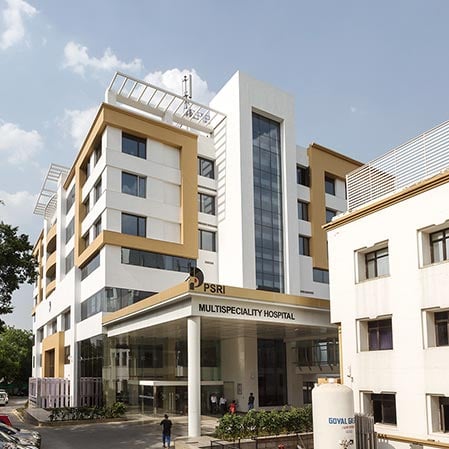
Taasisi ya Utafiti ya Pushpawati Singhania (Hospitali ya PSRI), New Delhi, ni hospitali inayoongoza ya huduma ya juu ya elimu ya juu iliyoanzishwa mwa...
Vibali
Vifaa
Taratibu zinazofanana
Matunzio
Maswali
Mhakiki
Tazama Zote
Mshauri Mkuu - Upasuaji wa Urembo na Urekebishaji
Dk. Sunil Choudhary ni Mkurugenzi Mkuu & Mkuu wa Upasuaji wa Plastiki katika Hospitali ya Maalum ya Max Super, New Delhi, mwenye zaidi ya miaka 29 ya tajriba ya mfano katika uga. Mtaalamu mashuhuri wa... Soma zaidi

Tovuti yetu hutumia kuki. Sera ya faragha.