
Upasuaji wa Midomo Mipasuko Gharama katika India
Kuhusu Upasuaji wa Midomo Mipasuko
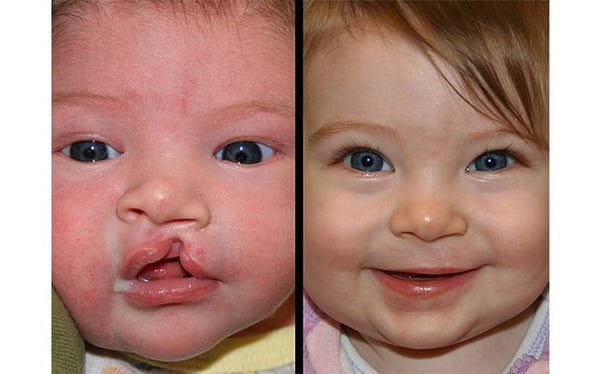
Amdomo uliopasukani zaidi ya tofauti ya kimwili. Inaweza kuathiri uwezo wa mtoto wa kula, kuzungumza, na kutabasamu kwa kujiamini. Hali hii hutokea wakati tishu za mdomo wa juu haziunganishi kabisa wakati wa ujauzito wa mapema, na kuacha pengo inayoonekana.
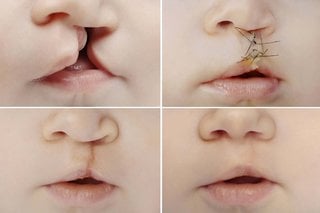
Upasuaji wa mdomo wazihurekebisha utengano huu kwa kurekebisha na kufunga tishu za mdomo, kurejesha kuonekana na kazi. Mbinu za kisasa za upasuaji huruhusu madaktari kutengeneza ufa kwa usalama, mara nyingi katika operesheni moja wakati wa utoto.
Lengo la upasuaji wa midomo iliyopasuka si tu kuboresha mwonekano bali pia kumsaidia mtoto kupumua, kulisha, na kuzungumza kawaida. Kwa upasuaji wa wakati unaofaa na utunzaji sahihi, watoto waliozaliwa na midomo iliyopasuka wanaweza kuishi maisha yenye afya na ya ujasiri.
Mdomo Uliopasuka Ni Nini?
Mdomo mpasuko ni hali ya kuzaliwa ambapo mdomo wa juu hukua na kupasuliwa au pengo. Inatokea mapema katika ujauzito, wakati tishu zinazounda mdomo haziunganishi kikamilifu. Uwazi unaweza kuonekana upande mmoja wa mdomo (mdomo wa upande mmoja uliopasuka) au pande zote mbili (mdomo mpasuko wa pande mbili)
Ufa unaweza kuanzia sehemu ndogo hadi upenyo mpana unaofikia pua. Katika baadhi ya matukio, inaweza pia kutokea kwa palate iliyopasuka (paa la kinywa linabaki wazi).
Watoto walio na midomo iliyopasuka wanaweza kukumbana na changamoto kama vile:
- Ugumu wa kulisha, haswa wakati wa utoto
- Matatizo ya usemi kadiri wanavyokua
- Maambukizi ya masikio ya mara kwa mara au matatizo ya meno
- Tofauti inayoonekana ya uso ambayo inaweza kuathiri kujiamini
Kupasuka kwa mdomo ni jambo la kawaida, na madaktari wanaweza kurekebisha kwa usalama kupitia upasuaji. Hali hiyo haiathiri akili au ukuaji wa ubongo. Kwa matibabu sahihi, watoto hukua, kuzungumza, na kuishi kawaida kama watoto wengine.
Upasuaji wa Midomo ya Kupasuka ni Nini?
Upasuaji wa midomo iliyopasuka, pia huitwacheiloplasty, ni utaratibu wa kujenga upya ambao huziba pengo katika mdomo wa juu na kurejesha umbo lake la asili, utendakazi, na mwonekano wake. Madaktari wa upasuaji hufanya upasuaji huu kwa kutumia mbinu za upasuaji wa plastiki ambazo hujenga upya misuli na ngozi ya mdomo.
Wakati wa upasuaji, daktari huunganisha tena tishu zilizotenganishwa za mdomo na pua, na kuunda muundo wa usawa zaidi, wa ulinganifu. Kusudi sio tu kurekebisha pengo linaloonekana, lakini pia kuhakikisha harakati sahihi ya misuli ya kutabasamu, kula na kuongea.
Je! Madaktari Hupendekeza Upasuaji wa Midomo ya Kupasuka?
Madaktari wanapendekeza upasuaji wa midomo iliyopasuka mapema iwezekanavyo ili kuhakikisha maendeleo bora ya kimwili na kihisia kwa mtoto. Utaratibu husaidia kurejesha kulisha kawaida, hotuba, na kuonekana, kuzuia matatizo ya muda mrefu.
Madaktari wengi wa upasuaji wanapendelea kufanya ukarabati wa midomo iliyopasuka wakati mtoto yuko katikatiUmri wa miezi 3 na 6. Katika hatua hii, tishu za mtoto zina nguvu za kutosha kwa upasuaji, na uponyaji ni haraka.
Madaktari kawaida hupendekeza upasuaji wakati:
- Ufa unaathirikulisha au kumeza.
- Mtoto hupata uzoefuugumu wa kufunga mdomo vizuri.
- Kunakurudi kwa pua mara kwa marawakati wa kulisha.
- Mgawanyiko husababishaasymmetry ya uso inayoonekana.
- Wazazi wanataka kurejesha muundo wa kawaida wa midomo mapemamaendeleo bora ya kihisia.
Upasuaji wa Midomo ya Kupasuka Hufanywaje?
Upasuaji wa midomo iliyopasuka ni utaratibu nyeti ambao hurejesha umbo la asili na kazi ya mdomo wa juu. Madaktari wa upasuaji hufanya kazi chini yaanesthesia ya jumla, kuhakikisha mtoto analala kwa raha na haoni maumivu katika mchakato mzima.
Kawaida upasuaji wote huchukuaSaa 1 hadi 2, kulingana na ukali wa mwanya na ikiwa pande moja au zote mbili za mdomo zimeathirika.
- Maandalizi:Madaktari hutathmini afya ya jumla ya mtoto na kumfanyia vipimo vya damu ili kuthibitisha kuwa yuko tayari kufanyiwa upasuaji. Daktari wa anesthesiologist hutoa anesthesia ili kuhakikisha faraja kamili wakati wa operesheni.
- Uwekaji upya wa tishu:Daktari wa upasuaji hufanya chale sahihi kwenye kingo za ufa. Kupunguzwa huku husaidia kusonga na kusawazisha misuli ya midomo na ngozi pande zote za ufunguzi.
- Kujenga upya Mdomo na Pua:Daktari wa upasuaji huunganisha kwa uangalifu tabaka za misuli chini ya ngozi ili kurejesha midomo ya asili. Ikiwa inahitajika, daktari pia hutengeneza pua ili kuboresha usawa wa uso.
- Kufunga Chale:Madaktari wa upasuaji hutumia kushona maridadi ili kufunga chale na kuunda mtaro laini wa midomo. Mishono hii kawaida huyeyuka yenyewe na huacha makovu kidogo.
- Huduma ya Baada ya Upasuaji:Baada ya upasuaji, madaktari hufuatilia mtoto kwa karibu kwa saa chache. Watoto wengi hukaa hospitalini kwa siku moja hadi mbili kabla ya kutolewa. Wazazi hupokea mwongozo juu ya kulisha, utunzaji wa majeraha, na ziara za ufuatiliaji.
Pata mpango wa matibabu ya bure
Kuhusu Upasuaji wa Midomo Mipasuko katika India
What Is the Cost of Cleft Lip Surgery in India?
The average cost of cleft lip surgery in India usually ranges from USD 1,500 to USD 3,000 (approximately ₹1,25,000–₹2,50,000). The exact price depends on the hospital, the city, the surgeon's expertise, and whether the child needs additional treatments, such as cleft palate repair or speech therapy.
Indian hospitals use advanced reconstructive techniques and specialized pediatric plastic surgery teams, ensuring safe outcomes and natural results at an affordable cost.
Type of Surgery | Estimated Cost (USD) | Estimated Cost (INR) |
| Unilateral Cleft Lip Repair | $1,500 – $2,200 | ₹1,25,000 – ₹1,80,000 |
| Bilateral Cleft Lip Repair | $2,000 – $3,000 | ₹1,65,000 – ₹2,50,000 |
| Cleft Lip and Palate Combined Surgery | $2,500 – $3,500 | ₹2,00,000 – ₹2,90,000 |
The final price may vary depending on the child’s age, hospital category, and whether additional follow-up or therapy is required.
Cost Inclusions:
The standard cleft lip surgery package usually includes:
- Preoperative evaluation and blood investigations
- Pediatric anesthetist and surgeon's consultation fees
- Operation theatre and anesthesia charges
- Cleft lip repair surgery with hospital stay (1–2 days)
- Medications and consumables during hospitalization
- Nursing care and postoperative monitoring
- Follow-up visit before discharge
- Basic wound care instructions and feeding guidance
These inclusions cover all necessary medical components to ensure a safe and complete treatment experience.
Cost Exclusions:
Some additional costs may apply depending on the child's condition and hospital policy:
- Additional hospital stay beyond the package duration
- Speech therapy or long-term feeding therapy (if required)
- Follow-up imaging or dental procedures at a later stage
- Secondary or revision surgery in severe or complex cases
- Accommodation, travel, and personal expenses for guardians
How Does the Cost of Cleft Lip Surgery in India Compare to Other Countries?
The price of cleft lip surgery in India is much lower than in most Western and Asian nations, even though the quality of care, surgical expertise, and technology remain on par with global standards.
India's hospitals perform thousands of successful cleft lip and palate repairs every year using advanced microsurgical and reconstructive techniques. Patients receive world-class outcomes at nearly one-third of the international cost.
Country | Average Cost (USD) |
| India | $1,500 – $3,000 |
| United States | $6,000 – $12,000 |
| United Kingdom | $5,500 – $10,000 |
| Singapore | $4,500 – $8,000 |
| Thailand | $3,000 – $5,000 |
| Turkey | $2,800 – $4,500 |
Patients who choose India benefit from 60–70% cost savings, short waiting times, and internationally trained plastic surgeons. Many hospitals also collaborate with charitable organizations and cleft foundations that support low-income families or offer subsidized care for children.
What Factors Affect the Cost of Cleft Lip Surgery in India?
Several factors determine the overall cost of cleft lip surgery in India. Understanding these helps parents and patients plan their treatment budget more accurately. Each child's condition is unique, so the final cost varies based on clinical and logistical factors.
- Type and Severity of the Cleft: The cost depends on whether the cleft is unilateral (on one side) or bilateral (on both sides). Bilateral clefts require more surgical time and precision, slightly increasing the overall cost.
- Child's Age and Medical Condition: Doctors prefer performing surgery between 3 and 6 months of age, but if the child is older or has other health conditions, extra care and monitoring may increase costs.
- Surgeon's Expertise and Experience: Highly skilled plastic and reconstructive surgeons often charge more, but their precision and experience ensure excellent aesthetic and functional outcomes with minimal scarring.
- Hospital Category and Location: Top-tier hospitals in major cities such as Delhi, Mumbai, Chennai, or Bangalore may charge slightly higher prices due to advanced facilities and specialized pediatric surgery teams.
- Anesthesia and Pediatric Care Requirements: Because infants undergo this surgery under general anesthesia, specialized pediatric anesthetists and monitoring equipment are essential.
- Post-Surgery Care and Therapy: Some children may need additional speech therapy, feeding assistance, or dental follow-ups, depending on their condition.
- Additional Procedures (if required): In complex cases, surgeons may perform cleft palate repair, nasal correction, or lip revision surgery at a later stage. Each additional procedure involves separate costs.
Are there Any Benefits of Cleft Lip Surgery?
Cleft lip surgery changes a child's life by improving appearance, function, and confidence. The surgery restores the natural shape of the lip and nose, allowing the child to eat, speak, and smile normally.
Modern surgical techniques ensure precise, long-lasting, and aesthetically natural results. Parents notice both physical and emotional improvements soon after surgery.
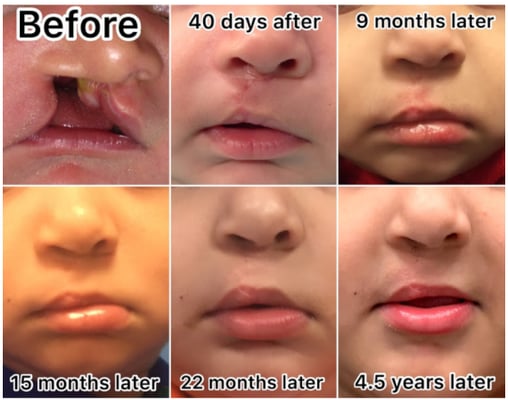
- Restores Normal Appearance: The surgery closes the gap and reshapes the upper lip, restoring a balanced, natural facial appearance. The scar fades significantly with time, often becoming barely visible.
- Improves Feeding and Nutrition: After surgery, babies can latch, suck, and feed more effectively. It helps them gain weight and grow normally without feeding difficulties.
- Enhances Speech Development: Correcting the lip structure supports normal mouth movement, which is essential for clear speech as the child grows.
- Prevents Ear and Dental Problems: Cleft lip repair reduces the risk of chronic ear infections and dental issues that often accompany untreated clefts.
- Builds Self-Confidence and Emotional Well-being: The visible transformation after surgery provides children and parents with emotional relief and helps the child grow with confidence and a positive self-image.
- Long-Term Health Benefits: Cleft lip repair improves breathing, eating, and facial muscle function, ensuring long-term physical comfort and stability.
What Is the Recovery Time and Success Rate After Cleft Lip Surgery?
Recovery after cleft lip surgery is usually quick and smooth, especially in infants. Doctors focus on minimizing discomfort, promoting healing, and ensuring proper feeding after the operation.
Most children recover within 7 to 10 days, and the stitches dissolve naturally. Complete healing of the lip and surrounding tissues takes about 3 to 4 weeks, during which parents follow simple home care guidelines.
Stage | Duration | What Happens |
| Hospital Stay | 1–2 days | Doctors monitor breathing, feeding, and wound healing. |
| Initial Healing | 1 week | Swelling reduces; child resumes normal feeding. |
| Scar Maturation | 3–4 weeks | Stitches dissolve; lip shape settles. |
| Long-Term Follow-Up | After 6 months | Doctors assess speech, facial growth, and appearance. |
Care After Surgery
Parents should:
- Keep the surgical area clean and dry.
- Feed the baby with a soft-tipped spoon or a special bottle.
- Avoid letting the baby touch or rub the repaired lip.
- Attend all scheduled follow-up appointments.
Doctors may prescribe mild pain relief and antibiotics to prevent infection. Most children can feed normally within two days and smile comfortably within a week.
Success Rate
Cleft lip surgery has a success rate of over 98% in India. With skilled surgeons and modern plastic surgery techniques, children achieve natural-looking results and full restoration of lip movement.
Scars fade over time, and in most cases, they are almost invisible by the time the child starts school. The surgery not only repairs the lip but also enables the child to eat, speak, and smile with confidence.
Why Should You Choose India for Cleft Lip Surgery?
India stands among the leading destinations for cleft lip and palate surgery, combining advanced plastic surgery expertise, affordable treatment, and child-focused medical care. Hospitals across India perform thousands of successful reconstructive surgeries each year, following international safety and quality standards.
Families from around the world choose India because the country offers world-class results at a fraction of the global cost, without compromising on safety, technology, or compassion.
- Specialized Pediatric Plastic Surgeons: India has highly skilled surgeons who specialize in cleft and craniofacial reconstruction. Their experience ensures safe surgery, minimal scarring, and natural-looking outcomes.
- Advanced Surgical Technology: Hospitals use high-definition imaging, microsurgical instruments, and modern anesthesia systems designed for infants, ensuring precision and safety.
- Affordable and Transparent Cost: Cleft lip repair in India costs 60–70% less than in Western countries. The treatment packages include surgery, anesthesia, hospital stay, and postoperative care.
- Internationally Accredited Hospitals: Many top hospitals in India are NABH and JCI-accredited, maintaining strict hygiene, safety, and pediatric care standards that meet international benchmarks.
- Family-Centered Care: Hospitals allow parents to stay with their children, provide emotional counseling, and offer personalized feeding and recovery plans. This supportive environment helps both parents and children feel comfortable throughout treatment.
Comprehensive Support for International Patients
Hospitals in India offer comprehensive support to make medical travel easier and more comfortable for international families. Dedicated international patient departments handle every step so parents can focus entirely on their child's recovery.
International Patient Services Include:
- Medical Visa Assistance and Travel Guidance: Hospitals issue official medical visa invitation letters and guide families through the documentation and travel planning process.
- Airport Pickup and Accommodation Support: Patient coordinators arrange airport transfers and help families book nearby hotels, guesthouses, or hospital-attached accommodation.
- Language Support: Hospitals provide multilingual interpreters to help parents communicate clearly with doctors and nurses.
- Customized Feeding and Post-Surgery Care Plans: Pediatric nutritionists and nurses teach parents how to feed their child safely after surgery and monitor healing at home.
- Follow-Up and Remote Support: Families receive digital copies of reports and can connect with the medical team online for post-surgery checkups and guidance.
Upasuaji wa Midomo Mipasuko kulinganisha gharama na nchi
Linganisha Upasuaji wa Midomo Mipasuko gharama katika nchi tofauti kufanya uamuzi sahihi juu ya matibabu yako.
| Nchi | Anuwai ya gharama (USD) | Akiba inayowezekana | Hatua |
|---|---|---|---|
IndiaSasaThamani bora | $1,500 - $3,000 | — | Pata nukuu |
Kumbuka: Gharama zinaweza kutofautiana kulingana na uchaguzi wa hospitali, aina ya chumba, huduma za ziada, na mahitaji ya matibabu ya mtu binafsi.
Hospitali zinazoongoza kwa Upasuaji wa Midomo Mipasuko katika India

BLK-Max Super Specialty Hospital, New Delhi
BLK-Max Super Specialty Hospital huko New Delhi ni mojawapo ya taasisi kuu za afya ya India, inayotoa vitanda 650, kumbi 22 za upasuaji za hali ya juu...
Vibali
Vifaa
Hospitali ya Maalum ya Max Smart Super, Saket, New Delhi
Max Smart Super Specialty Hospital, Saket, ni hospitali ya huduma ya juu ya vitanda 250 huko Delhi Kusini. Inatoa huduma ya juu ya matibabu na upasuaj...
Vibali
Vifaa
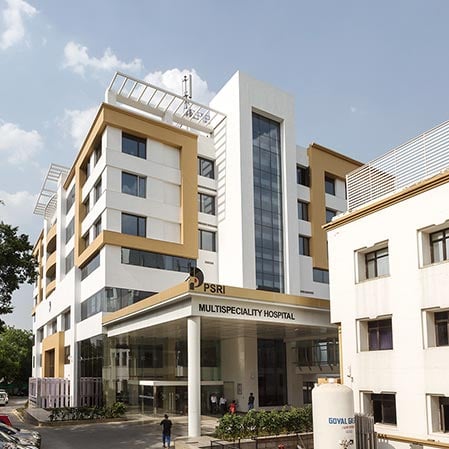
Hospitali ya PSRI, Delhi
Taasisi ya Utafiti ya Pushpawati Singhania (Hospitali ya PSRI), New Delhi, ni hospitali inayoongoza ya huduma ya juu ya elimu ya juu iliyoanzishwa mwa...
Vibali
Vifaa
Taratibu zinazofanana
Matunzio
Maswali
Mhakiki
Tazama Zote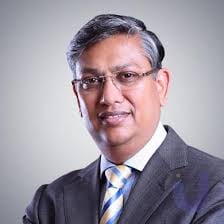
Mshauri Mkuu - Upasuaji wa Urembo na Urekebishaji
Dk. Sunil Choudhary ni Mkurugenzi Mkuu & Mkuu wa Upasuaji wa Plastiki katika Hospitali ya Maalum ya Max Super, New Delhi, mwenye zaidi ya miaka 29 ya tajriba ya mfano katika uga. Mtaalamu mashuhuri wa... Soma zaidi

Tovuti yetu hutumia kuki. Sera ya faragha.