
Upasuaji wa Kuinua uso - Rhytidectomy Gharama katika India
Kuhusu Upasuaji wa Kuinua uso - Rhytidectomy
Upasuaji wa Kuinua uso ni nini?
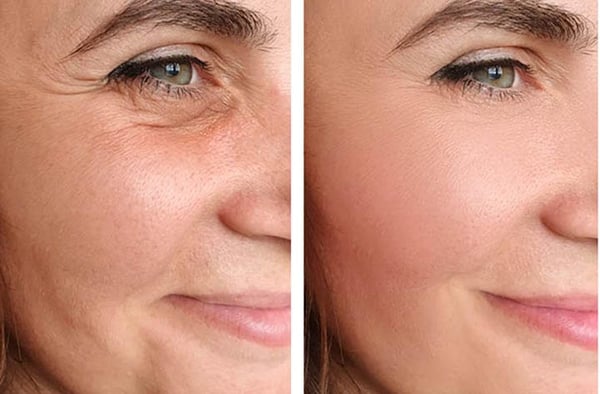
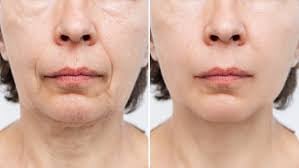
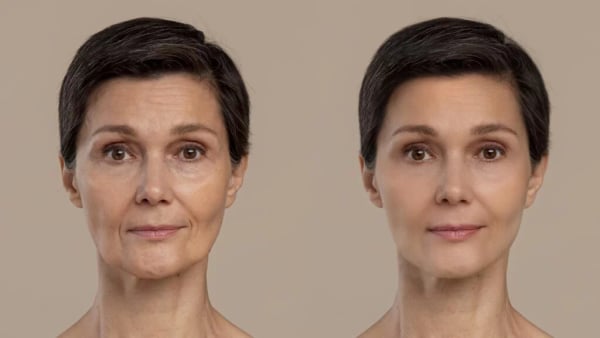
Kuinua uso (akarhytidectomy)ni utaratibu wa upasuaji wa vipodozi iliyoundwa ili kuboresha ishara zinazoonekana za kuzeeka katika uso na shingo. Baada ya muda, mambo kama vile kuzeeka asili, kupigwa na jua, mtindo wa maisha, na chembe za urithi zinaweza kusababisha ulegevu wa ngozi, mikunjo mirefu, na kupoteza mikunjo ya uso ya ujana. Kuinua uso hushughulikia mabadiliko haya kwa kukaza misuli ya msingi, kuondoa ngozi ya ziada, na kuweka upya tishu za uso.
Utaratibu huo unaweza kurejesha mwonekano nyororo, dhabiti na wa ujana zaidi kwa kuinua mashavu yaliyolegea, kupunguza mikunjo kwenye taya, na kulainisha mikunjo ya kina karibu na pua na mdomo. Kulingana na mahitaji ya mgonjwa, inaweza pia kuboresha amana ya ngozi na mafuta kwenye shingo, mara nyingi huunganishwa na kuinua shingo kwa ufufuo wa usawa.
Tofauti na matokeo ya muda kutoka kwa vichungi vya sindano au matibabu yasiyo ya upasuaji ya kukaza ngozi, kiinua uso cha upasuaji hutoamaboresho ya muda mrefu, kwa kawaida hudumu miaka 8 hadi 12 kwa uangalifu unaofaa. Mbinu za kisasa zinazingatia kufikia matokeo ya asili, kuepuka kuangalia "kuzidi-vunjwa", na kuhakikisha kovu ndogo kwa kuweka chale kimkakati kando ya mstari wa nywele au nyuma ya masikio.
Je! ni aina gani tofauti za upasuaji wa kuinua uso?
Upasuaji wa kuinua uso sio utaratibu wa ukubwa mmoja. Madaktari wa upasuaji huchagua mbinu kulingana na umri wa mgonjwa, kiwango cha ulegevu wa ngozi, muundo wa uso, na matokeo yaliyohitajika.
- Uinuaji uso wa Jadi:Kuinua uso wa kawaida au kamili ni chaguo la kina zaidi. Inalenga ngozi iliyolegea, makunyanzi makubwa, na ulegevu mkubwa wa tishu katikati ya uso, taya na shingo. Daktari wa upasuaji wa vipodozi hufanya chale karibu na mstari wa nywele na nyuma ya masikio, kuinua ngozi na kuimarisha misuli ya msingi kabla ya kuondoa tishu nyingi. Njia hii hutoa matokeo makubwa zaidi na ya muda mrefu.
- Kiinua uso kidogo:Uinuaji mdogo wa uso ni mzuri kwa wagonjwa walio na kuzorota kidogo hadi wastani, kwa kawaida kwenye taya na uso wa chini. Inahusisha mipasuko midogo na upotoshaji mdogo wa tishu, na kusababisha kovu kidogo na muda mfupi wa kupona. Uboreshaji mdogo wa uso mara nyingi hupendekezwa kwa wagonjwa wachanga au wale wanaotafuta maboresho ya hila.
- Kiinua uso cha kati:Upepo wa katikati unazingatia eneo karibu na mashavu na chini ya macho. Huweka upya pedi za mafuta kwenye mashavu yanayoshuka, hulainisha mikunjo ya nasolabial, na kurejesha sauti ya ujana kwenye sehemu ya katikati ya uso. Mbinu hii inaweza kufanywa yenyewe au kuunganishwa na taratibu nyingine za urembo wa uso kama vile upasuaji wa kope.
- Kuinua Nyuzi (Kuinua Isiyo ya Upasuaji):Kwa wagonjwa wanaotafuta chaguo lisilo la upasuaji, kuinua thread hutoa kuinua kwa muda kwa kutumia sutures zinazoweza kufutwa zilizoingizwa chini ya ngozi. Ingawa matokeo hudumu miaka 1-3 tu, njia hii inahusisha muda mdogo wa kupumzika na inafaa kwa wale ambao hawajawa tayari kwa upasuaji.
Kwa kuelewa mbinu tofauti, wagonjwa wanaweza kuchagua utaratibu unaolingana na malengo yao ya urembo, mtindo wa maisha, na matarajio ya kupona. Madaktari wa upasuaji mara nyingi hutoa mashauriano ya kina, ikiwa ni pamoja na kupiga picha kwa kusaidiwa na kompyuta, kusaidia wagonjwa kuibua matokeo yanayoweza kutokea kabla ya kuamua juu ya aina maalum ya kuinua uso.
Je, ni Mgombea Bora wa Upasuaji wa Kuinua uso?
Sio kila mtu anayetaka mwonekano wa ujana zaidi ni mgombea mzuri wa upasuaji wa kurekebisha uso. Madaktari wa upasuaji nchini India hutathmini mambo kadhaa kabla ya kupendekeza utaratibu ili kuhakikisha usalama, matarajio ya kweli, na matokeo ya kudumu.
Watahiniwa bora kwa ujumla ni watu binafsi wanaopata dalili za wastani hadi kali za kuzeeka kwa uso, kama vile mikunjo mirefu, kupoteza ufafanuzi katika utaya na shingo, na ngozi inayolegea. Wagonjwa wengi wako katika hali zaoMiaka ya 40 hadi 70, ingawa watu wachanga wanaweza pia kufaidika ikiwa ulegevu wa ngozi wa mapema upo kwa sababu ya chembe za urithi au mtindo wa maisha.
Afya njema kwa ujumla ni muhimu. Wagonjwa wanapaswa kuwa huru kutokana na hali mbaya za kiafya ambazo zinaweza kudhoofisha uponyaji, kama vile ugonjwa wa kisukari usiodhibitiwa au matatizo ya kuganda kwa damu. Wasiovuta sigara au wale walio tayari kuacha kabla na baada ya upasuaji wanapendelea, kwani kuvuta sigara kunaweza kuingilia mzunguko wa damu na kuchelewesha kupona.
Mgombea bora anamuundo wa mfupa thabiti na elasticity nzuri ya ngozi, hata kama kuna udhaifu fulani. Sifa hizi husaidia kufikia laini, matokeo ya asili zaidi. Muhimu sawa ni kuwa na matarajio ya kweli. Ingawa kuinua uso kunaweza kuboresha kwa kiasi kikubwa mikunjo ya uso na uimara wa ngozi, haizuii mchakato wa asili wa kuzeeka.
Wagonjwa wanaotafuta uboreshaji wa hila wanaweza kuongozwa kuelekea chaguo zisizo vamizi kama vile kiinua uso kidogo au lifti ya uzi. Wakati huo huo, wale walio na ngozi iliyolegea sana wanaweza kuhitaji kiinua uso kamili cha kitamaduni kwa matokeo bora. Ushauri wa kina kabla ya upasuaji, ikijumuisha uchanganuzi wa uso na majadiliano ya malengo ya urembo, huhakikisha kwamba kila mtahiniwa wa kuinua uso anapokea mpango wa matibabu unaolingana na mahitaji yake.
Ni Tathmini na Maandalizi gani ya Kabla ya Upasuaji Yanayohitajika kwa Upasuaji wa Kuinua uso?
Kabla ya kufanyiwa upasuaji wa kuinua uso, tathmini ya kina ni muhimu ili kuhakikisha upasuaji huo ni salama na matokeo yanakidhi matarajio ya mgonjwa. Hatua hii inahusisha tathmini zote za matibabu na marekebisho ya mtindo wa maisha ili kuandaa mwili kwa uponyaji bora.
- Mchakato huanza na maelezo ya kinaukaguzi wa historia ya matibabuna uchunguzi wa kina wa uso. Daktari wa upasuaji hutathmini unyumbufu wa ngozi, muundo wa mfupa, na kiwango cha kulegea ili kubaini njia inayofaa zaidi ya upasuaji. Picha zinaweza kupigwa kwa ulinganisho wa kabla na baada ya upasuaji, na wakati mwingine, picha za kompyuta hutumiwa kusaidia kuibua matokeo yanayoweza kutokea.
- Wagonjwa wanashauriwa kupitia msingivipimo vya maabara, kama vile kazi ya damu na utendakazi wa moyo, ili kuondoa hali ambazo zinaweza kutatiza upasuaji au kupona. Ikiwa mgonjwa anatumia dawa, virutubisho, au tiba za mitishamba, daktari wa upasuaji atazipitia ili kuepuka vitu vinavyoweza kuongeza damu au kuingilia kati na anesthesia.
- Maandalizi pia yanajumuisha mabadiliko ya mtindo wa maisha.Uvutaji sigara na unywaji pombeinapaswa kusimamishwa kabla ya upasuaji, kwani zote mbili zinaweza kudhoofisha mzunguko wa damu na uponyaji polepole. Chakula cha usawa kilicho na vitamini, collagen, biotini, na protini inasaidia ukarabati wa tishu, na unyevu unapaswa kudumishwa katika siku zinazoongoza kwa utaratibu.
- Kwa upande wa vitendo, wagonjwa wanahimizwa kupangamsaada baada ya upasuaji, kwa kuwa uhamaji unaweza kuwa mdogo katika kipindi cha awali cha kurejesha. Nguo za kustarehesha ambazo hazihitaji kuvutwa juu ya kichwa zinapaswa kutayarishwa kwa matumizi baada ya upasuaji.
Kwa kufuata maagizo ya upasuaji kabla ya upasuaji na kufanya marekebisho haya, wagonjwa huboresha nafasi zao za uzoefu wa upasuaji wa laini na kupona kwa kasi, kuweka hatua kwa matokeo ya muda mrefu, ya asili.
Je! ni Utaratibu gani wa Upasuaji wa Kuinua uso?
Upasuaji wa kuinua uso kwa kawaida huchukua katisaa mbili hadi tano, kulingana na aina ya lifti inayofanywa na ikiwa inafanywa pamoja na taratibu zingine kama vile upasuaji wa kope. Uendeshaji hufuata mfululizo wa hatua zilizopangwa ili kuhakikisha usalama na matokeo bora.
- Hatua ya 1: Usimamizi wa Anesthesia:Utaratibu huanza na utawala wa anesthesia ili kuhakikisha faraja wakati wa upasuaji. Inaweza kuhusisha kutuliza kwa mishipa au anesthesia ya jumla, kulingana na ugumu wa kesi na upendeleo wa mgonjwa.
- Hatua ya 2: Uwekaji Chale wa Kimkakati:Daktari wa upasuaji hufanya chale katika maeneo ya busara ili kupunguza makovu yanayoonekana. Sehemu za kawaida za chale ni pamoja na mstari wa nywele kwenye mahekalu, kuenea karibu na masikio, na wakati mwingine chini ya kidevu ikiwa kuinua shingo kunajumuishwa. Uwekaji hutofautiana kulingana na mbinu iliyochaguliwa (ya jadi, mini, au katikati ya uso).
- Hatua ya 3: Kuinua na Kuweka upya Tishu:Mara baada ya chale kufanywa, upasuaji wa vipodozi huinua ngozi ili kufikia tishu za uso na misuli ya msingi. Tabaka za kina zaidi, zinazojulikana kama SMAS (Mfumo wa Juu wa Musculoaponeurotic), zimeimarishwa na kuwekwa upya ili kurejesha mtaro wa vijana. Hatua hii ni muhimu kwa matokeo ya muda mrefu, ya asili.
- Hatua ya 4: Kuondoa Ngozi Iliyozidi:Ngozi yoyote iliyolegea au iliyolegea hukatwa kwa uangalifu ili kuunda mwonekano nyororo. Ngozi iliyobaki inarudishwa tena juu ya miundo mpya ya uso iliyoinuliwa bila kunyoosha, kuhakikisha kumaliza asili.
- Hatua ya 5: Kufunga Chale:Daktari wa upasuaji hufunga chale kwa sutures au adhesives ngozi. Baadhi ya mishono inaweza kuyeyuka kiasili, wakati zingine zinahitaji kuondolewa ndani ya wiki moja au mbili. Mistari ya chale huwekwa kwenye mikunjo ya asili au kufichwa ndani ya mstari wa nywele ili kuweka makovu kwa uangalifu.
- Hatua ya 6: Utumiaji wa Mavazi na Usaidizi:Bandeji hutiwa kuzunguka uso ili kupunguza uvimbe na michubuko. Katika matukio machache, zilizopo ndogo za mifereji ya maji huwekwa kwa muda ili kuzuia mkusanyiko wa maji.
- Hatua ya 7: Ufuatiliaji wa Mara Moja Baada ya Uendeshaji:Baada ya utaratibu, mgonjwa huhamishiwa kwenye eneo la kurejesha ambapo ishara muhimu zinafuatiliwa. Kulingana na ugumu wa kuinua uso, wagonjwa wanaweza kwenda nyumbani siku hiyo hiyo au kukaa usiku kucha kwa uchunguzi.
Pata mpango wa matibabu ya bure
Kuhusu Upasuaji wa Kuinua uso - Rhytidectomy katika India
What is the Cost of Facelift Surgery in India?
The cost of facelift surgery in India typically ranges between $2,500 and $6,000, based on the type of procedure, the surgeon’s expertise, the hospital or clinic chosen, and whether additional treatments are performed alongside the lift. Mini facelifts and thread lifts are generally more affordable, while traditional full facelifts fall on the higher end of the range due to their complexity and longer operating time.
Inclusions in the Cost
Most reputable cosmetic surgery centers in India offer packages that cover:
- Pre-surgical consultation with the cosmetic surgeon
- Required medical tests and basic lab investigations
- Surgeon’s fees and surgical team charges
- Anaesthesia charges
- Operating room and hospital facility fees
- Surgical dressings and post-operative garments
- Standard medications during hospital stay
- Immediate post-surgery follow-up visits
Exclusions from the Cost
Certain expenses are not usually part of the basic package and may be charged separately, such as:
- Additional procedures, like a neck lift or brow lift
- An extended hospital stay beyond the standard package period
- Specialized scar treatments or laser therapy
- Long-term maintenance treatments like fillers or Botox after recovery
- Travel, accommodation, and interpreter services for international patients
Facelift Surgery Cost in India – Detailed Breakdown
By breaking down the cost components, patients can better understand where their money is going and choose a treatment option that matches both their aesthetic goals and budget.
- The initial consultation with a cosmetic surgeon in India generally costs between $30 and $100, where the surgeon assesses facial structure, skin elasticity, and desired outcomes.
- Pre-surgery medical tests, such as blood work, ECG, and general health screening, cost around $50 to $150 and ensure the patient is fit for surgery.
- Surgeon’s fees range from $1,000 to $2,500, depending on the surgeon’s qualifications, experience, and demand.
- Anaesthesia charges usually range between $300 and $800, covering the anaesthesiologist’s services and medications used during the procedure.
- Hospital or operating room fees range from $800 to $1,500, covering the use of surgical facilities, sterile equipment, and nursing care.
- The cost for a traditional facelift (which addresses the entire face and neck) is usually between $3,000 and $6,000.
- A mini facelift costs between $2,000 and $3,500, ideal for patients with mild sagging.
- For a thread lift, which is a non-surgical alternative with shorter results, prices range from $1,000 to $2,000.
- Post-operative medications and care, such as pain relief, antibiotics, and wound dressings, typically cost $100 to $300.
- If patients require extended hospital stays, additional treatments, or combined cosmetic procedures, the overall cost will be higher.
Cost Component | Estimated Price (USD) |
| Initial Consultation | 30 – 100 |
| Pre-Surgery Medical Tests | 50 – 150 |
| Surgeon’s Fees | 1,000 – 2,500 |
| Anaesthesia Charges | 300 – 800 |
| Hospital/Operating Room Fees | 800 – 1,500 |
| Traditional Facelift Procedure | 3,000 – 6,000 |
| Mini Facelift Procedure | 2,000 – 3,500 |
| Thread Lift (Non-Surgical Option) | 1,000 – 2,000 |
| Post-Operative Medications & Care | 100 – 300 |
Cost Comparison – India vs. Other Countries
Facelift surgery in India is significantly more affordable compared to Western nations and many Asian medical hubs, while maintaining high surgical standards and patient safety. The lower cost is due to reduced operational expenses, competitive pricing, and the availability of skilled surgeons who deliver world-class results.
Country | Average Cost (USD) | Remarks |
| India | 2,500 – 6,000 | Affordable packages with experienced cosmetic surgeons and modern facilities |
| USA | 7,500 – 15,000 | High costs due to surgeon fees, hospital charges, and medical insurance overheads |
| UK | 8,000 – 14,000 | Private clinics are costly; long NHS waiting lists make cosmetic care less accessible |
| Singapore | 6,000 – 12,000 | Excellent facilities, but higher living and healthcare costs |
| Thailand | 3,500 – 7,000 | Popular for cosmetic tourism but still pricier than India in most cases |
Coming to India for Facelift surgery can result in savings of 50–70% compared to the USA or UK. International patients often combine their treatment with a short recovery holiday, making the experience both cost-effective and convenient.
What are the Factors Affecting Facelift Surgery Cost in India?
The cost of facelift surgery in India is influenced by multiple factors that vary from patient to patient.
- The type of procedure plays a key role. Traditional full facelifts are more complex and take longer to perform, making them more expensive than mini or thread lifts.
- Surgeon’s expertise and reputation also impact pricing. Surgeons with advanced training, decades of experience, and high patient satisfaction rates may charge higher fees, reflecting their skill and consistent results.
- Hospital or clinic choice is another important factor. Premium cosmetic centers with advanced technology, specialized operating theatres, and luxury recovery suites typically have higher package rates compared to smaller clinics.
- Additional treatments performed at the same time, such as a neck lift, eyelid surgery, or fat grafting, will increase the overall cost but may reduce the combined price compared to scheduling them separately.
- Anaesthesia type and duration of surgery can also affect the final bill, as general anaesthesia is more costly than local anaesthesia with sedation. Longer surgeries also mean higher anaesthetist fees.
- Finally, post-operative care and recovery needs (including medications, specialized dressings, follow-up visits, and physiotherapy) may add to the total expense, especially if complications require extended treatment.
Why Choose India for Facelift Surgery
India has become a preferred destination for cosmetic procedures like facelift surgery, attracting patients from around the world who seek high-quality results at an affordable price. Several key factors make India stand out in the field of aesthetic surgery.
- Highly Skilled Cosmetic Surgeons: India is home to board-certified plastic and cosmetic surgeons with extensive training in advanced facelift techniques. Many have completed fellowships abroad and bring international expertise to their practice, ensuring precision and natural-looking outcomes.
- State-of-the-Art Facilities: Modern hospitals and specialized cosmetic clinics in India are equipped with cutting-edge surgical equipment, sterile operating rooms, and advanced patient monitoring systems. These facilities follow strict safety protocols that match global healthcare standards.
- Cost-Effective Packages: Facelift surgery in India offers a remarkable balance between cost and quality. Many clinics provide all-inclusive packages that cover consultations, surgery, hospital stay, medications, and follow-up care, helping patients avoid unexpected expenses.
- Personalized Treatment Plans: Surgeons in India tailor each facelift procedure to suit the patient’s facial structure, skin condition, and personal goals. This customized approach enhances results and ensures the procedure complements the patient’s natural features.
- Short Waiting Times: Unlike some countries where cosmetic surgery waitlists can be months long, India offers prompt scheduling, allowing patients to plan their procedures and recovery at their convenience.
International Patient Services
Many leading cosmetic surgery clinics and hospitals in India have dedicated International Patient Departments to make the treatment journey smooth and stress-free for overseas visitors. These services are designed to handle everything from the first inquiry to the final follow-up after the patient returns home.
- Pre-Arrival Support includes detailed cost estimates, online consultations with the surgeon, and guidance on selecting the correct procedure. Patients also receive assistance with medical visa documentation and travel planning.
- Arrival and Accommodation Assistance typically covers airport pickup, transport to the hospital or hotel, and help in arranging comfortable stay options close to the treatment facility. Language interpreter services are available for non-English-speaking patients to ensure clear communication at every stage.
- During Treatment, the hospital assigns a case manager who coordinates appointments, surgery scheduling, and follow-up care. It includes arranging for any additional procedures if the patient desires a combined treatment plan.
- Post-Treatment Follow-Up can be done in person or online, allowing international patients to maintain contact with their surgeon for aftercare advice, healing progress checks, and long-term maintenance recommendations.
What is the Success Rate and Recovery After Facelift Surgery?
Facelift surgery has a high success rate, especially when performed by experienced cosmetic surgeons using modern techniques. Globally, patient satisfaction rates for facelifts are estimated between 90% and 95%, with most individuals achieving significant facial rejuvenation and improved self-confidence. The key to a successful facelift procedure lies in proper patient selection, realistic expectations, and adherence to pre- and post-operative care instructions.
Success Rate
Traditional facelifts typically provide the most dramatic and long-lasting results, with improvements that can last 8 to 12 years. Mini facelifts and thread lifts offer shorter-term benefits but are still highly effective for targeted enhancements. The success of the procedure is measured not only by visible improvement but also by the naturalness of the results, avoiding an over-tightened or artificial look.
Surgeons with advanced training in SMAS (Superficial Musculoaponeurotic System) techniques achieve more durable results because they lift both skin and underlying structures, reducing the risk of early sagging. Patient lifestyle, skin quality, and ongoing skincare also influence how long the benefits last.
Recovery Timeline
Recovery from a facelift is gradual, with visible improvements emerging over several weeks.
- First 1–2 Days: Mild discomfort, swelling, and bruising are common. The face is bandaged, and in some cases, small drain tubes are placed to prevent fluid buildup.
- First Week: Stitches may be removed between days 5 and 7. Swelling and bruising begin to subside. Patients can usually resume light activities.
- 2–3 Weeks: Most visible swelling disappears, and patients feel comfortable returning to work and social lives, although minor bruising may still be present.
- 1–3 Months: Incision lines continue to fade, skin tightens naturally, and final contours become visible.
- Full Recovery: Achieved by 3–6 months, with scars maturing and blending into natural skin lines.
Long-Term Maintenance
While a facelift cannot stop the aging process, it sets the clock back significantly. Protecting the skin from the sun, having a healthy lifestyle, and following the surgeon’s skincare recommendations help extend the results. Some patients choose periodic non-surgical treatments like fillers or laser resurfacing to maintain their rejuvenated look.
Upasuaji wa Kuinua uso - Rhytidectomy kulinganisha gharama na nchi
Linganisha Upasuaji wa Kuinua uso - Rhytidectomy gharama katika nchi tofauti kufanya uamuzi sahihi juu ya matibabu yako.
| Nchi | Anuwai ya gharama (USD) | Akiba inayowezekana | Hatua |
|---|---|---|---|
IndiaSasaThamani bora | $2,500 - $6,000 | — | Pata nukuu |
Kumbuka: Gharama zinaweza kutofautiana kulingana na uchaguzi wa hospitali, aina ya chumba, huduma za ziada, na mahitaji ya matibabu ya mtu binafsi.
Hospitali zinazoongoza kwa Upasuaji wa Kuinua uso - Rhytidectomy katika India

BLK-Max Super Specialty Hospital, New Delhi
BLK-Max Super Specialty Hospital huko New Delhi ni mojawapo ya taasisi kuu za afya ya India, inayotoa vitanda 650, kumbi 22 za upasuaji za hali ya juu...
Vibali
Vifaa
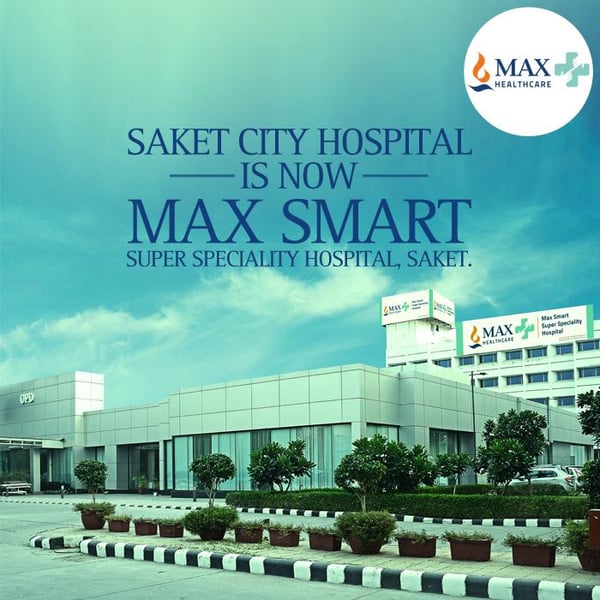
Hospitali ya Maalum ya Max Smart Super, Saket, New Delhi
Max Smart Super Specialty Hospital, Saket, ni hospitali ya huduma ya juu ya vitanda 250 huko Delhi Kusini. Inatoa huduma ya juu ya matibabu na upasuaj...
Vibali
Vifaa
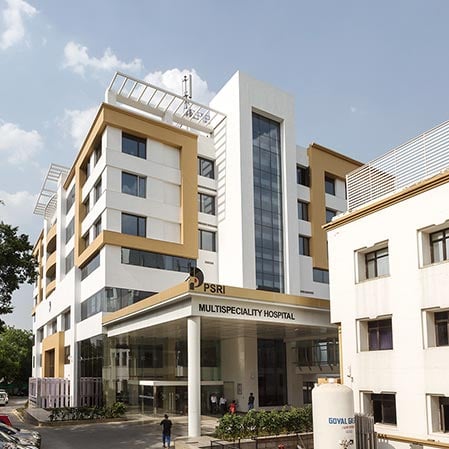
Hospitali ya PSRI, Delhi
Taasisi ya Utafiti ya Pushpawati Singhania (Hospitali ya PSRI), New Delhi, ni hospitali inayoongoza ya huduma ya juu ya elimu ya juu iliyoanzishwa mwa...
Vibali
Vifaa
Taratibu zinazofanana
Matunzio
Maswali
Mhakiki
Tazama Zote
Mshauri Mkuu - Upasuaji wa Urembo na Urekebishaji
Dk. Sunil Choudhary ni Mkurugenzi Mkuu & Mkuu wa Upasuaji wa Plastiki katika Hospitali ya Maalum ya Max Super, New Delhi, mwenye zaidi ya miaka 29 ya tajriba ya mfano katika uga. Mtaalamu mashuhuri wa... Soma zaidi
Tovuti yetu hutumia kuki. Sera ya faragha.