
Matibabu ya Saratani ya Shingo ya Kizazi Gharama katika India
Kuhusu Matibabu ya Saratani ya Shingo ya Kizazi
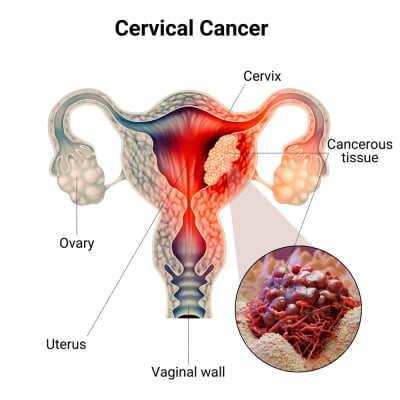
Saratani ya shingo ya kizazi hutokea wakati seli zisizo za kawaida zinakua kwenye shingo ya kizazi, sehemu ya chini ya uterasi. Ugonjwa huu huathiri mamia ya maelfu ya wanawake duniani kote kila mwaka na bado ni mojawapo ya aina zinazoweza kuzuilika za saratani.
Zaidi yawanawake 600,000kupokea uchunguzi wa saratani ya shingo ya kizazi kila mwaka, na zaidi85% ya kesikutokea katika nchi za kipato cha chini na kati. Ugunduzi wa mapema kupitia uchunguzi wa mara kwa mara huokoa maisha, hata hivyo wanawake wengi bado wanafika kwenye vituo vya matibabu walio na ugonjwa wa hali ya juu kwa sababu hukosa dalili za mapema.
Saratani ya Shingo ya Kizazi ni Nini?
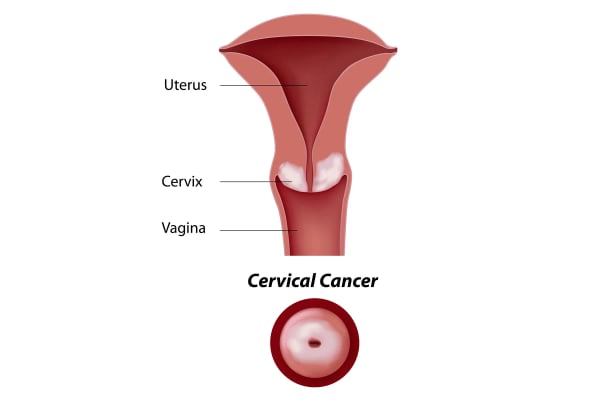
Saratani ya shingo ya kizazi ni ugonjwa sugu ambao huanza wakati seli kwenye shingo ya kizazi zinapoanza kukua kwa njia isiyodhibitiwa. Seviksi inakaa kwenye ncha ya chini ya uterasi na kuiunganisha na uke. Seli hizi zinapobadilika au kubadilika, zinaweza kutengeneza uvimbe unaokua polepole mwanzoni na kisha kuenea ikiwa hautatibiwa kwa wakati.
Kesi nyingi za saratani ya shingo ya kizazi huibuka kwa sababu ya kuambukizwa naPapillomavirus ya binadamu (HPV). Virusi hivi huenea kupitia ngozi hadi ngozi wakati wa kufanya ngono. Wanawake wengi hubeba HPV wakati fulani katika maisha yao, lakini ni asilimia ndogo tu hupata saratani. Uchunguzi wa mara kwa mara husaidia madaktari kugundua mabadiliko ya mapema ya seli muda mrefu kabla ya kuwa hatari.
Madaktari huainisha saratani ya shingo ya kizazi katika aina kuu mbili.
- Squamous cell carcinomahukua kwenye uso wa nje wa seviksi na huonekana katika hali nyingi.
- Adenocarcinomakawaida huanza ndani zaidi ya seviksi, katika seli za tezi, na huonyesha tabia tofauti kidogo.
Saratani hizi mara nyingi hukua polepole kwa miaka kadhaa, ambayo huwapa wanawake wakati wa kutosha wa kupata shida kupitia uchunguzi na kutibu mapema kwa mafanikio ya juu.
Dalili za Saratani ya Shingo ya Kizazi ni zipi?
Saratani ya shingo ya kizazi mara nyingi hukua polepole, na wanawake wengi hawaoni dalili katika hatua za mwanzo. Uchunguzi wa mapema unasalia kuwa njia bora zaidi ya kugundua ugonjwa kabla haujawa mbaya.
Wanawake wanaweza kupata moja au zaidi ya ishara zifuatazo:
- Kutokwa na damu ukeni kusiko kawaida, haswa baada ya kujamiiana au kati ya hedhi
- Kutokwa na damu baada ya kukoma hedhi
- Kutokwa na uchafu ukeni unaoonekana kuwa na majimaji au harufu mbaya
- Maumivu ya pelvic au usumbufu
- Maumivu wakati wa kujamiiana
Dalili hizi hazimaanishi saratani kila wakati, lakini zinahitaji tathmini ya matibabu.
Jinsi Madaktari Wanagundua Saratani ya Shingo ya Kizazi?
Madaktari hutumia vipimo kadhaa rahisi na vyema ili kuchunguza mabadiliko ya seli na kuthibitisha uwepo wa kansa.
- Mtihani wa Pap:Daktari hukusanya sampuli ndogo ya seli kutoka kwa seviksi na kuziangalia kama kuna upungufu wowote.
- Mtihani wa HPV:Kipimo hiki hutambua aina za HPV zilizo hatarini zaidi ambazo huongeza uwezekano wa kupata saratani ya shingo ya kizazi.
- Colposcopy:Daktari huchunguza kizazi kwa ukaribu kwa kutumia kifaa maalum cha kukuza wakati matokeo ya kipimo cha Pap au HPV yanapoonyesha upungufu.
- Biopsy:Daktari wa oncologist huondoa kipande kidogo cha tishu za kizazi na kukichunguza kwa darubini ili kuthibitisha saratani.
- Majaribio ya taswira:Vipimo kama vile ultrasound, CT scan, MRI, au PET-CT huwasaidia madaktari kuelewa hatua ya ugonjwa na kupanga matibabu.
Hatua hizi za uchunguzi huwawezesha madaktari kuamua aina, hatua, na kuenea kwa saratani ya shingo ya kizazi, ambayo huwasaidia kuchagua mbinu bora zaidi ya matibabu.
Je, ni Chaguzi zipi za Hivi Punde za Matibabu ya Saratani ya Shingo ya Kizazi?
Madaktari huchagua mpango wa matibabu ya saratani ya shingo ya kizazi kulingana na hatua ya saratani, saizi ya tumor, na afya ya jumla ya mwanamke. Oncology ya kisasa inatoa chaguzi kadhaa za ufanisi ambazo hutibu ugonjwa huo na kusaidia wanawake kurudi maisha ya kila siku haraka iwezekanavyo.
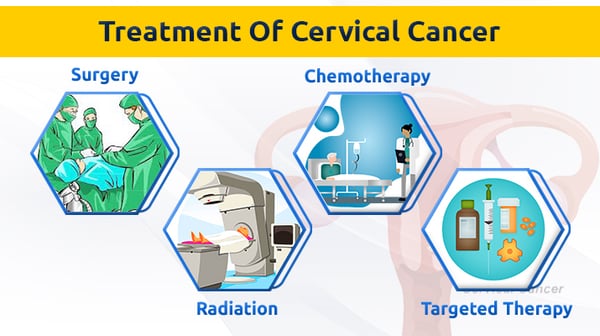
Upasuaji
Madaktari hutumia upasuaji wakati saratani inabaki kwenye kizazi au maeneo ya karibu. Chaguzi za kawaida za upasuaji ni pamoja na:
- Conization:Daktari huondoa sehemu ndogo ya tishu isiyo ya kawaida yenye umbo la koni.
- Hysterectomy:Daktari wa upasuaji huondoa uterasi na kizazi. Inaweza kuwa rahisi au kali, kulingana na kiwango cha kuenea kwa saratani.
- Trachelectomy:Daktari huondoa seviksi lakini huhifadhi uterasi kwa wanawake wachanga wanaotaka uhifadhi wa uzazi.
Tiba ya Mionzi
Mionzi hutumia miale ya nishati kali kuharibu seli za saratani. Madaktari hutoa kama ifuatavyo:
- Tiba ya Nje ya Mionzi ya Boriti (EBRT)
- Brachytherapy, ambapo daktari anaweka chanzo cha mionzi karibu na tumor
Madaktari mara nyingi huchanganya mionzi na chemotherapy kwa udhibiti bora.
Tiba ya kemikali
Chemotherapy hutumia dawa za kuzuia saratani zinazozunguka mwilini. Madaktari hutumia:
- Kuongeza athari za mionzi.
- Kutibu saratani ya hali ya juu au metastatic.
- Punguza uvimbe kabla ya matibabu mengine.
Kemoradiation
Njia hii inachanganya chemotherapy na mionzi kwa wakati mmoja. Inafanya kazi kama matibabu ya kawaida kwa saratani ya kizazi iliyoendelea kwa sababu matibabu yote mawili yanasaidiana.
Tiba inayolengwa na Immunotherapy
Madaktari hutumia matibabu ya hali ya juu kwa wanawake walio na ugonjwa wa kawaida au wa kuchelewa. Dawa hizi hulenga njia maalum za saratani au kuongeza uwezo wa mfumo wa kinga kupambana na seli za saratani kwa ufanisi zaidi.
Kila Tiba Inapendekezwa Lini?
Madaktari huchagua mbinu ya matibabu kulingana na hatua ya saratani, ukubwa wa tumor, umri wa mgonjwa, mapendekezo ya uzazi, na hali ya afya kwa ujumla. Kila njia ina jukumu maalum katika hatua tofauti za saratani ya shingo ya kizazi.
- Saratani ya Awamu ya Shingo ya Kizazi (Hatua ya I):Madaktari kwa kawaida hupendekeza upasuaji wakati saratani inabaki kuwa ndogo na imezuiliwa kwenye kizazi. Chaguo za kawaida ni pamoja na conization, trachelectomy, au hysterectomy. Wanawake vijana ambao wanataka kuhifadhi uzazi wanaweza kuchagua trachelectomy.
- Saratani ya Juu ya Shingo ya Kizazi (Hatua ya II–III):Katika hatua hii, saratani huenea zaidi ya kizazi lakini haifikii viungo vya mbali. Madaktari kwa kawaida wanapendelea chemoradiation kwa sababu mchanganyiko hufanya kazi kwa ufanisi zaidi kuliko tiba ama pekee.
- Saratani ya Shingo ya Kizazi ya Juu au Metastatic (Hatua ya IV):Madaktari huzingatia kudhibiti ugonjwa huo, kupunguza dalili, na kuboresha ubora wa maisha. Kawaida hupendekeza chemotherapy, tiba inayolengwa, tiba ya kinga, au mchanganyiko wa matibabu haya.
- Saratani ya Shingo ya Kizazi ya Mara kwa Mara:Ikiwa saratani inarudi baada ya matibabu ya awali, madaktari hutumia chaguo linalofaa zaidi kulingana na tiba ya awali na kuenea kwa sasa. Wanaweza kupendekeza upasuaji, mionzi, dawa zinazolengwa, au tiba ya kinga.
- Wakati upasuaji hauwezekani:Madaktari huchagua mionzi au chemoradiation ikiwa upasuaji hauwezi kuondoa uvimbe kwa usalama au ikiwa mgonjwa ana hali za kiafya ambazo haziauni ganzi au upasuaji mkubwa.
Pata mpango wa matibabu ya bure
Kuhusu Matibabu ya Saratani ya Shingo ya Kizazi katika India
How Much Does Cervical Cancer Treatment Cost in India?
The cost of cervical cancer treatment in India usually ranges between $2,500 and $7,500 (approximately ₹2 lakh to ₹6.2 lakh). The final estimate depends on the cancer stage, treatment method, hospital category, and the number of therapy sessions required.
Doctors design each treatment plan individually, so the cost varies from one patient to another. Early-stage cancer often requires surgery, while advanced stages may involve chemoradiation, targeted therapy, or immunotherapy. These differences influence the total expenditure.
Below is a general breakdown of treatment costs to help patients understand the approximate budget.
Treatment Type | Average Cost (USD) | Approx. Cost (INR) |
| Conization / LEEP | $800 – $1,500 | ₹65,000 – ₹1.2 lakh |
| Hysterectomy (Simple) | $1,800 – $2,500 | ₹1.5 – ₹2.1 lakh |
| Radical Hysterectomy | $2,500 – $4,000 | ₹2.1 – ₹3.3 lakh |
| Chemotherapy (per cycle) | $180 – $330 | ₹15,000 – ₹28,000 |
| External Radiation Therapy (full course) | $1,800 – $3,000 | ₹1.5 – ₹2.5 lakh |
| Brachytherapy | $800 – $1,500 | ₹65,000 – ₹1.2 lakh |
| Targeted Therapy (per month) | $1,000 – $2,000 | ₹85,000 – ₹1.7 lakh |
| Immunotherapy (per cycle) | $1,800 – $3,000 | ₹1.5 – ₹2.5 lakh |
- Early-stage cases often cost less because they require shorter treatment.
- Advanced cervical cancer requires multiple therapies, which raises total costs.
- Hospital category, doctor expertise, and diagnostic needs also affect pricing.
What Does the Cost Include and Exclude?
Cervical cancer treatment involves several steps, and the total cost depends on what the hospital includes in the treatment package. Understanding these details helps patients plan their medical travel and avoid unexpected expenses.
What the Cost Includes
- Doctor consultations and treatment planning
- Surgery charges or radiation therapy delivery
- Nursing care and hospital stay during treatment
- Routine blood tests and basic imaging
- Medicines used during hospitalization
- Follow-up consultations during the same admission period
What the Cost Excludes
- Advanced imaging such as MRI, PET-CT, or CT scans
- Biopsy, HPV testing, and other diagnostic procedures before admission
- Targeted therapy and immunotherapy medicines
- Extra hospital stay due to complications
- Travel, visa, airport transfers, and accommodation
- Follow-up visits after the patient returns home
Tip for International Patients: Request a detailed cost estimate before finalizing treatment. It helps you compare packages across hospitals and plan your stay without confusion.
What Is the Cost of Cervical Cancer Treatment in Different Indian Cities?
The cost of cervical cancer treatment varies from one Indian city to another. Hospitals in metro cities may charge more because they use advanced technology and offer specialized oncology services.
The table below gives a general idea of the average cost range across major cities.
City | Average Cost (USD) | Approx. Cost (INR) |
| New Delhi | $2,800 – $7,000 | ₹2.3 – ₹5.8 lakh |
| Mumbai | $3,000 – $7,500 | ₹2.5 – ₹6.2 lakh |
| Bangalore | $2,700 – $6,800 | ₹2.2 – ₹5.6 lakh |
| Chennai | $2,600 – $6,500 | ₹2.1 – ₹5.4 lakh |
| Hyderabad | $2,700 – $6,700 | ₹2.2 – ₹5.5 lakh |
- Delhi and Mumbai have advanced cancer centers and broader access to targeted therapy options.
- Chennai and Hyderabad offer competitive pricing with strong radiation oncology programs.
- Bangalore attracts many international patients because of its modern infrastructure and efficient treatment coordination.
What Factors Affect the Cost of Cervical Cancer Treatment in India?
Several medical and non-medical factors influence the total cost of cervical cancer treatment in India. Each patient receives a personalized plan, allowing the budget to adjust according to the stage of cancer and the therapies required.
- Stage of Cancer: Early-stage cancer usually needs surgery or limited therapy, while advanced cancer requires chemoradiation or targeted drugs, which increases the cost.
- Type of Treatment: The cost varies depending on whether patients receive surgery, radiation, chemotherapy, or a combination of these treatments. Targeted therapy and immunotherapy are more expensive because they utilize advanced medicines.
- Number of Therapy Sessions: Chemotherapy cycles, radiation sessions, and brachytherapy insertions add to the total expense. More sessions mean a higher overall cost.
- Hospital Category: Premium and internationally accredited hospitals charge more because they use modern technology, advanced radiation systems, and specialized oncology teams.
- Doctor's Expertise: Gynecologic oncologists and radiation specialists with years of experience may charge higher fees, but their expertise helps improve treatment outcomes.
- Diagnostic Requirements: PET-CT scans, MRI studies, biopsies, and molecular tests contribute to the cost, especially in advanced cases.
- Additional Medical Needs: Patients who require blood transfusions, intensive care, or prolonged hospital stays may incur additional costs during treatment.
How Does the Cost in India Compare With Other Countries?
Cervical cancer treatment costs in India remain far more affordable than in many Western and Middle Eastern countries. Hospitals in India offer modern oncology services at a fraction of the global price, utilizing advanced equipment and internationally accepted treatment protocols.
Below is a simple comparison of average treatment costs across popular medical destinations:
Country | Average Cost (USD) |
| United States | $18,000 – $28,000 |
| United Kingdom | $15,000 – $25,000 |
| UAE | $10,000 – $18,000 |
| Singapore | $12,000 – $20,000 |
| India | $2,500 – $7,500 |
Patients save 60% to 80% when they choose India for cervical cancer treatment, without compromising on medical technology or specialist expertise.
Why Should You Choose India for Cervical Cancer Treatment?
India offers a potent combination of advanced oncology care, skilled specialists, and affordable treatment options. Women from many countries travel to India because they receive modern cancer treatment without long waiting times or high medical expenses.
- Advanced Oncology Infrastructure: Indian hospitals use modern diagnostic tools, high-precision radiation equipment, and updated surgical techniques. It gives patients access to accurate staging and effective treatment planning.
- Experienced Gynecologic Oncologists: India has specialists who treat cervical cancer regularly and follow global guidelines. Many doctors train at international centers and handle complex cases with confidence.
- Affordable Treatment Packages: India offers high-quality cancer care at significantly lower costs compared to Western and Middle Eastern countries. Patients receive modern therapies while paying a fraction of the global price.
- Internationally Accredited Hospitals: Many cancer centers in India hold NABH or JCI accreditation. These hospitals adhere to strict safety protocols, maintain clean facilities, and provide reliable treatment standards.
- Access to Radiation, Chemoradiation, and Targeted Therapy: India offers a comprehensive range of cervical cancer treatments, including external beam radiation, brachytherapy, chemotherapy, and advanced targeted therapies when needed.
- Short Waiting Times: Patients can start treatment quickly. It matters for cervical cancer because early treatment improves outcomes and prevents disease progression.
- Support for International Patients: Hospitals assist with medical visa letters, airport pickup, translation services, and guidance on accommodations. This support makes the treatment journey smooth and stress-free.
What Is the Recovery and Success Rate After Cervical Cancer Treatment?
Recovery from cervical cancer treatment depends on the stage of the disease and the type of therapy the patient receives. Doctors aim to remove or control the cancer while helping women return to daily life as soon as they feel comfortable.
- Recovery After Surgery: Women usually stay in the hospital for a few days after a hysterectomy or trachelectomy. Most women return to their routine in 4 to 6 weeks. Energy levels improve steadily, and light activities can start earlier, as advised by the doctor.
- Recovery After Radiation and Chemoradiation: Radiation and chemoradiation treatments typically span several weeks. Women may experience fatigue, mild skin changes, or pelvic discomfort during therapy. Most women begin to feel stronger within 2 to 4 weeks after completing treatment.
- Recovery After Chemotherapy: Chemotherapy affects the entire body, so recovery time depends on the number of chemotherapy cycles. Many women experience fatigue for a few days after each cycle and recover gradually between cycles. Doctors monitor blood counts and overall health to support smooth recovery.
Success Rate of Cervical Cancer Treatment
Cervical cancer responds well to treatment, especially when doctors detect it early.
- Early-Stage Cervical Cancer: Success rates often range from 85% to 95% because surgery or chemoradiation removes the disease effectively.
- Locally Advanced Cancer: Combined chemoradiation offers strong control, with success rates ranging from 65% to 75%.
- Advanced or Metastatic Cancer: Targeted therapy, immunotherapy, and palliative chemotherapy help manage symptoms and improve survival, with success depending on response to treatment.
Key Factors That Improve Outcomes
- Early diagnosis through regular Pap tests and HPV screening
- Timely treatment at a specialized cancer center
- Personalized treatment plans
- Close follow-up after therapy
Most women who receive appropriate treatment at the right time recover well and enjoy a good quality of life.
Matibabu ya Saratani ya Shingo ya Kizazi kulinganisha gharama na nchi
Linganisha Matibabu ya Saratani ya Shingo ya Kizazi gharama katika nchi tofauti kufanya uamuzi sahihi juu ya matibabu yako.
| Nchi | Anuwai ya gharama (USD) | Akiba inayowezekana | Hatua |
|---|---|---|---|
IndiaSasaThamani bora | $2,500 - $7,500 | — | Pata nukuu |
Kumbuka: Gharama zinaweza kutofautiana kulingana na uchaguzi wa hospitali, aina ya chumba, huduma za ziada, na mahitaji ya matibabu ya mtu binafsi.
Hospitali zinazoongoza kwa Matibabu ya Saratani ya Shingo ya Kizazi katika India

Hospitali ya Bahcelievler ya Hifadhi ya Matibabu
Hospitali ya Medical Park Bahcelievler ni hospitali iliyoidhinishwa na JCI ya vitanda 242 huko Istanbul, iliyoanzishwa mwaka wa 2007. Imeenea katika m...
Vibali

Vifaa

Hospitali ya Hisar Intercontinental, Istanbul
Hospitali ya Hisar Intercontinental huko Istanbul ni hospitali iliyoidhinishwa na JCI, yenye vitanda 212 yenye utaalamu mbalimbali inayochukua mita za...
Vibali
Vifaa

Hospitali ya Medipol Bahçelievler
Hospitali ya Medipol Bahçelievler ni hospitali ya kibinafsi ya vitanda 441 huko Istanbul ambayo ilianza kufanya kazi Mei 2022. Inashughulikia mita za ...
Vibali
Vifaa
Taratibu zinazofanana
Matunzio
Maswali
Mhakiki
Tazama Zote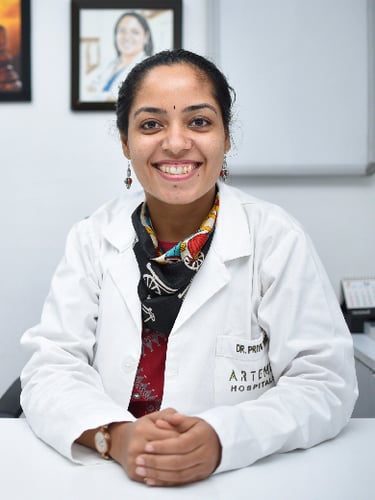
Dr. Priya Tiwari is a renowned medical oncologist trained at the prestigious All India Institute of Medical Sciences (AIIMS). She specializes in comprehensive cancer care and is committed to deliver... Soma zaidi

Tovuti yetu hutumia kuki. Sera ya faragha.