
Upasuaji wa Upasuaji wa Kipandikizi wa Ateri ya Coronary - CABG Gharama katika India
Kuhusu Upasuaji wa Upasuaji wa Kipandikizi wa Ateri ya Coronary - CABG
Upandishaji wa Bypass wa Coronary Artery (CABG) ni nini?
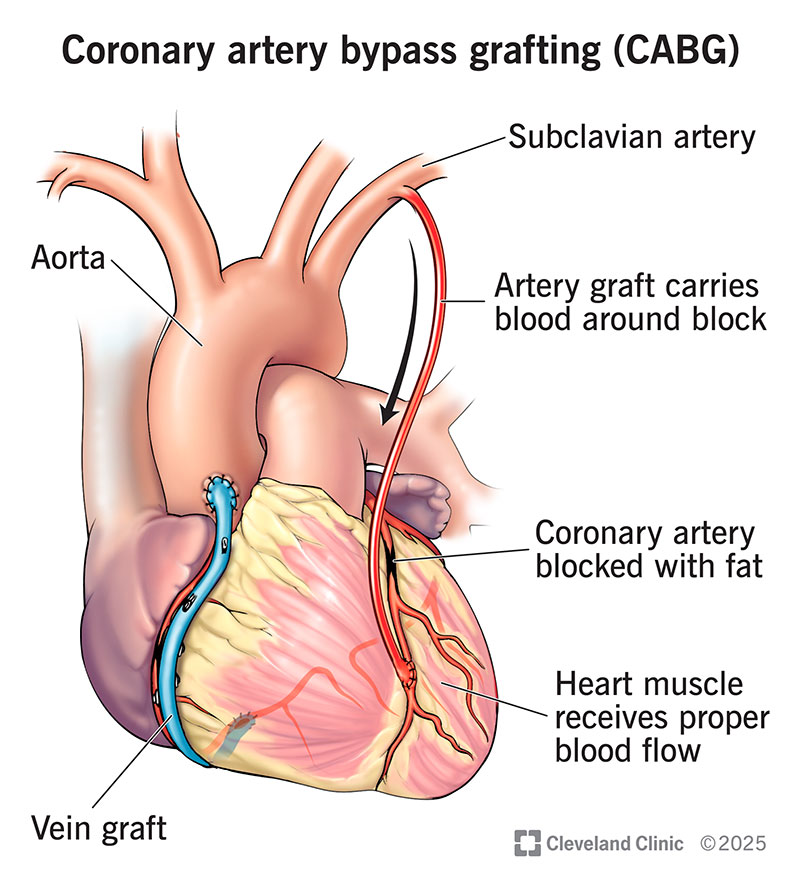
Kupandikiza kwa kupitisha ateri ya moyo ni aina ya upasuaji wa moyo unaotumiwa kutibu watu wenye ugonjwa mkali wa mishipa ya moyo (CAD). Katika hali hii, mishipa inayosambaza damu yenye oksijeni kwa misuli ya moyo hupunguzwa au kuziba kwa sababu ya mkusanyiko wa plaque. Inapunguza mtiririko wa damu na huongeza uwezekano wa maumivu ya kifua, mashambulizi ya moyo, na hata kifo cha ghafla cha moyo.
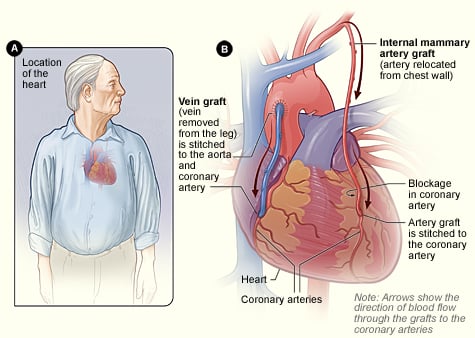
CABG inafanya kazi kwa kuunda njia mpya ya damu kufikia moyo. Wakati wa upasuaji, mshipa wa damu wenye afya nzuri huchukuliwa kutoka sehemu nyingine ya mwili, kama vile mguu, kifua, au mkono, na kutumiwa kupita sehemu zilizoziba za mishipa ya moyo. Hii "graft" mpya hurejesha mtiririko wa kawaida wa damu, hupunguza dalili, na husaidia kuboresha kazi ya moyo.
Mambo muhimu kuhusu CABG:
- Ni upasuaji mkubwa wa moyo lakini unaofanywa kwa kawaida kote ulimwenguni.
- CABG kawaida hupendekezwa wakati mishipa mingi imeziba au wakati vizuizi haviwezi kutibiwa vyema na angioplasty au stenting.
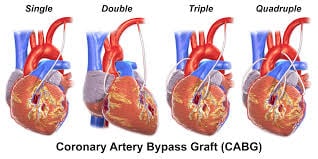
- Utaratibu huo unaweza kuhusisha moja (bypass moja), mbili (mbili bypass), tatu (triple bypass), au vipandikizi zaidi, kulingana na idadi ya mishipa ambayo inahitaji kupitiwa.
- CABG imeonyeshwa kuboresha maisha, kupunguza dalili kama vile maumivu ya kifua (angina), na kupunguza hatari ya mshtuko wa moyo kwa wagonjwa walio na ugonjwa wa mishipa ya moyo.
Kwa nini Upasuaji wa CABG unahitajika?
Kupandikiza kwa kupitisha kwa ateri ya moyo hupendekezwa kwa wagonjwa walio na vizuizi vikali katika mishipa yao ya moyo. Wakati mishipa hii imeziba, moyo haupati oksijeni ya kutosha, ambayo inaweza kusababisha angina, kupumua kwa pumzi, uchovu, na hata mashambulizi ya moyo.
CABG mara nyingi ni muhimu wakati mtindo wa maisha unabadilika, dawa, na taratibu zisizovamizi kama vile angioplasty hazitoshi kurejesha mtiririko wa damu wenye afya. Ni uingiliaji muhimu wa upasuaji ambao unaweza kuzuia mashambulizi ya moyo ya baadaye, kupunguza dalili, na kuboresha kwa kiasi kikubwa ubora wa maisha.
CABG Kawaida Inapendekezwa Wakati:
- Mishipa mingi ya moyo imefungwa na kuzuia mtiririko wa damu kwa moyo.
- Ateri kuu ya kushoto ya moyo imepunguzwa sana au imefungwa. Ateri hii hutoa sehemu kubwa ya damu kwa misuli ya moyo.
- Mgonjwa ana ugonjwa wa kisukari pamoja na ugonjwa mkubwa wa mishipa ya moyo.
- Matibabu ya awali, kama vile stenti au angioplasty, yameshindwa au hayatekelezeki.
- Mgonjwa amepunguza kazi ya moyo (sehemu ya chini ya ejection) inayosababishwa na ugonjwa wa ugonjwa wa moyo.
- Kuna maumivu makali ya kifua (angina) hata kwa dawa na kupumzika.
Faida za Upasuaji wa CABG
- Inaboresha mtiririko wa damu kwa moyo.
- Huondoa dalili kama vile maumivu ya kifua (angina) na upungufu wa kupumua.
- Huongeza kiwango cha shughuli za mwili na stamina.
- Hupunguza hatari ya mashambulizi ya moyo ya baadaye.
- Huboresha maisha katika baadhi ya vikundi vilivyo katika hatari kubwa.
Kwa wagonjwa wengi, haswa wale walio na vizuizi ngumu au vilivyoenea, CABG sio chaguo tu; ni hitaji la kupanua maisha na kuboresha ustawi.
Je! ni Aina gani za Upasuaji wa CABG?
Kupandikizwa kwa bypass ya ateri ya Coronary sio utaratibu wa ukubwa mmoja. Kulingana na hali ya mgonjwa, idadi ya vikwazo, afya kwa ujumla, na mapendekezo ya daktari wa upasuaji, CABG inaweza kufanywa kwa njia tofauti. Kuelewa aina husaidia wagonjwa na familia kujua nini cha kutarajia na jinsi kila njia inavyofanya kazi.
CABG ya Jadi ya Pampu
Ni mbinu inayotumika zaidi. Daktari wa upasuaji wa moyo huunganisha mgonjwa na mashine ya moyo-mapafu, ambayo hufanya kazi ya kusukuma moyo wakati wa upasuaji. Moyo umesimamishwa kwa muda, na kuruhusu daktari wa upasuaji kufanya upasuaji kwenye moyo uliotulia, usio na damu kwa ajili ya kuwekwa kwa usahihi.
- Inafaa kwa wagonjwa walio na vizuizi vingi.
- Inapendekezwa katika kesi zilizo na anatomia changamano au hatari kubwa.
- Huruhusu daktari wa upasuaji mwonekano na udhibiti bora.
Off-Pump CABG (Upasuaji wa Moyo Kupiga)
Kwa njia hii, moyo haujasimamishwa, na upasuaji unafanywa wakati moyo unaendelea kupiga. Vifaa maalum vya kuimarisha hutumiwa kuweka eneo linaloendeshwa kwa utulivu.
- Hupunguza uwezekano wa matatizo yanayohusiana na mashine ya moyo-mapafu.
- Husababisha ahueni ya haraka na kukaa hospitalini kwa muda mfupi.
- Mara nyingi hupendekezwa kwa watu wazima wazee au wagonjwa walio na hali zingine mbaya za kiafya.
CABG Inayovamia Kidogo
Mbinu hii ya hali ya juu hutumia mikato ndogo kwenye kifua badala ya sternotomia kamili (kukata mfupa wa kifua). Daktari wa upasuaji hupata moyo kwa kutumia vyombo maalum na, wakati mwingine, msaada wa roboti.
- Maumivu kidogo na uponyaji wa jeraha haraka.
- Upotezaji mdogo wa damu na makovu.
- Ni mdogo kwa wagonjwa walio na vizuizi 1-2 katika mishipa inayopatikana kwa urahisi.
CABG Inayosaidiwa na Roboti
Njia maalum ya upasuaji wa uvamizi mdogo, mbinu hii hutumia mfumo wa upasuaji wa roboti. Daktari wa upasuaji wa moyo hudhibiti mikono ya roboti kutekeleza njia ya kukwepa kupitia mikato midogo ya funguo.
- Usahihi ulioimarishwa na taswira.
- Kukaa hospitalini kwa muda mfupi na kurudi haraka kwa maisha ya kila siku.
- Inapatikana tu katika hospitali mahususi zilizo na programu za juu za moyo.
Kila aina ya CABG ina faida zake na huchaguliwa kulingana na mahitaji ya mtu binafsi ya mgonjwa. Daktari wa upasuaji ataamua njia bora zaidi baada ya kufanya uchunguzi wa kina na tathmini.
Je, ni utaratibu gani wa CABG?
Maandalizi ya Kabla ya Upasuaji
Madaktari huanza kwa kutathmini hali ya moyo wa mgonjwa kupitia seti ya kina ya vipimo vya uchunguzi. Vipimo hivi husaidia kuamua idadi ya vizuizi na aina inayofaa zaidi ya CABG. Vipimo vya kawaida vya kabla ya upasuaji ni pamoja na:
- Angiografia ya Coronary
- Electrocardiogram (ECG) na echocardiogram
- X-ray ya kifua na mtihani wa kazi ya mapafu
- Kazi ya kawaida ya damu
- Tathmini ya kabla ya anesthesia
Madaktari wanaweza kuuliza wagonjwa kuacha kutumia dawa fulani na kufuata maagizo ya kufunga kabla ya upasuaji.
Mchakato wa Upasuaji
Siku ya upasuaji, timu ya matibabu hufanya CABG katika hatua zifuatazo:
- Kusimamia anesthesiakumfanya mgonjwa kukosa fahamu na asiwe na maumivu wakati wa upasuaji.
- Fanya chale- katika CABG ya jadi, daktari wa upasuaji hufungua kifua kwa kukata mfupa wa kifua. Katika CABG yenye uvamizi mdogo, wanafanya chale ndogo kwenye kifua.
- Vuna kipandikizi- timu ya upasuaji huondoa mshipa wa damu wenye afya kutoka kwa mguu, mkono (mshipa wa radial), au kifua.
- Unda njia ya kupita:
- KatikaCABG kwenye pampu, timu hiyo hutumia mashine ya moyo-mapafu kuchukua jukumu la moyo huku daktari wa upasuaji anafanya kazi ya moyo tulivu.
- Katikapampu ya CABG, daktari wa upasuaji hufanya kuunganisha wakati moyo unaendelea kupiga, kwa kutumia zana za kuimarisha.
- Funga kifuana waya za upasuaji na sutures baada ya kukamilisha vipandikizi na kuthibitisha kazi ya kawaida ya moyo.
Huduma ya Baada ya Upasuaji
Baada ya upasuaji, madaktari hupeleka mgonjwa kwenye ICU ya moyo kwa ufuatiliaji wa karibu. Wafanyikazi wa matibabu hutoa misaada ya maumivu, dawa za moyo, na tiba ya oksijeni inapohitajika.
Wagonjwa wengi huanza kutembea ndani ya siku 2-3 na kuanza shughuli nyepesi ndani ya wiki. Kukaa hospitalini kawaida huchukua siku 5 hadi 10.
Muda wa kupona baada ya upasuaji wa CABG:
- Kukaa ICU: siku 1-2
- Jumla ya kukaa hospitalini: siku 5-10
- Rudi kwenye shughuli za kawaida: Wiki 6-8
- Ahueni kamili: Miezi 2-3 na urekebishaji sahihi wa moyo
Pata mpango wa matibabu ya bure
Kuhusu Upasuaji wa Upasuaji wa Kipandikizi wa Ateri ya Coronary - CABG katika India
What is the Cost of CABG Surgery in India?
India offers high-quality coronary artery bypass grafting (CABG) surgery at a significantly lower cost than most Western countries. While patients in the United States or the United Kingdom often pay between $40,000 and $120,000 for the procedure, patients in India can undergo the same surgery for as little as $4,000 to $7,000, depending on the hospital, surgeon, and type of CABG.
This cost typically includes pre-operative tests, the surgery itself, hospital stay, ICU charges, surgical fees, medications, and follow-up consultations. Some hospitals also provide comprehensive packages for international patients that cover airport transfers, translators, meals, and local support services.
Type of CABG Surgery | Estimated Cost (USD) |
| Traditional On-Pump CABG | $4,000 – $6,500 |
| Off-Pump (Beating Heart) | $4,500 – $7,000 |
| Minimally Invasive CABG | $6,000 – $9,000 |
| Robotic-Assisted CABG | $8,000 – $12,000 |
Note: Prices vary depending on the hospital tier, room category, patient condition, and the number of grafts required.
What's Included in the Cost?
Most reputed hospitals in India offer transparent pricing and all-inclusive treatment packages. These generally cover:
- Consultation and diagnostic tests (angiography, ECG, echocardiography)
- Pre-operative evaluations and anesthesia charges
- Surgeon and surgical team fees
- Operating room and ICU charges
- Cost of graft materials and surgical consumables
- Medications during the hospital stay
- Inpatient care for 5–10 days
- Postoperative consultations before discharge
What's Not Included?
While the base package covers the surgery and hospitalization, international patients should factor in:
- Airfare and visa fees
- Accommodation for family or attendants
- Travel insurance
- Additional stay due to complications (if any)
- Cardiac rehabilitation after discharge (if done locally)
What Factors Affect the CABG Surgery Cost in India?
While CABG surgery in India is significantly more affordable than in many other countries, several factors still influence the final cost of the procedure.
- Type of CABG Procedure: The type of bypass surgery you undergo directly affects the total cost. Traditional on-pump CABG generally costs less than newer techniques. Off-pump (beating-heart) CABG requires specialized instruments and expertise, which can increase the price.
- Choice of Hospital: India has a wide range of hospitals, from government-run facilities to super-specialty private hospitals. Costs differ based on hospital accreditation (e.g., JCI or NABH), infrastructure and technology used, availability of cardiac ICUs and robotic equipment, and location.
- Experience of the Surgeon: Highly experienced and internationally trained cardiothoracic surgeons often charge higher fees.
- Patient's Medical Condition: Patients with underlying health issues like diabetes, kidney disease, hypertension, or reduced heart function may need additional care, medications, or ICU monitoring, which increases the cost.
- Number of Days in the Hospital: While most CABG surgery patients stay in the hospital for 5 to 10 days, those with complications or a slow recovery may require a more extended stay in the ICU or a general ward.
- Room Category Chosen: Choosing a deluxe or suite room significantly increases the cost, especially if you stay beyond the standard recovery period.
- Post-Surgical Medications and Rehabilitation: The surgery package includes medications during hospitalization. However, patients must pay separately for discharge medications and cardiac rehabilitation services.
Cost Comparison: CABG in India vs Other Countries
India offers some of the most cost-effective cardiac surgeries in the world, particularly for complex procedures such as coronary artery bypass grafting. Patients from the United States, the UK, Australia, and the Middle East travel to India to access the same level of care at a fraction of the cost.
Below is a detailed comparison of CABG surgery costs across various countries, helping you understand how much money you can save by choosing India.
Country | Approximate Cost (USD) | Inclusions |
| United States | $70,000 – $1,20,000 | Surgery, surgeon fees, hospital stay, and limited aftercare |
| United Kingdom | $40,000 – $90,000 | Not always covered under NHS; long wait times |
| Canada | $50,000 – $100,000 | Public hospitals have long waitlists |
| Australia | $45,000 – $80,000 | Partial coverage with private insurance |
| Singapore | $30,000 – $45,000 | High-quality care, higher costs |
| Thailand | $15,000 – $25,000 | Affordable, but not as advanced as India |
| Turkey | $12,000 – $20,000 | Growing in popularity, limited English-speaking doctors |
| India | $4,000 – $7,000 | All-inclusive, world-class care, English-speaking staff |
Note: These are average costs and may vary depending on the hospital, doctor, and patient condition.
Success Rate and Recovery After CABG Surgery
Indian hospitals consistently deliver high success rates for coronary artery bypass grafting, thanks to skilled surgeons, advanced technology, and robust postoperative care. Most reputable centers in India report a success rate of 95% or higher for elective CABG procedures, which is comparable to that of top hospitals in the US and Europe.
What Determines CABG Success?
Several factors contribute to a successful outcome:
- The surgeon's experience and expertise
- The number of arteries bypassed
- The patient's age and overall health
- The presence of other conditions like diabetes or kidney disease
- Timely surgery before major complications arise
When surgeons perform CABG on time, especially before a major heart attack, patients experience significant symptom relief, longer life expectancy, and improved quality of life.
What to Expect During Recovery?
Recovery after CABG takes 6 to 12 weeks, depending on the patient's health and the type of surgery performed. Here's what the recovery journey typically looks like:
- Hospital Stay: Patients usually stay in the ICU for 1–2 days for close monitoring. After ICU, they move to a regular cardiac ward for 3–7 days, depending on their recovery pace.
- First Week After Surgery: Patients begin walking with assistance and start breathing exercises to improve lung function. Doctors gradually reduce pain medications and remove stitches or surgical tubes.
- 2 to 4 Weeks Post-Surgery: Patients continue their recovery at home or in a nearby facility, especially if traveling internationally. They follow a low-fat, heart-friendly diet and avoid lifting heavy objects. Cardiologists monitor the heart's healing through regular checkups.
- 6 to 8 Weeks: Most patients return to normal daily activities, such as walking, light housework, and social interaction. Surgeons may clear them to travel back home after this phase if no complications arise.
- After 3 Months: With proper cardiac rehabilitation, many patients return to work and resume moderate physical activities. Long-term results depend on the patient's lifestyle, adherence to medication, and regular follow-up.
Why Choose India for CABG Surgery?
Every year, ~80,000 international patients travel to India for coronary artery bypass grafting, as India combines medical excellence with affordability. Patients not only save on costs but also receive world-class cardiac care from highly trained specialists. Whether you are seeking traditional open surgery or advanced robotic CABG, India provides reliable options that meet international standards.
- Affordable Yet World-Class Treatment: Indian hospitals offer CABG surgery at up to 80% lower cost compared to the US, UK, or Australia. Despite the low prices, hospitals adhere to the same international protocols, technology, and safety standards, making it an ideal destination for cost-conscious patients without compromising on care.
- Internationally Trained Surgeons: India's top cardiac surgeons have trained and worked in leading institutions in the United States, the United Kingdom, and Europe. They bring years of global experience and perform high volumes of surgeries annually, which contributes to better outcomes and lower complication rates.
- Advanced Cardiac Facilities: Many Indian hospitals are equipped with hybrid operating rooms, robotic surgery systems, dedicated cardiac ICUs, in-house diagnostic labs, and 24/7 emergency services. These facilities ensure precision, safety, and seamless care during and after the surgery.
- Fast Access to Surgery (No Wait Times): Unlike in many Western countries, Indian hospitals schedule CABG surgeries quickly, often within a few days of diagnosis. This immediate access can be life-saving for patients with worsening symptoms or advanced coronary artery disease.
- Personalized Care for International Patients: Hospitals in India assign dedicated international patient coordinators who assist with medical visa invitation letters, airport transfers, interpreter services, local SIM cards, and post-treatment support, including telemedicine consultations. These services ensure that international patients feel safe, informed, and supported throughout their medical journey.
- English-Speaking Medical Teams: Most doctors, nurses, and support staff in Indian hospitals speak fluent English, which helps eliminate communication barriers. Many hospitals also offer translation services for languages such as French, Arabic, Russian, Swahili, and others.
- Holistic Recovery Options: In addition to surgery, many hospitals provide yoga therapy, cardiac rehabilitation programs, stress counseling, and dietary planning to promote long-term heart health. These services enhance recovery and reduce the risk of future complications.
Services Offered for International Patients
Indian hospitals understand that traveling abroad for heart surgery can feel overwhelming. That's why they offer comprehensive support services tailored specifically for international patients. From visa assistance to recovery planning, hospitals in India make sure you receive seamless care from the moment you inquire to the time you return home.
- Medical Visa Assistance: Hospitals issue medical visa invitation letters to help you and your companion secure fast-track visas. They also guide you through the online application process and offer support in coordinating with the Indian embassy or consulate in your country.
- Airport Pickup and Drop: Upon arrival in India, hospital teams provide a personal airport pickup service to receive you and your family. You won't have to worry about navigation or finding transportation in a new city.
- Language Interpreters: To ensure clear communication, many hospitals assign language interpreters for patients who speak Arabic, French, Russian, Swahili, Bengali, Spanish, and other languages. This service helps you understand medical instructions, reports, and post-op care with confidence.
- International Patient Coordinators: Dedicated coordinators stay by your side throughout your treatment journey. They act as your single point of contact for all non-medical and administrative concerns. They help you:
- Schedule consultations
- Book surgery dates
- Handle billing and insurance formalities
- Arrange local accommodations
- Organize follow-up appointments
- Cost Estimates and Package Plans: Before you arrive, hospitals share transparent treatment plans with fixed pricing. There are no hidden costs, and hospitals adjust the plan if additional services are needed. These packages often include:
- Pre-operative tests
- Surgery
- Hospital stay
- Surgeon fees
- Medications
- Meals for patients and companions
- Accommodation and Food: Hospitals often assist with booking nearby guesthouses, hotels, or hospital-attached guest suites for family members. Many offer customized meal plans tailored to the dietary restrictions or cultural preferences of international patients.
- Post-Treatment Follow-Up and Teleconsultation: Once you return home, the hospital stays connected. You can book online follow-up consultations with your surgeon or cardiologist, share test results or symptoms via email or hospital portals, and receive ongoing advice on medications, rehab, and fitness.
- Help with Travel and Sightseeing: Many hospitals partner with travel agencies to offer short sightseeing trips for family members and friends. If your health allows, you can also explore India's cultural landmarks during your recovery period.
Upasuaji wa Upasuaji wa Kipandikizi wa Ateri ya Coronary - CABG kulinganisha gharama na nchi
Linganisha Upasuaji wa Upasuaji wa Kipandikizi wa Ateri ya Coronary - CABG gharama katika nchi tofauti kufanya uamuzi sahihi juu ya matibabu yako.
| Nchi | Anuwai ya gharama (USD) | Akiba inayowezekana | Hatua |
|---|---|---|---|
IndiaSasaThamani bora | $4,000 - $12,000 | — | Pata nukuu |
Kumbuka: Gharama zinaweza kutofautiana kulingana na uchaguzi wa hospitali, aina ya chumba, huduma za ziada, na mahitaji ya matibabu ya mtu binafsi.
Hospitali zinazoongoza kwa Upasuaji wa Upasuaji wa Kipandikizi wa Ateri ya Coronary - CABG katika India

BLK-Max Super Specialty Hospital, New Delhi
BLK-Max Super Specialty Hospital huko New Delhi ni mojawapo ya taasisi kuu za afya ya India, inayotoa vitanda 650, kumbi 22 za upasuaji za hali ya juu...
Vibali

Vifaa
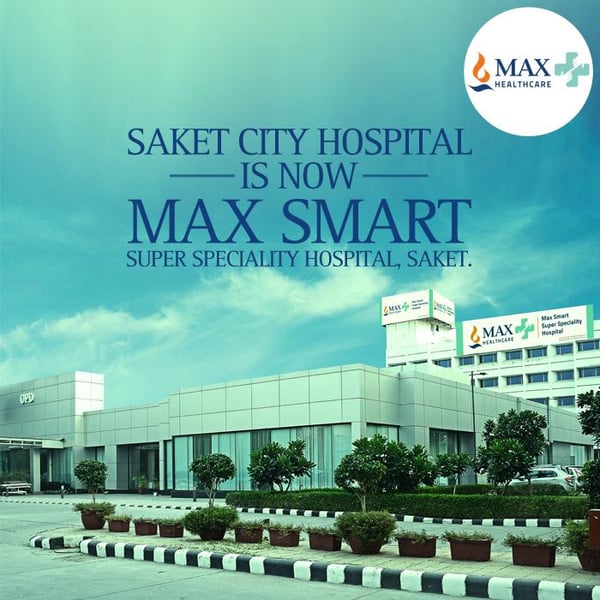
Hospitali ya Maalum ya Max Smart Super, Saket, New Delhi
Max Smart Super Specialty Hospital, Saket, ni hospitali ya huduma ya juu ya vitanda 250 huko Delhi Kusini. Inatoa huduma ya juu ya matibabu na upasuaj...
Vibali
Vifaa
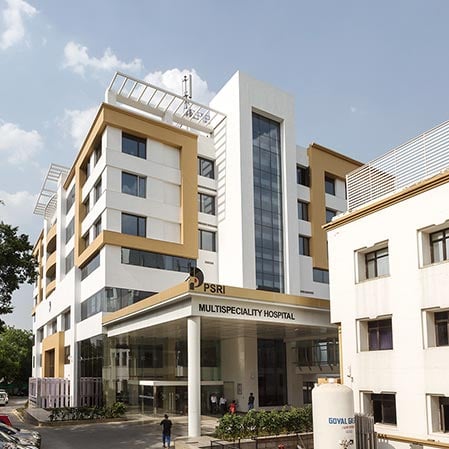
Hospitali ya PSRI, Delhi
Taasisi ya Utafiti ya Pushpawati Singhania (Hospitali ya PSRI), New Delhi, ni hospitali inayoongoza ya huduma ya juu ya elimu ya juu iliyoanzishwa mwa...
Vibali
Vifaa
Taratibu zinazofanana
Ushuhuda
Tazama Zote
Upasuaji wa Kupitia Moyo wa Mgonjwa wa PNG nchini India
Matunzio
Maswali
Mhakiki
Tazama Zote
Dk. Biswarup Purkayastha ni daktari bingwa wa upasuaji wa moyo na mishipa na mwenye uzoefu mkubwa wa upandikizaji wa moyo na mapafu. Amefanya kazi katika hospitali zinazoongoza za India, akipata uta... Soma zaidi

Tovuti yetu hutumia kuki. Sera ya faragha.