
Kifaa cha Kusaidia Ventricular ya Kushoto - LVAD Gharama katika India
Kuhusu Kifaa cha Kusaidia Ventricular ya Kushoto - LVAD
Je! Kifaa cha Kusaidia Ventricular ya Kushoto (LVAD) ni nini?
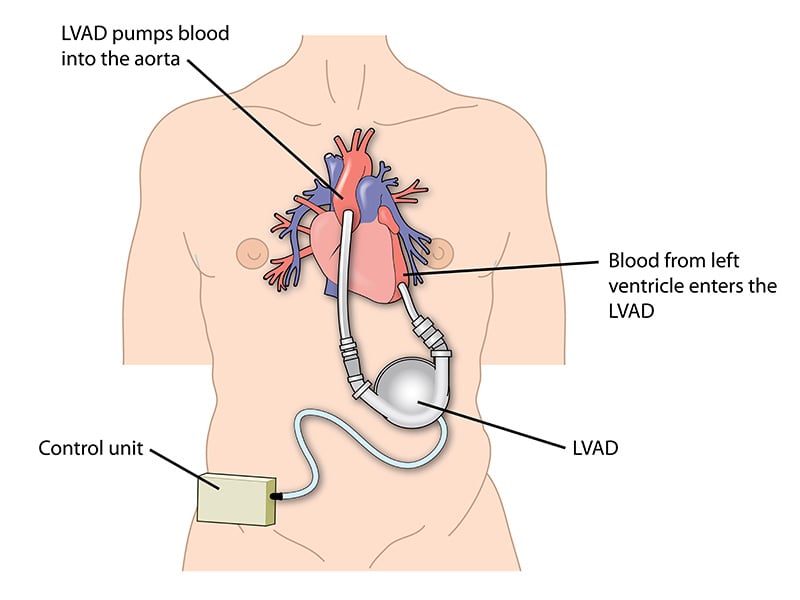
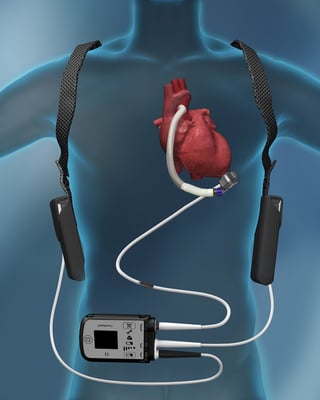
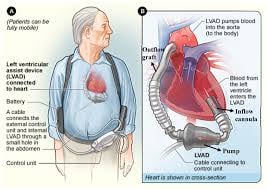
Kifaa cha usaidizi cha ventrikali ya kushoto, kilichofupishwa kama LVAD, ni pampu ya mitambo inayosaidia ventrikali ya kushoto (chumba kikuu cha pampu ya moyo) kusambaza damu katika mwili wote. Madaktari huweka kifaa ndani ya kifua wakati wa upasuaji wa moyo wazi. Mara baada ya kuwekwa, LVAD inachukua kazi ya kusukuma ya moyo, na kuhakikisha kuwa damu yenye oksijeni inaendelea kutiririka kwa viungo muhimu katika mwili wote.
LVAD ni muhimu kwa wagonjwa walio na kushindwa kwa moyo kwa hali ya juu, haswa wakati dawa hazitoi ahueni tena. Tofauti na moyo wa jumla wa bandia, ambao unachukua nafasi ya moyo wote, LVAD hufanya kazi kwa kushirikiana na moyo uliopo wa mgonjwa, kusaidia kazi yake dhaifu.
Kifaa kinajumuisha vipengele kadhaa muhimu:
- Apampu, ambayo huwekwa ndani ya kifua na kushikamana na moyo.
- Acable ya gari, ambayo hupitia ngozi na kuunganisha pampu kwa mtawala.
- Amtawala, huvaliwa nje ya mwili, kwamba nguvu na wachunguzi pampu.
- Seti yabetri zinazoweza kuchajiwa tena au kitengo cha nguvu, ambayo huweka mfumo kufanya kazi 24/7.
LVAD zimepitia mabadiliko makubwa kwa miaka. Mifano ya leo ni ndogo, tulivu, na yenye ufanisi zaidi. Wagonjwa wanaweza kuishi maisha madhubuti kwa uangalizi unaofaa, mara nyingi wakipata uboreshaji mkubwa katika dalili zao, viwango vya nishati, na utendakazi wa kila siku.
Kwa nini Wagonjwa Wanahitaji LVAD?
Wagonjwa wanahitaji kifaa cha usaidizi cha ventrikali ya kushoto wakati moyo wao unakuwa dhaifu sana kuweza kusukuma damu ipasavyo peke yake. Hali hii kwa kawaida hutokea katika kushindwa kwa moyo katika hatua ya mwisho, wakati dawa na matibabu ya chini ya uvamizi hayadhibiti tena dalili au kuzuia kuzorota.
LVAD sio tiba ya mstari wa kwanza. Madaktari kwa kawaida huipendekeza ikiwa mgonjwa amejaribu matibabu ya juu zaidi (ikiwa ni pamoja na vizuizi vya ACE, vizuizi vya beta, dawa za kunyonya mkojo na dawa nyinginezo) lakini bado anapambana na uchovu, kukosa pumzi, kuhifadhi maji, na upungufu wa moyo. Katika hali hiyo, LVAD hutoa msaada wa mitambo ili kurejesha mzunguko na kupunguza mzigo kwenye moyo.
Kuna hali tatu kuu ambazo madaktari hutumia LVAD:
- Daraja la Kupandikiza:Wagonjwa ambao wanatarajiwa kupandikizwa moyo lakini wanakabiliwa na muda mrefu wa kusubiri mara nyingi hupokea LVAD ili kuimarisha hali yao na kuwaweka hai na kufanya kazi hadi moyo wa wafadhili upatikane.
- Tiba Lengwa:Wagonjwa ambao hawastahiki kupandikizwa moyo kwa sababu ya umri, magonjwa mengine, au chaguo la kibinafsi wanaweza kupokea LVAD kama suluhisho la muda mrefu. Katika hali kama hizi, kifaa hufanya kama mbadala wa kudumu kwa kupandikiza, mara nyingi huongeza maisha kwa miaka kadhaa.
- Daraja la Urejeshaji:Kwa wagonjwa wengine, haswa wale walio na kushindwa kwa moyo kwa muda kwa sababu ya maambukizo, myocarditis, au shida za baada ya upasuaji, LVAD inaweza kusaidia moyo kwa muda wa kutosha kuuruhusu kupona peke yake. Mara baada ya moyo kupata nguvu zake, madaktari wanaweza kuondoa kifaa.
Madaktari hutathmini hali ya matibabu ya kila mgonjwa, magonjwa yanayoambatana, utendakazi wa moyo, na ubashiri wa jumla kabla ya kupendekeza upandikizaji wa LVAD. Kwa uteuzi sahihi wa mgonjwa, kifaa kinaweza kuongeza viwango vya kuishi na kuboresha ubora wa maisha, kuwapa wagonjwa nafasi ya pili ya maisha.
Nani Mgombea wa LVAD?
Mgonjwa anakuwa mgombea wa kupandikizwa kwa kifaa cha usaidizi wa ventrikali ya kushoto anapokabiliwa na kushindwa kwa moyo kwa hali ya juu ambayo haiwezi kudhibitiwa tena kupitia dawa au matibabu mengine yasiyo ya upasuaji. Madaktari huzingatia LVAD kwa watu ambao utendaji wao wa moyo umeharibika sana na ambao wanaendelea kupata dalili za kudhoofisha licha ya matibabu bora zaidi.
Vigezo kuu vya kugombea kwa LVAD ni pamoja na:
- Kushindwa kwa Moyo kwa Hatua ya Mwisho (Daraja la III au IV la NYHA):Watahiniwa kwa kawaida wana Daraja la III la Chama cha Moyo cha New York au IV kushindwa kwa moyo. Inamaanisha kuwa wanapata dalili kama vile upungufu wa kupumua, uchovu, au uvimbe, hata wakiwa wamepumzika au wakiwa na shughuli ndogo ya kimwili.
- Sehemu ya Utoaji Iliyopunguzwa:Wagonjwa kwa kawaida huwa na sehemu ya kutoa ventrikali ya kushoto (LVEF) ya chini ya 25%, kuonyesha kwamba moyo husukuma kiasi kidogo cha damu kwa kila mpigo.
- Sio kujibu dawa:Licha ya kupokea dawa zinazoongozwa na mwongozo wa kushindwa kwa moyo, wagonjwa hawa wanaendelea kuzorota au kushindwa kuimarika.
- Inastahiki Kupandikiza (au Sivyo):Baadhi ya wapokeaji wa LVAD wanasubiri upandikizaji wa moyo (daraja la kupandikiza), ilhali wengine hawafai kwa upandikizaji kwa sababu ya umri au magonjwa mengine (matibabu lengwa). Vikundi vyote viwili vinaweza kustahiki kulingana na hali ya jumla ya utendaji na ubora wa malengo ya maisha.
- Hakuna Contraindications:Wagonjwa hawapaswi kuwa na maambukizo yasiyodhibitiwa, kushindwa kwa figo au ini, shida ya kuganda, au uharibifu usioweza kurekebishwa wa ubongo. Hali hizo zinaweza kutatiza upasuaji au kudhoofisha ahueni.
- Mfumo wa Usaidizi wa Kutosha:Kwa sababu LVAD inahitaji usimamizi wa kifaa maisha yote, ufuatiliaji, na uangalifu wa usafi na usambazaji wa umeme, mgonjwa lazima awe na mazingira ya nyumbani yenye utulivu na usaidizi wa mlezi.
Utaratibu wa Uingizaji wa LVAD Unafanyaje Kazi?
Utaratibu wa kupandikiza LVAD ni upasuaji mkubwa wa moyo wazi unaofanywa chini yaanesthesia ya jumla. Inahusisha kuweka pampu ya mitambo ndani ya kifua ili kusaidia ventrikali ya kushoto iliyo dhaifu katika mzunguko wa damu. Mchakato wote kawaida hudumuSaa 4 hadi 6, na mgonjwa hufuatiliwa kwa karibu kabla, wakati na baada ya upasuaji.
Maandalizi ya Kabla ya Upasuaji
Kabla ya upasuaji, wagonjwa hupitia tathmini ya kina ambayo inajumuishaechocardiografia,X-rays ya kifua,vipimo vya damu, na, katika baadhi ya matukio,catheterization ya moyo. Inasaidia timu ya upasuaji kutathmini utendaji wa moyo, afya ya mapafu, na utayari wa upasuaji. Mgonjwa hupokelewa siku moja au mbili kabla ya upasuaji, na timu iliyojitolea ya kushindwa kwa moyo - ikiwa ni pamoja na daktari wa moyo, upasuaji wa moyo, anesthetist, na fundi wa kifaa - huunda mpango maalum wa upasuaji.
Hatua za Upasuaji
- Anesthesia na chale:Daktari wa upasuaji hutoa anesthesia ya jumla, kuhakikisha kuwa mgonjwa hana fahamu kabisa na hana maumivu. Mstari wa kati wa sternotomia (chale kupitia kifua) hufanywa ili kufikia moyo.
- Kiambatisho cha pampu ya LVAD:Kanula inayoingia ya LVAD imeunganishwa na ventricle ya kushoto, na cannula ya outflow inaunganishwa na aorta inayopanda. Ateri hii kuu inasambaza damu kwa mwili. Mpangilio huu huruhusu pampu kuteka damu kutoka kwa ventrikali ya kushoto iliyoshindwa na kuipeleka moja kwa moja kwenye mzunguko wa utaratibu.
- Kidhibiti na Uwekaji wa Njia ya Kuendesha:Kebo inayojulikana kama njia ya kuendesha huunganisha pampu ya ndani na kidhibiti cha nje na pakiti ya betri. Kebo hii hupitishwa kupitia ngozi na kuunganishwa kwenye kifaa kinachoweza kuvaliwa ambacho mgonjwa hutumia kila siku. Kidhibiti kinasimamia kasi ya pampu na hutoa arifa ikiwa kuna hitilafu yoyote.
- Kufunga kifua:Mara tu miunganisho yote iko salama na pampu kujaribiwa kwa utendakazi, timu ya upasuaji hufunga kifua kwa mshono au msingi wa upasuaji. Kisha mgonjwa wa LVAD huhamishiwa kwenye kitengo cha wagonjwa mahututi wa moyo (ICU) kwa uangalizi wa karibu na uangalizi.
Urejesho wa Baada ya Uendeshaji
Wagonjwa hubakia katika chumba cha wagonjwa mahututi cha moyo (ICU) kwa siku 2 hadi 3 na kisha huhamishiwa kwenye kitengo cha moyo kinachoshuka chini. Wakati wa kukaa hospitalini, timu ya utunzaji hufuatilia utendaji wa moyo, uponyaji wa jeraha, hatari ya kuambukizwa na utendakazi wa kifaa ili kuhakikisha utunzaji bora wa mgonjwa. Tiba ya kimwili huanza mapema ili kusaidia katika mchakato wa kurejesha. Jumla ya kukaa hospitalini huchukua karibu wiki 2 hadi 4, kulingana na hali ya mgonjwa na majibu ya utaratibu.
Madaktari na wauguzi pia hutoa mafunzo ya kina kwa wagonjwa na walezi juu ya jinsi ya kutumia na kudumisha LVAD, ikijumuisha maagizo juu ya mabadiliko ya betri, usimamizi wa kidhibiti, na utunzaji wa dharura.
Pata mpango wa matibabu ya bure
Kuhusu Kifaa cha Kusaidia Ventricular ya Kushoto - LVAD katika India
What Is the Cost of LVAD Surgery in India?
The cost of left ventricular assist device (LVAD) surgery in India typically ranges from $45,000 to $65,000 for international patients. The price is significantly lower than what the same procedure would cost in the United States or Europe, where total costs often exceed $150,000 to $200,000. Despite the lower price, patients receive high-quality care, advanced surgical techniques, and internationally approved devices.
The total price of LVAD surgery in India generally includes:
- The LVAD device (FDA- or CE-approved, such as HeartMate 3 or HeartWare HVAD)
- Surgeon's and anesthetist's fees
- Operating room charges and surgical consumables
- Cardiac ICU stay and monitoring
- Hospital stay (14 to 21 days)
- Preoperative investigations and imaging
- Postoperative care and physiotherapy
- Patient and caregiver training sessions
- Follow-up consultations during the hospital stay
Note: The price range varies depending on factors such as hospital location, surgeon's experience, duration of hospitalization, device brand, and any complications that require extended care.
LVAD Surgery Cost Breakdown in India:
Category | Estimated Cost (in USD) |
| LVAD Device (HeartMate 3 or similar) | $25,000 – $35,000 |
| Surgical Fees | $4,000 – $6,000 |
| Anesthesia & ICU Charges | $3,000 – $5,000 |
| Hospital Stay (14–21 days) | $4,000 – $6,000 |
| Preoperative Tests & Imaging | $1,500 – $2,000 |
| Surgical Consumables | $1,000 – $2,000 |
| Post-Op Medications & Therapy | $1,000 – $1,500 |
| Device Controller & Accessories | $2,500 – $3,000 |
| Patient Education & Device Training | $500 – $1,000 |
| Follow-Up During Hospital Stay | $500 – $1,000 |
Total Estimated Cost: $45,000 – $65,000
This breakdown offers a transparent view of the factors that contribute to the overall cost of LVAD surgery in India. Most hospitals provide package-based pricing, but additional charges may apply if patients require extended ICU support, have pre-existing medical conditions, or require long-term hospitalization.
International patients are advised to request all-inclusive quotes that clearly outline the currency conversion, the inclusion of companion stay, visa assistance, and post-discharge follow-up support.
What Factors Influence the Cost of LVAD in India?
Several factors influence the final price of left ventricular assist device surgery in India, despite the country already offering highly competitive prices compared to the West.
- Choice of Hospital and Location: Hospitals in metro cities like Delhi, Mumbai, and Bangalore may charge more due to advanced infrastructure, JCI or NABH accreditations, and higher staffing costs.
- Brand and Type of LVAD Device: The cost varies depending on whether the hospital uses premium, FDA-approved devices, such as the HeartMate 3 or HeartWare HVAD. These devices are reliable and long-lasting, but they come at a higher base cost, which is reflected in the overall package.
- Experience of the Surgical Team: Highly experienced cardiac surgeons who specialize in mechanical circulatory support typically charge more. However, their involvement also increases safety, improves surgical outcomes, and reduces costs associated with complications.
- Preoperative and Postoperative Requirements: Patients with comorbidities such as diabetes, kidney disease, or lung issues may need additional diagnostic workups, ICU time, or specialist consultations, which can increase the total expense.
- Length of Hospital Stay: If complications arise or recovery is slower than expected, patients may need to stay longer in the ICU or ward, resulting in higher room, nursing, and care charges.
- Patient's Medical Condition: Patients in critical condition who require urgent surgery, multiple devices, or additional cardiac procedures, such as valve repair, may face higher overall costs due to the complexity of their condition.
Why Choose India for LVAD Implantation?
India has emerged as one of the most sought-after destinations for left ventricular assist device (LVAD) implantation, especially among international patients. The country combines cutting-edge medical technology, globally trained cardiac specialists, and cost-effective treatment, making it an ideal option for patients seeking advanced management of heart failure.
- World-Class Cardiac Expertise: India is home to some of the finest cardiac surgeons who specialize in mechanical circulatory support, including LVADs. Many of these experts have trained at top institutions in the US, UK, or Germany, bringing decades of experience in handling high-risk heart failure cases.
- FDA- and CE-Approved Devices: Indian hospitals utilize the latest generation of LVAD systems, including HeartMate 3 and HeartWare HVAD, which are approved by global regulatory bodies and are widely used in the West. These devices are recognized for their reliability, enhanced hemocompatibility, and reduced risk of thrombosis or stroke.
- Significant Cost Savings: LVAD surgery in India costs up to 70% less than in the United States, Canada, or Western Europe. International patients can expect complete LVAD treatment, including the device, surgery, hospital stay, ICU care, and medications, for around $45,000 to $65,000.
- Infrastructure That Matches Global Standards: Top cardiac centers in cities like Delhi, Mumbai, Chennai, and Bangalore offer state-of-the-art operating rooms, hybrid cath labs, and fully equipped cardiac ICUs.
- Proven Track Record with International Patients: Thousands of patients from countries such as Nigeria, Kenya, Iraq, Bangladesh, and the UAE have chosen India for LVAD surgery. High satisfaction rates, excellent outcomes, and positive word of mouth have solidified India's reputation as a global hub for heart care.
Support Services for International Patients
India offers a wide range of specialized support services to make LVAD surgery accessible, safe, and stress-free for international patients.
- Visa Assistance and Medical Invitation Letters: Most top cardiac hospitals in India offer medical visa invitation letters and assist with coordinating the necessary documentation for embassy approval.
- Airport Pickup and Local Transportation: Hospitals arrange airport pickup services in comfortable, air-conditioned vehicles. Patients and their companions are transported directly to the hospital or their accommodation without hassle.
- Language and Translation Services: India's major hospitals employ multilingual support teams and professional interpreters fluent in Arabic, French, Swahili, Russian, and other widely spoken languages.
- Affordable Accommodation Options: International desks assist with booking nearby guesthouses, serviced apartments, or hospital-based lodging that are hygienic, safe, and reasonably priced.
- Dedicated International Patient Coordinators: Every international patient is assigned a devoted case manager or patient coordinator who serves as the single point of contact. They handle scheduling, billing, pharmacy support, dietary needs, and any personal requests throughout the hospital stay.
- Post-Discharge Follow-Up and Teleconsultation: After discharge, hospitals provide regular teleconsultations to ensure the LVAD device is functioning correctly and address any concerns.
- Caregiver Training and Emergency Support: Before leaving the hospital, both patients and their caregivers undergo hands-on training in LVAD management, including changing batteries, handling alarms, and recognizing complications.
LVAD Success Rate and Life Expectancy in India
India has achieved impressive outcomes with left ventricular assist device implantation, thanks to advancements in cardiac surgery, skilled medical teams, and the availability of globally approved devices. Most leading cardiac centers in India now report success rates between 85% and 92% for LVAD procedures in carefully selected patients. These outcomes are comparable to those of top international heart institutes. Many patients who receive an LVAD as a bridge to transplant survive long enough to receive a donor's heart and experience excellent long-term outcomes. For those receiving LVAD as destination therapy, life expectancy has also increased, with studies showing survival rates of 70% at two years and 50% at five years post-implantation.
In India, the careful selection of patients, rigorous infection control measures, and continuous device monitoring have helped reduce common risks such as driveline infections or clot formation. Moreover, the use of newer-generation devices, such as the HeartMate 3, has minimized complications, including pump thrombosis and stroke.
Patients who respond well to the procedure often regain mobility, return to daily routines, and even travel, provided they manage the device correctly and adhere to medical advice. The emotional and physical burden of severe heart failure also eases significantly, allowing patients to live with greater independence and stability.
Continued improvements in device technology and postoperative care are anticipated to further enhance life expectancy and outcomes for LVAD patients in India in the years to come.
Is India a Safe Option for LVAD Surgery?
Yes, India is considered a safe and reliable destination for left ventricular assist device surgery, particularly for international patients seeking advanced cardiac care at an affordable price. The safety of LVAD implantation in India is backed by world-class infrastructure, internationally trained surgeons, and strict adherence to global healthcare standards.
Top cardiac hospitals in India follow evidence-based protocols for preoperative assessment, infection prevention, anesthesia, and post-surgical care. Many facilities are accredited by international bodies, such as the Joint Commission International (JCI) and the National Accreditation Board for Hospitals (NABH), ensuring quality assurance and patient safety at every step.
Modern hospitals in India also use advanced cardiac operating rooms, intraoperative imaging, and automated device calibration systems to reduce procedural risks. Postoperative care includes intensive monitoring in cardiac ICUs equipped with 24/7 telemetry, infection control units, and advanced life-support systems.
Infection control is a high priority, especially given the driveline involved in LVADs. Indian hospitals implement strict wound care protocols and educate patients on proper home hygiene and device maintenance to prevent complications.
International patients receive additional safety support through dedicated case managers, interpreters, and round-the-clock access to their medical teams. These services ensure that patients feel safe, informed, and cared for throughout their entire experience, from arrival to discharge and beyond.
Recovery Process and Timeline After LVAD Surgery
Recovery after left ventricular assist device surgery is gradual, but with proper care, patients can regain independence and resume many everyday activities.
Immediate Post-Surgery Phase (Week 1–2)
After surgery, the patient is transferred to the cardiac intensive care unit (ICU), where doctors closely monitor vital signs, device function, and heart performance. The ICU stay typically lasts 2 to 4 days, depending on the patient's response and condition.
Once stable, the patient is shifted to a step-down cardiac care unit for continued monitoring and early mobilization. Nurses help patients start with light physical activity and respiratory therapy to prevent complications such as pneumonia or blood clots.
Doctors begin training the patient and caregiver on how to manage the LVAD device, including how to respond to alarms, replace batteries, and care for the driveline exit site to prevent infection.
Hospital Stay and Discharge (Week 2–3)
Most patients stay in the hospital for around 14 to 21 days. Before discharge, they must demonstrate a good understanding of LVAD care. The hospital team also evaluates wound healing, organ function, and psychological readiness. A detailed care plan is provided, including medication schedules, dressing instructions, and emergency protocols.
By the time of discharge, most patients can walk short distances, climb a few stairs, and perform basic self-care tasks. The device settings are optimized, and telemonitoring is often arranged for follow-up from the patient's home country.
Recovery at Home (Month 1–3)
Once home, the patient needs a quiet, clean environment and assistance from a trained caregiver. Regular dressing changes, adherence to medication, and avoiding heavy lifting are essential. Most patients regain strength gradually and can resume light household activities within a few weeks.
Mid- to Long-Term Recovery (After 3 Months)
By three months, most patients see significant improvements in breathing, energy levels, and overall mobility. Many work-from-home tasks can be performed remotely, including attending social events and even traveling, provided they carry backup equipment and maintain strict device hygiene practices.
After six months, many LVAD patients reach a stable recovery stage. If the LVAD was implanted as a bridge to transplant, the transplant listing process may begin. If it was intended as destination therapy, patients continue with long-term monitoring and support.
Lifestyle Adjustments and Ongoing Care
While LVADs restore circulation and extend life, patients must adapt to a new lifestyle. They need to avoid swimming, extreme sports, and exposure to magnetic fields. They also require lifelong anticoagulation (blood thinning) and regular blood tests.
With good care, most LVAD patients in India live for 5 to 10 years or longer, depending on their underlying condition and how well they follow medical advice.
Kifaa cha Kusaidia Ventricular ya Kushoto - LVAD kulinganisha gharama na nchi
Linganisha Kifaa cha Kusaidia Ventricular ya Kushoto - LVAD gharama katika nchi tofauti kufanya uamuzi sahihi juu ya matibabu yako.
| Nchi | Anuwai ya gharama (USD) | Akiba inayowezekana | Hatua |
|---|---|---|---|
IndiaSasaThamani bora | $45,000 - $65,000 | — | Pata nukuu |
Kumbuka: Gharama zinaweza kutofautiana kulingana na uchaguzi wa hospitali, aina ya chumba, huduma za ziada, na mahitaji ya matibabu ya mtu binafsi.
Hospitali zinazoongoza kwa Kifaa cha Kusaidia Ventricular ya Kushoto - LVAD katika India

BLK-Max Super Specialty Hospital, New Delhi
BLK-Max Super Specialty Hospital huko New Delhi ni mojawapo ya taasisi kuu za afya ya India, inayotoa vitanda 650, kumbi 22 za upasuaji za hali ya juu...
Vibali
Vifaa

Hospitali ya Maalum ya Max Smart Super, Saket, New Delhi
Max Smart Super Specialty Hospital, Saket, ni hospitali ya huduma ya juu ya vitanda 250 huko Delhi Kusini. Inatoa huduma ya juu ya matibabu na upasuaj...
Vibali
Vifaa
Hospitali ya PSRI, Delhi
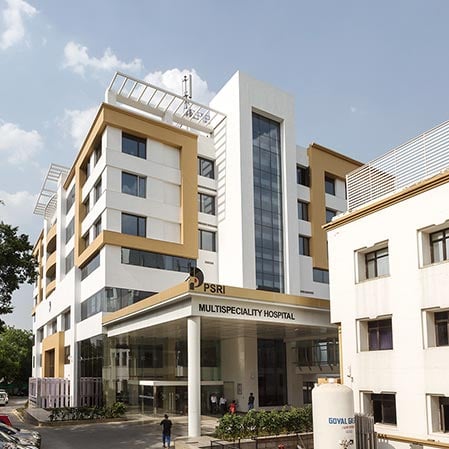
Taasisi ya Utafiti ya Pushpawati Singhania (Hospitali ya PSRI), New Delhi, ni hospitali inayoongoza ya huduma ya juu ya elimu ya juu iliyoanzishwa mwa...
Vibali
Vifaa
Taratibu zinazofanana
Upasuaji wa Upasuaji wa Kipandikizi wa Ateri ya Coronary - CABG katika India
Matunzio
Maswali
Mhakiki
Tazama Zote
Dk. Biswarup Purkayastha ni daktari bingwa wa upasuaji wa moyo na mishipa na mwenye uzoefu mkubwa wa upandikizaji wa moyo na mapafu. Amefanya kazi katika hospitali zinazoongoza za India, akipata uta... Soma zaidi

Tovuti yetu hutumia kuki. Sera ya faragha.