
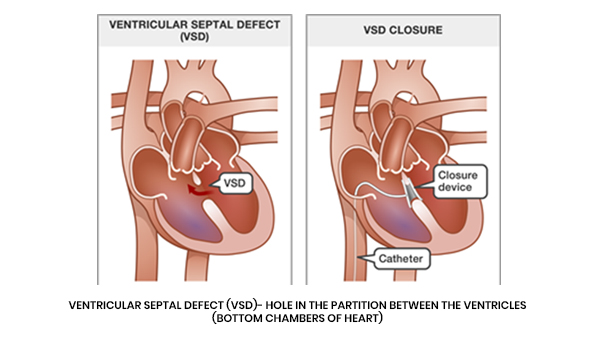
Kasoro ya Septal ya Ventricular - Upasuaji wa VSD Gharama katika India
Kuhusu Kasoro ya Septal ya Ventricular - Upasuaji wa VSD
Kasoro ya Septal ya Ventricular (VSD) ni nini?
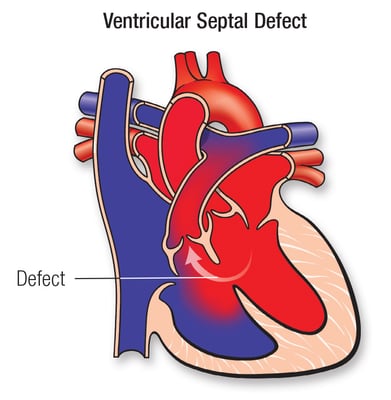
Kasoro ya septamu ya ventrikali, au VSD, ni shimo kwenye septamu inayotenganisha vyumba viwili vya chini vya moyo - ventrikali za kushoto na kulia. Kasoro hiyo husababisha damu iliyojaa oksijeni kutoka kwa ventrikali ya kushoto kuchanganyika na damu isiyo na oksijeni kwenye ventrikali ya kulia. Kwa hiyo, moyo lazima ufanye kazi kwa bidii ili kusukuma oksijeni ya kutosha kwa mwili.
Madaktari huainisha VSD kama mojawapo ya kasoro za moyo za kuzaliwa zinazogunduliwa kwa watoto wachanga na watoto. Katika hali nyingi kali, kasoro hujifunga yenyewe ndani ya miaka michache ya kwanza ya maisha. Hata hivyo, kasoro kubwa zaidi hazitatui kwa njia ya kawaida na zinaweza kusababisha matatizo kama vile shinikizo la damu la juu kwenye mapafu (shinikizo la damu kwenye mapafu), kushindwa kwa moyo, au ukuaji wa watoto kuchelewa.
Ni muhimu kutofautisha katiVSD ndogo na kubwa. Kasoro ndogo inaweza kwenda bila kutambuliwa kutokana na kukosekana kwa dalili na mara nyingi hauhitaji upasuaji. Kwa upande mwingine, VSD kubwa kawaida husababisha dalili kali mapema maishani na zinahitaji uingiliaji wa upasuaji ili kuzuia uharibifu wa moyo wa muda mrefu.
Je! ni aina gani tofauti za kasoro ya Septal ya Ventricular (VSD)?
Madaktari huainisha VSD kulingana na eneo lao ndani ya septamu ya ventrikali. Kila aina inaweza kuathiri kazi ya moyo tofauti na inaweza kuathiri uchaguzi wa mbinu ya upasuaji na gharama ya matibabu. Kuelewa aina ya VSD husaidia wataalamu wa moyo kupanga mbinu bora zaidi na salama ya kufungwa.
- VSD ya Perimembranous:Ni aina ya kawaida ya VSD, iko karibu na valves ya moyo katika sehemu ya juu ya septum. Madaktari wa upasuaji mara nyingi wanapendelea upasuaji wa moyo wazi ili kurekebisha kasoro hizi kwa sababu ya ukaribu wao na miundo muhimu ya moyo. VSD za Perimembranous zina uwezekano mkubwa wa kuhitaji marekebisho ya upasuaji, hasa wakati husababisha uharibifu wa valve au dalili za kushindwa kwa moyo.
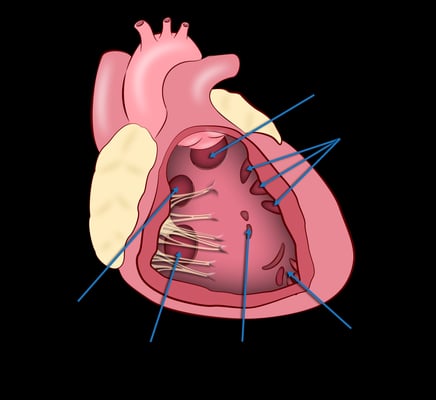
- VSD ya misuli:VSD za misuli huonekana katika sehemu ya chini ya septamu na inaweza kutofautiana kwa ukubwa na idadi. Katika baadhi ya watoto, VSD nyingi za misuli zinaweza kuwepo - hali inayojulikana kama "jibini la Uswisi" septamu. Hizi wakati mwingine zinaweza kufungwa kawaida baada ya muda, lakini kasoro kubwa au nyingi zinaweza kuhitaji kuingilia kati. Kufungwa kwa kifaa mara nyingi ni chaguo, na kufanya matibabu kuwa chini ya vamizi.
- VSD ya kuingiza:VSD za kuingiza zinapatikana karibu na valves za tricuspid na mitral. Kasoro hizi si za kawaida na mara nyingi hutokea kama sehemu ya matatizo magumu zaidi ya moyo ya kuzaliwa, kama vile kasoro za septal ya atrioventricular (AVSD). Kukarabati VSD ya ghuba kwa kawaida huhitaji upasuaji wa moyo wazi na kunaweza kuongeza ugumu wa jumla na gharama ya matibabu.
- VSD (Supracristal VSD):Zikiwa karibu na njia za moyo zinazotoka nje, VSDs ni nadra sana lakini zinaweza kusababisha kupanuka kwa valves zisipotibiwa. Kasoro hizi mara nyingi hupatikana katika watu wa Asia na kwa kawaida hutibiwa kwa kufungwa kwa upasuaji. Kwa sababu ya eneo lao, upasuaji huu unaweza kuhitaji utunzaji wa ziada na muda mrefu wa kupona.
Kila aina ya VSD inatoa changamoto za kipekee. VSD za perimembranous na za nje zinaweza kuhusisha upasuaji ngumu zaidi, wakati VSD za misuli mara nyingi huruhusu kufungwa kwa msingi wa kifaa. Aina ya VSD haiathiri tu dalili na ubashiri wa mtoto lakini pia huathiri moja kwa moja gharama za upangaji wa upasuaji na matibabu.
Ni Dalili Zipi Zinazoonyesha Uhitaji wa Upasuaji wa VSD?
Sio kasoro zote za septamu ya ventrikali (VSDs) zinahitaji upasuaji, haswa ikiwa kasoro ni ndogo na haileti shida. Hata hivyo, wakati dalili zinaendelea na kuwa wazi, madaktari wanaweza kupendekeza kufungwa kwa upasuaji. Zifuatazo ni dalili kuu zinazoashiria hitaji la upasuaji:
- Ugumu wa kupumua wakati wa kulisha:Watoto walio na VSD kubwa mara nyingi hupata shida ya kupumua, haswa wakati wa kula. Unaweza kugundua kupumua haraka, kunung'unika, au kusitisha mara kwa mara wakati wa kulisha. Ishara hizi zinamaanisha moyo unafanya kazi kwa bidii sana na hauwezi kusukuma damu kwa ufanisi.
- Kuongezeka kwa uzito na ukuaji duni:Watoto walio na VSD hawawezi kupata uzito wa kutosha au kupata ukuaji wa kawaida. Miili yao huchoma kalori zaidi ili kusaidia kuongezeka kwa shughuli za moyo, na kuacha nishati kidogo kwa maendeleo ya afya. Hali hii inaitwa "kushindwa kustawi" na mara nyingi inahitaji uingiliaji wa upasuaji wa wakati.
- Maambukizi ya kifua mara kwa mara:Maambukizi ya kupumua ya mara kwa mara, kama vile nimonia au bronchitis, ni ya kawaida kwa watoto walio na VSD isiyosahihishwa. Damu ya ziada inapita kwenye mapafu husababisha shinikizo, na kuifanya iwe rahisi kwa maambukizi kuendeleza. Upasuaji unaweza kupunguza hatari hii kwa kiasi kikubwa.
- Cyanosis (Ngozi ya Bluu au Midomo):Katika baadhi ya matukio, damu isiyo na oksijeni inaweza kuchanganyika na damu iliyojaa oksijeni, na hivyo kusababisha rangi ya samawati kwenye midomo, vidole au ngozi. Hali hiyo inajulikana kama cyanosis na inaonyesha kupungua kwa usambazaji wa oksijeni kwa mwili, ishara ya dharura kwamba upasuaji unaweza kuhitajika.
- Dalili za kushindwa kwa moyo:VSD kubwa huweka mzigo wa ziada kwenye moyo. Baada ya muda, hii inaweza kusababisha dalili za kushindwa kwa moyo, kama vile uvimbe kwenye miguu, uchovu, kuwashwa, au mapigo ya moyo ya haraka. Dalili hizi kawaida haziboresha bila marekebisho ya upasuaji.
Utaratibu wa Upasuaji wa VSD: Unafanywaje?
Upasuaji wa kasoro ya septamu ya ventrikali hufanyika ili kufunga shimo kati ya vyumba vya chini vya moyo. Madaktari wanaweza kutumia upasuaji wa kufungua moyo au njia isiyovamizi sana, kulingana na ukubwa na eneo la kasoro. Hivi ndivyo mbinu zote mbili zinavyofanya kazi:
Upasuaji wa Moyo Wazi kwa Kufungwa kwa VSD
Mara nyingi, madaktari wa upasuaji hufanya upasuaji wa kufungua moyo ili kurekebisha VSD kubwa au ngumu.
- Hatua ya 1: Anesthesia na Maandalizi:Mgonjwa huwekwa chini ya anesthesia ya jumla. Bomba la kupumua linawekwa, na timu ya upasuaji huandaa eneo la kifua.
- Hatua ya 2: Matumizi ya Mashine ya Moyo-Mapafu:Madaktari husimamisha moyo kwa muda na kuunganisha mgonjwa kwa mashine ya kupuuza moyo-mapafu. Mashine hii huhifadhi damu na oksijeni kupita mwilini wakati wa upasuaji.
- Hatua ya 3: Kufungua Kifua na Moyo:Daktari wa upasuaji hufanya chale chini katikati ya kifua ili kufikia moyo. Wanafungua moyo ili kupata kasoro ya septal.
- Hatua ya 4: Kufunga kasoro:Daktari wa upasuaji hutumia kiraka cha syntetisk au stitches ili kufunga shimo. Kipande kinakuwa sehemu ya tishu za moyo kwa muda.
- Hatua ya 5: Kuanzisha upya Moyo:Mara baada ya kasoro kufungwa, daktari wa upasuaji huondoa mgonjwa kutoka kwa mashine ya bypass na kuanzisha upya moyo. Kifua kimefungwa, na mgonjwa huhamishiwa ICU kwa ufuatiliaji.
Kufungwa kwa Kifaa (Njia inayotegemea Catheter)
Kwa wagonjwa wadogo wa VSD, hasa wale wa aina ya misuli, madaktari wanaweza kutumia njia isiyovamizi sana inayoitwa kufungwa kwa msingi wa catheter.
- Hatua ya 1: Kuingiza Catheter:Daktari Bingwa wa magonjwa ya moyo huingiza mrija mwembamba (catheter) kwenye mshipa wa kinena na kuuelekeza kwenye moyo.
- Hatua ya 2: Kuweka Kifaa cha Kufunga:Kutumia mwongozo wa picha, daktari huweka kifaa maalum cha kufungwa kwenye shimo. Inapanua na kuziba kasoro kutoka pande zote mbili.
- Hatua ya 3: Hakuna Upasuaji Wazi Unahitajika:Haijumuishi kukata kifua wazi au kutumia mashine ya mapafu ya moyo. Wagonjwa wengi huenda nyumbani ndani ya siku 1-2.
Muda wa Upasuaji
- Upasuaji wa moyo wazi huchukua masaa 3 hadi 5.
- Kwa kawaida, kufungwa kwa kifaa huchukua saa 1 hadi 2.
Pata mpango wa matibabu ya bure
Kuhusu Kasoro ya Septal ya Ventricular - Upasuaji wa VSD katika India
What is the Cost of Ventricular Septal Defect (VSD) Surgery in India?
The cost of ventricular septal defect (VSD) surgery in India is more affordable than in many other countries. On average, VSD surgery in India costs between ₹2.5 lakh and ₹5.5 lakh, which is roughly $3,000 to $6,500. The exact cost depends on the type of surgery, the hospital, and the patient's condition.
What Does This Cost Usually Include?
Most hospitals in India offer all-inclusive VSD surgery packages. These typically cover:
- Doctor's consultation and surgical fee
- Pre-operative diagnostic tests like echocardiogram, ECG, and blood work
- Operation theatre charges and anesthesia costs
- Heart-lung bypass machine usage (if open surgery is performed)
- ICU and hospital room charges for the duration of the stay
- Medicines and consumables used during and after surgery
- Nursing care and physiotherapy sessions
- Post-surgery follow-ups, usually for 1–2 weeks
Cost Breakdown by Type of VSD Surgery in India
The total cost of VSD surgery in India depends mainly on the type of procedure performed. There are two main options: open-heart surgical closure and device (catheter-based) closure. Here's how the cost typically breaks down:
Surgical Closure Cost
If the defect is large or complex, doctors usually recommend open-heart surgery. It involves making an incision in the chest and using a heart-lung bypass machine.
- Average cost: ₹3.5 lakh – ₹5.5 lakh ($4,200 – $6,500)
- Includes:
- Operation theatre charges
- Cardiopulmonary bypass machine use
- Surgical team fees
- ICU stay for 2–3 days
- Medications and surgical materials
- 5–7 days of hospital stay
Device Closure (Catheter-Based) Cost
For smaller or moderate-sized defects, doctors may use a minimally invasive catheter procedure. A device is inserted through a blood vessel to close the hole, avoiding open surgery.
- Average cost: ₹2.5 lakh – ₹4 lakh ($3,000 – $4,800)
- Includes:
- Procedure and catheter lab usage
- Device implant cost
- Shorter ICU stay (1 day or less)
- Hospital stay of around 2–3 days
- Post-op care and medications
Diagnostic Tests and Imaging
Before surgery, a complete heart evaluation is necessary:
- Echocardiogram: ₹2,000 – ₹4,000
- Cardiac MRI or CT Scan (if needed): ₹5,000 – ₹10,000
- Blood tests and routine screenings: ₹1,000 – ₹2,500
Additional Costs to Consider
- Anesthesia and monitoring: ₹15,000 – ₹30,000
- Surgeon and anesthesiologist fees: ₹40,000 – ₹80,000
- Postoperative medicines and antibiotics: ₹10,000 – ₹20,000
- Follow-up visits and echo scans after discharge: ₹2,000 – ₹5,000 per visit
VSD Surgery Cost Comparison: India vs Other Countries
When it comes to heart surgery, India offers one of the most cost-effective solutions globally, particularly for international patients seeking affordable, high-quality care. Here's how the cost of VSD (Ventricular Septal Defect) surgery compares across countries:
Country | Average VSD Surgery Cost |
| India | $3,000 – $6,500 |
| USA | $30,000 – $50,000 |
| UK | $25,000 – $40,000 |
| Singapore | $20,000 – $35,000 |
| Thailand | $8,000 – $12,000 |
Why Is VSD Surgery More Affordable in India?
Many international patients wonder why VSD surgery in India costs so much less compared to Western countries. The answer lies in several factors that make India both cost-effective and reliable for heart treatments.
- Lower Operational and Labor Costs: Hospitals in India operate with significantly lower operational and labor costs. From medical staff salaries to infrastructure maintenance, these savings reduce the final bill for patients, without affecting treatment quality.
- Competitive Pricing by Top Private Hospitals: India's private hospitals offer world-class cardiac care at prices designed to attract international patients. Many hospitals follow value-based pricing models and offer packages that cover surgery, ICU stay, consultations, and medicines.
- High Surgery Volume Means Greater Efficiency: Indian hospitals perform a substantial number of VSD surgeries annually, particularly in pediatric patients. This high volume builds surgeon expertise and operational efficiency, which lowers costs while boosting success rates.
- Affordable Yet Advanced Medical Technology: Indian heart centers use the latest surgical and diagnostic equipment, often imported from the US or Europe. Despite using the same or similar technology, the cost of care remains far lower due to streamlined practices.
- Transparent and Inclusive Billing: Many Indian hospitals offer all-inclusive packages for international patients. These packages eliminate billing surprises and enable families to plan their medical trip with confidence.
What are the Factors That Affect VSD Surgery Cost in India?
The cost of VSD surgery in India is influenced by several patient- and procedure-specific factors.
- Age of the Patient: Surgery for infants and small children often requires specialized pediatric cardiac teams, delicate equipment, and extended ICU monitoring. It can result in a slight increase in cost compared to surgery in older children or adults.
- Type and Complexity of the Defect: A small or simple VSD usually needs a straightforward closure. However, large or multiple holes or VSDs located near valves may require a more complex surgical approach. It adds to both the surgical duration and cost.
- Method of Closure: Open-heart surgery with a patch closure is generally less expensive than catheter-based device closure, which involves imported devices and specialized interventional cardiology skills.
- Hospital and City Chosen: Hospitals in metropolitan areas, such as Delhi, Mumbai, or Bangalore, may charge slightly more due to their advanced infrastructure and facilities.
- Surgeon's Experience and Team Involvement: More experienced teams may charge higher professional fees, but this often leads to superior outcomes and shorter recovery times.
- Duration of ICU and Hospital Stay: Patients who recover quickly may be able to leave the ICU and hospital sooner, resulting in reduced total expenses. On the other hand, complications or slow recovery can increase the length of stay, adding to the final bill.
- Additional Diagnostics and Follow-Up Care: Pre-surgical tests such as Echocardiograms, Cardiac MRI, or Angiography, and post-surgery follow-up visits are also included in some packages, while others may charge separately.
Recovery and Success Rate After VSD Surgery in India
Recovering from ventricular septal defect surgery is a critical part of the healing journey. In India, thanks to skilled cardiac surgeons, advanced ICUs, and well-coordinated care teams, most patients bounce back well after surgery.
What Is the Recovery Timeline After VSD Surgery?
Recovery after VSD surgery typically happens in stages. Here's how it usually goes:
Immediately After Surgery
- Right after the operation, the patient is moved to the Cardiac Intensive Care Unit (CICU).
- Monitoring of vital signs, heart rhythm, oxygen levels, and fluid balance is constant.
- Most patients stay in the ICU for 1 to 3 days, depending on their age and condition.
- Breathing support (ventilator) is often needed for a short period, especially in infants.
Hospital Stay
- After ICU discharge, patients spend another 4 to 5 days in the general cardiac ward.
- Pain management, wound care, gradual feeding, and gentle mobilization begin.
- By the 7th or 8th day, most patients are stable enough to be discharged from the hospital.
At Home Recovery
- At home, recovery is mostly smooth. Parents are advised to monitor the wound, give medications on time, and ensure the child avoids physical strain.
- Follow-up visits are typically scheduled at 1–2 weeks and again at the 1-month mark.
- Full recovery from VSD surgery generally takes 4 to 6 weeks, though some children may take longer to regain complete strength.
What Helps Speed Up Recovery?
Indian hospitals play a vital role in ensuring smooth recovery. Here's how:
- Minimally invasive options (like device closure) reduce pain and allow faster healing.
- Pediatric nutritionists help create dietary plans that support tissue repair and immune function.
- Post-surgical physiotherapy helps older children regain stamina safely.
- Family education sessions teach parents how to monitor for signs of infection or fluid buildup at home.
Hospitals also provide 24/7 phone support during the first few weeks after discharge, especially for international patients who may be staying in nearby recovery residences.
What Is the Success Rate of VSD Surgery in India?
The success rate of VSD surgery in India is extremely high, especially in top cardiac centers.
- For uncomplicated cases, the success rate is above 98%.
- In complex cases or for very young infants, success rates remain high, exceeding 90%, depending on the presence of additional risk factors.
- Device-based closures often yield near-perfect results when performed by experienced hands.
What Makes Indian Hospitals So Successful with VSD Surgeries?
Several reasons explain the high success rates:
- Highly trained pediatric cardiac surgeons with years of experience.
- Use of modern techniques and imported closure devices.
- Dedicated pediatric cardiac ICUs with advanced equipment and neonatal care.
- Strict infection control protocols are especially crucial for babies and infants.
- Access to affordable, high-quality postoperative care helps prevent complications and improve outcomes.
Support Services for International Patients Seeking VSD Surgery in India
Traveling abroad for a heart surgery like VSD correction can feel overwhelming. That's why top hospitals in India offer dedicated international patient support to make the journey smooth, safe, and stress-free. From the moment you fill the initial consultation form until you have fully recovered, Indian medical teams stand by your side with complete assistance.
- Pre-Arrival Consultation: Indian hospitals offer free online consultations to review medical reports and provide personalized treatment plans before your travel.
- Visa Assistance: Hospitals provide visa invitation letters and guide you through the medical visa process to make travel smooth and hassle-free.
- Airport Pickup and Transfers: Dedicated teams arrange airport pickups and hospital transfers, so you don't have to worry about local transportation.
- Language Interpretation: Trained interpreters are available for major international languages, ensuring you understand every medical detail clearly.
- Accommodation Help: Support staff assists in booking nearby guesthouses or hotels that match your budget and comfort preferences.
- Personalized Patient Coordinators: You'll be assigned a coordinator who manages everything, so you always have someone to rely on.
- Meals & Dietary Needs: International patients can request customized meals that cater to their specific dietary or religious requirements during their hospital stay.
- Follow-Up & Aftercare: Even after discharge, hospitals provide virtual follow-ups via video calls to ensure a smooth recovery back home.
Kasoro ya Septal ya Ventricular - Upasuaji wa VSD kulinganisha gharama na nchi
Linganisha Kasoro ya Septal ya Ventricular - Upasuaji wa VSD gharama katika nchi tofauti kufanya uamuzi sahihi juu ya matibabu yako.
| Nchi | Anuwai ya gharama (USD) | Akiba inayowezekana | Hatua |
|---|---|---|---|
IndiaSasaThamani bora | $3,000 - $6,500 | — | Pata nukuu |
Kumbuka: Gharama zinaweza kutofautiana kulingana na uchaguzi wa hospitali, aina ya chumba, huduma za ziada, na mahitaji ya matibabu ya mtu binafsi.
Hospitali zinazoongoza kwa Kasoro ya Septal ya Ventricular - Upasuaji wa VSD katika India
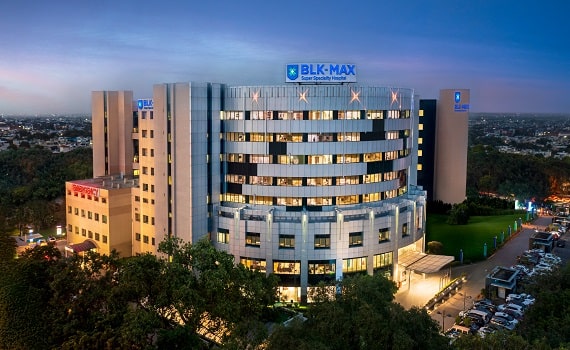
BLK-Max Super Specialty Hospital, New Delhi
BLK-Max Super Specialty Hospital huko New Delhi ni mojawapo ya taasisi kuu za afya ya India, inayotoa vitanda 650, kumbi 22 za upasuaji za hali ya juu...
Vibali
Vifaa
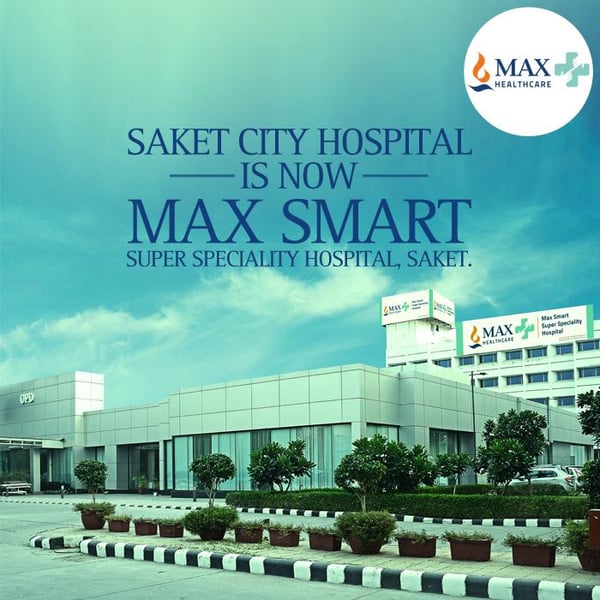
Hospitali ya Maalum ya Max Smart Super, Saket, New Delhi
Max Smart Super Specialty Hospital, Saket, ni hospitali ya huduma ya juu ya vitanda 250 huko Delhi Kusini. Inatoa huduma ya juu ya matibabu na upasuaj...
Vibali
Vifaa
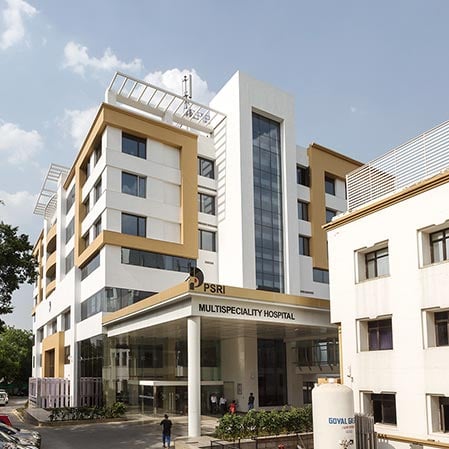
Hospitali ya PSRI, Delhi
Taasisi ya Utafiti ya Pushpawati Singhania (Hospitali ya PSRI), New Delhi, ni hospitali inayoongoza ya huduma ya juu ya elimu ya juu iliyoanzishwa mwa...
Vibali
Vifaa
Taratibu zinazofanana
Upasuaji wa Upasuaji wa Kipandikizi wa Ateri ya Coronary - CABG katika India
Matunzio
Maswali
Mhakiki
Tazama Zote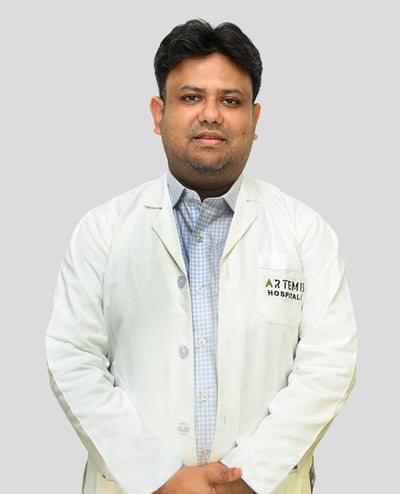
Dk. Biswarup Purkayastha ni daktari bingwa wa upasuaji wa moyo na mishipa na mwenye uzoefu mkubwa wa upandikizaji wa moyo na mapafu. Amefanya kazi katika hospitali zinazoongoza za India, akipata uta... Soma zaidi

Tovuti yetu hutumia kuki. Sera ya faragha.