
Upasuaji wa Kubadilisha Mabega Gharama katika India
Kuhusu Upasuaji wa Kubadilisha Mabega
Upasuaji wa Kubadilisha Mabega ni Nini?
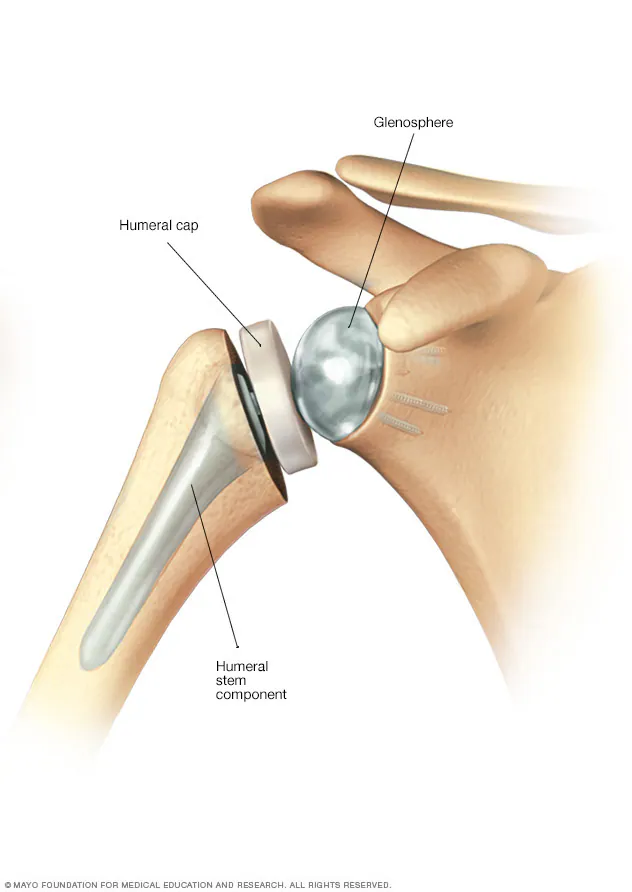
Upasuaji wa uingizwaji wa bega (aka arthroplasty) ni upasuaji ambao sehemu zilizoharibiwa za pamoja za bega hubadilishwa na vifaa vya bandia. Vipengele hivi, vilivyotengenezwa kwa chuma na plastiki, vimeundwa kuiga harakati ya asili ya bega yenye afya.
Bega ni kiungo cha mpira-na-tundu ambapo sehemu ya juu ya mfupa wa mkono (humerus) inaingia kwenye tundu la kina (glenoid) la blade ya bega. Baada ya muda, hali kama vile osteoarthritis, rheumatoid arthritis, nekrosisi ya mishipa ya damu, au majeraha makubwa yanaweza kuchakaa au kuharibu kiungo hiki, na kusababisha maumivu, ukakamavu, na kupunguza uhamaji.
Wakati wa utaratibu, upasuaji wa mifupa hubadilisha kichwa cha mfupa wa mkono wa juu na mpira wa chuma na hufufua glenoid na kikombe cha plastiki laini. Katika baadhi ya matukio, sehemu moja tu ya pamoja inabadilishwa. Lengo la uingizwaji wa bega ni kurejesha kazi ya pamoja, kuondoa maumivu, na kuboresha uwezo wa mgonjwa kufanya shughuli za kila siku.
Mbinu za kisasa za upasuaji, vipandikizi vya hali ya juu, na mipango ya urekebishaji ya kibinafsi imefanya uingizwaji wa bega kuwa chaguo la mafanikio kwa wagonjwa ambao hawapati tena ahueni kutokana na dawa, tiba ya mwili, au matibabu yasiyovamizi.
Upasuaji wa Ubadilishaji wa Bega unahitajika lini?
Madaktari wanapendekeza upasuaji wa uingizwaji wa bega wakati uharibifu wa viungo unapunguza sana harakati zako na huathiri ubora wa maisha yako. Huenda ukahitaji utaratibu huu ikiwa umejaribu matibabu yasiyo ya upasuaji kama vile dawa, sindano, au tiba ya kimwili lakini bado unapata maumivu na ukakamavu unaoendelea.
Ikiwa yakomaumivu ya begahukuzuia kuvaa, kuinua vitu, kulala, au kufanya kazi za kila siku (hata baada ya kupumzika au matibabu), upasuaji unaweza kuwa hatua inayofuata. Wagonjwa naarthritis ya juumara nyingi ni vigumu kuzungusha mkono wao au kuinua juu ya kichwa. Vile vile, watu wenyefractures tataau kushindwa kwa upasuaji wa awali kunaweza pia kufaidika na uingizwaji wa bega.
Daktari wako wa upasuaji wa mifupa atatathmini dalili zako, mapungufu ya kimwili, na matokeo ya kufikiria kabla ya kuamua kama upasuaji ni muhimu. Uamuzi kwa kawaida hutegemea ni kiasi gani uharibifu wako wa viungo unaingilia utaratibu wako na kama kuna uwezekano wa kuwa mbaya zaidi baada ya muda.
Je! ni aina gani tofauti za upasuaji wa kubadilisha mabega?
Madaktari wa upasuaji huchagua aina ya uingizwaji wa bega kulingana na hali ya kiungo chako, kiwango cha uharibifu, na afya yako kwa ujumla. Kila utaratibu hutumikia kusudi maalum na hutoa faida za kipekee.
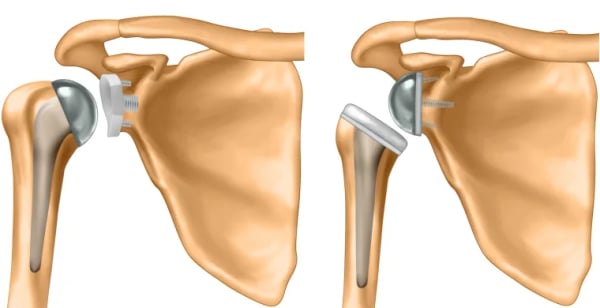
- Ubadilishaji Jumla wa Mabega:Katika utaratibu huu, madaktari wa upasuaji hubadilisha mpira na tundu na vifaa vya bandia. Inafanya kazi vizuri zaidi kwa wagonjwa walio na ugonjwa wa yabisi kali na misuli isiyobadilika ya cuff ya rotator. Aina hii hurejesha harakati za pamoja za laini na hupunguza kwa kiasi kikubwa maumivu.
- Ubadilishaji wa Mabega kwa Sehemu (Hemiarthroplasty):Hapa, kichwa cha humeral tu kinabadilishwa, wakati tundu linabaki bila kubadilika. Madaktari wanapendekeza hili wakati mpira umeharibiwa lakini tundu bado ni afya, mara nyingi baada ya fracture kali au kuumia pekee kwa mfupa wa juu wa mkono.
- Ubadilishaji wa Mabega ya Nyuma:Katika hali ambapo cuff ya rotator imevunjwa zaidi ya ukarabati, uingizwaji wa bega wa nyuma hutoa suluhisho. Madaktari wa upasuaji hugeuza muundo wa kawaida wa kiungo cha bega kwa kuunganisha sehemu ya mpira kwenye blade ya bega na tundu kwenye mkono wa juu. Inaruhusu misuli mingine kuchukua harakati za mkono.
- Ubadilishaji wa Bega lisilo na shina:Mbinu hii mpya huondoa shina refu la chuma lililoingizwa kimila kwenye mfupa wa mkono. Badala yake, implant imeunganishwa moja kwa moja kwenye sehemu ya juu ya mfupa. Ni bora kwa wagonjwa wachanga walio na ubora mzuri wa mfupa na husaidia kuhifadhi mfupa asilia zaidi kwa taratibu za siku zijazo ikihitajika.
Kwa kuchagua mbinu inayofaa zaidi, madaktari wa upasuaji wanaweza kurekebisha upasuaji kulingana na mahitaji yako, kuhakikisha kupona haraka na matokeo bora ya muda mrefu.
Je, Utaratibu Hufanywaje?
Madaktari wa upasuaji hufanya upasuaji wa kubadilisha bega chini ya anesthesia ya jumla au ya kikanda ili kuhakikisha kuwa hauhisi maumivu wakati wa utaratibu. Mara tu unapojitayarisha, timu ya upasuaji husafisha na kukanda eneo hilo ili kudumisha mazingira safi.
- Kisha daktari wa upasuaji hufanya chale juu ya mbele au upande wa bega ili kufikia kiungo kilichoharibiwa.
- Wanaondoa kwa uangalifu sehemu zilizochoka au zilizovunjika za kichwa cha humeral na tundu. Kisha, wao hutengeneza upya nyuso za mfupa ili kutoshea vipengele vya bandia.
- Mpira wa bandia, kwa kawaida hutengenezwa kwa chuma, huingizwa kwenye mfupa wa juu wa mkono, na tundu limewekwa na plastiki laini au kikombe cha polyethilini.
- Iwapo unafanyiwa mabadiliko ya bega, daktari wa upasuaji anaambatanisha mpira kwenye ubao wa bega na tundu kwenye sehemu ya juu ya mfupa wa mkono wa juu, na hivyo kurudisha nyuma muundo wa asili wa kiungo. Njia hii husaidia wagonjwa walio na uharibifu usioweza kurekebishwa wa kofu ya mzunguko kurejesha utendaji wa mkono.
- Mara tu vipandikizi vimeimarishwa, daktari wa upasuaji hujaribu kiungo kipya kwa mwendo laini na upatanisho.
- Baada ya kuthibitisha utendakazi sahihi, wao hufunga mkato na sutures au kikuu na kuweka mavazi ya kuzaa juu ya tovuti. Upasuaji wote wa uingizwaji kawaida huchukua masaa 2 hadi 3.
Baada ya utaratibu, unahamia kwenye chumba cha kupona, ambapo wataalamu wa afya hufuatilia dalili zako muhimu na viwango vya maumivu. Wagonjwa wengi huanza harakati za mikono kwa upole ndani ya siku moja au mbili chini ya usimamizi wa physiotherapist.
Pata mpango wa matibabu ya bure
Kuhusu Upasuaji wa Kubadilisha Mabega katika India
How Much Does Shoulder Replacement Surgery Cost in India?
The cost of shoulder replacement surgery in India ranges from ₹2,50,000 to ₹6,50,000, which is approximately $3,000 to $7,800. The pricing varies based on the type of surgery performed, the choice of implant, the hospital's location, and the surgeon's expertise.
India offers a cost advantage without compromising on surgical quality or patient safety. Most hospitals include not just the surgery itself, but also pre-surgical investigations, surgeon's fees, anesthesia, the implant, hospital stay, and post-operative care in the overall package.
Type of Shoulder Replacement | Estimated Cost (INR) | Estimated Cost (USD) |
| Partial Shoulder Replacement | ₹2,50,000 – ₹4,00,000 | $3,000 – $4,800 |
| Total Shoulder Replacement | ₹3,00,000 – ₹5,50,000 | $3,600 – $6,600 |
| Reverse Shoulder Replacement | ₹4,00,000 – ₹6,50,000 | $4,800 – $7,800 |
These costs make India a preferred destination for international patients seeking affordable joint replacement without long waiting times. Moreover, leading hospitals in India use the same FDA- and CE-approved implants used in Western countries, ensuring quality and durability.
What's Included in the Shoulder Replacement Cost?
When hospitals in India quote a price for shoulder replacement surgery, they typically offer a comprehensive package that covers every stage of your treatment. This bundled cost gives international patients peace of mind by reducing unexpected expenses.
- Surgeon's Fee: The operating surgeon's consultation, surgical charges, and in-theatre time are part of the total cost.
- Anesthesia and Anesthetist Charges: The cost includes general or regional anesthesia, along with the anesthetist's services during surgery.
- Hospital Stay: You get a private or semi-private room with nursing care for 4 to 7 days, depending on your recovery.
- Surgical Implants: High-quality imported or Indian-manufactured shoulder implants, selected according to your diagnosis, are included in the price.
- Operating Theatre Charges: This covers equipment use, sterilization, and surgical support staff.
- Pre-Operative Tests: Blood tests, ECG, chest X-ray, and MRI or CT scans (if needed) are conducted before the surgery and included in most packages.
- Post-Operative Care: Immediate post-op care, antibiotics, pain control, and dressing changes are typically part of the cost.
- Initial Physiotherapy Sessions: Most hospitals begin rehab within 24–48 hours and include 2–3 sessions before discharge.
Some premium packages may also include airport transfers, medical visa assistance, and follow-up consultations. It's essential to check the exact inclusions with your hospital in advance to ensure complete clarity.
Cost Breakdown of Shoulder Replacement in India
The total price of shoulder replacement surgery includes several components that vary slightly depending on the hospital, implant brand, and length of stay. Here's how the overall cost typically breaks down:
- Pre-Surgical Investigations (₹5,000 – ₹10,000 / $60 – $120): Before surgery, doctors order blood tests, X-rays, and imaging scans like MRI or CT to assess joint damage. These diagnostic procedures help confirm the need for surgery and guide the surgical plan.
- Surgeon and Anesthetist Charges (₹50,000 – ₹1,00,000 / $600 – $1,200): This includes the fees for the orthopedic surgeon performing the procedure and the anesthetist responsible for sedation and pain management during surgery.
- Implant Cost (₹80,000 – ₹2,00,000 / $950 – $2,400): Shoulder implants account for a significant portion of the total expense. The price depends on the type (partial, total, or reverse), the brand (Indian or imported), and the material used (metal, ceramic, or polyethylene).
- Hospitalization and Surgical Facility Charges (₹60,000 – ₹1,00,000 / $700 – $1,200): This covers the cost of using the operating theatre, surgical tools, sterilization, and nursing services. It also includes your stay in a standard or deluxe room for 4–7 days.
- Medications and Consumables (₹15,000 – ₹25,000 / $180 – $300): Post-operative medicines, antibiotics, IV fluids, surgical dressings, and disposable supplies used during your hospital stay are all covered in this cost.
- Post-Operative Physiotherapy (₹15,000 – ₹30,000 / $180 – $360): Rehabilitation begins soon after surgery and is crucial for restoring shoulder mobility. Most hospitals include a few in-house physio sessions, while extended therapy is billed separately or arranged later.
- Follow-Up Consultation and Discharge Care (₹5,000 – ₹10,000 / $60 – $120): Before you leave, doctors monitor your healing progress, advise on medication, and guide you through at-home care and exercises.
Treatment Component | Estimated Cost (INR) | Estimated Cost (USD) |
| Pre-Surgical Investigations | ₹5,000 – ₹10,000 | $60 – $120 |
| Surgeon & Anesthetist Fees | ₹50,000 – ₹1,00,000 | $600 – $1,200 |
| Implant Cost | ₹80,000 – ₹2,00,000 | $950 – $2,400 |
| Hospital & OT Charges | ₹60,000 – ₹1,00,000 | $700 – $1,200 |
| Medications & Consumables | ₹15,000 – ₹25,000 | $180 – $300 |
| Post-Op Physiotherapy | ₹15,000 – ₹30,000 | $180 – $360 |
| Follow-Up & Discharge Services | ₹5,000 – ₹10,000 | $60 – $120 |
| Total Estimated Range | ₹2,50,000 – ₹6,50,000 | $3,000 – $7,800 |
Cost Comparison with Other Countries
Patients from around the world travel to India for shoulder replacement surgery because of the significant cost advantage. While hospitals in Western countries offer similar technology and medical expertise, the total expense is often out of reach for many individuals.
In contrast, Indian hospitals deliver the same level of surgical quality, implant brands, and post-operative care at a fraction of the global cost. Below is a direct cost comparison to help you understand how India stands out in terms of affordability.
Country | Average Cost (USD) | Inclusions |
| India | $3,000 – $7,800 | Surgery, implant, hospital stay, diagnostics, rehab, meds |
| United States | $25,000 – $55,000 | Usually excludes post-op rehab and long hospital stays |
| United Kingdom | $20,000 – $40,000 (Private) | NHS covers for UK residents only; private care is costly |
| Canada | $30,000 – $45,000 | Publicly funded for citizens; not for international patients |
| UAE | $18,000 – $35,000 | Cost varies by hospital tier; may exclude implant charges |
| Singapore | $12,000 – $22,000 | High-quality care, but expensive due to premium services |
| Thailand | $8,000 – $14,000 | More affordable than the West but costlier than India |
Factors Affecting Shoulder Replacement Cost
The cost of shoulder replacement surgery doesn't stay the same for every patient. Several key factors influence the final price, depending on your specific medical needs, implant choice, and hospital preferences.
- Type of Shoulder Replacement Performed: Total, partial, or reverse replacements involve different surgical complexities and implant requirements. Reverse shoulder replacement typically costs more due to the advanced technique and prosthesis used.
- Choice of Implant Brand and Material: Imported implants from global brands like Zimmer Biomet, Stryker, or Johnson & Johnson are more expensive than Indian-manufactured alternatives. The material also influences the cost.
- Hospital Category and City: Multispecialty hospitals in metro cities like Delhi, Mumbai, or Bangalore usually charge more than smaller hospitals in tier-2 cities.
- Surgeon's Experience and Reputation: Highly experienced orthopedic surgeons with global training and a strong track record may charge a premium, especially for complex or revision cases.
- Length of Hospital Stay: While most patients are discharged in 4 to 7 days, complications or underlying conditions may require a longer stay, resulting in higher room and care charges.
- Pre-Existing Health Conditions: Patients with diabetes, heart conditions, or obesity may need extra monitoring, medications, or ICU care, which can raise the overall treatment cost.
- Rehabilitation Requirements: Post-operative physiotherapy is essential for recovery. If you need an extended rehab program or sessions beyond the hospital stay, this will increase your total expenses.
Why Is Shoulder Replacement Surgery More Affordable in India?
India offers a unique combination of world-class orthopedic care and significantly lower costs. The affordability doesn't come from cutting corners. It comes from efficient systems, government regulation, and high patient volumes that allow hospitals to maintain international standards without the hefty price tags.
- Lower Operational and Staffing Costs: Hospitals in India operate at a fraction of the administrative and labor costs seen in Western countries.
- Government-Regulated Implant Pricing: The Indian government has introduced price caps on medical implants, including orthopedic devices.
- Competitive Medical Market: India's medical tourism sector is highly competitive. To attract international patients, top hospitals offer cost-effective packages that bundle surgery, hospital stay, and rehab.
- No Hidden Overheads: Unlike in some countries where separate bills are raised for every small service, Indian hospitals often offer all-inclusive pricing.
- High Patient Volume and Surgical Experience: Because Indian surgeons handle more joint replacement cases each year, they gain more experience. It leads to faster surgeries, fewer complications, and reduced hospital stays.
What are the Services Available for International Patients?
Hospitals in India understand the unique needs of international patients and provide dedicated support from the moment you make your first inquiry. These extra services are designed to make your medical journey smooth, safe, and stress-free.
- Free Medical Consultation Before Arrival: You can share your reports and medical history online to get a personalized treatment plan and cost estimate (at no charge) before you even book your flight.
- Medical Visa Assistance: Hospital teams help you secure a medical visa by issuing official visa invitation letters and guiding you through the application process.
- Airport Pickup and Drop: A dedicated transport team arranges airport transfers for patients and attendants, ensuring you arrive safely at your hospital or accommodation.
- Language Support and Translation: Hospitals offer multilingual coordinators fluent in Arabic, French, Swahili, Russian, and other languages to help you communicate clearly during your stay.
- Dedicated International Patient Coordinators: From scheduling appointments to assisting with billing, a personal case manager supports you throughout your treatment journey.
- Accommodation and Food Arrangements: Whether you need a budget guesthouse or a hotel near the hospital, support staff can help arrange accommodation. Most hospitals also provide customized meals for patients with dietary restrictions.
- Post-Treatment Follow-Up: Even after you return home, hospitals continue to support you via teleconsultation, follow-up prescriptions, and physiotherapy guidance.
What is the Success Rate and Recovery Time After Shoulder Replacement Surgery in India?
Shoulder replacement surgery in India delivers consistently high success rates, thanks to skilled surgeons, advanced surgical techniques, and standardized care protocols. On average, the success rate of shoulder replacement procedures in leading Indian hospitals ranges from 90% to 95%, primarily when performed on patients with no primary underlying health conditions.
Most shoulder replacement patients report significant pain relief and improved shoulder function within weeks of surgery. The long-term success of the shoulder implant depends on how well you follow post-operative instructions, including physiotherapy and activity restrictions. Modern implants used in India are designed to last 15 to 20 years or longer with proper care.
In terms of recovery time:
- Hospital stay usually lasts 4 to 7 days, depending on your response to the surgery.
- Initial recovery, which includes managing pain and regaining basic arm movement, typically takes 2 to 4 weeks.
- Complete recovery, where you regain full range of motion and return to most activities, can take 3 to 6 months with regular physiotherapy.
Patients who undergo reverse shoulder replacement may need slightly more time due to the altered joint structure, but functional results are often excellent. Early mobility and guided rehab play a key role in achieving the best outcome.
What are the Risks and Complications of Shoulder Replacement?
While shoulder replacement surgery is safe and highly effective, every surgical procedure carries some level of risk. Fortunately, serious complications are rare, especially when experienced orthopedic surgeons operate in accredited hospitals.
Some of the most common risks associated with shoulder replacement are:
- Infection: Despite sterilization protocols, infections can occur at the incision site or around the implant. Hospitals in India use antibiotics before and after surgery to reduce this risk. If an infection does occur, it may require additional treatment or, in rare cases, revision surgery.
- Implant Loosening or Wear: Over time, the artificial components may loosen or wear down, especially in very active patients. Surgeons reduce this risk by selecting the right implant size and using bone cement or press-fit techniques to secure the prosthesis.
- Nerve or Blood Vessel Injury: Though rare, nerves or blood vessels near the shoulder can be damaged during surgery. Surgeons take great care to avoid these structures, and most nerve-related symptoms are temporary.
- Stiffness or Reduced Range of Motion: Without regular physiotherapy, some patients may develop joint stiffness or limited mobility after surgery. Early and consistent rehabilitation helps prevent this outcome.
- Dislocation: Reverse shoulder replacements carry a small risk of the joint popping out of place. Following activity restrictions and rehab guidelines significantly reduces this chance.
- Blood Clots: Deep vein thrombosis is uncommon but possible after any major surgery. Doctors prescribe blood thinners and encourage movement soon after the shoulder replacement surgery to reduce the risk of clots.
Upasuaji wa Kubadilisha Mabega kulinganisha gharama na nchi
Linganisha Upasuaji wa Kubadilisha Mabega gharama katika nchi tofauti kufanya uamuzi sahihi juu ya matibabu yako.
| Nchi | Anuwai ya gharama (USD) | Akiba inayowezekana | Hatua |
|---|---|---|---|
IndiaSasaThamani bora | $3,000 - $7,800 | — | Pata nukuu |
Kumbuka: Gharama zinaweza kutofautiana kulingana na uchaguzi wa hospitali, aina ya chumba, huduma za ziada, na mahitaji ya matibabu ya mtu binafsi.
Hospitali zinazoongoza kwa Upasuaji wa Kubadilisha Mabega katika India

BLK-Max Super Specialty Hospital, New Delhi
BLK-Max Super Specialty Hospital huko New Delhi ni mojawapo ya taasisi kuu za afya ya India, inayotoa vitanda 650, kumbi 22 za upasuaji za hali ya juu...
Vibali

Vifaa

Hospitali ya Maalum ya Max Smart Super, Saket, New Delhi
Max Smart Super Specialty Hospital, Saket, ni hospitali ya huduma ya juu ya vitanda 250 huko Delhi Kusini. Inatoa huduma ya juu ya matibabu na upasuaj...
Vibali
Vifaa
Hospitali ya PSRI, Delhi
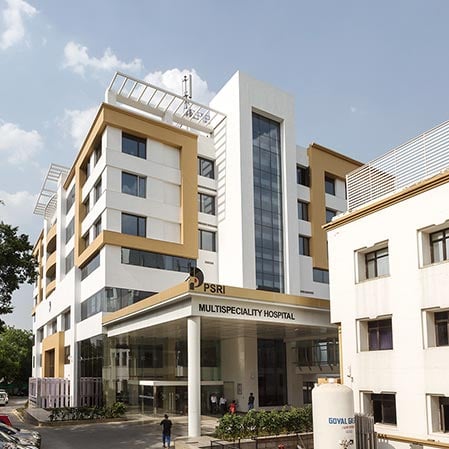
Taasisi ya Utafiti ya Pushpawati Singhania (Hospitali ya PSRI), New Delhi, ni hospitali inayoongoza ya huduma ya juu ya elimu ya juu iliyoanzishwa mwa...
Vibali
Vifaa
Taratibu zinazofanana
Transforaminal Lumbar Interbody Fusion - Upasuaji wa TLIF katika India
Matunzio
Maswali
Mhakiki
Tazama Zote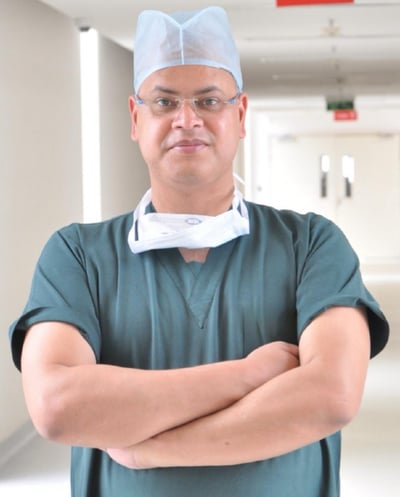
Dr. Ramkinkar Jha is an accomplished orthopaedic surgeon with extensive experience across India’s leading hospitals. He is renowned for his expertise in joint reconstruction, robotic-assisted surger... Soma zaidi

Tovuti yetu hutumia kuki. Sera ya faragha.