
Ubadilishaji wa Hip Jumla - THR Gharama katika India
Kuhusu Ubadilishaji wa Hip Jumla - THR
Je! Ubadilishaji Jumla wa Hip ni nini na kwa nini hufanywa?
Total hip replacement (THR), pia inajulikana kama total hip arthroplasty, ni utaratibu changamano wa upasuaji ambapo kiungo cha nyonga kilichoharibika hubadilishwa na vijenzi vilivyoundwa na binadamu. Inafanywa ili kupunguza maumivu ya nyonga na ugumu unaoendelea ambao haujibu tena kwa dawa au tiba ya mwili.
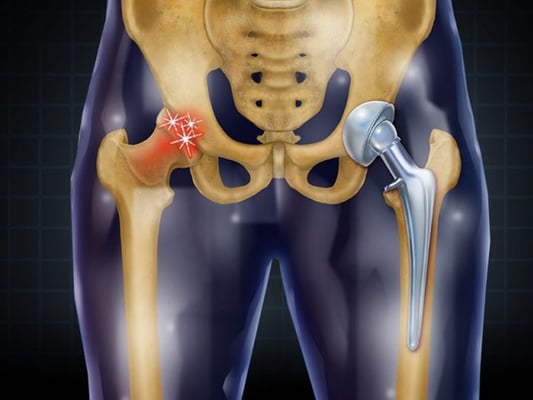
Kiungo cha hip ni kiungo cha mpira-na-tundu. Mpira, ambayo ni kichwa cha kike, inafaa ndani ya tundu (acetabulum) ya pelvis. Katika hali kama vileosteoarthritis, arthritis ya rheumatoid, mishipa nekrosisi, aufractures ya nyonga, kiungo hiki kinaweza kuchakaa au kuharibika. Matokeo yake, wagonjwa wanaweza kupata maumivu makali, uvimbe, harakati zilizozuiliwa, na ugumu wa kutembea au kukaa kwa muda mrefu.
Wakati wa THR, daktari wa upasuaji wa mifupa huondoa sehemu zilizoharibiwa za kiungo cha nyonga na kuzibadilisha na mchanganyiko wachuma, kauri, au vipandikizi vya plastiki vya hali ya juu. Pamoja ya hip ya bandia imeundwa ili kuiga kazi ya asili ya hip, kuimarisha uhamaji na kuboresha ubora wa maisha.
Wagonjwa wengi ambao hubadilishwa nyonga hurejesha uwezo wao wa kutembea bila maumivu na kurudi kwenye shughuli za kawaida ndani ya miezi michache. Inapendekezwa hasa wakati maumivu yanasumbua usingizi, hupunguza uhuru, au huathiri maisha ya kila siku licha ya matibabu ya kihafidhina.
Je! ni aina gani tofauti za uingizwaji wa nyonga?
Jumla ya upasuaji wa kubadilisha nyonga sio utaratibu wa ukubwa mmoja. Kulingana na hali ya mgonjwa, umri, maisha, na muundo wa mfupa, madaktari wa upasuaji wa mifupa hupendekeza aina tofauti za mbinu za uingizwaji wa hip. Kila aina inahusisha kuchukua nafasi ya kiungo cha hip, lakini mbinu ya upasuaji, nyenzo za kupandikiza, na njia ya kurekebisha inaweza kutofautiana.
Ubadilishaji Jumla wa Hip (THR ya Kawaida)
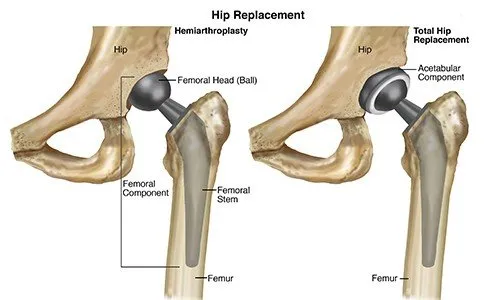
Ni aina inayofanywa zaidi. THR inahusisha kubadilisha kichwa cha fupa la paja (mpira) na acetabulum (tundu) kwa vijenzi bandia. THR ni bora kwa wagonjwa walio na arthritis kali, kuzorota kwa viungo, au fractures nyingi. Urejeshaji ni wa kuaminika, na matokeo ya muda mrefu ni bora wakati unafanywa na vipandikizi vya kisasa.
Ubadilishaji wa Hip kwa Sehemu (Hemiarthroplasty)
Katika toleo hili, tu kichwa cha kike (mpira) kinabadilishwa, wakati tundu linabakia. Ubadilishaji sehemu ya nyonga kwa kawaida hufanywa kwa wagonjwa wazee walio na nyonga iliyovunjika lakini cartilage yenye soketi yenye afya. Inahusisha upasuaji mfupi na kupona haraka, lakini inaweza kuwa haifai kwa uharibifu unaohusiana na arthritis.
Ubadilishaji wa Hip Uvamizi kwa Kidogo
Mbinu hii ya upasuaji hutumia chale ndogo (~ inchi 2) ikilinganishwa na upasuaji wa jadi, na kusababisha uharibifu mdogo wa tishu, kupunguza maumivu na uponyaji wa haraka. Mbinu za uvamizi wa kiwango cha chini hutumiwa katika uingizwaji wa jumla na sehemu, lakini zinahitaji madaktari wa upasuaji wenye ujuzi na uteuzi sahihi wa wagonjwa.
Ubadilishaji wa Hip baina ya nchi mbili
Pia inajulikana kama uingizwaji wa nyonga mbili, utaratibu huu unafanywa wakati nyonga zote zimeathirika sana na zinahitaji upasuaji. Inaweza kufanywa katika hatua moja au katika hatua mbili zilizopangwa kwa wiki chache. Ingawa inahusisha urejesho wa muda mrefu, inaboresha uhamaji wa viungo vya hip na ubora wa maisha kwa wagonjwa wenye ugonjwa wa hip wa pande mbili.
Revision Hip Replacement
Ni upasuaji mgumu zaidi unaofanywa wakati kipandikizo cha awali cha nyonga kinashindwa kwa sababu ya uchakavu, maambukizi, au kulegea. Upasuaji huo unahusisha kuondoa bandia ya zamani na kuibadilisha na mpya. Utaratibu unahitajika kitaalam na kwa kawaida ni ghali zaidi kuliko uingizwaji wa nyonga msingi.
Saruji dhidi ya Urekebishaji Usio na Sanduku
Katika uingizwaji wa hip ulioimarishwa, saruji ya mfupa hutumiwa kuimarisha sehemu za bandia kwenye mfupa. Katika vipandikizi ambavyo havijaimarishwa, vipengee vimewekwa kwenye mfupa, na hivyo kuruhusu ukuaji wa mfupa wa asili kuwalinda kwa muda. Wagonjwa wachanga mara nyingi hupokea vipandikizi ambavyo havijaimarishwa, ilhali watu wazima wanaweza kufaidika na zile za saruji kwa urekebishaji wa haraka na uthabiti.
Je! Upasuaji wa Jumla wa Kubadilisha Makalio Hufanywaje?
Upasuaji wa jumla wa nyonga ni utaratibu uliopangwa vizuri na unaotekelezwa kwa uangalifu ambao huchukua nafasi ya kiungo kilichoharibiwa cha nyonga na kingine bandia. Kusudi ni kurejesha utendaji wa viungo, kupunguza maumivu, na kuruhusu wagonjwa wa THR kurudi kwenye maisha ya kazi zaidi, bila maumivu.
- Maandalizi ya awali:Kabla ya upasuaji, mgonjwa hupitia tathmini ya kina ya matibabu, ambayo inajumuisha vipimo vya damu, ECG, X-ray ya kifua, na uchunguzi wa picha kama vile X-ray au MRI ya nyonga. Timu ya mifupa inaelezea utaratibu, hujibu maswali, na kupata kibali cha habari. Siku ya upasuaji, mgonjwa anakubaliwa, na tovuti ya upasuaji husafishwa na kuweka alama.
- Usimamizi wa Anesthesia:Daktari wa anesthesiologist hutoa anesthesia ya mgongo (kupunguza nusu ya chini ya mwili) au anesthesia ya jumla (kuweka mgonjwa usingizi).
- Chale ya Upasuaji na Ufikiaji:Mara tu anesthesia inapoanza kutumika, daktari wa upasuaji hufanya chale sahihi karibu na upande au nyuma ya nyonga. Mahali na ukubwa wa chale hutegemea ikiwa mbinu ya jadi au ya uvamizi mdogo inatumika. Daktari wa upasuaji hutenganisha kwa upole misuli na tishu ili kufichua kiungo cha hip.
- Uondoaji wa Mfupa Ulioharibiwa:Kisha, daktari wa upasuaji hutenganisha kiungo cha hip ili kuondoa kichwa cha kike kilichoharibika (mpira wa mfupa wa paja) na kuandaa acetabulum (tundu la hip). Cartilage iliyochakaa na mfupa husafishwa vizuri, na kutengeneza nafasi kwa tundu mpya la bandia.
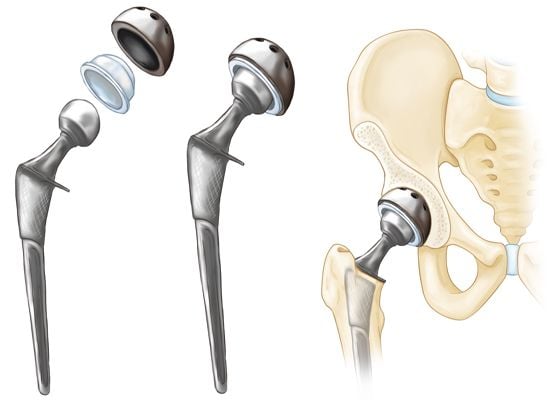
- Uingizaji wa Vipengee Bandia:Daktari wa upasuaji huingiza kikombe cha chuma (sehemu ya tundu) kwenye acetabulum, mara nyingi na plastiki au mjengo wa kauri ndani. Kisha, shina la kike huwekwa katikati ya mashimo ya mfupa wa paja. Mpira wa chuma au kauri umewekwa juu ya shina hili, na kutengeneza kiungo kipya.
- Urekebishaji wa Pamoja na Kufungwa:Baada ya kuweka vipengele vyote, daktari wa upasuaji anaweka kwa uangalifu mpira mpya ndani ya tundu, na kuunda ushirikiano wa hip wa bandia. Mwendo na upatanisho hujaribiwa ili kuhakikisha aina mbalimbali za mwendo. Baada ya kuthibitishwa, daktari wa upasuaji hufunga chale kwenye tabaka kwa kutumia mishono inayoweza kufyonzwa na kuifunika kwa vazi lisilozaa.
- Huduma baada ya upasuaji:Mgonjwa hupelekwa kwenye chumba cha kupona, ambapo wauguzi na madaktari hufuatilia ishara muhimu na kuhakikisha kuwa anesthesia inaisha kwa usalama. Udhibiti wa maumivu huanza mara moja, na tiba ya kimwili huanza ndani ya masaa 24 ili kuzuia ugumu na kukuza uhamaji.
Utaratibu wote huchukua kawaidaSaa 1.5 hadi 2.5. Shukrani kwa maendeleo ya mbinu za upasuaji, kupoteza damu kunapungua, na hatari ya kuambukizwa hupunguzwa wakati taratibu zinafanywa katika vituo maalum vya mifupa.
Je! ni aina gani tofauti za vipandikizi vinavyotumika katika Ubadilishaji Jumla wa Hip?
Kuchagua kipandikizi sahihi ni mojawapo ya maamuzi muhimu zaidi katika upasuaji wa kubadilisha nyonga. Vipandikizi vimeundwa ili kuiga msogeo wa asili wa mpira-na-tundu wa kiungio cha nyonga na hutengenezwa kutoka kwa nyenzo kali na za kudumu ambazo zinaweza kustahimili miaka ya matumizi. Uchaguzi hutegemea mambo kama vile umri wa mgonjwa, kiwango cha shughuli, nguvu ya mfupa na bajeti.
Metal-on-Polyethilini (MoP)
Ni chaguo linalotumiwa zaidi na la gharama nafuu. Kichwa cha kike (mpira) kinafanywa kwa chuma, na mstari wa tundu hufanywa kutoka kwa plastiki ya kudumu inayoitwa polyethilini.
- Bora kwa:Wagonjwa wazee na wale walio na viwango vya wastani vya shughuli
- Manufaa:Nafuu, ya kuaminika, rekodi ndefu ya mafanikio
- Vizuizi:Inaweza kudhoofika haraka kwa wagonjwa wanaofanya kazi sana
Kauri-kwenye-Polyethilini
Katika aina hii, mpira hutengenezwa kwa nyenzo za kauri wakati tundu limewekwa na polyethilini. Inatoa upinzani bora wa kuvaa kuliko implants za chuma-on-polyethilini.
- Bora kwa:Wagonjwa wa umri wa kati ambao wanataka usawa wa kudumu na kumudu
- Manufaa:Kiwango cha chini cha kuvaa, kupunguza hatari ya kuvimba
- Vizuizi:Gharama kidogo kuliko vipandikizi vya chuma
Kauri-kwenye-Kauri (CoC)
Vipengele vyote vya mpira na tundu vinatengenezwa kwa keramik. Mchanganyiko huu ni wa kudumu sana na unafaa kwa watu wadogo, wenye kazi zaidi.
- Bora kwa:Wagonjwa wachanga walio na mahitaji ya juu ya shughuli
- Manufaa:Kiwango cha chini sana cha kuvaa, biocompatibility bora
- Vizuizi:Gharama ya juu; hatari ya kupandikiza squeak katika matukio nadra
Chuma-juu-Chuma (MoM)
Muundo huu una vipengele vilivyotengenezwa kutoka kwa chuma na vifaa vingine. Ilikuwa maarufu kwa wagonjwa wachanga lakini sasa haitumiki sana kwa sababu ya maswala ya usalama.
- Bora kwa:Hapo awali ilizingatiwa kwa watu wazima wanaofanya kazi
- Manufaa:Chini ya kuvaa; hakuna chembe za plastiki
- Vizuizi:Inaweza kutolewa ioni za chuma ndani ya damu; haipendekezwi sana leo
Vipandikizi vya Mseto
Vipandikizi vya mseto hutumia mseto wa mbinu za kurekebisha, kama vile tundu lililoimarishwa na shina la fupa la paja ambalo halijasisitizwa. Zimeboreshwa kulingana na ubora wa mfupa wa mgonjwa na upendeleo wa daktari wa upasuaji.
- Bora kwa:Wagonjwa wenye wiani wa mfupa usio sawa au mahitaji maalum ya anatomiki
- Manufaa:Inatoa kubadilika kwa upasuaji
- Vizuizi:Uchaguzi hutegemea sana tathmini ya kesi ya mtu binafsi
Daktari wako wa upasuaji wa mifupa atachagua aina bora zaidi ya kupandikiza baada ya kutathmini hali yako ya viungo, umri, na kiwango cha shughuli kinachotarajiwa. Hospitali zote kuu za India hutoa anuwai ya chapa za kupandikiza, ikijumuisha Zimmer Biomet, Stryker, Depuy Synthes, Smith & Nephew, na Meril.
Pata mpango wa matibabu ya bure
Kuhusu Ubadilishaji wa Hip Jumla - THR katika India
What is the Cost of a Total Hip Replacement in India?
The cost of total hip replacement surgery in India ranges from ₹3,00,000 to ₹5,00,000 (approximately $3,600 to $6,000). The price depends on several factors, including the type of implant used, the hospital's reputation, the surgeon's expertise, and whether the surgery is unilateral (one hip) or bilateral (both hips).
Most hospitals in India offer all-inclusive packages for international patients, which cover the complete surgical process and immediate postoperative care. These packages are designed to ensure transparency and convenience.
The typical cost includes:
- Preoperative investigations like X-rays, blood tests, ECG, and anesthesia evaluation.
- Surgeon and anesthetist fees, covering consultation, procedure, and post-op visits.
- Operation theatre charges and surgical consumables required during the procedure.
- The cost of the implant, which may be metallic, ceramic, or a hybrid material.
- Hospital stay of 5 to 7 days in a private room, including nursing care, meals, and monitoring.
- Medications and pain management during admission.
- Physiotherapy sessions during the hospital stay to start early mobilization.
- Initial post-discharge consultations are typically scheduled within 10 to 15 days of surgery.
The above-mentioned cost range applies to standard, complication-free procedures. Additional charges may apply if the patient requires ICU care, longer hospitalization, or treatment for pre-existing conditions such as diabetes or heart disease.
Breakdown of Total Hip Replacement Cost in India
Knowing where the money goes in a total hip replacement package helps patients and their families plan more effectively. In India, the total cost of hip replacement surgery, which is ₹3,00,000 to ₹5,00,000, covers every essential aspect of the treatment, from diagnosis to recovery support.
- In the initial phase, diagnostic tests including blood work, imaging scans, and pre-anesthesia clearance typically cost between ₹15,000 and ₹25,000. These are necessary to confirm the patient's surgical readiness.
- The surgical fees for the orthopedic surgeon and anesthetist range from ₹60,000 to ₹1,00,000, depending on the surgeon's experience and hospital reputation. It includes preoperative planning, surgery, and postoperative rounds.
- Implant cost makes up a significant portion of the total, ranging from ₹80,000 to ₹1,50,000. Ceramic and imported implants are usually at the higher end, while metal implants are more economical.
- Hospital charges, including room rent, operating theatre usage, nursing care, and consumables, typically fall between ₹1,00,000 and ₹1,50,000 for a 5–7 day stay in a private room.
- Medications, physiotherapy, and postoperative monitoring can cost another ₹30,000 to ₹60,000, depending on the patient's condition and the pace of recovery.
Cost Component | Estimated Cost (INR) |
| Pre-surgery Investigations | ₹15,000 – ₹25,000 |
| Surgeon & Anesthesia Fees | ₹60,000 – ₹1,00,000 |
| Hip Implant (metal/ceramic) | ₹80,000 – ₹1,50,000 |
| Hospital Stay & Surgery Charges | ₹1,00,000 – ₹1,50,000 |
| Medications & Post-op Care | ₹30,000 – ₹60,000 |
| Total Estimated Cost | ₹3,00,000 – ₹5,00,000 |
Note: The final cost of THR surgery may vary based on implant brand, complications, hospital location, and recovery needs.
How Does the Cost of Total Hip Replacement in India Compare with Other Countries?
India offers total hip replacement at a significantly lower price than many developed nations, while still delivering world-class outcomes. Patients from the US, UK, Europe, and the Middle East often choose India not only for the savings but also for the quality of care, faster scheduling, and personalized service.
The difference in cost can be as high as 70–80%, even when performed in internationally accredited hospitals by experienced orthopedic surgeons.
Country | Average Cost (USD) | What’s Included |
| India | $3,600 – $6,000 | Surgery, implant, hospital stay, anesthesia, meds, physiotherapy |
| United States | $30,000 – $50,000 | Often excludes implant cost and complete rehab; insurance co-pay may still apply |
| United Kingdom | $25,000 – $40,000 | Covered by NHS for residents; private cost is high |
| Canada | $28,000 – $45,000 | Long wait times in the public system; private care is costly for foreign nationals |
| UAE / Middle East | $20,000 – $35,000 | Premium services; high surgeon and facility charges |
| Singapore | $18,000 – $30,000 | High-quality care, but expensive due to service fees and hospital overhead |
| Thailand | $7,000 – $12,000 | Cheaper than West, but still more than India for equivalent quality |
What Factors Influence the Cost of Total Hip Replacement in India?
The total cost of hip replacement surgery in India ranges from $3,600 to $6,000, but this range can shift based on several key factors. Knowing these influences can help patients plan their treatment more effectively and avoid unexpected expenses.
- Type of Implant Used: The choice of implant is one of the most significant cost determinants. Metal-on-polyethylene implants are budget-friendly, while ceramic or imported titanium implants are more durable but expensive.
- Hospital Reputation and Location: Top-tier hospitals in metro areas like Delhi, Mumbai, and Bangalore may charge more due to their advanced surgical infrastructure and internationally trained surgeons.
- Surgeon's Experience: Highly experienced orthopedic surgeons, especially those trained internationally or who specialize in joint replacement, may have higher surgical fees.
- Type of Surgery (Unilateral or Bilateral): Replacing both hips (bilateral) in a single or staged surgery increases the overall cost. A unilateral hip replacement is less expensive and takes less time to recover.
- Surgical Technique Used: Minimally invasive techniques may increase costs slightly due to the need for specialized instruments and higher surgeon skill.
- Duration of Hospital Stay: A typical stay is 5 to 7 days. If the patient has comorbidities like diabetes, heart disease, or post-op complications like infection or delayed mobility, the stay may extend, adding to the cost.
- Postoperative Medications and Physiotherapy: Recovery requires pain management, antibiotics, and rehabilitation. The longer the recovery phase or the more intensive the therapy needed, the higher the expenses.
Why Do International Patients Prefer India for Total Hip Replacement?
- Affordable World-Class Care: India offers high-quality hip replacement surgery at a fraction of the cost charged in Western countries, without compromising medical standards or safety.
- Globally Trained Orthopedic Surgeons: Indian surgeons are highly skilled, with many having received training in the UK, USA, or Europe. Their experience in high-volume joint centers ensures precision and better outcomes.
- Advanced Hospitals with Modern Infrastructure: Internationally accredited hospitals in India are equipped with modular operating rooms, infection control systems, and advanced implants.
- No Waiting List for Surgery: Unlike public healthcare systems abroad, Indian hospitals schedule surgeries quickly, which is critical for patients dealing with severe pain or mobility issues.
- Complete International Patient Support: From visa assistance and airport pick-up to translation services and follow-up coordination, Indian hospitals provide end-to-end support for foreign patients.
- Vast Implant Choices at Regulated Prices: Patients can choose from various implant brands, including imported options, all priced transparently and regulated by Indian health authorities.
- Excellent Recovery and Physiotherapy Services: Dedicated rehabilitation teams help THR patients regain strength and mobility more quickly with structured physiotherapy, available both inpatient and outpatient.
What Is the Success Rate and Recovery Timeline After a Total Hip Replacement in India?
Total hip replacement surgery in India has shown consistently excellent results, both in terms of pain relief and functional recovery. With modern surgical techniques, high-quality implants, and structured rehabilitation, most patients regain mobility and return to daily activities within a few months.
Success Rate of Total Hip Replacement in India
The success rate of total hip replacement surgery in India ranges from 95% to 98%, primarily when performed in experienced orthopedic centers using quality implants. Patients typically report:
- Pain relief in the first few weeks
- Improved range of motion and walking ability within 1 to 2 months
- Long-lasting results, with implants functioning well for 15–25 years or more
Success is measured not only by the absence of complications but also by how well patients return to independent living and enjoy improved quality of life. India's top joint replacement centers adhere to evidence-based protocols that minimize infection risks, reduce hospital stays, and expedite recovery.
Factors that contribute to the high success rate in India include:
- Use of advanced surgical techniques, such as robotic, minimally invasive, and muscle-sparing approaches
- Strict sterility standards in modular operating theatres
- Surgeon experience, especially in handling complex or revision cases
- Strong focus on early mobilization and rehabilitation
Recovery Timeline After Hip Replacement Surgery
Recovery after total hip replacement occurs in phases, and although every patient heals at a different pace, most follow a predictable path.
- Hospital Stay (5 to 7 Days): Patients are usually encouraged to sit up and begin walking with support within 24 to 48 hours after THR surgery. Physiotherapists assist with gentle exercises and gait training during this time. Pain is managed with medications, and the surgical wound is monitored for signs of healing.
- Initial Home Recovery (Week 1 to Week 4): After discharge, patients continue exercises at home or in a hotel-apartment setup near the hospital (for international patients). Movement improves steadily, but walking aids, such as a walker or cane, are usually needed. Swelling, mild pain, or stiffness are normal during this phase.
- Strength and Stability Phase (Weeks 4-8): By 4 to 6 weeks, most patients can walk independently and begin performing light activities, such as climbing stairs or taking short walks outdoors. Physiotherapy may shift to more strength-focused routines. Many patients return to desk jobs or low-impact work by the end of this period.
- Long-Term recovery (3 to 6 Months): Full recovery and return to regular daily routines, including driving, traveling, and recreational walking, typically occur within 3 to 6 months. With high-quality implants and proper care, patients can resume active lifestyles without pain or limitation. Heavy lifting, running, or participating in high-impact sports may be restricted to prevent early wear and tear on the joint.
- Implant Longevity and Maintenance (After 6 Months): Modern hip implants in India typically last 15 to 25 years or longer, especially when using ceramic or titanium components. Patients are advised to avoid smoking, maintain a healthy weight, and follow up annually to monitor joint health through X-rays or check-ups.
Note: Recovery speed depends on the patient's age, preoperative fitness, weight, and whether the surgery was unilateral or bilateral. Patients with other health issues like diabetes or osteoporosis may need additional time and supervision.
Ubadilishaji wa Hip Jumla - THR kulinganisha gharama na nchi
Linganisha Ubadilishaji wa Hip Jumla - THR gharama katika nchi tofauti kufanya uamuzi sahihi juu ya matibabu yako.
| Nchi | Anuwai ya gharama (USD) | Akiba inayowezekana | Hatua |
|---|---|---|---|
IndiaSasaThamani bora | $3,600 - $6,000 | — | Pata nukuu |
Kumbuka: Gharama zinaweza kutofautiana kulingana na uchaguzi wa hospitali, aina ya chumba, huduma za ziada, na mahitaji ya matibabu ya mtu binafsi.
Hospitali zinazoongoza kwa Ubadilishaji wa Hip Jumla - THR katika India

BLK-Max Super Specialty Hospital, New Delhi
BLK-Max Super Specialty Hospital huko New Delhi ni mojawapo ya taasisi kuu za afya ya India, inayotoa vitanda 650, kumbi 22 za upasuaji za hali ya juu...
Vibali


Vifaa

Hospitali ya Maalum ya Max Smart Super, Saket, New Delhi
Max Smart Super Specialty Hospital, Saket, ni hospitali ya huduma ya juu ya vitanda 250 huko Delhi Kusini. Inatoa huduma ya juu ya matibabu na upasuaj...
Vibali
Vifaa

Hospitali ya PSRI, Delhi
Taasisi ya Utafiti ya Pushpawati Singhania (Hospitali ya PSRI), New Delhi, ni hospitali inayoongoza ya huduma ya juu ya elimu ya juu iliyoanzishwa mwa...
Vibali
Vifaa
Taratibu zinazofanana
Transforaminal Lumbar Interbody Fusion - Upasuaji wa TLIF katika India
Matunzio
Maswali
Mhakiki
Tazama Zote
Dr. Ramkinkar Jha is an accomplished orthopaedic surgeon with extensive experience across India’s leading hospitals. He is renowned for his expertise in joint reconstruction, robotic-assisted surger... Soma zaidi

Tovuti yetu hutumia kuki. Sera ya faragha.