
Ubadilishaji wa Goti Jumla - TKR Gharama katika India
Kuhusu Ubadilishaji wa Goti Jumla - TKR
Ubadilishaji wa Goti Jumla ni nini na kwa nini hufanywa?
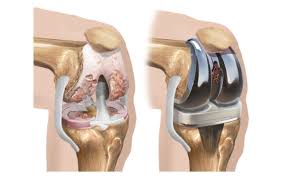
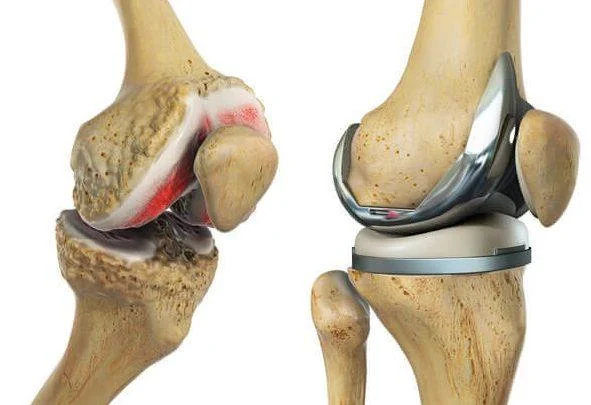
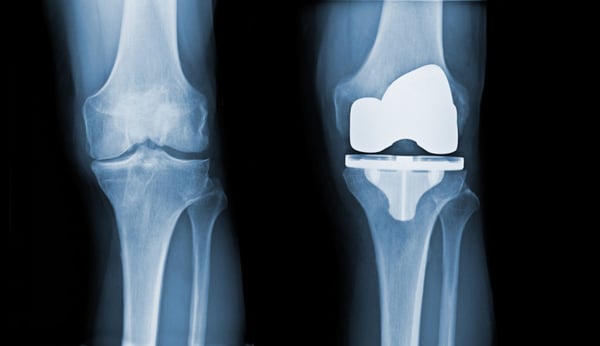
Uingizwaji wa jumla wa magoti (TKR) ni utaratibu wa upasuaji ambao nyuso zilizoharibiwa au zilizochoka za goti huondolewa na kubadilishwa na vipengele vilivyotengenezwa kwa chuma na plastiki. Vipengele hivi vinavyotengenezwa na mwanadamu vinaiga harakati ya asili ya goti la afya, na hivyo kupunguza wagonjwa kutokana na maumivu, ugumu, na mapungufu ya kazi.
Upasuaji wa uingizwaji wa goti huwa muhimu wakati gegedu ambayo inashikilia mifupa kwenye goti inachakaa kwa sababu ya:
- Osteoarthritis: Sababu ya kawaida ya TKR, na kusababisha kuzorota kwa viungo na umri.
- Arthritis ya damu: Hali ya kinga mwilini ambayo inawaka na kumomonyoa nyuso za viungo.
- Arthritis ya baada ya kiwewe: Hutokana na majeraha ya awali kama vile mivunjiko au machozi ya mishipa.
- Ulemavu mkubwa: Ulemavu wa kimuundo kama vile miguu ya chini au magoti yanayogonga ambayo huathiri mwendo na mkao.
Ubadilishaji jumla wa goti unapendekezwa wakati:
- Maumivu ya mara kwa mara hata wakati wa kupumzika au wakati wa usingizi.
- Kutembea, kupanda ngazi, au kufanya shughuli za kawaida inakuwa ngumu au haiwezekani.
- Dawa, physiotherapy, na sindano za pamoja hazitoi tena misaada.
- X-rays huonyesha mguso wa mfupa kwenye mfupa, ikionyesha kuzorota kwa viungo vya hali ya juu.
Lengo la upasuaji wa TKR ni kuondoa maumivu, kurejesha kazi ya kawaida ya viungo, na kuruhusu mgonjwa kurudi shughuli za kila siku bila msaada. Wagonjwa wengi hupata uboreshaji mkubwa katika uhamaji na ubora wa maisha ndani ya miezi michache baada ya upasuaji.
Nani Anahitaji Upasuaji Jumla wa Kubadilisha Goti?
Upasuaji wa jumla wa uingizwaji wa goti kawaida hushauriwa kwa wagonjwa ambao wanakabiliwa na maumivu sugu ya goti ambayo huathiri uwezo wao wa kuishi maisha ya kawaida na hai. Ingawa matatizo ya magoti yanaweza kutokea katika umri wowote, uingizwaji wa goti kwa ujumla hufanyika kwa watu zaidi ya umri wa miaka 50 na uharibifu wa wastani hadi mkubwa wa viungo.
- Wagonjwa wenye Osteoarthritis ya Juu:Wakati cartilage katika goti huvaa kutokana na kuzeeka, husababisha msuguano wa mfupa-mfupa, na kusababisha maumivu, ugumu, na kupoteza harakati. Wagonjwa hawa mara nyingi huamka na ugumu wa viungo na ni vigumu kutembea, kusimama kwa muda mrefu, au kupanda ngazi.
- Watu wenye Arthritis ya Rheumatoid au Ugonjwa wa Pamoja wa Kuvimba:Matatizo ya autoimmune, kama vile arthritis ya rheumatoid, husababisha kuvimba kwa muda mrefu kwenye pamoja ya goti. Baada ya muda, uvimbe huu huharibu cartilage na mfupa, na kusababisha ulemavu mkubwa, kutokuwa na utulivu, na maumivu ya mara kwa mara.
- Wale walio na Arthritis ya Baada ya Kiwewe:Watu ambao wamepata majeraha ya awali ya goti, kama vile kuvunjika, mishipa iliyochanika, au uharibifu wa cartilage, wanaweza kupata ugonjwa wa arthritis miaka baadaye. Wakati kiwewe hiki kinasababisha kuanguka kwa viungo au ugumu, uingizwaji wa jumla wa goti unaweza kuhitajika.
- Wagonjwa ambao hawajibu tena kwa matibabu yasiyo ya upasuaji:Iwapo dawa, sindano za viungo, tiba ya mwili, brashi, au marekebisho ya mtindo wa maisha yatashindwa kupunguza dalili, na shughuli za kila siku zikibakia kuwa na vikwazo, upasuaji huwa suluhisho la kuaminika zaidi.
- Watu Wenye Ulemavu Mkali wa Goti:Masharti kama vile valgus (kugonga magoti) au varus (miguu ya upinde) inaweza kubadilisha usawa wa asili wa mguu. Baada ya muda, ulemavu huu unasisitiza kiungo, kuongeza maumivu na kupunguza uhamaji. TKR husaidia kurekebisha kiungo na kurekebisha ulemavu.
- Wagonjwa wenye Maumivu ya Mara kwa Mara Usiku au Kupoteza Usingizi:Wakati maumivu ya magoti yanaingilia kupumzika au kuzuia wagonjwa kulala kwa raha, mara nyingi huonyesha arthritis ya mwisho. Ugonjwa huo ni kiashiria muhimu cha uingiliaji wa upasuaji.
Je, Ubadilishaji Jumla wa Goti Unafanywaje?
Uingizwaji wa jumla wa goti ni utaratibu ambao hudumuDakika 60 hadi 90. Wakati wa operesheni, upasuaji huondoa nyuso za pamoja zilizoharibiwa na kuzibadilisha na vipengele vya bandia (prosthetics) vinavyorejesha harakati za laini, zisizo na maumivu. Utaratibu wote unafanywa chini ya anesthesia ya mgongo au ya jumla, kuhakikisha kuwa mgonjwa hahisi maumivu.
- Nafasi na Anesthesia:Mgonjwa hupelekwa kwenye chumba cha upasuaji na kuwekwa nyuma ya goti lililoathiriwa. Baada ya kuthibitisha ganzi, mguu husafishwa na kusafishwa ili kudumisha uwanja usio na ugonjwa wakati wote wa upasuaji.
- Chale na Mfiduo wa Pamoja:Daktari wa upasuaji hufanya chale ya wima mbele ya goti, kwa kawaida urefu wa inchi 6 hadi 10. Wanasonga kwa upole kofia ya magoti kando ili kufichua kiungo, kuruhusu mtazamo wa mfupa ulioharibiwa na nyuso za cartilage.
- Uondoaji wa Nyuso zilizoharibiwa:Kwa kutumia zana sahihi za upasuaji, daktari wa upasuaji hukata gegedu na mfupa uliochakaa kutoka kwenye fupa la paja (mfupa wa paja), tibia (mfupa wa shin), na upande wa chini wa patella (goti). Jig maalum na vyombo husaidia kudumisha usawa sahihi.
- Uwekaji wa Vipengele vya Prosthetic:Daktari wa upasuaji huweka kofia za chuma kwenye femur na tibia, wakati mwingine na saruji ya mfupa. Spacer ya plastiki pia huingizwa kati yao ili kuruhusu kuteleza laini. Ikiwa inahitajika, nyuma ya kneecap pia hufufuliwa na implant ya plastiki.
- Urekebishaji na Kufungwa:Mara tu vipengele vyote vimewekwa, daktari wa upasuaji huangalia aina mbalimbali za goti za mwendo na usawa. Wao hufunga chale katika tabaka kwa kutumia sutures zinazoweza kunyonya au kikuu, ikifuatiwa na mavazi ya kuzaa na, katika hali nyingine, bandeji ya kukandamiza.
- Ufuatiliaji wa Baada ya Upasuaji:Mgonjwa huhamishiwa kwenye chumba cha kurejesha, ambapo wauguzi hufuatilia ishara muhimu. Matibabu ya maumivu huanza mara moja. Wagonjwa wengi huanza kutembea kwa usaidizi ndani ya saa 24 hadi 48 baada ya upasuaji chini ya mwongozo wa physiotherapist.
Katika vituo vya juu, madaktari wa upasuaji wanaweza kutumiamifumo ya urambazaji inayosaidiwa na kompyuta au robotiili kuongeza usahihi. Teknolojia hizi husaidia katika nafasi nzuri ya kupandikiza, kupunguza upotezaji wa damu, na kupona haraka.
Pata mpango wa matibabu ya bure
Kuhusu Ubadilishaji wa Goti Jumla - TKR katika India
What is the Cost of a Total Knee Replacement in India?
The cost of total knee replacement (TKR) in India typically ranges from ₹3,50,000 to ₹6,00,000 per knee (approximately $4,500 to $8,000), depending on the hospital's infrastructure, the surgeon's experience, and the type of implant used. For patients requiring bilateral knee replacement, the combined cost ranges from $8,500 to $13,500.
Unlike many countries where pricing is fragmented and excludes post-operative services, hospitals in India offer transparent, all-inclusive packages that cover the entire treatment journey from pre-op evaluations to recovery support.
The total knee replacement cost in India generally includes:
- Pre-operative Investigations: This covers X-rays, MRI (if needed), blood tests, ECG, and other screenings required to assess surgical fitness and plan the procedure.
- Surgeon's and Anesthetist's Fees: The professional fees of the orthopedic surgeon, anesthesiologist, and the entire surgical team are included in the package cost.
- Operation Theatre and Equipment Charges: This consists of the use of the OT, surgical instruments, sterilization, suction, and high-end equipment such as computer navigation or robotics (if applicable).
- FDA- or CE-approved Knee Implants: Hospitals typically offer a selection of implant brands (Zimmer, Stryker, DePuy, etc.), including both fixed-bearing and mobile-bearing designs, as well as cemented and cementless options, tailored to meet patient needs and budget.
- Hospital Stay and Nursing Care: Packages include a hospital stay of 5 to 7 days, including ICU care (if needed), daily rounds, and all medical consumables.
- Medications and Consumables During Admission: All intraoperative and post-operative medications, surgical dressings, disposable items, and pain control medications are covered.
- Physiotherapy During Hospital Stay: Basic physiotherapy sessions begin 24 to 48 hours after surgery. These are included to ensure early mobility and pain-free joint function.
- Post-Discharge Follow-up Consultation: One or two follow-up appointments are included in the standard package after discharge.
Breakdown of Total Knee Replacement Cost in India
The cost of a total knee replacement in India is divided across multiple components, each contributing to the overall expense of the surgery. While package pricing offers a bundled estimate, understanding the individual cost segments helps international patients plan better and avoid hidden charges.
- The pre-operative investigations for total knee replacement in India, including X-rays, blood tests, ECG, and fitness evaluations, generally cost between $200 and $400. These assessments ensure that the patient is medically fit for surgery.
- The implant cost is the largest contributor to the total bill, ranging from $1,800 to $3,500 depending on the brand, material (metal, ceramic, or oxinium), and whether the procedure is single or bilateral. India utilizes globally recognized implants that are FDA and CE approved.
- The surgeon's and anesthetist's fees typically fall between $800 and $1,500. Surgeons with international training or experience in robotic-assisted TKR may charge at the higher end.
- Operating theatre charges, including sterilization, surgical tools, and advanced systems such as navigation or robotics, typically range from $600 to $1,000 per procedure.
- The hospital stay cost for total knee replacement in India (including 5 to 7 days of room rent, nursing, and inpatient care) ranges between $800 and $1,200.
- Post-surgery, the patient receives pain medications, antibiotics, dressing materials, and other consumables at a cost of around $300 to $500.
- Initial physiotherapy and rehabilitation sessions during the hospital stay add about $100 to $300 to the total bill.
Cost Component | Estimated Cost (USD) |
| Pre-operative Investigations | $200 – $400 |
| Knee Implant (per knee) | $1,800 – $3,500 |
| Surgeon & Anesthesia Fees | $800 – $1,500 |
| Operation Theatre & Equipment | $600 – $1,000 |
| Hospital Stay & Nursing Care | $800 – $1,200 |
| Medications & Consumables | $300 – $500 |
| In-Hospital Physiotherapy | $100 – $300 |
| Total Estimated Cost (Single Knee) | $4,500 – $8,000 |
| Total Estimated Cost (Both Knees) | $8,500 – $13,500 |
Cost Comparison: Total Knee Replacement in India vs Other Countries
Total knee replacement is a major procedure, and the cost varies significantly across countries. India offers one of the most affordable options globally, while maintaining high standards in surgical expertise, implant quality, and hospital care.
Country | Average Cost per Knee (USD) | Remarks |
| India | $4,500 – $8,000 | All-inclusive; includes implant, surgery, stay, and physiotherapy |
| United States | $30,000 – $60,000 | Very high due to surgeon fees, hospital charges, and separate rehab costs |
| United Kingdom | $20,000 – $40,000 (Private) | Covered by NHS only in limited cases; long waiting periods apply |
| Australia | $22,000 – $35,000 | Partial coverage with insurance; long elective wait times |
| Canada | $25,000 – $40,000 (Private) | Public system has waitlists; private care is expensive |
| UAE | $18,000 – $25,000 | Premium pricing; limited availability of advanced implants |
| Singapore | $15,000 – $28,000 | Surgery and implants are priced separately |
| Thailand | $7,000 – $12,000 | Costlier than India; limited robotic surgery options |
Choosing total knee replacement surgery in India can save international patients up to 75% in costs while receiving treatment from world-class orthopedic surgeons using globally approved implants.
What Factors Influence Total Knee Replacement Cost in India?
The cost of total knee replacement (TKR) in India is influenced by several variables that extend beyond the surgical procedure itself. These factors determine whether the final price stays on the lower or higher end of the average range.
- Type of Surgery (Unilateral vs Bilateral): The cost of replacing both knees (bilateral) is naturally higher than a single knee replacement (unilateral). However, doing both knees in the same surgical session is often more cost-effective than two separate procedures.
- Choice of Knee Implant: Implants vary in cost based on brand, material, and design. Standard metal-polyethylene implants are more affordable, while high-end options, such as ceramic-coated implants, oxinium implants, or gender-specific implants, are more expensive.
- Use of Robotic or Computer-Assisted Technology: Hospitals offering robotic-assisted or navigation-guided knee replacement may charge more due to the precision tools and infrastructure involved.
- Hospital Location and Accreditation: Hospitals in metro cities (Delhi, Mumbai, Chennai) or those accredited by JCI/NABH may have slightly higher pricing compared to hospitals in tier-2 cities.
- Surgeon's Experience and Reputation: Orthopedic surgeons with decades of experience, international fellowships, and specialization in complex cases may charge higher consultation and surgical fees.
- Duration of Hospital Stay: The standard stay is 5–7 days; however, if the patient requires ICU monitoring, develops complications, or requires extended rehabilitation, the cost can increase.
- Post-Operative Support Services: Inclusions such as physiotherapy sessions, joint braces, walker/crutches, and medication kits can influence the total cost. Many international patient packages include these services to reduce out-of-pocket expenses later.
- Additional Health Conditions: Patients with diabetes, heart disease, or obesity may require special medical management, extended hospital monitoring, or extra diagnostics, which can increase the total cost of surgery.
Why Is Total Knee Replacement More Affordable in India?
India offers some of the most cost-effective total knee replacement surgeries in the world, attracting thousands of international patients every year. The affordability of TKR does not compromise the quality of care. In fact, many Indian hospitals perform more TKRs annually than top hospitals in Europe or the US. Several key reasons explain why this high-quality surgery remains so accessible in India:
- Affordable Surgeon and Medical Staff Fees: Highly experienced orthopedic surgeons in India charge far less than their counterparts abroad.
- Cost-Effective Medical Implants and Devices: India is home to leading manufacturers and suppliers of high-quality knee implants, which are approved by global health authorities like the FDA and CE.
- In-House Diagnostic and Rehab Services: Most Indian hospitals offer integrated imaging, lab tests, physiotherapy, and pharmacy services under one roof. It minimizes outsourcing and keeps costs low for patients.
- High Patient Volume and Surgical Efficiency: Indian orthopedic centers handle a large number of TKR cases annually, which improves surgical workflow, minimizes waste, and reduces per-patient costs.
- Low Administrative and Insurance Overheads: Unlike Western healthcare systems, which are burdened by layers of insurance processing, Indian hospitals offer direct billing and pre-negotiated packages, eliminating hidden charges.
- Currency Exchange Benefits for Foreign Patients: For international travelers, especially from the US, UK, Canada, or the Middle East, the conversion rate to Indian Rupees (INR) results in significant savings.
- Government and Hospital Support for Medical Tourism: India actively promotes medical tourism through streamlined visa processes, transparent pricing, and international patient departments in top hospitals.
What International Patient Services are Available in India for Total Knee Replacement Surgery?
India has developed a robust medical tourism infrastructure that supports patients throughout their entire journey. For those undergoing total knee replacement surgery, hospitals in India offer comprehensive international patient services that ensure safety, convenience, and peace of mind.
- Medical Visa Assistance: Hospitals provide a formal visa invitation letter, required for visa processing. Dedicated international desks assist patients and their attendants in securing e-visas or physical visas under India's medical visa category, often within a few days.
- Free Airport Pickup and Drop: Patients are met at the airport by a hospital representative and transported directly to their hotel or the hospital.
- Dedicated International Patient Coordinator: Each international patient is assigned a personal case manager who assists with appointments, billing, translations, accommodation coordination, and post-surgery support.
- Multilingual Interpretation Services: Language interpreters are available for Arabic, French, Russian, Swahili, Spanish, and more.
- Pre-Travel Video Consultation: Patients can consult the orthopedic surgeon online before traveling. This virtual appointment helps finalize the diagnosis, confirm the need for surgery, estimate the duration of stay, and clarify any medical concerns.
- Assistance with Local Accommodations: Hospitals often partner with nearby hotels, serviced apartments, and guesthouses to provide affordable and hygienic stay options for patients.
- Personalized Diet and Mobility Support: Specialized meal plans (including halal, vegetarian, diabetic, etc.) are available, tailored to the patient's specific needs. After surgery, hospitals typically provide patients with walkers, commodes, wheelchairs, and other mobility aids as part of their care plan.
- Physiotherapy and Rehabilitation Services: In-house physiotherapy departments offer guided rehab sessions starting 24 to 48 hours after surgery.
- Post-Discharge Remote Follow-Up: After returning to their country, patients can continue to consult with their surgeon via email, phone, or video.
What is the Success Rate of Total Knee Replacement in India?
- The success rate for total knee replacement in India ranges from 90% to 95%, making it a safe and effective option for international patients.
- Indian orthopedic surgeons perform more than 150,000 knee replacements annually, with leading hospitals often exceeding 1,000 cases per year.
- Success is measured by long-term joint function, pain reduction, patient satisfaction, and implant longevity.
- Most patients experience dramatic improvement in mobility and are able to walk, climb stairs, and return to daily routines without assistance within a few months.
- With proper care and follow-up, knee implants typically last 15 to 20 years, or even longer in patients with a healthy weight and a low-impact lifestyle.
What is the Recovery Timeline After Total Knee Replacement?
The recovery process is structured and progressive. Here's what patients can expect post-surgery:
- First 24 to 48 Hours (In-Hospital Phase): The patient is transferred to a recovery room for pain management and stabilization of vital signs. Walking with support (using a walker or crutches) usually begins within 24 hours under a physiotherapist's supervision.
- Days 3 to 7 (Hospital Stay): Patients continue walking with support and practice bending and straightening the knee. Sutures or staples may be visible, and the dressing is changed regularly. Doctors manage pain and swelling with medications and cold therapy. Discharge usually occurs between days 5 and 7, depending on the patient's progress.
- Weeks 2 to 4 (Initial Rehab Phase): The patient transitions to walking with a cane or walking stick. Knee flexion and muscle strengthening exercises are intensified under the guidance of a physiotherapist. Many patients can climb stairs and perform light household activities by week 3.
- Weeks 5 to 8 (Functional Recovery): Patients achieve nearly complete knee bending (110–120 degrees). Walking without support becomes easier, and confidence improves. Patients may resume low-impact activities, such as cycling or swimming, if cleared by a doctor.
- Month 3 and Beyond (Long-Term Recovery): Most patients return to work and everyday routines. Full recovery is typically achieved within 3 to 6 months, depending on factors such as age, weight, and commitment to rehabilitation. Long-term follow-up includes periodic X-rays and implant assessment every 1–2 years.
Recovery Tips for Patients:
- Stick to your rehab plan after returning home. Indian hospitals usually provide a printed or digital exercise protocol.
- Try maintaining a healthy weight to reduce stress on the new joint.
- Avoid high-impact sports or deep knee bending unless advised otherwise.
- Stay in contact with your orthopedic surgeon for remote follow-up, especially during the first 6 months.
Ubadilishaji wa Goti Jumla - TKR kulinganisha gharama na nchi
Linganisha Ubadilishaji wa Goti Jumla - TKR gharama katika nchi tofauti kufanya uamuzi sahihi juu ya matibabu yako.
| Nchi | Anuwai ya gharama (USD) | Akiba inayowezekana | Hatua |
|---|---|---|---|
IndiaSasaThamani bora | $4,500 - $8,000 | — | Pata nukuu |
Kumbuka: Gharama zinaweza kutofautiana kulingana na uchaguzi wa hospitali, aina ya chumba, huduma za ziada, na mahitaji ya matibabu ya mtu binafsi.
Hospitali zinazoongoza kwa Ubadilishaji wa Goti Jumla - TKR katika India

BLK-Max Super Specialty Hospital, New Delhi
BLK-Max Super Specialty Hospital huko New Delhi ni mojawapo ya taasisi kuu za afya ya India, inayotoa vitanda 650, kumbi 22 za upasuaji za hali ya juu...
Vibali

Vifaa

Hospitali ya Maalum ya Max Smart Super, Saket, New Delhi
Max Smart Super Specialty Hospital, Saket, ni hospitali ya huduma ya juu ya vitanda 250 huko Delhi Kusini. Inatoa huduma ya juu ya matibabu na upasuaj...
Vibali
Vifaa
Hospitali ya PSRI, Delhi
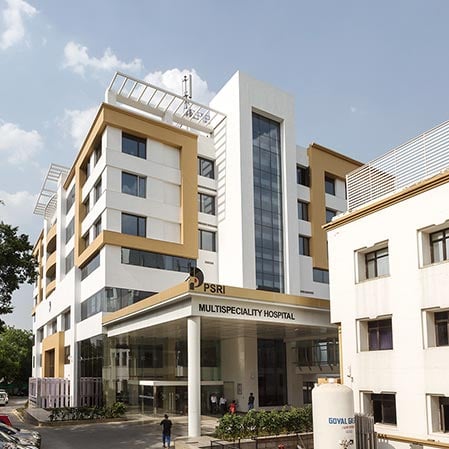
Taasisi ya Utafiti ya Pushpawati Singhania (Hospitali ya PSRI), New Delhi, ni hospitali inayoongoza ya huduma ya juu ya elimu ya juu iliyoanzishwa mwa...
Vibali
Vifaa
Taratibu zinazofanana
Transforaminal Lumbar Interbody Fusion - Upasuaji wa TLIF katika India
Matunzio
Maswali
Mhakiki
Tazama Zote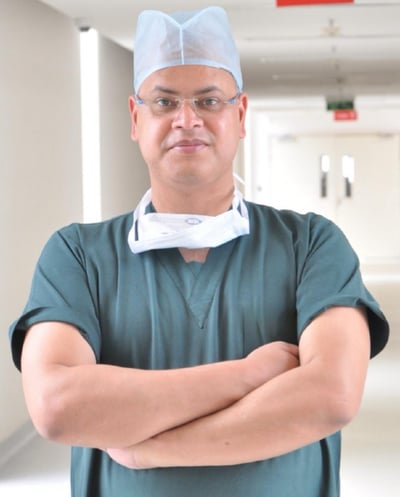
Dr. Ramkinkar Jha is an accomplished orthopaedic surgeon with extensive experience across India’s leading hospitals. He is renowned for his expertise in joint reconstruction, robotic-assisted surger... Soma zaidi

Tovuti yetu hutumia kuki. Sera ya faragha.