Affordable Medical Treatment in India for Patients from Somalia
Patients from Somalia increasingly look outside the country for medical treatment. Serious illness requires stable hospitals, specialist doctors, and timely care. Many families cannot access this level of treatment locally, which makes overseas care a medical necessity.
Healthcare services in Somalia mainly focus on basic and emergency care. Advanced treatment for cancer, heart disease, kidney failure, joint problems, and neurological conditions remains limited. Patients often need referral abroad for an accurate diagnosis and complete treatment.
Delays create serious risks. Conditions such as cancer, heart disease, and organ failure worsen without early intervention. Families search for destinations that offer fast diagnosis, clear treatment plans, and reliable outcomes. Cost also matters, as many advanced medical destinations remain unaffordable.
India has become a practical choice for Somali patients. The country offers advanced medical care, experienced specialists, and organized treatment systems. Hospitals handle complex cases every day and begin treatment soon after patient arrival.
For families in Somalia, traveling to India represents hope during serious illness. The decision reflects the need for safety, speed, affordability, and trust in medical care.
What Healthcare Challenges Do Patients in Somalia Face?
Patients in Somalia face multiple healthcare challenges that hinder timely, safe treatment. These challenges often leave families with no option but to seek care abroad.
- Limited access to advanced medical facilities:Most hospitals focus on primary and emergency care. Advanced services such as cancer therapy, cardiac surgery, organ transplant, and neurosurgery remain scarce. Patients with complex conditions struggle to find complete treatment locally.
- Shortage of specialist doctors:Specialists in oncology, cardiology, nephrology, orthopedics, and neurology remain limited. Patients often need referral outside the country for expert evaluation and surgery.
- Gaps in diagnostic services:Advanced imaging, pathology, and laboratory services remain insufficient. Delays in diagnosis affect early treatment, which plays a key role in recovery for serious diseases.
- Healthcare access challenges across regions:Many patients live far from major hospitals. Travel within the country becomes difficult during illness. Repeated visits for long-term treatment add physical and financial strain.
- High out-of-pocket expenses:Private healthcare options can be costly. Insurance coverage remains limited. Many families cannot afford prolonged or advanced treatment without external support.
- Treatment delays and medical risk:Waiting for diagnosis or referral increases risk for conditions such as cancer, heart disease, and kidney failure. Delayed care often leads to complications.
These challenges push patients from Somalia to seek destinations that offer stability, specialist expertise, and organized care. India meets these needs through modern hospitals and accessible advanced treatment.
What Cultural, Religious, and Practical Factors Connect Somalia with India?
Cultural comfort and daily practicality strongly influence medical travel decisions. Patients from Somalia often prefer destinations that respect faith, family values, and clear communication. India aligns well with these expectations.
- Arabic and English communication support:Many hospitals arrange Arabic interpreters when required. Doctors and coordinators also communicate clearly in English. Simple explanations help patients and families understand diagnosis, treatment options, and recovery plans.
- Respect for religious practices:Healthcare teams respect prayer times, modesty, and faith-based routines. Flexible schedules and prayer spaces support religious needs during treatment and recovery.
- Availability of halal food options:Hospitals and nearby restaurants offer halal meals. Dietary preferences receive attention during hospital stays. Familiar food supports comfort and healing.
- Family-centered care approach:Family involvement plays a central role in Somali culture. Indian hospitals welcome family presence during consultations and recovery. Attendants receive guidance on daily care routines.
- Established trust through patient experiences:Many Somali families rely on referrals from community members who received care in India. Positive outcomes strengthen confidence and guide decisions.
These cultural, religious, and practical factors help patients from Somalia feel understood and supported. Comfort and trust remain essential during serious medical treatment.
Why Do Patients from Somalia Prefer India for Medical Care?
Patients from Somalia prefer India because medical decisions demand reliability, speed, and affordability. Serious illness leaves little room for delay. India offers practical advantages that meet these urgent needs.
- Affordable treatment for complex medical conditions:Treatment costs in India remain much lower than in Europe, Turkey, or Gulf countries. Families can manage care without overwhelming financial pressure. Lower cost allows patients to begin treatment earlier.
- Faster access to diagnosis and treatment:Hospitals in India schedule tests and procedures quickly. Patients often start treatment within days of arrival. Faster care improves outcomes for cancer, heart disease, kidney failure, and joint problems.
- Experienced specialists with high case exposure:Doctors in India treat large numbers of complex cases every year. High patient volumes build strong clinical expertise.
- Advanced medical technology and hospital infrastructure:Hospitals use modern imaging systems, precision surgery tools, and advanced cancer treatment equipment. Technology supports accurate diagnosis and safe treatment planning.
- Comprehensive care under one system:Patients receive diagnosis, surgery, medication, rehabilitation, and follow-up in a coordinated manner. This structure reduces confusion and unnecessary movement between facilities.
- Clear communication and patient guidance:Doctors explain medical conditions and treatment plans in simple language. Patients and families understand options clearly and feel confident in decisions.
What Treatments Do Patients from Somalia Commonly Seek in India?
Patients from Somalia travel to India for treatments that require advanced expertise, modern technology, and coordinated care. These conditions often need urgent attention and long-term planning.
- Cancer treatment and bone marrow transplant:Patients seek chemotherapy, radiation therapy, targeted therapy, and immunotherapy. Some travel for a bone marrow transplant. Indian cancer hospitals provide structured cancer care, including diagnosis, treatment, and follow-up, within a single system.
- Heart surgery and advanced cardiac care:Many patients come for coronary artery bypass grafting, valve repair or replacement, and angioplasty. Cardiac teams in India perform high volumes of procedures, which improves precision and recovery outcomes.
- Kidney disease treatment and transplant:Patients travel for dialysis programs and kidney transplants. Nephrology teams manage evaluation, surgery, and post-transplant care with close monitoring and clear guidance.
- Orthopedic and joint replacement surgery:Total knee replacement and total hip replacement remain common reasons for travel. Modern surgical techniques help reduce pain, support faster recovery, and improve mobility.
- Neurology and neurosurgery:Patients seek care for brain tumors, stroke, epilepsy, and spinal disorders. Advanced imaging and precise surgical tools support safe and effective treatment.
- Fertility treatment and women’s health care:Couples seek IVF, ICSI, fertility preservation, and gynecological care. Organized treatment plans and affordability support continued care with confidence.
What Is the Cost of Treatment in India for Patients from Somalia?
Treatment cost plays a significant role in medical travel decisions. Patients from Somalia often compare prices across countries before choosing care. India offers advanced treatment at costs that remain realistic and predictable.
- Transparent pricing and treatment packages:Hospitals in India usually provide package-based estimates before treatment begins. These packages often include doctor fees, surgery, hospital stay, medicines, and routine follow-up. Transparent pricing helps families plan without unexpected expenses.
- Lower cost due to efficient healthcare systems:India benefits from high patient volumes and a skilled medical workforce. These factors reduce operational costs while maintaining safety and quality standards. Savings pass directly to patients.
Approximate Treatment Costs in India
- Total Knee Replacement (TKR):USD 4,000 – 5,500
- Total Hip Replacement (THR):USD 4,500 – 6,000
- Heart Valve Replacement:USD 6,000 – 9,000
- Bypass Surgery (CABG):USD 3,500 – 6,000
- Kidney Transplant:USD 13,000 – 15,000
- Liver Transplant:USD 35,000 – 45,000
- Complete cancer treatment cycle:USD 8,000 – 12,000
(Cost varies by cancer type and stage)
These costs remain significantly lower than treatment in Europe, Turkey, or Gulf countries. Even after adding travel and accommodation, total expenses stay manageable. For patients from Somalia, affordable treatment in India removes a significant barrier to timely care.
How Does Treatment Cost in India Compare with Other Countries for Patients from Somalia?
Patients from Somalia often compare India with Turkey, the Gulf countries, Europe, and the United States before choosing where to seek treatment. Cost differences between these destinations strongly influence the final decision.
- Higher treatment costs in Gulf countries:Countries such as the UAE, Saudi Arabia, and Qatar offer advanced healthcare. However, private treatment costs remain very high for international patients. Hospital charges, specialist fees, and extended hospital stays increase total expenses. Many Somali families find these costs difficult to manage.
- Treatment expenses in Turkey and Europe:Turkey offers some cost advantages compared to Western Europe, but complex surgeries and transplants remain expensive. Europe and the United States carry the highest medical costs. Insurance coverage rarely applies to Somali patients, which increases financial burden.
- India’s clear cost advantage:India delivers advanced medical treatment at a much lower cost. Efficient hospital systems, a skilled workforce, and high procedure volumes reduce overall expenses. Patients receive the same core medical care at a fraction of global prices.
- Quality remains consistent despite lower cost:Indian hospitals follow international safety and treatment standards. Doctors use modern equipment and structured protocols. Lower cost reflects efficiency, not reduced quality.
Cost Comparison for Major Treatments (Approximate)
Treatment Type | Gulf Countries / Turkey (USD) | Europe / USA (USD) | India (USD) |
| Total Knee Replacement | 18,000 – 30,000 | 30,000 – 45,000 | 4,000 – 5,500 |
| Total Hip Replacement | 20,000 – 35,000 | 35,000 – 50,000 | 4,500 – 6,000 |
| Heart Valve Replacement | 25,000 – 45,000 | 60,000 – 90,000 | 6,000 – 9,000 |
| Kidney Transplant | 80,000 – 120,000 | 150,000 – 200,000 | 13,000 – 15,000 |
| Liver Transplant | 120,000 – 180,000 | 200,000+ | 35,000 – 45,000 |
| Cancer Treatment (full cycle) | 30,000 – 60,000 | 50,000 – 100,000 | 8,000 – 12,000 |
What Patient Support Services Are Available for Patients from Somalia in India?
Patient support plays a vital role during medical travel. Patients from Somalia often travel long distances and stay for extended periods. Indian hospitals provide organized services that focus on comfort, clarity, and coordination throughout treatment.
- Arabic language assistance and clear communication:Many hospitals arrange Arabic interpreters when needed. Doctors and care coordinators also communicate clearly in English. Simple explanations help patients and families understand diagnosis, treatment steps, and recovery plans.
- Respect for religious practices and daily routines:Healthcare teams respect prayer times, modesty, and faith-based needs. Flexible schedules and access to prayer spaces support religious routines during hospital stay and recovery.
- Availability of halal food options:Hospitals and nearby restaurants provide halal meals. Dietary preferences receive attention during treatment. Familiar food supports comfort and healing.
- Dedicated international patient coordination:Special teams manage appointments, investigations, and treatment schedules. Coordinators assist with documentation and daily planning. This support reduces delays and stress.
- Accommodation support near hospitals:Hospitals help patients find nearby hotels or guest houses. Staying close reduces travel fatigue and supports timely follow-up visits.
- Post-treatment guidance and follow-up planning:Care teams provide discharge summaries, medication instructions, and follow-up schedules. This guidance helps patients continue care safely after returning home.
These support services allow patients from Somalia to focus on recovery rather than logistics. Organized care and cultural sensitivity create a safer and more comfortable treatment journey.
How Easy Is Travel from Somalia to India for Medical Treatment?
Travel planning remains a significant concern for patients from Somalia. Many families look for routes that feel safe and well-organized. India offers practical travel options for medical travelers.
- Flight routes from Somalia to India:Patients usually travel via regional hubs such as the UAE, Qatar, Turkey, or Ethiopia. These routes connect smoothly to major Indian cities. Total travel time generally ranges between8 and 14 hours, depending on the transit point.
- Access to major international airports in India:India operates several international airports with strong connectivity. These airports handle medical travelers from many countries every day. Immigration procedures follow clear and structured steps.
- Arrival coordination and assistance:Many hospitals provide airport pickup and direct transfers to accommodation or the hospital. This support helps patients rest after long journeys and reduces confusion on arrival.
- Pre-travel planning support:Patients often receive guidance on flight schedules, transit requirements, and arrival timing. Proper planning helps avoid delays and unnecessary stress.
Despite the distance, travel from Somalia to India remains manageable and well supported. Clear routes and on-ground assistance allow patients to focus on treatment rather than travel challenges.
What Is the Success Rate of Medical Treatment in India for Patients from Somalia?
Success rates help families judge safety and reliability before choosing treatment abroad. India reports strong outcomes across major procedures because of experienced specialists, modern technology, and structured follow-up care.
- Total Knee Replacement (TKR) success rate:Most patients experience long-term pain relief and improved mobility. Reported success rates range between95% and 98%when patients follow rehabilitation plans.
- Total Hip Replacement (THR) success rate:Hip replacement delivers durable results and a better quality of life. Long-term success rates usually range from95% to 98%.
- Heart surgery success rate:Bypass surgery and valve replacement show consistent outcomes in experienced centers. Success rates typically range between94% and 97%, depending on patient condition and procedure type.
- Kidney transplant success rate:One-year graft survival rates generally range between90% and 95%. Long-term outcomes improve with regular follow-up and medication adherence.
- Liver transplant success rate: Short-term success rates range from85% to 90%.
- Cancer treatment outcomes:Results vary by cancer type and stage. Early-stage cancers show high control and remission rates. Combined treatment approaches improve outcomes for advanced cases.
Why outcomes remain strong in India
- High procedure volumes improve surgical precision.
- Multidisciplinary teams plan treatment carefully.
- Modern equipment supports accurate therapy.
- Structured rehabilitation reduces complications.
For patients from Somalia, these outcomes provide reassurance. Strong success rates, affordability, and support services make India a dependable choice for complex medical treatment.
How Can Patients from Somalia Get an Indian Medical Visa for Treatment?
The medical visa process supports timely access to care. Patients from Somalia often seek a clear application pathway. India offers a structured system for medical travel.
- Indian Medical Visa (MED Visa):Patients traveling for treatment apply for an Indian Medical Visa. This visa allows entry for medical care and recovery. It also supports multiple entries when follow-up visits are required.
- Medical visa validity and duration:Medical visas are usually valid for up to 1 year. Patients can re-enter India during this period if treatment plans require additional visits.
- Medical attendant visa for family members:India issues medical attendant visas for accompanying relatives. This option allows family members to stay with the patient during treatment and recovery.
- Medical visa processing timeline:Processing generally takes a few working days after document submission. Hospitals provide visa invitation letters promptly, which helps expedite approval.
Documents required for an Indian medical visa
- Valid passport with sufficient remaining validity
- Recent passport-size photographs
- Medical reports from a local doctor or hospital
- Treatment or invitation letter from an Indian hospital
- Proof of funds for treatment and stay
- Completed visa application form
To Conclude
Patients from Somalia choose India for advanced medical care at an affordable cost. Treatment starts quickly, success rates remain high, and patient support stays strong. Cultural understanding and clear communication add comfort. This balance makes India a trusted destination for serious medical treatment.
المستشفيات ذات الصلة
اكتشف المستشفيات والمراكز الطبية المتعلقة بهذا الموضوع لخدمات الرعاية الصحية عالية الجودة.
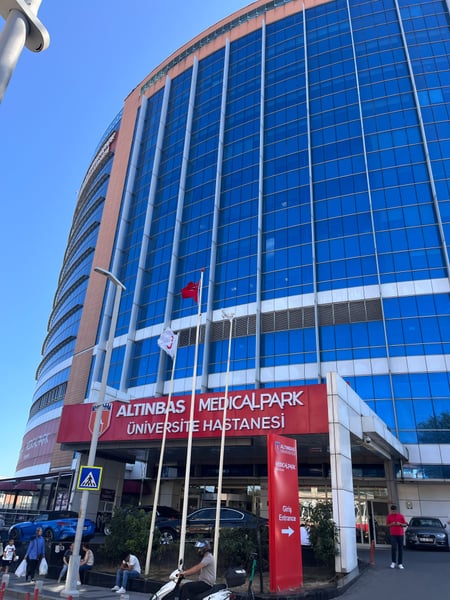
مستشفى ميديكال بارك بهجيليفلر
مستشفى ميديكال بارك باهجيليفلر هو مستشفى معتمد من اللجنة الدولية المشتركة في إسطنبول يضم 242 سريرًا، وقد تم إنشاؤه في عام 2007. يمتد على مساحة 33000 م...
الاعتماد
مرافق
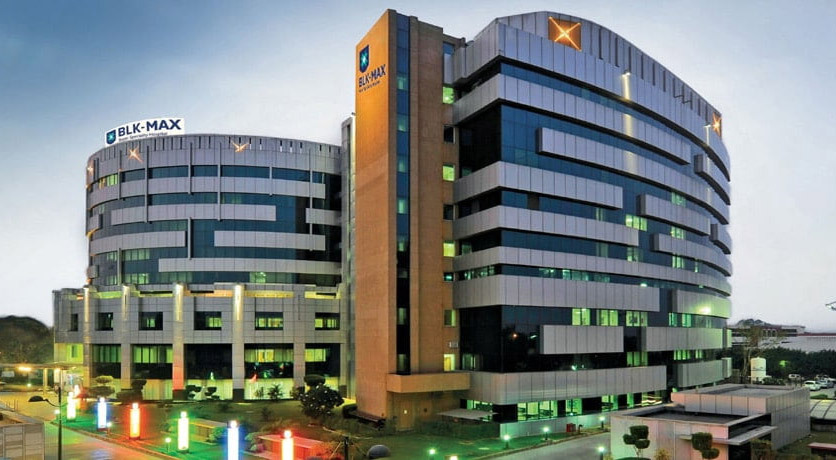
مستشفى بي إل كيه-ماكس سوبر التخصصي، نيودلهي
يعد مستشفى BLK-Max Super Specialty Hospital في نيودلهي أحد مؤسسات الرعاية الصحية الرائدة في الهند، حيث يقدم 650 سريرًا و22 غرفة عمليات متقدمة و13 مركز...
الاعتماد

مرافق
معهد فورتيس للأبحاث التذكارية (FMRI)، جورجاون
معهد فورتيس التذكاري للأبحاث (FMRI)، جورجاون، هو مستشفى عالمي متعدد التخصصات تم إنشاؤه في عام 2013. يوفر المستشفى 330 سريرًا و15 غرفة عمليات و105 أسرة...
الاعتماد


مرافق
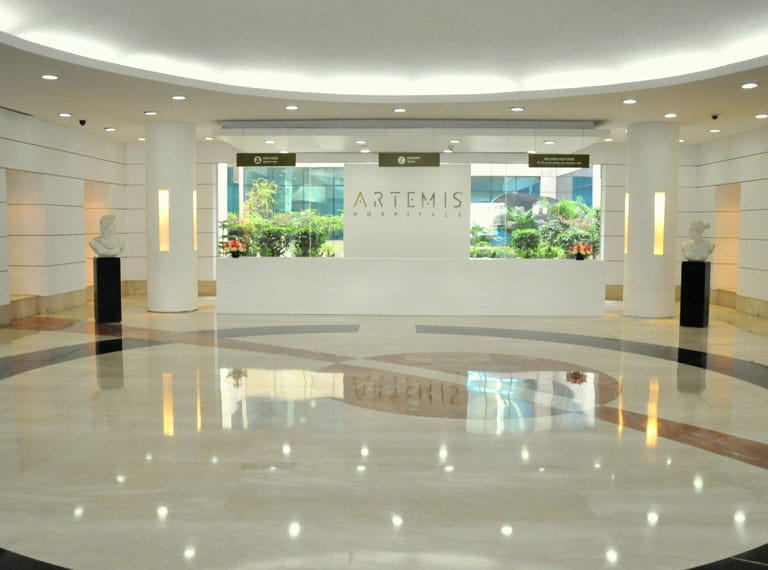
Artemis Hospital, Gurgaon
مستشفى أرتميس، جورجاون، هو مستشفى متعدد التخصصات معتمد من اللجنة الدولية المشتركة (JCI) تم إنشاؤه في عام 2007. ويقدم أكثر من 750 سريرًا وبنية تحتية عا...
الاعتماد


مرافق
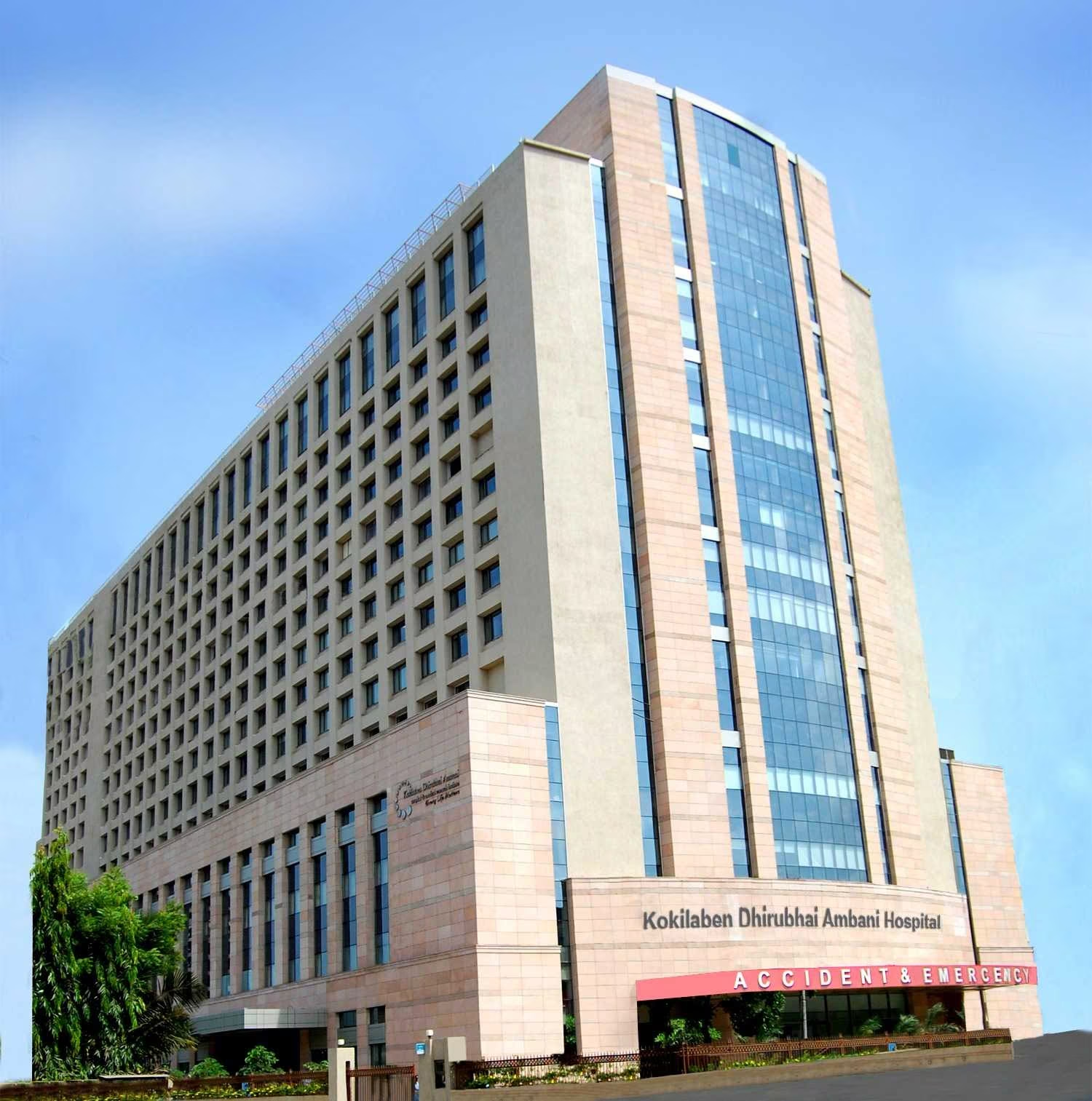
مستشفى كوكيلابين ديروبهاي أمباني، مومباي
مستشفى كوكيلابين ديروبهاي أمباني، مومباي، هو مستشفى رعاية رباعية معتمد من JCI وNABH وNABL وCAP، وقد تم تأسيسه في عام 2009. مع 750 سريرًا و180 سريرًا ل...
الاعتماد


مرافق
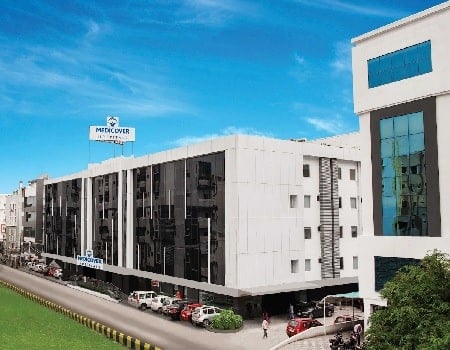
مستشفيات ميدي كوفر، مدينة هايتك، حيدر أباد
مستشفيات ميدي كوفر، هايتك سيتي، حيدر أباد، هي مستشفى فائقة التخصص معتمدة من NABH تضم 400 سرير، وقد تم تأسيسها في عام 2011. وهي جزء من ميدي كوفر، وهي ع...
الاعتماد


مرافق
الأطباء ذات الصلة
تواصل مع الأطباء ذوي الخبرة والمتخصصين الطبيين في هذا المجال.
دكتور أناندا ماندال
Consultant
دكتور أندرانيل خان
Consultant
الدكتور براديب تشاكرابارتي
Head of Department (HOD)
دكتور راكيش راجبوت
Head of Department (HOD)
الدكتور برافين جي إل
Consultant
الدكتور شاندراموهان ك
Senior Consultant
المقالات ذات الصلة
استكشاف المزيد من المقالات والرؤى حول مواضيع صحية مماثلة.
Back Pain or Something More? When Does a Spine Tumor Require Surgery?
كم من الوقت يمكنك العيش بعد زراعة الأعضاء؟
من يمكنه إجراء عملية زرع الأعضاء في الهند؟ شرح قواعد الأهلية
هل زراعة الأعضاء آمنة للمرضى الدوليين في الهند؟ شرح القوانين والمخاطر ومعدلات النجاح
زرع نخاع العظم مقابل العلاج بالخلايا التائية CAR-T: أيهما أفضل لسرطان الدم؟
هل يمكنك النجاة من سرطان الدم دون زراعة نخاع العظم؟

مؤلف
عرض الكلالدكتور ديبانشو سيواتش هو صيدلي سريري ذو خبرة وحاصل على درجة دكتوراه في الصيدلة. لديه أكثر من 4 سنوات من الخبرة وعمل مع آلاف المرضى. لقد ارتبط ببعض أفضل المستشفيات، مثل Artemis Gurgaon وكلية Teertha... اقرأ المزيد
يستخدم موقعنا ملفات تعريف الارتباط. سياسة الخصوصية.
