Type 2 Diabetes Surgery in India: Can Bariatric or Metabolic Surgery Reverse Diabetes?

15/6/2026, 5:25:32 AM 9 min read Medical Tourism
Type 2 Diabetes Surgery in India: Can Bariatric or Metabolic Surgery Reverse Diabetes?
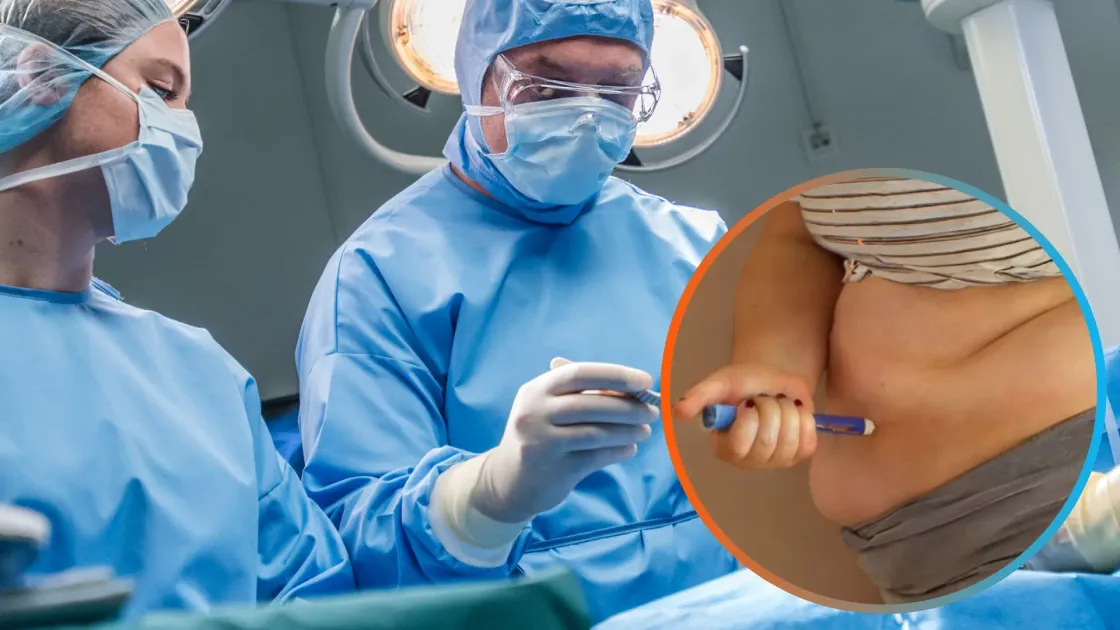
Roughly 537 million adults worldwide live with type 2 diabetes, and a significant proportion of them are losing the medication battle. Blood sugar remains poorly controlled despite multiple drugs. HbA1c stays elevated year after year. The complications of retinopathy, nephropathy, and cardiovascular disease accumulate in the background. The conversation about metabolic surgery, however, rarely happens until the situation has deteriorated significantly.


That delay lacks evidence. Data from long-term trials consistently show that metabolic surgery achieves diabetes remission rates of 47 to 60 percent with gastric bypass and superior glycaemic control compared with medical therapy at 7 and 12 years of follow-up. No medication produces outcomes as close to that as this one. And from a purely economic standpoint, with GLP-1 receptor agonists now costing USD 10,000 to USD 14,000 annually, the financial break-even point for surgery is reached within one year of medication costs.


India performs metabolic and bariatric surgery at costs 60-80 percent lower than in Western countries, with laparoscopic techniques, experienced surgeons, and JCI- and NABH-accredited facilities available for international patients across Delhi, Mumbai, Hyderabad, and Bangalore.


What Is Metabolic Surgery and How Does It Achieve Diabetes Remission?

Metabolic surgery was originally designed for weight loss. What researchers discovered, sometimes before significant weight loss had even occurred, was that certain procedures dramatically improved glycaemic control through mechanisms that went beyond calorie restriction.


The Gut Hormone Theory

When surgery reroutes the digestive pathway, particularly in Roux-en-Y gastric bypass (RYGB) and procedures involving intestinal bypass, the pattern of gut hormone secretion changes fundamentally:


  • GLP-1 and GIP levels rise sharply after surgery, improving insulin sensitivity and beta-cell function
  • Ghrelin, the hunger-stimulating hormone, falls significantly after sleeve gastrectomy
  • Bile acid signalling changes in a way that independently improves glucose metabolism
  • The gut microbiome shifts toward a composition associated with better metabolic function

These hormonal changes explain why glycaemic improvement often precedes significant weight loss in bypass procedures. A patient with type 2 diabetes may see normalising fasting glucose within days of surgery, before they have lost enough weight to account for the metabolic benefit through weight alone.


Who Qualifies for Metabolic Surgery?

Eligibility criteria have evolved meaningfully, particularly for Asian populations where metabolic disease develops at significantly lower body weights than in Western populations.

Clinical Profile

Recommended BMI for Consideration

T2D with inadequate glycaemic control on maximum medicationBMI ≥ 27.5 (Asian guidelines)
T2D with inadequate glycaemic controlBMI ≥ 30 (general international guidelines)
T2D + other metabolic comorbiditiesBMI ≥ 32.5
T2D with obesity, regardless of glycaemic controlBMI ≥ 35

Indian guidelines from the Obesity and Metabolic Surgery Society of India (OSSI) specifically recommend a lower BMI threshold of 27.5 for people of South Asian origin with T2D, recognising that visceral fat accumulation and insulin resistance manifest at lower absolute BMI in this population.


Who May Not Be Suitable

Surgery carries higher risk and lower likelihood of benefit in:


  • Patients with longstanding insulin-dependent diabetes (over 10 years, especially insulin-dependent) where beta-cell reserve is significantly depleted
  • Active psychiatric illness or substance dependence that is not adequately treated
  • Severe nutritional deficiencies not corrected pre-operatively
  • Significant cardiovascular risk requiring stabilisation before elective surgery


What Procedures Are Used in Metabolic Surgery?

Four procedures account for the majority of metabolic surgeries performed for diabetes remission, each with a different balance of efficacy, complexity, and nutritional consequences.


Roux-en-Y Gastric Bypass (RYGB)

The gold standard for diabetes remission. A small gastric pouch is created and connected directly to the middle section of the small intestine, bypassing the stomach and duodenum. This creates the strongest gut hormone response and produces the highest, consistent diabetes remission rates: 47 to 60 percent at three to five years across multiple large cohorts.


Data also show that RYGB maintains glycaemic benefit more durably than sleeve gastrectomy after weight regain, because the gut hormonal changes from intestinal rerouting persist independently of weight.


Laparoscopic Sleeve Gastrectomy (LSG)

The stomach is reduced to a narrow tube by removing approximately 80 percent of its volume. Sleeve gastrectomy is technically simpler than RYGB and results in diabetes remission in 39-52% of patients at 3-5 years. It carries a lower risk of nutritional deficiencies because the duodenum is preserved. However, the five-year SM-BOSS trial data shows that sleeve is associated with significantly higher rates of conversion to another procedure due to reflux or insufficient metabolic effect.


What Are the More Complex Metabolic Procedures?

One Anastomosis Gastric Bypass (OAGB)

Also called the mini gastric bypass, OAGB creates a gastric sleeve and connects it to a loop of small intestine with a single anastomosis, making it technically simpler than RYGB while still producing significant intestinal bypass. Diabetes remission rates are comparable to those of RYGB in the short- to medium-term, and OAGB has become increasingly popular at Indian metabolic surgery centres.


Biliopancreatic Diversion with Duodenal Switch (BPD-DS)

The most metabolically potent procedure, BPD-DS combines sleeve gastrectomy with a long intestinal bypass, producing diabetes remission in over 90 percent of cases. It is reserved for patients with the highest BMIs and the most complex metabolic profiles, as the malabsorptive component requires lifelong nutritional supplementation and close follow-up.


What Do Remission Rates Actually Look Like?

The term "remission" in metabolic surgery has a specific clinical definition: HbA1c below 6.5% without glucose-lowering medication for at least 1 year after surgery.


Realistic Outcome Data by Procedure

  • RYGB: 60 percent complete remission at five years, 38 percent at fifteen years (one of the largest long-term gastric bypass datasets)
  • Sleeve gastrectomy: 52 percent complete remission at five years; remission rates decline more steeply with long-term follow-up than RYGB
  • OAGB: 55 to 65 percent remission at two to three years in published series
  • BPD-DS: remission exceeding 90 percent in most series, but patient selection is highly specific


Factors that predict better outcomes:


  • Shorter duration of diabetes before surgery (under five years is a strong positive predictor)
  • No insulin use before surgery
  • Younger age at the time of surgery
  • Higher fasting C-peptide levels, indicating preserved beta-cell reserve

Dr. Muffazal Lakdawala, one of India's most experienced bariatric and metabolic surgeons with over 8,000 procedures across his career, has observed that timing of referral fundamentally changes what surgery can deliver: 

"We see the best and most durable remission when patients come to us before the beta cells have been exhausted by years of overstimulation. Surgery works with the body's own insulin capacity. Once that capacity is gone, we can improve control, but complete remission becomes significantly harder to achieve."


How Does Metabolic Surgery Compare to GLP-1 Receptor Agonists?

The arrival of semaglutide and tirzepatide has created a legitimate clinical debate that every patient considering metabolic surgery should understand. These drugs produce substantial weight loss and meaningful improvements in glycaemic control without surgery.


Key Differences

Factor

Metabolic Surgery

GLP-1 Agonists (Semaglutide/Tirzepatide)

Diabetes remission rate47 to 90% depending on procedure15 to 30% (less durable)
Duration of benefitDurable without ongoing treatmentBenefits reverse on discontinuation
Weight loss25 to 35% total body weight loss15 to 22% (semaglutide/tirzepatide)
Annual ongoing costNone after surgeryUSD 10,000 to 14,000/year
RiskSurgical risk (0.1 to 0.3% mortality)Nausea, GI side effects, pancreatitis risk
Best suited forDurable remission, avoiding lifelong medicationPatients not suitable for or choosing to avoid surgery

From a lifetime cost perspective, surgery becomes financially advantageous within 1 to 2 years compared with the annual cost of GLP-1 agonists. Both are valid clinical choices. The decision depends on the patient's risk tolerance for surgery, medication cost burden, desire for drug-free remission, and the duration and severity of their diabetes.


How Much Does Metabolic Surgery Cost in India?

Metabolic surgery in India costs between USD 3,000 and USD 6,500 for most procedures at accredited hospitals, representing savings of 60 to 80 percent compared to the United States, the United Kingdom, and Australia.


Procedure-Specific Cost Breakdown (Updated - 2026)

Procedure

India Cost (USD)

What It Includes

Laparoscopic Sleeve Gastrectomy3,000 to 4,500Surgery, 2-3 nights hospital, post-op care
Roux-en-Y Gastric Bypass (RYGB)4,000 to 5,500Surgery, 3-4 nights hospital, post-op care
One Anastomosis Gastric Bypass (OAGB)3,500 to 5,000Surgery, 2-4 nights hospital, post-op care
BPD-DS (Duodenal Switch)5,500 to 8,000Surgery, 4-5 nights hospital, post-op care
Revisional Bariatric Surgery5,000 to 9,000Complexity-dependent


Individual Cost Components

Component

Approximate Cost (USD)

Surgeon's fee (metabolic/bariatric specialist)700 to 2,000
Anaesthesia250 to 500
Operating theatre (laparoscopic equipment)500 to 1,000
Hospital room (per night, general ward)80 to 180
Hospital room (per night, private/single)150 to 350
Pre-operative workup (bloods, HbA1c, ECG, echo, sleep study where needed)300 to 700
Nutritionist and dietitian consultation50 to 150
Post-operative medications (during hospital stay)100 to 300

Patients should clarify whether the quoted price includes stapler cartridges and laparoscopic equipment consumables, which add USD 300 to USD 600 to the procedure cost and are sometimes billed separately from the surgical fee.


How Does India's Metabolic Surgery Cost Compare Globally?

Country

Sleeve Gastrectomy (USD)

Gastric Bypass (USD)

India3,000 to 4,5004,000 to 5,500
Thailand7,000 to 12,00010,000 to 15,000
Turkey5,000 to 9,0007,000 to 12,000
Mexico6,000 to 10,0008,000 to 13,000
UK (private)10,000 to 15,00015,000 to 22,000
USA14,000 to 23,00020,000 to 35,000
Australia12,000 to 18,00018,000 to 28,000

What Does Recovery Involve After Metabolic Surgery?

Recovery from laparoscopic metabolic surgery follows a predictable pattern, with most patients resuming normal activity within three to four weeks.


  • Day of surgery: Patients walk the same day. Clear fluids begin within hours.
  • Days 1 to 3: Inpatient monitoring. Drain removal (if used) on day two. Soft liquid diet begins.
  • Days 4 to 10: Hotel recovery for international patients. Daily clinic check-ins if required. Progressive diet advancement from liquids to purées.
  • Day 10 to 14: Most international patients are cleared to fly home.


Diet Progression After Surgery

Phase

Duration

Diet Type

Phase 1Days 1 to 7Clear liquids, protein shakes
Phase 2Weeks 2 to 4Full liquids and soft purées
Phase 3Weeks 4 to 8Soft foods, small portions
Phase 4After week 8Regular food in small quantities

Lifelong nutritional supplementation (multivitamins, calcium, vitamin D, and B12) is mandatory after RYGB and BPD-DS, and strongly recommended after sleeve. International patients must establish a follow-up relationship with a local bariatric dietitian before returning home.


What to Consider When Choosing a Metabolic Surgery Centre in India

India has a growing number of hospitals offering bariatric and metabolic procedures, but the depth of experience in specifically metabolic indications for diabetes, including lower BMI surgery, varies significantly.


Centres with the most relevant depth for international diabetic patients typically offer:


  • Dedicated metabolic surgery programmes separate from purely weight-loss bariatric programmes, with pre-operative endocrinology assessment and HbA1c optimisation before surgery
  • OSSI-certified or IFSO-member surgeons with documented volume in metabolic procedures
  • Full pre-operative workup including C-peptide testing, oral glucose tolerance testing, and nutritional assessment to predict remission potential
  • Post-operative endocrine follow-up coordinated with the patient's home diabetologist before discharge


To Summarise

Metabolic surgery for type 2 diabetes is now recognised as an evidence-based treatment option, supported by long-term studies showing better diabetes control than medication alone in selected patients.


The decision about which procedure suits a particular patient and whether the timing is right, based on the duration of diabetes and remaining beta-cell function, requires a thorough pre-operative assessment that goes beyond a BMI calculation. Patients who arrive at surgery with preserved insulin-producing capacity, earlier in their disease course, consistently achieve the best results.


India's metabolic surgery sector offers genuine expertise in this decision-making process. Patients considering metabolic surgery can contact us for a remote assessment with accredited Indian specialists. Most centres review medical reports within 48 hours and provide guidance on suitable procedures, expected outcomes, and estimated treatment costs.


Fill out the consultation form to explore whether metabolic surgery may be the right option for your diabetes management plan.


Disclaimer: This article provides general information about metabolic surgery as a treatment for type 2 diabetes. It does not constitute medical advice and must not replace a consultation with a qualified bariatric surgeon and endocrinologist. Individual outcomes depend on duration of diabetes, insulin reserve, BMI, comorbidities, and surgical technique. Patients should consult their treating physician before making any decisions about metabolic surgery.

Related Hospitals

Discover hospitals and medical centers related to this topic for quality healthcare services.
Medical Park Bahcelievler Hospital
Platinum
View Details

Medical Park Bahcelievler Hospital

Istanbul, Turkey

Medical Park Bahcelievler Hospital is a 242-bed JCI-accredited hospital in Istanbul, established in 2007. Spread across 33,000 square meters and 19 fl...

Multi-specialty
Established 2007
242 beds
Accreditations
Joint Commission International (JCI)
Facilities
+13
BLK-Max Super Speciality Hospital, New Delhi
Platinum
View Details

BLK-Max Super Speciality Hospital, New Delhi

New Delhi, India

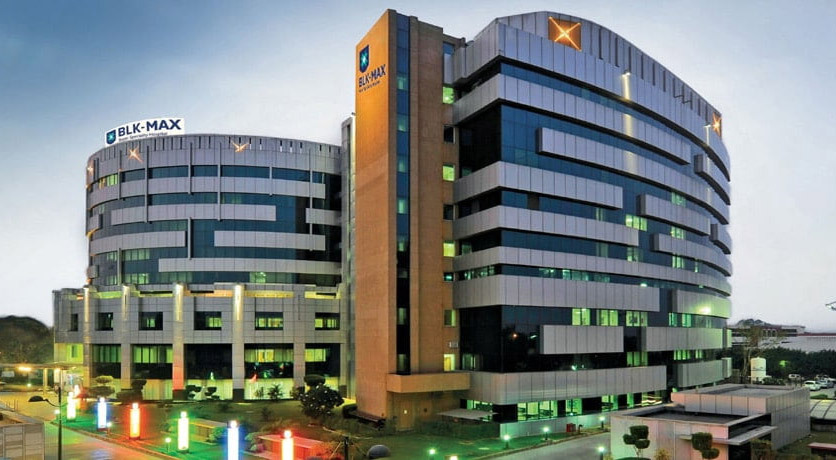
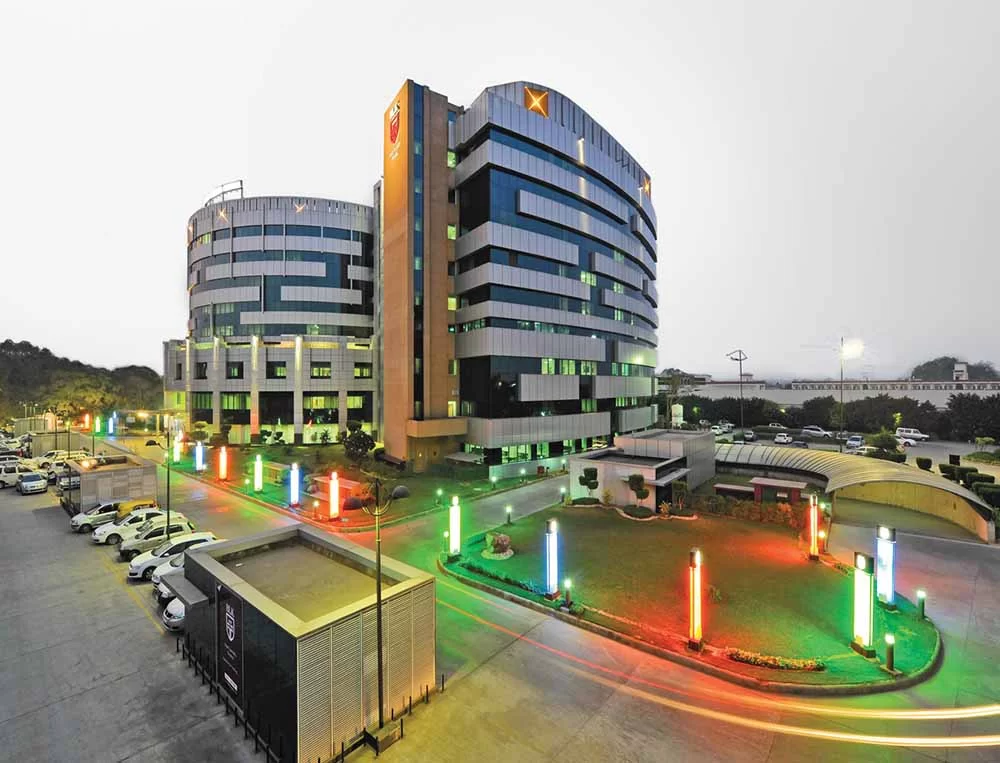
BLK-Max Super Speciality Hospital in New Delhi is one of India's premier healthcare institutions, offering 650 beds, 22 advanced operation theatres, a...

Multi-specialty
Established 1959
650 beds
Accreditations
Joint Commission International (JCI)
National Accreditation Board for Hospitals & Healthcare Providers (NABH)
Facilities
+13
Fortis Memorial Research Institute (FMRI), Gurgaon
Platinum
View Details

Fortis Memorial Research Institute (FMRI), Gurgaon

Gurgaon, India

Fortis Memorial Research Institute (FMRI), Gurgaon, is a world-class multi-specialty hospital established in 2013. The hospital offers 330 beds, 15 op...

Multi-specialty
Established 2013
330 beds
Accreditations
Joint Commission International (JCI)
National Accreditation Board for Hospitals & Healthcare Providers (NABH)
Facilities
+13
Artemis Hospital, Gurgaon
Platinum
View Details

Artemis Hospital, Gurgaon

Gurgaon, India

Artemis Hospital, Gurgaon, is a JCI accredited multispecialty hospital that was established in 2007. It offers 750+ beds and world -class infrastructu...

Multi-specialty
Established 2007
750 beds
Accreditations
Joint Commission International (JCI)
National Accreditation Board for Hospitals & Healthcare Providers (NABH)
International Organization for Standardization (ISO)
Facilities
+13
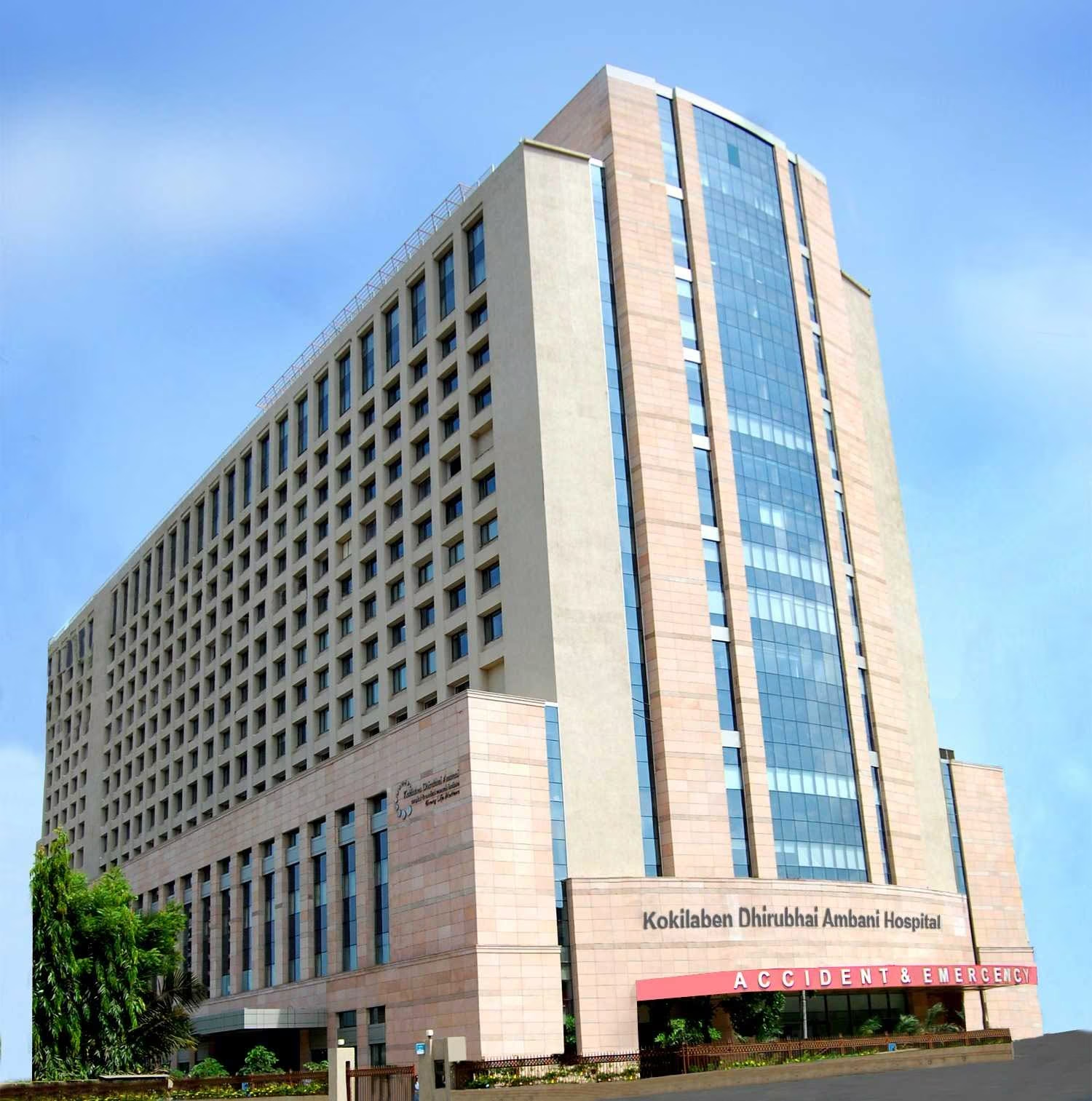
Kokilaben Dhirubhai Ambani Hospital, Mumbai
Platinum
View Details

Kokilaben Dhirubhai Ambani Hospital, Mumbai

Mumbai, India

Kokilaben Dhirubhai Ambani Hospital, Mumbai, is a JCI, NABH, NABL, and CAP-accredited quaternary care hospital established in 2009. With 750 beds, 180...

Multi-specialty
Established 2009
750 beds
Accreditations
Joint Commission International (JCI)
National Accreditation Board for Hospitals & Healthcare Providers (NABH)
International Organization for Standardization (ISO)
Facilities
+13
Medicover Hospitals, Hitech City, Hyderabad
Platinum
View Details

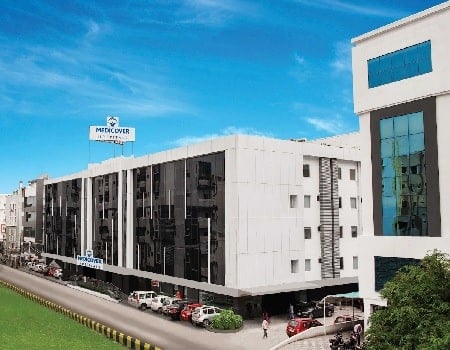
Medicover Hospitals, Hitech City, Hyderabad

Hyderabad, India

Medicover Hospitals, Hitech City, Hyderabad, is a 400-bed NABH-accredited super-specialty hospital established in 2011. It is part of Medicover, a glo...

Multi-specialty
Established 2011
400 beds
Accreditations
National Accreditation Board for Hospitals & Healthcare Providers (NABH)
Joint Commission International (JCI)
Facilities
+13

Related Doctors

Connect with experienced doctors and medical specialists in this field.

Dr. Somarajan M R

Dr. Somarajan M R

Senior Consultant

34 years of experience
View Details
Dr. Nibin Nahaz

Dr. Nibin Nahaz

Consultant

15 years of experience
View Details
Dr. Anu Antony Varghese

Dr. Anu Antony Varghese

Consultant

19 years of experience
View Details
Dr. Tarun John George

Dr. Tarun John George

Consultant

5 years of experience
View Details
Dr. D. Babu Vinish

Dr. D. Babu Vinish

Senior Consultant

20 years of experience
View Details
Dr. D Nageshwar Reddy

Dr. D Nageshwar Reddy

Chairman

40 years of experience
View Details

Related Articles

Explore more articles and insights on similar health topics.

Facelift Surgery in India: Procedure, Recovery, and Choosing the Best Surgeons

Medical Tourism

Facelift Surgery in India: Procedure, Recovery, and Choosing the Best Surgeons

15/6/2026, 6:51:08 PM
8 min read
Ageing does not happen evenly across the face. The jawline softens into jowls. The neck loses definition. The midface descends, pulling the nasolabial...
Male Infertility Treatment: Causes, Diagnosis, and What Options Are Available Today
Medical Tourism

Male Infertility Treatment: Causes, Diagnosis, and What Options Are Available Today

15/6/2026, 6:33:04 PM
11 min read
Male factor infertility contributes to roughly 40 to 50% of all infertility cases, according to published epidemiological data from the American Urolo...
Paediatric Heart Surgery in India: Costs, Technologies, and Outcomes

Medical Tourism

Paediatric Heart Surgery in India: Costs, Technologies, and Outcomes

15/6/2026, 4:57:22 AM
9 min read
When a child is diagnosed with a heart defect, the fear that follows is unlike anything most parents have faced before. The questions come all at once...
Heart Failure Treatment Options: From Medication to Heart Transplant

Medical Tourism

Heart Failure Treatment Options: From Medication to Heart Transplant

15/6/2026, 4:11:03 AM
9 min read
Heart failure affects an estimated 64 million people worldwide. It is one of the leading causes of hospitalisation in adults over 65, responsible for ...
Angioplasty vs Bypass Surgery: Which Heart Treatment Is Better?
Medical Tourism

Angioplasty vs Bypass Surgery: Which Heart Treatment Is Better?

14/6/2026, 1:06:35 PM
10 min read
Most patients find out they need one of these two procedures when they are least prepared to evaluate the differences between them. A coronary angiogr...
Heart Bypass Surgery in India: Types, Latest Techniques, and Recovery

Medical Tourism

Heart Bypass Surgery in India: Types, Latest Techniques, and Recovery

14/6/2026, 12:45:38 PM
8 min read
Cardiovascular disease is the world's leading cause of death, responsible for 17.9 million lives lost every year, according to the World Health Organi...
Nadeem Malik

Medical Writer

Medical Representative Shield Healthcare Pvt. Ltd
B-Pharm

Nadeem Malik is a dedicated medical writer with a strong academic background in pharmacy. He holds a Bachelor of Pharmacy (B.Pharm) degree from Teerthanker Mahaveer University, Moradabad, and has over... Read More

Our website uses cookies. By clicking on accept you give your consent to the use of cookies as per our Privacy Policy.