
Paediatric Heart Surgery in India: Costs, Technologies, and Outcomes
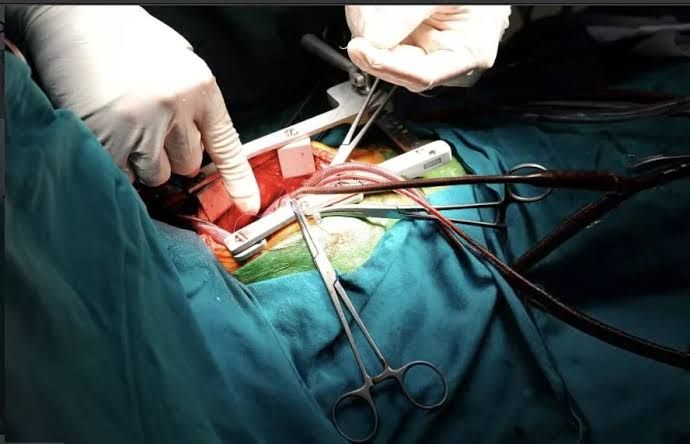
When a child is diagnosed with a heart defect, the fear that follows is unlike anything most parents have faced before. The questions come all at once: how serious is it, can it be fixed, and where should it be treated? For families from Africa, the GCC, Southeast Asia, and Central Asia, the answers increasingly point to India, where some of the world's most experienced paediatric cardiac surgery programmes operate at costs that make treatment genuinely reachable.
Congenital heart disease (CHD) affects approximately 8 to 9 in every 1,000 live births globally, according to epidemiological data. In India alone, an estimated 180,000 children are born with heart defects each year. Many of the surgeons and centres that have grown to meet this volume now treat international patients from more than 60 countries, bringing a depth of case experience in paediatric cardiac anatomy and complex neonatal surgery that very few programmes anywhere in the world match.
What Is Congenital Heart Disease and Which Conditions Require Surgery?
CHD refers to structural heart abnormalities present at birth. The spectrum runs from small defects that close spontaneously or require only monitoring, to conditions so severe that surgery within the first days of life determines whether the child survives.
Acyanotic Defects
These conditions do not cause a blue discolouration of the skin because oxygenated blood still reaches the body. They include:
- Ventricular Septal Defect (VSD): A hole in the wall between the heart's two pumping chambers. The most common CHD, accounting for roughly 21 percent of all cases in published Indian paediatric cardiac series. Small VSDs may close on their own. Larger ones require surgical patch repair or catheter-based device closure.
- Atrial Septal Defect (ASD): A hole between the upper chambers. Many ASDs are suitable for catheter-based device closure without open-heart surgery.
- Patent Ductus Arteriosus (PDA): A blood vessel that should close at birth remains open. Device closure or surgical ligation is indicated for significant PDAs.
- Coarctation of the Aorta: A narrowing of the main artery leaving the heart. Balloon dilatation, stenting, or surgical resection is used to correct it, depending on age and anatomy.
Which Cyanotic Heart Defects Require Urgent Surgical Attention?
These conditions cause reduced oxygen in the blood, producing the characteristic blue tint of the lips and fingernails. They are generally more complex and carry greater surgical urgency.
- Tetralogy of Fallot (TOF): Four combined defects including a VSD, pulmonary stenosis, an overriding aorta, and right ventricular hypertrophy. Complete intracardiac repair is typically performed within the first year of life.
- Transposition of the Great Arteries (TGA): The aorta and pulmonary artery are connected to the wrong ventricles. The arterial switch operation must be performed within the first two weeks of life, before the left ventricle loses its capacity to pump at systemic pressure.
- Total Anomalous Pulmonary Venous Connection (TAPVC): The pulmonary veins drain into the wrong side of the heart. Surgical correction is urgent in most forms.
- Hypoplastic Left Heart Syndrome (HLHS): The left side of the heart is severely underdeveloped. Treatment requires a staged approach across three operations: Norwood, Glenn, and Fontan procedures, spread over the first five years of life.
What Surgical Approaches Are Used in India?
Paediatric cardiac surgery in India spans three broad approaches, matched to the child's anatomy and age.
Catheter-Based (Interventional) Procedures
For suitable defects, a cardiologist threads a catheter through the blood vessels under imaging guidance, without any chest incision. Devices are deployed to close holes or dilate narrowed valves. This applies to many ASDs, smaller VSDs, PDAs, and pulmonary valve stenosis. Hospital stays are typically two to three days. Recovery is rapid, and children return to normal activity within a week.
Open-Heart Surgery
Conditions requiring direct repair of the heart structures (TOF, TGA, complex VSDs, TAPVC, valve repair) require open-heart surgery on cardiopulmonary bypass. The bypass machine supports the child's circulation while the surgeon works on a still heart. Paediatric cardiac bypass circuits, perfusion techniques, and myocardial protection strategies are specifically designed for infants and neonates, whose physiological parameters differ significantly from adults.
Staged Surgical Programmes
Complex conditions including HLHS and pulmonary atresia require planned multiple operations across years. India's leading paediatric cardiac programmes manage these staged pathways with longitudinal follow-up protocols, imaging surveillance between stages, and clinical review before each planned intervention.
What Technologies Are Available at Indian Paediatric Cardiac Centres?
India's top paediatric cardiac hospitals have invested significantly in the imaging and intraoperative technologies that improve outcomes in small and sick children.
Diagnostic and Planning Tools
- Foetal echocardiography: Available at leading centres to diagnose CHD before birth, allowing delivery planning and immediate postnatal intervention where needed
- 3D echocardiography: Provides the spatial anatomy detail that two-dimensional echo cannot, important for complex ventricular septal defects, atrioventricular canal defects, and valve anatomy
Cardiac MRI and CT angiography with paediatric protocols: Low-dose imaging adapted for infant body size, used for complex three-dimensional anatomy before staged repairs
Intraoperative and Post-Operative Support
- Neonatal and paediatric cardiopulmonary bypass circuits specifically sized for patients under five kilograms, where conventional adult circuits cause significant haemodilution and inflammatory response
- ECMO (Extracorporeal Membrane Oxygenation) available at major paediatric cardiac centres for post-operative cardiac and respiratory failure support in the most critically ill patients
- Dedicated paediatric cardiac ICUs (PCICU) with nursing ratios and monitoring protocols specifically trained for post-cardiac surgical recovery in children from neonates to adolescents
- Hybrid procedures: Combining catheter-based and surgical techniques in a single hybrid operating room, allowing surgeons and interventional cardiologists to work together on complex cases that neither approach alone can address
How Much Does Paediatric Heart Surgery Cost in India?
Paediatric heart surgery in India costs between USD 3,000 and USD 9,000 for most procedures at accredited cardiac hospitals, depending on complexity, approach, and hospital tier. It represents a saving of 80 to 95 percent compared to equivalent treatments in the United States or Western Europe.
Cost Breakdown by Procedure (International Patients, 2026)
Procedure | Estimated Cost (USD) | Typical Hospital Stay |
| ASD/VSD device closure (catheter-based) | 3,000 to 4,500 | 2 to 4 days |
| PDA ligation/device closure | 2,500 to 4,000 | 2 to 3 days |
| VSD open-heart surgical repair | 4,500 to 6,500 | 7 to 10 days |
| TOF complete intracardiac repair | 5,500 to 8,500 | 10 to 14 days |
| Arterial switch operation (TGA) | 7,000 to 12,000 | 14 to 21 days |
| Norwood / Stage 1 HLHS | 9,000 to 15,000 | 21 to 30 days |
| Fontan completion (Stage 3) | 6,000 to 10,000 | 10 to 14 days |
Note: Costs are indicative ranges from accredited Indian paediatric cardiac centres. Complex neonatal cases with prolonged ECMO or PCICU support may exceed these ranges.
What Does Each Cost Component Cover?
Component | Approximate Cost (USD) |
| Surgeon's fee (paediatric cardiac surgeon) | 800 to 2,500 |
| Anaesthesia (paediatric cardiac anaesthetist) | 300 to 600 |
| Operating theatre charges | 500 to 1,200 |
| Cardiopulmonary bypass team and perfusion | 400 to 900 |
| PCICU stay (per day) | 150 to 400 |
| General ward stay (per day) | 80 to 200 |
| Pre-operative investigations (echo, ECG, CT, blood work) | 300 to 800 |
| Device implant (for catheter-based closures) | 800 to 2,000 |
| Post-operative medications (during hospital stay) | 200 to 600 |
Families should request a fully itemised estimate before confirming the booking. Items such as ECMO support, device costs, additional ICU days, and blood products for complex neonatal cases can add USD 1,000 to USD 5,000 to the base quote depending on the clinical course.
How Does India's Paediatric Cardiac Surgery Cost Compare Globally?
The cost difference between India and the United States for a TGA arterial switch operation can exceed USD 150,000. For families from lower-middle-income countries facing this diagnosis in a child, India is not simply a cheaper option. In many cases, it is the only option.
Country | Simple Repair (USD) | Complex Surgery (USD) |
| India | 3,000 to 4,500 | 7,000 to 12,000 |
| Thailand | 8,000 to 14,000 | 15,000 to 30,000 |
| Turkey | 7,000 to 12,000 | 14,000 to 25,000 |
| Germany | 25,000 to 45,000 | 50,000 to 90,000 |
| UK (private) | 20,000 to 40,000 | 40,000 to 80,000 |
| USA | 50,000 to 120,000 | 150,000 to 400,000+ |
What Do Outcomes Look Like at Indian Paediatric Cardiac Centres?
Clinical outcomes at India's leading paediatric cardiac centres are broadly comparable to international benchmarks, particularly at accredited, high-volume hospitals specialising in the treatment of congenital heart disease.
Published data from systematic reviews of Indian paediatric cardiac programmes report in-hospital mortality rates of approximately 2% to 4% for complex cyanotic heart surgeries. These figures are consistent with outcomes reported by many established paediatric cardiac centres in higher-income countries.
How Surgical Outcomes Are Measured
Many leading Indian hospitals use the STAT (Society of Thoracic Surgeons-European Association for Cardio-Thoracic Surgery) mortality classification system to evaluate surgical complexity and risk. This internationally recognised benchmarking system helps compare outcomes across paediatric cardiac surgery programs worldwide.
Hospitals that publish or share STAT-stratified mortality data generally provide the clearest insight into programme quality, surgical experience, and case complexity.
Why Surgical Volume Matters
High surgical volume plays a major role in improving outcomes in paediatric cardiac surgery. Surgeons and multidisciplinary teams that perform large numbers of congenital heart procedures often develop greater technical precision and experience in managing complex cardiac anatomy.
Dr. Devi Shetty, who has performed several thousand paediatric cardiac surgeries and founded the Narayana Health group in Bangalore, has noted that high surgical volume is inseparable from good outcomes in paediatric cardiac care:
"When a surgeon performs ten arterial switch operations a year, they are still learning. When they perform a hundred, the fine motor memory and the anatomical anticipation become reflexive. That is when outcomes start to look consistently good."
This relationship between volume and outcome is well established in the paediatric cardiac surgery literature globally, and it is one of the strongest arguments for choosing a high-volume centre regardless of geography.
What Should Families Consider When Choosing a Cardiac Centre in India?
Choosing a paediatric cardiac surgery centre involves more than comparing quoted costs. The following factors genuinely differentiate high-quality programmes from average ones.
Programme Volume
Centres performing more than 500 paediatric cardiac operations annually and more than 50 neonatal operations are large enough to maintain the training, teamwork, and reflexive pattern recognition required for complex cases. A centre treating mostly simple ASDs and VSDs will not have the same depth of experience with neonatal TOF repair or staged HLHS palliation as a high-volume programme managing the full spectrum of CHD.
Dedicated PCICU
Post-operative management in paediatric cardiac surgery is as important as the surgery itself. A dedicated PCICU with nurses trained specifically in post-cardiac-surgical care, ECMO management, and neonatal hemodynamic monitoring makes a measurable difference in survival and recovery in complex cases.
Multidisciplinary Team
The best paediatric cardiac programmes bring together paediatric cardiac surgeons, interventional paediatric cardiologists, paediatric cardiac anaesthetists, perfusionists, and PCICU intensivists who work and train together routinely. This team cohesion matters most when the unexpected happens intraoperatively or post-operatively.
International Patient Infrastructure
Families travelling from abroad need a centre with experience managing the full journey: pre-arrival imaging review, visa coordination, interpreter services for clinical communication, accommodation guidance for the accompanying parent, and a clear discharge plan that includes the post-operative follow-up protocol for the child's home
cardiologist.
Conclusion
The most important thing about pediatric cardiac surgery in India is not the cost savings, impressive as they are. It is that for a large proportion of the children who travel from Africa, the GCC, and Southeast Asia for surgery, India represents the difference between receiving treatment and not receiving it at all.
India's paediatric cardiac surgery sector has grown on the back of one of the world's largest domestic burdens of congenital heart disease. The volume that has resulted and the institutional knowledge that comes with it mean that international families bringing their children to leading Indian centres are not choosing a compromise. They are choosing some of the most experienced paediatric cardiac surgical teams in the world.
Take the Next Step
Receiving a diagnosis of congenital heart disease can feel overwhelming for parents. However, understanding the treatment options early can make the path forward much clearer.
Qonaq Health helps families connect with accredited paediatric cardiac centres in India for remote case evaluations before travelling. Most hospitals can review echocardiography reports, cardiac imaging, and clinical summaries within 24 to 48 hours.
You can contact us by filling out the consultation form to receive expert guidance and explore the most suitable treatment options for your child.
Disclaimer: This article provides general educational information about paediatric heart surgery options in India. It does not constitute medical advice and must not replace a consultation with a qualified paediatric cardiac surgeon and paediatric cardiologist. Individual treatment decisions depend on the specific CHD diagnosis, the child's age and weight, associated conditions, and the timing of intervention. Families should consult a paediatric cardiac specialist before making any decisions about surgery or medical travel.
Related Hospitals
Discover hospitals and medical centers related to this topic for quality healthcare services.
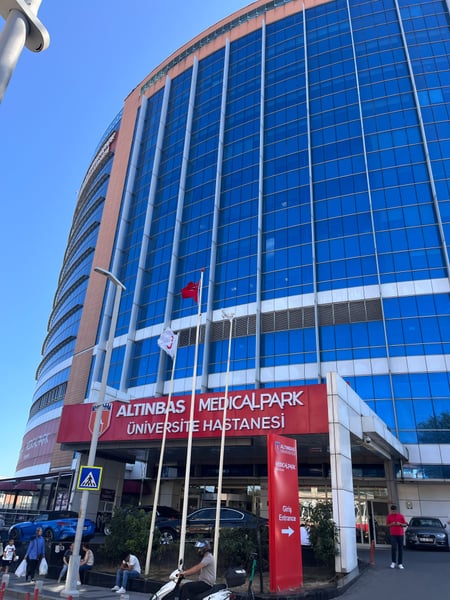
Medical Park Bahcelievler Hospital
Medical Park Bahcelievler Hospital is a 242-bed JCI-accredited hospital in Istanbul, established in 2007. Spread across 33,000 square meters and 19 fl...
Accreditations
Facilities
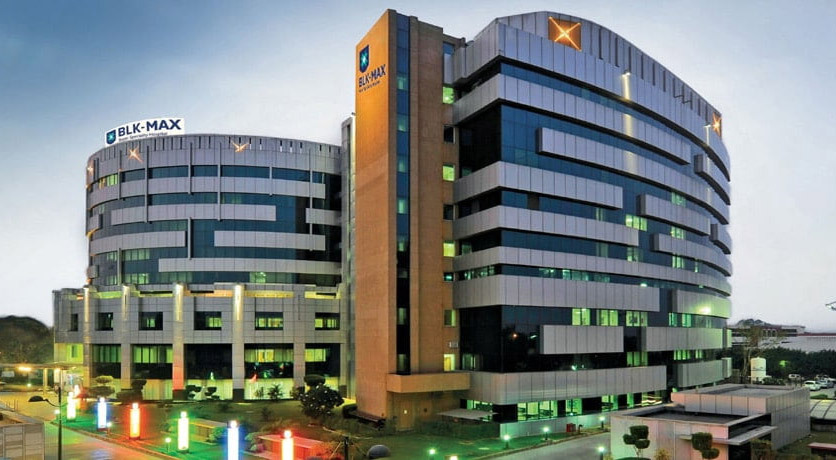
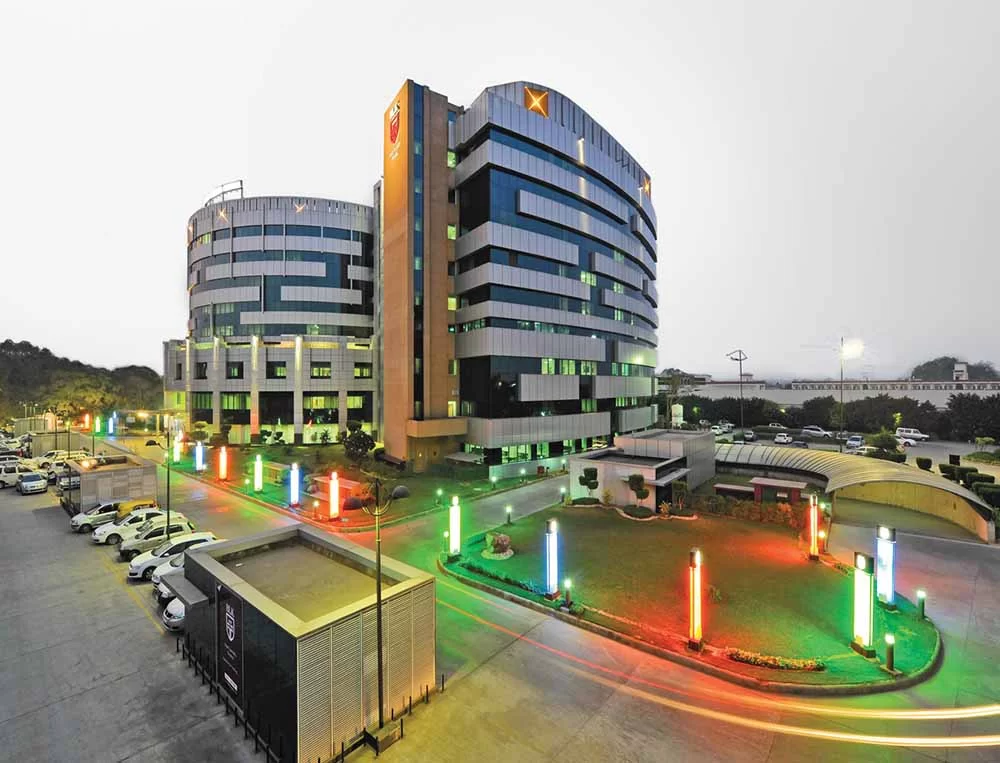
BLK-Max Super Speciality Hospital, New Delhi
BLK-Max Super Speciality Hospital in New Delhi is one of India's premier healthcare institutions, offering 650 beds, 22 advanced operation theatres, a...
Accreditations

Facilities
Fortis Memorial Research Institute (FMRI), Gurgaon
Fortis Memorial Research Institute (FMRI), Gurgaon, is a world-class multi-specialty hospital established in 2013. The hospital offers 330 beds, 15 op...
Accreditations


Facilities
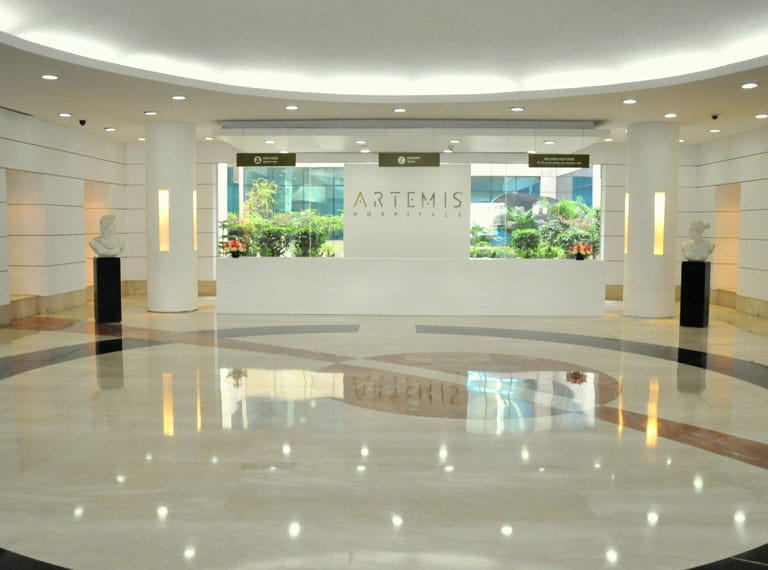
Artemis Hospital, Gurgaon
Artemis Hospital, Gurgaon, is a JCI accredited multispecialty hospital that was established in 2007. It offers 750+ beds and world -class infrastructu...
Accreditations


Facilities
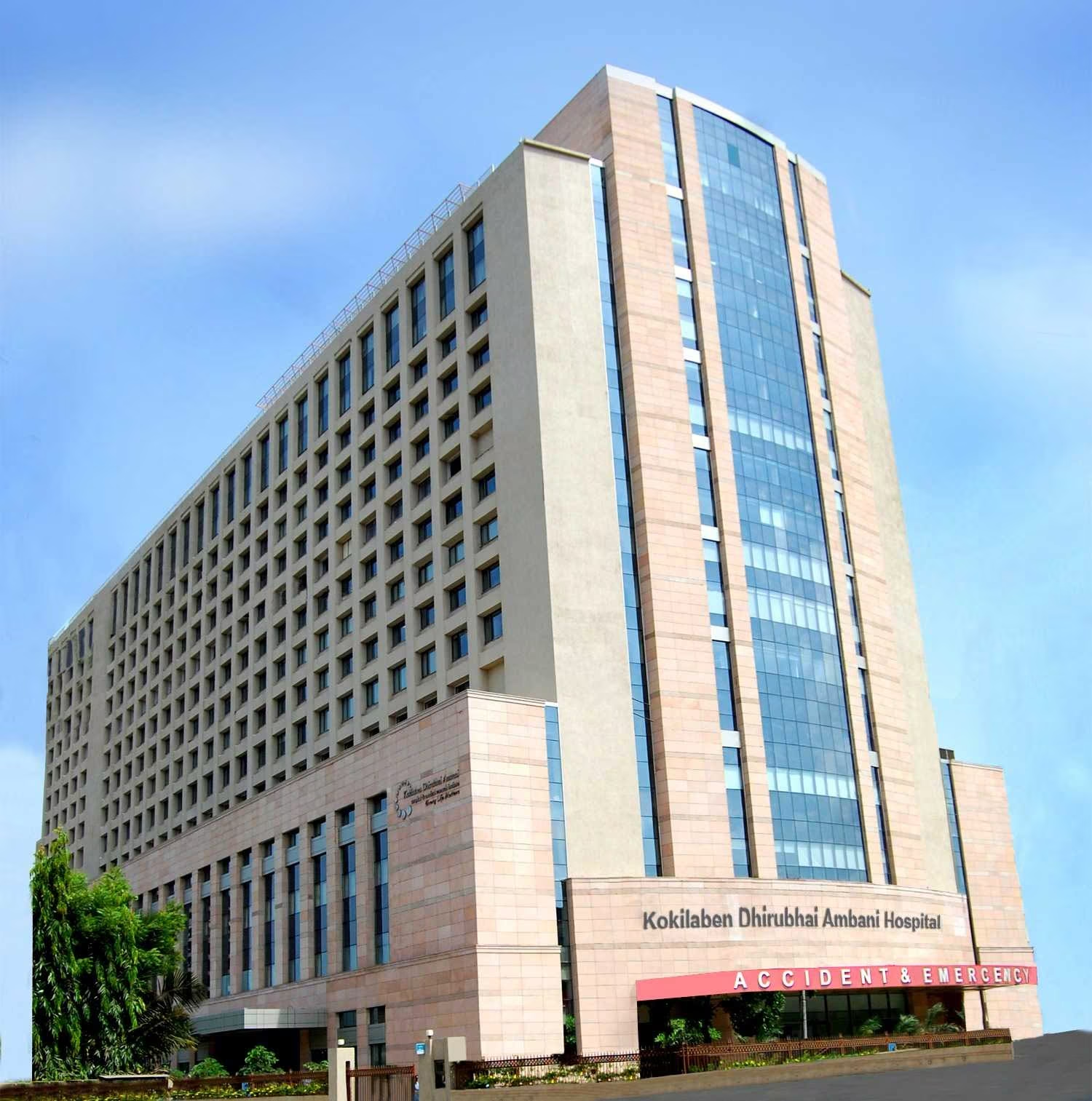
Kokilaben Dhirubhai Ambani Hospital, Mumbai
Kokilaben Dhirubhai Ambani Hospital, Mumbai, is a JCI, NABH, NABL, and CAP-accredited quaternary care hospital established in 2009. With 750 beds, 180...
Accreditations


Facilities
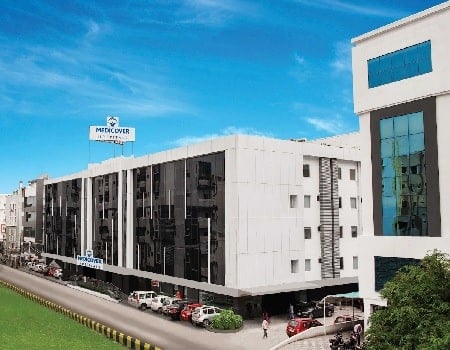
Medicover Hospitals, Hitech City, Hyderabad
Medicover Hospitals, Hitech City, Hyderabad, is a 400-bed NABH-accredited super-specialty hospital established in 2011. It is part of Medicover, a glo...
Accreditations


Facilities
Related Doctors
Connect with experienced doctors and medical specialists in this field.

Dr. P Krishnam Raju
Senior Consultant
Dr. K Raghu
Senior Consultant
Dr. C Narasimhan
Senior Consultant
Dr. Suvro Banerjee
Senior Consultant
Dr. Aftab Khan
Consultant
Dr. Swapan Kumar De
Senior Consultant
Related Articles
Explore more articles and insights on similar health topics.

Facelift Surgery in India: Procedure, Recovery, and Choosing the Best Surgeons

Male Infertility Treatment: Causes, Diagnosis, and What Options Are Available Today
Type 2 Diabetes Surgery in India: Can Bariatric or Metabolic Surgery Reverse Diabetes?
Heart Failure Treatment Options: From Medication to Heart Transplant
Angioplasty vs Bypass Surgery: Which Heart Treatment Is Better?
Heart Bypass Surgery in India: Types, Latest Techniques, and Recovery

Author
View AllHead - International Patient Services
Dr. Riya Shree is a clinical physiotherapist who completed her internship at Mata Chanan Devi Hospital, New Delhi, gaining hands-on experience in patient care and rehabilitation. She served on the fr... Read More
Our website uses cookies. By clicking on accept you give your consent to the use of cookies as per our Privacy Policy.
