How Long Do International Patients Stay in India After Cancer Surgery?

10/2/2026, 11:26:29 AM 10 min read Medical Tourism
How Long Do International Patients Stay in India After Cancer Surgery?

International patients usually stay in India for two to six weeks after cancer surgery, depending on the surgery type and recovery needs. The stay includes hospital recovery, early follow-up, and medical clearance for return travel.


Cancer surgery requires close monitoring during the initial recovery phase. Doctors assess wound healing, pain control, mobility, and early complications before approving travel. India supports this process through structured postoperative care and coordinated follow-up planning.


Length of stay varies based on surgical complexity, overall health, and need for additional treatment. Proper planning helps patients arrange accommodation, travel timelines, and support during recovery in India.


Why Does Length of Stay Matter After Cancer Surgery?

Length of stay after cancer surgery affects recovery safety, travel readiness, and long-term outcomes. Doctors recommend adequate recovery time to reduce complications and support healing.


  • Post-Surgery Monitoring and Safety: Doctors monitor wound healing, drainage, and early complications during the first weeks after surgery. Close observation supports timely intervention. Monitoring improves recovery safety.
  • Follow-Up and Medical Clearance: Patients require follow-up visits for stitch removal, drain management, and medication adjustment. Doctors assess fitness to travel before discharge from care. Medical clearance supports safe return travel.
  • Travel Fitness and Comfort: Long-distance travel places physical stress on the body. Adequate recovery time reduces pain and fatigue during flights. Proper timing supports safer travel.
  • Reduced Risk of Readmission: Early travel increases the risk of unmanaged complications. Staying for the recommended recovery period reduces emergency readmissions. Stability supports smoother healing.
  • Planning for Accommodation and Support: Clear recovery timelines help patients plan to stay near hospitals. Proximity supports access to follow-up care. Organized planning reduces stress during recovery.

Recovery needs vary by patient and surgery type. Doctors explain the expected duration of stay during treatment planning.


How Many Weeks Do Patients Stay in India After Cancer Surgery?

International patients usually plan a total stay of two to six weeks in India after cancer surgery. Doctors divide the stay between hospital recovery and supervised healing near the hospital.


  • Hospital Stay Period: Most patients remain in the hospital for post-surgical monitoring. Length depends on procedure complexity and the progress of recovery. Doctors observe wound healing, pain control, and early mobility.
  • Post-Discharge Recovery Near Hospital: After discharge, patients stay close to the hospital for follow-up care. Doctors review recovery progress and manage stitches or drains. Proximity supports quick access to medical support.
  • Medical Clearance Before Travel: Doctors assess fitness to fly before approving return travel. Clearance depends on healing, pain control, and absence of complications. Proper assessment supports safe long-distance travel.
  • Buffer Time For Unexpected Needs: Doctors often advise extra recovery days beyond the minimum estimate. Buffer time helps manage delayed healing or minor issues. Planning extra days reduces travel stress.

Stay duration varies by surgery type and patient health. Doctors explain expected timelines during treatment planning.


How Does Hospital Stay Duration Vary by Type of Cancer Surgery?

Hospital stay after cancer surgery depends on the surgical approach and the complexity of treatment. Different procedures require different recovery intensity and monitoring.


  • Minor or Minimally Invasive Cancer Surgery: Procedures with small incisions often involve shorter hospital stays. Many patients leave the hospital within a few days. Faster discharge supports early recovery outside the hospital.
  • Major Open Cancer Surgery: Open surgeries require longer inpatient monitoring. Doctors closely monitor pain control, bowel function, and wound healing. Hospital stay may extend over several days.
  • Organ-Specific Cancer Procedures: Surgeries involving the abdomen, chest, or head and neck often require closer observation. Specialized care supports airway safety, nutrition, and mobility. Monitoring reduces complication risk.
  • Reconstructive or Combined Procedures: Cancer surgery combined with reconstruction may increase hospital stay. Additional monitoring supports healing at multiple surgical sites. Care teams adjust discharge timing carefully.
  • Individual Healing Response: Patient age, nutrition, and overall health affect recovery speed. Doctors tailor discharge decisions to individual progress. Personalized assessment improves safety.

Hospital stay duration forms only part of the total recovery time. Doctors guide patients on post-discharge care and follow-up needs.


How Does Recovery Time Affect Total Stay in India After Cancer Surgery?

Recovery time plays a significant role in deciding how long international patients remain in India after cancer surgery. Doctors assess healing progress before approving return travel.


  • Wound Healing and Surgical Site Recovery: Surgical wounds require time to heal properly. Doctors monitor incision sites for infection or delayed healing. Stable wound recovery supports safe discharge planning.
  • Drain and Stitch Management: Some cancer surgeries require temporary drains or sutures. Doctors remove drains only after fluid output reduces. Proper management often requires additional recovery days near the hospital.
  • Pain Control and Mobility Assessment: Doctors evaluate pain levels and physical movement after surgery. Adequate pain control supports independent mobility. Improved mobility reduces travel-related discomfort.
  • Monitoring for Early Complications: Early recovery carries the risk of bleeding, infection, or fluid buildup. Close observation helps detect issues quickly. Monitoring improves recovery safety.
  • Fitness to Fly Evaluation: Doctors assess blood clot risk, breathing comfort, and overall strength before travel. Clearance depends on stable recovery signs. Proper evaluation supports safe long-distance flights.


Do Different Cancer Types Require Different Recovery Stays in India?

Yes, recovery stay in India varies by cancer type and surgical site. Each type of cancer surgery affects healing speed, monitoring needs, and travel readiness differently.


  • Breast Cancer Surgery (2–3 Weeks): Breast cancer procedures often involve shorter recovery periods. Many patients recover steadily after surgery. Follow-up focuses on wound care, arm mobility, and drain removal. Travel clearance usually comes within a few weeks when healing remains stable.
  • Gastrointestinal Cancer Surgery (4–6 Weeks): Surgeries involving the stomach, colon, or intestines require a more prolonged recovery. Doctors closely monitor digestion, bowel movements, and nutrition. Patients often need additional time to regain strength before long-distance travel.
  • Head and Neck Cancer Surgery (4–6 Weeks): These surgeries require careful monitoring of the airway, swallowing, and speech. Nutrition support may continue during early recovery. Doctors recommend an extended stay to ensure safe healing and functional stability.
  • Urologic Cancer Surgery (3–5 Weeks): Prostate, kidney, and bladder surgeries involve monitoring of urinary function. Catheter care and mobility assessment influence discharge planning. Recovery timelines depend on functional improvement and comfort.
  • Gynecologic Cancer Surgery (3–4 Weeks): Pelvic surgeries require careful internal healing and pain management. Doctors assess mobility and activity tolerance before approving travel. Recovery duration varies based on surgical complexity.
  • Complex or Combined Cancer Procedures (5–8 Weeks): Surgeries combined with reconstruction or multiple treatment stages require a more prolonged recovery. Doctors monitor multiple surgical sites and overall strength. Extended stay supports safer healing and follow-up.

Recovery timelines vary by individual health and healing response. Doctors provide personalized stay recommendations during postoperative planning.


How Do Doctors Decide When a Patient Can Travel Back Home After Cancer Surgery?

Doctors approve return travel only after confirming medical stability and readiness for recovery. Clearance focuses on safety during long-distance travel and early recovery needs.


  • Overall Healing and Stability Assessment: Doctors review wound healing, pain control, and vital stability. Stable recovery reduces travel-related risk. Clearance follows consistent clinical improvement.
  • Fitness To Fly Evaluation: Airlines are strict about recent surgeries. Your surgeon will issue a mandatory 'Fit to Fly Certificate' stating your wound status and oxygen needs. You must present this at check-in; otherwise, the airline may deny boarding.
  • Drain, Stitch, and Catheter Status: Doctors remove drains, stitches, or catheters before approving travel when possible. Removal reduces infection risk during travel. Timing depends on healing progress.
  • Medication and Symptom Control Review: Doctors confirm that patients manage pain and other symptoms effectively. Stable medication routines support comfort during travel. Clear instructions guide use after return.
  • Follow-Up and Emergency Planning: Doctors outline follow-up needs and warning signs before travel. Clear guidance supports safe recovery after arrival home. Planning improves confidence.


What Factors Can Extend a Patient's Stay in India After Cancer Surgery?

Some patients require a more extended stay in India after cancer surgery due to medical or recovery-related factors. Doctors adjust timelines based on individual needs.


  • Postoperative Complications: Infection, bleeding, or fluid collection may delay travel approval. Additional monitoring ensures safe recovery. Early intervention supports better outcomes.
  • Delayed Wound Healing: Poor healing may require extra follow-up visits. Doctors monitor incision sites closely. Additional time supports stable closure and reduced infection risk.
  • Need For Additional Treatment: Some patients require further procedures, chemotherapy planning, or radiation preparation. Coordinated care may extend stay duration. Integrated planning improves continuity.
  • Pre-Existing Health Conditions: Diabetes, heart disease, or lung conditions may slow recovery. Doctors allow extra time for stabilization. Careful monitoring supports safe travel.
  • Limited Mobility or Fatigue: Reduced strength or mobility affects travel readiness. Doctors recommend additional recovery time. Improved stamina supports safer long-distance travel.

Pro Tip: Worried about your Visa expiring? Don't panic. If your medical recovery takes longer than expected, the hospital's International Desk will assist you in applying for a Medical Visa Extension via the FRRO portal. It is a standard process.


How Does India Support International Patients During Recovery After Cancer Surgery?

Recovery after cancer surgery requires medical supervision, comfort, and easy access to care. India supports international patients through organized recovery services near treatment centers.


  • Accommodation Near Hospitals: Patients often stay in hotels or serviced apartments close to hospitals. Nearby accommodation allows quick access to follow-up care. Proximity supports safe recovery during early healing.
  • Scheduled Follow-Up Appointments: Doctors schedule follow-up visits to review healing progress. Appointments cover wound checks, drain removal, and medication adjustment. Regular review supports recovery stability.
  • Access to Rehabilitation and Supportive Care: Some patients require physiotherapy, nutrition support, or pain management. Hospitals coordinate supportive services when needed. Integrated care improves recovery comfort.
  • Care Coordination For International Patients: Dedicated teams help manage appointments and recovery timelines. Coordinators support communication between departments. Organized care reduces confusion during recovery.
  • Emergency Access During Recovery Stay: Hospitals provide emergency support for unexpected symptoms. Quick access reassures patients during recovery. Prepared systems improve safety.


How Can Patients Plan Their Travel and Stay After Cancer Surgery in India?

Careful planning helps international patients manage recovery and return travel safely. Doctors encourage patients to prepare flexible timelines after cancer surgery.


  • Allow Buffer Days Beyond Medical Estimates: Doctors often recommend extra recovery days beyond the minimum stay. Buffer time helps manage slow healing or minor issues. Flexible planning reduces stress.
  • Choose Accommodation Close To Treatment Centers: Staying near hospitals makes follow-up easier. Short travel distances minimize physical strain. Proximity improves safety.
  • Confirm Fitness To Fly Before Booking Return Travel: Patients should wait for medical clearance before confirming flights. Clearance ensures safe long-distance travel. Delayed booking reduces risk.
  • Plan Assistance During Travel: Some patients require wheelchair support or travel assistance. Advance arrangements support comfort. Proper support improves travel safety.
  • Maintain Communication With Care Teams After Return: Doctors provide guidance for post-return monitoring. Continued communication supports recovery. Follow-up planning improves long-term outcomes.


Estimated Living Costs for a 4-Week Recovery Stay

A common concern for international patients is the cost of staying in India after discharge from the hospital but before being cleared to fly. The good news is that India offers highly affordable accommodation options specifically designed for medical travelers.


Most major hospitals in cities like Delhi, Mumbai, and Bangalore are surrounded by "Medical Guest Houses" and serviced apartments. These are significantly cheaper than hotels and often include essential amenities, such as a private kitchen, crucial for cancer patients who need home-cooked, hygienic meals during recovery.

Here is a realistic cost comparison for a Patient + One Companion for a 4-week stay:


Expense Category3/4-Star HotelGuest House / Serviced ApartmentWhy Choose a Guest House?
Accommodation (Per Night)$80 - $120$30 - $50Guest houses offer more space and often include a kitchenette.
Food (Per Day for 2)$50 - $70$15 - $25You can cook your own meals, which is safer for patients with low immunity.
Local Transport$15 - $20$5 - $10Most guest houses are within walking distance (or a short auto-rickshaw ride) of the hospital.
Laundry and UtilitiesHigh Hotel RatesMinimal / FreeMany apartments have washing machines or low-cost laundry services.
Total Est. Cost (4 Weeks)$4,000+$1,400 - $2,000You save ~60% on living costs.

Insider Tip: Ask your Qonaq Health coordinator to help you book a "Patient-Friendly Guest House" near the hospital. We verify that these locations have elevator access, clean hygiene standards, and are accustomed to hosting international patients.


Summary

International patients usually stay in India for several weeks after cancer surgery to allow safe recovery and medical clearance for travel. Recovery duration depends on surgery type, healing response, and follow-up needs. With proper planning and coordinated care, patients can complete their recovery in India with confidence and clarity.


Patients considering cancer surgery in India benefit from early treatment planning and guided recovery support. Structured coordination helps patients plan stay duration, follow-up visits, and safe return travel with fewer uncertainties.

Related Hospitals

Discover hospitals and medical centers related to this topic for quality healthcare services.

MGM Healthcare, Chennai
PLATINUM
View Details

MGM Healthcare, Chennai

Chennai, India

MGM Healthcare, Chennai, is a 400-bed quaternary-care super-specialty hospital accredited by JCI, NABH, and NABL. The hospital features 100 ICU beds, ...

Multi-specialty
Established 2019
400 beds
Accreditations
National Accreditation Board for Hospitals & Healthcare Providers (NABH)
Joint Commission International (JCI)
Facilities
+13
Paras Hospital, Gurgaon
PLATINUM
View Details

Paras Hospital, Gurgaon

Gurgaon, India

Paras Hospital, Gurgaon, established in 2006, is a 300-bed NABH- and NABL-accredited tertiary care hospital offering over 36 super specialties. The ho...

Multi-specialty
Established 2006
300 beds
Accreditations
National Accreditation Board for Hospitals & Healthcare Providers (NABH)
Facilities
+13
Medanta - The Medicity Hospital, Gurgaon
PLATINUM
View Details

Medanta - The Medicity Hospital, Gurgaon

Gurgaon, India

Medanta – The Medicity in Gurgaon is one of India's largest and most advanced multi-speciality hospitals, founded in 2009 by world-renowned cardiac su...

Multi-specialty
Established 2009
1391 beds
Accreditations
Joint Commission International (JCI)
National Accreditation Board for Hospitals & Healthcare Providers (NABH)
Facilities
+13
BLK-Max Super Speciality Hospital, New Delhi
PLATINUM
View Details

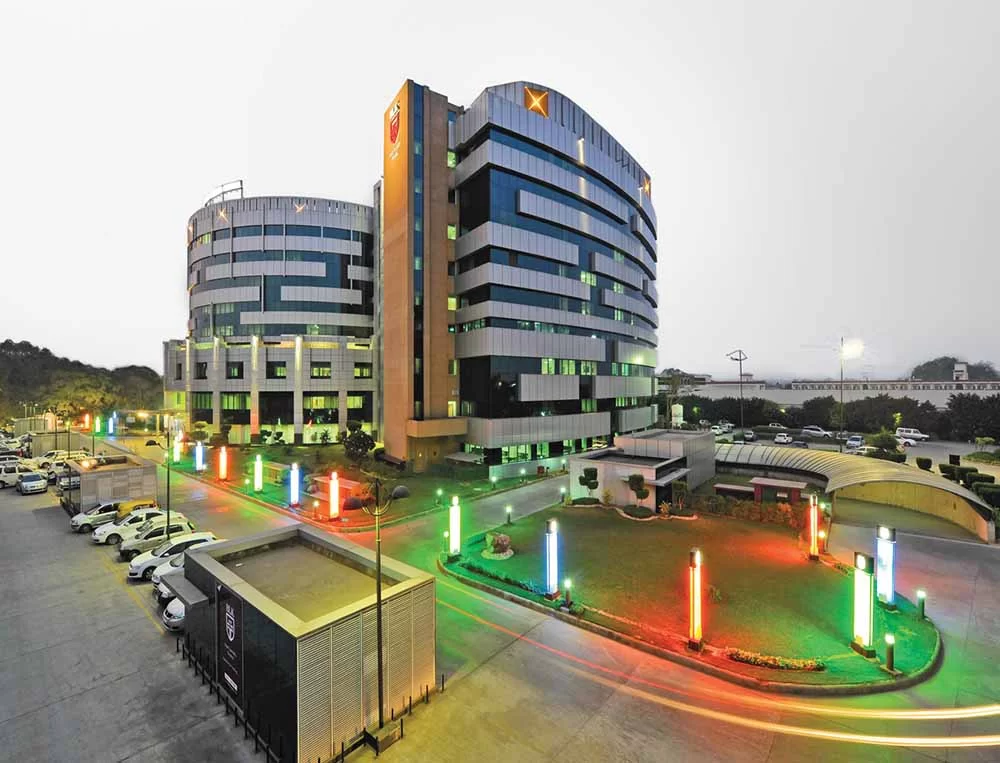
BLK-Max Super Speciality Hospital, New Delhi

New Delhi, India

BLK-Max Super Speciality Hospital in New Delhi is one of India's premier healthcare institutions, offering 650 beds, 22 advanced operation theatres, a...

Multi-specialty
Established 1959
650 beds
Accreditations
Joint Commission International (JCI)
National Accreditation Board for Hospitals & Healthcare Providers (NABH)
Facilities
+13
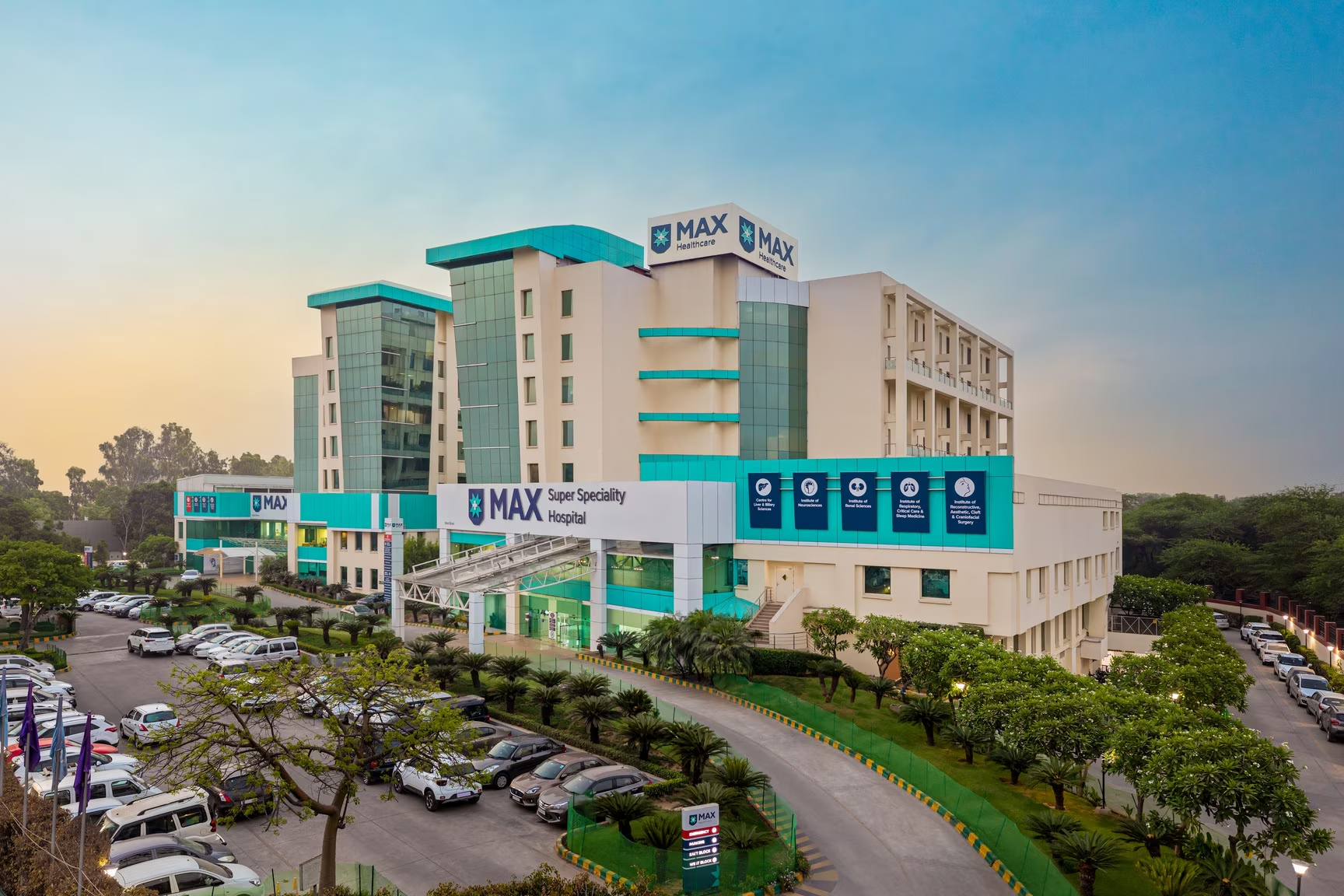
Max Super Speciality Hospital, Saket, Delhi
PLATINUM
View Details

Max Super Speciality Hospital, Saket, Delhi

New Delhi, India

Max Super Speciality Hospital, Saket, New Delhi, is a leading JCI- and NABH-accredited hospital offering advanced medical care across 38+ specialities...

Multi-specialty
Established 2006
539 beds
Accreditations
Joint Commission International (JCI)
National Accreditation Board for Hospitals & Healthcare Providers (NABH)
International Organization for Standardization (ISO)
Facilities
+13
Fortis Memorial Research Institute (FMRI), Gurgaon
PLATINUM
View Details

Fortis Memorial Research Institute (FMRI), Gurgaon

Gurgaon, India

Fortis Memorial Research Institute (FMRI), Gurgaon, is a world-class multi-specialty hospital established in 2013. The hospital offers 330 beds, 15 op...

Multi-specialty
Established 2013
330 beds
Accreditations
Joint Commission International (JCI)
National Accreditation Board for Hospitals & Healthcare Providers (NABH)
Facilities
+13

Related Doctors

Connect with experienced doctors and medical specialists in this field.
Dr. Shivraj Barath Kumar

Dr. Shivraj Barath Kumar

Senior Consultant
12 years of experience
View Details
Dr. Deshpande V Rajakumar

Dr. Deshpande V Rajakumar

Director

30 years of experience
View Details
Dr. Ashok Kumar Singhal

Dr. Ashok Kumar Singhal

Senior Consultant

24 years of experience
View Details
Dr. karibasavaraj Neelagar

Dr. karibasavaraj Neelagar

Consultant

15 years of experience
View Details
Dr. Mahendra Jain

Dr. Mahendra Jain

Senior Consultant

31 years of experience
View Details
Dr. Akash Shah

Dr. Akash Shah

Consultant

9 years of experience
View Details

Related Articles

Explore more articles and insights on similar health topics.
Back Pain or Something More? When Does a Spine Tumor Require Surgery?

Medical Tourism

Back Pain or Something More? When Does a Spine Tumor Require Surgery?

1/3/2026, 12:51:20 PM
9 min read
When a diagnosis involves the spine, the first question is almost always: 'Will I still be able to walk?' In 2026, spine tumor care has shifted from '...
How Long Can You Live After an Organ Transplant?

Medical Tourism

How Long Can You Live After an Organ Transplant?

1/3/2026, 12:19:15 PM
7 min read
When you are told you need a transplant, the first question that hits you is often the hardest to ask: How much time will this buy me?   Internet se...
Who Can Get an Organ Transplant in India? Eligibility Rules Explained
Medical Tourism

Who Can Get an Organ Transplant in India? Eligibility Rules Explained

1/3/2026, 12:00:36 PM
7 min read
Organ failure remains a growing global health challenge. Chronic kidney disease affects millions worldwide, and thousands of patients develop end-stag...
Bone Marrow Transplant vs CAR-T Cell Therapy: Which Is Better for Blood Cancer?
Medical Tourism

Bone Marrow Transplant vs CAR-T Cell Therapy: Which Is Better for Blood Cancer?

28/2/2026, 1:48:01 PM
9 min read
If you are fighting a blood cancer like leukemia or lymphoma, you have likely reached a crossroad. On one side is the Bone Marrow Transplant (BMT), a ...
Can You Survive Leukemia Without a Bone Marrow Transplant?
Medical Tourism

Can You Survive Leukemia Without a Bone Marrow Transplant?

28/2/2026, 1:27:24 PM
7 min read
Leukemia treatment often brings one major question. Is a bone marrow transplant always necessary for a cure? Many patients fear transplant because it ...
Is Bone Marrow Transplant Worth the Cost? A Financial and Medical Guide for International Patients in India

Medical Tourism

Is Bone Marrow Transplant Worth the Cost? A Financial and Medical Guide for International Patients in India

28/2/2026, 12:53:16 PM
7 min read
A bone marrow transplant can change the course of serious blood cancers and disorders. It can also demand a major financial and emotional commitment. ...
Dr. Deepanshu Siwach

Sr. Medical Writer

Sr. Medical Content Writer Qonaq Health and Wellness
Doctor of Pharmacy

Dr. Deepanshu Siwach is an experienced clinical pharmacist with a Doctor of Pharmacy degree. He has over 4 years of experience and has worked with thousands of patients. He has been associated with ... Read More

Our website uses cookies. By clicking on accept you give your consent to the use of cookies as per our Privacy Policy.