
Can You Survive Leukemia Without a Bone Marrow Transplant?
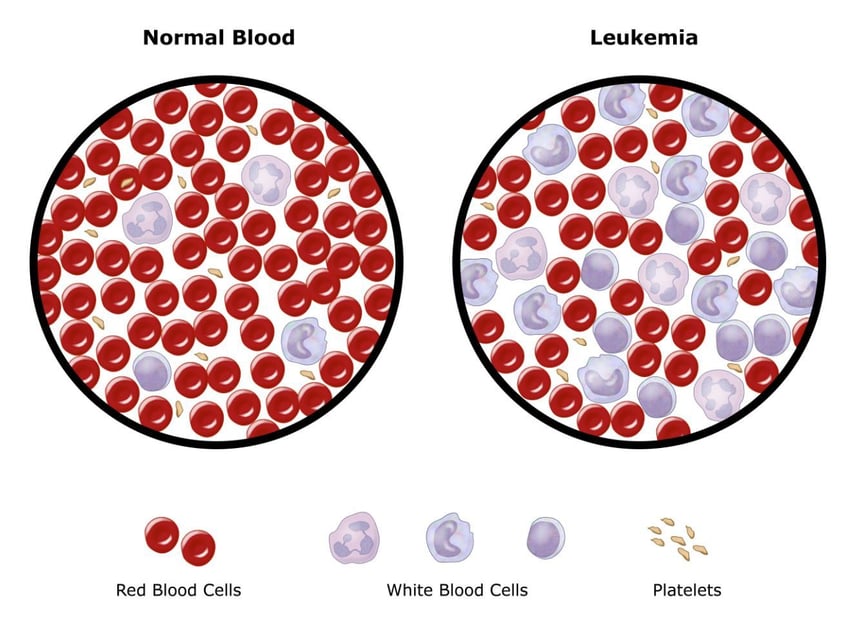
Leukemia treatment often brings one major question. Is a bone marrow transplant always necessary for a cure? Many patients fear transplant because it involves high-intensity therapy and prolonged recovery. At the same time, modern leukemia treatment has evolved significantly.
Doctors now use targeted therapy, immunotherapy, and combination chemotherapy protocols that can control or even cure certain types of leukemia without transplant. International patients exploring treatment in India often want to understand whether a transplant remains essential in every case. The answer depends on leukemia type, stage, genetic profile, and response to therapy.
Understanding when leukemia can be cured without transplant helps patients approach treatment decisions with clarity rather than anxiety.
What Does "Cure" Mean In Leukemia Treatment?
Doctors define a cure in leukemia as long-term disease-free survival. Cure does not mean the immediate disappearance of symptoms. It means the absence of detectable leukemia over many years.
Doctors' first aim is for complete remission. Remission means the blood counts return to normal, and no leukemia cells are seen under the microscope. However, remission alone does not confirm a cure.
You might hear your doctor talk about MRD-Negative status. Think of this as the ultimate 'deep clean.' While a standard microscope might show that your blood is clear, MRD testing looks for a single leukemia cell hidden among a million healthy cells. In 2026, reaching this 'ultra-clear' state with just chemotherapy or immunotherapy is often the signal that a transplant can be safely avoided.
Long-term monitoring also plays a key role. If leukemia does not return after several years of follow-up, doctors consider the patient effectively cured.
Cure potential varies by leukemia subtype. Some forms respond well to modern targeted therapy without transplant. Others carry a higher relapse risk and may require more intensive strategies.
Which Types Of Leukemia May Not Require Bone Marrow Transplant?
Not every leukemia diagnosis leads to a transplant. Treatment decisions depend on leukemia subtype, genetic profile, and response to therapy.
- Chronic Myeloid Leukemia (CML): If you are diagnosed with CML today, the word 'transplant' might never even come up. Thanks to Tyrosine Kinase Inhibitors (TKIs), we can now block the 'growth switch' of leukemia cells with a daily tablet. Many patients live full, active lives while keeping the disease at undetectable levels without ever setting foot in a transplant unit.
- Chronic Lymphocytic Leukemia (CLL): CLL often progresses slowly. Doctors use targeted therapy and immunotherapy to manage the disease. Transplant remains rare in standard CLL treatment.
- Standard-Risk Acute Lymphoblastic Leukemia (ALL): Some patients with favorable genetic markers respond well to chemotherapy alone. Doctors monitor minimal residual disease closely. BMT may not be necessary when remission remains stable.
- Selected Acute Myeloid Leukemia (AML) Cases: Patients with low-risk genetic features may achieve durable remission with chemotherapy. Doctors evaluate relapse risk carefully before recommending a transplant.
High-risk leukemia or relapsed disease may still require a bone marrow transplant. Doctors base the decision on individualized risk assessment.
How Has Targeted Therapy Changed Leukemia Treatment?
Targeted therapy has transformed leukemia care. These drugs act on specific genetic or molecular changes inside leukemia cells.
- In CML, tyrosine kinase inhibitors block the abnormal BCR-ABL protein. This action stops uncontrolled cell growth. Many patients now live normal lifespans without a transplant.
- In CLL and certain AML subtypes, targeted drugs attack pathways that help leukemia cells survive. These therapies improve response while reducing damage to healthy cells.
- Targeted therapy also allows doctors to monitor molecular response. Blood tests measure disease burden at a very low level. Early detection of rising disease allows timely adjustment of treatment.
In India, access to molecular testing supports the use of targeted drugs. Doctors match therapy to genetic findings rather than relying only on traditional chemotherapy.
Targeted therapy does not replace a transplant in every case. However, it has reduced the need for transplants in selected leukemia types.
Can Chemotherapy Alone Cure Certain Leukemia Types?
Chemotherapy alone can cure certain types of leukemia, especially in carefully selected patients. Doctors base this decision on genetic risk, age, and response to initial treatment.
- In standard-risk acute lymphoblastic leukemia (ALL), combination chemotherapy can lead to long-term remission. When minimal residual disease remains undetectable after treatment, doctors may avoid transplant. Close monitoring remains essential.
- In selected acute myeloid leukemia (AML) cases, intensive chemotherapy can achieve durable remission. Patients with favorable genetic markers often respond better. Doctors assess relapse risk before deciding against transplant.
Chemotherapy works by destroying rapidly dividing leukemia cells throughout the body. This systemic approach is suited to diseases that spread widely in the blood and bone marrow. However, chemotherapy alone may not prevent relapse in high-risk leukemia.
Doctors evaluate early treatment response carefully. Strong response during initial cycles improves the chance of long-term control without transplant.
What Role Does Immunotherapy Play In Non-Transplant Treatment?
Immunotherapy has expanded treatment options for leukemia. These new innovative therapies help the immune system recognize and attack leukemia cells.
Monoclonal antibodies target specific proteins on leukemia cells. Doctors use these drugs in CLL and certain ALL cases. They improve response when combined with chemotherapy or targeted therapy.
One of the most common reasons blood cancer patients seek care in India is for CAR-T Cell Therapy. Instead of a transplant from a donor, doctors take your own immune cells and 'train' them to hunt leukemia. For many with B-cell ALL, this 'living drug' is providing a cure where traditional methods failed, all while bypassing the need for a bone marrow donor.
Immunotherapy can reduce disease burden significantly. In some cases, patients achieve remission without immediate transplant. Doctors still monitor relapse risk closely.
How Do Doctors Decide Whether BMT Is Necessary?
Doctors do not automatically recommend a bone marrow transplant. They follow a structured risk assessment process before making that decision.
- Genetic and Molecular Risk Profile: Doctors study genetic markers inside leukemia cells. Certain mutations increase relapse risk. High-risk genetic features often lead to transplant recommendations.
- Response to Initial Treatment: Doctors evaluate how quickly leukemia responds to therapy. Early remission improves long-term outlook. A poor or slow response increases the risk of relapse.
- Minimal Residual Disease Status: Sensitive tests detect very small numbers of leukemia cells after treatment. MRD-negative status lowers relapse probability. Persistent MRD may prompt transplant consideration.
- Patient Age and Health: Doctors assess overall health and organ function. Some patients may not tolerate a transplant safely. Treatment intensity must match physical resilience.
- Relapse History: Patients with relapsed leukemia often require more aggressive therapy. Transplant may offer stronger long-term control in these cases.
Doctors weigh all these factors together. The goal remains long-term survival with acceptable risk.
Does Early Diagnosis Improve Chances Of Cure Without Transplant?
Early diagnosis improves treatment success in many leukemia cases. Timely detection allows earlier intervention and better disease control.
- When doctors identify leukemia before complications arise, treatment can begin quickly. Early therapy limits disease burden in bone marrow. Lower disease burden often improves response.
- Early-stage or low-risk leukemia may respond fully to chemotherapy or targeted therapy. Stable remission reduces the need for transplant. Doctors monitor closely to confirm the response.
- Prompt diagnosis also prevents severe organ stress caused by advanced disease. Better overall health supports stronger treatment tolerance.
In India, access to hematology testing and molecular diagnostics supports early evaluation. Early detection, combined with appropriate therapy, increases the likelihood of cure without transplant in selected patients.
How Do International Patients Access Advanced Leukemia Treatment In India?
International patients usually begin with a detailed medical review. Doctors review blood test, bone marrow biopsy, and genetic test results. This step confirms leukemia type and risk category.
After evaluation, doctors outline treatment options. They explain whether chemotherapy, targeted therapy, immunotherapy, or transplant suits the case best. Clear timelines help patients plan travel and stay.
Many leukemia treatments require several cycles over weeks or months. Some therapies need regular monitoring rather than long hospital admissions. Doctors share the expected duration and follow-up schedule in advance.
During treatment, care teams closely monitor blood counts and molecular markers. Monitoring helps detect a response early. Doctors adjust therapy when needed.
After initial treatment, patients receive structured follow-up guidance. Regular testing remains essential to detect relapse early. Continued communication supports long-term disease control.
Key Takeaway
At the end of the day, the goal of leukemia treatment is not to be as aggressive as possible, but to be as smart as possible. Whether a transplant is part of your journey depends entirely on the 'genetic signature' of your leukemia and how your body responds to the first few weeks of care.
At Qonaq, we believe in replacing anxiety with clarity. We connect you with hematologists who utilize Next-Generation Sequencing. This advanced approach ensures that a transplant is avoided whenever possible and, if necessary, is performed in accordance with the highest 2026 safety standards.
You are not merely a diagnosis. Our goal is to guide you along the most personalized path back to health.
Related Hospitals
Discover hospitals and medical centers related to this topic for quality healthcare services.

MGM Healthcare, Chennai
MGM Healthcare, Chennai, is a 400-bed quaternary-care super-specialty hospital accredited by JCI, NABH, and NABL. The hospital features 100 ICU beds, ...
Accreditations
Facilities
Paras Hospital, Gurgaon
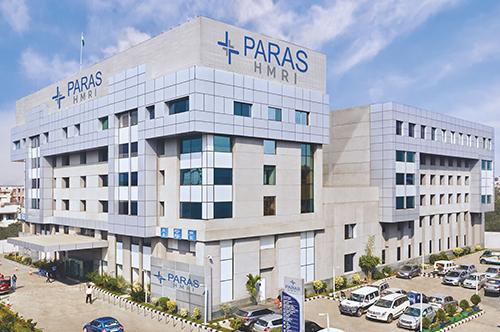
Paras Hospital, Gurgaon, established in 2006, is a 300-bed NABH- and NABL-accredited tertiary care hospital offering over 36 super specialties. The ho...
Accreditations

Facilities

Medanta - The Medicity Hospital, Gurgaon
Medanta – The Medicity in Gurgaon is one of India's largest and most advanced multi-speciality hospitals, founded in 2009 by world-renowned cardiac su...
Accreditations


Facilities

BLK-Max Super Speciality Hospital, New Delhi
BLK-Max Super Speciality Hospital in New Delhi is one of India's premier healthcare institutions, offering 650 beds, 22 advanced operation theatres, a...
Accreditations


Facilities
Max Super Speciality Hospital, Saket, Delhi
Max Super Speciality Hospital, Saket, New Delhi, is a leading JCI- and NABH-accredited hospital offering advanced medical care across 38+ specialities...
Accreditations



Facilities

Fortis Memorial Research Institute (FMRI), Gurgaon
Fortis Memorial Research Institute (FMRI), Gurgaon, is a world-class multi-specialty hospital established in 2013. The hospital offers 330 beds, 15 op...
Accreditations


Facilities
Related Doctors
Connect with experienced doctors and medical specialists in this field.

Dr. Shishir Shetty
Head of Department (HOD)

Dr. Gopal Ramakrishnan
Senior Consultant

Dr. C N Patil
Head of Department (HOD)

Dr. Aditya Murali
Consultant

Dr. Vijay K Ahuja
Senior Consultant

Dr. M S Belliappa
Head of Department (HOD)
Related Articles
Explore more articles and insights on similar health topics.
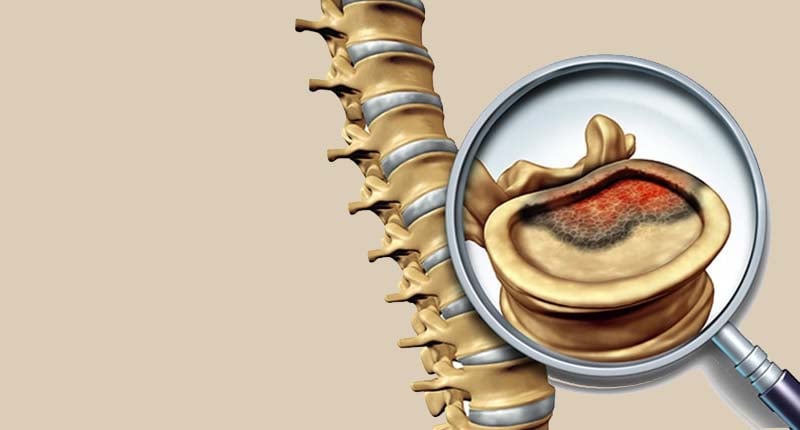
Back Pain or Something More? When Does a Spine Tumor Require Surgery?

How Long Can You Live After an Organ Transplant?

Who Can Get an Organ Transplant in India? Eligibility Rules Explained
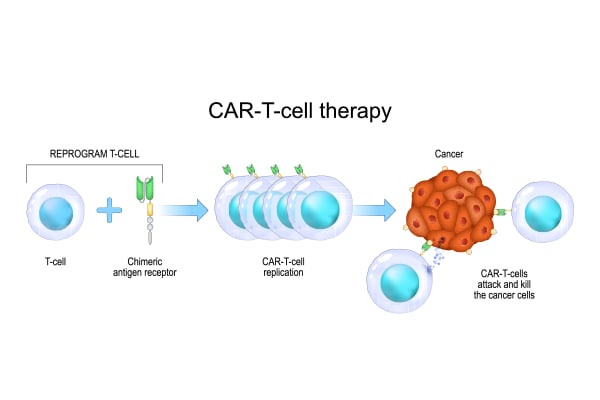
Bone Marrow Transplant vs CAR-T Cell Therapy: Which Is Better for Blood Cancer?
Is Bone Marrow Transplant Worth the Cost? A Financial and Medical Guide for International Patients in India
Is Bone Marrow Transplant Safe for International Patients?

Author
View AllDr. Deepanshu Siwach is an experienced clinical pharmacist with a Doctor of Pharmacy degree. He has over 4 years of experience and has worked with thousands of patients. He has been associated with ... Read More
Our website uses cookies. By clicking on accept you give your consent to the use of cookies as per our Privacy Policy.
