
How to Prepare for Organ Transplant Abroad: Medical, Legal, and Travel Checklist
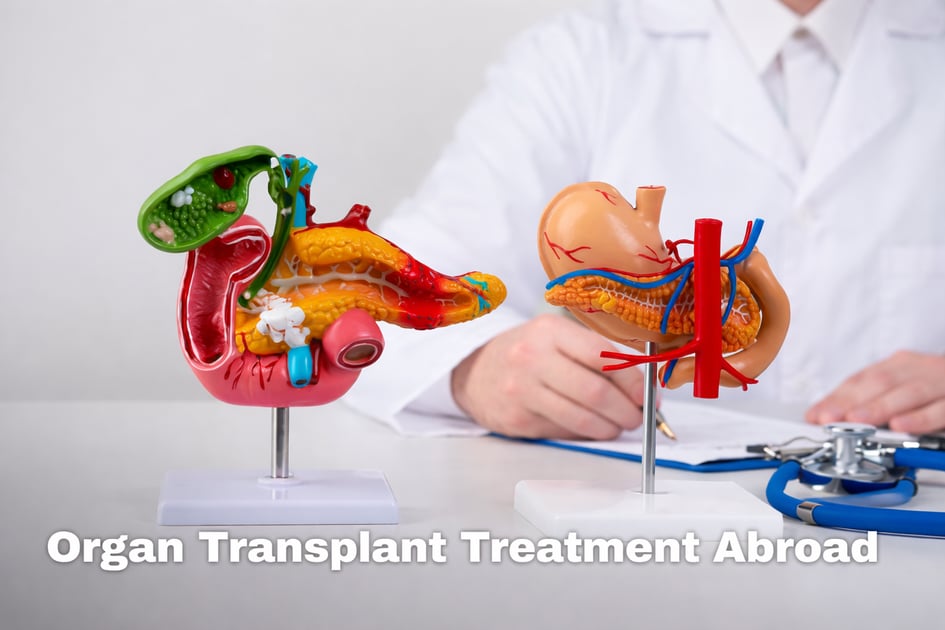
Organ transplant requires careful planning at every stage. When patients travel abroad for transplant surgery, preparation becomes even more critical. Delays in documentation, incomplete medical evaluation, or poor travel planning can affect treatment timelines and outcomes.
Many patients choose organ transplant abroad due to shorter waiting times, access to experienced transplant programs, or cost differences. However, a transplant involves strict medical screening, donor verification, and legal approval. A structured preparation plan helps reduce risk, avoid delays, and support smoother recovery.
Understanding how to prepare for an organ transplant abroad allows patients to move forward with clarity and better control over the process.
What Medical Evaluation Is Required Before Traveling For Transplant?
Medical evaluation forms the first and most important step. Doctors must confirm that the transplant remains the right treatment option.
- Patients usually undergo blood tests, imaging studies, and assessments of organ function. These tests help determine disease severity and surgical suitability. Cardiac and lung evaluation also play an important role, especially for major transplant procedures.
- Doctors also screen for active infections. Conditions such as tuberculosis, uncontrolled bacterial infection, or viral illness must be treated before transplant. Infection control improves safety during immune suppression.
- Compatibility testing remains essential when a living donor is involved. Blood group matching and crossmatch testing confirm whether the transplant can proceed safely.
Many patients complete initial testing in their home country. The final evaluation often takes place after arrival to confirm the results before surgery.
How Should Patients Arrange A Donor Before Traveling Abroad?
Donor planning remains a critical step in transplant preparation. In many countries, especially for foreign patients, a living donor transplant requires strict eligibility.
- Patients must identify a legally accepted donor before travel. In most cases, the donor must be a near relative such as a parent, sibling, child, or spouse. Distant relatives or unrelated donors may not qualify under transplant laws.
- Patients must also prepare proof of their relationship. It may include official documents, family records, and additional verification through DNA or HLA testing.
- The donor must also undergo a medical evaluation. Doctors assess overall health, organ function, and surgical fitness. A healthy donor improves transplant safety and long-term outcomes.
Early donor planning reduces delays after arrival. Without an approved donor, a transplant may not proceed in many countries.
What Legal Documents Are Required for an Organ Transplant Abroad?
Legal documentation plays a critical role in transplant approvals. Without complete documents, surgery cannot proceed.
- Patients must provide valid identification, medical records, and transplant-related forms required by the destination country. For a living donor transplant, authorities require proof of the relationship between donor and recipient. This proof may include birth certificates, marriage certificates, or official family records.
- Many countries also require embassy verification. Foreign patients may need certification from their embassy confirming identity and relationship details. This step helps prevent illegal organ trade.
- DNA or HLA testing may be required to confirm biological compatibility. These tests provide strong evidence during legal review.
- An authorization committee or regulatory body usually reviews all documents. Both donor and recipient may attend an interview. Authorities must confirm voluntary donation without financial exchange.
Incomplete or incorrect documentation can delay approval. Early preparation helps avoid unnecessary waiting time.
How Should Patients Plan Travel And Stay For Transplant Surgery?
Travel planning requires careful coordination, starting with the correct documentation. Standard tourist visas are strictly prohibited for medical treatments. The patient must apply for an e-Medical Visa, while the donor and the required caregiver must secure Medical Attendant Visas (MED-X). At Qonaq Health, we provide the official hospital visa invitation letters needed to align these visa approvals with your evaluation and surgery schedule.
- Most transplant programs require patients to arrive at least one to two weeks before surgery. This time allows final medical testing and legal clearance.
- Patients must plan for an extended stay. An organ transplant often requires several weeks of hospital care and recovery. Discharge depends on stable organ function and the absence of complications.
- Accommodation planning should include both the patient and the caregiver. Many centers recommend a companion during recovery. Caregiver support helps with daily care and follow-up visits.
- Travel flexibility remains important. Surgery dates may change based on donor readiness or medical condition. Flexible flight arrangements reduce stress.
Well-planned travel and stay improve coordination and reduce delays during the transplant process.
What Financial Preparation Is Needed for an Organ Transplant Abroad?
Financial planning should begin early. Organ transplant abroad involves multiple cost components beyond the surgery itself.
- Patients should request a detailed cost estimate from the hospital. This estimate should include surgery charges, hospital stay, ICU care, laboratory tests, and medication during admission. A clear cost breakdown helps avoid confusion later.
- Patients should also plan for additional expenses. These may include extended hospital stay, treatment of complications, and post-transplant medications. Living expenses such as accommodation, food, and local travel also add to the total cost.
- A financial buffer remains important. Recovery time may vary, and unexpected medical needs can increase expenses. Prepared planning reduces stress during treatment.
Currency exchange and international transfer charges may affect the total cost. Patients should consider payment methods in advance to avoid delays.
How Can Patients Prepare Physically Before Transplant Surgery?
Physical preparation improves surgical safety and recovery. Doctors guide patients on how to optimize health before transplant.
- Patients should follow a balanced and controlled diet. Nutrition supports immune function and wound healing. Doctors may recommend specific dietary adjustments based on the organ involved.
- Infection prevention remains important. Patients should avoid exposure to infections before surgery. Even minor infections can delay a transplant.
- Patients should maintain physical activity as tolerated. Light exercise helps improve strength and endurance. Better physical condition supports faster recovery.
- Doctors may also recommend controlling chronic conditions. Blood pressure, blood sugar, and weight should remain stable before surgery.
Physical preparation does not require extreme measures. Consistent, simple steps can improve readiness for transplant surgery.
What Should Patients Know About Hospital Admission And Procedure Timeline?
Hospital admission follows a structured process. A clear understanding of the timeline helps patients prepare mentally and logistically and reduces anxiety before surgery.
- Patients usually undergo a final medical evaluation after admission. Doctors repeat key blood tests, imaging, and compatibility checks. It confirms readiness for surgery.
- Once approval is complete, doctors schedule the transplant procedure. Timing may depend on donor readiness and final clearance. Patients should expect a slight variation in the schedule.
- The transplant surgery itself can take several hours. The duration depends on organ type and surgical complexity. After surgery, the transplant patients move to the intensive care unit for close monitoring.
- Doctors monitor vital signs, organ function, and early complications during this phase. Once stable, patients shift to a regular transplant unit for continued recovery.
How Should Patients Plan Post-Transplant Recovery Abroad?
Recovery planning remains essential for transplant success. Patients must stay in the destination country until doctors confirm stability.
- Most patients require several weeks of monitored recovery after discharge. Doctors assess organ function, infection risk, and medication response during this period.
- Patients must follow strict medication schedules. Immunosuppressive drugs prevent rejection and require regular dose adjustment. Blood tests help guide these changes.
- Follow-up visits occur frequently in the early phase. Doctors monitor recovery closely and address complications early.
- Where you stay after discharge is just as critical as the surgery itself. Because the patient will be on strong immunosuppressant drugs, staying in a standard hotel is strictly prohibited due to the severe risk of infection. You must shift to a private, sanitized serviced apartment with a fully equipped kitchen, as eating outside food is not allowed.
Our team at Qonaq Health specifically arranges these sterile, hospital-adjacent apartments to ensure your recovery environment is entirely safe.
What Follow-Up Care Is Required After Returning Home?
Follow-up care continues long after discharge. Organ transplant requires lifelong monitoring and medication.
- Patients must continue immunosuppressive therapy without interruption. These medicines prevent organ rejection and require regular dose adjustment. Missing doses can lead to serious complications.
- Doctors usually share a follow-up plan before discharge. This plan includes blood tests, imaging, and a consultation schedule. Patients should coordinate with a local doctor in their home country for regular monitoring.
- Periodic reports may need to be shared with the transplant team abroad. Remote follow-up helps maintain continuity of care. Early detection of any problem improves outcomes.
- Patients should also follow lifestyle recommendations. Hygiene, diet, and infection prevention remain important during recovery.
Consistent follow-up care plays a major role in long-term transplant success.
Take Away
Preparing for an organ transplant abroad can feel like a full-time job. You shouldn't have to manage embassy paperwork and sterile housing while fighting a severe illness.
At Qonaq Health, we handle the entire ecosystem of your transplant journey. From arranging pre-travel video consultations with top Indian surgeons to managing your legal committee paperwork and finding sanitized recovery housing, we let you focus entirely on healing.
Ready to start planning your transplant journey? Contact us today to get a customized checklist and a transparent cost estimate for your treatment in India.
Related Hospitals
Discover hospitals and medical centers related to this topic for quality healthcare services.
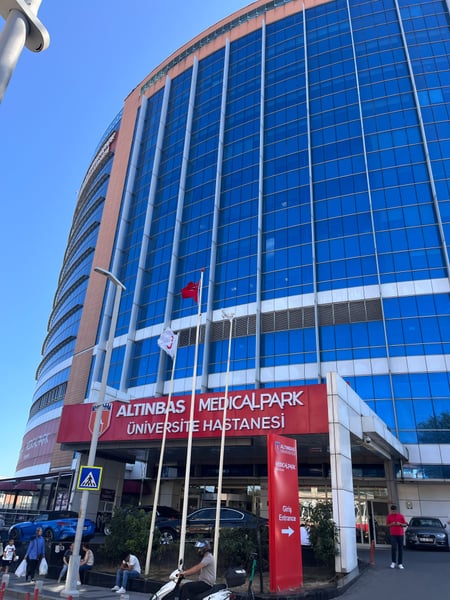
Medical Park Bahcelievler Hospital
Medical Park Bahcelievler Hospital is a 242-bed JCI-accredited hospital in Istanbul, established in 2007. Spread across 33,000 square meters and 19 fl...
Accreditations
Facilities

BLK-Max Super Speciality Hospital, New Delhi
BLK-Max Super Speciality Hospital in New Delhi is one of India's premier healthcare institutions, offering 650 beds, 22 advanced operation theatres, a...
Accreditations

Facilities

Fortis Memorial Research Institute (FMRI), Gurgaon
Fortis Memorial Research Institute (FMRI), Gurgaon, is a world-class multi-specialty hospital established in 2013. The hospital offers 330 beds, 15 op...
Accreditations


Facilities

Artemis Hospital, Gurgaon
Artemis Hospital, Gurgaon, is a JCI accredited multispecialty hospital that was established in 2007. It offers 750+ beds and world -class infrastructu...
Accreditations



Facilities

Kokilaben Dhirubhai Ambani Hospital, Mumbai
Kokilaben Dhirubhai Ambani Hospital, Mumbai, is a JCI, NABH, NABL, and CAP-accredited quaternary care hospital established in 2009. With 750 beds, 180...
Accreditations


Facilities

Medicover Hospitals, Hitech City, Hyderabad
Medicover Hospitals, Hitech City, Hyderabad, is a 400-bed NABH-accredited super-specialty hospital established in 2011. It is part of Medicover, a glo...
Accreditations


Facilities
Related Doctors
Connect with experienced doctors and medical specialists in this field.

Dr. Pradip Chakrabarti
Head of Department (HOD)

Dr. Suraj Chiraniya
Senior Consultant

Dr. Shishir Shetty
Head of Department (HOD)

Dr. Mukul Rastogi
Director

Dr. Amit Rastogi
Chairman
Dr. Sushant Srivastava
Senior Consultant
Related Articles
Explore more articles and insights on similar health topics.
Is Spine Surgery Abroad Safe?

Best Countries for Organ Transplant: A 2026 Guide to Cost, Waiting Times, and Legal Requirements
Back Pain or Something More? When Does a Spine Tumor Require Surgery?

How Long Can You Live After an Organ Transplant?

Who Can Get an Organ Transplant in India? Eligibility Rules Explained
Is Organ Transplant Safe for International Patients in India? Laws, Risks, and Success Rates Explained

Author
View AllHead - International Patient Services
Dr. Riya Shree is a clinical physiotherapist who completed her internship at Mata Chanan Devi Hospital, New Delhi, gaining hands-on experience in patient care and rehabilitation. She served on the fr... Read More
Our website uses cookies. By clicking on accept you give your consent to the use of cookies as per our Privacy Policy.
