Is Spine Surgery Abroad Safe?

2/4/2026, 1:32:33 PM 8 min read Medical Tourism
Is Spine Surgery Abroad Safe?
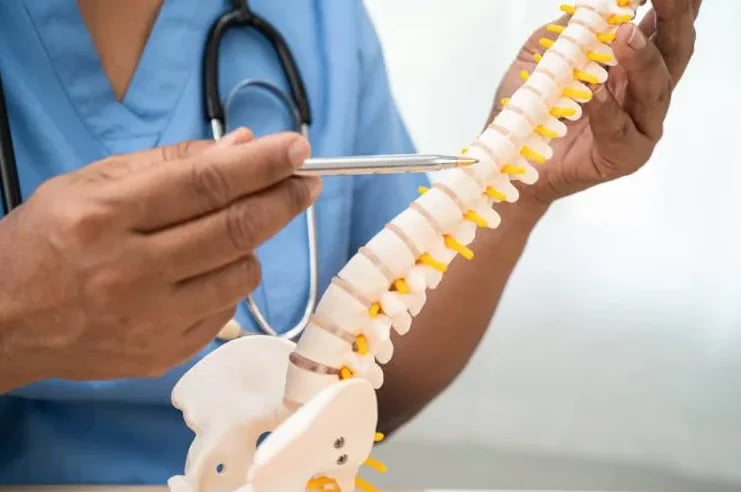
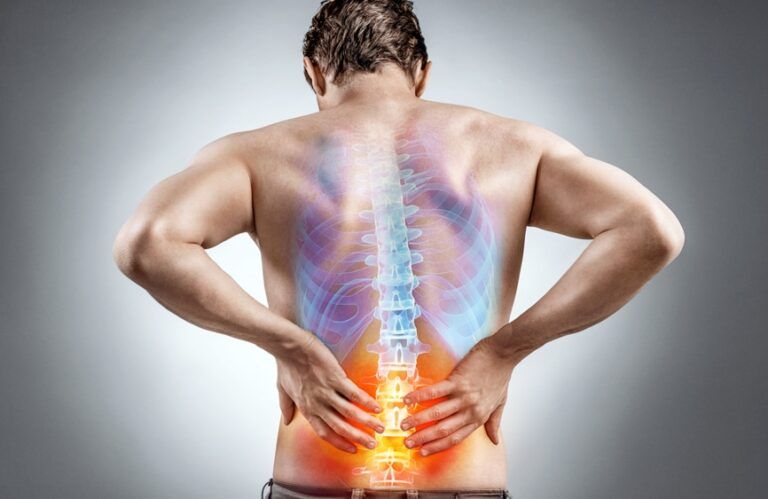
Spine disorders affect millions of patients worldwide. Conditions such as slipped disc, spinal stenosis, and degenerative spine disease often lead to chronic pain and reduced mobility. In many cases, non-surgical treatment provides limited relief. Spine surgery becomes necessary to restore function and improve the quality of life.


Over the past decade, spine surgery has advanced significantly. Modern imaging, navigation systems, and minimally invasive techniques have improved precision and reduced complications. These advancements have increased safety and shortened recovery time.


However, international patients often have additional concerns. They need clarity about surgical risk, hospital standards, infection control, and post-operative care. Traveling abroad for spine surgery involves medical and logistical planning.


Many international patients now choose India for spine surgery because it offers a rare combination of robotic-assisted precision and highly experienced surgeons at a fraction of the cost in the West. 


At Qonaq Health, we know that traveling abroad for a spinal procedure requires immense trust. Safety depends on more than just the surgery. It relies on the surgeon's expertise, JCI-accredited hospital infrastructure, and follow-up care. Knowing these factors will help you approach your spine surgery with confidence.


Which Spine Conditions Commonly Require Surgery?

Spine surgery becomes necessary when conservative treatments like physiotherapy no longer provide relief. Doctors recommend surgery based on symptoms, MRI findings, and the impact the condition has on your daily life. The most common conditions safely treated in India include:


  • Herniated Disc (Slipped Disc): When the inner disc material presses on nearby nerves, it causes severe back pain, leg pain (sciatica), or numbness. Minimally invasive surgery safely relieves pressure on the nerve.
  • Spinal Stenosis: This condition narrows the spinal canal, putting pressure on the spinal cord and causing weakness or difficulty walking. Surgery creates more space, instantly reducing that pressure and restoring mobility.
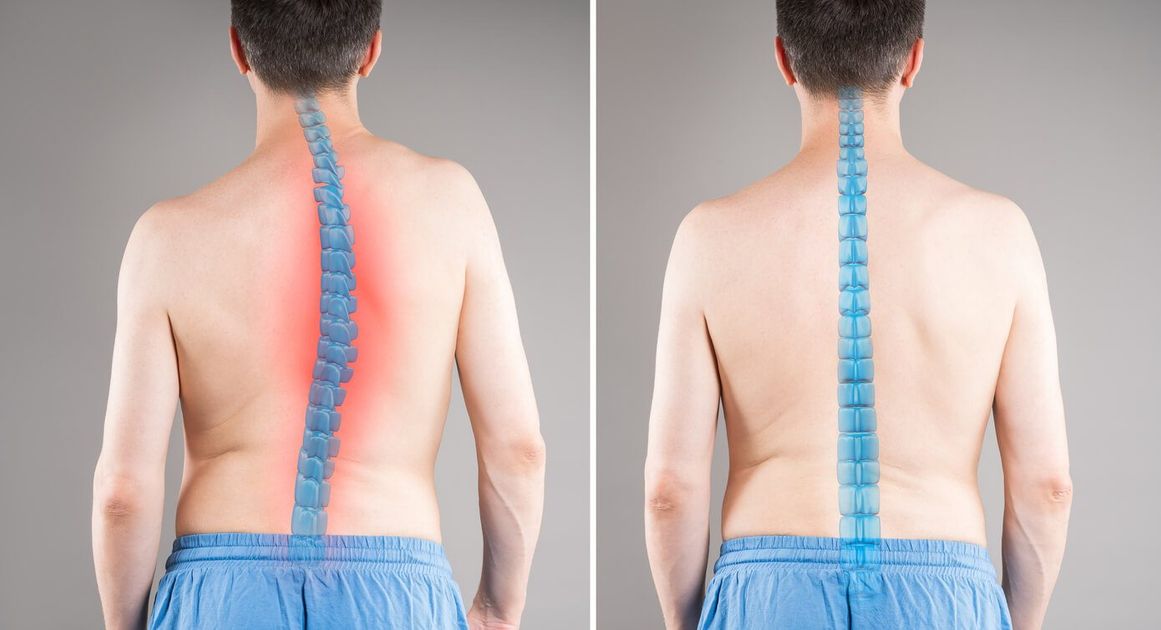
  • Spinal Deformities (Scoliosis or Kyphosis): Severe abnormal spinal alignment can cause chronic pain and limit function. Corrective spinal fusion surgery improves stability, straightens the spine, and dramatically improves posture.
  • Spine Tumors: Tumors can compress nerves or weaken the bone structure. Specialized surgical teams work together to safely remove the tumor and stabilize the spine using advanced implants.


How Have Modern Technologies Improved Spine Surgery Safety?

Modern technology has changed how doctors perform spine surgery. These advances have improved precision, reduced complications, and shortened recovery time.


  • Minimally Invasive Spine Surgery (MISS): MISS uses small incisions instead of large openings. Surgeons access the spine with specialized instruments and cameras. This approach reduces muscle damage, lowers blood loss, and shortens hospital stay.
  • Image-Guided Navigation Systems: Provide real-time imaging during surgery. Surgeons can see the exact position of instruments and implants. This accuracy improves screw placement and reduces the risk of nerve injury.
  • Robotic-Assisted Spine Surgery: Robotic systems help surgeons plan and execute procedures with high precision. Robots assist in placing implants at the correct angle and depth. This technology improves consistency and reduces human error.
  • Advanced Imaging and Monitoring: High-resolution MRI and CT scans help in detailed pre-surgical planning. During surgery, neuromonitoring tracks nerve function in real time. Immediate feedback allows surgeons to avoid nerve damage.

These technologies have made spine surgery safer and more predictable. However, outcomes still depend on surgeon expertise and proper patient selection.


Step-By-Step Guide For International Patients Seeking Spine Surgery Abroad

International patients require structured planning before undergoing spine surgery abroad. A step-by-step approach helps avoid delays and confusion.


  • Pre-Arrival Medical Review: Patients share medical reports, MRI scans, and history with the hospital. Doctors review these details and confirm whether surgery is required.
  • Visa and Travel Planning: Patients apply for a medical visa and plan travel dates. Coordination with the hospital ensures proper scheduling.
  • Arrival and Evaluation: After arrival, doctors repeat key tests and confirm the diagnosis. This step ensures accuracy before surgery.
  • Surgical Planning and Procedure: Doctors explain the procedure, risks, and expected outcome. Surgery is then scheduled based on the evaluation and the patient's readiness.
  • Post-Surgery Recovery: Patients stay in the hospital for monitoring. Doctors track pain control, mobility, and early recovery progress.
  • Follow-Up and Discharge Planning: Before discharge, doctors provide medication plans and follow-up instructions. Patients may need to stay in the country for a short recovery period.


What Risks Are Associated With Spine Surgery?

Spine surgery is generally safe when experienced surgeons perform it. However, as with any major procedure, they carry certain risks.


  • Nerve Injury: The spine contains delicate nerves that control movement and sensation. Injury to these nerves can cause weakness, numbness, or pain. Modern techniques reduce this risk, but careful surgical planning remains essential.
  • Infection: Infection can occur at any surgical site. It may require antibiotics or additional treatment. Strict sterile protocols help lower this risk.
  • Bleeding: Some procedures may involve blood loss. Minimally invasive techniques have significantly reduced this risk. Surgeons take special precautions to control bleeding during surgery.
  • Persistent Or Recurrent Symptoms: Some patients may continue to experience symptoms after surgery. In certain cases, symptoms may return over time. Proper patient selection improves outcome predictability.
  • Implant-Related Issues: In procedures involving screws or rods, implant-related complications may occur. Accurate placement reduces this risk.

Doctors explain these risks clearly before surgery. Most complications remain uncommon when surgery follows proper protocols.


How Do Hospitals Reduce Infection Risk In Spine Surgery?

Hospitals follow strict infection control measures to protect patients during and after spine surgery.


  • Sterile Operating Environment: Operating rooms follow controlled sterile protocols. Surgical instruments undergo proper sterilization. Staff use protective equipment to prevent contamination.
  • Pre-Surgical Preparation: Patients receive instructions before surgery, including skin preparation and hygiene measures. 
  • Antibiotic Prophylaxis: Doctors administer antibiotics before and after surgery. This approach helps prevent infection during the early recovery period.
  • Post-Operative Monitoring: Doctors monitor the surgical site for early signs of infection. Regular dressing changes and wound care support healing.
  • Controlled Recovery Environment: Clean hospital rooms and limited exposure reduce the risk of infection. Patients receive guidance on hygiene after discharge.

Strong infection control systems improve surgical safety and recovery outcomes.


How Important Is Surgeon Experience In Spine Surgery Outcomes?

Surgeon experience plays a major role in spine surgery safety and outcomes. Spine procedures require precision, planning, and decision-making during surgery.


  • High-Volume Surgeons Improve Outcomes: Surgeons who perform spine surgery regularly develop better technical skills. Frequent practice improves accuracy and reduces complication rates.
  • Specialization Matters: Spine specialists focus on specific conditions such as disc surgery, deformity correction, or tumor removal. Focused expertise helps select the right procedure and avoid unnecessary surgery.
  • Better Intraoperative Decision-Making: Experienced surgeons can respond quickly to unexpected situations during surgery. This ability reduces the risk of complications and improves patient safety.
  • Improved Use of Technology: Modern spine surgery involves navigation systems and robotic tools. Skilled surgeons use these technologies effectively to enhance precision.
  • Post-Surgical Planning: Experienced surgeons guide rehabilitation and follow-up care properly. Structured recovery plans improve long-term outcomes.

Choosing an experienced spine surgeon significantly improves safety and success rates.


How Successful Are Spine Surgeries?

Success rates of spine surgery vary depending on the condition, procedure type, and patient health.


  • For common procedures such as herniated disc surgery, success rates often range between 85% and 95%. Most patients experience relief from pain and improved mobility.
  • Spinal stenosis surgery also shows high success rates, especially when performed at the right stage. Many patients regain walking ability and reduced nerve pain.
  • Complex procedures such as deformity correction or tumor surgery may have variable outcomes. Success depends on disease severity and surgical complexity.
  • Across many countries with advanced spine programs, overall success rates remain high when patients receive proper diagnosis and follow-up care.

Success does not mean the complete absence of symptoms in every case. It means significant improvement in pain, function, and quality of life.


What Is The Recovery Timeline After Spine Surgery?

Recovery after spine surgery varies by procedure type and patient health. However, most patients follow a general recovery pattern.


  • Immediate Post-Surgery Phase: Patients stay in the hospital for monitoring. Doctors manage pain and check nerve function. Some patients may start gentle movement within 24 to 48 hours.
  • Early Recovery Period (First Few Weeks): Patients gradually increase mobility. Walking and light activity help improve circulation and healing. Doctors may recommend basic physiotherapy during this stage.
  • Intermediate Recovery (4–8 Weeks): Most patients regain routine daily activity during this period. Pain continues to reduce. Strength and flexibility improve with guided exercises.
  • Full Recovery Phase: Complete recovery may take several weeks to a few months. Complex procedures such as spinal fusion may require a longer healing time.
  • Follow-Up and Rehabilitation: Regular follow-up helps track recovery progress. Rehabilitation programs support long-term stability and prevent recurrence.


The "Fit-to-Fly" Protocol

For international patients, the scariest part isn't always the surgery. It's the thought of a 10-hour flight home while recovering from back surgery. You will not be cleared to travel until your surgeon is certain your spine is stable. Before you board your flight, the medical team will provide a "Fit-to-Fly" certificate, fit you with a custom lumbar support brace, and give you specific instructions on how to walk the cabin aisles during long journeys safely. Our team at Qonaq Health coordinates this medical clearance directly with the airlines to ensure your journey home is secure and pain-free.


Summary

The thought of undergoing spine surgery far from home can feel overwhelming, but it doesn't have to be a journey you take alone. With the emergence of minimally invasive techniques, robotic navigation, and strict infection control protocols, spine surgery in India is safer and more predictable than ever before.


Safety ultimately comes down to choosing the right surgeon and having a recovery plan. By partnering with experienced medical teams and support systems like Qonaq Health, international patients can navigate every step, from the initial consultation to the flight home, with complete peace of mind.


Are you ready to find out if spine surgery is the right and safe option for you? Don't guess when it comes to your spine. Click here to share your MRI reports with Qonaq Health for a free review by India's leading spine specialists, and let us map out your safe route to recovery.

Related Hospitals

Discover hospitals and medical centers related to this topic for quality healthcare services.

Medical Park Bahcelievler Hospital
PLATINUM
View Details

Medical Park Bahcelievler Hospital

Istanbul, Turkey

Medical Park Bahcelievler Hospital is a 242-bed JCI-accredited hospital in Istanbul, established in 2007. Spread across 33,000 square meters and 19 fl...

Multi-specialty
Established 2007
242 beds
Accreditations
Joint Commission International (JCI)
Facilities
+13
BLK-Max Super Speciality Hospital, New Delhi
PLATINUM
View Details

BLK-Max Super Speciality Hospital, New Delhi

New Delhi, India

BLK-Max Super Speciality Hospital in New Delhi is one of India's premier healthcare institutions, offering 650 beds, 22 advanced operation theatres, a...

Multi-specialty
Established 1959
650 beds
Accreditations
Joint Commission International (JCI)
National Accreditation Board for Hospitals & Healthcare Providers (NABH)
Facilities
+13
Fortis Memorial Research Institute (FMRI), Gurgaon
PLATINUM
View Details

Fortis Memorial Research Institute (FMRI), Gurgaon

Gurgaon, India

Fortis Memorial Research Institute (FMRI), Gurgaon, is a world-class multi-specialty hospital established in 2013. The hospital offers 330 beds, 15 op...

Multi-specialty
Established 2013
330 beds
Accreditations
Joint Commission International (JCI)
National Accreditation Board for Hospitals & Healthcare Providers (NABH)
Facilities
+13
Artemis Hospital, Gurgaon
PLATINUM
View Details

Artemis Hospital, Gurgaon

Gurgaon, India

Artemis Hospital, Gurgaon, is a JCI accredited multispecialty hospital that was established in 2007. It offers 750+ beds and world -class infrastructu...

Multi-specialty
Established 2007
750 beds
Accreditations
Joint Commission International (JCI)
National Accreditation Board for Hospitals & Healthcare Providers (NABH)
International Organization for Standardization (ISO)
Facilities
+13
Kokilaben Dhirubhai Ambani Hospital, Mumbai
PLATINUM
View Details

Kokilaben Dhirubhai Ambani Hospital, Mumbai

Mumbai, India

Kokilaben Dhirubhai Ambani Hospital, Mumbai, is a JCI, NABH, NABL, and CAP-accredited quaternary care hospital established in 2009. With 750 beds, 180...

Multi-specialty
Established 2009
750 beds
Accreditations
Joint Commission International (JCI)
National Accreditation Board for Hospitals & Healthcare Providers (NABH)
International Organization for Standardization (ISO)
Facilities
+13
Medicover Hospitals, Hitech City, Hyderabad
PLATINUM
View Details

Medicover Hospitals, Hitech City, Hyderabad

Hyderabad, India

Medicover Hospitals, Hitech City, Hyderabad, is a 400-bed NABH-accredited super-specialty hospital established in 2011. It is part of Medicover, a glo...

Multi-specialty
Established 2011
400 beds
Accreditations
National Accreditation Board for Hospitals & Healthcare Providers (NABH)
Joint Commission International (JCI)
Facilities
+13

Related Doctors

Connect with experienced doctors and medical specialists in this field.

Dr. Chandramohan K

Dr. Chandramohan K

Senior Consultant

27 years of experience
View Details
Dr. Tushar Pawar

Dr. Tushar Pawar

Consultant

19 years of experience
View Details
Dr. Upasna Saxena

Dr. Upasna Saxena

Senior Consultant

21 years of experience
View Details
Dr. Trinanjan Basu

Dr. Trinanjan Basu

Senior Consultant

14 years of experience
View Details
Dr. Girish Menon

Dr. Girish Menon

Head of Department (HOD)

30 years of experience
View Details
Dr. Balaji R

Dr. Balaji R

Senior Consultant

17 years of experience
View Details

Related Articles

Explore more articles and insights on similar health topics.

How to Prepare for Organ Transplant Abroad: Medical, Legal, and Travel Checklist
Medical Tourism

How to Prepare for Organ Transplant Abroad: Medical, Legal, and Travel Checklist

2/4/2026, 1:03:37 PM
7 min read
Organ transplant requires careful planning at every stage. When patients travel abroad for transplant surgery, preparation becomes even more critical....
Best Countries for Organ Transplant: A 2026 Guide to Cost, Waiting Times, and Legal Requirements
Medical Tourism

Best Countries for Organ Transplant: A 2026 Guide to Cost, Waiting Times, and Legal Requirements

2/4/2026, 9:05:33 AM
7 min read
The global demand for organ transplant surgery continues to rise every year. Millions of patients live with end-stage organ failure, yet donor availab...
Back Pain or Something More? When Does a Spine Tumor Require Surgery?
Medical Tourism

Back Pain or Something More? When Does a Spine Tumor Require Surgery?

1/3/2026, 12:51:20 PM
9 min read
When a diagnosis involves the spine, the first question is almost always: 'Will I still be able to walk?' In 2026, spine tumor care has shifted from '...
How Long Can You Live After an Organ Transplant?
Medical Tourism

How Long Can You Live After an Organ Transplant?

1/3/2026, 12:19:15 PM
7 min read
When you are told you need a transplant, the first question that hits you is often the hardest to ask: How much time will this buy me?   Internet se...
Who Can Get an Organ Transplant in India? Eligibility Rules Explained
Medical Tourism

Who Can Get an Organ Transplant in India? Eligibility Rules Explained

1/3/2026, 12:00:36 PM
7 min read
Organ failure remains a growing global health challenge. Chronic kidney disease affects millions worldwide, and thousands of patients develop end-stag...
Bone Marrow Transplant vs CAR-T Cell Therapy: Which Is Better for Blood Cancer?
Medical Tourism

Bone Marrow Transplant vs CAR-T Cell Therapy: Which Is Better for Blood Cancer?

28/2/2026, 1:48:01 PM
9 min read
If you are fighting a blood cancer like leukemia or lymphoma, you have likely reached a crossroad. On one side is the Bone Marrow Transplant (BMT), a ...
Nadeem Malik

Medical Writer

Medical Representative Shield Healthcare Pvt. Ltd
B-Pharm

Nadeem Malik is a dedicated medical writer with a strong academic background in pharmacy. He holds a Bachelor of Pharmacy (B.Pharm) degree from Teerthanker Mahaveer University, Moradabad, and has over... Read More

Our website uses cookies. By clicking on accept you give your consent to the use of cookies as per our Privacy Policy.