Latest Innovations in Brain and Spine Surgery

4/4/2026, 3:47:40 AM 7 min read Medical Tourism
Latest Innovations in Brain and Spine Surgery
Brain and spine disorders affect millions of people worldwide. Conditions such as brain tumors, spinal cord compression, and degenerative spine disease often require surgical treatment. In the past, these surgeries carried a higher risk and required long recovery periods.


Today, the situation has changed significantly. Studies show that modern minimally invasive spine surgery can reduce blood loss by up to 55% and shorten hospital stay by nearly 40%. In brain surgery, advanced imaging and navigation systems have improved accuracy and reduced complications.


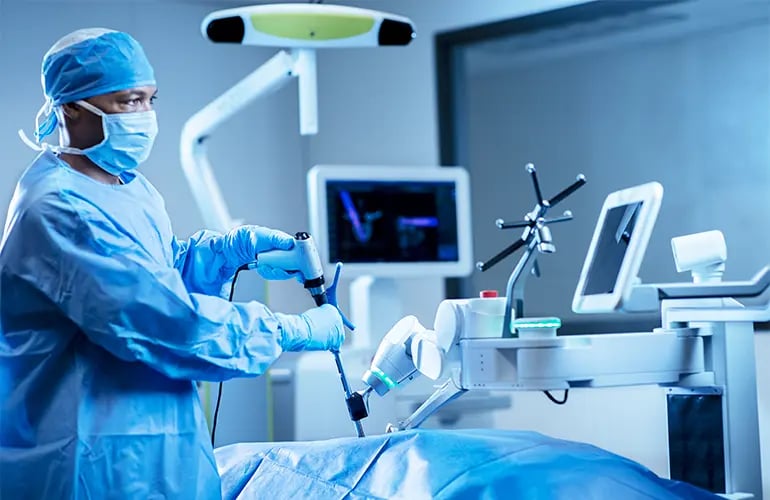
These improvements come from rapid advances in medical technology. Surgeons now operate with real-time guidance, robotic support, and high-definition imaging. These tools enable them to work with greater precision, especially in sensitive areas such as the brain and spinal cord.


For international patients, access to the latest technology in brain and spine surgery is important. Better technology often means safer procedures, faster recovery, and more predictable outcomes.


What Are The Latest Technologies Used In Brain And Spine Surgery?

Modern brain and spine surgery uses several advanced technologies. Each technology helps improve precision, safety, and recovery.


  • Minimally Invasive Surgery (MIS): This technique uses small incisions and specialized instruments. Surgeons avoid large muscle cuts. It reduces pain, blood loss, and recovery time.
  • Robotic-Assisted Surgery (e.g., Mazor X, ROSA Robot): Robotic systems help surgeons plan and execute procedures with high accuracy. Systems such as Mazor X (for spine surgery) and ROSA (for brain surgery) assist with precise implant placement and tumor targeting.
  • Neuronavigation Systems (Image-Guided Surgery): Navigation systems function like GPS for surgeons. They use real-time imaging to guide instruments. It improves accuracy, especially in complex brain and spine procedures.
  • Intraoperative Neuromonitoring (IONM): This technology monitors nerve signals during surgery. It alerts the surgeon to any risk to the spinal cord or nerves. This helps prevent permanent damage.
  • Intraoperative Imaging (O-Arm, Intraoperative MRI): Machines such as the O-Arm provide 3D images during surgery. Intraoperative MRI allows surgeons to check tumor removal in real time. It reduces the chance of incomplete surgery.
  • Awake Brain Mapping (Awake Craniotomy): For tumors located near the brain's speech or movement centers, surgeons can now keep the patient awake and communicating during the procedure. Because the brain itself does not feel pain, this real-time feedback guarantees that the surgeon only removes the tumor while perfectly preserving the patient's neurological function.
  • Artificial Intelligence and Surgical Planning Software: AI helps analyze scans and plan surgery more accurately. It helps surgeons identify critical structures and predict outcomes.
  • 3D Printing and Patient-Specific Implants: Doctors can now create 3D models of the spine or brain. It helps in planning complex surgeries. Custom implants improve fit and stability.

These technologies work together to improve safety and outcomes. They allow surgeons to operate with better control and confidence.


How Does Minimally Invasive Surgery Improve Outcomes?

Minimally invasive surgery has changed the way doctors perform brain and spine procedures. Instead of large cuts, surgeons use small incisions and specialized instruments.


  • MIS approach protects the surrounding muscles and tissues. Less damage means less pain after surgery. Patients often require fewer pain medications.
  • Studies show that minimally invasive spine surgery can reduce hospital stay by 30% to 50%. Blood loss during surgery also decreases significantly. Many patients start walking within a day or two.
  • Recovery becomes faster and smoother. Patients can return to daily activities earlier compared to traditional open surgery.
  • Smaller incisions also reduce infection risk. Wounds heal faster, and scars remain minimal.

However, MIS is not suitable for every case. Doctors select it based on the condition and patient profile. When used appropriately, it improves both safety and comfort.


What Is Robotic-Assisted Brain And Spine Surgery?

Robotic-assisted surgery enables surgeons to perform complex procedures with greater precision. The robot does not replace the surgeon. It supports the surgeon's movements and planning.


  • In spine surgery, systems like Mazor X guide the placement of screws and implants. It improves accuracy and reduces the risk of misplacement. Even small errors can affect outcomes in spine procedures, so precision matters.
  • In brain surgery, robotic systems such as ROSA assist in targeting tumors or deep brain structures. These systems help surgeons reach difficult areas with better control.
  • Robotic planning also happens before surgery. Doctors use software to map the procedure step by step. It reduces uncertainty during the operation.

Robotic-assisted surgery often leads to better alignment, fewer complications, and more consistent results. It adds another layer of safety, especially in complex cases.


How Do Navigation Systems Improve Surgical Accuracy?

Navigation systems have made brain and spine surgery much more precise. These systems work like GPS inside the operating room.


  • Surgeons use real-time imaging to track their instruments during surgery. The system shows the exact position of tools on a 3D map of the patient's body. It helps the surgeon stay on the planned path.
  • In spine surgery, navigation improves the placement of screws and implants. Even a small error can affect nerves or stability. Navigation helps reduce that risk.
  • In brain surgery, accuracy becomes even more important. Surgeons work around critical areas that control speech, movement, and memory. Navigation systems help avoid these sensitive regions.
  • Studies show that navigation-guided surgery can improve implant accuracy significantly compared to traditional methods. It leads to fewer complications and better outcomes.

These systems also reduce the need for repeated corrections during surgery. That makes the procedure smoother and safer.


What Role Does Artificial Intelligence Play In Surgery?

Artificial intelligence is slowly becoming part of modern surgery. It does not perform surgery, but it helps doctors make better decisions.


  • AI can analyze MRI and CT scans in detail. It can highlight abnormal areas and help identify the exact problem. This improves diagnosis and surgical planning.
  • During planning, AI helps predict possible challenges by analyzing thousands of previous surgical cases. For example, AI software can evaluate a patient's unique spinal anatomy to show the surgeon the absolute safest trajectory and depth for placing a screw before the patient ever enters the operating room. 
  • AI also helps in outcome prediction. Doctors can estimate recovery patterns based on patient data. It helps in setting realistic expectations.
  • In some systems, AI works together with robotic tools. It improves precision and supports decision-making during surgery.

AI continues to evolve. As technology improves, AI will play a bigger role in making brain and spine surgery safer and more efficient.


How Do These Technologies Improve Safety For International Patients?

Advanced technology plays a big role in improving safety for international patients. It reduces uncertainty and makes outcomes more predictable.


  • When surgeons use navigation, robotics, and real-time monitoring, they work with higher precision. It reduces the risk of complications, especially in sensitive areas such as the brain and spinal cord.
  • Minimally invasive techniques also improve safety. Smaller incisions reduce the risk of infection and speed up recovery. Patients spend less time in the hospital and recover faster.
  • For international patients, faster recovery is crucial. It reduces the length of stay and makes travel planning after surgery easier.
  • Technology also improves communication. Doctors can explain the procedure clearly using 3D images and planning software. Patients understand the process better and feel more confident.

Overall, advanced technology adds control, accuracy, and predictability. These factors make brain and spine surgery safer for patients traveling from abroad.


Are These Technologies Available Globally?

Advanced brain and spine surgery technologies are now available in many countries. However, availability depends on hospital infrastructure and expertise.


Countries like India, Turkey, Thailand, Germany, and the UAE have invested in modern surgical systems. Many hospitals in these regions use robotic surgery, navigation systems, and advanced imaging tools.


Germany and some European countries focus on highly regulated systems and advanced infrastructure. India, Turkey, and Thailand often combine experienced surgeons with access to modern technology and faster treatment timelines. The UAE offers advanced facilities with strict clinical standards.


Patients should choose hospitals that offer both advanced technology and experienced surgical teams. Technology alone is not enough. Skilled use of that technology makes the real difference.


Why Global Patients Choose India for High-Tech Neurosurgery

Accessing advanced technology in the US, UK, or Australia can cost upwards of $100,000 to $200,000, and public healthcare systems often have year-long waiting lists for non-emergency cases.


India has invested heavily in these same multi-million-dollar technologies, but the procedures are available at a fraction of the cost. More importantly, Indian neurosurgeons handle an incredibly high volume of complex cases, giving them unmatched clinical experience to utilize this technology to its fullest potential.


Plan Your Safe Surgery with Qonaq Health

At Qonaq Health, we exclusively partner with hospitals equipped with complete Neuronavigation, Robotics, and IONM setups. We don't just find you a doctor; we match you with the specific technological infrastructure your diagnosis demands.


Do you have an MRI report for a brain or spine condition? Don't navigate this complex journey alone. Click here to upload your MRI scans for a free, comprehensive review by India's leading, tech-enabled neurosurgeons.

Related Hospitals

Discover hospitals and medical centers related to this topic for quality healthcare services.

Medical Park Bahcelievler Hospital
PLATINUM
View Details

Medical Park Bahcelievler Hospital

Istanbul, Turkey

Medical Park Bahcelievler Hospital is a 242-bed JCI-accredited hospital in Istanbul, established in 2007. Spread across 33,000 square meters and 19 fl...

Multi-specialty
Established 2007
242 beds
Accreditations
Joint Commission International (JCI)
Facilities
+13
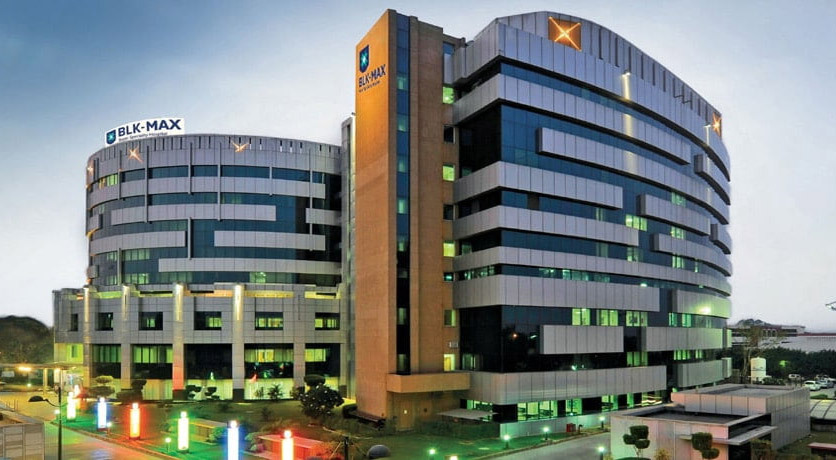
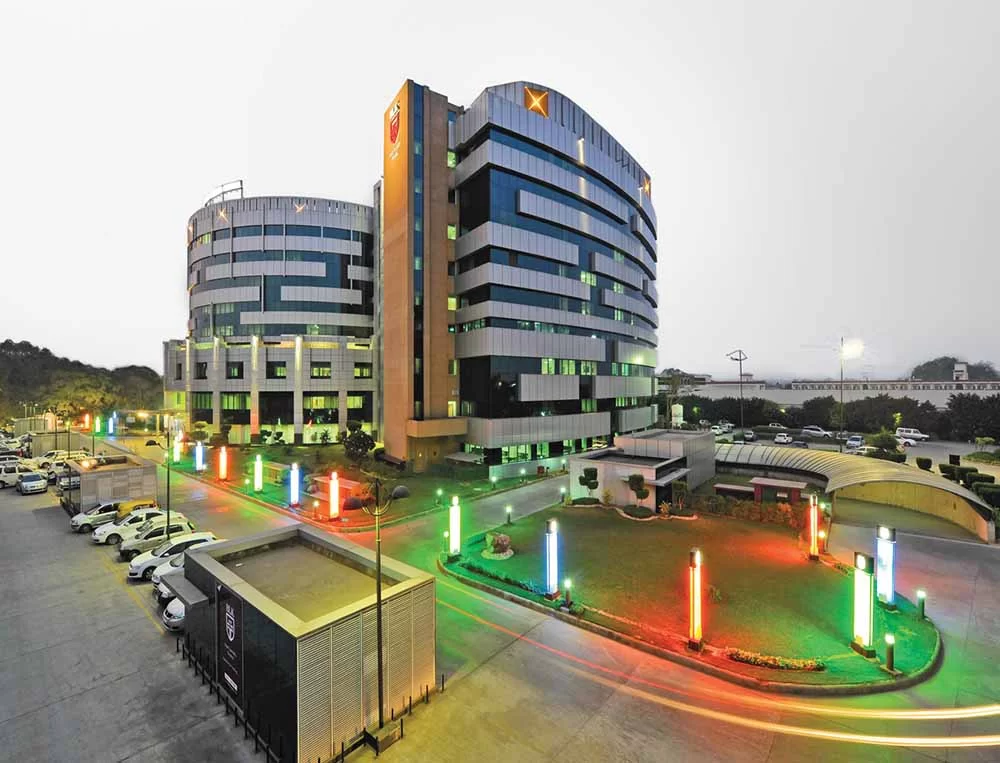
BLK-Max Super Speciality Hospital, New Delhi
PLATINUM
View Details

BLK-Max Super Speciality Hospital, New Delhi

New Delhi, India

BLK-Max Super Speciality Hospital in New Delhi is one of India's premier healthcare institutions, offering 650 beds, 22 advanced operation theatres, a...

Multi-specialty
Established 1959
650 beds
Accreditations
Joint Commission International (JCI)
National Accreditation Board for Hospitals & Healthcare Providers (NABH)
Facilities
+13
Fortis Memorial Research Institute (FMRI), Gurgaon
PLATINUM
View Details

Fortis Memorial Research Institute (FMRI), Gurgaon

Gurgaon, India

Fortis Memorial Research Institute (FMRI), Gurgaon, is a world-class multi-specialty hospital established in 2013. The hospital offers 330 beds, 15 op...

Multi-specialty
Established 2013
330 beds
Accreditations
Joint Commission International (JCI)
National Accreditation Board for Hospitals & Healthcare Providers (NABH)
Facilities
+13
Artemis Hospital, Gurgaon
PLATINUM
View Details

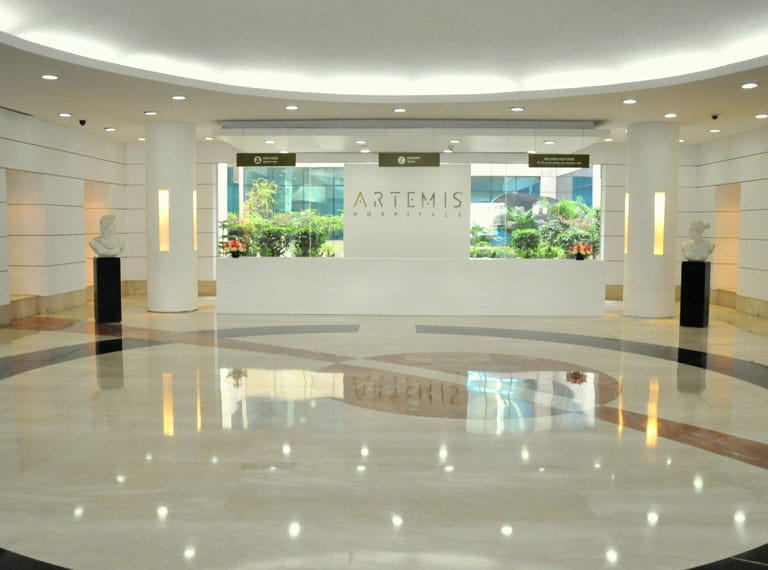
Artemis Hospital, Gurgaon

Gurgaon, India

Artemis Hospital, Gurgaon, is a JCI accredited multispecialty hospital that was established in 2007. It offers 750+ beds and world -class infrastructu...

Multi-specialty
Established 2007
750 beds
Accreditations
Joint Commission International (JCI)
National Accreditation Board for Hospitals & Healthcare Providers (NABH)
International Organization for Standardization (ISO)
Facilities
+13
Kokilaben Dhirubhai Ambani Hospital, Mumbai
PLATINUM
View Details

Kokilaben Dhirubhai Ambani Hospital, Mumbai

Mumbai, India

Kokilaben Dhirubhai Ambani Hospital, Mumbai, is a JCI, NABH, NABL, and CAP-accredited quaternary care hospital established in 2009. With 750 beds, 180...

Multi-specialty
Established 2009
750 beds
Accreditations
Joint Commission International (JCI)
National Accreditation Board for Hospitals & Healthcare Providers (NABH)
International Organization for Standardization (ISO)
Facilities
+13
Medicover Hospitals, Hitech City, Hyderabad
PLATINUM
View Details

Medicover Hospitals, Hitech City, Hyderabad

Hyderabad, India

Medicover Hospitals, Hitech City, Hyderabad, is a 400-bed NABH-accredited super-specialty hospital established in 2011. It is part of Medicover, a glo...

Multi-specialty
Established 2011
400 beds
Accreditations
National Accreditation Board for Hospitals & Healthcare Providers (NABH)
Joint Commission International (JCI)
Facilities
+13

Related Doctors

Connect with experienced doctors and medical specialists in this field.

Dr. Chandramohan K

Dr. Chandramohan K

Senior Consultant

27 years of experience
View Details
Dr. Yash Mathur

Dr. Yash Mathur

Consultant

10 years of experience
View Details
Dr. Tushar Pawar

Dr. Tushar Pawar

Consultant

19 years of experience
View Details
Dr. Upasna Saxena

Dr. Upasna Saxena

Senior Consultant

21 years of experience
View Details
Dr. Trinanjan Basu

Dr. Trinanjan Basu

Senior Consultant

14 years of experience
View Details
Dr. Girish Menon

Dr. Girish Menon

Head of Department (HOD)

30 years of experience
View Details

Related Articles

Explore more articles and insights on similar health topics.

How to Choose the Best Doctor for Your Treatment
Medical Tourism

How to Choose the Best Doctor for Your Treatment

4/4/2026, 8:30:35 AM
9 min read
When someone is in pain, everything feels urgent. Simple things like walking, sitting, and even sleeping can become difficult. And somewhere in the mi...
Top Countries for Low-Cost Spine Surgery — 2026
Medical Tourism

Top Countries for Low-Cost Spine Surgery — 2026

4/4/2026, 8:10:46 AM
6 min read
Living with severe back pain is debilitating, but for many patients, the price tag of spine surgery is equally paralyzing. While a successful procedur...
Is It Dangerous to Delay Spine Surgery?
Medical Tourism

Is It Dangerous to Delay Spine Surgery?

4/4/2026, 4:32:44 AM
9 min read
Many people hesitate when surgery is mentioned for a spine problem. The concern is understandable. The spine controls movement, balance, and daily fun...
When Should You Consider Surgery for a Herniated Disc?
Medical Tourism

When Should You Consider Surgery for a Herniated Disc?

4/4/2026, 4:03:40 AM
6 min read
"I have a slipped disc. Do I need surgery?"    "Will it get better without an operation?"    "When should I worry?"   These questions come up in...
What is the True Success Rate of Spine Surgery?
Medical Tourism

What is the True Success Rate of Spine Surgery?

4/4/2026, 3:34:23 AM
7 min read
"How successful is it?" "Is the risk really worth it?" "What if I end up worse than before?"   If a doctor has just recommended spine surgery to you...
Is Spine Surgery Abroad Safe?
Medical Tourism

Is Spine Surgery Abroad Safe?

2/4/2026, 1:32:33 PM
8 min read
Spine disorders affect millions of patients worldwide. Conditions such as slipped disc, spinal stenosis, and degenerative spine disease often lead to ...
Dr. Riya Shree

Head - International Patient Services

Head - International Patient Services Qonaq Health and Wellness
Clinical Physiotherapist

Dr. Riya Shree is a clinical physiotherapist who completed her internship at Mata Chanan Devi Hospital, New Delhi, gaining hands-on experience in patient care and rehabilitation. She served on the fr... Read More

Our website uses cookies. By clicking on accept you give your consent to the use of cookies as per our Privacy Policy.