
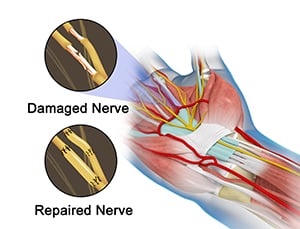
Hand Microsurgery Cost in India
About Hand Microsurgery
Hand microsurgery plays a crucial role in restoring movement, sensation, and function after complex injuries. Around the world, the number of hand trauma cases continues to rise due to road accidents, industrial injuries, and household mishaps, making advanced reconstructive surgery more crucial than ever.
This highly specialised field allows surgeons to repair tiny blood vessels, nerves, and tendons with precision that was once impossible. Whether a patient needs finger reattachment, nerve reconstruction, or delicate vascular repair, microsurgery helps save the limb and preserve its function. As techniques improve globally, more patients now regain fine hand movements and return to daily activities sooner.
What Is Hand Microsurgery?
Hand microsurgery is a specialized branch of surgery that focuses on repairing tiny structures in the hand using an operating microscope and fine instruments. Surgeons restore blood flow, nerve signals, and movement by reconnecting tiny arteries, veins, tendons, and nerves that cannot be treated with standard techniques.
This approach allows successful reattachment of severed fingers, reconstruction after trauma, and correction of delicate deformities. The goal is to preserve function, improve movement, and help patients regain the ability to perform daily tasks with comfort and precision.
Why Is Hand Microsurgery Needed?
Hand microsurgery becomes essential when injuries or conditions affect the tiny structures that control hand movement, sensation, and blood flow. These situations require high precision to restore function and prevent long-term disability.
- Traumatic Injuries: Accidents involving sharp cuts, crush injuries, or machinery can damage nerves, tendons, or blood vessels. Microsurgery helps reconnect these structures to restore movement and circulation.
- Finger or Hand Reattachment: When a finger or part of the hand is amputated, microsurgery reconnects arteries, veins, and nerves to save the limb and revive function.
- Severed Nerves or Tendons: Deep injuries can cut nerves or tendons, leading to loss of strength or sensation. Microsurgery repairs these delicate structures to regain fine motor control.
- Vascular Problems in the Hand: Reduced blood supply from injury or disease may require microsurgical repair to restore proper circulation.
- Congenital Hand Deformities: Some children are born with webbed fingers, missing structures, or abnormal formations that benefit from precise reconstruction.
- Revision Surgeries: Microsurgery helps correct problems after previous surgeries that did not heal as expected or failed to restore normal function.
Who Is the Right Candidate for Hand Microsurgery?
The right candidate for hand microsurgery is someone with an injury or condition that affects the delicate hand structures and requires detailed reconstruction. Doctors evaluate the nature of the injury, overall health, and recovery potential before recommending the procedure.
- Patients With Nerve or Tendon Injuries: Individuals with deep cuts or trauma that disrupts nerves or tendons benefit from microsurgical repair to regain movement and sensation.
- People With Amputated Fingers or Hand Parts: Anyone who has lost a finger or part of the hand due to accident or injury may qualify for reattachment through microsurgery, depending on the condition of the amputated part.
- Individuals With Functional Loss: Patients who cannot move their fingers properly or have lost fine motor skills because of trauma or disease often require microsurgery to restore performance.
- Children With Congenital Hand Anomalies: Microsurgery helps correct birth-related deformities and improves hand function as children grow.
- People With Vascular Injuries: Individuals with poor blood flow due to accidents, burns, or blockages may need microsurgery to repair blood vessels and restore circulation.
- Healthy Individuals Ready for Rehabilitation: Good candidates understand the importance of physiotherapy and follow-up care, which are essential for strong recovery after microsurgery.
How Is Hand Microsurgery Performed?
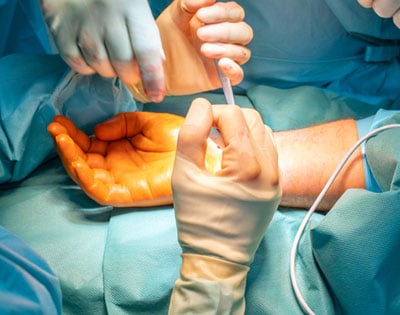
Hand microsurgery follows a meticulous, step-by-step process that allows surgeons to repair tiny structures with exceptional precision. Specialized tools and advanced imaging support the surgeon throughout the procedure.
- Anesthesia and Preparation: The surgery begins under general or regional anesthesia, depending on the injury and the patient’s condition. The surgical team carefully cleans and positions the hand to provide full access.
- Use of Operating Microscope: The surgeon works under a high-power microscope that magnifies small blood vessels, nerves, and tendons. This magnification helps perform delicate repairs that are not possible with the naked eye.
- Exploration of the Injured Area: The surgeon examines the damaged structures, identifies severed vessels or nerves, and plans the repair sequence to ensure the best functional outcome.
- Repair of Blood Vessels: Tiny arteries and veins are reconnected using ultra-fine sutures. Restoring blood flow is essential for tissue survival, especially in reattachment surgeries.
- Nerve and Tendon Reconstruction: The surgeon aligns and stitches nerves to restore sensation and movement. Severed tendons are repaired or reconstructed to regain finger and wrist function.
- Bone Fixation (If Needed): Fractured bones are stabilized with pins or plates to maintain alignment during healing. This step supports proper hand movement later.
- Closure and Splinting: After repairing all structures, the surgeon closes the incision and applies a splint or cast to protect the hand during early healing.
Get a Free Treatment Plan
About Hand Microsurgery in India
What Is the Cost of Hand Microsurgery in India?
The average cost of hand microsurgery in India ranges from $2,500 to $7,500, which is approximately ₹2.0 lakh to ₹6.2 lakh. Complex cases involving multiple nerve repairs, vascular reconstruction, or finger reattachment fall on the higher end of the range.
In comparison, similar microsurgical procedures often cost $15,000 to $40,000 in the United States or $10,000 to $25,000 in the United Kingdom. India offers the same level of surgical expertise and advanced technology at significantly lower costs due to its efficient healthcare system.
Estimated Cost Breakdown
- Simple Nerve or Tendon Repair: ₹2,00,000 – ₹3,50,000
- Multiple Structure Repair: ₹3,50,000 – ₹5,00,000
- Finger Replantation: ₹3,50,000 – ₹6,20,000
- Microscope and Micro-Instruments Charges: Included in most packages
- Hospital Stay (2–5 Days): Included
- Pre-Operative Tests: ₹5,000 – ₹15,000
What the Cost Includes
Most standard packages for hand microsurgery cover essential treatment components:
- Surgeon’s fee for microsurgical repair
- Operating room charges, including micro-instruments and microscope usage
- Anesthesia and monitoring throughout the procedure
- Hospital stay for 2–5 days, depending on the complexity
- Nursing care and post-operative monitoring
- Standard medications and dressings during hospitalization
- Splints or casts required for early recovery
- Basic imaging, such as X-rays or ultrasound, if needed during the hospital stay
These elements ensure safe surgery and a comfortable early healing period.
What the Cost Excludes
Some items vary by patient and may be billed separately:
- Additional imaging techniques, such as a CT scan, an MRI, or nerve conduction tests
- An extended hospital stay, if recovery needs more monitoring
- Physiotherapy and rehabilitation sessions after discharge
- Implants or graft materials, if required for bone or tendon reconstruction
- Post-discharge medicines and wound care supplies
- Travel, visa, and accommodation for international patients
Hospitals provide a detailed estimate before surgery so patients can plan the whole treatment journey with confidence.
What Is the City-Wise Cost of Hand Microsurgery in India?
The cost of hand microsurgery varies across major Indian cities due to differences in hospital infrastructure, surgeon expertise, and the complexity of available microsurgical facilities. Here is a clear comparison to help patients plan their treatment budget effectively.
City | Average Cost (USD) | Approx. Cost (INR) |
| New Delhi | $3,000 – $7,200 | ₹2,45,000 – ₹6,00,000 |
| Mumbai | $3,200 – $7,500 | ₹2,60,000 – ₹6,20,000 |
| Chennai | $2,500 – $6,500 | ₹2,00,000 – ₹5,40,000 |
| Bangalore | $2,700 – $7,000 | ₹2,20,000 – ₹5,80,000 |
| Hyderabad | $2,600 – $6,800 | ₹2,10,000 – ₹5,60,000 |
- New Delhi and Mumbai: These metro cities offer advanced microsurgical centers with experienced surgeons and high-end infrastructure, leading to slightly higher costs.
- Chennai and Hyderabad: Known for excellent reconstructive surgery programs, these cities offer strong medical expertise at relatively moderate pricing.
- Bangalore: Popular among international patients for its modern hospitals, skilled microsurgeons, and balanced costs.
What Factors Affect the Cost of Hand Microsurgery in India?
The cost of hand microsurgery varies widely because each injury and reconstruction plan is unique. Several medical and logistical factors influence the total amount a patient pays.
- Type of Injury: Clean cuts cost less to repair than crush injuries or severe trauma. Multiple damaged structures increase surgery time and overall cost.
- Number of Structures Repaired: Repairing several nerves, tendons, or blood vessels requires more precision, longer operating hours, and additional microsurgical equipment.
- Emergency vs Planned Surgery: Emergency procedures often involve higher costs due to immediate team mobilization, extended operating time, and urgent care requirements.
- Surgeon’s Expertise: Microsurgeons with extensive training and experience in replantation and reconstructive hand surgery may charge higher fees for their specialized skills.
- Hospital Category: Premium hospitals with modern operating rooms, advanced microscopes, and specialized rehabilitation departments usually have higher pricing.
- Need for Implants, Grafts, or Flaps: Bone fixation devices, nerve grafts, vein grafts, or tissue flaps can increase the total cost, depending on the patient’s reconstruction needs.
- Rehabilitation and Physiotherapy: Hand surgery often requires weeks or months of physiotherapy. The number of sessions and the intensity of rehabilitation influence the final overall cost.
How Does the Cost of Hand Microsurgery in India Compare With Other Countries?
India offers advanced microsurgical care at a significantly lower cost than many Western and Middle Eastern countries. Despite the lower price, hospitals use modern microscopes, refined micro-instruments, and internationally accepted surgical techniques.
Country | Average Cost (USD) |
| India | $2,500 – $7,500 |
| United States | $15,000 – $40,000 |
| United Kingdom | $10,000 – $25,000 |
| Thailand | $6,000 – $12,000 |
| UAE | $8,000 – $20,000 |
India offers costs that are 60–75% lower than those in the US, UK, or UAE. Yet the level of expertise remains strong, driven by skilled microsurgeons, high surgical volumes, and modern hospital infrastructure. This combination of affordability and advanced care makes India a preferred destination for complex hand reconstruction.
What Is the Recovery and Success Rate After Hand Microsurgery?
Recovery after hand microsurgery happens gradually and depends on the type of injury, the number of structures repaired, and the patient’s commitment to rehabilitation. The aim is to restore hand movement, strength, and sensation over time.
- Initial Recovery Period: Patients usually stay in the hospital for 2–5 days. Pain and swelling reduce steadily with proper care, splinting, and elevation. Early finger movements are guided to prevent stiffness.
- Physiotherapy and Rehabilitation: Physiotherapy plays a central role in recovery. Patients attend regular sessions for 6–12 weeks, focusing on strengthening, flexibility, and fine motor control. Nerve-related injuries may require longer rehabilitation.
- Nerve Regeneration Timeline: Nerves grow slowly at about 1 mm per day, so full sensation may take several months. Patients notice gradual improvement in movement and feeling as healing progresses.
- Return to Daily Activities: Light activities begin after 4–6 weeks, while tasks requiring grip strength may take 8–12 weeks, depending on progress.
Success Rate of Hand Microsurgery
Hand microsurgery shows strong outcomes when performed by skilled surgeons:
- Finger reattachment success rate: Around 80–90%, depending on injury type.
- Nerve repair functional recovery: 70–85% in well-performed microsurgeries.
- Tendon repair recovery: 80–90% with consistent rehabilitation.
- Low complication rate: Generally 5–10%, influenced by injury severity.
- High patient satisfaction: Most individuals regain meaningful function and improved hand use.
These outcomes highlight the effectiveness of microsurgical techniques in restoring hand function after complex injuries.
What Are the Benefits of Hand Microsurgery?
- Restoration of Blood Flow: Repaired arteries and veins help restore circulation, which is essential for saving fingers or hand tissues after trauma.
- Improved Movement and Function: Repaired tendons and nerves allow patients to regain grip, strength, and fine motor skills necessary for daily tasks.
- Recovery of Sensation: Microsurgical nerve repair helps restore feeling, preventing long-term numbness or sensory loss.
- Preservation of Limb or Digits: Microsurgery plays a key role in replantation, saving amputated fingers or hand parts whenever possible.
- Better Long-Term Outcomes: Early and precise reconstruction reduces the likelihood of deformities, stiffness, or future corrective surgeries.
What Are the Risks of Hand Microsurgery?
- Infection: Any open surgical area can develop infection, but proper wound care and antibiotics minimize this risk.
- Stiffness and Limited Movement: Some patients experience stiffness, especially if they delay physiotherapy or have severe injuries.
- Delayed Healing: Poor circulation, smoking, or underlying health issues can slow the healing process.
- Nerve Pain or Sensitivity: Repaired nerves may cause tingling, sensitivity, or discomfort during the healing phase.
- Scarring: Visible scars may form around the surgical area, although they usually fade over time.
Why Choose India for Hand Microsurgery?
India has become a leading destination for complex hand reconstruction because hospitals combine advanced microsurgical technology with highly experienced surgeons. Patients receive precise treatment, strong post-operative care, and structured rehabilitation at affordable costs.
- Highly Skilled Microsurgeons: India has a strong pool of microsurgeons trained in nerve repair, tendon reconstruction, and finger replantation. Their experience with high-volume trauma cases contributes to strong outcomes.
- Advanced Microsurgical Equipment: Hospitals use high-resolution operating microscopes, micro-instruments, and fine sutures explicitly designed for delicate hand repairs.
- Comprehensive Rehabilitation Support: Physiotherapy centers provide structured programs that help patients regain movement, grip strength, and fine motor control.
- English-Speaking Medical Teams: Smooth communication enhances comfort and reduces confusion for international patients.
- Shorter Waiting Times: Patients receive fast evaluations, rapid imaging, and timely surgeries, especially in emergencies where every minute matters.
What International Patient Support Services Are Available?
India offers a strong support system for international patients, ensuring a smooth, stress-free treatment journey. Hospitals assign dedicated coordinators who guide patients from pre-arrival planning to post-treatment follow-up.
- Medical Visa Assistance: Hospitals help patients secure medical visas by providing invitation letters, treatment estimates, and required documentation.
- Airport Pickup and Drop: Most centers arrange safe airport transfers for patients and family members, making arrival and departure comfortable.
- Assistance With Accommodation: Hospitals guide families toward nearby hotels, guest houses, or serviced apartments that fit their budget and stay duration.
- Translation and Language Support: Many hospitals provide translators for Arabic, French, Russian, African, and Southeast Asian languages to ensure clear communication.
- Quick Appointments and Fast-Track Services: International patients receive priority diagnostic tests, surgeon consultations, and surgery scheduling to minimize waiting time.
- Billing Transparency and Payment Support: Financial counselors explain estimated costs, share package details, and support international payments over wire transfers and credit cards.
- Post-Discharge Follow-Up: Patients receive detailed medical reports and can access teleconsultations to monitor recovery after returning to their home country.
Hand Microsurgery Cost Comparison by Country
Compare Hand Microsurgery costs across different countries to make an informed decision about your medical treatment.
| Country | Cost Range (USD) | Potential Savings | Action |
|---|---|---|---|
IndiaCurrentBest Value | $2,500 - $7,500 | — | Get Quote |
Note: Costs may vary based on hospital choice, room type, additional services, and individual medical requirements. Contact us for a personalized quote.
Leading Hospitals for Hand Microsurgery in India

Medical Park Bahcelievler Hospital
Medical Park Bahcelievler Hospital is a 242-bed JCI-accredited hospital in Istanbul, established in 2007. Spread across 33,000 square meters and 19 fl...
Accreditations

Facilities

Hisar Intercontinental Hospital, Istanbul
Hisar Intercontinental Hospital in Istanbul is a JCI-accredited, 212-bed multispecialty hospital spanning 35,000 square meters and featuring 53 medica...
Accreditations
Facilities

Medipol Bahçelievler Hospital
Medipol Bahçelievler Hospital is a 441-bed private hospital in Istanbul that began operations in May 2022. Covering 60,000 square meters across 15 flo...
Accreditations
Facilities
Similar Procedures
Lip Augmentation in India
Gallery
FAQ


Our website uses cookies. By clicking on accept you give your consent to the use of cookies as per our Privacy Policy.