
Heart Double Valve Replacement Cost in India
About Heart Double Valve Replacement
Heart double-valve replacement is a major cardiac procedure involving the aortic and mitral valves. These two valves manage blood flow between the heart chambers and the rest of the body. When both valves are severely damaged or fail to function correctly, the heart struggles to pump blood efficiently. It leads to breathlessness, swelling, fatigue, and a higher risk of heart failure.
Heart valve disease affects millions of people around the world. Doctors perform more than 850,000 valve surgeries globally each year, and double-valve replacement accounts for about 5% to 8% of these procedures. Rheumatic heart disease, aging, infections, and calcification contribute to widespread valve damage in many regions. In some countries, rheumatic fever remains a major cause of combined valve disease in younger adults.
Modern surgical techniques, improved valve designs, and better postoperative care have transformed outcomes for patients undergoing double-valve replacement. When treated on time, most patients experience a significant enhancement in heart function and overall quality of life. With advancements in mechanical and biological valves, surgeons now perform this complex procedure with excellent safety and long-term results.
What Is Heart Double Valve Replacement?
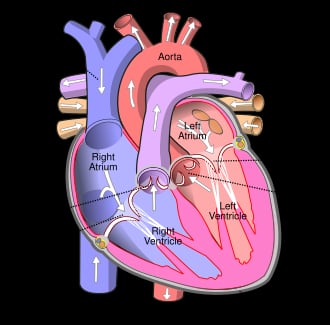
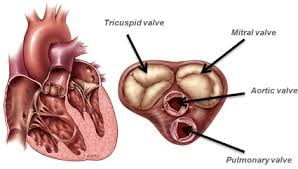
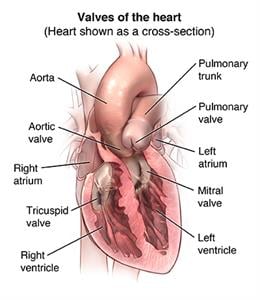
Heart double-valve replacement is a surgical procedure in which both the aortic and mitral valves are replaced in a single operation. These two valves sit on the left side of the heart and play an essential role in controlling blood flow. The mitral valve allows blood to move from the left atrium to the left ventricle, while the aortic valve sends blood from the heart to the rest of the body.
When both valves become narrow, leaky, or damaged, the heart cannot pump blood properly. Over time, this strain leads to breathlessness, swelling, chest discomfort, irregular heartbeats, and eventually heart failure. Medicine may temporarily ease symptoms, but it cannot fix structural valve problems. Surgery becomes the most effective and permanent treatment.
During double valve replacement, the surgeon removes the damaged valves and implants new artificial valves. These valves can be mechanical valves that last for many years or bioprosthetic (tissue) valves that offer a more natural blood flow pattern. Replacing both valves at once helps restore normal circulation, reduces pressure on the heart, and improves long-term survival.
Double valve replacement is a complex but highly successful surgery when performed in experienced heart centers, and it offers a new chance at a healthy life for patients with severe combined valve disease.
When Do Doctors Recommend Double Valve Replacement?
Doctors recommend double-valve replacement when both the aortic and mitral valves fail, and the heart can no longer pump blood efficiently. This procedure becomes necessary when damage affects blood flow on both sides of the left heart, causing severe symptoms and long-term complications.
- Severe Valve Stenosis or Regurgitation: Doctors suggest surgery when both valves become too narrow or too leaky. These problems reduce blood flow and place extra pressure on the heart.
- Rheumatic Heart Disease: Many patients develop damage in both valves due to rheumatic fever. This condition often affects young and middle-aged adults and may require double valve replacement.
- Calcification of Both Valves: As people age, calcium deposits may build up on the valves. When calcification affects both the aortic and mitral valves, surgery becomes the best treatment option.
- Valve Damage from Infection (Endocarditis): Severe infection can destroy the valve structure. When both valves suffer damage, doctors replace them to restore normal heart function.
- Congenital Abnormalities: Some patients are born with structural defects that affect both valves. A replacement becomes necessary when symptoms worsen or the valves fail to grow properly.
- When Valve Repair Isn't Possible: In some cases, valves are too damaged to repair. Doctors often choose double-valve replacement to provide a long-lasting solution.
Get a Free Treatment Plan
About Heart Double Valve Replacement in India
What Is the Cost of Heart Double Valve Replacement in India?
The cost of a heart double-valve replacement in India usually ranges from $7,500 to $13,000 (approximately ₹6.2 lakh to ₹10.8 lakh). The final price depends on the type of valves used, the hospital's infrastructure, the surgeon's experience, and the patient's overall condition.
Below is a general cost breakdown to help patients better understand their expenses.
Component | Average Cost (USD) | Approx. Cost (INR) |
| Mechanical Valve (each) | $800 – $1,500 | ₹65,000 – ₹1.2 lakh |
| Bioprosthetic Valve (each) | $1,500 – $3,000 | ₹1.2 – ₹2.5 lakh |
| Double Valve Replacement Surgery | $5,000 – $8,000 | ₹4.1 – ₹6.6 lakh |
| ICU Stay (2–3 days) | $800 – $1,200 | ₹65,000 – ₹1 lakh |
| Hospital Stay (5–7 days) | $700 – $1,000 | ₹58,000 – ₹83,000 |
| Pre-surgery Tests | $200 – $400 | ₹16,000 – ₹33,000 |
- Mechanical valves cost less but require lifelong blood thinners.
- Tissue valves cost more but do not require long-term anticoagulation.
- The total cost increases if the patient needs additional procedures such as bypass surgery or pacemaker placement.
- Complicated heart conditions may require a more extended ICU stay, which also affects the final bill.
Cost Inclusions
- Surgeon and cardiac team fees
- Two mechanical or bioprosthetic valves
- Operation theatre charges
- General anesthesia
- Heart-lung machine support
- ICU stay for two to three days
- Hospital stay for five to seven days
- Basic medicines and consumables
- Routine blood tests and monitoring during admission
- Post-surgery evaluations before discharge
Cost Exclusions
- Advanced imaging such as CT, MRI, or angiography
- Pre-surgery investigations done outside the hospital
- Additional procedures like bypass surgery or pacemaker placement
- Extra ICU or hospital stay due to complications
- Long-term medications such as blood thinners
- Travel, visa, meals, and accommodation for the patient and companion
- Follow-up visits after the patient returns home
These exclusions vary from hospital to hospital, so requesting a written estimate helps avoid confusion.
What Is the Cost of Double Valve Replacement in Different Indian Cities?
The cost of double valve replacement in India varies slightly from one city to another. Pricing changes based on hospital facilities, surgeon experience, and overall healthcare expenses in each region. Major metro cities may charge slightly more because they offer advanced cardiac units and highly specialized teams.
Below is a general city-wise cost comparison:
City | Average Cost (USD) | Approx. Cost (INR) |
| New Delhi | $7,500 – $13,000 | ₹6.2 – ₹10.8 lakh |
| Mumbai | $8,000 – $13,500 | ₹6.6 – ₹11.2 lakh |
| Bangalore | $7,500 – $12,500 | ₹6.2 – ₹10.4 lakh |
| Chennai | $7,200 – $12,000 | ₹6 – ₹10 lakh |
| Hyderabad | $7,000 – $12,000 | ₹5.8 – ₹10 lakh |
- Delhi and Mumbai have some of the most advanced cardiac centers, staffed by experienced surgeons.
- Chennai and Hyderabad offer competitive pricing with strong cardiac care quality.
- Bangalore is known for its modern cardiac ICUs and efficient patient support.
What Factors Affect the Cost of Double Valve Replacement in India?
Several medical and non-medical factors influence the total cost of double valve replacement in India. Every patient has a unique condition, and the final treatment plan can vary from case to case.
- Type of Valves Used: Mechanical valves cost less than bioprosthetic valves. Tissue valves raise the overall cost because they are more expensive and are usually imported.
- Hospital Category: Premium hospitals with advanced cardiac units, hybrid operating rooms, and international accreditation may charge higher fees than mid-range hospitals.
- Surgeon's Expertise: Highly experienced cardiac surgeons who regularly perform complex valve surgeries may charge more. Their expertise often leads to safer procedures and better outcomes.
- Duration of ICU and Hospital Stay: Patients typically need two to three days in the ICU and several days in the ward. Any extended stay due to complications increases the final bill.
- Patient's Health Condition: Individuals with kidney problems, diabetes, lung disease, or severe heart failure may need additional care, tests, or monitoring.
- Additional Procedures During Surgery: Some patients may require additional procedures, such as bypass surgery, tricuspid valve repair, or pacemaker placement.
- Diagnostic Tests and Pre-Surgery Evaluation: Angiography, echocardiography, blood tests, and imaging contribute to the overall expense, especially when performed multiple times.
- Post-Surgery Medications and Follow-Up: Blood thinners, heart medicines, and follow-up consultations form part of the long-term cost.
How Does the Cost in India Compare With Other Countries?
Double-valve replacement is an expensive cardiac surgery procedure in most parts of the world. India offers the same procedure at a much lower cost while maintaining high treatment quality, advanced cardiac facilities, and experienced surgeons.
Here is a comparison of double valve replacement costs across major countries:
Country | Average Cost (USD) |
| United States | $60,000 – $1,20,000 |
| United Kingdom | $40,000 – $80,000 |
| UAE | $35,000 – $65,000 |
| Singapore | $30,000 – $55,000 |
| India | $7,500 – $13,000 |
Patients can save 70% to 85% on the total cost by choosing India, without compromising on surgical expertise or hospital quality. India remains one of the most cost-effective and reliable destinations for complex cardiac procedures, including double valve replacement.
Why Should You Choose India for Double Valve Replacement?
India has become a leading destination for complex cardiac surgeries, including double valve replacement. Patients from many countries travel here because they receive world-class treatment at a much lower cost, combined with strong clinical expertise and reliable outcomes.
- Experienced Cardiac Surgeons: India has highly skilled cardiac surgeons who perform a large number of valve surgeries every year. Their experience with complex, high-risk cases contributes to excellent surgical outcomes.
- Advanced Cardiac Hospitals: Many Indian hospitals offer modern cardiac operating rooms, hybrid theatres, advanced imaging systems, and dedicated cardiac ICUs. These facilities support safe and successful double valve replacement surgeries.
- Strong Clinical Outcomes: Indian cardiac centers achieve high success rates in double-valve replacement, even in patients with complex heart conditions or rheumatic disease.
- Comprehensive Patient Support: Hospitals assist international patients with medical visas, airport transfers, accommodation options, translators, and follow-up coordination. This support makes medical travel smooth and stress-free.
- Minimal Waiting Periods: Patients can usually schedule surgery quickly without long delays, which is crucial for those with severe valve disease.
What Are the Types of Valves Used in Double Valve Replacement?
Doctors choose the type of valve based on the patient's age, lifestyle, medical condition, and long-term treatment goals. Each valve type works differently, and both options offer strong results when implanted by experienced surgeons.
- Mechanical Valves: These valves are made from durable materials such as titanium and carbon. They last for many years and rarely need replacement. Doctors recommend mechanical valves for younger patients because of their long lifespan. Patients who receive mechanical valves take lifelong blood thinners to prevent clot formation.
- Bioprosthetic (Tissue) Valves: Bioprosthetic valves come from animal tissue, usually from cows or pigs. These valves provide natural blood flow and do not require lifelong blood thinning. They work well for older adults and patients who cannot take anticoagulant medicines. Biological valves may wear out over time and may need replacement after many years.
- Combination of Valve Types: Some patients receive one mechanical and one tissue valve during double-valve replacement. This approach balances long-term durability with reduced need for continuous blood thinning.
How Is Heart Double Valve Replacement Performed?
Heart double valve replacement is a major open-heart surgery that requires careful planning and a highly skilled cardiac team. The procedure replaces both the aortic and mitral valves in one operation and restores healthy blood flow through the heart.
- Pre-Surgery Evaluation: Doctors begin with a comprehensive assessment that includes echocardiography, blood tests, ECG, chest imaging, and, sometimes, cardiac catheterization. This evaluation helps the team understand how well the heart pumps and whether the patient is fit for major surgery.
- Anesthesia and Surgical Preparation: The patient receives general anesthesia and remains fully asleep throughout the surgery. The surgical team cleans and prepares the chest area, ensuring sterility for the procedure.
- Opening the Chest and Heart-Lung Support: The surgeon makes a midline incision and connects the patient to a heart-lung machine. The machine temporarily takes over the heart's pumping function and keeps blood flowing to the rest of the body during the operation.
- Removal of Damaged Valves: The surgeon opens the heart chambers and carefully removes the diseased aortic and mitral valves. Valve leaflets, calcium deposits, and damaged tissue are cleared to create space for the new valves.
- Implantation of New Valves: The surgeon stitches the new mechanical or bioprosthetic valves securely in place. Each valve must fit properly to ensure smooth blood flow and prevent leakage.
- Restarting the Heart and Closing the Chest: Once the valves are implanted, the surgeon restarts the heart and gradually disconnects the patient from the heart-lung machine. The chest incision is closed with sutures, and the patient moves to the cardiac ICU for monitoring.
What Are the Benefits of Double Valve Replacement?
Double valve replacement restores healthy blood flow through the heart and prevents long-term complications caused by damaged valves. When both the aortic and mitral valves stop working properly, replacing them together offers significant improvements in heart function and overall well-being.
- Improves Heart Pumping Ability: The new valves allow the heart to move blood smoothly through the chambers. It reduces strain on the heart muscle and helps it work more efficiently.
Reduces Breathlessness and Fatigue: Patients often experience shortness of breath, dizziness, and fatigue
before surgery. Replacing both valves corrects blood flow and relieves these symptoms.
- Prevents Progression to Heart Failure: Damaged valves force the heart to work harder, eventually weakening it. Double valve replacement stops this progression and protects long-term heart health.
- Restores Normal Blood Circulation: The new valves maintain proper blood direction and prevent backflow. It reduces lung pressure and improves oxygen delivery to the body.
- Improves Long-Term Survival: Timely valve replacement reduces the risk of complications, such as arrhythmias, fluid buildup, and sudden cardiac events. It leads to better long-term outcomes.
- Enhances Quality of Life: Most patients return to daily activities with more energy, less discomfort, and improved exercise tolerance. Many experience a noticeable improvement within weeks after surgery.
What Is the Recovery and Success Rate After Double Valve Replacement?
Recovery after double-valve replacement occurs in stages. Most patients regain strength steadily with proper medical care, cardiac monitoring, and lifestyle adjustments. The surgery provides strong long-term outcomes when performed on time and followed by appropriate rehabilitation.
- Immediate Recovery After Surgery: Patients spend the first one or two days in the cardiac ICU, where the medical team monitors heart rhythm, breathing, blood pressure, and wound healing. Once stable, patients shift to a regular room to continue recovery.
- Hospital Stay and Initial Healing: Most patients stay in the hospital for five to seven days. Breathing exercises, gentle walking, and physiotherapy help restore strength. Doctors also adjust medications to support heart function and prevent clotting.
- Recovery at Home: Patients continue healing at home over the next four to six weeks. Energy levels improve gradually, and most people return to light daily activities within this period. Complete internal healing may take two or three months. Regular follow-ups help doctors track progress and adjust medications, such as blood thinners, if mechanical valves are used.
Success Rate of Double Valve Replacement
Double valve replacement achieves strong long-term results when performed in well-equipped cardiac centers by experienced surgeons.
- Overall success rate: Usually 85% to 95%, depending on the patient's age, health condition, and underlying cause of valve disease.
- Symptom improvement: Most patients experience significant relief from breathlessness, fatigue, chest discomfort, and swelling within weeks of surgery.
- Long-term survival: Good outcomes are common when patients follow medical advice, take medications correctly, and attend regular follow-ups.
- Durability of valves: Mechanical valves last for decades, while bioprosthetic valves offer good performance for many years.
Double valve replacement significantly improves quality of life and helps patients regain normal activity levels when combined with proper post-surgery care.
Heart Double Valve Replacement Cost Comparison by Country
Compare Heart Double Valve Replacement costs across different countries to make an informed decision about your medical treatment.
| Country | Cost Range (USD) | Potential Savings | Action |
|---|---|---|---|
IndiaCurrentBest Value | $7,500 - $13,000 | — | Get Quote |
Note: Costs may vary based on hospital choice, room type, additional services, and individual medical requirements. Contact us for a personalized quote.
Leading Hospitals for Heart Double Valve Replacement in India

Medical Park Bahcelievler Hospital
Medical Park Bahcelievler Hospital is a 242-bed JCI-accredited hospital in Istanbul, established in 2007. Spread across 33,000 square meters and 19 fl...
Accreditations

Facilities

Hisar Intercontinental Hospital, Istanbul
Hisar Intercontinental Hospital in Istanbul is a JCI-accredited, 212-bed multispecialty hospital spanning 35,000 square meters and featuring 53 medica...
Accreditations
Facilities

Medipol Bahçelievler Hospital
Medipol Bahçelievler Hospital is a 441-bed private hospital in Istanbul that began operations in May 2022. Covering 60,000 square meters across 15 flo...
Accreditations
Facilities
Similar Procedures
Gallery
FAQ


Our website uses cookies. By clicking on accept you give your consent to the use of cookies as per our Privacy Policy.