
Larynx Cancer Treatment Cost in India
About Larynx Cancer Treatment
Around the world, larynx cancer affects thousands of people each year. More than 183,000 new cases are diagnosed annually, and the condition is more common in individuals who smoke, drink alcohol regularly, or have long-term exposure to harmful chemicals. Recent studies also show a rising link between larynx cancer and certain strains of HPV.
Early diagnosis is critical because symptoms often begin subtly, such as mild hoarseness, and may be overlooked.
Advances in modern oncology (laser surgery, organ-preserving radiation therapy, targeted treatment, and immunotherapy) have significantly improved outcomes. Many patients benefit from treatments that preserve the voice or restore speech through rehabilitation. With timely medical care, larynx cancer can be managed effectively, helping patients regain comfort, function, and confidence.
What Is Larynx Cancer?
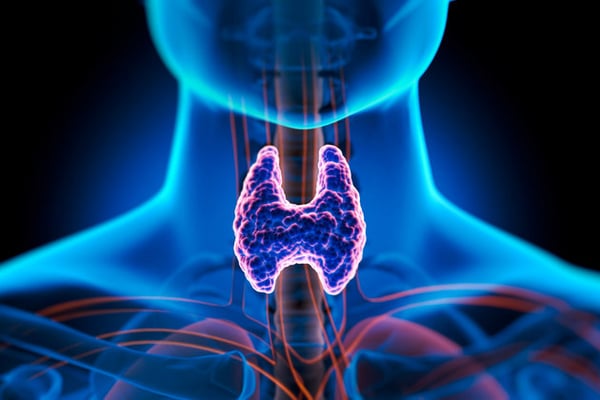
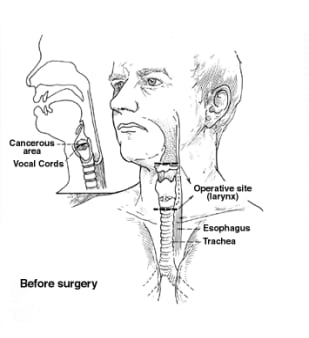
Larynx cancer is a disease in which abnormal cells grow in the voice box, a structure located in the throat that helps produce sound, control airflow, and protect the windpipe during swallowing. Most cases begin in the squamous cells that line the inside of the larynx.
The larynx has three main regions, and cancer can start in any of them:
- Supraglottic Region: This is the upper part of the larynx, located above the vocal cords. Tumors here may spread early to nearby lymph nodes.
- Glottic Region: This area includes the vocal cords. Glottic cancer is often detected early because even small tumors can cause hoarseness.
- Subglottic Region: This is the lower part of the larynx, just below the vocal cords. Tumors here are less common and may grow silently for longer.
Cancer in the larynx can spread to nearby lymph nodes, deeper throat tissues, or distant organs if left untreated. Early diagnosis plays a key role in preserving the voice and improving long-term outcomes.
What Are the Symptoms of Larynx Cancer?
Larynx cancer often begins with subtle voice changes or throat discomfort. Because these symptoms can resemble common throat infections, many people ignore them in the early stages. Recognizing the warning signs helps ensure timely diagnosis and better treatment outcomes.
Early Symptoms
- Persistent hoarseness lasting more than two weeks
- Voice changes such as roughness, weakness, or pitch alteration
- A constant sore throat or feeling of irritation
- Dry cough that does not settle
- Difficulty projecting the voice
Advanced Symptoms
- Pain or difficulty while swallowing
- A lump or swelling in the neck
- Ear pain on one side
- Breathing difficulty or noisy breathing
- Unexplained weight loss
- Frequent choking episodes
- Blood-tinged saliva or coughing up small amounts of blood
When to Seek a Doctor
A person should consult a specialist if hoarseness or throat discomfort does not improve with routine treatment, especially in smokers or people exposed to alcohol or irritants. Early detection improves the chances of preserving the voice and achieving better outcomes.
How Is Larynx Cancer Diagnosed?
Doctors use several tests to confirm larynx cancer, assess the tumor's location, and determine how far it has spread. Accurate diagnosis helps create a personalized treatment plan that aims to preserve function and improve long-term outcomes.
- Laryngoscopy: A thin, flexible tube with a camera is sent through the nose or mouth to examine the vocal cords and surrounding structures. It is often the first and most crucial test.
- Biopsy: During laryngoscopy, the doctor may remove a small tissue sample for lab analysis. A biopsy confirms whether cancer cells are present.
- CT Scan or MRI: These imaging tests show the tumor's size and whether it has invaded nearby tissues, cartilage, or lymph nodes.
- PET-CT Scan: PET-CT helps identify active cancer cells throughout the body and detects spread to distant organs.
- Ultrasound of the Neck: This test evaluates lymph nodes and helps determine if they require biopsy or surgical removal.
- Chest X-Ray: Doctors may use this to check whether the cancer/tumor has spread to the lungs.
Staging Evaluation
After all tests, the doctor assigns a stage from I to IV based on tumor size, lymph node involvement, and distant spread. Staging guides the choice of surgery, radiation, chemotherapy, or combined treatments.
Accurate diagnosis ensures larynx cancer patients receive the most effective treatment with the best chance of preserving voice and breathing function.
What Are the Latest Treatment Options for Larynx Cancer?
Doctors treat larynx cancer using a combination of surgery, radiation, chemotherapy, and modern targeted therapies. The treatment plan depends on the cancer's stage, location, and whether preserving the voice is possible. Early-stage cancers often respond well to single-modality treatment, while advanced cases may require a combination approach.
- Laser Surgery: Laser surgery helps remove small, early-stage tumors with minimal damage to surrounding tissues. It is often used for glottic cancers and may preserve normal voice quality.
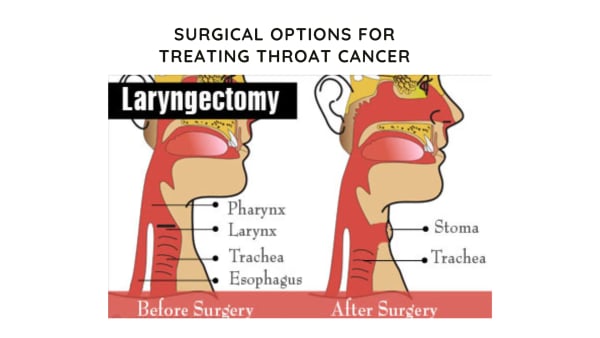
- Partial Laryngectomy: In this procedure, doctors remove only the affected portion of the larynx. It helps preserve speech and swallowing functions while removing cancerous tissue.
- Total Laryngectomy: When cancer is advanced or involves multiple regions, surgeons may remove the entire larynx. Patients breathe through a permanent opening in the neck (stoma) and later learn voice rehabilitation techniques.
- Radiation Therapy: Radiation uses high-energy beams to destroy cancer cells. It works effectively in early-stage cancers and is often combined with chemotherapy for more advanced tumors. Techniques such as IMRT and IGRT help precisely target the cancer.
- Chemotherapy: Doctors use chemotherapy to shrink tumors, enhance the effect of radiation, or treat cancer that has spread. It is commonly combined with radiation when surgery is not the first choice.
- Chemoradiation: This combination treatment preserves the larynx in many cases by shrinking the tumor enough to avoid the need for surgery.
- Targeted Therapy: Drugs like cetuximab block specific proteins that help cancer cells grow. They may be used alongside radiation or chemotherapy.
- Immunotherapy: Medications such as pembrolizumab or nivolumab help the immune system recognize and destroy cancer cells. They are helpful in recurrent or metastatic larynx cancer.
- Voice Rehabilitation: After surgery, especially total laryngectomy, speech therapists teach patients alternative speaking methods, including voice prosthesis or esophageal speech.
Treatment plans aim to remove the cancer, preserve essential functions, and improve long-term quality of life.
Get a Free Treatment Plan
About Larynx Cancer Treatment in India
What Is the Cost of Larynx Cancer Treatment in India?
The cost of larynx cancer treatment in India generally ranges from $3,000 to $15,000 (approximately ₹2.5 lakh to ₹12.5 lakh). The final price depends on the stage of cancer, the treatment plan, the type of surgery, the technology used for radiation, and whether targeted therapy or immunotherapy is required.
India is preferred for larynx cancer treatment because it offers advanced head and neck oncology care at far more affordable prices compared to many Western countries.
Below is a clear, detailed breakdown of treatment costs.
Treatment Type | Average Cost (USD) | Approx. Cost (INR) |
| Laser Surgery | $2,000 – $4,000 | ₹1.6 – ₹3.3 lakh |
| Partial Laryngectomy | $3,500 – $6,000 | ₹2.9 – ₹5 lakh |
| Total Laryngectomy | $4,500 – $7,500 | ₹3.7 – ₹6.2 lakh |
| Radiation Therapy (IMRT/IGRT) | $2,500 – $5,000 | ₹2 – ₹4.1 lakh |
| Chemotherapy (per cycle) | $250 – $450 | ₹20,000 – ₹36,000 |
| 6–7 Chemotherapy Cycles | $1,500 – $3,000 | ₹1.2 – ₹2.5 lakh |
| Targeted Therapy (Cetuximab, etc.) | $1,000 – $2,500 per month | ₹80,000 – ₹2 lakh |
| Immunotherapy (Nivolumab, Pembrolizumab) | $1,500 – $4,000 per dose | ₹1.2 – ₹3.3 lakh |
| Voice Prosthesis (if needed) | $300 – $800 | ₹25,000 – ₹65,000 |
- Early-stage disease costs less because treatment may involve only laser therapy or radiation.
- Advanced-stage disease may require combined therapy, increasing the overall cost.
- Targeted and immunotherapy drugs add significantly to total expenses.
What the Cost Includes
- Surgeon's fee for partial or total laryngectomy
- Operating theatre and anesthesia charges
- Hospital stay for the recommended number of days
- Routine blood tests before surgery or radiation
- Standard medications during hospitalization
- Radiation therapy sessions (if part of a package)
- Chemotherapy administration charges
- Post-operative monitoring and care
- One follow-up visit after discharge
- Nursing care and diet support
These components form the essential part of most cancer treatment packages.
What the Cost Excludes
- PET-CT scans and advanced imaging
- Targeted therapy drugs (such as cetuximab)
- Immunotherapy drugs (like pembrolizumab or nivolumab)
- Voice prosthesis and speech rehabilitation tools
- Additional hospital stay beyond the package
- Biomarker tests (HPV status, PD-L1 testing, genetic profiling)
- Management of complications or pre-existing medical conditions
- Long-term follow-up tests
- Accommodation and travel for international patients
Costs may vary slightly between hospitals, so patients often request a detailed estimate before beginning treatment.
What Is the Cost of Larynx Cancer Treatment in Different Indian Cities?
Larynx cancer treatment costs vary across Indian cities because of differences in hospital infrastructure, oncologist expertise, diagnostic facilities, and access to advanced radiation technology. Metro cities usually have higher treatment costs, while tier-2 cities offer more economical yet reliable care.
The table below gives a clear comparison to help patients plan their treatment based on location and budget.
City | Average Treatment Cost (USD) | Approx. Cost (INR) |
| New Delhi | $4,000 – $12,000 | ₹3.3 – ₹10 lakh |
| Mumbai | $4,500 – $14,000 | ₹3.7 – ₹11.6 lakh |
| Bangalore | $3,800 – $11,000 | ₹3.1 – ₹9 lakh |
| Chennai | $3,500 – $10,000 | ₹2.9 – ₹8.3 lakh |
| Hyderabad | $3,800 – $11,000 | ₹3.1 – ₹9 lakh |
- Delhi and Mumbai offer advanced head and neck oncology units equipped with cutting-edge radiation technologies, including IMRT and IGRT.
- Bangalore and Hyderabad provide modern cancer care at competitive prices with experienced surgical and medical oncologists.
- Chennai is known for strong ENT oncology expertise and cost-effective treatment packages.
What Factors Affect the Cost of Larynx Cancer Treatment in India?
Several medical and non-medical factors influence the total cost of larynx cancer treatment in India. Each patient requires a personalized treatment plan based on the stage, tumor location, and overall health, which results in variation in pricing.
- Stage of Cancer: Early-stage cancers may need laser surgery or radiation alone, while advanced cancers often require surgery plus radiation and chemotherapy, increasing the overall cost.
- Type of Surgery: Laser microsurgery costs less. Partial laryngectomy is moderately priced. Total laryngectomy is more costly due to its complexity, hospital stay, and post-surgery care.
- Radiation Technology Used: IMRT, IGRT, and VMAT provide precise treatment but cost more than standard radiation techniques.
- Need for Combined Therapy: Chemoradiation or surgery followed by radiation increases the total treatment duration and overall cost.
- Targeted Therapy and Immunotherapy: Drugs such as cetuximab, pembrolizumab, and nivolumab significantly increase treatment costs due to their high per-cycle or per-dose costs.
- Voice Prosthesis and Rehabilitation: Patients who undergo total laryngectomy may require a voice prosthesis and speech therapy, which can increase costs.
- Hospital Category: Premium hospitals with advanced oncology departments charge higher fees than mid-range centers.
- Oncologist and Surgeon Expertise: Highly experienced head and neck oncologists may charge more, but their expertise improves surgical outcomes and reduces complications.
- Length of Hospital Stay: A longer hospitalization due to the type of surgery or medical condition increases total costs.
How Does the Cost in India Compare With Other Countries?
Larynx cancer treatment in India is significantly more affordable than in many Western and Asian countries, while still offering advanced oncology care, modern surgical techniques, and internationally trained specialists. This cost advantage makes India a preferred destination for patients seeking high-quality treatment at a reasonable price.
Below is a comparison of average treatment costs across global healthcare destinations:
Country | Average Cost (USD) |
| United States | $30,000 – $80,000 |
| United Kingdom | $25,000 – $60,000 |
| Singapore | $20,000 – $45,000 |
| UAE | $18,000 – $40,000 |
| Thailand | $12,000 – $25,000 |
| India | $3,000 – $15,000 |
Patients save 60% to 80% by choosing India while still receiving advanced cancer treatment, access to modern radiation technology, and expert surgical care. India's value-based pricing and strong clinical outcomes make it one of the most reliable choices for larynx cancer treatment worldwide.
What Does Recovery Look Like After Larynx Cancer Treatment?
Recovery from larynx cancer treatment depends on the stage at diagnosis, the type of treatment received, and the patient's overall health. With modern surgical techniques, targeted radiation therapy, and effective rehabilitation, most patients experience improved comfort, better function, and a good quality of life after treatment.
Recovery After Surgery
- Laser Surgery: Patients usually recover quickly. Voice may improve within days to weeks, depending on the extent of tissue removal.
- Partial Laryngectomy: Patients keep their natural voice, although it may sound different. Swallowing improves steadily over a few weeks.
- Total Laryngectomy: Recovery includes learning new ways to speak through a voice prosthesis or speech therapy. Breathing occurs through an opening in the neck, and patients adapt well with proper guidance.
Recovery After Radiation Therapy
- Fatigue, dryness, and throat discomfort are common but temporary.
- Most patients resume normal eating and daily activities within a few weeks after completing treatment.
- Voice usually improves when radiation is used for early-stage glottic cancers.
Recovery During Chemotherapy and Chemoradiation
- Side effects may include nausea, tiredness, and mild swallowing discomfort.
- Supportive medications help patients tolerate treatment well.
- Combined therapy often avoids the need for total laryngectomy in selected cases.
What Is the Success Rate Of Larynx Cancer Treatment?
Success depends on the stage of the cancer:
- Early-stage (Stage I–II): High cure rates, often above 80–90%, especially when treated with laser surgery or radiation therapy.
- Locally advanced (Stage III): Combined therapy (chemoradiation or partial surgery) achieves reasonable control in many patients.
- Advanced-stage (Stage IV): Treatment focuses on control, symptom relief, and extending survival with surgery, chemotherapy, immunotherapy, or targeted therapy.
With proper treatment and rehabilitation, many patients return to meaningful daily routines and regain confidence in their voice and communication.
Why Should You Choose India for Larynx Cancer Treatment?
India has become a leading destination for larynx cancer treatment because it offers world-class medical care, advanced oncology technology, and highly experienced specialists at a fraction of global costs. Patients benefit from dependable care and strong clinical outcomes without long waiting periods.
- Experienced Head and Neck Oncologists: India has skilled ENT surgeons, head and neck oncologists, and radiation specialists who handle a high volume of larynx cancer cases. Their expertise supports accurate diagnosis, voice-preserving surgeries, and better survival outcomes.
- Advanced Radiation Technology: Hospitals use modern technologies such as IMRT, IGRT, VMAT, and linear accelerators to precisely target tumors while protecting healthy tissue. These methods help preserve swallowing and speech functions whenever possible.
- Strong Voice and Speech Rehabilitation Support: Specialized speech therapists help patients recover their voice after partial or total laryngectomy. Voice prosthesis options are also available for long-term speech restoration.
- Integrated Cancer Care Under One Roof: Diagnostic imaging, surgical units, medical oncology, rehabilitation, and supportive care services operate together in a single center, ensuring seamless coordination throughout the treatment process.
- Short Waiting Periods: Patients can begin treatment quickly, a key advantage for cancers that progress rapidly or cause breathing and voice problems.
- International Patient Assistance: Hospitals provide medical visa assistance, airport transfers, language interpreters, accommodation planning, and seamless follow-up, making treatment stress-free for international patients.
Larynx Cancer Treatment Cost Comparison by Country
Compare Larynx Cancer Treatment costs across different countries to make an informed decision about your medical treatment.
| Country | Cost Range (USD) | Potential Savings | Action |
|---|---|---|---|
INIndiaCurrentBest Value | $3,000 - $15,000 | — | Get Quote |
Note: Costs may vary based on hospital choice, room type, additional services, and individual medical requirements. Contact us for a personalized quote.
Leading Hospitals for Larynx Cancer Treatment in India

Medical Park Bahcelievler Hospital
Medical Park Bahcelievler Hospital is a 242-bed JCI-accredited hospital in Istanbul, established in 2007. Spread across 33,000 square meters and 19 fl...
Accreditations

Facilities

Memorial Ankara Hospital
Memorial Ankara Hospital is a JCI-accredited private hospital in Turkey, with more than 230 beds and 60 intensive care units. Spread across 42,000 squ...
Accreditations
Facilities

Ganzouri Specialized Hospital, Cairo
Ganzouri Specialized Hospital is a 180-bed multi-specialty hospital in Cairo, Egypt, established in 1971. It offers more than 20 specialties, includin...
Facilities
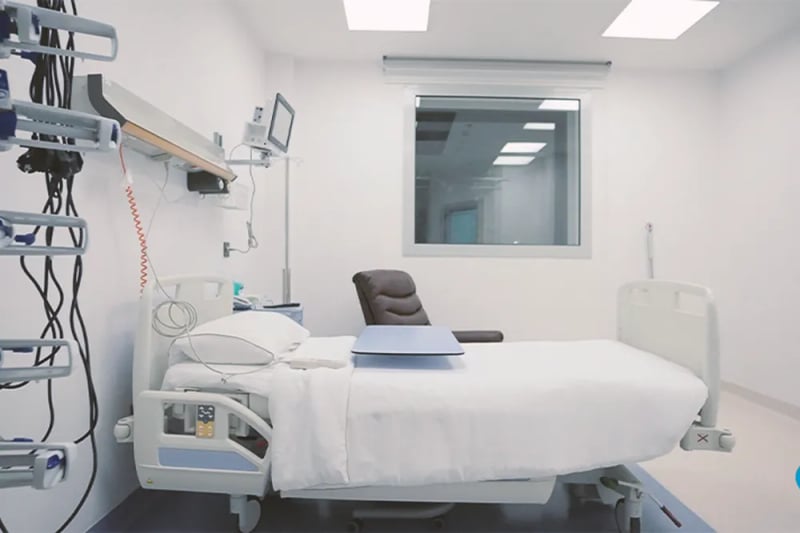
Saudi German Hospital, Cairo
Saudi German Hospital, Cairo, is a multi-specialty hospital located in Cairo and part of the Saudi German Hospitals Group. Established in 2016, it has...
Accreditations
Facilities
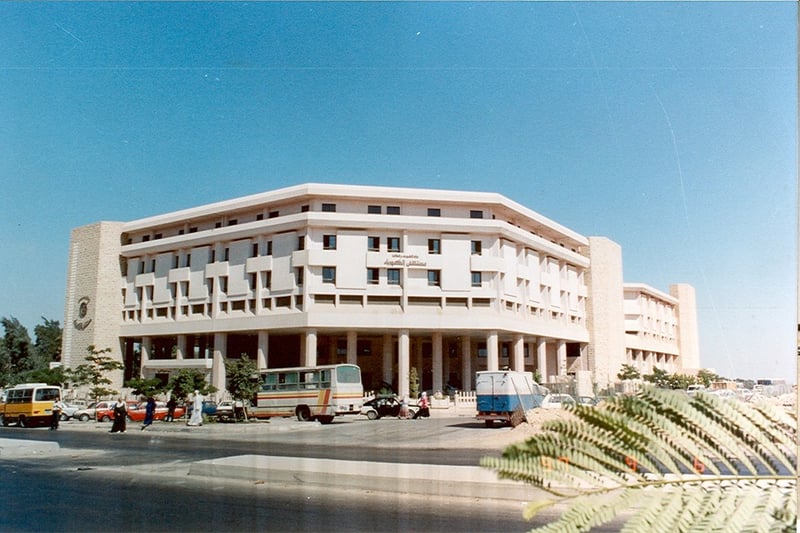
Arab Contractors Medical Centre, Cairo
Arab Contractors Medical Centre is a 420-bed hospital in Cairo, Egypt, established in 1981. It offers multi-specialty care, including cardiology, neur...
Accreditations

Facilities
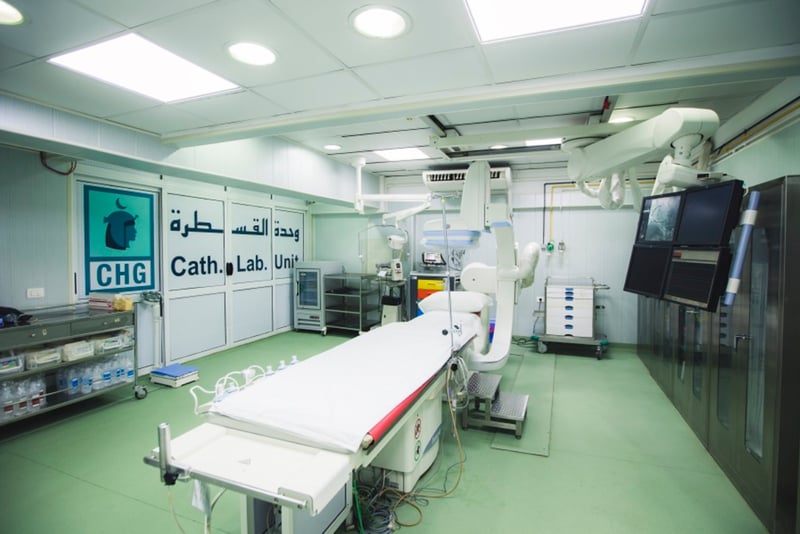
Cleopatra Hospital, Cairo
Cleopatra Hospital is a 356-bed private hospital in Cairo, Egypt, established in 1984 and part of the Cleopatra Hospitals Group. It offers more than 4...
Facilities
As-Salam International Hospital, Cairo
As-Salam International Hospital is a 300+ bed JCI-accredited hospital in Cairo, Egypt. It offers advanced care in cardiology, oncology, neurology, ort...
Accreditations
Facilities

Piyavate Hospital
Piyavate Hospital is a 150-bed private hospital in central Bangkok, established in 1993. The hospital provides care in cardiology, neurology, orthoped...
Accreditations

Facilities
Phyathai 2 International Hospital
Phyathai 2 International Hospital is a JCI-accredited tertiary care hospital in Bangkok, Thailand, established in 1987. The hospital operates 550 inpa...
Accreditations
Facilities

Bangpakok 9 International Hospital
Bangpakok 9 International Hospital is a JCI-accredited tertiary care hospital in Bangkok, Thailand, established in 2003. Operating under the BPK Hospi...
Accreditations
Facilities
Similar Procedures
Gallery
FAQ


Our website uses cookies. By clicking on accept you give your consent to the use of cookies as per our Privacy Policy.