
Microdiscectomy Surgery Cost in India
About Microdiscectomy Surgery
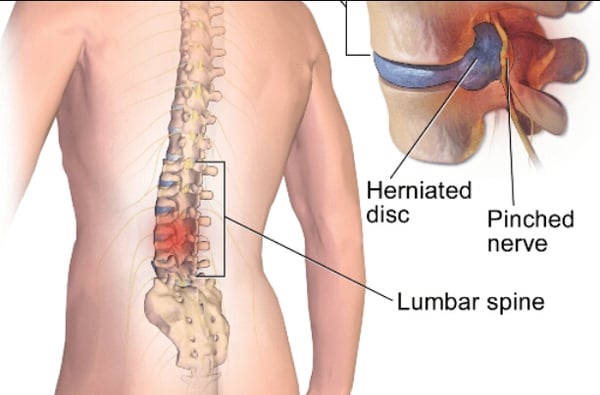
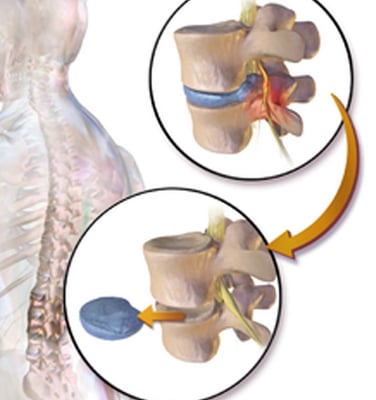
The spine’s strength and flexibility depend on the smooth function of its discs (soft, cushion-like structures that absorb pressure between vertebrae). When one of these discs slips, it can press on nearby nerves, causing sharp pain, numbness, or weakness in the back, leg, or neck. In such cases, microdiscectomy offers a precise and minimally invasive way to relieve pressure and restore mobility.
A microdiscectomy is a modern spine surgery that removes only the herniated or damaged portion of a disc pressing on a nerve. Advancements in imaging and microsurgical tools have transformed microdiscectomy into a high-precision, low-risk procedure for the spine. Today, it is performed using endoscopic visualization, real-time imaging, and minimal muscle disruption, helping patients return to regular activity much sooner than with conventional back surgery.
What Is Microdiscectomy?
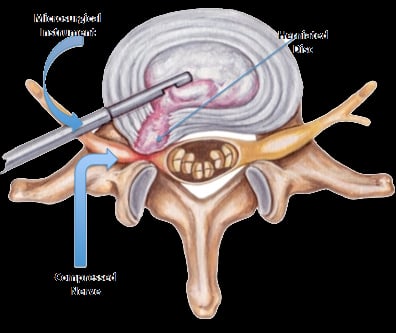
Microdiscectomy is a minimally invasive spine surgery designed to remove a small portion of a herniated disc that presses on a spinal nerve. By relieving this pressure, the procedure quickly reduces pain, numbness, and weakness caused by compression of the nerve.
Unlike traditional open discectomy, microdiscectomy utilizes a microscope or surgical loupe to magnify the surgical field, enabling the surgeon to work through a tiny incision, typically measuring less than 2–3 centimeters.
During the procedure, only the protruding or damaged part of the disc is removed, while the rest of the disc remains intact to preserve spinal stability. It makes microdiscectomy both precise and conservative, addressing the root cause of pain while minimizing disturbance to surrounding healthy tissues.
Microdiscectomy is most commonly used to treat lumbar disc herniation, which often causes sciatica (a sharp, radiating pain that travels from the lower back down one leg). It may also be performed in the cervical (neck) region to treat nerve compression affecting the arms or shoulders.
The surgery offers a direct solution to disc-related nerve pain that hasn’t improved with medication, physiotherapy, or other non-surgical treatments.
When Is Microdiscectomy Needed?
Doctors recommend microdiscectomy when a herniated or slipped disc compresses a spinal nerve and causes persistent pain that doesn’t improve with conservative treatment. It is one of the most effective surgical options for patients whose symptoms limit mobility or quality of life despite medication, physiotherapy, and rest.
Common conditions requiring microdiscectomy are:
- Lumbar Disc Herniation: The most frequent reason for microdiscectomy. Occurs when a disc in the lower back bumps out and presses on a nerve, often causing sciatica.
- Cervical Disc Herniation: A slipped disc in the neck region that leads to arm pain, tingling, or weakness due to pressure on the spinal nerves.
- Recurrent Disc Herniation: In some patients, a disc that was previously treated non-surgically or surgically may re-herniate, requiring a more precise correction.
- Cauda Equina Syndrome (Emergency): In rare cases, severe disc herniation compresses nerves controlling bladder or bowel function — requiring immediate microdiscectomy to prevent permanent nerve damage.
Who Is an Ideal Candidate?
Microdiscectomy is typically recommended for patients who:
- Have leg or arm pain caused by nerve compression rather than back pain alone.
- Show confirmed disc herniation on MRI or CT scans.
- Have experienced no improvement after 6–8 weeks of non-surgical treatment.
- Experience progressive weakness, numbness, or tingling in limbs.
- Are otherwise healthy and able to undergo anesthesia with a short recovery period.
How Is Microdiscectomy Performed?
Microdiscectomy combines microsurgical precision with modern imaging guidance to achieve effective nerve decompression while minimizing tissue trauma. Microdiscectomy is performed under general or spinal anesthesia, and most patients are able to walk within hours of the procedure.
- Preoperative Planning: Before surgery, doctors review MRI or CT scans to identify the exact disc level and nerve involved. The surgical team prepares a detailed plan to ensure safe and precise removal of the herniated portion.
- Anesthesia and Positioning: The patient receives anesthesia and is positioned face down on a specialized surgical table. Padding and alignment devices protect the spine and surrounding nerves.
- Small Incision and Access: The surgeon makes a small incision, approximately 2–3 cm, in the back. Using a surgical microscope, the doctor gently separates muscles instead of cutting them to reach the affected disc.
- Nerve Protection and Disc Removal: The compressed nerve root is carefully identified and protected. The surgeon removes only the protruding or damaged portion of the disc that is pressing on the nerve, leaving the rest of the disc intact.
- Closure: After ensuring that the nerve is entirely free and decompressed, the instruments are withdrawn, and the incision is closed with a few sutures. The small incision allows for minimal scarring and faster healing.
Microdiscectomy typically takes 45 to 90 minutes. Most patients stay in the hospital for 1–2 days, although some can return home the same day if they are medically stable.
Get a Free Treatment Plan
About Microdiscectomy Surgery in India
What Is the Cost of a Microdiscectomy in India?
The cost of microdiscectomy in India depends on several factors, such as the spinal level involved (lumbar or cervical), the surgical technique used (standard or endoscopic), and the hospital’s technology and infrastructure. On average, microdiscectomy surgery costs between ₹1,80,000 and ₹3,50,000 (approximately $2,100 – $4,200).
Type of Microdiscectomy | Description | Average Cost (INR) | Average Cost (USD) |
| Lumbar Microdiscectomy | Standard surgery for a herniated disc in the lower back | ₹1,80,000 – ₹2,80,000 | $2,100 – $3,400 |
| Cervical Microdiscectomy | For a slipped disc in the neck or upper spine | ₹2,00,000 – ₹3,00,000 | $2,400 – $3,600 |
| Endoscopic Microdiscectomy | Performed using a small camera and a minimal incision | ₹2,50,000 – ₹3,50,000 | $3,000 – $4,200 |
| Revision Microdiscectomy | For re-herniation or repeat surgery cases | ₹2,80,000 – ₹3,80,000 | $3,400 – $4,500 |
- Endoscopic microdiscectomy costs slightly more due to the use of advanced visualization equipment and the potential for quicker recovery.
- Single-level surgeries are less expensive than multi-level procedures.
- Hospitals offer package-based pricing, which covers consultation, surgery, anesthesia, implants (if necessary), and hospital stay.
Inclusions in the Microdiscectomy Cost Package
A standard microdiscectomy package usually includes:
- Surgeon’s and anesthesiologist’s fees
- Preoperative investigations: MRI, CT scans, and basic blood tests
- Operating theatre and anesthesia charges
- Surgical consumables and instruments
- Hospital stay (1–2 days) with nursing care and monitoring
- Medications and pain management during hospitalization
- Postoperative physiotherapy consultation before discharge
- Follow-up visit or virtual check-up after surgery
These inclusions ensure that all key medical and hospital costs are covered within a single, clearly defined estimate.
Exclusions in the Microdiscectomy Cost Package
Certain costs may not be part of the base package and are charged separately, depending on patient needs:
- An extended hospital stay beyond the standard duration
- Additional imaging or diagnostic tests after discharge
- Special or imported surgical tools/implants (if used)
- Rehabilitation or physiotherapy sessions beyond the hospital stay
- Home medications after discharge
- Travel, accommodation, and visa expenses for international patients
City-Wise Microdiscectomy Cost in India
The cost of microdiscectomy in India varies between cities based on hospital infrastructure, surgeon experience, and local healthcare expenses. Metropolitan towns tend to have slightly higher costs due to the use of advanced technology and accreditation, while mid-sized cities offer equally high-quality care at more economical rates.
City | Average Cost (INR) | Average Cost (USD) |
| Delhi NCR | ₹2,00,000 – ₹3,50,000 | $2,400 – $4,200 |
| Mumbai | ₹2,20,000 – ₹3,80,000 | $2,650 – $4,600 |
| Bangalore | ₹2,00,000 – ₹3,60,000 | $2,400 – $4,400 |
| Chennai | ₹1,90,000 – ₹3,40,000 | $2,300 – $4,100 |
| Hyderabad | ₹1,80,000 – ₹3,30,000 | $2,150 – $3,950 |
| Pune | ₹1,80,000 – ₹3,20,000 | $2,100 – $3,800 |
| Kolkata | ₹1,70,000 – ₹3,00,000 | $2,000 – $3,600 |
- Delhi NCR and Mumbai: Offer advanced microsurgical and endoscopic setups with 3D imaging and real-time navigation for precision spine care.
- Bangalore and Chennai: Provide excellent spine centers with internationally trained surgeons and efficient post-surgery rehabilitation programs.
- Hyderabad, Pune, and Kolkata: Deliver highly affordable microdiscectomy packages while maintaining strong medical infrastructure and patient support services.
How Does the Cost in India Compare to Other Countries?
Microdiscectomy in India offers the same level of surgical precision, safety, and technology as in leading global centers, at a significantly lower cost. The difference lies in lower operational expenses, not in the quality of treatment or surgeon expertise.
Country | Average Cost (USD) | Approximate Cost (INR) |
| India | $2,100 – $4,200 | ₹1,80,000 – ₹3,50,000 |
| United States | $20,000 – $40,000 | ₹16,60,000 – ₹33,20,000 |
| United Kingdom | $15,000 – $25,000 | ₹12,50,000 – ₹20,80,000 |
| Singapore | $10,000 – $18,000 | ₹8,30,000 – ₹15,00,000 |
| Thailand | $7,000 – $12,000 | ₹5,80,000 – ₹10,00,000 |
| UAE / Dubai | $8,000 – $14,000 | ₹6,60,000 – ₹11,60,000 |
What Factors Affect the Cost of Microdiscectomy in India?
The overall cost of microdiscectomy in India varies depending on several medical, technical, and logistical factors. Each patient’s condition, hospital choice, and surgical complexity influence the final estimate. Here are the key factors that affect the cost:
- Type of Microdiscectomy Performed: Standard microdiscectomy costs less than endoscopic or revision procedures, which use advanced tools and imaging systems.
- Location of the Affected Disc: Lumbar surgeries (lower back) are usually less expensive than cervical procedures (neck area), which require higher precision and specialized equipment.
- Hospital Category and Facilities: Super-specialty and internationally accredited hospitals, equipped with microsurgical suites and intraoperative imaging, typically have higher charges than mid-tier hospitals.
- Surgeon’s Experience and Training: Spine surgeons with extensive experience and international exposure may charge higher professional fees, reflecting their skills and proven success rates.
- Use of Technology and Equipment: The incorporation of microscopic visualization, endoscopic assistance, or robotic navigation improves surgical accuracy but can increase the total cost.
- Anesthesia Type and Duration: Costs vary slightly depending on whether general or spinal anesthesia is used, as well as the duration of the surgery.
- Hospital Stay Duration: Most patients stay 1–2 days, but extended hospitalization or additional observation can increase the overall expense.
- Diagnostic and Imaging Requirements: Pre-surgery MRI, CT scan, and follow-up imaging are essential for accurate diagnosis and planning, contributing to the total cost.
- Postoperative Care and Rehabilitation: Physiotherapy, posture training, or additional medications may be prescribed after discharge and can contribute to the overall cost of the surgery.
What Is the Recovery Time and Success Rate After Microdiscectomy?
Recovery after microdiscectomy is typically fast and predictable, thanks to the minimally invasive nature of the surgery. Patients experience immediate pain relief and are able to walk within hours of the procedure.
In the first few days, mild soreness or stiffness around the incision site is common, but this quickly improves with movement and physiotherapy. Patients usually return home within 24–48 hours and resume light activities within a week.
Recovery Timeline
- First Week: Patients begin gentle walking and light stretching exercises. Pain relief is noticeable within the first 24 hours, particularly for symptoms related to sciatica or nerve compression.
- 2–4 Weeks: Most patients can return to desk jobs and light daily activities. Driving and mild exercises are usually permitted after the second week, depending on comfort.
- 4–6 Weeks: The majority of patients regain full mobility. Physiotherapy focuses on strengthening the core and improving posture to prevent recurrence.
- 3–6 Months: Full recovery is achieved. Patients can resume all normal activities, including sports or physical work, with a stronger and pain-free back.
Success Rate
Microdiscectomy is one of the most successful spine surgeries performed worldwide. When carried out by skilled spine surgeons, it has an excellent track record for relieving pain and restoring mobility.
- Pain Relief: Over 90–95% of patients experience complete or near-complete relief from nerve-related pain.
- Return to Normal Function: Most patients regain complete activity levels within 4 to 6 weeks.
- Re-herniation Rate: Less than 5–7% of cases experience re-herniation, which can often be managed conservatively or with minor revision.
- Risk: Complications occur in less than 2% of cases, especially when using modern microscopes and imaging guidance.
Why Choose India for Microdiscectomy?
- Globally Trained Spine Surgeons: India’s top neurosurgeons and orthopedic spine specialists are trained at leading institutions across the US, UK, and Europe. They perform thousands of microdiscectomies annually, achieving results that match global standards.
- Advanced Surgical Technology: Hospitals utilize state-of-the-art microscopes, endoscopic systems, and neuromonitoring tools to enhance accuracy and minimize surgical trauma. These facilities are equipped with 3D imaging and minimally invasive instruments for superior precision.
- Comprehensive Spine Care: Multidisciplinary teams, comprising spine surgeons, neurologists, anesthesiologists, and physiotherapists, collaborate to ensure comprehensive patient recovery and safety.
- Affordable Treatment Packages: The cost of microdiscectomy in India is 60–70% lower than in Western countries, without any compromise on medical quality.
- High Success Rates and Patient Satisfaction: Microdiscectomy success rates in India range from 90% to 95%, with rapid pain relief and minimal recurrence. International patients frequently report faster recovery and exceptional post-surgery care.
Comprehensive Support for International Patients
Hospitals across India provide dedicated services to make every step of the treatment journey smooth and stress-free for overseas patients:
- Pre-Arrival Medical Assistance: Doctors review reports remotely, offer video consultations, and provide detailed cost estimates before travel.
- Travel and Visa Guidance: International patient coordinators help with medical visa invitations, airport pickup, and accommodation planning.
- Comfort and Communication: Our multilingual staff, interpreters, and personalized care managers ensure seamless communication and comfort throughout your hospital stay.
- Post-Surgery Follow-Up: Patients receive personalized physiotherapy guidance and have access to online consultations to support continued recovery after returning home.
What are the Benefits of Microdiscectomy?
Microdiscectomy offers significant relief for patients struggling with nerve compression from a herniated disc. It is one of the least invasive and most effective spinal surgeries, combining high precision with quick recovery and lasting pain relief.
Here are the key benefits patients experience after microdiscectomy:
- Rapid Pain Relief: The procedure immediately relieves pressure on the affected spinal nerve, alleviating leg pain, numbness, and tingling often caused by sciatica or cervical nerve compression. Patients notice significant improvement within 24–48 hours.
- Minimally Invasive and Muscle-Sparing: Unlike traditional open surgery, microdiscectomy utilizes a tiny incision and gently separates muscles rather than cutting them. This approach results in less blood loss, minimal scarring, and faster healing.
- Faster Recovery and Early Mobility: Due to the smaller incision and reduced tissue trauma, patients can typically walk the same day or within 24 hours of surgery. Most resume normal activities in 2–4 weeks, depending on their job and fitness level.
- Long-Term Effectiveness: Microdiscectomy provides lasting relief by directly addressing the cause of nerve compression. With proper posture and physiotherapy, recurrence rates remain low.
- Outpatient or Short Hospital Stay: In many cases, microdiscectomy is performed as a day-care or short-stay surgery, allowing patients to go home within 24–48 hours. It minimizes hospital costs and reduces the risk of infection.
- Improved Quality of Life: By restoring spine movement and alleviating chronic pain, microdiscectomy enables patients to return to work, exercise, and daily activities with confidence and comfort.
Microdiscectomy Surgery Cost Comparison by Country
Compare Microdiscectomy Surgery costs across different countries to make an informed decision about your medical treatment.
| Country | Cost Range (USD) | Potential Savings | Action |
|---|---|---|---|
IndiaCurrentBest Value | $2,100 - $4,200 | — | Get Quote |
Note: Costs may vary based on hospital choice, room type, additional services, and individual medical requirements. Contact us for a personalized quote.
Leading Hospitals for Microdiscectomy Surgery in India
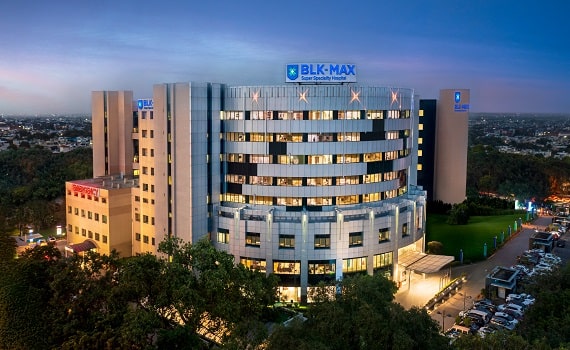
BLK-Max Super Speciality Hospital, New Delhi
BLK-Max Super Speciality Hospital in New Delhi is one of India's premier healthcare institutions, offering 650 beds, 22 advanced operation theatres, a...
Accreditations
Facilities

Max Smart Super Speciality Hospital, Saket, New Delhi
Max Smart Super Speciality Hospital, Saket, is a 250-bed tertiary care hospital in South Delhi. It offers advanced medical and surgical care across 22...
Accreditations
Facilities
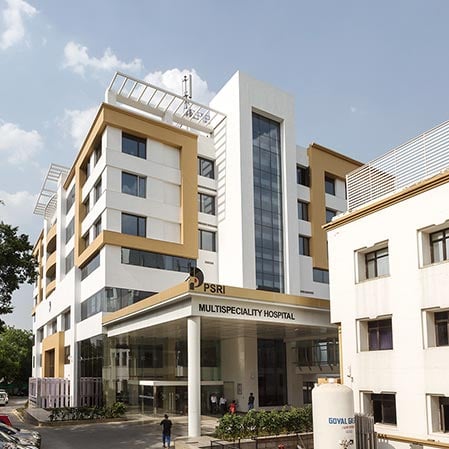
PSRI Hospital, Delhi
Pushpawati Singhania Research Institute (PSRI Hospital), New Delhi, is a leading multi-specialty tertiary care hospital established in 1996 by the JK ...
Accreditations
Facilities
Similar Procedures
Minimally Invasive Spine Surgery in India
Keyhole Spine Surgery in India
Endoscopic Spine Surgery in India
Spinal Decompression and Fixation in India
Spinal Cord Stimulation in India
Chronic Cerebro Spinal Venous Insufficiency (CCSVI) in India
Spinal Cord Detethering in India
Gallery
FAQ


Our website uses cookies. By clicking on accept you give your consent to the use of cookies as per our Privacy Policy.