
Spinal Fusion Surgery Cost in India
About Spinal Fusion Surgery
The spine is the body's central support system — a delicate balance of bones, nerves, and muscles that allows movement, flexibility, and strength. But when spinal instability, injury, or degeneration disrupts that balance, even simple movements can become painful or disabling. In such cases, spinal fusion surgery helps restore stability and function by permanently joining two or more vertebrae.
Spinal fusion is one of the most advanced and effective procedures in modern spine care. It eliminates painful motion between damaged vertebrae, corrects deformities, and provides long-term relief from conditions such as degenerative disc disease, spinal fractures, scoliosis, or spondylolisthesis.
Thanks to innovations in surgical techniques and biomaterials, spinal fusion has evolved from a complex open surgery into a highly precise, image-guided procedure. Surgeons now utilize minimally invasive approaches, bone graft substitutes, and spinal instrumentation, which enable faster recovery, reduced pain, and excellent outcomes.
What Is Spinal Fusion Surgery?
Spinal fusion surgery is a specialized neurosurgical procedure that permanently joins two or more vertebrae in the spine, thereby eliminating the movement between them. By fusing the affected vertebrae, the surgery creates a single, solid bone segment that restores spinal stability and prevents painful motion. The procedure helps relieve symptoms caused by damaged, unstable, or deformed spinal segments.
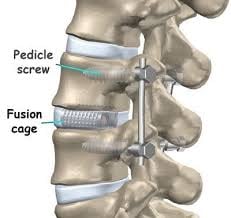
During spinal fusion, surgeons use bone grafts taken from the patient (autograft), a donor (allograft), or synthetic substitutes to promote bone growth between the vertebrae. Over time, this graft solidifies, forming a stable bone bridge. Metal implants, such as rods, plates, or screws, may also be used to hold the vertebrae in place while the bone heals.
The main objective of spinal fusion is to:
- Stabilize the spine and prevent abnormal movement
- Correct deformities or misalignment
- Relieve nerve compression and associated pain
- Improve posture, strength, and daily mobility
Modern spinal fusion is safer and more efficient than ever, thanks to minimally invasive techniques, 3D navigation, and high-grade biomaterials that enhance healing and reduce recovery time.
When Is Spinal Fusion Needed?
Doctors recommend spinal fusion surgery when the spine becomes unstable or deformed, and non-surgical treatments no longer provide relief. The goal is to stop painful motion between vertebrae, correct misalignment, and restore strength to the affected segment of the spine.
Common conditions requiring spinal fusion are:
- Degenerative Disc Disease: As spinal discs wear down over time, the vertebrae can rub against each other, leading to chronic back pain. Fusion stabilizes the segment and prevents further degeneration.
- Spondylolisthesis (Slipped Vertebra): Fusion corrects the alignment of a vertebra that has slipped forward and prevents it from moving again.
- Spinal Fractures: Severe fractures due to trauma or osteoporosis can destabilize the spine. Fusion restores strength and stability to the damaged area.
- Scoliosis or Kyphosis: Fusion is used to straighten and stabilize the spine in cases of curvature or deformity.
- Spinal Stenosis (Nerve Compression): Following decompression surgery, fusion helps maintain stability in the area where bone or tissue was removed to relieve pressure on the nerves.
- Tumor or Infection-Related Damage: When a portion of the spine is weakened or removed during treatment for a tumor or infection, fusion reinforces the area structurally.
Who Is an Ideal Candidate?
Spinal fusion may be suitable for patients who:
- Have chronic back or neck pain caused by instability or deformity.
- Have not responded well to physical therapy, medication, or other conservative care.
- Show clear evidence of vertebral misalignment or bone loss on imaging.
- Are in good health and able to tolerate surgery and recovery.
How Is Spinal Fusion Surgery Performed?
Spinal fusion is a highly structured procedure that combines surgical precision, modern imaging, and advanced instrumentation to stabilize the spine. It is performed under general anesthesia, and the surgical approach depends on the location of the problem.
- Preoperative Planning: Before surgery, the spine specialist reviews imaging scans to determine which vertebrae require fusion. The surgical team plans the incision site, approach, and implant type using 3D navigation and digital templates.
- Anesthesia and Positioning: The patient is given general anesthesia. Depending on the area being treated, the patient lies on their back (for anterior fusion) or stomach (for posterior fusion). Positioning pads protect nerves and joints throughout the surgery.
- Surgical Approach and Exposure: The surgeon makes a small incision over the target area. Muscles and soft tissues are gently moved aside to access the spine. Using precision tools and magnification, the affected vertebrae are fully exposed.
- Bone Graft Placement: A bone graft, either from the patient's pelvis, a donor, or synthetic material, is placed between the vertebrae to promote bone growth. The graft acts as a natural "bridge" that eventually fuses the bones together.
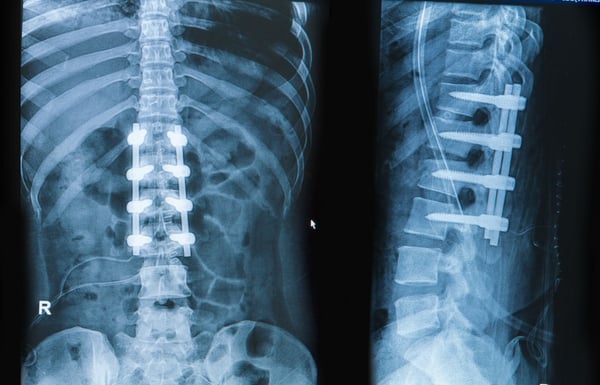
- Implant Fixation: To hold the vertebrae in proper position during healing, the surgeon inserts titanium screws, rods, or plates. These implants provide stability, ensuring the spine remains aligned while the fusion develops.
- Closure and Recovery: Once the implants and graft are secure, the incision is closed with sutures or staples. The patient is then moved to recovery, where vital signs and neurological function are closely monitored.
Surgery Duration and Hospital Stay
Most spinal fusion procedures take 3 to 6 hours, depending on the number of vertebrae fused and the complexity of the condition. Patients usually stay in the hospital for 3 to 5 days, with the first 24 hours focused on pain control and mobility support.
Types of Spinal Fusion Surgery
Spinal fusion surgery can be performed using different techniques, depending on the location of the affected vertebrae, the cause of instability, and the surgeon's approach. Each method aims to create a solid, stable segment of the spine while minimizing tissue disruption and recovery time.
Posterior Lumbar Interbody Fusion (PLIF)
Performed through the back (posterior) of the spine, this is one of the most common approaches. The surgeon removes the damaged disc, places a bone graft or cage between the vertebrae, and stabilizes the area with rods and screws.
- Ideal for lower back (lumbar) conditions.
- Allows direct visualization of the spinal nerves and discs.
Transforaminal Lumbar Interbody Fusion (TLIF)
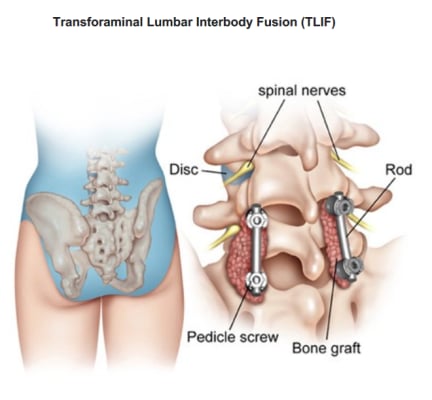
A variation of PLIF, TLIF allows access from one side of the spine, reducing nerve retraction and muscle damage.
- Often used for degenerative disc disease or spondylolisthesis.
- Promotes quicker recovery and less blood loss compared to traditional PLIF.
Anterior Lumbar Interbody Fusion (ALIF)
In this approach, surgeons access the spine from the front (abdomen) to avoid cutting back muscles. The damaged disc is removed, and a bone graft or spacer is placed between the vertebrae.
- Common for lumbar spine disorders and patients with prior back surgeries.
- Helps preserve back muscle integrity and posture.
Lateral Lumbar Interbody Fusion (LLIF / XLIF)
Access is made from the side (lateral) of the body using minimally invasive tools. This approach avoids the major back or abdominal muscles and is ideal for correcting deformities or addressing disc collapse.
- Minimizes pain and recovery time.
- Reduces risk of nerve injury and scarring.
Cervical Fusion (ACDF / PCF)
Used for neck (cervical) spine conditions, such as disc herniation or cervical spondylosis. Fusion may be done from the front (ACDF – Anterior Cervical Discectomy and Fusion) or back (PCF – Posterior Cervical Fusion).
- Stabilizes the neck and relieves nerve compression.
- Common in patients with chronic neck pain or spinal cord pressure.
Minimally Invasive Spinal Fusion (MISF)
Uses smaller incisions and specialized surgical instruments to perform fusion with less muscle damage. Fluoroscopy or robotic navigation guides the procedure.
- Results in smaller scars, less pain, and faster recovery.
- Ideal for select patients with localized spine problems.
Get a Free Treatment Plan
About Spinal Fusion Surgery in India
How Much Does Spinal Fusion Surgery Cost in India?
The cost of spinal fusion surgery in India depends on several factors, including the type of fusion procedure, the number of vertebrae involved, the implant materials used, and the technology employed. On average, spinal fusion surgery in India costs between ₹3,50,000 and ₹7,50,000 (approximately $4,200 – $9,000).
Minimally invasive and image-guided fusion techniques may be more expensive due to the use of specialized equipment and advanced implants; however, they offer shorter hospital stays, faster recovery, and better long-term outcomes.
Type of Spinal Fusion | Description | Average Cost (INR) | Average Cost (USD) |
| Posterior Lumbar Fusion (PLIF) | Standard approach for lumbar instability | ₹3,50,000 – ₹6,50,000 | $4,200 – $7,800 |
| Transforaminal Fusion (TLIF) | Side-access lumbar fusion with less muscle trauma | ₹4,00,000 – ₹7,00,000 | $4,800 – $8,400 |
| Anterior Lumbar Fusion (ALIF) | Front-access fusion for lower spine | ₹4,50,000 – ₹7,50,000 | $5,400 – $9,000 |
| Lateral Fusion (LLIF/XLIF) | Side-entry minimally invasive fusion | ₹4,00,000 – ₹7,00,000 | $4,800 – $8,400 |
| Cervical Fusion (ACDF/PCF) | Performed in the neck region | ₹3,00,000 – ₹5,50,000 | $3,600 – $6,600 |
| Minimally Invasive Fusion (MISF) | Small-incision robotic or endoscopic fusion | ₹5,00,000 – ₹8,00,000 | $6,000 – $9,600 |
Inclusions
A standard spinal fusion surgery package typically includes:
- Consultations and surgeon's fees (spine surgeon, anesthesiologist, and physiotherapist)
- Preoperative diagnostics: MRI, CT scans, X-rays, and blood investigations
- Operating theatre charges and anesthesia costs
- Implants and consumables: rods, screws, plates, cages, and bone graft materials
- Hospital stay (3–5 days) with ICU and nursing care
- Medications, pain management, and antibiotics during hospitalization
- Post-surgery physiotherapy and rehabilitation sessions during hospital stay
- Follow-up consultation before discharge and during early recovery
These inclusions ensure that patients receive comprehensive medical and surgical support, without hidden costs, during their hospitalization.
Exclusions
Some expenses may fall outside the standard treatment package:
- An extended hospital stay due to medical complications or personal choice
- Special or imported implants beyond standard use
- Additional diagnostic imaging after discharge
- Post-discharge physiotherapy or long-term rehabilitation programs
- Medications for home use after hospital discharge
- Travel, accommodation, and visa expenses for international patients
Hospitals in India maintain complete price transparency by providing itemized cost breakdowns before admission, enabling patients to plan confidently with no unexpected charges.
City-Wise Spinal Fusion Surgery Cost in India
The cost of spinal fusion surgery in India varies from city to city, depending on the hospital's infrastructure, the surgeon's expertise, and the technology used. Metropolitan cities typically have higher pricing due to access to advanced equipment, such as robotic navigation and intraoperative imaging. In contrast, mid-tier cities offer equally skilled specialists at a more affordable rate.
City | Average Cost (INR) | Average Cost (USD) |
| Delhi NCR | ₹4,00,000 – ₹7,50,000 | $4,800 – $9,000 |
| Mumbai | ₹4,50,000 – ₹8,00,000 | $5,400 – $9,600 |
| Bangalore | ₹4,00,000 – ₹7,50,000 | $4,800 – $9,000 |
| Chennai | ₹3,80,000 – ₹7,00,000 | $4,500 – $8,400 |
| Hyderabad | ₹3,50,000 – ₹6,80,000 | $4,200 – $8,100 |
| Pune | ₹3,40,000 – ₹6,50,000 | $4,100 – $7,800 |
| Kolkata | ₹3,20,000 – ₹6,00,000 | $3,800 – $7,200 |
Key Insights
- Delhi NCR and Mumbai: Offer cutting-edge spine centers equipped with robotic navigation, 3D imaging, and neuromonitoring systems for high-precision surgeries.
- Bangalore and Chennai: Combine expert spinal surgeons with balanced pricing, making them preferred destinations for both domestic and international patients.
- Hyderabad, Pune, and Kolkata: Offer affordable treatment packages with skilled surgical teams and modern infrastructure, catering to cost-conscious patients seeking high-quality care.
How Does the Cost in India Compare to Other Countries?
Spinal fusion surgery in India offers the same level of clinical precision, technology, and safety as leading global centers, at a significantly lower cost. The difference primarily stems from lower operational expenses, rather than from quality or expertise.
Country | Average Cost (USD) | Approximate Cost (INR) |
| India | $4,200 – $9,000 | ₹3,50,000 – ₹7,50,000 |
| United States | $45,000 – $80,000 | ₹37,00,000 – ₹66,00,000 |
| United Kingdom | $35,000 – $70,000 | ₹29,00,000 – ₹58,00,000 |
| Singapore | $20,000 – $35,000 | ₹16,60,000 – ₹29,00,000 |
| Thailand | $12,000 – $20,000 | ₹10,00,000 – ₹16,60,000 |
| UAE / Dubai | $15,000 – $25,000 | ₹12,50,000 – ₹20,80,000 |
What Factors Affect the Cost of Spinal Fusion Surgery in India?
The total cost of spinal fusion surgery in India varies depending on several medical, technical, and logistical factors. Each patient's treatment plan is personalized, and the final estimate depends on the underlying condition, surgical approach, and hospital setup.
Below are the main factors that influence the cost:
- Number of Vertebrae Fused: Fusing more vertebrae increases the overall cost due to the need for additional implants, longer surgical time, and extended hospital care.
- Type of Fusion Surgery: Posterior, anterior, lateral, or minimally invasive fusion each involves different equipment and levels of complexity. Minimally invasive and robotic-assisted surgeries tend to be costlier but offer faster recovery and less pain.
- Implant Type and Material: The cost varies based on the type of implants used, including titanium rods, screws, or PEEK cages. Premium or imported implants increase total cost but provide superior long-term durability and stability.
- Surgeon's Experience and Expertise: Surgeons with specialized training in complex spine fusion and robotic techniques may have higher professional fees.
- Hospital Category and Facilities: Super-specialty or JCI-accredited hospitals, equipped with advanced operating rooms, ICU care, and 3D imaging systems, may charge more than standard orthopedic centers.
- Use of Navigation or Neuromonitoring: Advanced intraoperative systems enhance safety by monitoring spinal cord and nerve function during surgery, but add to the overall cost.
- Duration of Hospital Stay: Most patients undergoing spinal fusion stay for 3–5 days. Prolonged recovery or additional ICU monitoring can increase the total cost of the package.
- Preoperative Diagnostics and Imaging: MRI, CT scans, and other pre-surgery tests contribute to total costs but are essential for accurate surgical planning.
- Postoperative Rehabilitation: Physical therapy, bracing, and follow-up sessions play a vital role in recovery and may add to the overall expense.
What Is the Recovery Time and Success Rate After Spinal Fusion?
Recovery after spinal fusion surgery depends on the extent of the fusion, the type of surgical approach used, and the patient's overall health. Thanks to modern techniques and precision implants, recovery is now faster, more comfortable, and highly successful for most patients.
Immediately after surgery, patients spend the first 24 to 48 hours under close observation in the recovery or ICU unit. Pain control, breathing exercises, and assisted movement begin early to promote circulation and prevent stiffness.
Recovery Timeline
- First 2 Weeks: Focus on pain management, wound care, and gentle movement. Patients usually resume light daily activities.
- Weeks 3–6: Patients gradually regain mobility. Physiotherapy helps improve flexibility and strengthen back muscles.
- 3 to 6 Months: The bone graft begins to solidify, creating a stable fusion. Most patients undergoing spinal fusion surgery can return to work and engage in moderate physical activity during this stage of recovery.
- 6 to 12 Months: The fusion fully matures, and patients regain near-normal function. Ongoing rehabilitation ensures proper posture and spine strength.
Success Rate
Spinal fusion surgery has a success rate of more than 90% when performed by experienced spine specialists using modern instrumentation and techniques.
- Pain Relief: 85–95% of patients experience lasting relief from instability and nerve compression pain.
- Fusion Success: Over 90% of patients achieve solid bone fusion within the first year of treatment.
- Improved Mobility: Most individuals regain complete functional independence and can return to work or engage in low-impact physical activity within 3 to 6 months.
- Low Complication Rate: Major complications occur in fewer than 3% of cases at advanced centers that utilize real-time imaging and neuromonitoring.
Why Choose India for Spinal Fusion Surgery?
- World-Class Spine Surgeons: India is home to highly trained neurosurgeons and orthopedic spine specialists with extensive experience in complex spinal fusion techniques.
- Advanced Technology and Implants: Leading hospitals use 3D navigation, robotic-assisted systems, intraoperative neuromonitoring, and titanium implants, ensuring optimal precision and long-term success.
- Comprehensive Multidisciplinary Care: Teams of spine surgeons, anesthesiologists, neurologists, and physiotherapists collaborate to deliver complete, coordinated treatment from diagnosis to rehabilitation.
- Affordable and Transparent Packages: The cost of spinal fusion surgery in India is 60–70% lower than in Western countries, with no compromise on safety or technology.
- High Success Rates and Global Outcomes: The success rates for spinal fusion in India range from 90% to 95%, comparable to international benchmarks. Patients report improved spinal stability, pain relief, and an overall improvement in quality of life.
Comprehensive Support for International Patients
Indian hospitals are designed to make every step of the medical journey seamless for overseas patients.
- Pre-Arrival Assistance: Medical teams review records, plan treatment, and provide detailed cost and recovery timelines before travel.
- Travel and Logistics Support: Our dedicated international coordinators assist with medical visas, airport pickup, and local accommodations for patients and their companions.
- Language and Cultural Comfort: Multilingual staff and interpreters ensure clear communication and a comfortable hospital experience.
- Post-Surgery Rehabilitation and Follow-Up: Hospitals offer structured physiotherapy, brace fitting (if needed), and virtual follow-up consultations to monitor progress after discharge.
Spinal Fusion Surgery Cost Comparison by Country
Compare Spinal Fusion Surgery costs across different countries to make an informed decision about your medical treatment.
| Country | Cost Range (USD) | Potential Savings | Action |
|---|---|---|---|
IndiaCurrentBest Value | $4,200 - $9,000 | — | Get Quote |
Note: Costs may vary based on hospital choice, room type, additional services, and individual medical requirements. Contact us for a personalized quote.
Leading Hospitals for Spinal Fusion Surgery in India
Medical Park Bahcelievler Hospital
Medical Park Bahcelievler Hospital is a 242-bed JCI-accredited hospital in Istanbul, established in 2007. Spread across 33,000 square meters and 19 fl...
Accreditations

Facilities

Hisar Intercontinental Hospital, Istanbul
Hisar Intercontinental Hospital in Istanbul is a JCI-accredited, 212-bed multispecialty hospital spanning 35,000 square meters and featuring 53 medica...
Accreditations
Facilities

Medipol Bahçelievler Hospital
Medipol Bahçelievler Hospital is a 441-bed private hospital in Istanbul that began operations in May 2022. Covering 60,000 square meters across 15 flo...
Accreditations
Facilities
Similar Procedures
Minimally Invasive Spine Surgery in India
Keyhole Spine Surgery in India
Endoscopic Spine Surgery in India
Spinal Decompression and Fixation in India
Spinal Cord Stimulation in India
Spinal Cord Detethering in India
Chronic Cerebro Spinal Venous Insufficiency (CCSVI) in India
Gallery
FAQ


Our website uses cookies. By clicking on accept you give your consent to the use of cookies as per our Privacy Policy.