
Nephrectomy Cost in India
About Nephrectomy
What Is Nephrectomy?
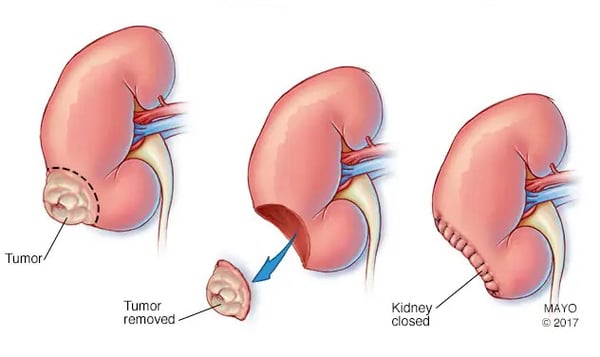
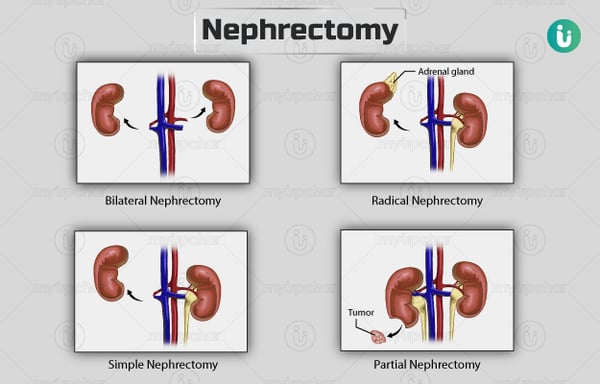
A nephrectomy is a surgery that removes all or part of a kidney. Doctors perform this procedure when a kidney stops functioning correctly or develops a severe disease such as a tumor, infection, or severe injury.
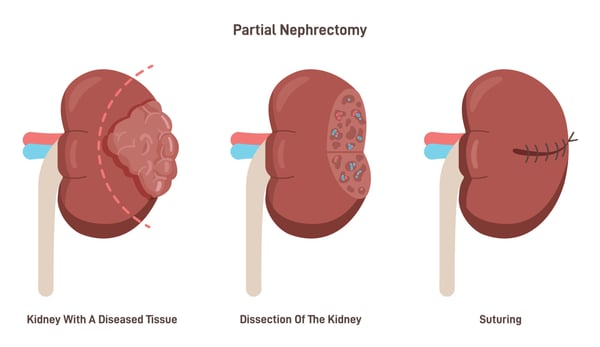
During the operation, the surgeon removes the damaged or cancerous kidney to protect the remaining one and maintain healthy body function. When only part of the kidney contains disease, surgeons perform a partial nephrectomy and preserve the rest of the organ.
Modern hospitals in India use laparoscopic and robotic techniques for nephrectomy, allowing the surgery to be done through minor cuts instead of one large incision. This approach helps patients recover faster, experience less pain, and return to everyday life more quickly.
In most cases, people live healthy, active lives with one kidney after surgery, as the remaining kidney naturally adapts and performs all vital functions efficiently.
What Conditions Require Nephrectomy?
Doctors recommend nephrectomy when one kidney becomes severely damaged or develops a condition that cannot be treated with medicines or minor procedures. The surgery helps protect the patient's overall kidney health by removing the diseased organ and preventing further complications.
- Kidney Cancer: This is the most common reason for nephrectomy. When a tumor grows in the kidney, doctors remove the affected kidney to stop the cancer from spreading. In some cases, only the cancerous part of the kidney is removed through a partial nephrectomy to preserve function.
- Non-Functioning Kidney: A kidney that loses its ability to filter blood properly can lead to recurrent infections or high blood pressure. Removing a non-working kidney helps reduce strain on the healthy one and improves overall body balance.
- Severe Kidney Infection or Damage: Long-term infections, kidney stones, or trauma can cause irreversible damage to kidney tissue. Nephrectomy eliminates the damaged organ and prevents toxins or infections from affecting other organs.
- Congenital or Structural Defects: Some people are born with kidney abnormalities that block urine flow or damage tissues over time. In such cases, surgery corrects the problem or removes the kidney to prevent long-term complications.
- Kidney Donation: In a few cases, a healthy person donates one of their kidneys for transplantation. This procedure, called a donor nephrectomy, is performed through minimally invasive surgery to ensure a quick and safe recovery for the donor.
How Is Nephrectomy Performed?
Surgeons perform a nephrectomy under general anesthesia, which means the patient stays asleep and pain-free during the entire procedure. The surgery can be done in three main ways (open, laparoscopic, or robotic-assisted), depending on the patient's condition and the surgeon's recommendation.
Step 1: Pre-Surgery Preparation
Before the operation, doctors conduct detailed evaluations, including blood tests, imaging scans, and heart checks, to confirm that the patient can safely undergo surgery. The patient stops eating or drinking a few hours before surgery and receives anesthesia in the operating room.
Step 2: Performing the Surgery
- Open Nephrectomy: In an open nephrectomy, the surgeon makes a single larger incision in the flank or abdomen. The affected kidney is gently separated from surrounding structures and blood vessels before being removed, either partially or entirely. This method is often used for large tumors or complex cases.
- Laparoscopic Nephrectomy: In laparoscopic surgery, the surgeon makes several small incisions rather than a single large one. A thin camera called a laparoscope guides the surgeon, who uses fine instruments to remove the kidney. This technique reduces pain, scarring, and recovery time.
- Robotic-Assisted Nephrectomy: Robotic technology gives surgeons precise control and a clear 3D view of the surgical field. It allows highly accurate movements, making it ideal for delicate or partial nephrectomies where kidney tissue needs to be preserved.
Step 3: Removal and Closure
After the kidney or affected part is removed, the surgeon closes the incisions using absorbable sutures. The patient moves to the recovery room for monitoring as the anesthesia wears off.
Most nephrectomy surgeries last 2 to 4 hours, depending on the technique used and the complexity of the case. Patients who undergo laparoscopic or robotic surgery generally recover faster than those who have open procedures.
Get a Free Treatment Plan
About Nephrectomy in India
What Is the Cost of a Nephrectomy in India?
The average cost of a nephrectomy in India ranges from USD 3,000 to USD 6,000, depending on the type of surgery, hospital facilities, and the patient's overall condition. This cost includes preoperative tests, surgeon's fees, anesthesia, hospital stay, and standard medicines during recovery.
Even at the higher end, nephrectomy in India remains far more affordable than in Western countries, where similar surgeries can cost up to USD 25,000.
Average Cost Breakdown
Component | Estimated Cost (USD) |
| Pre-surgery consultation and tests | 300 – 500 |
| Surgeon and anesthesia charges | 1,000 – 1,500 |
| Operation theatre and equipment use | 800 – 1,000 |
| Hospital stay (3–5 days) | 600 – 1,200 |
| Post-surgery medications and care | 300 – 500 |
| Total Estimated Cost | 3,000 – 6,000 |
Cost Variation by Surgical Type
- Open Nephrectomy: USD 3,000 – 4,000
- Laparoscopic Nephrectomy: USD 4,000 – 5,000
- Robotic Nephrectomy: USD 5,000 – 6,000
The cost depends mainly on the technology used and the patient's recovery needs. Minimally invasive methods cost slightly more but reduce pain, scarring, and hospital stay.
What Does the Cost of Nephrectomy in India Include and Exclude?
Understanding what is included in the nephrectomy package helps patients plan their medical trip more effectively. Indian hospitals maintain transparent, structured pricing so patients know exactly what they are paying for before treatment begins.
Inclusions:
The standard nephrectomy cost in India usually includes:
- Preoperative investigations such as blood tests, X-rays, and imaging scans.
- Surgeon's and anesthesia team fees for the entire procedure.
- Operation theatre charges and surgical instruments used during the surgery.
- Hospital stay for 3–5 days in a standard room with nursing and monitoring.
- ICU care, if required after surgery.
- Medications and pain management during hospitalization.
- Post-surgery monitoring and discharge consultation, including follow-up guidance.
These inclusions cover all core medical costs from admission to discharge.
Exclusions:
Certain expenses fall outside the base package and vary based on individual requirements.
- International and domestic travel costs.
- Accommodation and meals outside the hospital for patients and companions.
- Visa fees for foreign patients.
- An additional hospital stay beyond the standard package, if recovery takes longer.
- Special diagnostic tests, such as PET-CT or biopsy, are not included in the basic plan.
- Post-discharge medicines for home recovery.
What Factors Affect the Cost of Nephrectomy in India?
The cost of nephrectomy in India varies from patient to patient because each case differs in terms of medical complexity and recovery needs. Several clinical and logistical factors influence the final cost, and understanding them helps patients plan their treatment more accurately.
- Type of Surgery Performed: The cost depends on whether the surgery is open, laparoscopic, or robotic-assisted. Minimally invasive techniques involve advanced technology, which slightly increases the price but shortens recovery time.
- Condition of the Kidney: A kidney affected by cancer, infection, or trauma may require a longer and more complex surgery than a non-functioning or donor nephrectomy. Complicated cases often involve extended operation time and postoperative monitoring, which adds to the total cost.
- Duration of Hospital Stay: Most patients stay in the hospital for three to five days. If recovery takes longer or the patient needs additional ICU observation, the total cost increases proportionally.
- Preoperative and Diagnostic Tests: Imaging scans, blood work, and renal function tests are essential before surgery. Patients with chronic kidney or heart conditions may require additional tests, which slightly raise the total cost.
- Patient's Age and General Health: Older patients or those with diabetes, hypertension, or obesity need closer medical supervision. Extra monitoring, medications, or specialist consultations can increase the overall cost.
- Technology and Hospital Infrastructure: Hospitals that use robotic surgery systems, modern ICUs, and high-end recovery suites may have higher charges.
- Postoperative Care and Rehabilitation: After nephrectomy, some patients need physiotherapy, dietary counseling, or long-term medication. These follow-up services can affect the total cost depending on individual recovery progress.
How Does the Cost of Nephrectomy in India Compare with Other Countries?
India provides world-class kidney surgery at a much lower cost compared to most Western and Asian countries. The quality of treatment, technology, and surgical outcomes remains equivalent to international standards, while the total expense is only a fraction of global prices.
Country | Average Cost (USD) | Savings Compared to India |
| India | 3,000 – 6,000 | — |
| United States | 18,000 – 25,000 | 75–85% |
| United Kingdom | 15,000 – 22,000 | 70–80% |
| Thailand | 6,000 – 8,000 | 30–40% |
| Singapore | 9,000 – 12,000 | 45–55% |
| UAE | 10,000 – 14,000 | 50–65% |
Key Insight
Even after adding travel and accommodation expenses, nephrectomy in India remains one of the most cost-effective options globally. Patients save up to 80% while receiving personalized, safe, and technologically advanced care. This balance of affordability and quality makes India a leading choice for kidney surgeries worldwide.
What Is the Recovery and Hospital Stay Like After Nephrectomy?
Recovery after nephrectomy is generally smooth and predictable, especially with minimally invasive techniques. Patients regain strength gradually as the body adjusts to functioning with one healthy kidney. With proper care, most individuals return to normal life within a few weeks.
Hospital Stay
Patients usually stay in the hospital for three to five days after surgery. Doctors monitor kidney function, urine output, and overall recovery during this time. If the patient had a laparoscopic or robotic surgery, discharge may happen even earlier. Before leaving the hospital, doctors provide clear instructions about diet, medication, and physical activity.
Immediate Post-Surgery Care
During the first 24–48 hours, patients receive fluids and pain medication through an IV line. The medical team encourages light movement and deep breathing exercises to prevent stiffness and promote healing. A urinary catheter is used temporarily to ensure proper drainage of urine and is usually removed before discharge.
At-Home Recovery
At home, patients should:
- Eat light, balanced meals and stay hydrated.
- Avoid lifting heavy objects for 4 weeks.
- Avoid doing strenuous work for 6 weeks.
- Take prescribed medicines on time.
- Keep the incision area clean and dry.
- Attend all scheduled follow-up appointments.
The remaining kidney gradually compensates for the one removed and maintains full filtration capacity.
Return to Normal Activities
Most people resume regular routines and light work within four to six weeks. Doctors usually allow driving, travel, or desk work once energy levels return to normal. Patients who undergo laparoscopic or robotic nephrectomy often recover even sooner.
Long-Term Adjustment
The body easily adapts to living with one kidney. Doctors recommend maintaining a healthy diet, avoiding unnecessary painkillers, and staying hydrated to support long-term kidney health. With these simple precautions, patients enjoy normal, active lives after surgery.
What Is the Success Rate of Nephrectomy in India?
The success rate of nephrectomy in India remains consistently high, ranging between 95% and 98% across major hospitals. These outcomes reflect advanced surgical methods, accurate diagnosis, and attentive postoperative care, ensuring a smooth recovery and long-term health.
Most patients live healthy, active lives with one kidney after surgery. The remaining kidney expands its capacity and maintains normal filtration levels within a few weeks. With routine monitoring and a balanced lifestyle, long-term survival rates remain very high.
Factors That Support Success
- Early diagnosis and timely surgery prevent cancer or infection from spreading.
- Minimally invasive techniques reduce trauma and improve healing.
- Experienced surgical teams perform large volumes of kidney surgeries with precision.
- Comprehensive postoperative care ensures quick recovery and minimal complications.
- Patient compliance with diet, hydration, and follow-up schedules is essential for maintaining long-term kidney function.
Why Should You Choose India for Nephrectomy?
India has become a leading destination for nephrectomy because it combines surgical excellence, modern infrastructure, and patient-first care at a cost that remains highly affordable. International patients choose India for its blend of advanced medical technology, expert surgeons, and supportive recovery environments.
- Expert Surgical Skill: Indian surgeons perform thousands of kidney surgeries every year. Their extensive experience in open, laparoscopic, and robotic nephrectomy ensures precision, minimal complications, and faster healing.
- Modern Surgical Technology: Hospitals in India use the latest laparoscopic and robotic systems, enabling surgeons to operate with exceptional accuracy. These advanced tools minimize pain, reduce scarring, and speed up recovery while maintaining safety and precision.
- Affordable and Transparent Cost: India offers the same level of medical quality as Western countries at a fraction of the cost. Hospitals provide precise cost estimates, comprehensive packages, and no hidden charges, allowing patients to plan confidently.
- International Patient Services: Every leading hospital in India maintains a dedicated international patient department. The support team helps with medical visa documentation, travel planning, language interpretation, and post-surgery arrangements.
- Short Waiting Times: Patients can schedule surgery within a few days of sharing medical reports. Immediate scheduling and quick recovery help patients save both time and money compared to long waiting lists abroad.
- Comfortable Recovery and Cultural Ease: India welcomes patients from more than 70 countries every year. English-speaking medical teams, culturally sensitive care, and personalized recovery plans ensure comfort at every stage of treatment.
- Global Trust and Outcomes: India's combination of medical expertise, affordability, and compassionate care attracts patients from the Middle East, Africa, Europe, and Asia.
Nephrectomy Cost Comparison by Country
Compare Nephrectomy costs across different countries to make an informed decision about your medical treatment.
| Country | Cost Range (USD) | Potential Savings | Action |
|---|---|---|---|
IndiaCurrentBest Value | $3,000 - $6,000 | — | Get Quote |
Note: Costs may vary based on hospital choice, room type, additional services, and individual medical requirements. Contact us for a personalized quote.
Leading Hospitals for Nephrectomy in India

BLK-Max Super Speciality Hospital, New Delhi
BLK-Max Super Speciality Hospital in New Delhi is one of India's premier healthcare institutions, offering 650 beds, 22 advanced operation theatres, a...
Accreditations


Facilities

Max Smart Super Speciality Hospital, Saket, New Delhi
Max Smart Super Speciality Hospital, Saket, is a 250-bed tertiary care hospital in South Delhi. It offers advanced medical and surgical care across 22...
Accreditations
Facilities
PSRI Hospital, Delhi
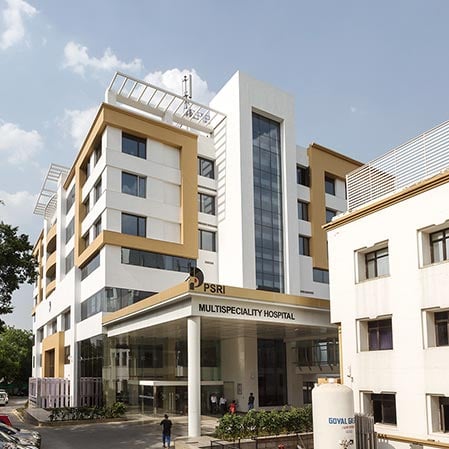
Pushpawati Singhania Research Institute (PSRI Hospital), New Delhi, is a leading multi-specialty tertiary care hospital established in 1996 by the JK ...
Accreditations
Facilities
Similar Procedures
Gallery
FAQ


Our website uses cookies. By clicking on accept you give your consent to the use of cookies as per our Privacy Policy.