
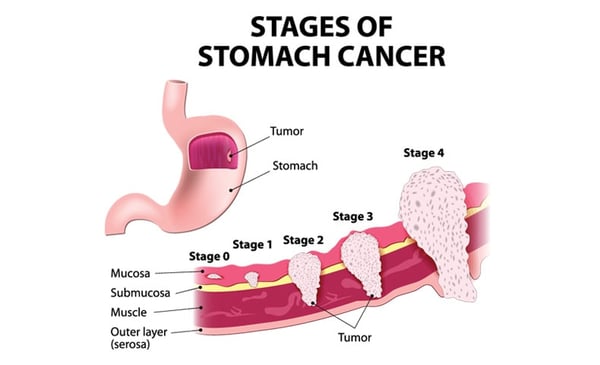
Stomach Cancer Treatment Cost in India
About Stomach Cancer Treatment
Stomach cancer, also known as gastric cancer, develops when abnormal cells grow uncontrollably in the lining of the stomach. It often begins silently, with early symptoms being mild or easily mistaken for common digestive issues. Because many people do not recognize the warning signs, stomach cancer is frequently diagnosed at a later stage, making timely evaluation and treatment extremely important.
Globally, stomach cancer remains one of the major causes of cancer-related deaths. More than one million new cases are diagnosed every year, and it ranks among the top five most common cancers worldwide. Although the incidence has declined in some regions due to better food preservation and improved diets, it continues to affect people across all age groups, especially those aged 50 and older. Advances in diagnostic technology, targeted therapy, and minimally invasive surgery have significantly improved outcomes for many patients.
What Is Stomach Cancer?
Stomach cancer is a disease in which abnormal cells grow in the lining of the stomach and form a tumor. It usually begins in the innermost layer of the stomach wall and can spread deeper over time if not treated.
The most common type is adenocarcinoma, which arises from glandular cells that produce mucus and digestive fluids. While adenocarcinoma accounts for the majority of cases, other types of stomach cancer also occur:
- Gastrointestinal Stromal Tumors (GISTs): These tumors develop in the stomach's connective tissue and often behave differently from typical stomach cancers.
- Lymphoma: This type begins in the immune cells inside the stomach lining.
- Neuroendocrine Tumors: These cancers start in hormone-producing cells in the stomach.
Stomach cancer develops slowly and may go unnoticed in the early stages. As the gastric cancer progresses, it can spread to nearby lymph nodes, the esophagus, the small intestine, or distant organs.
What Are the Symptoms of Stomach Cancer?
Stomach cancer often begins with mild or vague symptoms, which makes early detection challenging. Many early signs resemble common digestive problems, and hence, patients may overlook them. Recognizing symptoms early helps ensure timely evaluation and better treatment outcomes.
Early Symptoms
These symptoms are subtle and may come and go:
- Persistent indigestion or heartburn
- Feeling full after eating small amounts
- Mild upper abdominal discomfort
- Unexplained fatigue
- Loss of appetite
Advanced Symptoms
As the cancer grows, the symptoms become more noticeable and persistent:
- Significant weight loss
- Difficulty swallowing
- Ongoing nausea or vomiting
- Abdominal pain that worsens over time
- Blood in vomit or stool
- Feeling weak or dizzy due to anemia
- Bloating after meals
How Is Stomach Cancer Diagnosed?
Doctors use a combination of endoscopic tests, imaging scans, and laboratory evaluations to diagnose stomach cancer accurately. These investigations help identify the tumor, determine its stage, and create a suitable treatment plan.
- Upper GI Endoscopy: This is the most important diagnostic test. The doctor inserts a thin, flexible tube with a camera into the stomach to examine the lining and detect abnormal growths.
- Biopsy: During endoscopy, the doctor collects small tissue samples from suspicious areas. A biopsy confirms whether the cells are cancerous or not.
- CT Scan or MRI: These imaging tests show the tumor's size and help detect whether cancer has spread to other organs or lymph nodes.
- PET-CT Scan: PET-CT reveals active cancer cells in the body and helps doctors detect distant metastases and hidden lesions.
- Endoscopic Ultrasound (EUS): EUS provides a detailed look at how deeply the tumor has invaded the stomach wall and whether nearby lymph nodes are affected.
- Blood Tests: Physicians use blood tests to check for anemia, infection, liver function, and nutritional status. Tumor markers may also be assessed in some cases.
- Staging Workup: After completing all tests, the medical team stages the cancer, which guides surgery, chemotherapy, and targeted therapy decisions.
What Are the Latest Treatment Options for Stomach Cancer?
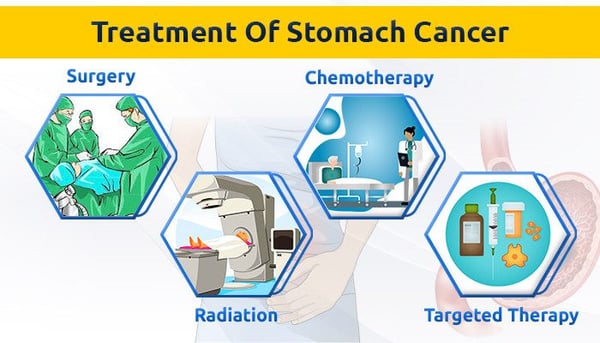
Doctors use a combination of surgery, medication-based therapies, and supportive care to treat stomach cancer. The treatment plan depends on the stage of the disease, the patient's overall health, and the tumor's location and size.
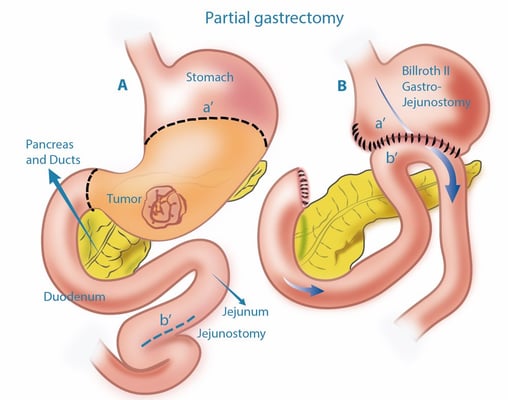
- Surgery: Surgical removal is the most effective treatment for early and localized stomach cancer. The surgeon may remove part of the stomach (subtotal gastrectomy) or the entire stomach (total gastrectomy) based on the tumor's spread. Surrounding lymph nodes are also removed to prevent further spread.
- Chemotherapy: Chemo uses strong medicines to kill cancer cells. Doctors may give chemotherapy before surgery to shrink the tumor or after surgery to eliminate remaining cancer cells. Chemotherapy can also be given for advanced cases to slow progression and improve symptoms.
- Radiation Therapy: Radiation therapy uses targeted beams to destroy cancer cells. It may be combined with chemotherapy to enhance effectiveness, especially in cases where the tumor cannot be removed completely.
- Targeted Therapy: These medications act on specific proteins or pathways in cancer cells. They are beneficial for patients with HER2-positive stomach cancer or tumors with specific genetic changes.
- Immunotherapy: Immunotherapy stimulates the patient's immune system to recognize and attack cancer cells. It is often used for advanced stomach cancer or when standard treatments do not work.
- Endoscopic Treatments (Early-Stage Disease): For very early tumors, endoscopic mucosal resection (EMR) or endoscopic submucosal dissection (ESD) allows doctors to remove the cancer without open surgery.
- Palliative Care: When the cancer is advanced, palliative care helps manage symptoms, improve comfort, and maintain quality of life.
- Stomach cancer treatment often involves multiple methods to achieve the best possible outcome.
Get a Free Treatment Plan
About Stomach Cancer Treatment in India
How Much Does Stomach Cancer Treatment Cost in India?
The average price of stomach cancer treatment in India typically ranges from $3,000 to $12,000 (approximately ₹2.5 lakh to ₹10 lakh). The final price depends on the stage of cancer, treatment type, number of chemotherapy cycles, hospitalization needs, and the use of targeted or immunotherapy drugs.
Below is a detailed breakdown of treatment-wise costs.
Type of Treatment | Average Cost (USD) | Approx. Cost (INR) |
| Partial Gastrectomy Surgery | $3,000 – $6,000 | ₹2.5 – ₹5 lakh |
| Total Gastrectomy Surgery | $4,000 – $7,000 | ₹3.3 – ₹5.8 lakh |
| Chemotherapy (per cycle) | $200 – $400 | ₹16,000 – ₹32,000 |
| 6–8 Chemotherapy Cycles (Total) | $1,200 – $3,200 | ₹1 – ₹2.6 lakh |
| Radiation Therapy | $1,500 – $3,000 | ₹1.2 – ₹2.5 lakh |
| Targeted Therapy (per month) | $800 – $2,500 | ₹65,000 – ₹2 lakh |
| Immunotherapy (per dose) | $1,500 – $4,000 | ₹1.2 – ₹3.3 lakh |
| Endoscopic Resection (EMR/ESD) | $2,000 – $4,000 | ₹1.6 – ₹3.3 lakh |
- Advanced stages usually require a combination of surgery, chemotherapy, and targeted therapy.
- Targeted and immunotherapy drugs significantly increase the total cost.
- The hospital category (standard vs. premium) also influences pricing.
What the Cost Includes
- Surgeon's fee for gastrectomy or endoscopic procedures
- Anesthesia charges
- Operation theatre and equipment usage
- Hospital stay (room, nursing care, monitoring)
- Standard medicines during admission
- Routine pre-surgery blood tests
- Post-operative care during hospitalization
- One follow-up visit after discharge
- Chemotherapy infusion charges (if part of a package)
These elements cover the core medical requirements for surgery or hospital-based treatment sessions.
What the Cost Excludes
- PET-CT scans and advanced imaging
- Genetic or biomarker tests (HER2, MSI, PD-L1, etc.)
- Targeted therapy drugs (high-cost component)
- Immunotherapy injections
- Chemotherapy medicines (charged separately in most hospitals)
- An extended hospital stay due to complications or slow recovery
- Long-term follow-up tests
- Management of pre-existing health issues
- Travel, meals, visa, and accommodation for international patients
These exclusions vary between hospitals, so patients often request a detailed estimate before starting treatment.
What Is the Cost of Stomach Cancer Treatment in Different Indian Cities?
The cost of stomach cancer treatment varies from one Indian city to another, depending on hospital standards, surgeon experience, the technology used, and the complexity of treatment. Metro cities usually charge more because they offer advanced cancer units and specialized oncologists, while tier-2 cities provide more economical options with reliable care.
Below is a city-wise comparison to help patients plan their treatment and budget.
City | Average Treatment Cost (USD) | Approx. Cost (INR) |
| New Delhi | $4,000 – $10,000 | ₹3.3 – ₹8.3 lakh |
| Mumbai | $4,200 – $12,000 | ₹3.5 – ₹10 lakh |
| Bangalore | $3,500 – $9,500 | ₹2.9 – ₹7.8 lakh |
| Chennai | $3,200 – $9,000 | ₹2.6 – ₹7.4 lakh |
| Hyderabad | $3,500 – $9,500 | ₹2.9 – ₹7.8 lakh |
- Delhi and Mumbai offer some of the most advanced cancer centers with access to robotic surgery, PET-CT imaging, and specialized gastric cancer teams.
- Bangalore and Hyderabad provide high-quality care at competitive prices and strong oncology departments.
- Chennai is known for experienced gastrointestinal surgeons and structured cancer care pathways at affordable rates.
What Factors Affect the Cost of Stomach Cancer Treatment in India?
The cost of treating stomach cancer varies widely because each patient requires a personalized approach based on the stage of the disease and the treatment plan. Several medical and logistical factors influence the total expense.
- Stage of Cancer at Diagnosis: Early-stage cancers often need surgery alone, while advanced stages may require multiple treatments such as chemotherapy, radiation, targeted therapy, and immunotherapy.
- Type of Treatment Required: Surgery, chemotherapy, radiation therapy, and targeted drugs each have different pricing. Combination therapy increases overall cost.
- Number of Chemotherapy Cycles: Doctors recommend 6–8 cycles for many patients. More cycles and high-strength drugs increase total treatment expense.
- Need for Targeted Therapy or Immunotherapy: Drugs like Trastuzumab and checkpoint inhibitors significantly increase total costs due to their high prices.
- Surgery Complexity: Partial gastrectomy costs less than total gastrectomy. Robotic-assisted surgeries may also have higher charges.
- Hospital Category and Facilities: Premium hospitals with advanced ICUs, specialized oncology units, and international accreditation charge more than mid-range hospitals.
- Oncologist and Surgeon Expertise: Highly experienced cancer specialists may have higher consultation and procedure fees, but their expertise improves safety and outcomes.
- Length of Hospital Stay: Extended stays due to complications, nutritional support, or post-surgery monitoring add to the total bill.
- Supportive Care Needs: Nutritional supplements, blood transfusions, palliative care, and infection management may increase costs for certain patients.
How Does the Cost in India Compare With Other Countries?
Stomach cancer treatment is significantly more affordable in India compared to many Western and Asian nations. Despite the lower cost, patients in India receive world-class care from experienced oncology teams equipped with modern diagnostic tools and advanced treatment techniques.
Below is a comparison of average treatment costs across popular medical destinations:
Country | Average Cost (USD) |
| United States | $20,000 – $60,000 |
| United Kingdom | $18,000 – $45,000 |
| Singapore | $15,000 – $35,000 |
| UAE | $12,000 – $30,000 |
| Thailand | $10,000 – $25,000 |
| India | $3,000 – $12,000 |
Patients save 60% to 80% when they choose India for stomach cancer treatment, without compromising on medical expertise or technology. India offers advanced cancer care with personalized treatment plans at a fraction of global prices.
Why Should You Choose India for Stomach Cancer Treatment?
India has become a leading destination for stomach cancer treatment due to its advanced oncology facilities, experienced specialists, and highly affordable care. Patients from around the world travel to India because they receive comprehensive treatment with excellent outcomes at a fraction of global costs.
- Experienced Oncologists and GI Surgeons: India has skilled teams of surgical oncologists, gastrointestinal surgeons, and medical oncologists who regularly treat complex cases of stomach cancer.
- Advanced Cancer Hospitals and Technology: Many cancer centers offer modern diagnostic tools, including PET-CT, endoscopic ultrasound, robotic surgery, and advanced imaging, to support accurate staging and treatment planning.
- Comprehensive Care Under One Roof: Hospitals offer complete treatment pathways, from diagnosis and surgery to chemotherapy, nutritional support, and rehabilitation, making the process seamless.
- Short Waiting Times: Patients can start treatment quickly, which is crucial for cancers like gastric cancer that progress rapidly.
- Dedicated Support for International Patients: Hospitals assist with medical visa letters, airport transfers, translation services, accommodation guidance, and follow-up care.
- Holistic and Multidisciplinary Approach: Specialists from various departments collaborate to develop treatment plans tailored to the patient's stage, health, and tumor biology.
What Is the Recovery and Success Rate After Stomach Cancer Treatment?
Recovery after stomach cancer treatment depends on the type of treatment received, the stage of the disease, and the patient's overall health. With modern treatment methods and improved supportive care, patients experience smoother recovery and better long-term outcomes.
Recovery After Surgery (Gastrectomy)
- First Week: Patients stay in the hospital for monitoring, pain control, IV fluids, and nutritional support.
- 2–4 Weeks: Energy levels improve, and patients begin eating soft foods under a dietician's guidance.
- 6–8 Weeks: Most patients return to normal activities and resume a regular routine with smaller, frequent meals.
Recovery During Chemotherapy
Chemotherapy cycles can cause fatigue, appetite changes, nausea, or mild weakness. Doctors manage these effects with supportive medications, allowing most patients to continue daily activities with adjustments.
Recovery After Radiation Therapy
Radiation may cause temporary fatigue and digestive discomfort. These side effects usually improve a few weeks after completing treatment.
Success Rate of Stomach Cancer Treatment
Success rates depend largely on early detection and the type of treatment provided:
- Early-stage stomach cancer: Survival rates are significantly higher when the tumor is detected before it spreads. Many patients achieve long-term remission after surgery.
- Locally advanced cancer: Treatment combining surgery with chemotherapy or radiation greatly improves outcomes.
- Advanced cancer: Modern therapies such as targeted therapy and immunotherapy help control the disease, ease symptoms, and extend survival.
Stomach Cancer Treatment Cost Comparison by Country
Compare Stomach Cancer Treatment costs across different countries to make an informed decision about your medical treatment.
| Country | Cost Range (USD) | Potential Savings | Action |
|---|---|---|---|
INIndiaCurrentBest Value | $3,000 - $12,000 | — | Get Quote |
Note: Costs may vary based on hospital choice, room type, additional services, and individual medical requirements. Contact us for a personalized quote.
Leading Hospitals for Stomach Cancer Treatment in India
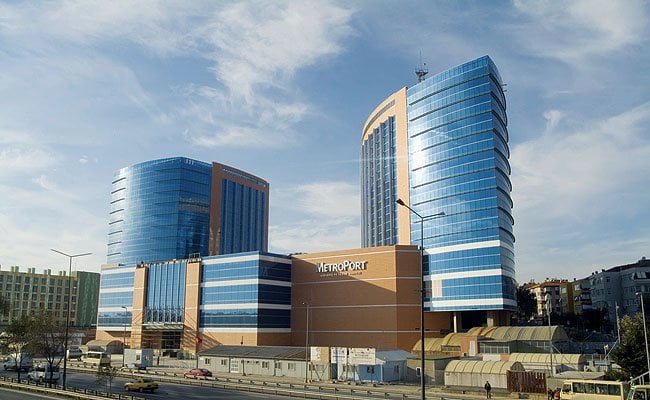
Medical Park Bahcelievler Hospital
Medical Park Bahcelievler Hospital is a 242-bed JCI-accredited hospital in Istanbul, established in 2007. Spread across 33,000 square meters and 19 fl...
Accreditations

Facilities

Memorial Ankara Hospital
Memorial Ankara Hospital is a JCI-accredited private hospital in Turkey, with more than 230 beds and 60 intensive care units. Spread across 42,000 squ...
Accreditations
Facilities
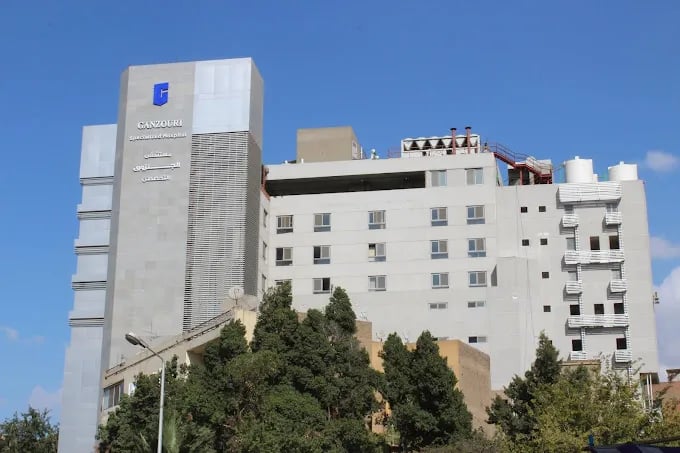
Ganzouri Specialized Hospital, Cairo
Ganzouri Specialized Hospital is a 180-bed multi-specialty hospital in Cairo, Egypt, established in 1971. It offers more than 20 specialties, includin...
Facilities

Saudi German Hospital, Cairo
Saudi German Hospital, Cairo, is a multi-specialty hospital located in Cairo and part of the Saudi German Hospitals Group. Established in 2016, it has...
Accreditations
Facilities
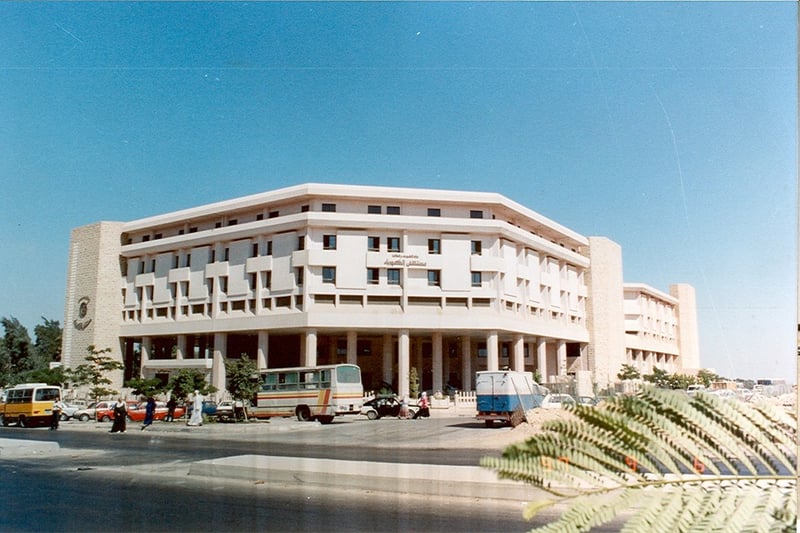
Arab Contractors Medical Centre, Cairo
Arab Contractors Medical Centre is a 420-bed hospital in Cairo, Egypt, established in 1981. It offers multi-specialty care, including cardiology, neur...
Accreditations

Facilities
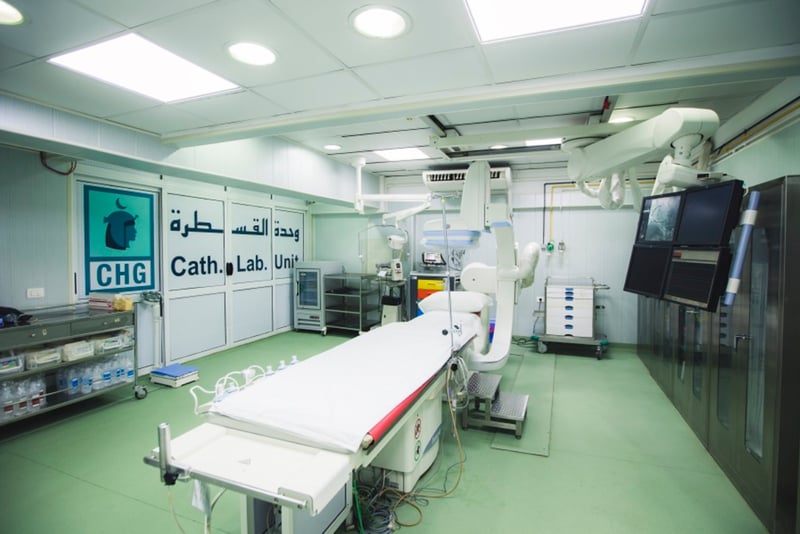
Cleopatra Hospital, Cairo
Cleopatra Hospital is a 356-bed private hospital in Cairo, Egypt, established in 1984 and part of the Cleopatra Hospitals Group. It offers more than 4...
Facilities

As-Salam International Hospital, Cairo
As-Salam International Hospital is a 300+ bed JCI-accredited hospital in Cairo, Egypt. It offers advanced care in cardiology, oncology, neurology, ort...
Accreditations
Facilities

Piyavate Hospital
Piyavate Hospital is a 150-bed private hospital in central Bangkok, established in 1993. The hospital provides care in cardiology, neurology, orthoped...
Accreditations

Facilities
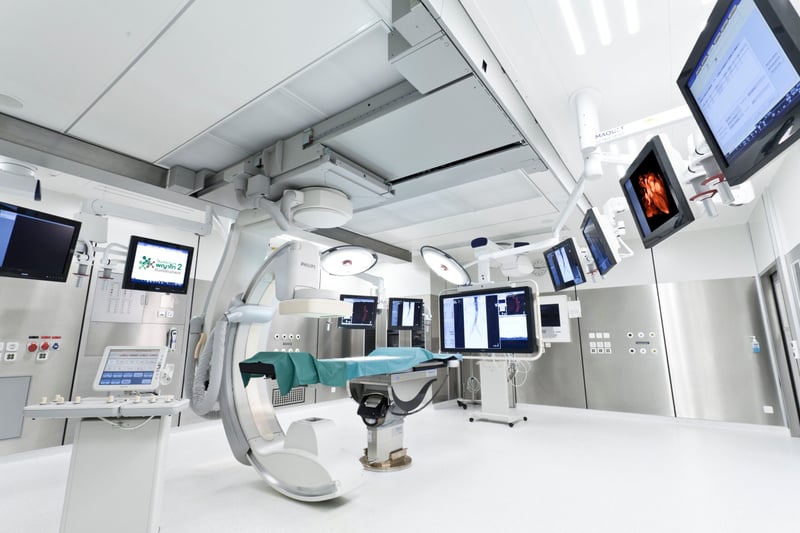
Phyathai 2 International Hospital
Phyathai 2 International Hospital is a JCI-accredited tertiary care hospital in Bangkok, Thailand, established in 1987. The hospital operates 550 inpa...
Accreditations
Facilities
Bangpakok 9 International Hospital
Bangpakok 9 International Hospital is a JCI-accredited tertiary care hospital in Bangkok, Thailand, established in 2003. Operating under the BPK Hospi...
Accreditations
Facilities
Similar Procedures
Gallery
FAQ


Our website uses cookies. By clicking on accept you give your consent to the use of cookies as per our Privacy Policy.