
Whipple Surgery Cost in India
About Whipple Surgery
What Is Whipple’s Procedure?
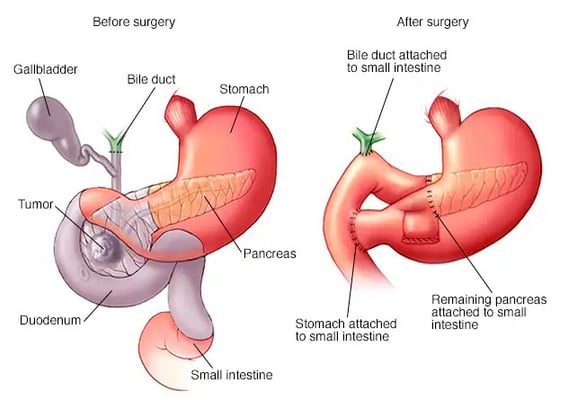
Whipple’s procedure, also called pancreaticoduodenectomy, removes the head of the pancreas along with a small part of the small intestine, bile duct, and gallbladder. Surgeons perform this operation to treat cancers that begin in the pancreas, bile duct, or duodenum.
The goal of the surgery is to remove the tumor completely and restore normal digestive function. After removing the affected portions, the surgeon reconnects the remaining organs to maintain the natural flow of bile and digestive juices.
Whipple’s procedure offers the best chance of long-term survival for patients with early-stage pancreatic or periampullary cancers. With modern surgical methods, recovery has become faster, safer, and more successful than ever before.
What Conditions Require Whipple’s Procedure?
Doctors recommend Whipple’s procedure when a tumor or blockage affects the head of the pancreas or nearby organs. The surgery removes diseased tissue and helps restore normal digestion and bile flow.
- Pancreatic Cancer: Most patients undergo this surgery for pancreatic head cancer. The procedure removes the tumor before it spreads to surrounding tissues, offering the best chance for cure and long-term control.
- Ampullary Cancer: When cancer starts near the ampulla of Vater, Whipple’s surgery clears the blockage and eliminates the tumor completely.
- Bile Duct Cancer (Cholangiocarcinoma): If cancer arises in the lower part of the bile duct, doctors perform Whipple’s procedure to remove the affected section and reconnect healthy ducts for smooth bile drainage.
- Duodenal Cancer: Cancers starting in the first part of the small intestine (duodenum) often require this surgery to prevent obstruction and spread.
- Benign or Precancerous Conditions: Whipple’s procedure also treats non-cancerous pancreatic cysts, chronic pancreatitis, and precancerous lesions that may later become malignant.
This surgery remains the only curative option for many upper gastrointestinal and pancreatic disorders when performed at the right time.
How Is Whipple’s Procedure Performed?
Surgeons perform Whipple’s procedure under general anesthesia. The operation usually lasts six to eight hours, depending on the tumor’s size and location. The surgery removes affected organs and reconnects the digestive tract, allowing the body to continue functioning normally after the procedure.
Step 1: Preparing for Surgery
- Doctors evaluate the patient’s fitness before surgery through blood tests, imaging scans, and heart assessments.
- The patient fasts overnight, and an anesthesiologist administers anesthesia to ensure complete comfort and safety during the operation.
Step 2: Removing the Affected Organs
- The surgeon makes an incision in the upper abdomen (or uses laparoscopic tools in minimally invasive surgery).
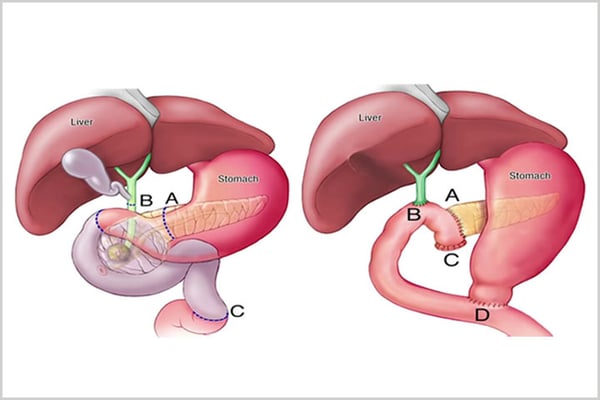
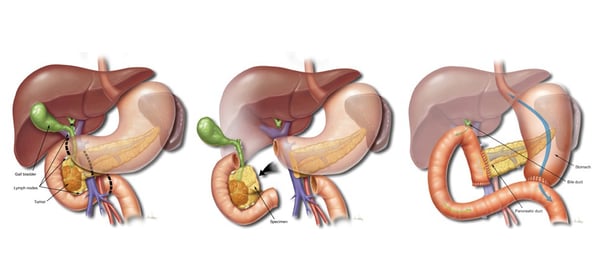
- They remove the head of the pancreas, duodenum, gallbladder, and part of the bile duct.
- If necessary, a small portion of the stomach may also be removed to ensure complete tumor clearance.
Step 3: Reconstruction
- After removing the diseased organs, the surgeon reconnects the remaining parts of the digestive system.
- The pancreas, bile duct, and stomach are attached to different sections of the small intestine.
- The reconstruction allows bile and digestive enzymes to flow normally, helping the body digest food after surgery.
Step 4: Minimally Invasive and Robotic Whipple Options
- Many hospitals in India now offer laparoscopic or robotic Whipple surgery.
- These techniques use small incisions and advanced cameras to achieve greater precision and faster recovery.
- Patients experience less pain, minimal scarring, and shorter hospital stays compared to open surgery.
Step 5: Immediate Recovery in ICU
- After surgery, the patient is shifted to the ICU for close monitoring.
- Doctors check vital signs, drain tubes, and digestive function until the patient stabilizes.
- Once the condition improves, the patient is moved to a private room for continued recovery.
Get a Free Treatment Plan
About Whipple Surgery in India
What Is the Cost of Whipple’s Procedure in India?
The average cost of Whipple’s procedure in India ranges between USD 7,000 and USD 11,000. This cost covers surgery, anesthesia, hospital stay, intensive care, and routine postoperative care. The exact amount depends on the patient’s condition, type of surgery, and total hospitalization period.
Whipple’s surgery in India costs almost one-tenth of what patients pay in Western countries, yet the medical standards remain equally high. Patients benefit from advanced surgical technology, shorter waiting times, and personalized care throughout the treatment journey.
Average Cost Breakdown
Component | Estimated Cost (USD) |
| Preoperative tests and imaging | 400 – 800 |
| Surgeon and anesthesia charges | 2,000 – 3,000 |
| Operation theatre and consumables | 1,500 – 2,000 |
| ICU and hospital stay (10–14 days) | 2,000 – 3,500 |
| Postoperative medicines and care | 500 – 700 |
| Total Estimated Cost | 7,000 – 11,000 |
Regional Cost Variation
Whipple’s procedure costs may vary slightly between Indian cities. Metropolitan centers such as Delhi, Mumbai, and Bangalore offer access to high-end facilities, while smaller towns provide similar expertise at lower prices. Regardless of location, patients receive transparent pricing and comprehensive packages that include all major medical expenses.
What Does the Cost of Whipple’s Procedure in India Include and Exclude?
Whipple’s procedure involves several steps, from preoperative testing to post-surgery recovery. Knowing what the treatment package covers helps patients plan their medical journey with confidence and avoid unexpected costs.
Inclusions: What’s Covered in the Cost
The standard Whipple’s procedure package in India usually covers:
- Pre-surgery evaluation, including blood tests, imaging, and specialist consultations.
- Surgeon and anesthesia charges for the whole duration of the operation.
- Operation theatre fees, instruments, and consumables used during surgery.
- ICU stay and hospital accommodation for 10 to 14 days, including nursing care.
- Standard medications, antibiotics, and pain management during hospitalization.
- Postoperative monitoring before discharge to ensure full recovery and stability.
- Follow-up visit at discharge, including dietary and recovery instructions.
These inclusions ensure that most major medical expenses are already part of the hospital package.
Exclusions: What’s Not Covered in the Cost
Some expenses remain outside the standard Whipple’s procedure package and depend on the patient’s personal needs or condition:
- International and domestic travel expenses.
- Accommodation and meals outside the hospital for the patient or companions.
- Visa processing and interpreter services.
- An additional hospital stay is required if the recovery period extends beyond the standard duration.
- Special diagnostic tests, such as PET-CT or genetic screening, may be necessary.
- Post-discharge medications for home use or long-term follow-up.
International patients should always request a written cost estimate before arrival. It ensures complete clarity about what the treatment package includes and helps with accurate budgeting.
What Factors Affect the Cost of Whipple’s Procedure in India?
The cost of Whipple’s procedure varies from one patient to another. Each case differs in surgical complexity, recovery needs, and overall medical requirements. Understanding these factors helps patients plan accurately and compare treatment options with confidence.
- Stage and Type of Disease: Early-stage pancreatic or bile duct cancers often need less complex surgery. Advanced disease may require a longer operation or reconstruction of nearby blood vessels, which increases the total cost.
- Type of Surgery Performed: The cost depends on whether the patient undergoes an open, laparoscopic, or robotic Whipple’s procedure. Minimally invasive and robotic surgeries cost slightly more but reduce hospital stay and recovery time.
- Duration of Hospital and ICU Stay: Whipple’s surgery usually requires 10 to 14 days of hospitalization, including ICU monitoring. Extended stays due to complications, infection control, or nutritional management add to the overall bill.
- Preoperative and Diagnostic Tests: Comprehensive imaging (CT, MRI, or endoscopic ultrasound) and laboratory evaluations determine tumor location and spread. Each additional test contributes to total expenses but ensures surgical accuracy and safety.
- Postoperative Care and Nutrition: After surgery, patients need specialized nutrition support and continuous monitoring. High-quality postoperative rehabilitation and nutritional supplements can slightly affect the total cost.
- Patient’s Age and Health Condition: Patients with diabetes, heart disease, or low immunity may need extra medical supervision. These factors can extend ICU stays or increase medication use, affecting overall costs.
- Technology and Facility Level: Hospitals with advanced infrastructure, modern ICU setups, and robotic equipment achieve greater precision and better outcomes. The technology used during surgery often determines a small portion of the final cost.
- Currency Exchange and Payment Mode: For international patients, exchange rate fluctuations and payment method (cash, wire transfer, or insurance) can slightly affect total expenditure.
How Does the Cost of Whipple’s Procedure in India Compare with Other Countries?
India performs Whipple’s procedure (pancreaticoduodenectomy) at a fraction of the global price while maintaining the same level of surgical precision and safety. International patients choose India not only for affordability but also for advanced technology, faster scheduling, and comprehensive post-surgery care.
Country | Average Cost (USD) | Estimated Savings (%) |
| India | 7,000 – 11,000 | — |
| United States | 45,000 – 80,000 | 75–85% |
| United Kingdom | 38,000 – 60,000 | 70–80% |
| Thailand | 18,000 – 25,000 | 50–60% |
| Singapore | 22,000 – 30,000 | 60–65% |
| UAE | 25,000 – 40,000 | 65–75% |
Even after including travel and living expenses, patients save tens of thousands of dollars by undergoing surgery in India. This cost advantage allows patients to access high-quality treatment quickly without the long waiting times common in Western healthcare systems.
What Is the Success Rate of Whipple’s Procedure in India?
The success rate of Whipple’s procedure in India ranges between 85% and 95%, depending on the stage of cancer and the patient’s overall health. This high rate reflects India’s use of modern surgical technology, expert surgical teams, and well-structured postoperative care.
Survival and Outcome Statistics
When doctors detect pancreatic or bile duct cancer early, Whipple’s surgery offers the best chance for long-term survival. Patients treated in early stages experience five-year survival rates of 40% to 50%, which aligns closely with global standards. Those with benign or precancerous conditions often recover fully and lead healthy, active lives.
Factors That Improve Success
Several key factors enhance the success of Whipple’s procedure in India:
- Early diagnosis and timely surgery before cancer spreads.
- Experienced surgical teams perform high volumes of pancreatic operations each year.
- Advanced imaging and robotic techniques that increase precision.
- Comprehensive postoperative monitoring to prevent infection or leakage.
- Strong nutritional and rehabilitation programs that support faster recovery.
Each of these factors contributes to improved outcomes and reduced complication rates. Many patients regain normal digestive health within a few months of surgery. With ongoing follow-up, balanced nutrition, and healthy lifestyle changes, long-term survival and quality of life continue to improve.
What Is the Recovery and Hospital Stay Like After Whipple’s Procedure?
Recovery after Whipple’s procedure takes time, care, and close medical supervision. Patients recover in phases, starting with intensive monitoring, then gradual strengthening, and finally dietary adaptation. With proper guidance, most patients regain stable health and return to regular routines within a few weeks.
Immediate Post-Surgery Phase
- After surgery, patients are moved to the ICU for 2 to 3 days.
- Doctors closely monitor heart rate, breathing, and digestion.
- Pain control, IV fluids, and antibiotics support healing during this early period.
- As the patient stabilizes, the medical team removes tubes and allows gentle movement to prevent stiffness.
Hospital Stay Duration
- Most Whipple surgery patients stay in the hospital for 10 to 14 days.
- During this time, doctors gradually introduce oral liquids and soft foods.
- Patients receive guidance on posture, wound care, and light walking to aid recovery.
- Before discharge, the team checks nutrition absorption and bowel function to ensure normal digestion.
At-Home Recovery
At home, recovery continues with simple but essential precautions:
- Eat small, frequent meals rich in protein and easy to digest.
- Avoid heavy lifting and physical strain for at least six weeks.
- Drink enough water to stay hydrated.
- Keep the surgical site clean and dry.
- Follow prescribed medications for pain and digestion.
Doctors schedule regular follow-up visits to track healing progress and check for any digestive discomfort.
Dietary Adjustment and Nutrition
- After Whipple’s surgery, the body takes time to adapt to its new digestive flow.
- Patients may need enzyme supplements or minor dietary modifications to improve absorption.
- A nutritionist helps plan meals that maintain weight and energy without causing bloating or fatigue.
Why Should You Choose India for Whipple’s Procedure?
India stands among the most trusted destinations for Whipple’s procedure (pancreaticoduodenectomy) because it combines advanced medical expertise with international-quality patient care.
- Advanced Surgical Expertise: Indian surgeons perform a large number of Whipple’s procedures every year, which sharpens their skill and consistency. Their experience in both open and minimally invasive approaches helps patients recover faster and lowers the risk of complications.
- Modern Medical Infrastructure: India’s top medical centers are equipped with state-of-the-art ICUs, robotic systems, and advanced imaging technology. These tools allow accurate tumor removal and smooth reconstruction, ensuring maximum preservation of digestive function.
- Comprehensive International Patient Support: Hospitals in India maintain dedicated international patient desks. These teams assist with visa invitations, travel coordination, interpreter services, and local stay arrangements, making the process effortless for patients and families.
- Short Waiting Time: Patients in India can schedule Whipple’s surgery within days of sharing their reports. Immediate evaluation and quick surgery scheduling prevent delays that often affect treatment success in other countries.
- Affordable, Transparent Pricing: India delivers world-class care at one-tenth the global cost, with no hidden charges. Hospitals provide detailed estimates in advance, helping patients confidently plan their budgets.
- Cultural Comfort and Communication: English is widely spoken among doctors, nurses, and staff across Indian hospitals. It ensures smooth communication, emotional comfort, and better understanding throughout treatment.
Global Reputation for Success: India’s consistent success rate of 85–95% in Whipple’s procedures, advanced post-surgery care, and holistic rehabilitation approach have made it a preferred destination for patients from over 70 countries.
Whipple Surgery Cost Comparison by Country
Compare Whipple Surgery costs across different countries to make an informed decision about your medical treatment.
| Country | Cost Range (USD) | Potential Savings | Action |
|---|---|---|---|
IndiaCurrentBest Value | $7,000 - $11,000 | — | Get Quote |
Note: Costs may vary based on hospital choice, room type, additional services, and individual medical requirements. Contact us for a personalized quote.
Leading Hospitals for Whipple Surgery in India

BLK-Max Super Speciality Hospital, New Delhi
BLK-Max Super Speciality Hospital in New Delhi is one of India's premier healthcare institutions, offering 650 beds, 22 advanced operation theatres, a...
Accreditations


Facilities

Max Smart Super Speciality Hospital, Saket, New Delhi
Max Smart Super Speciality Hospital, Saket, is a 250-bed tertiary care hospital in South Delhi. It offers advanced medical and surgical care across 22...
Accreditations
Facilities
PSRI Hospital, Delhi
Pushpawati Singhania Research Institute (PSRI Hospital), New Delhi, is a leading multi-specialty tertiary care hospital established in 1996 by the JK ...
Accreditations
Facilities
Similar Procedures
Gallery
FAQ


Our website uses cookies. By clicking on accept you give your consent to the use of cookies as per our Privacy Policy.