Por qué la India es el destino de tratamiento médico preferido para los pacientes de Fiji

7/2/2026, 1:12:33 PM 13 min read Medical Tourism
Por qué la India es el destino de tratamiento médico preferido para los pacientes de Fiji
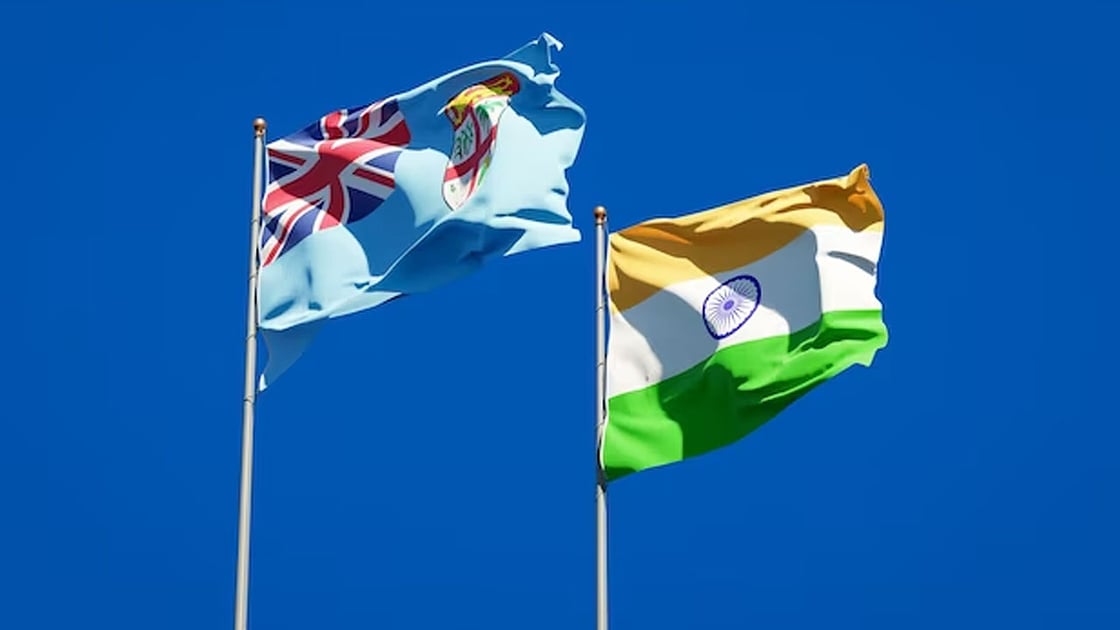
Every year, more patients from Fiji travel abroad for medical treatment. Health problems often need quick action and advanced care. Many families search for treatment that offers safety, quality, and reasonable cost. Local options do not always meet these needs for severe conditions.


Fiji has a strong healthcare foundation for basic and emergency care. However, complex diseases often require specialized treatment. Cancer care, organ transplants, advanced heart surgery, and fertility treatment remain limited. Patients sometimes face long waiting periods. Specialist availability also remains restricted.


Families do not travel by choice. They travel because health demands better solutions. Delays increase risk. Incomplete treatment affects recovery. These realities push patients to explore trusted medical destinations outside Fiji.


India has become a preferred choice for many families. The country offers advanced healthcare with structured systems. Doctors manage complex cases every day. Hospitals use modern technology. Treatment costs remain within reach for most families.


Growing Healthcare Needs in Fiji

Healthcare services in Fiji continue to improve year by year. Doctors and nurses provide dedicated care for routine illnesses, emergencies, and maternal health. Government hospitals play a vital role in serving the population. However, severe and complex medical conditions place heavy pressure on the system.


  • The need for advanced healthcare continues to rise in Fiji.The number of patients with cancer, heart disease, kidney failure, joint problems, and infertility continues to increase. These conditions often require specialized doctors, advanced machines, and long-term treatment plans. Local facilities cannot always support this level of care.
  • Specialist availability remains limited in many fields.Oncology, organ transplant, advanced cardiology, and neurosurgery require highly trained teams. Fiji has only a few specialists in these areas. Patients often need referrals abroad when conditions become severe or complicated.
  • Waiting time creates another challenge.Diagnostic tests, advanced scans, and planned surgeries can take weeks or months. For diseases like cancer or heart blockage, delay can affect outcomes. Families often feel helpless during this waiting period.
  • Cost also plays an important role.Some private healthcare options exist in Fiji. However, advanced procedures can become expensive. Insurance coverage often remains limited. Many families struggle to afford long-term treatment or repeated hospital visits.

Travelling to nearby countries does not always solve these problems. Treatment costs in Australia or New Zealand remain very high. Long waiting lists also exist there. These barriers push families to seek a destination that offers advanced care without excessive financial strain.


India meets this need. The country provides access to specialized treatment, modern technology, and faster care. This reality explains why many patients from Fiji begin to look toward India when a serious illness appears.


Cultural and Historical Connection Between Fiji and India

Fiji and India share deep cultural and historical ties. These connections influence many aspects of daily life in Fiji, including language, traditions, food, and family values. For many families, India feels familiar rather than foreign. This familiarity reduces fear and anxiety during medical travel.


  • A large Indo-Fijian community lives in Fiji. Many families trace their roots to India. Cultural practices, festivals, and customs remain part of everyday life. This shared background creates a natural sense of trust. When severe illness strikes, families often prefer care in a country that feels culturally close.
  • Language also plays an important role. English serves as a common language in both countries. Patients can discuss symptoms, treatment plans, and concerns without confusion. Clear communication improves confidence and understanding during medical decisions.
  • Food and lifestyle comfort matter during long treatment periods. Patients often stay for several weeks or months. Indian cities offer food that aligns with familiar tastes and dietary habits. This comfort supports emotional well-being and recovery.
  • Family involvement remains central in both cultures. Patients from Fiji usually travel with relatives. In Indian healthcare settings, family participation in care discussions and recovery planning is welcome. This approach aligns well with the expectations of Fijian families.
  • Cultural respect and hospitality also shape patient experience. Many patients describe warmth and personal attention during treatment. Staff members often understand cultural sensitivities related to food, faith, and daily routines. These small details create a strong sense of safety and belonging.

This cultural connection does more than ease travel. It builds trust in healthcare decisions. For patients from Fiji, choosing India often feels like choosing a place that understands both medical needs and human emotions.


Why Patients from Fiji Prefer India for Treatment?

Patients from Fiji prefer India because healthcare decisions demand certainty, speed, and affordability. Families often face serious illness with limited time to decide. India offers practical answers during these moments.


  • Affordable treatment costsremain the strongest reason. Major procedures in India cost far less than in Australia, New Zealand, or Western countries. Families manage treatment without selling assets or taking lifelong debt. Savings remain significant even after travel and stay expenses.
  • Advanced medical technologysupports accurate diagnosis and effective care. Hospitals use modern imaging, precision surgery, and advanced cancer treatment tools. These technologies help doctors plan treatment with clarity and control. Patients gain confidence when care relies on updated systems.
  • Highly experienced doctorsadd another layer of trust. Indian specialists treat complex cases every day. High patient volumes build skill and confidence. Doctors often manage conditions that remain rare in smaller healthcare systems. This experience improves decision-making and outcomes.
  • Short waiting timesmake a critical difference. Patients can schedule tests and surgery within days. Fast action matters for cancer, heart disease, and organ failure. Families avoid the stress of long delays during critical stages.
  • Comprehensive care under one systemsimplifies treatment. Patients receive diagnosis, surgery, therapy, and follow-up at a single location. This continuity reduces confusion and travel between centers. Families feel supported throughout the treatment journey.
  • Clear communicationstrengthens trust. English communication allows patients to understand every step. Doctors explain conditions and plans in simple terms. This clarity helps families make informed decisions without pressure.

These reasons explain why patients from Fiji repeatedly choose India. The decision reflects logic, safety, and care rather than convenience alone.


What are the Common Treatments Sought by Patients from Fiji in India?

Patients from Fiji travel to India for a wide range of medical conditions. Most cases involve serious or long-term illness that needs advanced care. India offers structured treatment pathways for these conditions, supported by experienced teams and modern facilities.


  • Cancer Treatment and Bone Marrow Transplant: Cancer care remains one of the most common reasons for travel. Patients seek chemotherapy, radiation therapy, targeted treatment, and immunotherapy. Many also travel for a bone marrow transplant when blood cancers or bone marrow failure conditions appear.
  • Heart Surgery and Advanced Cardiac Care:Heart disease affects many families in Fiji. Patients often travel for bypass surgery, valve repair or replacement, angioplasty, and pediatric heart surgery. India offers strong cardiac care with experienced teams and modern operating theaters. Doctors handle high volumes of heart surgeries every year.
  • Kidney Disease Treatment and Transplant: Chronic kidney disease places emotional and financial strain on families. Many patients travel for long-term dialysis or a kidney transplant. India provides structured transplant programs with careful evaluation and follow-up.
  • Orthopedic and Spine Treatment: Joint pain, arthritis, spine disorders, and trauma injuries often limit mobility and daily life. Patients from Fiji travel for knee replacement, hip replacement, spine surgery, and sports injury treatment.
  • Neurology and Neurosurgery: Conditions such as brain tumors, stroke, epilepsy, and spinal cord disorders require specialized care. Patients travel to India for accurate diagnosis and advanced surgical treatment.
  • Fertility Treatment and Women’s Health: Many couples seek help for infertility. Treatments include IVF, ICSI, fertility preservation, and gynecological care. High success rates and affordability attract patients from Fiji.


How India Compares with Other Treatment Destinations?

Patients from Fiji often compare several countries before choosing a treatment destination. Common options include Australia, New Zealand, Southeast Asia, and Western countries. Each destination offers benefits, but clear limits influence final decisions.


Australia and New Zealand

Australia and New Zealand provide strong healthcare systems. However, treatment costs remain very high for international patients. Private care often requires large upfront payments. Many planned procedures involve long waiting lists. These delays cause stress during serious illness.


Travel and living costs also add pressure. Accommodation, food, and local transport remain expensive. For extended treatment stays, total expenses rise quickly. These factors make treatment difficult for many families from Fiji.


United States and Europe

Western countries offer advanced medical care. However, treatment costs often exceed what families can afford. Insurance coverage rarely applies to international patients. Even a single surgery can create a lifelong financial burden.


Visa procedures also remain complex. Travel distance increases fatigue for sick patients. Long hospital billing processes add stress. These challenges limit access for most families.


Other Asian Medical Destinations

Some Asian countries offer lower costs than Western nations. However, the availability of advanced procedures may remain limited. Specialist depth varies. Language barriers sometimes affect communication and understanding.

Follow-up care options also remain unclear in many regions. Patients often need to transfer between hospitals or countries during different stages of treatment.


India’s Practical Advantage

India stands apart because it combines multiple strengths into a single system. Treatment costs remain affordable. Advanced procedures remain widely available. Doctors manage complex cases daily. Hospitals support international patients with structured care pathways.


Patients also benefit from faster scheduling. Diagnosis and treatment often begin within days. Clear communication supports informed decisions. Families gain confidence during every stage of care.


For patients from Fiji, India offers balance. The country provides advanced healthcare without extreme financial pressure. This balance explains why India continues to attract patients seeking safe and practical treatment solutions.


How Much Can Patients from Fiji Save by Choosing India for Medical Treatment?

Cost plays a decisive role in medical travel. Families from Fiji must plan for treatment, travel, stay, and recovery. High expenses can delay care or stop treatment altogether. India offers a clear financial advantage without reducing quality.


In countries such as Australia, New Zealand, the United States, and Europe, international patients pay full private rates. Hospital bills rise quickly due to high surgeon fees, operating costs, and long hospital stays. Living expenses further increase the burden during extended treatment.


India follows a different model. Hospitals control costs through efficient systems, a skilled workforce, and high treatment volumes. Patients receive advanced care at a fraction of global prices. Families can plan treatment with clarity and confidence.

Treatment Type

Australia / USA (USD)

India (USD)

Heart Bypass Surgery70,000 – 90,0003,500 – 6,000
Hip Replacement30,000 – 40,0004,000 – 6,000
Kidney Transplant150,000+13,000 – 15,000
Liver Transplant120,000 – 150,00035,000 – 45,000
Cancer Treatment (full cycle)50,000+8,000 – 12,000

These figures often include hospital stay, surgery, doctor fees, and standard post-treatment care in India. In many Western countries, these services are billed separately, which increases final bills.


Why Lower Cost Does Not Mean Lower Quality

India maintains global medical standards. Hospitals follow international safety protocols. Doctors receive advanced training and manage complex cases daily. Modern equipment supports accurate diagnosis and precise treatment.


Lower cost results from system efficiency, not reduced care. Patients benefit from transparent pricing and predictable expenses. Families avoid financial shock during treatment.


For patients from Fiji, this affordability removes a significant barrier to timely care. Early treatment improves recovery and long-term health. Cost clarity also reduces emotional stress for families during difficult times.


What Support Services Do Patients from Fiji Receive in India?

Patient support plays a major role in medical travel decisions. Treatment involves more than surgery or medicine. Patients need guidance, comfort, and clarity throughout the journey. India offers structured support services that help patients from Fiji feel safe and cared for.


  • International patient coordinationhelps patients manage every step. Dedicated teams assist with appointments, medical reports, and treatment schedules. This coordination reduces confusion and saves time during critical stages.
  • Clear communication in Englishsupports understanding and trust. Doctors and care teams explain diagnosis, treatment plans, and recovery steps in simple language. Patients and families can ask questions freely and receive clear answers.
  • Travel and accommodation assistanceeases stress after long journeys. Many hospitals arrange airport pickup and help with nearby lodging. Patients stay close to the hospital, which supports comfort and quick access to care.
  • Dietary and cultural comfortsupport recovery. Indian cities offer food options that align with familiar tastes and nutritional needs. Cultural sensitivity helps patients feel respected during long treatment stays.
  • A family-friendly care environmentremains essential for patients from Fiji. Hospitals allow family involvement in discussions and recovery planning. Attendants receive guidance on daily routines and patient care needs.
  • Follow-up and continuity of careextend beyond hospital discharge. Care teams provide reports, medication plans, and guidance for follow-up after return to Fiji. This continuity helps patients maintain long-term health.

These support services allow patients to focus on healing rather than logistics. For families from Fiji, this level of care builds confidence and peace of mind during treatment in India.


How Easy Is Travel from Fiji to India for Medical Treatment?

Travel planning is vital for medical treatment abroad. Patients from Fiji often worry about distance, fatigue, and coordination. India offers a travel experience that remains structured and manageable.


  • Flight connectivity remains reliable:Patients usually travel through major transit hubs such as Singapore, Hong Kong, or Sydney. Total travel time ranges from 15 to 20 hours, depending on the route and connections.
  • Major Indian cities support international arrivals:International airports in India handle medical travelers every day. Immigration processes follow a transparent system.
  • Arrival assistance reduces stress:Many hospitals arrange airport pickup and direct transfer to nearby accommodation or the hospital. This support helps patients rest immediately after long flights.
  • Pre-travel guidance improves comfort:Patients receive help with flight timing, arrival planning, and local transport options. Proper planning prevents confusion and delays.
  • Family travel remains simple:Patients from Fiji often travel with a relative. India allows medical attendant visas and supports family presence during treatment and recovery.

Despite the long distance, travel from Fiji to India feels organized and supportive. Clear systems and assistance allow patients to focus on care rather than logistics.


How Can Patients from Fiji Get an Indian Medical Visa for Treatment?

The medical visa process remains an essential step in treatment planning. Patients from Fiji often worry about paperwork and timelines. India offers a clear and structured medical visa system that supports timely access to care.


  • Indian Medical Visa (MED Visa):Patients traveling from Fiji for treatment apply for an Indian Medical Visa. This visa supports long-term medical care and recovery. It also allows multiple entries when follow-up treatment becomes necessary.
  • Medical Visa Validity and Duration:The medical visa is usually valid for up to 1 year. Patients can travel in and out of India during this period if treatment plans require return visits.
  • Medical Visa Processing Time:Visa processing usually takes a few working days after document submission. Hospitals often provide medical invitation letters promptly, which helps expedite approval in urgent cases.
  • Medical Attendant Visa for Family Members:India allows medical attendant visas for accompanying relatives. This provision ensures emotional and practical support during treatment and recovery.
  • Ease of Medical Visa Approval for Patients from Fiji:Clear requirements, predictable timelines, and hospital assistance simplify the visa process. Patients can focus on treatment planning instead of administrative stress.


Documents Required for an Indian Medical Visa

  • Valid passport with sufficient remaining validity
  • Recent passport-size photographs
  • Medical reports from a local healthcare provider
  • Treatment or invitation letter from an Indian hospital
  • Proof of funds for treatment and stay
  • Completed visa application form

For patients from Fiji, the Indian medical visa system enables smooth, timely access to advanced healthcare. This clarity helps families move forward with confidence.


What Does the Future Hold for Healthcare Travel from Fiji to India?

Healthcare travel from Fiji to India continues to grow each year. Rising awareness, better connectivity, and successful patient outcomes drive this trend. Families now plan treatment journeys earlier, rather than waiting for emergencies.


  • Growing awareness of treatment options in India:Patients from Fiji now have access to reliable information about advanced treatments. Online consultations and shared patient experiences improve confidence in medical decisions.
  • Increase in planned medical travel:More patients now travel for scheduled treatment rather than urgent care. Early planning improves outcomes and reduces stress for families.
  • Expansion of teleconsultation and remote follow-up:Doctors in India increasingly offer online consultations before and after treatment. This support helps patients prepare properly and continue care after returning to Fiji.
  • Stronger healthcare coordination:Medical travel facilitators and support networks continue to improve coordination. Patients receive better guidance for hospital selection, travel planning, and recovery care.
  • Rising trust based on treatment outcomes:Positive recovery stories strengthen confidence among families in Fiji. Successful treatment experiences encourage others to explore India as a reliable healthcare destination.
  • Long-term healthcare partnership potential:Healthcare collaboration between India and Pacific nations shows steady growth. Training programs, knowledge exchange, and digital healthcare services support this future direction.

For patients from Fiji, the future of healthcare travel to India looks stable and promising. Better planning, improved communication, and consistent outcomes continue to strengthen this medical pathway.


Key Takeaway

Patients from Fiji choose India because advanced medical care remains accessible and affordable. Treatment begins quickly, doctors bring deep experience, and hospitals use modern technology. Cultural familiarity, clear communication, and strong patient support reduce stress during care. This balance makes India a trusted destination for serious medical treatment.

Hospitales relacionados

Descubra hospitales y centros médicos relacionados con este tema para los servicios de salud de calidad.
Parque médico del hospital Bahcelievler
PLATINUM
Ver detalles

Parque médico del hospital Bahcelievler

Estanbul, Pavo

El Hospital Medical Park Bahcelievler es un hospital de 242 camas acreditado por la JCI en Estambul, establecido en 2007. Distribuido en 33.000 metros...

Multi-specialty
Establecido 2007
242 camas
Acreditaciones
Joint Commission International (JCI)
Instalaciones
+13
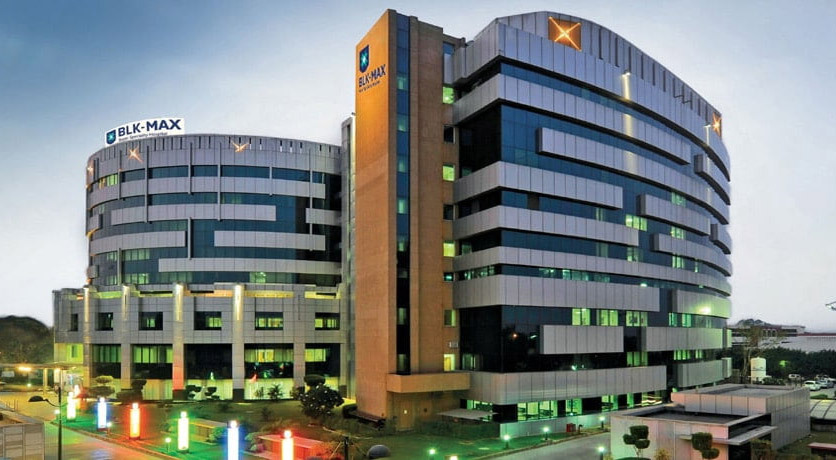
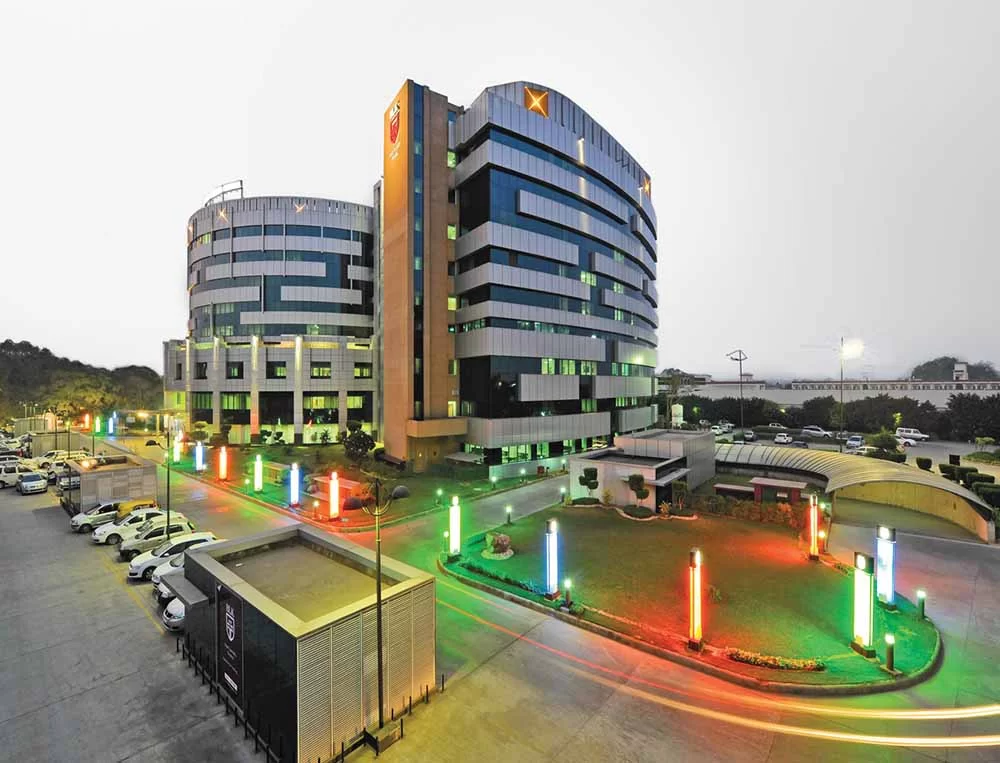
Hospital de súper especialidades BLK-Max, Nueva Delhi
PLATINUM
Ver detalles

Hospital de súper especialidades BLK-Max, Nueva Delhi

Nueva Delhi, India

El BLK-Max Super Specialty Hospital de Nueva Delhi es una de las principales instituciones sanitarias de la India y ofrece 650 camas, 22 quirófanos av...

Multi-specialty
Establecido 1959
650 camas
Acreditaciones
Joint Commission International (JCI)
National Accreditation Board for Hospitals & Healthcare Providers (NABH)
Instalaciones
+13
Instituto de Investigación Fortis Memorial (FMRI), Gurgaon
PLATINUM
Ver detalles

Instituto de Investigación Fortis Memorial (FMRI), Gurgaon

Gurgaon, India

Fortis Memorial Research Institute (FMRI), Gurgaon, es un hospital de múltiples especialidades de clase mundial establecido en 2013. El hospital ofrec...

Multi-specialty
Establecido 2013
330 camas
Acreditaciones
Joint Commission International (JCI)
National Accreditation Board for Hospitals & Healthcare Providers (NABH)
Instalaciones
+13
Hospital Artemisa, Gurgaon
PLATINUM
Ver detalles

Hospital Artemisa, Gurgaon

Gurgaon, India

Artemis Hospital, Gurgaon, es un hospital multiespecializado acreditado por la JCI que se estableció en 2007. Ofrece más de 750 camas e infraestructur...

Multi-specialty
Establecido 2007
750 camas
Acreditaciones
Joint Commission International (JCI)
National Accreditation Board for Hospitals & Healthcare Providers (NABH)
International Organization for Standardization (ISO)
Instalaciones
+13
Hospital Kokilaben Dhirubhai Ambani, Bombay
PLATINUM
Ver detalles

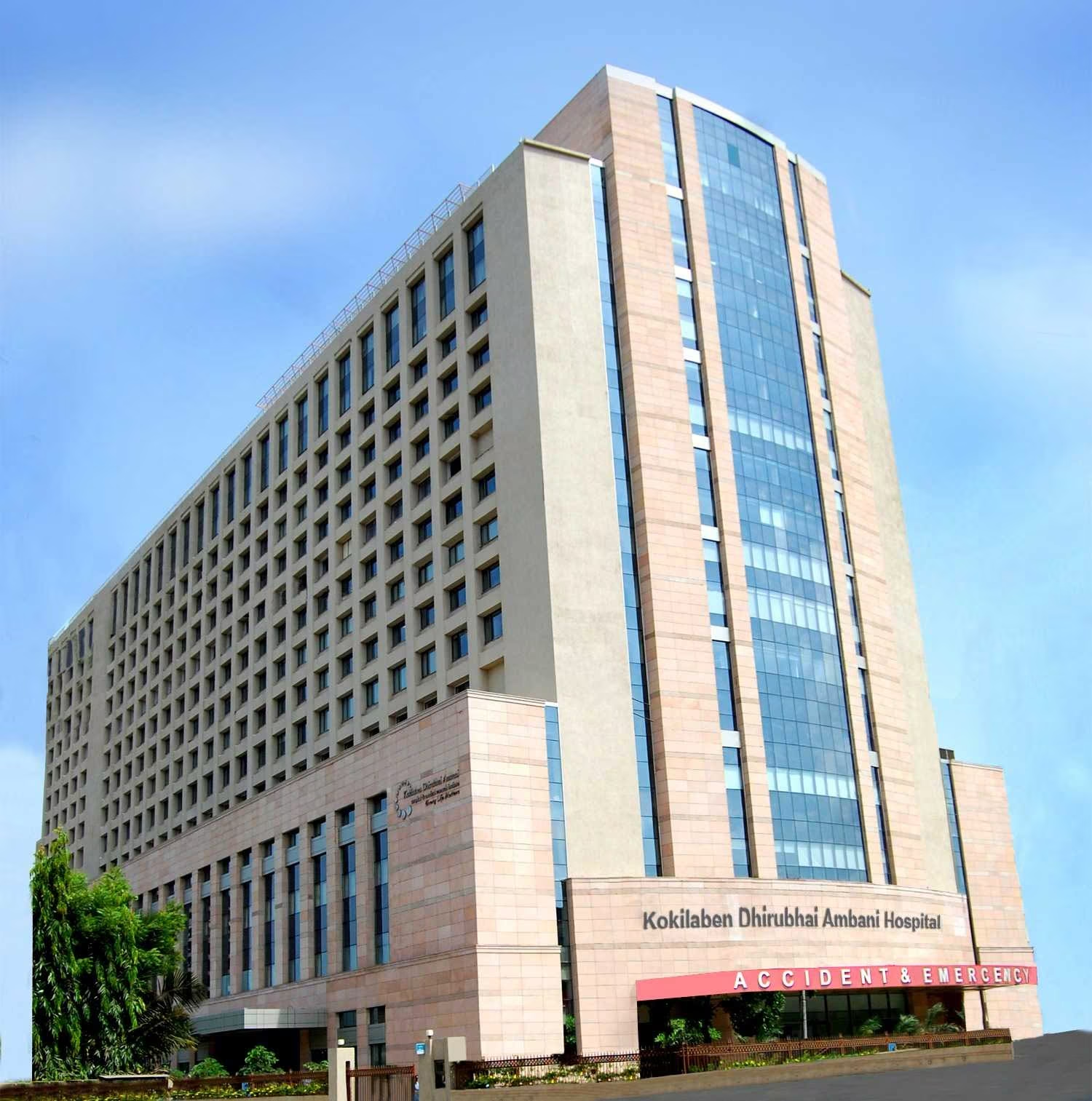
Hospital Kokilaben Dhirubhai Ambani, Bombay

Bombay, India

El Hospital Kokilaben Dhirubhai Ambani, Mumbai, es un hospital de atención cuaternaria acreditado por JCI, NABH, NABL y CAP establecido en 2009. Con 7...

Multi-specialty
Establecido 2009
750 camas
Acreditaciones
Joint Commission International (JCI)
National Accreditation Board for Hospitals & Healthcare Providers (NABH)
International Organization for Standardization (ISO)
Instalaciones
+13
Hospitales Medicover, ciudad de Hitech, Hyderabad
PLATINUM
Ver detalles

Hospitales Medicover, ciudad de Hitech, Hyderabad

Hyderabad, India

Medicover Hospitals, Hitech City, Hyderabad, es un hospital de súper especialidades acreditado por NABH con 400 camas y establecido en 2011. Es parte ...

Multi-specialty
Establecido 2011
400 camas
Acreditaciones
National Accreditation Board for Hospitals & Healthcare Providers (NABH)
Joint Commission International (JCI)
Instalaciones
+13

Doctores relacionados

Conéctese con médicos y especialistas médicos experimentados en este campo.

Dr. A.S. Esin Corkut

Dr. A.S. Esin Corkut

Consultant

28 Años de experiencia
Ver detalles
Dr. Ziyaettin Durakoğlu

Dr. Ziyaettin Durakoğlu

Consultant

24 Años de experiencia
Ver detalles
Dr. Ananda Mandal

Dr. Ananda Mandal

Consultant

27 Años de experiencia
Ver detalles
Dr. Debashish Mukherjee

Dr. Debashish Mukherjee

Senior Consultant
32 Años de experiencia
Ver detalles
Dr. Indranil Khan

Dr. Indranil Khan

Consultant

8 Años de experiencia
Ver detalles
Dr. Pradip Chakrabarti

Dr. Pradip Chakrabarti

Head of Department (HOD)

45 Años de experiencia
Ver detalles

Artículos relacionados

Explore más artículos e ideas sobre temas de salud similares.
¿Es segura la cirugía de columna en el extranjero?
Medical Tourism

¿Es segura la cirugía de columna en el extranjero?

2/4/2026, 1:32:33 PM
8 min read
Los trastornos de la columna afectan a millones de pacientes en todo el mundo. Condiciones como hernia discal, estenosis espinal y enfermedad degenera...
Leer más
Cómo prepararse para un trasplante de órganos en el extranjero: lista de verificación médica, legal y de viaje

Medical Tourism

Cómo prepararse para un trasplante de órganos en el extranjero: lista de verificación médica, legal y de viaje

2/4/2026, 1:03:37 PM
7 min read
Trasplante de órganosrequiere una planificación cuidadosa en cada etapa. Cuando los pacientes viajan al extranjero para someterse a una cirugía de tra...
Leer más
Los mejores países para el trasplante de órganos: una guía para 2026 sobre costos, tiempos de espera y requisitos legales
Medical Tourism

Los mejores países para el trasplante de órganos: una guía para 2026 sobre costos, tiempos de espera y requisitos legales

2/4/2026, 9:05:33 AM
7 min read
La demanda mundial decirugia de trasplante de organossigue aumentando cada año. Millones de pacientes viven con insuficiencia orgánica terminal, pero ...
Leer más
Back Pain or Something More? When Does a Spine Tumor Require Surgery?

Medical Tourism

Back Pain or Something More? When Does a Spine Tumor Require Surgery?

1/3/2026, 12:51:20 PM
9 min read
Cuando un diagnóstico afecta a la columna, la primera pregunta casi siempre es:'¿Todavía podré caminar?'En 2026, la atención de los tumores de columna...
Leer más
¿Cuánto tiempo se puede vivir después de un trasplante de órganos?

Medical Tourism

¿Cuánto tiempo se puede vivir después de un trasplante de órganos?

1/3/2026, 12:19:15 PM
7 min read
Cuando te dicen que necesitas untrasplante, la primera pregunta que te surge suele ser la más difícil de formular:¿Cuánto tiempo me dará esto?   Las...
Leer más
¿Quién puede recibir un trasplante de órganos en la India? Reglas de elegibilidad explicadas

Medical Tourism

¿Quién puede recibir un trasplante de órganos en la India? Reglas de elegibilidad explicadas

1/3/2026, 12:00:36 PM
7 min read
La insuficiencia orgánica sigue siendo un desafío de salud mundial creciente. La enfermedad renal crónica afecta a millones de personas en todo el mun...
Leer más
Dr. Deepanshu Siwach

Redactor médico sénior

Sr. Medical Content Writer Qonaq Health and Wellness
Doctor of Pharmacy

El Dr. Deepanshu Siwach es un farmacéutico clínico experimentado con un título de Doctor en Farmacia. Tiene más de 4 años de experiencia y ha trabajado con miles de pacientes. Ha estado asociado con... Leer más

Nuestro sitio web usa cookies. política de privacidad.