
IVF Treatment Cost in India
About IVF Treatment
What is Infertility?
Infertility is a medical condition in which a couple is unable to achieve pregnancy after 12 months of regular, unprotected sexual intercourse. For women over the age of 35, this period is reduced to 6 months, as fertility naturally declines with age. The condition can affect both men and women, and in many situations, it is the result of factors from both partners.
In women, infertility may be caused by blocked fallopian tubes, endometriosis, uterine abnormalities, ovulation disorders, or diminished ovarian reserve. In men, it can be linked to low sperm count, reduced sperm motility, abnormal sperm shape, hormonal imbalances, or genetic factors.
Early diagnosis is essential, as timely treatment improves the chances of success. With advancements in reproductive medicine, including IVF (In Vitro Fertilization), IUI (Intrauterine Insemination), and genetic screening, many couples are now able to achieve their dream of parenthood despite complex challenges.
As per the reports of the World Health Organization (WHO), approximately 1 in 6 adults worldwide are affected by infertility, making it not only a personal issue but also a global health concern that demands awareness and access to effective treatment options.
What is IVF?
In Vitro Fertilization (IVF) is one of the most widely used and successful fertility treatments in modern medicine. It involves fertilizing an extracted egg with sperm outside the body in a lab, then transferring the resulting embryo into the uterus to attain pregnancy.
Globally, IVF has transformed the landscape of infertility care. As of 2024, medical research estimates that between 13 and 17 million babies have been born through IVF, with success rates averaging 50–60% for women under 35. These rates decrease with age but continue to improve thanks to innovations like time-lapse embryo imaging, preimplantation genetic testing (PGT), and refined cryopreservation techniques.
Who Needs IVF?
IVF is recommended for individuals and couples who face fertility challenges that cannot be resolved with simpler treatments. It is also an option for those who wish to preserve their fertility for the future.
Couples may be advised to consider IVF when:
- Fallopian tubes are blocked or damaged, preventing natural fertilization.
- Male infertility factors, such as low sperm count, poor motility, or abnormal sperm shape, limit natural conception.
- Ovulation disorders reduce the number or quality of eggs released each month.
- Endometriosis affects reproductive anatomy or egg quality.
- Unexplained infertility persists despite normal test results and attempts with other treatments like IUI.
- Advanced maternal age reduces the chance of pregnancy naturally.
IVF also plays a role in:
- Fertility preservation for individuals undergoing treatments like chemotherapy that may damage reproductive cells.
- Single parents and same-sex couples who require donor eggs, donor sperm, or surrogacy.
- Genetic condition prevention through preimplantation genetic testing (PGT) to avoid passing on hereditary disorders.
How is IVF Treatment Done?
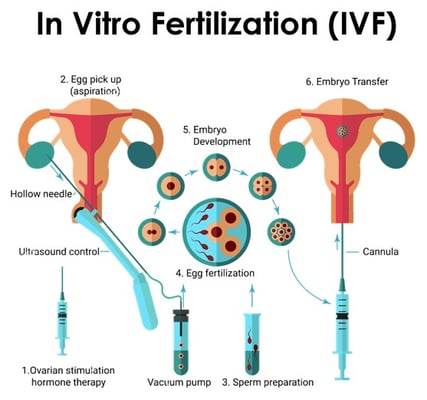
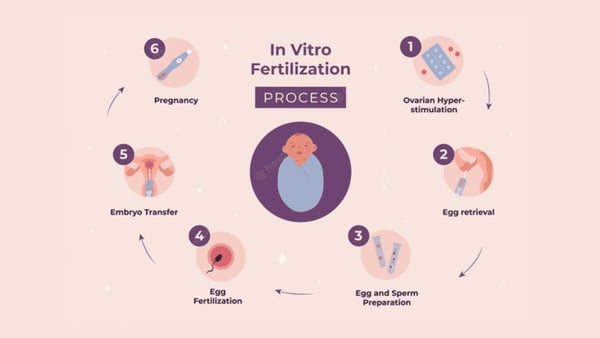
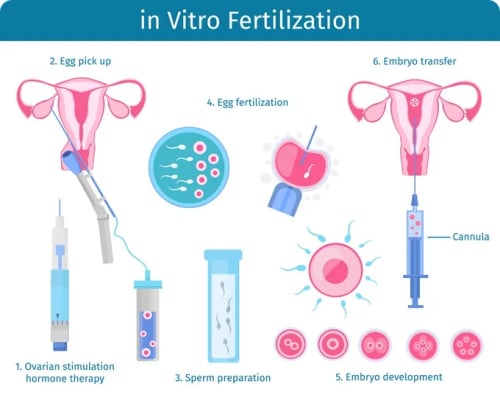
IVF is a step-by-step process designed to help overcome a wide range of fertility challenges. The goal is simple: create a healthy embryo in the laboratory and transfer it into the uterus for implantation.
- The process begins with a personalized fertility assessment. Doctors review medical history, perform hormonal blood tests, and check the reproductive organs using ultrasound or other imaging. Fertility assessment helps identify any issues that may affect treatment outcomes.
- Once the assessment is complete, ovarian stimulation starts. The patient takes hormone injections to activate the ovaries to produce many mature eggs in a single cycle. Monitoring through blood tests and scans ensures that egg development is progressing as planned.
- When the eggs are ready, a minor procedure called egg retrieval is performed under sedation. On the same day, sperm are collected from the partner or donor. In the lab, the eggs and sperm are fused, either through standard insemination or advanced techniques like ICSI (Intracytoplasmic Sperm Injection), to promote fertilization.
- The resulting embryos are closely monitored for several days. Embryologists select the healthiest embryos for transfer to the uterus, aiming to maximize the chances of implantation. Remaining viable embryos (if any) can be frozen for future attempts.
The process concludes with a pregnancy test approximately two weeks after the transfer. If successful, the patient continues with early pregnancy care, ensuring a smooth transition to regular prenatal follow-up.
What are the Different Types of IVF Procedures?
Modern IVF is not a one-size-fits-all treatment. Specialists adapt the approach based on the patient’s medical condition, fertility goals, and available resources. Here are the main variations:
- Standard IVF: This is the most common approach, where eggs and sperm are combined in a petri dish and left to fertilize naturally. It works best when sperm quality is adequate and no severe male factor infertility exists.
- IVF with ICSI (Intracytoplasmic Sperm Injection): In this method, an embryologist injects a single healthy sperm directly into each mature egg. ICSI is recommended for cases of low sperm count, poor motility, or previous fertilization failures.
- IVF with Donor Eggs: Used when a woman’s own eggs are not healthy due to age, poor ovarian reserve, or genetic concerns. Eggs from a screened donor are fertilized with the partner’s or donor sperm and put into the intended mother’s uterus.
- IVF with Donor Sperm: Chosen when male infertility is severe or when a single woman or a same-sex female couple wishes to conceive. Donor sperm is sourced from certified sperm banks and used for fertilization.
- IVF with Surrogacy: Involves transferring embryos into the uterus of a gestational carrier who will fulfil the pregnancy on behalf of the original parents. It is often used when medical conditions prevent the intended mother from carrying a baby.
- Frozen Embryo Transfer (FET): Embryos created in a previous IVF cycle are frozen and later thawed for transfer. FET can be scheduled for a later date, offering flexibility and often reducing the physical and emotional strain of back-to-back cycles.
- IVF with PGT/PGS (Preimplantation Genetic Testing/Screening): This advanced technique screens embryos for genetic abnormalities prior to transfer, increasing the likelihood of a healthy pregnancy and reducing the chances of inherited disorders.
IVF Procedure Timeline
An IVF cycle follows a structured sequence that typically spans 4–6 weeks from start to embryo transfer. The exact duration of the complete cycle can vary depending on individual treatment plans.
- Step 1: Pre-Treatment Evaluation (Days 1–7): Fertility specialists conduct hormonal blood tests, pelvic ultrasound scans, and semen analysis. The goal is to identify any hurdles to conception and prepare a tailored stimulation plan.
- Step 2: Ovarian Stimulation (Days 8–14): The patient begins daily hormone injections to encourage the ovaries to produce multiple mature eggs. Regular monitoring through ultrasound and blood work ensures optimal follicle growth.
- Step 3: Egg Retrieval (Day 15): When follicles reach the right size, a minor surgical procedure is done to collect the eggs. It typically takes 20–30 minutes and requires only a short recovery period.
- Step 4: Fertilization and Embryo Culture (Days 15–20): Eggs are fertilized with sperm using standard IVF or ICSI. Embryologists monitor the embryos for 3–5 days, assessing their development and selecting the healthiest ones for transfer.
- Step 5: Embryo Transfer (Days 18–22): One or more embryos are placed into the uterus through a painless procedure. Remaining healthy and viable embryos can be frozen for future use.
- Step 6: Pregnancy Test (Around Day 35): A blood test is conducted about two weeks after embryo transfer to confirm pregnancy. If positive, the patient begins early prenatal care and monitoring.
Get a Free Treatment Plan
About IVF Treatment in India
What is the Cost of IVF Treatment in India?
The cost of IVF treatment in India generally ranges between $1,600 and $3,700 per cycle. The variation depends on the clinic’s expertise, technology used, medications prescribed, and the complexity of the patient’s case. Compared to other countries, this cost is significantly lower without compromising the quality of care.
When evaluating the price, it’s essential to know what is included and what may require additional payment. It helps patients plan their finances more accurately and avoid unexpected expenses.
Inclusions
The quoted IVF cost usually covers:
- Initial specialist consultations and follow-up visits during the treatment cycle.
- Hormonal medications for ovarian stimulation within standard dosage limits.
- Ultrasound scans and blood tests for monitoring egg development.
- Egg retrieval procedure under sedation.
- Laboratory fertilization (standard IVF or ICSI, if included in the package).
- Embryo culture and selection.
- Single fresh embryo transfer procedure.
- Basic hospital and nursing charges during procedures.
Exclusions
Additional costs may apply for:
- Donor eggs or donor sperm procurement.
- Embryo freezing and storage fees.
- Preimplantation Genetic Testing (PGT) or Preimplantation Genetic Screening (PGS).
- Surrogacy arrangements and related legal services.
- High-dose or extended-use hormonal medications beyond the standard package.
- Travel, accommodation, and personal expenses for outstation or international patients.
IVF Cost Breakdown
The cost of a standard IVF cycle in India generally falls between ₹1,30,000 and ₹3,00,000 (approximately $1,600 – $3,700). The price typically includes specialist consultations, ovarian stimulation medications, monitoring scans and tests, egg retrieval, laboratory fertilization, embryo culture, and embryo transfer. Medication expenses usually account for 35–40% of the total cost, while procedures and laboratory work make up the rest. Optional services like ICSI, donor eggs/sperm, genetic testing, and embryo freezing add extra charges.
Expense Component | Average Cost (INR) | Average Cost (USD) |
| Initial Consultation & Follow-ups | 8,000 – 15,000 | 100 – 180 |
| Ovarian Stimulation Medications | 45,000 – 90,000 | 550 – 1,100 |
| Ultrasound & Blood Monitoring | 15,000 – 30,000 | 180 – 360 |
| Egg Retrieval Procedure | 25,000 – 50,000 | 300 – 620 |
| Laboratory Fertilization (IVF) | 20,000 – 40,000 | 250 – 500 |
| Embryo Culture and Selection | 10,000 – 25,000 | 125 – 310 |
| Fresh Embryo Transfer | 7,000 – 15,000 | 90 – 180 |
| Total Estimated Cost (Per Cycle) | 1,30,000 – 3,00,000 | 1,600 – 3,700 |
Add-on Costs (if applicable):
- Donor Eggs or Donor Sperm: +INR 80,000 – 1,60,000 (USD 1,000 – 2,000)
- ICSI Procedure (if not included): +INR 40,000 – 80,000 (USD 500 – 1,000)
- Preimplantation Genetic Testing (PGT/PGS): +INR 1,20,000 – 2,00,000 (USD 1,500 – 2,500)
- Embryo Freezing and Annual Storage: +INR 40,000 – 64,000 (USD 500 – 800)
IVF Cost Comparison with Other Countries
IVF treatment in India is considerably more affordable than in many developed nations, while maintaining comparable success rates and medical standards. The average cost in India ranges from ₹1,30,000 to ₹3,00,000 (USD 1,600 – 3,700) per cycle, which is often less than one-third of the price in the United States, the United Kingdom, or Australia. Lower operational expenses, competitive medical infrastructure, and experienced fertility specialists contribute to the reduced cost without compromising quality.
Country | Average Cost per Cycle (Local Currency) | Approx. Cost in USD |
| India | INR 1,30,000 – 3,00,000 | 1,600 – 3,700 |
| United States | USD 12,000 – 15,000 | 12,000 – 15,000 |
| United Kingdom | £6,000 – £8,000 | 7,500 – 10,000 |
| Australia | AUD 8,000 – 10,000 | 5,200 – 6,500 |
| UAE | AED 25,000 – 35,000 | 6,800 – 9,500 |
This significant difference in cost is one of the main reasons why India has become a preferred destination for international patients seeking IVF treatment.
What are the Factors Affecting IVF Cost in India?
The cost of IVF treatment varies for each patient due to medical, procedural, and logistical factors. Knowing these influences helps couples budget more accurately and compare clinics fairly.
- Type of IVF Procedure: A standard IVF cycle is less expensive than advanced variations like ICSI, IVF with donor gametes, or IVF with PGT/PGS. Each additional step requires more specialized laboratory work and expertise, which increases the total cost.
- Number of Cycles Required: Some partners conceive in the first attempt, while others may need more than one cycle to achieve pregnancy. Each additional cycle adds to the overall expense.
- Age and Fertility Health: Younger women, especially those under 35, generally respond better to ovarian stimulation and have higher success rates, reducing the likelihood of repeated cycles. Age-related declines in egg quality can increase medication needs and lower success rates, indirectly raising costs.
- Medication Dosage and Duration: The amount and type of fertility drugs required vary depending on ovarian reserve, hormone levels, and treatment response. Higher doses or extended stimulation periods increase expenses.
- Use of Donor Eggs, Sperm, or Embryos: Sourcing donor material adds procurement, screening, and legal costs to the treatment package.
- Laboratory Technology and Quality: Clinics with advanced facilities (such as time-lapse embryo monitoring, high-grade incubators, and advanced culture media) often charge more due to better technology and higher operating costs.
- Additional Services: Preimplantation genetic testing, embryo freezing, surrogacy arrangements, and legal services add separate charges that can significantly increase the final bill.
- Hospital/Clinic Category: Premium fertility centers in metropolitan cities usually charge more than smaller clinics in less urban areas because of overheads, equipment standards, and brand reputation.
Why Choose India for IVF?
You get experienced fertility specialists, many with international training and high procedural volumes that translate into refined protocols and consistent outcomes. Clinics use modern embryology labs with HEPA-filtered clean rooms, time‑lapse incubators, and validated culture media to protect embryo quality.
Centers offer comprehensive care under one roof (diagnostics, stimulation, retrieval, embryology, genetic testing (PGT), freezing, and counseling), so you move through each step without delays. Teams follow global standards for lab validation, quality control, and infection prevention, and share audited success data to support informed decisions.
Patients benefit from personalized stimulation plans, embryo grading by senior embryologists, single-embryo transfer where appropriate, and evidence-based add-ons only when indicated. For complex cases, clinics provide ICSI, surgical sperm retrieval, donor programs, and surrogacy pathways in line with current regulations.
International patients find streamlined coordination: medical visas support, language assistance, transparent quotations, and flexible scheduling for working couples. Post‑treatment, clinics maintain follow‑up with teleconsults, medication guidance, and early pregnancy monitoring to ensure continuity of care.
What is the Success Rate of IVF in India?
IVF success rates in India have steadily improved over the past decade due to advancements in reproductive technology, better embryo culture techniques, and personalized treatment planning. The outcome of each cycle depends on several factors, including the woman’s age, the cause of infertility, and the clinic’s expertise.
For women under 35, the average live birth rate per IVF cycle in India is around 50–60%. The success rate drops to 35–40% for women aged 35–37, 25–30% for those aged 38–40, and 10–15% for women above 40. Male fertility factors, embryo quality, and overall health also influence these percentages.
Techniques like ICSI, time-lapse embryo monitoring, and Preimplantation Genetic Testing (PGT) have further boosted results, especially in complex cases. Additionally, the use of donor eggs in older patients can raise success rates to levels comparable with younger age groups.
It’s important to understand that while IVF offers high chances of success, no treatment can guarantee pregnancy. Success rates improve when patients follow their specialist’s medical advice, maintain a healthy lifestyle, and select a clinic with proven results and modern facilities.
IVF Treatment Cost Comparison by Country
Compare IVF Treatment costs across different countries to make an informed decision about your medical treatment.
| Country | Cost Range (USD) | Potential Savings | Action |
|---|---|---|---|
IndiaCurrentBest Value | $1,600 - $3,700 | — | Get Quote |
Note: Costs may vary based on hospital choice, room type, additional services, and individual medical requirements. Contact us for a personalized quote.
Leading Hospitals for IVF Treatment in India

BLK-Max Super Speciality Hospital, New Delhi
BLK-Max Super Speciality Hospital in New Delhi is one of India's premier healthcare institutions, offering 650 beds, 22 advanced operation theatres, a...
Accreditations


Facilities

Max Smart Super Speciality Hospital, Saket, New Delhi
Max Smart Super Speciality Hospital, Saket, is a 250-bed tertiary care hospital in South Delhi. It offers advanced medical and surgical care across 22...
Accreditations
Facilities

PSRI Hospital, Delhi
Pushpawati Singhania Research Institute (PSRI Hospital), New Delhi, is a leading multi-specialty tertiary care hospital established in 1996 by the JK ...
Accreditations
Facilities
Similar Procedures
Gallery
FAQ


Our website uses cookies. By clicking on accept you give your consent to the use of cookies as per our Privacy Policy.