
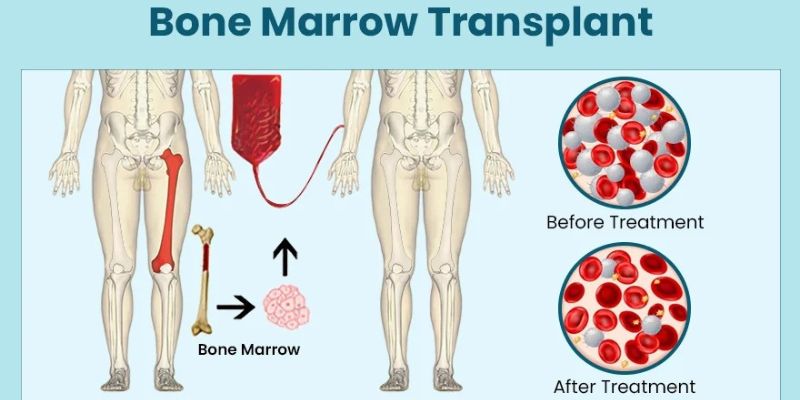
ការប្តូរខួរឆ្អឹងខ្នង - BMT តម្លៃក្នុង ប្រទេសឥណ្ឌា
អមបី ការប្តូរខួរឆ្អឹងខ្នង - BMT
តើការប្តូរខួរឆ្អឹងជាអ្វី?
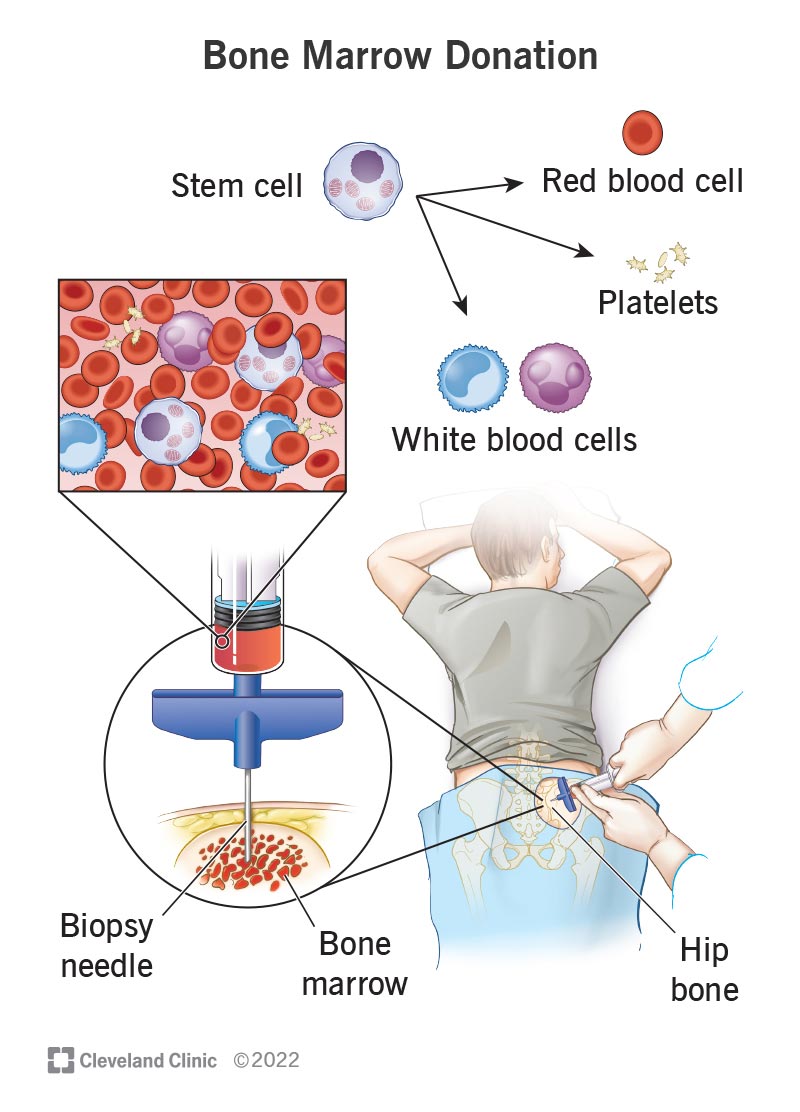
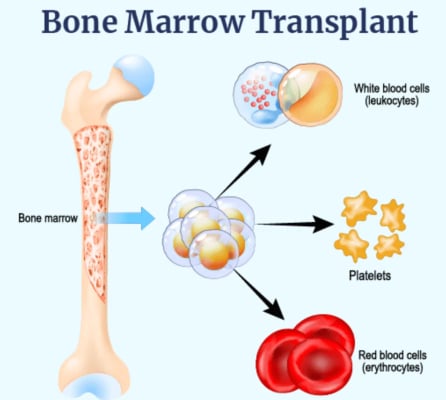
ការប្តូរខួរឆ្អឹង អក្សរកាត់ថា BMT គឺជាវិធីព្យាបាលជំនួសខួរឆ្អឹងមិនមានសុខភាពល្អ ឬខូចជាមួយនឹងកោសិកាដើមបង្កើតឈាមដែលមានសុខភាពល្អ។ ខួរឆ្អឹងគឺជាជាលិកាទន់ និងអេប៉ុងដែលរកឃើញនៅក្នុងឆ្អឹងរបស់យើង។ វាដំណើរការដូចរោងចក្រផលិតកោសិកាឈាមក្រហម កោសិកាឈាមស និងប្លាកែត (សមាសធាតុសំខាន់ៗនៃឈាម)។
នៅពេលដែលខួរឆ្អឹងឈប់ដំណើរការបានត្រឹមត្រូវ (ដោយសារជំងឺដូចជាមហារីកឈាម លក្ខខណ្ឌហ្សែន ឬការឆ្លងមេរោគមួយចំនួន) វាមិនអាចបង្កើតកោសិកាឈាមដែលមានសុខភាពល្អបានទៀតទេ។ នោះហើយជាពេលដែលការប្តូរខួរឆ្អឹងក្លាយជាចាំបាច់។
តើវាដំណើរការយ៉ាងដូចម្តេច?
ដំណើរការប្តូរសរីរាង្គពាក់ព័ន្ធដំបូងគេយកកោសិកាដែលមិនល្អ ឬមហារីកចេញនៅក្នុងខួរឆ្អឹង ដោយប្រើការព្យាបាលដោយគីមី ឬវិទ្យុសកម្ម។ នៅពេលដែលរាងកាយរួចរាល់។កោសិកាដើមដែលមានសុខភាពល្អត្រូវបានបញ្ចូលចូលទៅក្នុងចរន្តឈាម។ កោសិកាថ្មីទាំងនេះធ្វើដំណើរទៅកាន់លំហខួរឆ្អឹង ហើយចាប់ផ្តើមបង្កើតកោសិកាឈាមដែលមានសុខភាពល្អ (ដំណើរការហៅថាការឆ្លាក់).
គិតថាវាជាចាប់ផ្តើមប្រព័ន្ធបង្កើតឈាមក្នុងខ្លួនរបស់អ្នកឡើងវិញស្រដៀងនឹងការកំណត់កុំព្យូទ័រឡើងវិញដើម្បីជួសជុលកំហុសជ្រៅ។
ហេតុអ្វីបានជា Stem Cells សំខាន់ម៉្លេះ?
កោសិកាដើមគឺជាកោសិកាពិសេសដែលអាចវិវត្តទៅជាកោសិកាឈាមណាមួយដែលរាងកាយអ្នកត្រូវការ។ នៅក្នុង BMT យើងប្រើកោសិកាដើមទាំងនេះដើម្បីបង្កើតឡើងវិញនូវឈាម និងប្រព័ន្ធការពាររាងកាយដែលមានសុខភាពល្អ។ បើគ្មានកោសិកាដើមដែលដំណើរការគ្រប់គ្រាន់ រាងកាយមិនអាចប្រឆាំងនឹងការឆ្លងមេរោគ ផ្ទុកអុកស៊ីហ្សែន ឬបញ្ឈប់ការហូរឈាមបានទេ។
តើកោសិកាដើមទាំងនេះមកពីណា?
កោសិកាដើមដែលប្រើក្នុងការប្តូរខួរឆ្អឹងអាចមកពីប្រភពផ្សេងៗគ្នា៖
- រាងកាយរបស់អ្នក (ការប្តូរស្វ័យប្រវត្តិ)៖ក្នុងករណីខ្លះ កោសិកាដើមត្រូវបានប្រមូលពីឈាមរបស់អ្នកមុនពេលព្យាបាលដោយគីមី ហើយផ្តល់មកវិញបន្ទាប់ពីការព្យាបាល។
- អ្នកបរិច្ចាគ (ការប្តូរអាឡែហ្សី)៖សម្រាប់ជំងឺមួយចំនួន ជម្រើសដ៏ល្អបំផុតគឺត្រូវប្រើកោសិកាដើមពីអ្នកផ្តល់ជំនួយដែលមានសុខភាពល្អ។ វាអាចជាបងប្អូនបង្កើត ម្ចាស់ជំនួយដែលមិនទាក់ទងគ្នា ឬសូម្បីតែសមាជិកគ្រួសារពាក់កណ្តាលដែលត្រូវគ្នា។
- ឈាមទងផ្ចិត៖ក្នុងករណីពិសេស កោសិកាដើមអាចមកពីឈាមដែលបរិច្ចាគពីទងផ្ចិតដែលប្រមូលបានពីកំណើត។
តើអ្វីធ្វើឱ្យការផ្គូផ្គងមានសារៈសំខាន់?
នៅក្នុងការប្តូរដោយផ្អែកលើអ្នកបរិច្ចាគ (Allogeneic BMT)ការផ្គូផ្គង HLAគឺជាគន្លឹះ។ HLA ឬ Human Leukocyte Antigen គឺជាសញ្ញាសម្គាល់ហ្សែនដែលប្រើដើម្បីផ្គូផ្គងអ្នកផ្តល់ជំនួយ និងអ្នកទទួលសម្រាប់គោលបំណងប្តូរ។ ការប្រកួតកាន់តែកៀកមានន័យថាមានផលវិបាកតិចជាងមុន និងឱកាសជោគជ័យកាន់តែប្រសើរ។
ហេតុអ្វីបានជាត្រូវការការប្តូរខួរឆ្អឹង?
ការប្តូរខួរឆ្អឹងមិនមែនជាអ្វីដែលមនុស្សត្រូវការប្រចាំថ្ងៃនោះទេ។ វាជាការព្យាបាលដ៏សំខាន់ដែលជាធម្មតាត្រូវបានណែនាំនៅពេលដែលខួរឆ្អឹងរបស់មនុស្សមិនអាចបង្កើតកោសិកាឈាមដែលមានសុខភាពល្អ ឬនៅពេលដែលកោសិកាឈាមខ្លួនឯងមានភាពមិនប្រក្រតី។ វាអាចកើតឡើងដោយសារតែជាក់លាក់មហារីកឈាម ជំងឺហ្សែន ឬជំងឺខួរឆ្អឹង.
ខាងក្រោមនេះគឺជាលក្ខខណ្ឌទូទៅបំផុតដែល BMT អាចជាការសង្គ្រោះជីវិត ឬផ្លាស់ប្តូរជីវិត។
- ជំងឺមហារីកឈាមគឺជាប្រភេទមហារីកឈាម ដែលខួរឆ្អឹងផលិតកោសិកាឈាមសខុសប្រក្រតី ដែលលូតលាស់មិនអាចគ្រប់គ្រងបាន និងប្រមូលផ្តុំកោសិកាដែលមានសុខភាពល្អ។ ការប្តូរខួរឆ្អឹងអាចជំនួសខួរឆ្អឹងដែលពោរពេញដោយមហារីកជាមួយនឹងកោសិកាដើមថ្មីដែលមានសុខភាពល្អ អាចជួយអ្នកជំងឺឱ្យជាសះស្បើយ និងគ្មានជំងឺមហារីក។
- ជំងឺមហារីកកូនកណ្តុរប៉ះពាល់ដល់ប្រព័ន្ធឡាំហ្វាទិចដែលជាធាតុផ្សំនៃប្រព័ន្ធភាពស៊ាំ។ នៅក្នុងករណីធ្ងន់ធ្ងរ ឬធូរស្រាលនៃជំងឺមហារីកកូនកណ្តុរ ជាពិសេសជំងឺមហារីកកូនកណ្តុររបស់ Hodgkin និងមិនមែន Hodgkin, BMT ត្រូវបានប្រើដើម្បីកសាងប្រព័ន្ធការពារឡើងវិញបន្ទាប់ពីការព្យាបាលដោយប្រើគីមីដែលពឹងផ្អែកខ្លាំង។
- ជំងឺ myeloma ច្រើន។គឺជាប្រភេទមហារីកដែលប៉ះពាល់ដល់កោសិកាប្លាស្មា។ ចំពោះអ្នកជំងឺជាច្រើន ការប្តូរស្វ័យប្រវត្តិ (ដោយប្រើកោសិកាដើមផ្ទាល់របស់អ្នកជំងឺ) ជួយគ្រប់គ្រងជំងឺនេះ និងពង្រីកការរស់រានមានជីវិត។
- ភាពស្លេកស្លាំង Aplasticគឺជាស្ថានភាពដែលខួរឆ្អឹងខ្នងឈប់ផលិតកោសិកាឈាមគ្រប់គ្រាន់ទាំងអស់គ្នា។ វាអាចបណ្តាលមកពីប្រព័ន្ធភាពស៊ាំរបស់រាងកាយវាយលុកខួរឆ្អឹងខ្នង ថ្នាំជាក់លាក់ ឬមូលហេតុមិនច្បាស់លាស់។ ការប្តូរអ្នកបរិច្ចាគ (Allogeneic BMT) អាចជំនួសខួរឆ្អឹងដែលមិនដំណើរការដោយកោសិកាដើមដែលមានសុខភាពល្អ។
- ថាឡាសស៊ីម៉ាគឺជាជំងឺឈាមហ្សែនដែលរាងកាយមិនអាចផលិតអេម៉ូក្លូប៊ីនធម្មតា ដែលនាំឱ្យមានភាពស្លេកស្លាំងធ្ងន់ធ្ងរ។ កុមារដែលមានជំងឺ thalassemia ច្រើនតែត្រូវការការបញ្ចូលឈាមជាប្រចាំ។ BMT គឺជាការព្យាបាលដែលគេស្គាល់តែមួយគត់សម្រាប់ស្ថានភាពនេះ ជាពិសេសចំពោះអ្នកជំងឺវ័យក្មេង។
- ជំងឺកោសិកាគឺជាលក្ខខណ្ឌតំណពូជដែលបណ្តាលឱ្យ RBCs ក្លាយទៅជាទម្រង់ខុសប្រក្រតី (រាងដូចម្ជុល) ដែលបណ្តាលឱ្យមានការស្ទះ ការឈឺចាប់ និងការខូចខាតសរីរាង្គ។ BMT ជោគជ័យអាចព្យាបាលជម្ងឺកោសិកាដោយផ្តល់ឱ្យអ្នកជំងឺនូវកោសិកាដើមថ្មីដែលផលិតកោសិកាឈាមក្រហមដែលមានរាងធម្មតា។
- លក្ខខណ្ឌតំណពូជដ៏កម្រ(ដូចជាភាពស្លេកស្លាំង Fanconi, SCID (Severe Combined Immunodeficiency) និងបញ្ហាប្រព័ន្ធរំលាយអាហារ ឬប្រព័ន្ធការពាររាងកាយមួយចំនួន) ក៏អាចត្រូវបានព្យាបាល ឬព្យាបាលតាមរយៈការប្តូរខួរឆ្អឹង ជាពិសេសប្រសិនបើត្រូវបានធ្វើរួចនៅវ័យក្មេង។
តើអ្វីទៅជាប្រភេទការប្តូរខួរឆ្អឹងខុសគ្នា?
វេជ្ជបណ្ឌិតជ្រើសរើសប្រភេទនៃការប្តូរខួរឆ្អឹងដោយផ្អែកលើជំងឺរបស់អ្នកជំងឺ អាយុ សុខភាពទូទៅ និងលទ្ធភាពនៃអ្នកបរិច្ចាគដែលសមរម្យ។ ប្រភេទនីមួយៗប្រើកោសិកាដើមដែលមានសុខភាពល្អ ប៉ុន្តែប្រភពរបស់ពួកគេអាចខុសគ្នា។
ការប្តូរខួរឆ្អឹងដោយស្វ័យប្រវត្តិ
នៅក្នុងការប្តូរស្វ័យប្រវត្តិ វេជ្ជបណ្ឌិតប្រមូល និងថែរក្សាកោសិកាដើមរបស់អ្នកជំងឺ មុនពេលចាប់ផ្តើមការព្យាបាលដោយប្រើគីមីកម្រិតខ្ពស់ ឬវិទ្យុសកម្ម។ នៅពេលដែលការព្យាបាលបានបញ្ចប់ ពួកគេបញ្ចូលកោសិកាដើមឡើងវិញ ដើម្បីជួយឱ្យរាងកាយងើបឡើងវិញ។ Autologous BMT ត្រូវបានគេប្រើជាទូទៅសម្រាប់ជំងឺមហារីកដូចជា lymphoma និង myeloma ច្រើន ដែលខួរឆ្អឹងរបស់អ្នកជំងឺនៅតែមានសុខភាពល្អ និងអាចដំណើរការបាន។
- អត្ថប្រយោជន៍សំខាន់ៗ៖រាងកាយរបស់អ្នកជំងឺទំនងជាមិនសូវបដិសេធកោសិកាដើមទេ ដោយសារវាមកពីមនុស្សដូចគ្នា។
- ដែនកំណត់៖ប្រសិនបើកោសិកាមហារីកណាមួយនៅតែមាននៅក្នុងកោសិកាដើមដែលប្រមូលបាននោះ ពួកវាអាចបណ្តាលឱ្យមានការកើតឡើងវិញ។
ការប្តូរខួរឆ្អឹងខ្នង Allogeneic
ការប្តូរ allogeneic ប្រើកោសិកាដើមពីមនុស្សម្នាក់ទៀត ជាធម្មតាជាបងប្អូនបង្កើត សាច់ញាតិ ឬម្ចាស់ជំនួយដែលមិនទាក់ទងគ្នា។ Allogeneic BMT គឺចាំបាច់សម្រាប់ការព្យាបាលជម្ងឺហ្សែន ជំងឺមហារីកឈាម និងជំងឺខ្សោយខួរឆ្អឹង។ កោសិកាដើមថ្មីបង្កើតប្រព័ន្ធឈាមដែលមានសុខភាពល្អ ហើយក៏អាចវាយប្រហារកោសិកាមហារីកដែលនៅសេសសល់ផងដែរ (ដំណើរការហៅថា graft-versus-tumor effect)។
- អត្ថប្រយោជន៍សំខាន់ៗ៖កោសិកាដើមរបស់ម្ចាស់ជំនួយអាចជំនួសទាំងស្រុងនូវប្រព័ន្ធការពាររាងកាយដែលខូច និងកម្ចាត់មហារីកយ៉ាងមានប្រសិទ្ធភាព។
- ដែនកំណត់៖រាងកាយអាចបដិសេធកោសិកាថ្មី ឬបង្កើតជំងឺពុករលួយធៀបនឹងម៉ាស៊ីន (GVHD) ដែលកោសិកាអ្នកបរិច្ចាគវាយប្រហារជាលិការបស់អ្នកទទួល។
ការប្តូរខួរឆ្អឹងខ្នង Haploidentical
នៅពេលដែលការផ្គូផ្គងអ្នកបរិច្ចាគដ៏ល្អឥតខ្ចោះមិនមានទេ គ្រូពេទ្យពិចារណាអំពីការប្តូរ haploidentical ។ នៅក្នុង Haploidentical BMT ម្ចាស់ជំនួយចែករំលែកតែពាក់កណ្តាលនៃសញ្ញាសម្គាល់ហ្សែន (ជាធម្មតាឪពុកម្តាយ បងប្អូនបង្កើត ឬកូន)។ បច្ចេកទេស និងថ្នាំថ្មីជាងឥឡូវនេះធ្វើឱ្យជម្រើសនេះមានសុវត្ថិភាព និងមានប្រសិទ្ធភាពជាងមុន។
- អត្ថប្រយោជន៍សំខាន់ៗ៖ម្ចាស់ជំនួយសមរម្យគឺងាយស្រួលស្វែងរកក្នុងគ្រួសារ បើទោះបីជាការប្រកួតមិនល្អឥតខ្ចោះក៏ដោយ។
- ដែនកំណត់៖ហានិភ័យនៃផលវិបាកដូចជា GVHD អាចខ្ពស់ជាងនេះ ទោះបីជាការថែទាំវេជ្ជសាស្រ្តទំនើបអាចកាត់បន្ថយបញ្ហានេះក៏ដោយ។
ការប្តូរឈាមទងផ្ចិត
វេជ្ជបណ្ឌិតក៏អាចប្រើកោសិកាដើមដែលប្រមូលបានពីទងផ្ចិត និងសុករបស់ទារកទើបនឹងកើតផងដែរ។ កោសិកាដើមទាំងនេះត្រូវបានរក្សាទុកនៅក្នុងធនាគារឈាមទងផ្ចិត ហើយមិនត្រូវការការផ្គូផ្គងដ៏ល្អឥតខ្ចោះនោះទេ ព្រោះវាមានលក្ខណៈប្រែប្រួលខ្លាំង។
- អត្ថប្រយោជន៍សំខាន់ៗ៖ការប្តូរឈាមតាមទងផ្ចិតផ្តល់នូវភាពបត់បែនកាន់តែច្រើនជាមួយនឹងការផ្គូផ្គងអ្នកបរិច្ចាគ។
- ដែនកំណត់៖ចំនួនកោសិកាដើមនៅក្នុងអង្គភាពឈាមទងផ្ចិតតែមួយអាចមិនគ្រប់គ្រាន់សម្រាប់មនុស្សពេញវ័យ ដែលបណ្តាលឱ្យមានពេលវេលានៃការជាសះស្បើយយូរជាងនេះ។
ដំណើរការប្តូរខួរឆ្អឹងមួយជំហានម្តងៗ
ការយល់ដឹងអំពីដំណាក់កាលនីមួយៗនៃដំណើរការប្តូរខួរឆ្អឹងជួយអ្នកជំងឺ និងគ្រួសាររបស់ពួកគេរៀបចំខ្លួនបានល្អប្រសើរ ទាំងអារម្មណ៍ និងរាងកាយ។ នេះជាទិដ្ឋភាពទូទៅច្បាស់លាស់អំពីអ្វីដែលកើតឡើងពីការពិគ្រោះយោបល់លើកដំបូងរហូតដល់ដំណាក់កាលនៃការស្តារឡើងវិញ។
ការវាយតម្លៃ និងការធ្វើផែនការមុនការប្តូរពូជ
វេជ្ជបណ្ឌិតចាប់ផ្តើមជាមួយនឹងការវាយតម្លៃផ្នែកវេជ្ជសាស្រ្តពេញលេញ។ វារួមបញ្ចូលទាំងការធ្វើតេស្តឈាម ការស្កេនរូបភាព ការធ្វើតេស្តមុខងារបេះដូង និងសួត និងការធ្វើកោសល្យវិច័យខួរឆ្អឹង។ ពួកគេវាយតម្លៃថាតើអ្នកជំងឺសមនឹងការប្តូរសរីរាង្គ និងកំណត់ប្រភេទសមស្របបំផុតដែរឬទេ។ អ្នកជំងឺក៏ជួបជាមួយអ្នកសម្របសម្រួលការប្តូរសរីរាង្គ អ្នកតមអាហារ និងអ្នកចិត្តសាស្រ្ត ដើម្បីយល់ពីនីតិវិធី ផលប៉ះពាល់ដែលអាចកើតមាន និងផលប៉ះពាល់ផ្លូវចិត្តនៃការព្យាបាល។
ការប្រមូលកោសិកាដើម
ប្រសិនបើការប្តូរសរីរាង្គមានលក្ខណៈស្វ័យភាព គ្រូពេទ្យប្រមូលកោសិកាដើមរបស់អ្នកជំងឺដោយប្រើដំណើរការហៅថា apheresis។ អ្នកជំងឺទទួលការចាក់ក្នុងរយៈពេលពីរបីថ្ងៃ ដើម្បីជំរុញការផលិតកោសិកាដើម។ វេជ្ជបណ្ឌិតគូរឈាម បញ្ជូនវាតាមម៉ាស៊ីនដែលបំបែកកោសិកាដើម ហើយបញ្ជូនវាមករាងកាយវិញ។ សម្រាប់ allogeneic BMT កោសិកាដើមត្រូវបានប្រមូលពីម្ចាស់ជំនួយដែលត្រូវគ្នាដោយប្រើវិធីដូចគ្នា។ ម៉្យាងទៀត ខួរឆ្អឹងអាចត្រូវបានស្រង់ចេញពីឆ្អឹងត្រគាករបស់អ្នកបរិច្ចាគដោយផ្ទាល់ក្រោមការប្រើថ្នាំសន្លប់។
ការព្យាបាលតាមលក្ខខណ្ឌ (ការព្យាបាលដោយប្រើគីមី/វិទ្យុសកម្ម)
នៅពេលដែលកោសិកាដើមត្រូវបានប្រមូល អ្នកជំងឺទទួលការព្យាបាលដោយប្រើគីមីកម្រិតខ្ពស់ ជួនកាលរួមផ្សំជាមួយនឹងវិទ្យុសកម្ម។ ដំណាក់កាលបន្សុទ្ធកោសិកាមហារីកយកចេញហើយបង្រ្កាបប្រព័ន្ធភាពស៊ាំដែលអនុញ្ញាតឱ្យកោសិកាដើមថ្មីតាំងលំនៅ។ ខណៈដែលដំណាក់កាលនេះមានសភាពឆេវឆាវ វាមានតួនាទីសំខាន់ក្នុងការសម្អាតកោសិកាដែលខូចឬជំងឺ។
ទិវាប្តូរសរីរាង្គ (ការបញ្ចូលកោសិកាដើម)
ក្រោយពីធ្វើឱ្យមានភាពធូរស្រាល វេជ្ជបណ្ឌិតបញ្ចូលកោសិកាដើមដែលមានសុខភាពល្អតាមរយៈការចាក់បញ្ចូលតាមសរសៃ (IV) ។ ដំណើរការគឺស្រដៀងនឹងការបញ្ចូលឈាម។ វាត្រូវបានគេស្គាល់ថាជា "ថ្ងៃ 0" ។ វាជាដំណើរការសាមញ្ញ និងគ្មានការឈឺចាប់ ដែលជាធម្មតាចំណាយពេលពីរបីម៉ោង។ កោសិកាដើមថ្មីធ្វើដំណើរតាមចរន្តឈាមទៅកាន់ខួរឆ្អឹង ដែលកោសិកាទាំងនេះចាប់ផ្តើមផលិតកោសិកាឈាមដែលមានសុខភាពល្អ។
ការភ្ជាប់និងការត្រួតពិនិត្យ
Engraftment គឺជាដំណើរការដែលកោសិកាដើមដែលបានប្តូរសរីរាង្គចាប់ផ្តើមបង្កើតកោសិកាឈាមថ្មី។ ជាធម្មតាវាចំណាយពេលពី ១០ ទៅ ២៨ ថ្ងៃ។ ក្នុងអំឡុងពេលនេះ អ្នកជំងឺស្នាក់នៅក្នុងអង្គភាពប្តូរមាប់មគ ដើម្បីកាត់បន្ថយហានិភ័យនៃការឆ្លង។ ចំនួនឈាមត្រូវបានត្រួតពិនិត្យជារៀងរាល់ថ្ងៃ ហើយការថែទាំគាំទ្រ (ថ្នាំអង់ទីប៊ីយោទិច ថ្នាំប្រឆាំងផ្សិត សារធាតុរាវ អាហាររូបត្ថម្ភ) ត្រូវបានផ្តល់ជូនដើម្បីគ្រប់គ្រងផលប៉ះពាល់។
ការងើបឡើងវិញ និងការតាមដាន
បន្ទាប់ពីការផ្សាំដោយជោគជ័យ អ្នកជំងឺត្រូវបានរំសាយចេញជាបណ្តើរៗ។ ទោះជាយ៉ាងណាក៏ដោយ ការតាមដានបន្តនៅតែចាំបាច់សម្រាប់រយៈពេល 6 ទៅ 12 ខែបន្ទាប់។ វេជ្ជបណ្ឌិតត្រួតពិនិត្យមុខងារសរីរាង្គ ចំនួនឈាម ការស្តារភាពស៊ាំ និងផលវិបាកដែលអាចកើតមាន ដូចជាការឆ្លងមេរោគ ឬជំងឺពុករលួយ (Graft-versus-host disease) (GVHD)។ អ្នកជំងឺទទួលបានថ្នាំបង្ការ និងថ្នាំដើម្បីគាំទ្រដល់ការកសាងប្រព័ន្ធភាពស៊ាំឡើងវិញ។
ទទួលបានផែនការព្យាបាលដោយឥតគិតថ្លៃ
អំពី ការប្តូរខួរឆ្អឹងខ្នង - BMT ក្នុង ប្រទេសឥណ្ឌា
What is the Cost of a Bone Marrow Transplant in India?
The bone marrow transplant cost in India ranges from ₹18,00,000 to ₹35,00,000 (approximately $21,600 to $42,000). The pricing depends on the type of transplant (autologous or allogeneic), the hospital's location, the patient's medical condition, and whether a donor is involved.
India offers a complete transplant package at an affordable rate without compromising on quality or safety. Many top-tier hospitals in India are internationally accredited and led by highly experienced hematologists and transplant surgeons. These centers utilize cutting-edge technology and adhere to global treatment protocols, making India a preferred destination for patients worldwide.
What's Included in the Cost?
The quoted bone marrow transplant cost in India usually includes:
- Doctor's consultation and surgeon's fee
- Hospital stay and nursing charges
- ICU and isolation room charges
- Pre-transplant investigations and diagnostics
- Cost of chemotherapy or radiation (conditioning therapy)
- Donor screening and matching (for allogeneic transplant)
- Bone marrow harvesting procedure
- Stem cell infusion procedure
- Medications during hospitalization
- Post-transplant monitoring during stay
- Short-term follow-up consultations
However, extended hospital stays, additional infections, or unexpected complications may increase the total cost. Long-term follow-up medications and outpatient visits after discharge are typically billed separately, unless they are part of a bundled package.
Cost Breakdown of Bone Marrow Transplant in India
The cost of a bone marrow transplant procedure in India depends on several critical components, including the type of transplant, pre-transplant evaluation, donor matching, ICU care, hospital stay, medications, and follow-up treatment.
- Pre-Transplant Evaluation Cost: Before the transplant is scheduled, doctors conduct several tests, including complete blood counts, bone marrow biopsies, imaging (such as CT/PET scans), cardiac evaluations, and specialist consultations. The pre-transplant diagnostic workup costs between ₹75,000 and ₹1,50,000 ($900 to $1,800).
- Donor Matching and HLA Typing Cost: For allogeneic and haploidentical transplants, finding a compatible donor is crucial. It involves high-resolution HLA typing. The cost of HLA typing and donor screening ranges from ₹60,000 to ₹1,20,000 ($720 to $1,450).
- Bone Marrow Transplant Surgery Cost: The transplant procedure itself involves the conditioning regimen (chemotherapy or radiation), stem cell infusion, and several weeks of intensive care. It is the most expensive part of the treatment. The surgery cost varies by type:
- Autologous transplant (using patient's own stem cells): ₹12 lakhs to ₹15 lakhs ($14,500 to $18,000)
- Allogeneic transplant (matched donor): ₹18 lakhs to ₹25 lakhs ($21,600 to $30,000)
- Haploidentical transplant (half-matched donor): ₹28 lakhs to ₹40 lakhs ($35,000 to $48,000)
- ICU Charges and Hospital Stay: Patients undergoing bone marrow transplant typically require a sterile, high-grade isolation unit, and many spend time in the ICU if complications arise. ICU care and hospital stay combined usually cost between ₹2,00,000 and ₹4,00,000 ($2,400 to $4,800).
- Immunosuppressive Medications and Supportive Drugs: After the transplant, patients need immunosuppressants to prevent graft-versus-host disease (GVHD). Antifungal, antiviral, and antibiotic medications are also necessary. Initial medication costs range between ₹1,00,000 and ₹2,50,000 ($1,200 to $3,000).
- Follow-up Consultations and Monitoring: Following discharge, patients undergo routine blood tests, imaging, and clinical reviews to monitor their recovery and progress. The cost of follow-up care in the first three months is usually between ₹50,000 and ₹1,00,000 ($600 to $1,200).
Expense Component | Cost in INR | Cost in USD |
| Pre-Transplant Diagnostics | ₹75,000 – ₹1,50,000 | $900 – $1,800 |
| HLA Typing and Donor Matching | ₹60,000 – ₹1,20,000 | $720 – $1,450 |
| Autologous BMT | ₹12,00,000 – ₹15,00,000 | $14,500 – $18,000 |
| Allogeneic BMT | ₹18,00,000 – ₹25,00,000 | $21,600 – $30,000 |
| ICU & Isolation Ward | ₹2,00,000 – ₹4,00,000 | $2,400 – $4,800 |
| Post-Transplant Medications | ₹1,00,000 – ₹2,50,000 | $1,200 – $3,000 |
| Follow-up Care | ₹50,000 – ₹1,00,000 | $600 – $1,200 |
- Total Estimated Cost of Autologous BMT in India: ₹18,00,000 – ₹25,00,000 ($21,600 – $30,000)
- Total Estimated Cost of Allogeneic BMT in India: ₹25,00,000 – ₹35,00,000 ($30,000 – $42,000)
Cost Comparison: Bone Marrow Transplant in India vs Other Countries
Bone marrow transplant in India offers world-class care at lower costs compared to countries such as the United Kingdom, Canada, Australia, and Singapore. Overseas patients often choose India because they receive expert treatment at one-third or even one-fifth of the price charged elsewhere, without compromising on quality or safety.
Below is a detailed comparison of BMT costs by type and country.
Autologous Bone Marrow Transplant Cost Comparison:
Country | Cost (in USD) |
| India | $21,600 – $30,000 |
| USA | $100,000 – $150,000 |
| UK | $80,000 – $120,000 |
| Canada | $90,000 – $130,000 |
| Australia | $85,000 – $120,000 |
| Singapore | $60,000 – $90,000 |
| Turkey | $35,000 – $50,000 |
| Thailand | $25,000 – $35,000 |
Allogeneic Bone Marrow Transplant Cost Comparison:
Country | Cost (in USD) |
| India | $30,000 – $42,000 |
| USA | $200,000 – $350,000 |
| UK | $150,000 – $250,000 |
| Canada | $180,000 – $300,000 |
| Australia | $160,000 – $280,000 |
| Singapore | $100,000 – $180,000 |
| Turkey | $60,000 – $90,000 |
| Thailand | $40,000 – $60,000 |
Why India Is a More Affordable Option
India significantly reduces the financial burden of bone marrow transplant through:
- Lower medical costs without compromising international standards.
- Efficient use of local donor registries reduces delays and expenses in donor matching.
- Inclusive transplant packages that cover diagnostics, isolation wards, ICU charges, medications, and post-discharge care.
- Availability of experienced specialists at top hospitals, such as Fortis Memorial Research Institute, which provides care comparable to that in Western countries.
Patients not only save over 60–80% of the total treatment cost but also benefit from faster scheduling, shorter waiting times, and personalized care.
What Factors Affect Bone Marrow Transplant Cost in India?
While India offers some of the most affordable bone marrow transplant packages globally, several key elements can influence the final treatment cost.
- Type of Bone Marrow Transplant Performed: Autologous transplants (using the patient's own stem cells) are generally less expensive than allogeneic transplants, which require a donor and complex matching procedures. Haploidentical and unrelated donor transplants cost even more due to added testing and logistics.
- Donor Availability and HLA Matching: If a matched sibling donor is available, the cost reduces significantly. However, finding unrelated or haploidentical donors may involve registries, HLA typing, and couriering of stem cells, which adds to the total cost.
- Hospital Infrastructure and Location: Premium hospitals in metropolitan cities, such as Delhi, Mumbai, or Bangalore, often charge more than smaller hospitals. Costs may vary based on room category, ICU setup, and the availability of dedicated BMT units with HEPA filtration.
- Diagnostic and Pre-Transplant Evaluations: Patients undergo extensive testing before transplant, including imaging, cardiac screening, viral markers, and organ function tests. These evaluations can increase the upfront cost.
- Complications and ICU Stay Duration: Some patients may require extended ICU support due to infections, graft-versus-host disease (GVHD), or organ failure. Longer stays and intensive care can significantly increase treatment costs.
- Length of Hospitalization and Isolation Care: Bone marrow transplant patients usually remain in protective isolation for 3–4 weeks. If complications arise, the hospitalization period may extend, resulting in increased room, nursing, and supportive care charges.
- Post-Transplant Medications and Supportive Care: Patients often require immunosuppressants, antibiotics, antivirals, and nutritional supplements after discharge from the hospital. The duration and type of medication have a significant impact on the overall cost, especially in allogeneic BMT.
- Follow-up Consultations and Remote Monitoring: Ongoing follow-ups for 3 to 6 months post-discharge are crucial for monitoring recovery and managing complications. These include doctor visits, blood tests, and teleconsultations, which add to the overall budget.
Why Choose India for Bone Marrow Transplant?
India is a global hub for bone marrow transplants due to its blend of advanced medical infrastructure, experienced specialists, and cost-effective care. For international patients seeking high success rates and compassionate treatment without the financial burden, India offers an unmatched combination of quality and affordability.
- World-Class Hospitals with International Accreditation: India is home to globally recognized hospitals, including Fortis Memorial Research Institute, Amrita Hospital, and Max Super Specialty Hospital, which are JCI and NABH accredited. These facilities offer advanced isolation units, HEPA filters, and the latest transplant technologies.
- Expert Hematologists and Transplant Specialists: India boasts some of the world's top BMT doctors, renowned for their expertise in complex cases. These specialists have been trained in the US, UK, and Europe and follow globally accepted protocols.
- Affordable Treatment Packages: Bone marrow transplant in India costs up to 80% less than in Western countries. Hospitals offer transparent, all-inclusive packages that cover everything from diagnosis to post-discharge care.
- Shorter Waiting Times: Unlike the long queues seen in the US or Canada, Indian hospitals are known for faster transplant scheduling. It helps patients receive timely care and increases the chances of recovery.
- Comprehensive Donor Support: India has a growing network of donor registries and advanced HLA-matching labs. These facilities streamline donor identification for allogeneic transplants, reducing delays and costs.
- Seamless Medical Tourism Support: From visa assistance to airport pickup, international help desks at top hospitals ensure a stress-free experience. Multilingual staff and patient coordinators ensure a smooth and culturally sensitive process.
- Excellent Post-Transplant Care and Follow-ups: India offers robust follow-up systems with outpatient support, remote consultations, and easy access to medications. It ensures continuity of care even after patients return home.
What is the Success Rate of Bone Marrow Transplant in India?
India has made significant advancements in hematology and transplant medicine, achieving success rates comparable to top global centers. The outcome depends on factors such as the type of disease, patient age, type of transplant, and the hospital's expertise.
- Autologous Transplant Success Rate: Autologous bone marrow transplants have a higher success rate because there's no risk of graft rejection or GVHD. In India, the success rate typically ranges between 85% and 90%, especially for multiple myeloma and certain types of lymphoma.
- Allogeneic Transplant Success Rate: Allogeneic transplants carry more risks but offer a potential cure for conditions like leukemia, aplastic anemia, and thalassemia. Success rates in India average 65% to 80%, depending on HLA matching, donor type, and the presence of pre-existing infections.
- Matched Sibling Transplant Outcomes: Matched sibling donor transplants exhibit excellent outcomes, with success rates reaching up to 85%, particularly when performed in early disease stages and at specialized centers equipped with isolation facilities.
- Haploidentical and Unrelated Donor Transplants: Due to their increased complexity and higher complication risk, the success rates for haploidentical and unrelated donor transplants range from 50% to 70%. However, Indian hospitals are steadily improving these numbers with the introduction of newer protocols.
Recovery Timeline After Bone Marrow Transplant in India
Recovery from BMT is gradual and varies for each patient. However, most international patients complete the critical phases within a few months under close medical supervision.
- Initial Recovery (First 30 Days): The first month is crucial. Patients remain in isolation to prevent infections while their new marrow begins producing healthy cells. Blood counts are closely monitored, and doctors manage side effects like mucositis or neutropenia.
- Days 30 to 100: Immune Rebuilding Phase: By day 100, most patients exhibit improved blood counts. However, immunity remains weak. Doctors schedule weekly or bi-weekly visits, and patients continue taking immunosuppressants and antifungal/antiviral drugs.
- 3 to 6 Months Post-Transplant: Gradual Strength Gain: Energy levels begin to improve. Most patients return to their basic routines. Children may return to school, and adults can resume non-strenuous work. Regular check-ups ensure early detection of GVHD or infections.
- 6 to 12 Months Post-Transplant: The immune system recovers significantly by the end of the first year. Vaccinations are reintroduced, and long-term medications are tapered. Most patients return to their everyday lives with only minor restrictions.
- Beyond 1 Year: Long-Term Monitoring: Doctors continue to monitor for late complications like chronic GVHD or relapse. Annual reviews, lifestyle adjustments, and periodic bone marrow biopsies are essential for ensuring long-term success and stability.
ការប្តូរខួរឆ្អឹងខ្នង - BMT ការប្រៀបធៀបតម្លៃតាមប្រទេស
ប្រៀបធៀបការចំណាយ ការប្តូរខួរឆ្អឹងខ្នង - BMT នៅទូទាំងប្រទេសផ្សេងៗដើម្បីធ្វើការសម្រេចចិត្តប្រកបដោយព័ត៌មានអំពីការព្យាបាលវេជ្ជសាស្រ្តរបស់អ្នក។
| រសុករេស | ជួរចំណាយ (ដុល្លារអាមេរិក) | ការសន្សំសក្តានុពល | កិច្ច |
|---|---|---|---|
ប្រទេសឥណ្ឌាថ្ផី currentតម្លៃដ៏ល្អបំផុត | $21,600 - $42,000 | — | ទទួលបានការដកស្រង់ |
សម្គាល់ៈ ការចំណាយអាចខុសគ្នាអាស្រ័យលើជម្រើសមន្ទីរពេទ្យប្រភេទរបៀបសេវាកម្មបន្ថែមនិងតម្រូវការផ្នែកវេជ្ជសាស្រ្តនីមួយៗ។
មន្ទីរពេទ្យឈានមុខគេសម្រាប់ ការប្តូរខួរឆ្អឹងខ្នង - BMT ក្នុង ប្រទេសឥណ្ឌា
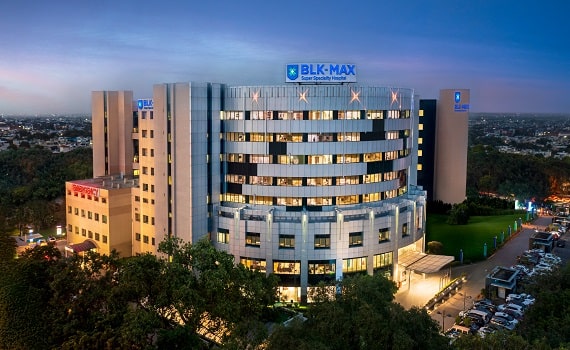
មន្ទីរពេទ្យឯកទេស BLK-Max ទីក្រុងញូវដេលី
មន្ទីរពេទ្យ BLK-Max Super Specialty Hospital នៅទីក្រុងញូវដេលី គឺជាស្ថាប័នថែទាំសុខភាពលំដាប់កំពូលមួយរបស់ប្រទេសឥណ្ឌា ដែលផ្តល់ជូននូវគ្រែចំនួន 650 រោងមហោស្...
ការទទួលស្គាល់


មធ្យោបាយបរិក្ខារ
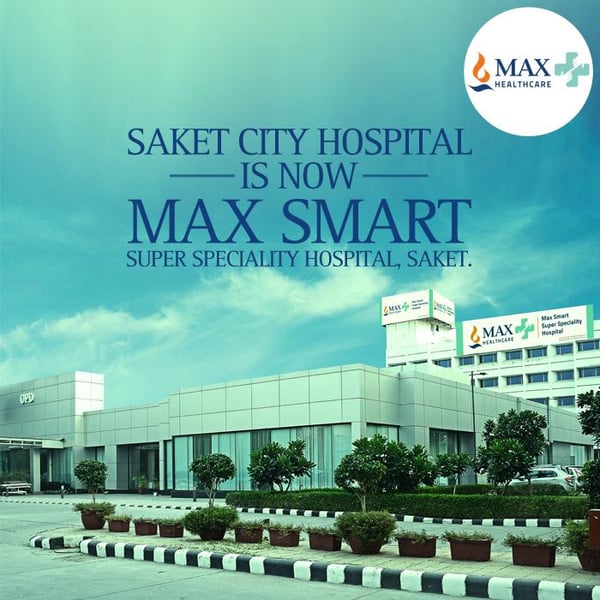
មន្ទីរពេទ្យ Max Smart Super Specialty Hospital, Saket, New Delhi
មន្ទីរពេទ្យ Max Smart Super Specialty Hospital, Saket គឺជាមន្ទីរពេទ្យថែទាំកម្រិត 250 គ្រែនៅ South Delhi ។ វាផ្តល់ជូននូវការថែទាំវេជ្ជសាស្រ្ត និងការវះកា...
ការទទួលស្គាល់
មធ្យោបាយបរិក្ខារ
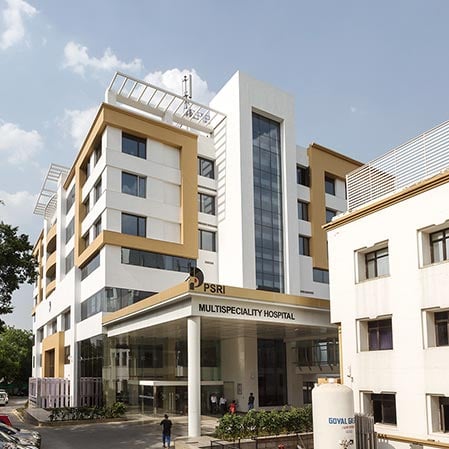
មន្ទីរពេទ្យ PSRI ទីក្រុងដេលី
វិទ្យាស្ថានស្រាវជ្រាវ Pushpawati Singhania (មន្ទីរពេទ្យ PSRI) ទីក្រុងញូវដេលី គឺជាមន្ទីរពេទ្យថែទាំថ្នាក់ឧត្តមសិក្សាពហុឯកទេសឈានមុខគេដែលបានបង្កើតឡើងក្នុង...
ការទទួលស្គាល់
មធ្យោបាយបរិក្ខារ
នីតិវិធីស្រដៀងគ្នា
វិចិរតសាល
សំណួរគេសួរញឹកញាប់
អ្នកវិស្វិក
មើលទាំងអស់
ប្រធាន និងទីប្រឹក្សាជាន់ខ្ពស់ - ការប្តូរថ្លើម
វេជ្ជ បណ្ឌិត Vivek Vij ជា អ្នក ត្រួសត្រាយ ផ្នែក វះកាត់ ប្តូរ ថ្លើម ដែល មាន បទពិសោធន៍ ជាង ១៥ ឆ្នាំ ក្នុង វិស័យ នេះ។ ក្នុងនាមជាប្រធានផ្នែកវះកាត់ប្តូរថ្លើម និងវិទ្យាសាស្ត្រថ្លើមនៅមន្ទីរពេទ្យ Fortis លោកបា... អានបន្ថែម

គេហទំព័ររបស់យើងប្រើខូឃីស៍។ គោលការណ៍ភាពឯកជន.