
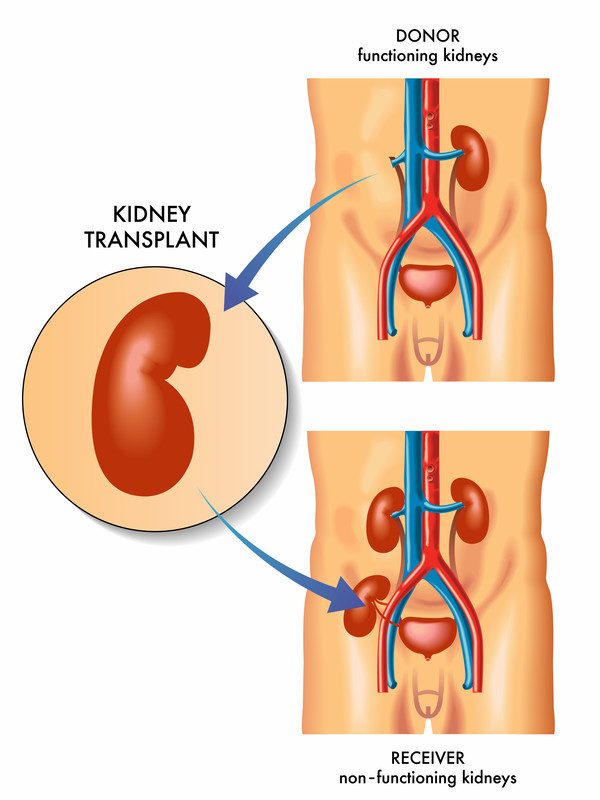
ការប្តូរតម្រងនោម តម្លៃក្នុង ប្រទេសឥណ្ឌា
អមបី ការប្តូរតម្រងនោម
តើការប្តូរតម្រងនោមគឺជាអ្វី?
ការប្តូរក្រលៀន គឺជាវិធីវះកាត់សង្គ្រោះជីវិតដែលប្រើដើម្បីព្យាបាលអ្នកជំងឺដែលមានជំងឺខ្សោយតម្រងនោមដំណាក់កាលចុងក្រោយ ឬជំងឺតម្រងនោមរ៉ាំរ៉ៃនៅពេលដែលតម្រងនោមរបស់ពួកគេមិនអាចច្រោះកាកសំណល់ និងសារធាតុរាវចេញពីឈាមបានយ៉ាងមានប្រសិទ្ធភាព។ ជំនួសឱ្យការពឹងផ្អែកលើការលាងឈាមរយៈពេលវែង អ្នកជំងឺទទួលបាន aតម្រងនោមមានសុខភាពល្អពីអ្នកបរិច្ចាគដែលត្រូវបានវះកាត់បញ្ចូលទៅក្នុងខ្លួនរបស់ពួកគេ ដើម្បីគ្រប់គ្រងមុខងារនៃតម្រងនោមដែលមានជំងឺ។
ក្រលៀនអ្នកបរិច្ចាគអាចមកពី កអ្នកបរិច្ចាគរស់(សមាជិកគ្រួសារ ឬសាច់ញាតិជិតស្និទ្ធ) ឬ កម្ចាស់ជំនួយដែលបានស្លាប់(បុគ្គលដែលបានយល់ព្រមបរិច្ចាគសរីរាង្គក្រោយពីស្លាប់)។ ជាទូទៅតម្រងនោមដែលមានមុខងារតែមួយគឺគ្រប់គ្រាន់សម្រាប់ជីវិតដែលមានសុខភាពល្អ ធ្វើឱ្យការបរិច្ចាគក្រលៀនជាជម្រើសដែលអាចសម្រេចបានដោយមិនប៉ះពាល់ដល់សុខភាពរយៈពេលវែងរបស់អ្នកបរិច្ចាគ។
តើការប្តូរតំរងនោមត្រូវការនៅពេលណា?
ការប្តូរតម្រងនោមជាធម្មតាត្រូវបានណែនាំនៅពេលដែលតម្រងនោមទាំងពីរបានបាត់បង់ច្រើនជាង 85% ទៅ 90% នៃមុខងាររបស់ពួកគេ។ហើយមនុស្សបានចូលជំងឺតំរងនោមដំណាក់កាលចុងក្រោយ (ESRD)- ដំណាក់កាលចុងក្រោយនៃជំងឺតម្រងនោមរ៉ាំរ៉ៃ (CKD)។ នៅពេលនេះ តម្រងនោមលែងមានលទ្ធភាពចម្រោះឈាម យកកាកសំណល់ចេញ ឬគ្រប់គ្រងតុល្យភាពជាតិទឹក និងអេឡិចត្រូលីត ដែលបណ្តាលឱ្យមានការប្រមូលផ្តុំជាតិពុលនៅក្នុងខ្លួន។
អ្នកជំងឺភាគច្រើននៅដំណាក់កាលនេះត្រូវបានដាក់ដំបូងការលាងឈាមដែលដើរតួជាតម្រងនោមសិប្បនិម្មិត។ ទោះជាយ៉ាងណាក៏ដោយ ការលាងឈាមគឺត្រូវចំណាយពេលច្រើន ជារឿយៗតម្រូវឱ្យមានការទៅមន្ទីរពេទ្យ ឬគ្លីនីកជាច្រើនដងក្នុងមួយសប្តាហ៍ ហើយយូរៗទៅអាចប៉ះពាល់ដល់សុខភាព និងគុណភាពជីវិតរបស់អ្នកជំងឺ។
ការប្តូរតំរងនោមគឺចាំបាច់ក្នុងស្ថានភាពដូចខាងក្រោមៈ
- អ្នកជំងឺកំពុងជួបប្រទះផលវិបាកញឹកញាប់ពីការលាងឈាមដូចជាការបង្ករោគ អស្ថិរភាពនៃសម្ពាធឈាម ឬការបរាជ័យក្នុងការចូលប្រើសរសៃឈាម។
- ការធ្វើតេស្តឈាមបង្ហាញការខ្សោះជីវជាតិជាលំដាប់នៅក្នុងមុខងារតម្រងនោម(ជាធម្មតា GFR <15 មីលីលីត្រ / នាទី) ។
- មានសញ្ញានៃលើសទម្ងន់ភាពស្លេកស្លាំង ជំងឺឆ្អឹង ឬរោគសញ្ញាផ្សេងទៀតដែលទាក់ទងនឹងមុខងារតម្រងនោមខ្សោយមិនបានគ្រប់គ្រងដោយការលាងឈាម ឬថ្នាំ។
- អ្នកជំងឺចង់ជៀសវាង កអាយុកាលនៃការលាងឈាមហើយត្រូវបានគេចាត់ទុកថាបានត្រៀមខ្លួនជាស្រេចទាំងផ្លូវកាយនិងផ្លូវចិត្តសម្រាប់ការប្តូរភេទ។
ក្នុងករណីខ្លះការប្តូរសរីរាង្គជាមុនត្រូវបានគេចាត់ទុកថា ជាកន្លែងដែលអ្នកជំងឺឆ្លងកាត់ការប្តូរសរីរាង្គ មុនពេលចាប់ផ្តើមការលាងឈាម ដោយផ្តល់ជំនួយសមរម្យ។ ជម្រើសនេះច្រើនតែផ្តល់លទ្ធផលល្អប្រសើរ រួមទាំងការរស់រានមានជីវិតពីអំពើពុករលួយយូរ និងការកែលម្អគុណភាពនៃជីវិត។
ជំងឺទូទៅដែលអាចនាំឱ្យមានជំងឺខ្សោយតម្រងនោមរួមមាន:
- ជំងឺទឹកនោមផ្អែមប្រភេទទី 1 និងប្រភេទទី 2 (ជំងឺទឹកនោមផ្អែម nephropathy)
- លើសឈាម (លើសឈាម)
- ជំងឺតម្រងនោម Polycystic (លក្ខខណ្ឌហ្សែន)
- ជំងឺ glomerulonephritis រ៉ាំរ៉ៃ
- ការឆ្លងមេរោគតំរងនោម ឬការស្ទះ
ហេតុអ្វីបានជាការប្តូរឈាម ប្រសើរជាងការលាងឈាមរយៈពេលវែង
ខណៈពេលដែលការលាងឈាមអាចរក្សាជីវិតអ្នកជំងឺដោយការយកកាកសំណល់ចេញពីឈាម វាភ្ជាប់មកជាមួយការកំណត់របៀបរស់នៅសំខាន់ៗ និងហានិភ័យសុខភាពរយៈពេលវែង។ ការប្តូរតម្រងនោមដោយជោគជ័យ៖
- ធ្វើអោយប្រសើរឡើងនូវអាយុសង្ឃឹមរស់
- លើកកំពស់គុណភាពជីវិត
- ផ្តល់សេរីភាពពីការលាងឈាមជាប្រចាំ
- អនុញ្ញាតឱ្យអ្នកជំងឺត្រឡប់ទៅធ្វើការវិញ ឬសកម្មភាពប្រចាំថ្ងៃធម្មតា។
អ្នកជំងឺជាច្រើនដែលទទួលការប្តូរក្រលៀនរីករាយនឹងរបៀបរស់នៅជិតធម្មតាជាមួយនឹងតម្រងនោមថ្មីដែលមានមុខងារដែលអាចមានរយៈពេលពី 10 ទៅ 20 ឆ្នាំ ឬច្រើនជាងនេះ ជាពិសេសជាមួយនឹងការថែទាំវេជ្ជសាស្រ្តត្រឹមត្រូវ និងការតាមដាន។
តើអ្នកណាមានសិទ្ធិទទួលការប្តូរតំរងនោម?
មិនមែនអ្នកជំងឺទាំងអស់ដែលមានជំងឺខ្សោយតម្រងនោមសុទ្ធតែមានសិទ្ធិទទួលការវះកាត់ប្តូរសរីរាង្គនោះទេ។ សិទ្ធិទទួលបានការប្តូរតម្រងនោមអាស្រ័យលើកត្តាផ្នែកវេជ្ជសាស្ត្រ ចិត្តសាស្ត្រ និងភស្តុភារជាច្រើន។ គោលដៅគឺដើម្បីធានាថាទាំងអ្នកទទួល និងអ្នកផ្តល់ជំនួយ (ប្រសិនបើរស់នៅ) មានសុខភាពល្អគ្រប់គ្រាន់សម្រាប់ការវះកាត់ ហើយការប្តូរសរីរាង្គមានឱកាសល្អបំផុតក្នុងការទទួលបានជោគជ័យយូរអង្វែង។
លក្ខណៈវិនិច្ឆ័យសំខាន់ៗសម្រាប់សិទ្ធិទទួលបានរបស់អ្នកទទួល៖
- ការធ្វើរោគវិនិច្ឆ័យដែលបានបញ្ជាក់នៃ ESRD៖ អ្នកជំងឺត្រូវតែមានជំងឺតំរងនោមដំណាក់កាលចុងក្រោយ (ESRD) ជាធម្មតាត្រូវបានកំណត់ថាជាអត្រានៃការបន្សុទ្ធក្រពេញក្រោម 15 មីលីលីល/នាទី។
- អាយុ និងកាយសម្បទា៖ ទោះបីជាមិនមានការកំណត់អាយុកំណត់ក៏ដោយ មជ្ឈមណ្ឌលប្តូរសរីរាង្គភាគច្រើនចូលចិត្តអ្នកជំងឺដែលមានអាយុក្រោម 70 ឆ្នាំដែលមានសុខភាពរាងកាយល្អ។ អ្នកជំងឺវ័យចំណាស់អាចនៅតែមានសិទ្ធិទទួលបាន ប្រសិនបើពួកគេមានកាយសម្បទារឹងមាំ និងមិនមានកត្តាហានិភ័យសំខាន់ៗ។
- អវត្ដមាននៃការឆ្លងមេរោគដែលមិនអាចគ្រប់គ្រងបាន ឬមហារីកសកម្ម៖ អ្នកជំងឺគួរតែគ្មានជំងឺរបេង រលាកថ្លើម ឬមហារីក។ ប្រសិនបើពីមុនត្រូវបានព្យាបាលសម្រាប់ជំងឺមហារីក រយៈពេលដែលគ្មានជំងឺអាចត្រូវបានទាមទារ។
- សុខភាពបេះដូង និងសួត៖ ប្រព័ន្ធសរសៃឈាមបេះដូងដ៏រឹងមាំគឺមានសារៈសំខាន់ណាស់ ចាប់តាំងពីការវះកាត់ពាក់ព័ន្ធនឹងការប្រើថ្នាំសន្លប់ និងអាចធ្វើឱ្យបេះដូង និងសួតមានភាពតានតឹង។
- ការប្តេជ្ញាចិត្តចំពោះការថែទាំក្រោយការប្តូរសរីរាង្គ៖ អ្នកជំងឺត្រូវតែមានសតិបញ្ញា និងប្តេជ្ញាចិត្តក្នុងការលេបថ្នាំបង្ការរោគប្រចាំថ្ងៃ ហើយពួកគេត្រូវទៅពិនិត្យតាមដានជាប្រចាំ។
- គ្មានសារធាតុញៀន៖ ការប្រើប្រាស់គ្រឿងស្រវឹង គ្រឿងញៀន ឬថ្នាំជក់យ៉ាងសកម្មអាចពន្យារពេល ឬដកសិទ្ធិក្នុងការប្តូរសរីរាង្គ ដោយសារហានិភ័យដែលពួកគេបង្ករឱ្យមានការថែទាំក្រោយការវះកាត់
សម្រាប់ការប្តូរអ្នកបរិច្ចាគរស់៖
- ម្ចាស់ជំនួយត្រូវតែនៅចន្លោះអាយុ 18 និង 65 ឆ្នាំ។មានសមត្ថភាពផ្លូវចិត្ត និងមានឆន្ទៈបរិច្ចាគដោយស្ម័គ្រចិត្ត។
- ម្ចាស់ជំនួយត្រូវតែឆ្លងកាត់ការវាយតម្លៃឱ្យបានហ្មត់ចត់ ដើម្បីធានាថាពួកគេមានតម្រងនោមមានសុខភាពល្អពីរនិងមិនមានលក្ខខណ្ឌវេជ្ជសាស្រ្តដូចជាជំងឺទឹកនោមផ្អែម ជំងឺលើសឈាម ឬជំងឺតម្រងនោមជាដើម។
- នៅប្រទេសឥណ្ឌា ម្ចាស់ជំនួយដែលរស់នៅត្រូវតែជាសាច់ញាតិជិតស្និទ្ធ(ឪពុកម្តាយ បងប្អូនបង្កើត ប្តីឬប្រពន្ធ ឬកូន) យោងតាមច្បាប់ប្តូរសរីរាង្គមនុស្ស (THOA)។ ម្ចាស់ជំនួយដែលមិនពាក់ព័ន្ធតម្រូវឱ្យមានការបោសសំអាតផ្នែកសីលធម៌ និងច្បាប់ពិសេស។
តើវិធីប្តូរតម្រងនោមមានប្រភេទខុសគ្នាយ៉ាងណា?
ការប្តូរតម្រងនោមមិនមែនជាការវះកាត់ទំហំមួយសមនឹងទាំងអស់នោះទេ។ ប្រភេទនៃនីតិវិធីប្តូរសរីរាង្គ អាស្រ័យជាចម្បងលើប្រភពនៃក្រលៀនអ្នកបរិច្ចាគ ភាពបន្ទាន់នៃការប្តូរសរីរាង្គ និងស្ថានភាពសុខភាពរបស់អ្នកទទួល។
ការប្តូរតម្រងនោមរបស់ម្ចាស់ជំនួយការរស់នៅ
វាជាប្រភេទការប្តូរសរីរាង្គទូទៅ និងពេញចិត្តបំផុត ជាពិសេសក្នុងប្រទេសដូចជាប្រទេសឥណ្ឌា។ ក្នុងនីតិវិធីនេះ អ្នកដែលមានសុខភាពល្អ (ជាធម្មតាជាសមាជិកគ្រួសារ) បរិច្ចាគក្រលៀនមួយរបស់ពួកគេដល់អ្នកជំងឺ។ ដោយសារតំរងនោមដែលមានសុខភាពល្អតែមួយគត់គឺត្រូវការសម្រាប់ការរស់រានមានជីវិត ការបរិច្ចាគការរស់នៅគឺមានសុវត្ថិភាព និងមានប្រសិទ្ធភាពខ្ពស់។
មានពីរប្រភេទរង៖
- ការផ្ទេរម្ចាស់ជំនួយការរស់នៅពាក់ព័ន្ធ៖ អ្នកបរិច្ចាគគឺជាសាច់ឈាមជិតស្និទ្ធ ដូចជាឪពុកម្តាយ ឬកូន។ ជាធម្មតាវានាំឱ្យមានភាពឆបគ្នាប្រសើរជាងមុន និងឱកាសនៃការបដិសេធតិចជាង។
- ការប្តូរម្ចាស់ជំនួយការរស់នៅមិនពាក់ព័ន្ធ៖ ម្ចាស់ជំនួយមិនទាក់ទងនឹងជីវសាស្ត្រទេ ប៉ុន្តែអាចទាក់ទងនឹងអារម្មណ៍ (ឧ. ប្តីប្រពន្ធ ឬមិត្តភ័ក្តិ)។ ការអនុម័តផ្នែកច្បាប់ និងសីលធម៌គឺចាំបាច់នៅក្នុងករណីបែបនេះនៅក្រោមច្បាប់របស់ប្រទេសឥណ្ឌា។
គុណសម្បត្តិ:
- ពេលវេលារង់ចាំខ្លីជាង
- ការផ្គូផ្គងសរីរាង្គកាន់តែប្រសើរ
- អត្រាជោគជ័យរយៈពេលវែងខ្ពស់ជាង
អ្នកបរិច្ចាគ (Cadaveric) ការប្តូរតម្រងនោម
នៅក្នុងការប្តូរក្រលៀនរបស់ម្ចាស់ជំនួយដែលបានស្លាប់ តម្រងនោមត្រូវបានទាញយកពីអ្នកបរិច្ចាគខួរក្បាលដែលបានស្លាប់ពីមុន ដែលបានយល់ព្រមក្នុងការបរិច្ចាគសរីរាង្គ ឬគ្រួសារដែលបានទទួលការបរិច្ចាគ។ ការប្តូរអ្នកបរិច្ចាគដែលបានស្លាប់គឺមិនសូវកើតមានទេនៅក្នុងប្រទេសឥណ្ឌា ដោយសារអត្រាបរិច្ចាគសរីរាង្គទាប ប៉ុន្តែការយល់ដឹងកំពុងប្រសើរឡើង។
ជាធម្មតាអ្នកទទួលត្រូវបានដាក់ក្នុងបញ្ជីរង់ចាំ ហើយការប្តូរត្រូវបានអនុវត្តនៅពេលដែលសរីរាង្គដែលអាចប្រើបាន។
គុណសម្បត្តិ:
- ស័ក្តិសមសម្រាប់អ្នកជំងឺដែលមិនមានអ្នកបរិច្ចាគរស់
- ពង្រីកការចូលប្រើការប្តូរសរីរាង្គសម្រាប់មនុស្សកាន់តែច្រើន
គុណវិបត្តិ:
- រយៈពេលរង់ចាំយូរជាងនេះ។
- អត្រារស់រានមានជីវិតទាបជាងបន្តិចបើប្រៀបធៀបទៅនឹងតម្រងនោមម្ចាស់ជំនួយដែលកំពុងរស់នៅ
ABO-ការប្តូរតំរងនោមមិនឆបគ្នា។
ជាប្រពៃណី ការប្តូរតម្រងនោមតម្រូវឱ្យអ្នកបរិច្ចាគ និងអ្នកទទួលមានក្រុមឈាមដែលត្រូវគ្នា។ ទោះបីជាយ៉ាងណាក៏ដោយ ជាមួយនឹងភាពជឿនលឿនក្នុងការព្យាបាលដោយភាពស៊ាំ និង ប្លាស្មាភេរីស (ដំណើរការដែលដកអង្គបដិប្រាណចេញពីឈាម) ឥឡូវនេះវាអាចធ្វើទៅបានដើម្បីធ្វើការប្តូរ ABO ដែលមិនឆបគ្នាដោយជោគជ័យ។
វាមានប្រយោជន៍នៅពេលដែលអ្នកបរិច្ចាគដែលរស់នៅដោយស្ម័គ្រចិត្ត មិនត្រូវគ្នានឹងក្រុមឈាម។ អ្នកជំងឺទទួលការព្យាបាលពិសេសមុនពេលប្តូរសរីរាង្គដើម្បីកាត់បន្ថយហានិភ័យនៃការបដិសេធ។
ការពិចារណា:
- ការចំណាយខ្ពស់បន្តិច ដោយសារការព្យាបាលមុនការប្តូរសរីរាង្គបន្ថែម
- ការកើនឡើងហានិភ័យនៃផលវិបាក ទោះបីជាអត្រាជោគជ័យបានប្រសើរឡើងគួរឱ្យកត់សម្គាល់ក៏ដោយ។
ការប្តូរតំរងនោមជាមុន
វាគឺជាការប្តូរសកម្មមួយដែលបានធ្វើមុនពេលអ្នកជំងឺចាប់ផ្តើមលាងឈាម។ វាគឺល្អសម្រាប់បុគ្គលដែលមានជំងឺតម្រងនោមរ៉ាំរ៉ៃដែលកំពុងរីកចម្រើន និងជាអ្នកបរិច្ចាគដែលមានឆន្ទៈ។ ការស្រាវជ្រាវបង្ហាញថា ការប្តូរមុននាំឱ្យ៖
- មុខងារតម្រងនោមរយៈពេលវែងកាន់តែប្រសើរ
- អត្រាផលវិបាកទាប
- គុណភាពជីវិតប្រសើរឡើង
មិនមែនអ្នកជំងឺទាំងអស់សុទ្ធតែមានលក្ខណៈគ្រប់គ្រាន់នោះទេ ប៉ុន្តែសម្រាប់អ្នកដែលធ្វើ វាត្រូវបានចាត់ទុកថាជាស្តង់ដារមាសនៃការថែទាំ។
ទទួលបានផែនការព្យាបាលដោយឥតគិតថ្លៃ
អំពី ការប្តូរតម្រងនោម ក្នុង ប្រទេសឥណ្ឌា
How Is a Kidney Transplant Done in India?
India has become a global destination for kidney transplant surgery, thanks to its advanced medical infrastructure, skilled transplant teams, and personalized care. Below is a clear step-by-step overview of how a kidney transplant is typically performed in Indian hospitals.
Step 1: Pre-Transplant Evaluation
Before undergoing a transplant, both the recipient and donor (if living) undergo comprehensive medical evaluations. These include:
- Blood tests (ABO and HLA typing)
- Imaging studies (ultrasound, CT scan, chest X-ray)
- Cardiac and respiratory assessments
- Psychological and counseling sessions
It ensures both are medically fit and that the recipient's immune system will accept the donor organ.
Step 2: Donor Matching and Legal Clearance
If a living donor is involved, blood group and tissue compatibility are checked. For unrelated donors, special approvals are required through an Authorization Committee under Indian transplant laws.
For deceased donor transplants, the patient must register with a government-regulated waiting list, and matching is done based on urgency and compatibility.
Step 3: Admission and Pre-Surgery Preparation
Once the transplant is cleared, both donor and recipient are admitted to the hospital 1–2 days prior. Medical staff prepare the recipient's body by adjusting medications and conducting final checks. Consent forms are reviewed, and immunosuppressive therapy may be initiated before surgery.
Step 4: Transplant Surgery
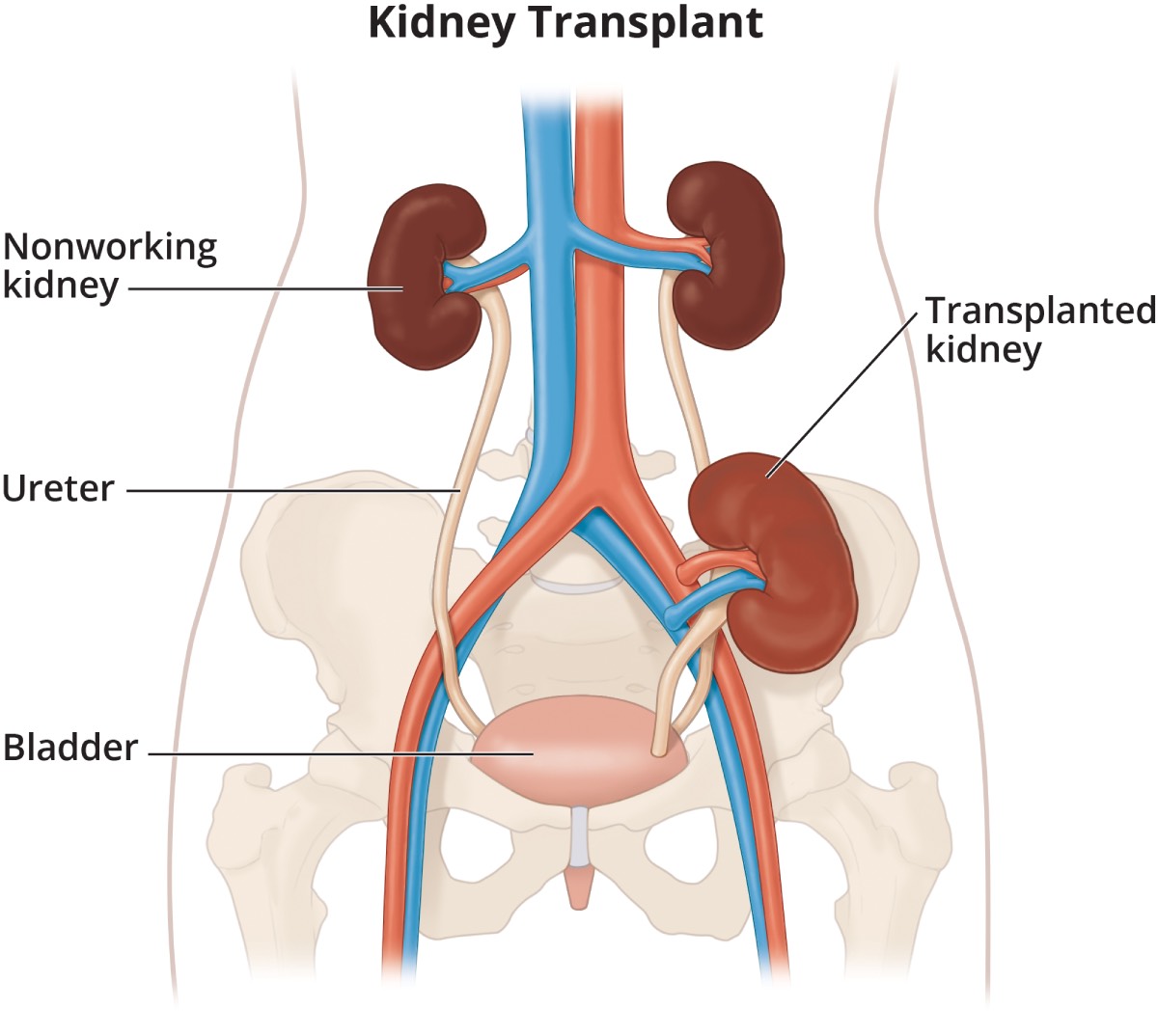
The surgery is a little bit long and takes 3 to 4 hours. It is typically performed under general anesthesia. The donated kidney is placed in the lower abdomen (not the original kidney location), and the blood vessels and ureter are connected to allow proper blood flow and urine output.
- In living donor transplants, the donor kidney is removed laparoscopically or via a small incision.
- The old kidneys are usually not removed unless there is chronic infection or complications.
Step 5: Post-Operative Recovery
After surgery, the recipient is moved to a high-dependency unit or ICU for monitoring. Most KT patients stay in the hospital for 7 to 10 days. The donor is discharged in 3 to 5 days, depending on their recovery.
Immunosuppressive medications begin immediately to prevent organ rejection. Patients receive:
- Infection control treatment
- Pain management
- Nutritional guidance
- Fluid and electrolyte monitoring
Use of Advanced Immunosuppressants and Techniques in India
Indian transplant hospitals use the latest-generation immunosuppressants such as tacrolimus, mycophenolate mofetil, and biologics (like basiliximab or thymoglobulin) that reduce rejection risks without weakening the immune system too much.
Additionally, many Indian centers adopt:
- Minimally invasive laparoscopic donor nephrectomy to reduce donor recovery time
- Plasmapheresis and desensitization for ABO-incompatible transplants
- Real-time ultrasound and Doppler guidance for accurate vascular anastomosis
- Electronic medication monitoring systems for post-transplant adherence
What is the Cost of a Kidney Transplant in India?
The cost of a kidney transplant in India is more affordable compared to many Western and Middle Eastern countries, making it a preferred destination for overseas patients. On average, the cost of a kidney transplant in India ranges from ₹6,00,000 to ₹10,00,000, which is approximately $7,000 to $12,000.
Kidney Transplant Cost Breakdown in India
Component | Estimated Cost (INR) | Estimated Cost (USD) | Description |
| Initial Consultation and Evaluation | ₹50,000 – ₹1,00,000 | $600 – $1,200 | Includes nephrologist and transplant surgeon consultation, blood tests, and imaging. |
| Donor Compatibility and Testing | ₹70,000 – ₹1,20,000 | $850 – $1,400 | Covers HLA typing, cross-matching, and full donor workup. |
| Surgical Procedure | ₹2,00,000 – ₹3,50,000 | $2,400 – $4,200 | Includes surgery fees, anesthesia, OT charges, and donor operation if applicable. |
| Hospital Stay (10–14 days) | ₹1,00,000 – ₹2,00,000 | $1,200 – $2,400 | Covers standard ward or private room, ICU if required, and nursing care. |
| Post-Operative Medications | ₹50,000 – ₹1,50,000 | $600 – $1,800 | Includes immunosuppressants and infection-prevention drugs. |
| Follow-Up Visits and Monitoring | ₹30,000 – ₹80,000 | $350 – $950 | Includes regular check-ups, bloodwork, and drug-level monitoring. |
| Miscellaneous and Admin Costs | ₹20,000 – ₹50,000 | $240 – $600 | Legal documentation, diet planning, physiotherapy, and local logistics. |
It is an all-inclusive estimate for both the recipient and donor, making India one of the most affordable and transparent destinations for kidney transplant surgery worldwide.
What's Included in the Cost of a Kidney Transplant in India?
Most hospitals offer comprehensive transplant packages that typically include:
- Donor and recipient evaluation: Blood group matching, HLA typing, cross-matching, cardiac and kidney function tests, and imaging
- Legal documentation and authorization processing: Especially for unrelated or foreign donors
- Surgical procedures: Kidney harvesting (for living donors), transplant surgery, anesthesia, and surgical team charges
- Hospital stay: 7–10 days for the recipient and 3–5 days for the donor, including ICU and ward charges
- Post-surgery medications: Including immunosuppressants during the initial hospital stay
- Follow-up consultations: Post-discharge recovery supervision and lab monitoring during the first few weeks
Please note: Additional expenses may apply if there are complications, need for plasmapheresis, or long-term follow-up beyond the included stay.
Kidney Transplant Cost Comparison: India vs Other Countries
India provides world-class kidney transplant services at the most affordable rates globally. For patients from Africa, the Middle East, South Asia, and even developed nations, choosing India means accessing quality care, expert surgeons, and comprehensive treatment packages, all at one-fifth or less of the cost in other countries.
Country | Kidney Transplant Cost (Approx.) |
| India | $7,000 – $12,000 (₹6 – ₹10 lakh) |
| USA | $300,000 – $400,000 |
| UK | $70,000 – $100,000 |
| UAE | $40,000 – $70,000 |
| Thailand | $18,000 – $25,000 |
Why Is Kidney Transplant in India So Affordable?
There are several reasons why India can offer kidney transplant procedures at a fraction of the cost charged in countries like the USA, UK, or UAE, without compromising the standard of care:
- Lower operating and infrastructure costs in Indian hospitals
- Highly skilled surgeons are available at much lower fees than their Western counterparts
- Economic cost of medications, including immunosuppressants, produced locally
- Government-regulated healthcare pricing in many states and private hospitals
Kidney Transplant Costs Based on Patient Condition
The actual cost of a kidney transplant in India can vary based on several real-life clinical situations. These variations depend on the complexity of the case, the donor type, the need for desensitization, and the post-operative recovery duration. Below are some practical cost scenarios to help international patients understand what to expect.
- Standard Kidney Transplant with Living Related Donor: For patients undergoing a planned kidney transplant with a healthy, HLA-matched living donor (such as a sibling or parent), the total cost typically ranges from ₹6,00,000 to ₹7,00,000 (approximately $7,000 to $8,500). It includes evaluation, surgery, hospital stay, and essential medications.
- ABO-Incompatible Kidney Transplant: If the donor has an incompatible blood group, special procedures like plasmapheresis and immunoadsorption are required before transplant. It increases the overall cost from ₹8,00,000 to ₹10,00,000 (around $9,500 to $12,000). These transplants are becoming increasingly common in India due to advancements in immunosuppressive protocols.
- Kidney Transplant from a Deceased Donor: In case of a deceased donor (cadaveric transplant), additional registration, waiting period, and ICU monitoring may be needed. The cost usually falls within ₹6,50,000 to ₹8,50,000 ($7,500 to $10,000), depending on how long the recipient needs pre-transplant hospitalization.
- Pediatric Kidney Transplant: For children needing kidney transplantation, the cost can rise slightly due to the need for pediatric ICU care, specialized surgeons, and tailored drug regimens. On average, the price ranges from ₹7,00,000 to ₹9,00,000 (roughly $8,000 to $11,000).
- Complex Cases with Comorbidities: Patients with pre-existing conditions like diabetes, hypertension, or cardiac issues may need extra diagnostics and longer recovery time. In such cases, the total transplant cost may range from ₹10,00,000 to slightly higher ($12,000 or more), depending on the complexity.
What are the Factors Affecting Kidney Transplant Cost in India?
While India offers some of the most affordable kidney transplant packages in the world, the final cost can still vary from patient to patient. Several medical and logistical factors come into play, such as donor compatibility, hospital selection, recovery duration, and post-transplant care.
- Type of Donor (Living or Deceased): Transplants from living, related donors are generally more affordable and can be planned. Deceased donor transplants may require longer ICU stays and emergency logistics, raising overall costs.
- Donor-Recipient Compatibility: If the donor has an incompatible blood group or tissue mismatch, additional treatments like plasmapheresis or desensitization are needed. These procedures significantly increase the cost of the transplant.
- Hospital and City of Treatment: Top-tier transplant hospitals in metro cities like Hyderabad or Bangalore may charge more due to advanced infrastructure and higher service standards. However, they also offer better surgical outcomes and post-op care.
- Room Type and Length of Hospital Stay: Choosing a private deluxe room over a shared ward results in higher accommodation charges. Additionally, any complications that necessitate an extended stay in the ICU or inpatient care will be factored into the final bill.
- Medication and Immunosuppressant Costs: Initial post-transplant drugs are potent and expensive. The cost of lifelong immunosuppressive medication, particularly during the first 6–12 months, significantly contributes to the total expenditure.
- Patient's Overall Health and Comorbidities: Patients with diabetes, hypertension, or heart conditions may require additional tests, consultations, and a longer recovery time. These add to the diagnostic and monitoring costs.
- Legal and Regulatory Documentation: Foreign patients often require additional documentation and legal clearances for ethical donor evaluation and transplant approval, which can increase administrative expenses.
- Post-Transplant Monitoring and Complication Management: Unexpected complications, such as rejection or infection, may require ICU care, dialysis, or re-admission. It results in higher out-of-pocket costs beyond the standard package.
International Patient Services for Kidney Transplant in India
India is renowned not only for its affordable treatment but also for offering world-class support services specifically designed for international patients. These value-added services ensure that your kidney transplant journey is safe, smooth, and stress-free.
- Dedicated International Patient Coordinators: Most top hospitals in India have specialized teams that handle everything from visa letters to airport pickups. These coordinators act as your point of contact throughout the treatment process.
- Assistance with Medical Visa and Travel Arrangements: Hospitals often help in issuing medical invitation letters, scheduling embassy appointments, and guiding patients through the medical visa process. They also assist with booking affordable flights and local transfers.
- Language Translation Support: Professional interpreters are available in many Indian hospitals to assist patients from Arabic, French, Russian, Swahili, Bengali, and Spanish-speaking countries.
- Affordable Accommodation for Family Members: Hospitals often provide on-campus or nearby guest houses and partner hotels at discounted rates, making it easier for family members or attendants to stay comfortably during the recovery period.
- Pre-Arrival Medical Opinion: You can share your reports before traveling and receive a free treatment plan and cost estimate from a senior nephrologist.
- Post-Treatment Follow-up via Telemedicine: After discharge, many Indian hospitals offer online video consultations, prescription support, and ongoing monitoring through telehealth platforms.
Concierge Services for Local Support: Some hospitals provide services such as currency exchange, SIM card arrangement, medical interpreters, and city tours for family members, making the experience more patient-friendly.
ការប្តូរតម្រងនោម ការប្រៀបធៀបតម្លៃតាមប្រទេស
ប្រៀបធៀបការចំណាយ ការប្តូរតម្រងនោម នៅទូទាំងប្រទេសផ្សេងៗដើម្បីធ្វើការសម្រេចចិត្តប្រកបដោយព័ត៌មានអំពីការព្យាបាលវេជ្ជសាស្រ្តរបស់អ្នក។
| រសុករេស | ជួរចំណាយ (ដុល្លារអាមេរិក) | ការសន្សំសក្តានុពល | កិច្ច |
|---|---|---|---|
ប្រទេសឥណ្ឌាថ្ផី currentតម្លៃដ៏ល្អបំផុត | $7,000 - $12,000 | — | ទទួលបានការដកស្រង់ |
សម្គាល់ៈ ការចំណាយអាចខុសគ្នាអាស្រ័យលើជម្រើសមន្ទីរពេទ្យប្រភេទរបៀបសេវាកម្មបន្ថែមនិងតម្រូវការផ្នែកវេជ្ជសាស្រ្តនីមួយៗ។
មន្ទីរពេទ្យឈានមុខគេសម្រាប់ ការប្តូរតម្រងនោម ក្នុង ប្រទេសឥណ្ឌា

មន្ទីរពេទ្យឯកទេស BLK-Max ទីក្រុងញូវដេលី
មន្ទីរពេទ្យ BLK-Max Super Specialty Hospital នៅទីក្រុងញូវដេលី គឺជាស្ថាប័នថែទាំសុខភាពលំដាប់កំពូលមួយរបស់ប្រទេសឥណ្ឌា ដែលផ្តល់ជូននូវគ្រែចំនួន 650 រោងមហោស្...
ការទទួលស្គាល់


មធ្យោបាយបរិក្ខារ

មន្ទីរពេទ្យ Max Smart Super Specialty Hospital, Saket, New Delhi
មន្ទីរពេទ្យ Max Smart Super Specialty Hospital, Saket គឺជាមន្ទីរពេទ្យថែទាំកម្រិត 250 គ្រែនៅ South Delhi ។ វាផ្តល់ជូននូវការថែទាំវេជ្ជសាស្រ្ត និងការវះកា...
ការទទួលស្គាល់
មធ្យោបាយបរិក្ខារ
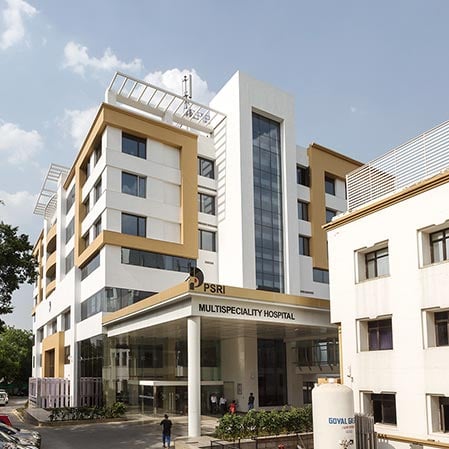
មន្ទីរពេទ្យ PSRI ទីក្រុងដេលី
វិទ្យាស្ថានស្រាវជ្រាវ Pushpawati Singhania (មន្ទីរពេទ្យ PSRI) ទីក្រុងញូវដេលី គឺជាមន្ទីរពេទ្យថែទាំថ្នាក់ឧត្តមសិក្សាពហុឯកទេសឈានមុខគេដែលបានបង្កើតឡើងក្នុង...
ការទទួលស្គាល់
មធ្យោបាយបរិក្ខារ
នីតិវិធីស្រដៀងគ្នា
វិចិរតសាល
សំណួរគេសួរញឹកញាប់
អ្នកវិស្វិក
មើលទាំងអស់
ប្រធាន និងទីប្រឹក្សាជាន់ខ្ពស់ - ការប្តូរថ្លើម
វេជ្ជ បណ្ឌិត Vivek Vij ជា អ្នក ត្រួសត្រាយ ផ្នែក វះកាត់ ប្តូរ ថ្លើម ដែល មាន បទពិសោធន៍ ជាង ១៥ ឆ្នាំ ក្នុង វិស័យ នេះ។ ក្នុងនាមជាប្រធានផ្នែកវះកាត់ប្តូរថ្លើម និងវិទ្យាសាស្ត្រថ្លើមនៅមន្ទីរពេទ្យ Fortis លោកបា... អានបន្ថែម

គេហទំព័ររបស់យើងប្រើខូឃីស៍។ គោលការណ៍ភាពឯកជន.