
ការប្តូរថ្លើម តម្លៃក្នុង ប្រទេសឥណ្ឌា
អមបី ការប្តូរថ្លើម
តើការប្តូរថ្លើមគឺជាអ្វី?
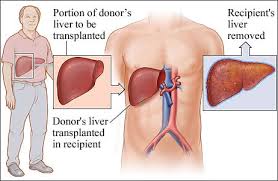
ការប្តូរថ្លើមគឺជាវិធីវះកាត់សង្គ្រោះជីវិត ដែលថ្លើមដែលមានជំងឺ/ខូចត្រូវបានជំនួសដោយថ្លើមដែលមានសុខភាពល្អពីមនុស្សម្នាក់ទៀត។ ថ្លើមថ្មីនេះអាចមកពីអ្នកបរិច្ចាគដែលនៅរស់ (ដែលផ្តល់ចំណែកនៃថ្លើមរបស់ពួកគេ) ឬអ្នកបរិច្ចាគដែលបានស្លាប់ (ដែលបរិច្ចាគថ្លើមរបស់ពួកគេបន្ទាប់ពីការស្លាប់) ។ ថ្លើមជាសរីរាង្គដ៏សំខាន់មួយដែលមានតួនាទីសំខាន់ក្នុងការរំលាយអាហារ ដកជាតិពុលចេញពីឈាម និងរក្សាទុកសារធាតុចិញ្ចឹមសំខាន់ៗ។ បើគ្មានថ្លើមដំណើរការទេ រាងកាយចាប់ផ្តើមបិទ។
ក្នុងជំងឺថ្លើមធ្ងន់ធ្ងរជាច្រើន ការប្រើថ្នាំ និងការព្យាបាលផ្សេងទៀតមិនអាចជួយបានទៀតទេ។ នៅពេលនេះ ការប្តូរថ្លើមក្លាយជាឱកាសតែមួយគត់សម្រាប់ការរស់រានមានជីវិត។ ការវះកាត់យកថ្លើមដែលខូចចេញ ហើយជំនួសវាដោយសុខភាពដែលអាចបំពេញមុខងារសំខាន់ៗទាំងអស់។
តើអ្នកណាត្រូវការការប្តូរថ្លើម?
មិនមែនគ្រប់គ្នាដែលមានជំងឺថ្លើមត្រូវការការប្តូរសរីរាង្គទេ។ ប៉ុន្តែនៅពេលដែលថ្លើមចាប់ផ្តើមខ្សោយ និងមិនអាចរក្សារាងកាយឱ្យមានសុខភាពល្អបានទៀតនោះ គ្រូពេទ្យចាប់ផ្តើមពិចារណាលើការប្តូរថ្លើម។ ការវះកាត់សង្គ្រោះជីវិតនេះច្រើនតែជាជម្រើសដ៏ល្អបំផុតសម្រាប់អ្នកជម្ងឺថ្លើមដំណាក់កាលចុងក្រោយ ឬអ្នកដែលមានប្រភេទមួយចំនួននៃមហារីកថ្លើម។
លក្ខខណ្ឌទូទៅដែលតម្រូវឱ្យមានការប្តូរថ្លើម
ជំងឺខ្សោយថ្លើមជារឿយៗវិវត្តន៍បន្តិចម្តងៗចំពោះមនុស្សជាច្រើន ជាធម្មតាបន្ទាប់ពីមានការខូចខាតច្រើនខែ ឬច្រើនឆ្នាំបានកើតឡើង។ មូលហេតុទូទៅបំផុតដែលមនុស្សម្នាក់អាចត្រូវការការប្តូរសរីរាង្គគឺ៖
- ជម្ងឺក្រិនថ្លើម៖ នេះជាមូលហេតុញឹកញាប់បំផុត។ នៅក្នុងជម្ងឺក្រិនថ្លើម ជាលិកាថ្លើមប្រែជាមានស្នាម និងរឹង ដែលបញ្ឈប់លំហូរឈាម និងធ្វើឱ្យមុខងារថ្លើមចុះខ្សោយ។ ការញៀនស្រា ជំងឺរលាកថ្លើម និងជំងឺខ្លាញ់រុំថ្លើម ច្រើនតែនាំឱ្យកើតក្រិនថ្លើម។
- ជំងឺខ្លាញ់រុំថ្លើមដែលមិនមានជាតិអាល់កុល (NAFLD)៖ វាកើតឡើងនៅពេលដែលខ្លាញ់កកកុញនៅក្នុងថ្លើម បណ្តាលឱ្យរលាកតាមពេលវេលា។
- ជំងឺរលាកថ្លើមប្រភេទ B ឬ C រយៈពេលយូរ៖ ការឆ្លងមេរោគរ៉ាំរ៉ៃបំផ្លាញកោសិកាថ្លើម និងបណ្តើរៗឱ្យខូចថ្លើម។
- មហារីកថ្លើម (មហារីកថ្លើម)៖ ក្នុងករណីខ្លះ មហារីកដែលចាប់ផ្តើមនៅក្នុងថ្លើមនៅតែអាចព្យាបាលបាន ប្រសិនបើរកឃើញទាន់ពេល ហើយការប្តូរត្រូវបានអនុវត្ត។
- ការបរាជ័យថ្លើមស្រួចស្រាវ៖ នេះគឺជាការបាត់បង់មុខងារថ្លើមភ្លាមៗ ជាញឹកញាប់ដោយសារតែការប្រើថ្នាំជ្រុល (ដូចជាប៉ារ៉ាសេតាម៉ុល) ការឆ្លងមេរោគ ឬការប៉ះពាល់នឹងជាតិពុល។
តើវេជ្ជបណ្ឌិតសម្រេចចិត្តដោយរបៀបណា?
គ្រូពេទ្យមិនណែនាំអោយប្តូរភ្លាមៗទេ។ ទីមួយ ពួកគេដំណើរការការធ្វើតេស្តជាច្រើន ដើម្បីពិនិត្យមើលថាតើថ្លើមដំណើរការល្អប៉ុណ្ណា។ នេះ។ពិន្ទុ MELD(គំរូសម្រាប់ជំងឺថ្លើមដំណាក់កាលចុងក្រោយ) ជួយគ្រូពេទ្យសម្រេចថាតើពេលណាត្រូវការការប្តូរសរីរាង្គ។ ពិន្ទុកាន់តែខ្ពស់ ភាពបន្ទាន់កាន់តែច្រើន។
អ្នកជំងឺក៏ត្រូវបំពេញលក្ខខណ្ឌផ្សេងទៀតដែរ។ ឧទាហរណ៍ ពួកគេត្រូវតែ៖
- មានសុខភាពល្អគ្រប់គ្រាន់ដើម្បីធ្វើការវះកាត់ធំ។
- មិនមានការឆ្លងមេរោគសកម្ម ឬមហារីកនៅខាងក្រៅថ្លើមទេ។
- បង្ហាញសញ្ញាថាពួកគេនឹងធ្វើតាមការណែនាំអំពីការថែទាំក្រោយការប្តូរសរីរាង្គ។
វេជ្ជបណ្ឌិតក៏វាយតម្លៃការត្រៀមខ្លួនខាងអារម្មណ៍ និងផ្លូវចិត្តផងដែរ។ ដោយសារការស្តារឡើងវិញនូវការប្តូរថ្លើមទាមទារការថែទាំ និងថ្នាំពេញមួយជីវិត អ្នកជំងឺត្រូវតែបង្ហាញការប្តេជ្ញាចិត្តយ៉ាងមុតមាំក្នុងការរក្សាសុខភាព។
តើអ្វីទៅជាប្រភេទផ្សេងគ្នានៃការប្តូរថ្លើម?
ការវះកាត់ប្តូរថ្លើមមានក្នុងទម្រង់ផ្សេងៗគ្នា អាស្រ័យលើស្ថានភាពសុខភាពរបស់អ្នកជំងឺ ភាពអាចរកបានរបស់អ្នកបរិច្ចាគ និងភាពបន្ទាន់នៃនីតិវិធី។ ប្រភេទនៃការប្តូរថ្លើមនីមួយៗមានគុណសម្បត្តិផ្ទាល់ខ្លួនរបស់វា ហើយត្រូវបានជ្រើសរើសបន្ទាប់ពីការវាយតម្លៃផ្នែកវេជ្ជសាស្ត្រហ្មត់ចត់ដោយក្រុមប្តូរសរីរាង្គ។
ការប្តូរថ្លើមអ្នកបរិច្ចាគរស់
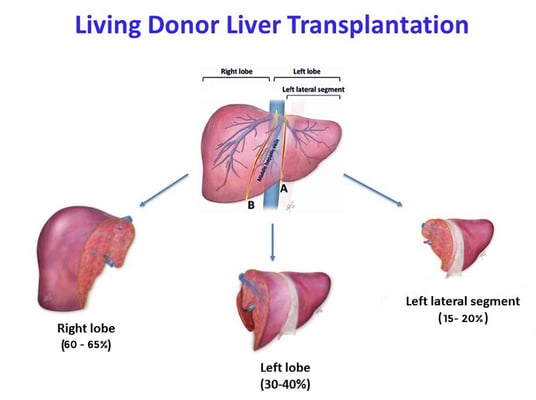
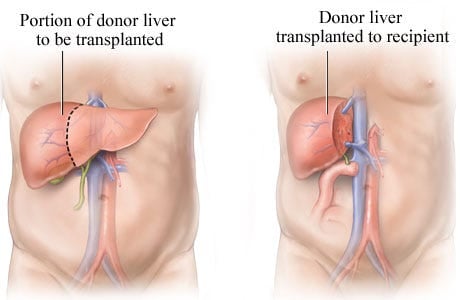
នីតិវិធីប្តូរថ្លើមអ្នកបរិច្ចាគដែលមានជីវិតជាប់ពាក់ព័ន្ធនឹងការយកផ្នែកនៃថ្លើម (ជាធម្មតាផ្នែកខាងស្តាំ ឬខាងឆ្វេង) ពីមនុស្សដែលមានសុខភាពល្អ ហើយប្តូរវាទៅអ្នកទទួល។ ការប្តូរប្រភេទនេះគឺអាចធ្វើទៅបានដោយសារតែថ្លើមមានសមត្ថភាពពិសេសក្នុងការបង្កើតឡើងវិញរហូតដល់ទំហំពេញលេញទាំងអ្នកផ្តល់ជំនួយ និងអ្នកទទួលក្នុងរយៈពេលពីរបីសប្តាហ៍បន្ទាប់ពីការវះកាត់។
ការប្តូរថ្លើមរបស់ម្ចាស់ជំនួយដែលនៅរស់គឺសមបំផុតសម្រាប់កុមារ ឬមនុស្សពេញវ័យដែលមានសមាជិកគ្រួសារ ឬមិត្តភ័ក្តិជាអ្នកផ្តល់ជំនួយ។ គុណសម្បត្តិចម្បងនៃប្រភេទនេះ រួមមានរយៈពេលរង់ចាំខ្លីជាង សមត្ថភាពក្នុងការកំណត់កាលវិភាគនៃការវះកាត់ជាមុន និងអត្រាជោគជ័យខ្ពស់ ដោយសារគុណភាពសរីរាង្គ និងពេលវេលាកាន់តែប្រសើរ។
អ្នកបរិច្ចាគថ្លើមដែលបានស្លាប់
ការប្តូរថ្លើមអ្នកបរិច្ចាគម្នាក់បានប្រើថ្លើមពេញលេញពីអ្នកដែលទើបនឹងស្លាប់ ហើយបានបរិច្ចាគសរីរាង្គរបស់ពួកគេ។ ថ្លើមត្រូវបានរក្សាទុកយ៉ាងប្រុងប្រយ័ត្ន និងប្តូរចូលទៅក្នុងអ្នកជំងឺក្នុងរយៈពេលដ៏សំខាន់មួយបន្ទាប់ពីការដកចេញ។
ការប្តូរថ្លើមរបស់អ្នកបរិច្ចាគដែលបានស្លាប់ត្រូវបានណែនាំសម្រាប់អ្នកជំងឺដែលមិនមានអ្នកបរិច្ចាគរស់ដែលមានសិទ្ធិ។ ទោះជាយ៉ាងណាក៏ដោយ វាអាចពាក់ព័ន្ធនឹងការរង់ចាំយូរជាងនេះ ដោយសារភាពមានកំណត់នៃសរីរាង្គអ្នកបរិច្ចាគដែលបានស្លាប់។ វាត្រូវបានអនុវត្តជាទូទៅចំពោះអ្នកជំងឺដែលមានជំងឺថ្លើមដំណាក់កាលចុងក្រោយ ឬជំងឺខ្សោយថ្លើមស្រួចស្រាវ។
បំបែកការប្តូរថ្លើម
ការវះកាត់ប្តូរថ្លើមដោយបែងចែកថ្លើម ពាក់ព័ន្ធនឹងការបែងចែកថ្លើមរបស់អ្នកបរិច្ចាគដែលបានស្លាប់ជាពីរផ្នែក ដែលបន្ទាប់មកត្រូវបានប្តូរទៅជាអ្នកទទួលពីរផ្សេងគ្នា ជាធម្មតាមនុស្សពេញវ័យម្នាក់ និងកុមារម្នាក់។ វាគឺជានីតិវិធីដែលមានឯកទេសខ្ពស់ ហើយទាមទារភាពជាក់លាក់នៃការវះកាត់ដ៏ល្អឥតខ្ចោះ និងហេដ្ឋារចនាសម្ព័ន្ធមន្ទីរពេទ្យ។
ការវះកាត់ប្តូរថ្លើមមានអត្ថប្រយោជន៍ ព្រោះវាអនុញ្ញាតឱ្យជីវិតពីរនាក់ត្រូវបានរក្សាទុកជាមួយនឹងថ្លើមដែលបានបរិច្ចាគតែមួយ។ បច្ចេកទេសនេះត្រូវបានគេប្រើជាញឹកញាប់នៅក្នុងករណីប្តូរថ្លើមកុមារ ដែលអ្នកទទួលតម្រូវឱ្យមានការពុកផុយតូចជាង។
ការប្តូរថ្លើមជំនួយ
ការប្តូរថ្លើមជំនួយពាក់ព័ន្ធនឹងការផ្សាំថ្លើមអ្នកបរិច្ចាគមួយផ្នែកជាមួយថ្លើមដែលមានជំងឺផ្ទាល់ខ្លួនរបស់អ្នកជំងឺ ជំនួសឱ្យការជំនួសវាទាំងស្រុង។ វិធីសាស្រ្តនេះត្រូវបានពិចារណានៅពេលដែលមានលទ្ធភាពដែលថ្លើមដើមអាចងើបឡើងវិញតាមពេលវេលា ដូចជាក្នុងករណីមានការខ្សោយថ្លើមស្រួចស្រាវដោយសារតែការពុល ឬជំងឺរលាកថ្លើមដោយមេរោគ។
ការប្តូរថ្លើមជំនួយត្រូវបានប្រើជាចម្បងចំពោះអ្នកជំងឺវ័យក្មេង ឬក្នុងស្ថានភាពដែលវេជ្ជបណ្ឌិតចង់រក្សាមុខងារថ្លើមដើម។ ប្រសិនបើថ្លើមរបស់អ្នកជំងឺធូរស្បើយឡើងវិញ អំពើពុករលួយរបស់អ្នកបរិច្ចាគអាចរួមតូច ឬសូម្បីតែត្រូវបានដកចេញក្នុងនីតិវិធីនៅពេលក្រោយ។
តើការប្តូរថ្លើមត្រូវបានអនុវត្តយ៉ាងដូចម្តេច?
ដំណើរការប្តូរថ្លើមអនុវត្តតាមពិធីការដែលមានរចនាសម្ព័ន្ធយ៉ាងប្រុងប្រយ័ត្ន ដើម្បីធានាបានលទ្ធផលល្អបំផុត។ ដំណើរទាំងមូលរួមមានការវាយតម្លៃ ការជ្រើសរើសម្ចាស់ជំនួយ នីតិវិធីវះកាត់ និងការជាសះស្បើយក្រោយការវះកាត់។ ការយល់ដឹងពីជំហាននីមួយៗជួយអ្នកជំងឺ និងគ្រួសាររបស់ពួកគេរៀបចំខ្លួនប្រាណ ផ្លូវចិត្ត និងហិរញ្ញវត្ថុ។
ការវាយតម្លៃមុនការប្តូរសរីរាង្គ
គ្រូពេទ្យវះកាត់ចាប់ផ្តើមដំណើរការដោយធ្វើការវាយតម្លៃផ្នែកវេជ្ជសាស្ត្រហ្មត់ចត់ដើម្បីបញ្ជាក់ថាការវះកាត់ប្តូរថ្លើមគឺជាជម្រើសនៃការព្យាបាលដ៏ល្អបំផុត។ ការវាយតម្លៃរួមមានការធ្វើតេស្តឈាម ការស្កេនរូបភាព ការវាយតម្លៃមុខងារបេះដូង និងសួត និងការប្រឹក្សាផ្លូវចិត្ត។
ក្រុមអ្នកប្តូរសរីរាង្គក៏ពិនិត្យរកមើលការទប់ស្កាត់ណាមួយផងដែរ ដូចជាការឆ្លងមេរោគដែលមិនអាចគ្រប់គ្រងបាន ឬជំងឺបេះដូងធ្ងន់ធ្ងរ។ មានតែអ្នកដែលបំពេញតាមលក្ខណៈវិនិច្ឆ័យសិទ្ធិប៉ុណ្ណោះដែលឈានទៅមុខក្នុងដំណើរការប្តូរសរីរាង្គ។
ការផ្គូផ្គងម្ចាស់ជំនួយ និងការរៀបចំ
ប្រសិនបើអ្នកជំងឺមានម្ចាស់ជំនួយនៅរស់ គ្រូពេទ្យធ្វើតេស្ដភាពត្រូវគ្នា ដើម្បីធានាឱ្យមានការប្រកួតប្រកបដោយសុវត្ថិភាព។ សម្រាប់ការប្តូរអ្នកបរិច្ចាគដែលបានស្លាប់ ឈ្មោះអ្នកជំងឺត្រូវបានបញ្ចូលទៅក្នុងបញ្ជីរង់ចាំការប្តូរ។ ការផ្គូផ្គងរួមមានការពិនិត្យប្រភេទឈាម ទំហំថ្លើម និងសុខភាពទូទៅ។
នៅពេលដែលអ្នកផ្តល់ជំនួយសមស្របត្រូវបានបញ្ជាក់ ទាំងអ្នកបរិច្ចាគ និងអ្នកទទួលត្រូវឆ្លងកាត់ការត្រួតពិនិត្យសុខភាពចុងក្រោយ និងការធ្វើផែនការមុនការវះកាត់។ ក្នុងករណីម្ចាស់ជំនួយដែលនៅរស់ កាលបរិច្ឆេទនៃការប្តូរសរីរាង្គត្រូវបានកំណត់ទុកជាមុន។
ការវះកាត់ប្តូរថ្លើម
ការវះកាត់នេះធ្វើឡើងក្នុងបន្ទប់វះកាត់គ្មានមេរោគដែលបំពាក់ដោយបច្ចេកវិទ្យាប្តូរថ្លើមទំនើប។ គ្រូពេទ្យវះកាត់ប្តូរយកថ្លើមដែលមានជម្ងឺចេញ ហើយជំនួសវាដោយថ្លើមដែលមានសុខភាពល្អ ឬផ្នែកថ្លើមពីអ្នកបរិច្ចាគ។
ប្រតិបត្តិការជាធម្មតាមានរយៈពេល 8 ទៅ 12 ម៉ោង។ គ្រូពេទ្យវះកាត់ប្តូរថ្លើមដែលមានបទពិសោធន៍ធ្វើការរួមជាមួយនឹងគ្រូពេទ្យឯកទេសខាងថ្នាំស្ពឹក និងគាំទ្របុគ្គលិកដើម្បីកាត់បន្ថយហានិភ័យ និងធានាបាននូវភាពជាក់លាក់។
ការថែទាំ ICU ក្រោយការវះកាត់ជាបន្ទាន់
ក្រោយពេលវះកាត់ អ្នកជំងឺត្រូវបញ្ជូនទៅកាន់បន្ទប់ថែទាំដែលពឹងផ្អែកខ្លាំង (ICU) ដើម្បីតាមដានយ៉ាងជិតស្និទ្ធ។ គ្រូពេទ្យពិនិត្យជាប្រចាំនូវសញ្ញាសំខាន់ៗ មុខងារថ្លើម និងការឆ្លើយតបរបស់រាងកាយចំពោះសរីរាង្គថ្មី។
ក្នុងអំឡុងពេលស្នាក់នៅ ICU អ្នកជំងឺទទួលបានថ្នាំការពារភាពស៊ាំដើម្បីការពារការបដិសេធសរីរាង្គ និងថ្នាំអង់ទីប៊ីយោទិចដើម្បីការពារការឆ្លង។
ការស្នាក់នៅមន្ទីរពេទ្យ និងការសង្គ្រោះ
ការស្នាក់នៅមន្ទីរពេទ្យបន្ទាប់ពីការប្តូរថ្លើមនៅប្រទេសឥណ្ឌាមានចាប់ពី 2 ទៅ 3 សប្តាហ៍។ បន្តិចម្តងៗ អ្នកជំងឺចាប់ផ្តើមដើរ ញ៉ាំអាហារ និងបន្តសកម្មភាពជាមូលដ្ឋានក្រោមការត្រួតពិនិត្យផ្នែកវេជ្ជសាស្ត្រ។
ក្រុមប្តូរសរីរាង្គអប់រំអ្នកជំងឺ និងអ្នកថែទាំអំពីអនាម័យ អាហារូបត្ថម្ភ ការថែទាំមុខរបួស និងកាលវិភាគថ្នាំមុនពេលចេញដំណើរ។
ការតាមដាន និងតាមដានរយៈពេលវែង
ក្រោយពេលចេញដំណើរ អ្នកជំងឺទៅពិនិត្យតាមដានជាប្រចាំក្នុងរយៈពេលប៉ុន្មានខែដំបូង។ ដំណើរទស្សនកិច្ចទាំងនេះរួមមាន ការធ្វើតេស្តឈាម ការស្កេនអ៊ុលត្រាសោន និងការកែតម្រូវកម្រិតថ្នាំ។
វេជ្ជបណ្ឌិតត្រួតពិនិត្យរកមើលសញ្ញានៃការបដិសេធសរីរាង្គ ការឆ្លងមេរោគ និងផលវិបាកផ្សេងៗទៀត។ ការថែទាំរយៈពេលវែងជួយធានាឱ្យថ្លើមដំណើរការបានល្អ ហើយអ្នកជំងឺនៅតែមានសុខភាពល្អ។
ទទួលបានផែនការព្យាបាលដោយឥតគិតថ្លៃ
អំពី ការប្តូរថ្លើម ក្នុង ប្រទេសឥណ្ឌា
What is the Cost of a Liver Transplant in India?
The liver transplant cost in India ranges between ₹20 lakhs to ₹30 lakhs, which is approximately $23,000 to $36,000. It includes most of the essential services required for a successful transplant and postoperative recovery. Compared to countries like the United States or the United Kingdom, India offers world-class liver transplant services at a significantly lower price.
What's Included in the Liver Transplant Package in India?
Most liver transplant packages in India cover a comprehensive list of medical and surgical services, which include:
- Pre-transplant evaluation: This includes blood tests, imaging scans (such as MRI or CT), liver function tests, and cardiopulmonary assessments. These tests help determine whether the patient is fit for transplant.
- Surgical procedure charges: The actual cost of liver transplant surgery includes operating theater charges, surgeon's fees, anesthetist fees, and the cost of medical equipment used during the procedure.
- Donor surgery expenses: In the case of a living donor liver transplant, the cost also includes evaluation, hospitalization, and surgery for the donor.
- Intensive Care Unit (ICU) stay: The transplant recipient requires ICU support for several days post-surgery to monitor vital signs and manage complications.
- Hospital stay for both donor and recipient: Typically, recipients remain in the hospital for 2 to 3 weeks while donors stay for about a week.
- Immunosuppressive medications: These are critical drugs that prevent the immune system from rejecting the transplanted liver. The initial cost of these medications is included in the package.
- Nursing and ward care: High-quality postoperative care is provided by trained nurses and medical staff to ensure proper recovery.
- Follow-up consultations (initial period): Some hospitals include a few months of follow-up visits, blood tests, and follow-up monitoring in the overall transplant cost.
India's liver transplant centers also offer value-added services, such as dietary planning, physiotherapy, and counseling, particularly for international patients, as part of a comprehensive care plan.
Cost Breakdown of Liver Transplant in India
The complete cost structure of liver transplant in India includes various stages such as medical evaluations, surgery, hospital stay, medications, and donor care. Below is a detailed cost breakdown of what you can expect.
- Pre-Transplant Evaluation Cost: Doctors perform several diagnostic tests before scheduling the surgery. These include blood tests, imaging scans, cardiac evaluations, and consultations with specialists. The cost for liver transplant pre-evaluation ranges between ₹1,50,000 and ₹2,50,000 (approximately $1,800 to $3,000).
- Liver Transplant Surgery Cost: The surgical cost of liver transplant covers the operation theater, surgeon's fee, anesthetist, surgical team, and equipment. It is the most considerable portion of the expense, ranging from ₹10 lakhs to ₹15 lakhs ($12,000 to $18,000).
- Donor Surgery and Care Cost: In living donor transplants, the donor also undergoes surgery. It includes hospital admission, donor evaluation, and surgical fees. The donor surgery cost in India ranges from ₹3 lakhs to ₹5 lakhs ($3,500 to $6,000).
- Postoperative ICU and Hospital Stay: Patients typically spend several days in the ICU, followed by recovery in a general ward or private room. The ICU and hospitalization cost ranges between ₹3 lakhs and ₹4 lakhs ($3,500 to $4,800).
- Immunosuppressive Medication Cost: After transplant, patients need lifelong medications to prevent organ rejection. The initial cost of the immunosuppressive drug is approximately ₹1 lakh to ₹1.5 lakh ($1,200 to $1,800), which may increase depending on the patient's response to treatment.
- Follow-up Tests and Consultation Charges: After discharge, doctors continue to monitor the patient's progress through regular blood tests and check-ups. The first few months of follow-up care can cost between ₹50,000 and ₹1,00,000 ($600 to $1,200).
Expense Component | Cost in INR | Cost in USD |
| Pre-transplant Evaluation | ₹1,50,000 – ₹2,50,000 | $1,800 – $3,000 |
| Liver Transplant Surgery | ₹10,00,000 – ₹15,00,000 | $12,000 – $18,000 |
| Donor Surgery and Care | ₹3,00,000 – ₹5,00,000 | $3,500 – $6,000 |
| ICU & Hospital Stay | ₹3,00,000 – ₹4,00,000 | $3,500 – $4,800 |
| Immunosuppressive Medications | ₹1,00,000 – ₹1,50,000 | $1,200 – $1,800 |
| Follow-up Care | ₹50,000 – ₹1,00,000 | $600 – $1,200 |
| Total Estimated Cost | ₹20,00,000 – ₹30,00,000 | $23,000 – $36,000 |
Liver Transplant Cost Comparison: India vs Other Countries
India is a preferred destination for liver transplant surgery because of its cost-effectiveness without compromising on quality. When comparing liver transplant costs globally, India consistently offers some of the most affordable options while maintaining excellent outcomes.
In countries such as the United States or the United Kingdom, the total cost of a liver transplant can be overwhelming. Patients often face long waiting times and high out-of-pocket expenses due to insurance deductibles. On the other hand, Indian hospitals provide world-class liver transplant procedures at a fraction of the international cost.
Country | Average Liver Transplant Cost (USD) | Key Highlights |
| India | $23,000 – $36,000 | Affordable, shorter wait time, skilled surgeons |
| United States | $5,00,000 – $8,00,000 | Very high cost, long waiting period |
| United Kingdom | $3,00,000 – $4,50,000 | High cost, availability mostly through the NHS |
| UAE | $1,20,000 – $2,00,000 | Expensive, limited number of transplant centers |
| Turkey | $70,000 – $1,00,000 | Growing medical hub, still costlier than India |
| Singapore | $2,50,000 – $3,50,000 | High-tech facilities but high cost |
India stands out as a country that provides advanced liver transplant surgeries at economical rates. Even after including travel, accommodation, and postoperative recovery costs, the total expense in India remains significantly lower than in most developed nations.
Additionally, Indian hospitals provide comprehensive support to international patients, ensuring a smooth and stress-free process. Choosing India for a liver transplant not only saves money but also reduces waiting time, improves access to skilled doctors, and ensures personalized care.
What are the Factors Affecting Liver Transplant Cost in India?
The liver transplant cost in India can vary widely based on several critical elements related to both the patient and the healthcare facility. These factors influence overall medical expenses, and understanding them provides patients with better clarity on what to expect financially.
- Type of Liver Transplant: Living donor liver transplant usually costs more because it includes two surgeries, one for the donor and one for the patient. Deceased donor transplant may involve costs for coordination and organ matching.
- Hospital and City: The cost of a liver transplant varies depending on the hospital's reputation and location. Premium hospitals in metro cities like Delhi or Mumbai may charge more due to advanced facilities and expert teams.
- Surgeon's Experience: Surgeons with years of transplant experience may charge higher fees. However, their skills often lead to better outcomes and fewer complications.
- Patient's Health Condition: If the patient has advanced liver failure or multiple health issues, they may require additional tests, a more extended ICU stay, and more medications, which can increase the overall cost.
- Donor-Related Expenses: A living donor transplant includes donor screening, surgery, and postoperative care. These services are billed along with the recipient's transplant package.
- Length of Hospital Stay: Patients who recover slowly or need ICU care for longer periods will incur higher hospital bills. The length of hospital stay directly impacts total expenses.
- Post-Transplant Medicines: Immunosuppressants and follow-up tests are essential after surgery. These long-term medications can increase the overall cost by several lakhs.
Why Choose India for Liver Transplant?
India has become one of the top destinations for liver transplants due to its blend of affordability and high medical standards. Patients from across the globe travel here to receive expert care without compromising on quality.
- World-Class Surgeons with Global Training: India boasts some of the most experienced liver transplant surgeons, who have received training at leading institutions worldwide. Their expertise ensures safe procedures and excellent outcomes.
- Advanced Hospitals with Modern Infrastructure: Top hospitals in India offer cutting-edge technology, advanced ICUs, and dedicated transplant units. These facilities follow strict international protocols for safety, hygiene, and postoperative care.
- Affordable Liver Transplant Packages: Liver transplants in India are significantly less expensive than those in countries like the US or the UK. Despite the lower cost, patients receive comprehensive care, including donor surgery and intensive aftercare.
- High Donor Availability and Efficient Coordination: India has a growing living donor program and is steadily improving deceased donor networks. Hospitals here are adept at managing the complex logistics of transplant coordination.
- Minimal Waiting Time and Faster Procedures: Compared to the long waiting lists in many Western countries, India offers quicker evaluation, faster matching, and prompt surgery scheduling, which is critical for patients with urgent liver conditions.
- Holistic Care for International Patients: From visa assistance and travel planning to local language support and post-discharge guidance, Indian hospitals offer a smooth experience for foreign patients seeking liver transplant treatment.
What Services are Provided to Overseas Patients?
India offers a comprehensive range of support services to ensure that overseas patients feel safe, comfortable, and well cared for throughout their liver transplant journey. These services make the entire process, from planning to recovery, stress-free and efficient.
- Dedicated Case Managers for Personalized Care: Each patient is assigned a case manager who acts as the single point of contact. The manager helps coordinate appointments, doctor consultations, surgery schedules, and follow-ups, ensuring seamless communication throughout the treatment.
- Visa Assistance and Medical Invitations: Hospitals in India provide official visa invitation letters (VILs) and help patients and their caregivers with visa applications. Many institutions have tie-ups with embassies to expedite the process.
- Airport Pick-up and Local Travel Support: Many medical travel packages include complimentary airport pick-up and drop-off services. Additionally, hospital teams assist in arranging safe transportation between the hotel, hospital, and recovery accommodations.
- Multilingual Translators and Cultural Support: Most top hospitals have in-house interpreters for Arabic, French, Spanish, Russian, Swahili, and other widely spoken languages. They also assist with local cultural needs and dietary preferences.
- Affordable Guest House and Recovery Stay Options: Hospitals partner with nearby guest houses, serviced apartments, and budget hotels that offer safe and hygienic stays for patients and families. These are often within walking distance of the hospital.
- Currency Exchange and Payment Assistance: The hospital's support teams assist with currency exchange, international payment options, and guidance on utilizing health insurance (if applicable). Some hospitals even allow advance deposits through bank transfers.
- Post-Discharge Care and Follow-Up Support: Even after discharge, hospitals in India offer teleconsultation services and ongoing follow-up with the transplant team. Patients can stay connected with their doctors even after returning home.
What is the Success Rate and Survival After Liver Transplant in India?
Liver transplant outcomes in India have improved significantly, thanks to advancements in surgical techniques, experienced transplant teams, and comprehensive postoperative care. India now offers survival rates that match many leading global transplant centers, while keeping the treatment affordable.
- 1-Year Survival Rate After Liver Transplant: The average 1-year survival rate for liver transplant patients in India is between 85% and 90%. It means that the vast majority of patients recover well after the procedure, especially when the transplant is done at a reputed center with skilled specialists.
- 5-Year Survival Rate After Liver Transplant: The 5-year survival rate ranges from 70% to 75%, depending on the patient's underlying condition, age, and adherence to medications and follow-up protocols. Long-term success also depends on early detection of complications and regular monitoring.
Factors That Improve Liver Transplant Outcomes in India
Liver transplant success is higher when the procedure is performed at transplant centers with a high volume of patients and multidisciplinary teams. Early referral, optimal patient health before surgery, a compatible donor match, and consistent postoperative care also play key roles in improving survival rates.
India's Strength in Delivering High-Quality Transplants
Many Indian hospitals follow international protocols, such as those established by the AASLD (American Association for the Study of Liver Diseases) and the EASL (European Association for the Study of the Liver). The adherence to global standards, combined with state-of-the-art ICUs and access to affordable medications, helps ensure strong outcomes.
Recovery Timeline After Liver Transplant in India
Recovering from a liver transplant is a gradual process that happens in several stages. Each phase is essential for building strength, preventing complications, and adjusting to life with a new liver.
- Hospital Stay (2–3 Weeks): Most patients stay in the hospital for around 2 to 3 weeks after the transplant. The first 7–10 days are usually spent in the ICU, where doctors closely monitor the patient's condition, check liver function, and manage any signs of infection or rejection.
- Initial Home Recovery (First 3 Months): After discharge, patients need to follow strict rest and hygiene routines at home. During the first 3 months, they attend regular follow-up visits, undergo blood tests, and take medications to suppress the immune system (immunosuppressants). It is important to avoid crowded places and eat a well-balanced, low-salt diet during this time.
- Gradual Return to Routine (3–6 Months): Between 3 to 6 months, many patients begin to feel stronger and return to light activities. Doctors may reduce the dosage of certain medications, and the body starts adapting to the new liver. It's vital to closely monitor blood pressure, weight, and blood sugar levels.
- Long-Term Recovery and Lifestyle (6 Months–1 Year): By 6 to 12 months, most patients can resume work or school and return to an everyday daily life. However, long-term medication is essential, along with periodic liver function tests and check-ups. Maintaining a healthy lifestyle, avoiding alcohol, eating nutritious food, and staying active, is crucial for lifelong success after transplant.
ការប្តូរថ្លើម ការប្រៀបធៀបតម្លៃតាមប្រទេស
ប្រៀបធៀបការចំណាយ ការប្តូរថ្លើម នៅទូទាំងប្រទេសផ្សេងៗដើម្បីធ្វើការសម្រេចចិត្តប្រកបដោយព័ត៌មានអំពីការព្យាបាលវេជ្ជសាស្រ្តរបស់អ្នក។
| រសុករេស | ជួរចំណាយ (ដុល្លារអាមេរិក) | ការសន្សំសក្តានុពល | កិច្ច |
|---|---|---|---|
ប្រទេសឥណ្ឌាថ្ផី currentតម្លៃដ៏ល្អបំផុត | $23,000 - $36,000 | — | ទទួលបានការដកស្រង់ |
សម្គាល់ៈ ការចំណាយអាចខុសគ្នាអាស្រ័យលើជម្រើសមន្ទីរពេទ្យប្រភេទរបៀបសេវាកម្មបន្ថែមនិងតម្រូវការផ្នែកវេជ្ជសាស្រ្តនីមួយៗ។
មន្ទីរពេទ្យឈានមុខគេសម្រាប់ ការប្តូរថ្លើម ក្នុង ប្រទេសឥណ្ឌា

មន្ទីរពេទ្យឯកទេស BLK-Max ទីក្រុងញូវដេលី
មន្ទីរពេទ្យ BLK-Max Super Specialty Hospital នៅទីក្រុងញូវដេលី គឺជាស្ថាប័នថែទាំសុខភាពលំដាប់កំពូលមួយរបស់ប្រទេសឥណ្ឌា ដែលផ្តល់ជូននូវគ្រែចំនួន 650 រោងមហោស្...
ការទទួលស្គាល់


មធ្យោបាយបរិក្ខារ

មន្ទីរពេទ្យ Max Smart Super Specialty Hospital, Saket, New Delhi
មន្ទីរពេទ្យ Max Smart Super Specialty Hospital, Saket គឺជាមន្ទីរពេទ្យថែទាំកម្រិត 250 គ្រែនៅ South Delhi ។ វាផ្តល់ជូននូវការថែទាំវេជ្ជសាស្រ្ត និងការវះកា...
ការទទួលស្គាល់
មធ្យោបាយបរិក្ខារ
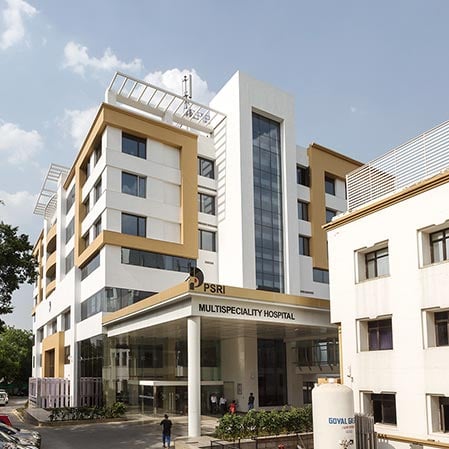
មន្ទីរពេទ្យ PSRI ទីក្រុងដេលី
វិទ្យាស្ថានស្រាវជ្រាវ Pushpawati Singhania (មន្ទីរពេទ្យ PSRI) ទីក្រុងញូវដេលី គឺជាមន្ទីរពេទ្យថែទាំថ្នាក់ឧត្តមសិក្សាពហុឯកទេសឈានមុខគេដែលបានបង្កើតឡើងក្នុង...
ការទទួលស្គាល់
មធ្យោបាយបរិក្ខារ
នីតិវិធីស្រដៀងគ្នា
វិចិរតសាល
សំណួរគេសួរញឹកញាប់
អ្នកវិស្វិក
មើលទាំងអស់
ប្រធាន និងទីប្រឹក្សាជាន់ខ្ពស់ - ការប្តូរថ្លើម
វេជ្ជ បណ្ឌិត Vivek Vij ជា អ្នក ត្រួសត្រាយ ផ្នែក វះកាត់ ប្តូរ ថ្លើម ដែល មាន បទពិសោធន៍ ជាង ១៥ ឆ្នាំ ក្នុង វិស័យ នេះ។ ក្នុងនាមជាប្រធានផ្នែកវះកាត់ប្តូរថ្លើម និងវិទ្យាសាស្ត្រថ្លើមនៅមន្ទីរពេទ្យ Fortis លោកបា... អានបន្ថែម

គេហទំព័ររបស់យើងប្រើខូឃីស៍។ គោលការណ៍ភាពឯកជន.