Бангладешийн өвчтөнүүд ба Энэтхэг дэх эмнэлгийн эмчилгээ: Сонголтод юу нөлөөлдөг вэ?

7/2/2026, 12:58:35 PM 11 min read Medical Tourism
Бангладешийн өвчтөнүүд ба Энэтхэг дэх эмнэлгийн эмчилгээ: Сонголтод юу нөлөөлдөг вэ?
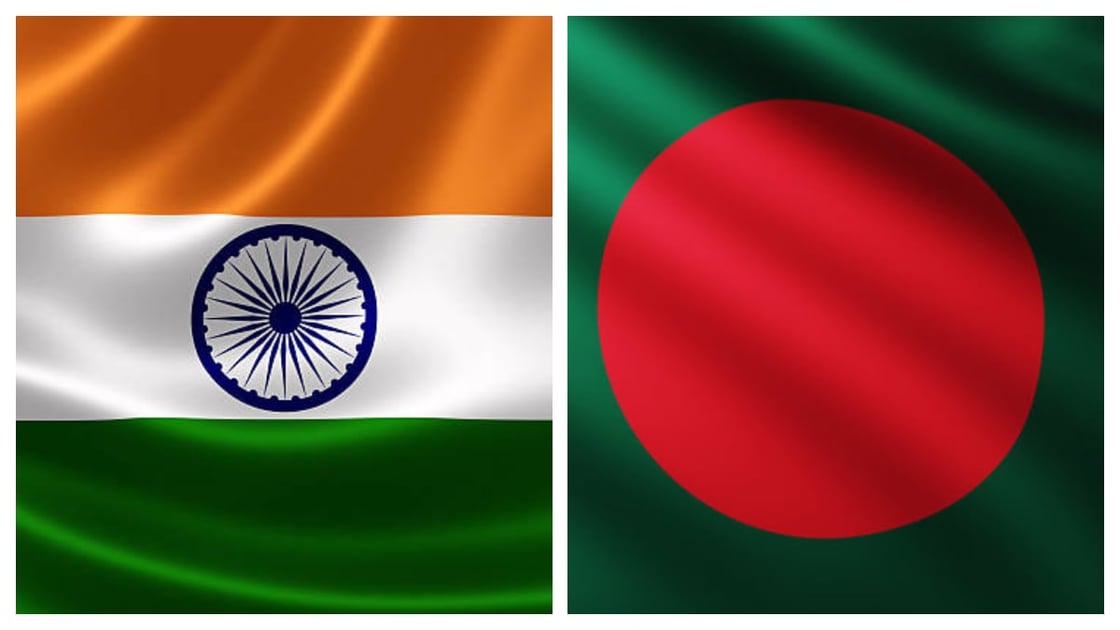
Every year, an estimated300,000–400,000 patients from Bangladeshseek medical treatment abroad. Studies also show thatover 60% of outbound Bangladeshi medical travelers choose Indiaas their first destination. This movement is not driven by preference alone, but by necessity.


Severe conditions such as cancer, heart disease, kidney failure, and complex neurological disorders require fast diagnosis and specialized care. Even minor delays can change outcomes. When timely treatment becomes uncertain, families begin looking across borders.


India sits just a few hours away and offers immediate access to advanced treatment. Short travel time, similar culture, and manageable costs make the decision easier.


For many families in Bangladesh, medical travel is not about choice. It is about reaching the proper care at the right time. This reality explains why India continues to attract patients seeking answers, speed, and hope.


What Healthcare Challenges Do Patients in Bangladesh Face?

Patients in Bangladesh face several healthcare challenges that hinder timely diagnosis and access to advanced treatment. These challenges lead many families to seek medical care outside the country.


  • Pressure from a large population on healthcare services:Bangladesh has a population of over170 million, placing constant strain on hospitals. Public healthcare facilities often operate beyond capacity, making timely care difficult for patients with severe conditions.
  • Limited access to specialist doctors:Specialist care remains insufficient compared to demand. Oncology, cardiology, neurosurgery, transplant medicine, and advanced orthopedics have limited specialists. Patients with complex conditions often struggle to access expert care when needed.
  • Overcrowding and long waiting times:Major hospitals experience heavy patient loads every day. Waiting periods for specialist consultations, diagnostic tests, and planned surgeries can extend from weeks to months. These delays can affect outcomes for cancer, heart disease, and neurological conditions.
  • Uneven availability of advanced diagnostics and treatment:Advanced imaging, such as PET-CT scans, precision radiation therapy, and specialized laboratories, are available at only a few centers. Limited access slows diagnosis and delays treatment planning.
  • Geographic imbalance in healthcare access:Patients from rural and semi-urban areas must travel to major cities for advanced care. Repeated travel increases cost, fatigue, and treatment interruptions, especially for long-term illnesses.
  • Financial burden on families:Private healthcare costs remain high for advanced procedures. Insurance coverage stays limited, and many families cannot manage prolonged treatment or repeated hospital visits.

These challenges make overseas treatment a practical necessity for many patients from Bangladesh. Families look for destinations that offer faster access to specialists, advanced technology, and predictable costs. India fulfills these needs through structured care systems and wide treatment availability.


Why Do Patients from Bangladesh Prefer India for Medical Treatment?

Patients from Bangladesh choose India for medical treatment due to a combination of medical, practical, and economic factors. These reasons make India the most trusted and accessible healthcare destination for Bangladeshi patients.


  • Close geographic proximity and easy access:India shares a direct border with Bangladesh, making travel simple and fast. Short travel time reduces patients' physical stress and allows families to plan treatment quickly, even in urgent medical situations.
  • Faster access to advanced medical treatment:Indian hospitals offer quicker appointments and shorter waiting times for diagnostics and surgery. Patients with cancer, heart disease, kidney failure, or neurological conditions can begin treatment without long delays, which improves outcomes.
  • Wide availability of specialist doctors:India has a large pool of experienced specialists across oncology, cardiology, neurology, orthopedics, and transplant medicine. Doctors handle high patient volumes every year, which strengthens clinical expertise and decision-making.
  • Affordable treatment costs compared to other countries:Medical treatment in India costs significantly less than in Western countries and many regional destinations. Lower procedure costs, cheap medicines, and reasonable living expenses reduce the overall financial burden on families.
  • Advanced hospitals and modern technology:Indian hospitals use robotic surgery, precision radiation therapy, advanced imaging, and modern intensive care units. Patients gain access to technologies that remain limited or unavailable in many parts of Bangladesh.
  • Cultural familiarity and language comfort:Similar food habits, cultural understanding, and easy communication help patients feel comfortable during long treatment periods. This familiarity reduces anxiety and supports emotional well-being.
  • Comprehensive care under one system:Diagnosis, treatment, surgery, and follow-up care are coordinated within the same healthcare network. Patients avoid repeated referrals and unnecessary delays.

These factors explain why India remains the first choice for many patients from Bangladesh. The combination of speed, expertise, affordability, and accessibility makes India a reliable destination for advanced medical treatment.


What Medical Treatments Do Patients from Bangladesh Commonly Seek in India?

Patients from Bangladesh travel to India mainly for treatments that require advanced expertise, modern technology, and timely intervention. These conditions often affect survival, long-term health, or daily functioning.


  • Cancer treatment and oncology care: Cancer care remains the most common reason for medical travel. Patients seek chemotherapy, precision radiation therapy, targeted therapy, immunotherapy, and bone marrow transplants. Indian cancer centers provide multidisciplinary care that helps patients start treatment quickly and continue without interruption.
  • Heart treatment and cardiac surgery:Heart disease drives many patients to seek care abroad. Common treatments include bypass surgery, valve repair or replacement, angioplasty, and pediatric heart surgery. Advanced cardiac units and structured rehabilitation support recovery.
  • Kidney treatment and dialysis care:Chronic kidney disease affects a large number of patients. Many travel for long-term dialysis programs and kidney transplant evaluation.
  • Neurology and neurosurgery:Patients seek treatment for brain tumors, stroke, epilepsy, and spine-related nerve disorders. Advanced imaging and surgical planning improve accuracy and outcomes in complex neurological cases.
  • Orthopedic and spine surgery:Joint pain, arthritis, and spinal disorders affect mobility and quality of life. Knee replacement, hip replacement, and spine surgery attract patients who need reliable outcomes and faster recovery.
  • Organ transplant services:Liver and kidney transplant programs draw patients who require coordinated care and experienced surgical teams. Structured transplant pathways support evaluation, surgery, and early recovery.

These treatment areas explain the steady flow of patients from Bangladesh to India. Access to specialist care, advanced technology, and organized treatment pathways makes India a dependable destination for complex medical needs.


What Are the Latest Medical Technologies Available in India for Bangladeshi Patients?

Patients from Bangladesh choose India because advanced technology directly improves diagnosis accuracy, treatment safety, and recovery speed. Indian hospitals invest heavily in modern systems that support complex care.


  • Robotic and minimally invasive surgery:Robotic systems support precise surgery in cancer care, urology, gynecology, and orthopedics. Smaller incisions reduce pain, blood loss, and hospital stay. Faster recovery helps patients return to daily life sooner.
  • Advanced cancer radiation therapy:Cancer centers use IMRT, IGRT, VMAT, and proton therapy to target tumors accurately. These techniques protect healthy tissue and reduce side effects. Patients tolerate treatment better and maintain their quality of life.
  • High-precision imaging and diagnostics:PET-CT, 3T MRI, advanced CT scans, and molecular diagnostics detect disease earlier and guide treatment planning. Accurate diagnosis improves outcomes in cancer, neurology, and cardiac care.
  • Modern organ transplant technology:Transplant programs use advanced organ preservation, surgical tools, and monitoring systems. These technologies improve graft survival and reduce complications after kidney and liver transplants.
  • Digital health and telemedicine support:Hospitals offer teleconsultations, digital report sharing, and remote follow-up. Patients can plan treatment before travel and continue follow-up after returning home, which supports continuity of care.

These technologies explain why India attracts patients seeking reliable outcomes. For Bangladeshi patients, access to modern systems means safer procedures and quicker recovery.


What Is the Cost of Medical Treatment in India for Patients from Bangladesh?

Cost clarity plays a significant role in treatment decisions for patients from Bangladesh. India offers advanced medical care with transparent, manageable pricing from the beginning.


Treatment costs in India remain significantly lower across primary specialties.


Most hospitals provide a detailed cost estimate before admission. These estimates often include consultation, surgery, hospitalization, nursing care, and medicines. Transparent pricing helps families plan treatment without fear of unexpected expenses.


How Affordable Is India Compared to Other Countries for Patients from Bangladesh?

Affordability remains a key reason patients from Bangladesh choose India. When families compare global options, India consistently delivers advanced care at a much lower total cost.


Nearby destinations may reduce travel time, but procedure prices often stay premium. Some complex treatments also require referrals to another country, which adds cost and delays. India avoids this by offering diagnosis, surgery, and recovery within one coordinated system.


Lower costs in India extend beyond surgery. Diagnostic tests, medicines, accommodation, and daily expenses remain affordable. This reduces financial pressure during long cancer treatments or transplant recovery.


Average Treatment Cost Comparison (USD)

Procedure

India

United States

United Kingdom

Germany

Singapore

Heart Bypass Surgery (CABG)4,000–8,00070,000–100,00045,000–60,00050,000–65,00040,000–55,000
Knee Replacement4,000–6,50035,000–50,00025,000–30,00028,000–35,00022,000–30,000
Kidney Transplant12,000–15,000180,000–250,00090,000–120,000100,000–130,00070,000–90,000
Liver Transplant35,000–45,000150,000–200,000120,000–160,000130,000–170,000110,000–140,000
Cancer Treatment (Full Cycle)8,000–15,00060,000–120,00050,000–90,00055,000–100,00045,000–80,000
Spine Surgery5,000–9,00050,000–80,00035,000–55,00040,000–60,00030,000–45,000

These comparisons show consistent savings of60–80%with no compromise on safety or outcomes. Hospitals follow international protocols and use modern technology, while high case volumes improve efficiency.


What Is the Success Rate of Treatment in India for Bangladeshi Patients?

Success rates play a significant role when families from Bangladesh choose treatment abroad. India reports strong outcomes across major medical procedures, driven by experienced specialists, modern technology, and structured care pathways.


  • Success rate of heart surgery and cardiac procedures:Heart bypass surgery and valve procedures in India show success rates of95–98%in stable patients. High surgical volume and advanced cardiac ICUs support safe recovery and long-term results.
  • Success rate of cancer treatment:Treatment outcomes vary by cancer type and stage. Early-stage cancers treated in India show success rates of70–90%, while many advanced cancers achieve reasonable disease control and improved survival. Multidisciplinary cancer care improves consistency of results.
  • Success rate of kidney and liver transplant:Kidney transplant success rates in India range between90–95%in the first year. Liver transplant success rates commonly reach85–90%in experienced centers. Advanced transplant protocols and close follow-up support these outcomes.
  • Success rate of joint replacement surgery:Knee and hip replacement surgeries in India report success rates of95–99%. Most patients regain mobility and experience significant pain relief within months of surgery.
  • Success rate of spine and neurosurgery:Spine surgery and neurosurgical procedures have success rates of85–95%, depending on the complexity of the condition. Minimally invasive techniques help reduce complications and recovery time.

For patients from Bangladesh, India offers not only affordable treatment but also proven outcomes. Strong success rates provide confidence that treatment decisions lead to meaningful recovery and long-term health.


What Patient Support Services Help Patients from Bangladesh Feel Comfortable in India?

Patient comfort and coordination matter as much as treatment quality. India offers structured support that helps Bangladeshi patients manage every stage of care with confidence.


  • Dedicated international patient coordination:Hospitals assign international patient teams to manage appointments, investigations, and treatment schedules. This coordination keeps timelines clear and reduces confusion during complex care.
  • Easy communication and language comfort:Doctors and care teams communicate clearly in simple English. Many staff members understand Bangla terms, which helps patients and families feel at ease during consultations and daily care.
  • Assistance for family companions:Patients often travel with a relative. Hospitals help arrange nearby accommodation and daily logistics. Staying close to family supports emotional well-being and recovery.
  • Comfort during long treatment stays:Affordable accommodation options, flexible meal choices, and access to familiar food help patients settle during extended treatment or recovery periods.
  • Compassionate, personalized care:Care teams listen to concerns and adapt plans when needed. Patients experience respectful, person-centered care rather than a one-size-fits-all approach.

These services reduce stress and improve the overall experience. For patients from Bangladesh, organized support in India allows them to focus on healing and recovery rather than logistics.


How Easy Is Travel from Bangladesh to India for Medical Treatment?

Travel convenience strongly influences medical decisions for patients from Bangladesh. India offers one of the easiest and fastest cross-border healthcare journeys in the region.


  • Close geographic proximity:Bangladesh shares a direct border with India. Many patients reach Indian cities within a few hours. Short travel time reduces physical strain and allows quick treatment planning, even in urgent cases.
  • Frequent flight and land connectivity:Daily flights operate fromDhakaand other major cities to multiple Indian medical hubs. Land routes also remain widely used for nearby destinations. This flexibility helps patients choose the most comfortable travel option.
  • Short travel duration:Flight time usually ranges from1 to 3 hours, depending on the destination. Short journeys make India suitable for elderly patients and those with severe medical conditions.
  • Easy travel for family members:Patients often travel with a companion. Flexible airline schedules and simple documentation allow families to stay together during treatment and recovery.
  • Convenient follow-up visits:Short distance makes repeat visits practical. Patients can return for follow-ups or additional treatment phases without complex travel planning.

For patients from Bangladesh, travel to India remains simple, fast, and affordable. This ease of access supports timely care and long-term treatment continuity.


How Can Patients from Bangladesh Get an Indian Medical Visa for Treatment?

Getting a medical visa is a key step for Bangladeshi patients planning treatment in India. The process is structured, patient-friendly, and designed to support timely medical care.


What Is an Indian Medical Visa (MED Visa)?

India issues a dedicatedMedical Visa (MED)for patients who travel for treatment. This visa applies to cancer care, heart surgery, organ transplants, neurology treatment, orthopedic surgery, and other advanced procedures. It allows patients to remain in India throughout the treatment and recovery.


Indian Medical Visa Requirements for Bangladeshi Patients

The application requires a valid passport, recent photographs, medical reports from Bangladesh, and a medical invitation letter from a recognized hospital in India. These documents confirm the need for treatment and help ensure faster processing.


Medical Visa Processing Time

Medical visas usually process faster than regular visas. In most cases, approval takes a few working days once documents are complete. Urgent cases may receive priority, allowing patients to begin treatment without delay.


Medical Attendant Visa for Family Members

India also provides aMedical Attendant Visa. One or two family members can accompany the patient for the same duration. Family support plays a vital role during hospitalization and recovery.


Multiple Entry and Extension Options

Medical visas often allow multiple entries. Patients can return home between treatment phases and resume follow-up care. Extensions may be possible if treatment continues longer than planned, based on medical advice.


Conclusion

For many patients in Bangladesh, access to timely and advanced medical care remains a challenge. Severe health conditions require speed, specialist expertise, and reliable treatment pathways. India meets these needs through modern medical technology, experienced doctors, and organized healthcare systems.


Affordable treatment costs, high success rates, and strong patient support services make the journey manageable. Easy travel, familiarity with the culture, and a straightforward medical visa process further reduce stress for patients and families.


For patients from Bangladesh, India stands out as a trusted destination for quality medical treatment, offering timely care, clear outcomes, and a practical path toward better health.

Холбоотой эмнэлэг

Энэхүү сэдэв нь чанарын эрүүл мэндийн үйлчилгээнд холбогдох эмнэлэг, эмнэлгийн төвүүд.
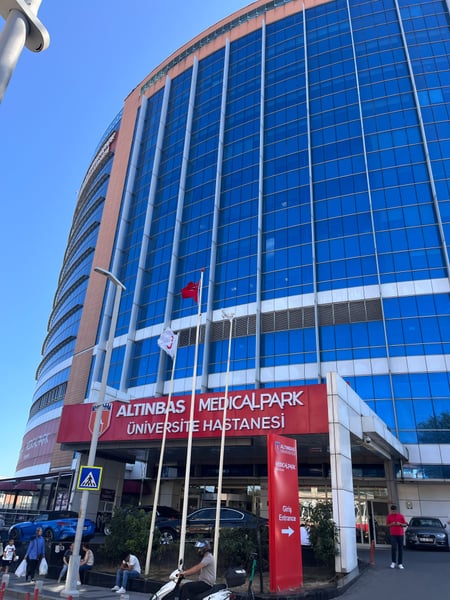
Medical Park Bahcelievler эмнэлэг

Истанбул, Турк

Medical Park Bahcelievler эмнэлэг нь Истанбул хотод 2007 онд байгуулагдсан, JCI байгууллагын магадлан итгэмжлэгдсэн 242 ортой эмнэлэг бөгөөд 33,000 ха...

Multi-specialty
Бий тооцоо 2007
242 ор
Хэрцийлсэн
Joint Commission International (JCI)
Нэгж
+13

BLK-Max супер мэргэжлийн эмнэлэг, Нью Дели

Шинэ Дели, Энэтхэг

Шинэ Дели дэх BLK-Max Super Specialty эмнэлэг нь 650 ортой, 22 дэвшилтэт мэс заслын тасаг, 13 мэргэжлийн төвийг санал болгодог Энэтхэгийн эрүүл мэндий...

Multi-specialty
Бий тооцоо 1959
650 ор
Хэрцийлсэн
Joint Commission International (JCI)
National Accreditation Board for Hospitals & Healthcare Providers (NABH)
Нэгж
+13

Fortis Memorial Research Institute (FMRI), Гургаон

Гургаон, Энэтхэг

Гургаон хотын Fortis Memorial Research Institute (FMRI) нь 2013 онд байгуулагдсан дэлхийн жишигт нийцсэн олон төрлийн мэргэжлийн эмнэлэг юм. Тус эмнэл...

Multi-specialty
Бий тооцоо 2013
330 ор
Хэрцийлсэн
Joint Commission International (JCI)
National Accreditation Board for Hospitals & Healthcare Providers (NABH)
Нэгж
+13

Артемис эмнэлэг, Гургаон

Гургаон, Энэтхэг

Гургаон хотын Артемис эмнэлэг нь 2007 онд байгуулагдсан JCI байгууллагын магадлан итгэмжлэгдсэн олон мэргэшлийн эмнэлэг бөгөөд 9 акр талбайд 750+ орто...

Multi-specialty
Бий тооцоо 2007
750 ор
Хэрцийлсэн
Joint Commission International (JCI)
National Accreditation Board for Hospitals & Healthcare Providers (NABH)
International Organization for Standardization (ISO)
Нэгж
+13

Кокилабен Дирубхай Амбани эмнэлэг, Мумбай

Мумбай, Энэтхэг

Мумбай дахь Кокилабен Дирубхай Амбани эмнэлэг нь 2009 онд байгуулагдсан JCI, NABH, NABL, CAP-ийн магадлан итгэмжлэгдсэн дөрөв дэх шатлалын эмнэлэг юм....

Multi-specialty
Бий тооцоо 2009
750 ор
Хэрцийлсэн
Joint Commission International (JCI)
National Accreditation Board for Hospitals & Healthcare Providers (NABH)
International Organization for Standardization (ISO)
Нэгж
+13

Медиковер эмнэлгүүд, Хайтек хот, Хайдарабад

Хайдарабад, Энэтхэг

Medicover Hospitals, Hitech City, Hyderabad нь 2011 онд байгуулагдсан 400 ортой NABH-ийн магадлан итгэмжлэгдсэн супер нарийн мэргэжлийн эмнэлэг юм. Эн...

Multi-specialty
Бий тооцоо 2011
400 ор
Хэрцийлсэн
National Accreditation Board for Hospitals & Healthcare Providers (NABH)
Joint Commission International (JCI)
Нэгж
+13

Холбоотой эмч нар

Энэ салбарт туршлагатай эмч, эмнэлгийн мэргэжилтнүүдтэй холбогдоорой.
Доктор Ананда Мандал

Доктор Ананда Мандал

Consultant

27 олон жилийн туршлага
Доктор Индранил Хан

Доктор Индранил Хан

Consultant

8 олон жилийн туршлага
Доктор Прадип Чакрабарти

Доктор Прадип Чакрабарти

Head of Department (HOD)
45 олон жилийн туршлага
Доктор Ракеш Ражпут

Доктор Ракеш Ражпут

Head of Department (HOD)
30 олон жилийн туршлага
Доктор Правен Г Л

Доктор Правен Г Л

Consultant

10 олон жилийн туршлага
Доктор Чандрамохан К

Доктор Чандрамохан К

Senior Consultant

27 олон жилийн туршлага

Холбоотой хамаатгал

Эрүүл мэндийн ижил төстэй сэдвээр илүү олон нийтлэл, ойлголтыг судал.
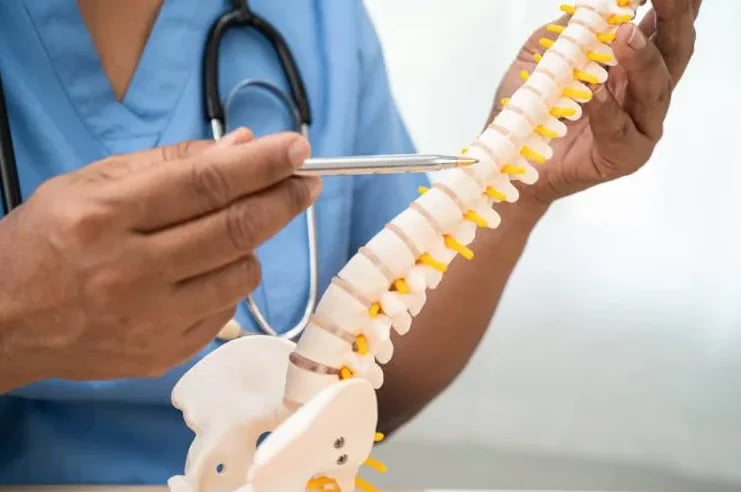
Гадаадад нурууны мэс засал хийх нь аюулгүй юу?
Medical Tourism

Гадаадад нурууны мэс засал хийх нь аюулгүй юу?

2/4/2026, 1:32:33 PM
8 min read
Нурууны эмгэг нь дэлхий даяар сая сая өвчтөнд нөлөөлдөг. Мөгөөрсөн жийргэвчийн гулсалт, нугасны нарийсал, нурууны дегенератив өвчин зэрэг эмгэгүүд нь ...
Гадаадад эрхтэн шилжүүлэн суулгахад хэрхэн бэлдэх вэ: Эрүүл мэнд, хууль эрх зүй, аялал жуулчлалын хяналтын хуудас
Medical Tourism

Гадаадад эрхтэн шилжүүлэн суулгахад хэрхэн бэлдэх вэ: Эрүүл мэнд, хууль эрх зүй, аялал жуулчлалын хяналтын хуудас

2/4/2026, 1:03:37 PM
7 min read
Эрхтэн шилжүүлэн суулгахүе шат бүрт нарийн төлөвлөлт шаарддаг. Өвчтөнүүд шилжүүлэн суулгах мэс засалд орохоор гадаад руу явах үед бэлтгэл нь бүр ч чух...
Эрхтэн шилжүүлэн суулгахад хамгийн тохиромжтой улсууд: 2026 оны зардал, хүлээх хугацаа, хуулийн шаардлагуудын гарын авлага
Medical Tourism

Эрхтэн шилжүүлэн суулгахад хамгийн тохиромжтой улсууд: 2026 оны зардал, хүлээх хугацаа, хуулийн шаардлагуудын гарын авлага

2/4/2026, 9:05:33 AM
7 min read
Дэлхийн эрэлт хэрэгцэээрхтэн шилжүүлэн суулгах мэс засалжил бүр нэмэгдсээр байна. Сая сая өвчтөнүүд эрхтэний дутагдлын төгсгөлийн үе шатанд амьдардаг ...
Back Pain or Something More? When Does a Spine Tumor Require Surgery?

Medical Tourism

Back Pain or Something More? When Does a Spine Tumor Require Surgery?

1/3/2026, 12:51:20 PM
9 min read
Оношлогоо нь нуруунд хамаарах үед эхний асуулт нь бараг үргэлж байдаг.Би алхаж чадах болов уу?2026 онд нурууны хавдрыг эмчлэх нь "түрэмгий арилгах" -а...
Эрхтэн шилжүүлэн суулгасны дараа хэр удаан амьдрах боломжтой вэ?
Medical Tourism

Эрхтэн шилжүүлэн суулгасны дараа хэр удаан амьдрах боломжтой вэ?

1/3/2026, 12:19:15 PM
7 min read
Чамд хэрэгтэй гэж хэлэхэд тандшилжүүлэн суулгах, таныг зовоож буй эхний асуулт бол ихэвчлэн асуухад хамгийн хэцүү байдаг:Энэ надад хэр их цаг зарцуула...
Энэтхэгт хэн эрхтэн шилжүүлэн суулгах боломжтой вэ? Сонгон шалгаруулалтын дүрмийг тайлбарлав

Medical Tourism

Энэтхэгт хэн эрхтэн шилжүүлэн суулгах боломжтой вэ? Сонгон шалгаруулалтын дүрмийг тайлбарлав

1/3/2026, 12:00:36 PM
7 min read
Эрхтэн дутагдал нь дэлхийн эрүүл мэндийн тулгамдсан асуудал хэвээр байна. Бөөрний архаг өвчин дэлхий даяар сая сая хүнийг хамарч, жил бүр олон мянган ...
Доктор Дипаншу Сивач

Эрхэм анагаахын зохиолч

Sr. Medical Content Writer Qonaq Health and Wellness
Doctor of Pharmacy

Доктор Дипаншу Сивач бол эм зүйн ухааны доктор зэрэгтэй, туршлагатай эм зүйч юм. Тэрээр 4 гаруй жилийн туршлагатай бөгөөд олон мянган өвчтөнтэй ажилласан. Тэрээр Артемис Гургаон, Теертанкер Махавир ... Цааш унших

Манай вэбсайт нь жигнэмэг хэрэглэдэг. Нууцлалын бодлого.