
Immunterapi Kostnad i Indien
Om Immunterapi
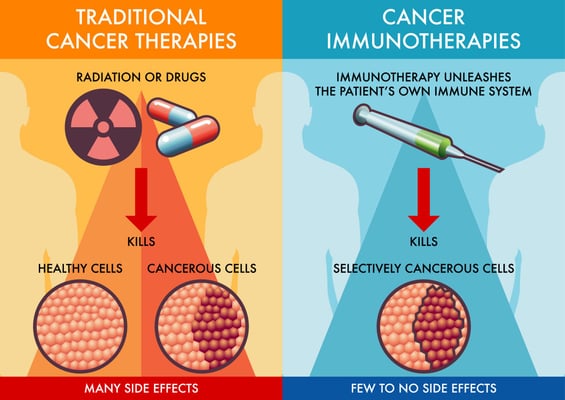
Över 20 miljoner nya cancerfall diagnostiseras globalt varje år, och för många patienter har immunterapi blivit en spelomvandlare inom cancerbehandling. Till skillnad från traditionell kemoterapi, som riktar sig till både friska och cancerceller, stimulerar immunterapi kroppens immunsystem att identifiera och förstöra cancerceller naturligt.
Vad är immunterapi?
Immunterapi är en modern cancerbehandling som hjälper din kropps immunsystem att känna igen och förstöra cancerceller. Istället för att direkt attackera tumören, tränar den dina immunceller - t.exT-celler och antikroppar— Att upptäcka och bekämpa cancer mer effektivt.
Denna terapi fungerar avÖka det naturliga försvaret, Återställa immunbalansen och blockera signaler som hjälper cancer att gömma sig från immunattack. Det används nu som primär eller kombinationsbehandling för många cancerformer, särskilt när kemoterapi eller strålning ensam inte räcker.
Immunterapi kan användas för att:
- stoppa eller bromsa cancertillväxt
- Förhindra att cancer sprider sig
- Stärka immunförsvaret efter operation eller kemoterapi
- Förbättra överlevnad och långsiktig remission
det har blivit en av deMest lovande genombrott inom onkologi, erbjuder riktade, mindre giftiga och mer långvariga resultat jämfört med konventionella behandlingar.
Vilka är de olika typerna av immunterapi?
Immunterapi är inte en enda behandling. Den innehåller flera specialiserade metoder utformade för att förbättra eller modifiera immunsystemets inriktning på cancer. Varje typ fungerar olika beroende på typ och stadium av cancer.
Immunkontrollpunktshämmare
Dessa är de vanligaste formerna av immunterapi. deBlockera proteiner(som PD-1, PD-L1 och CTLA-4) som förhindrar immunceller från att attackera cancer. Genom att stänga av dessa "kontrollpunkter" kan immunsystemet mer effektivt upptäcka och förstöra cancerceller.
Används för:Lung-, hud- (melanom), njur-, lever- och blåscancer.
Monoklonala antikroppar (mAbs)
Dessa labbtillverkade antikroppar är utformade för att fästa till specifika proteiner på cancerceller. MAB hjälper immunsystemet att identifiera och förstöra tumörceller eller leverera radioaktiva eller giftiga ämnen direkt till cancern.
Används för:Bröst-, kolon- och huvud- och halscancer.
Car-T-cellsterapi
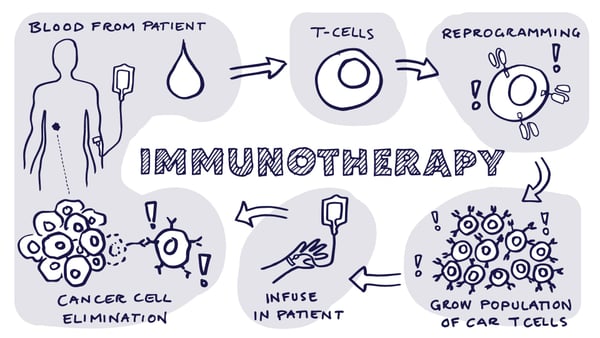
CAR-T (chimeric antigen receptor T-cell) terapi är en av de mest avancerade immunterapierna. det involverarSamla en patients T-celler, modifiera dem i ett labb för att känna igen cancer och återinföra dem i kroppen. Dessa konstruerade T-celler jagar sedan aktivt och dödar cancerceller.
Används för:Blodcancer såsom lymfom, leukemi och multipelt myelom.
cancervacciner
Till skillnad från förebyggande vacciner (som HPV) är cancervaccinerterapeutisk— De hjälper immunsystemet att känna igen och attackera befintlig cancer. De kan också förhindra att vissa cancerformer kommer tillbaka efter initial behandling.
Används för:Melanom, prostata och vissa typer av livmoderhalscancer och blåscancer.
immunförsvarsmodulatorer
Dessa läkemedel ökar den övergripande immunaktiviteten snarare än att rikta in sig på specifika cancerceller. De förstärker kroppens naturliga immunsvar, vilket gör att den kan bekämpa tumörer mer effektivt.
Används för:Njurcancer, melanom och vissa typer av sarkom.
Hur ges immunterapi?
Immunterapi administreras på flera sätt, beroende på typ av läkemedel och patientens tillstånd. Det kan ges genom en IV (intravenös infusion), genom injektion eller till och med oralt i vissa fall. Behandlingsscheman är anpassade för varje cancerpatient och kan fortsätta i flera månader eller år.
- Intravenös (iv) infusion:Detta är den vanligaste metoden. Immunterapiläkemedel levereras direkt till blodomloppet genom en ven. Varje terapisession kan pågå mellan 30 minuter och 2 timmar, beroende på vilket läkemedel som används. Patienter får vanligtvis behandling varannan till var fjärde vecka, följt av viloperioder.
- Subkutan eller intramuskulär injektion:Vissa immunterapiläkemedel kan injiceras i den subkutana vävnaden eller i muskeln. Dessa används ofta för underhålls- eller boosterdoser efter initiala IV-behandlingar.
- Oral immunterapi (tabletter eller kapslar):Vissa nyare läkemedel kan tas oralt. Dessa är bekväma men kräver strikt övervakning för att spåra immunsvar och biverkningar.
- Aktuell immunterapi:I vissa hudcancer, som melanom i tidigt stadium, appliceras topikala krämer direkt för att stimulera ett lokalt immunsvar.
- CAR-T-cellinfusion (specialterapi):I CAR-T-terapi samlas en patients egna T-celler in, modifieras i ett labb och återinfunderas i patientens kropp. Denna process tar flera veckor och utförs i specialiserade cancercentra.
Immunterapi ges i cykler. Varje cykel inkluderar en behandlingssession följt av en viloperiod. Den totala varaktigheten kan variera från6 månader till 2 år, beroende på cancertyp, läkemedelssvar och patienttolerans.
Få en gratis behandlingsplan
Om Immunterapi i Indien
What Is the Cost of Immunotherapy in India?
The average cost of immunotherapy in India ranges from USD 1,800 to USD 4,500 per cycle (₹1.5 lakh – ₹3.7 lakh per cycle). The total cost depends on the type of cancer, the drug used, the number of treatment cycles, and the hospital choice.
Type of Immunotherapy | Estimated Cost per Cycle (INR) | Approx. Cost (USD) |
| Checkpoint inhibitors (e.g., Nivolumab, Pembrolizumab) | ₹1,50,000 – ₹3,50,000 | $1,800 – $4,200 |
| Monoclonal antibodies | ₹1,20,000 – ₹2,80,000 | $1,400 – $3,300 |
| Cancer vaccines | ₹80,000 – ₹1,50,000 | $950 – $1,800 |
| CAR-T cell therapy (advanced) | ₹25,00,000 – ₹45,00,000 | $30,000 – $55,000 |
| Cytokine therapy / immune modulators | ₹70,000 – ₹1,20,000 | $850 – $1,450 |
Note: CAR-T cell therapy is among the most advanced and high-cost options, usually performed at specialized oncology centers.
What Are the Monthly and Annual Costs of Immunotherapy?
The number of immunotherapy sessions varies for each patient based on cancer type, disease stage, and response. Here's an approximate range for treatment planning:
Duration | Average Total Cost (INR) | Approx. USD Equivalent |
| 1 month (1–2 sessions) | ₹2,00,000 – ₹5,00,000 | $2,400 – $6,000 |
| 6 months | ₹10,00,000 – ₹22,00,000 | $12,000 – $26,000 |
| 12 months | ₹20,00,000 – ₹45,00,000 | $24,000 – $55,000 |
Each patient's treatment plan is unique. The oncologist determines the number of cycles, drug type, and duration based on tumor response and overall health.
What Does the Cost Include and Exclude?
Immunotherapy costs in India are typically offered as comprehensive treatment packages that cover consultations, drug administration, and post-treatment care. However, knowing what's included and what's not helps patients plan their medical journey more confidently.
Cost Includes:
- Oncologist Consultation and Treatment Planning
- Immunotherapy Drugs and Infusion Charges
- Anesthetist or Nursing Support (if required)
- Hospital or Day-Care Facility Charge
- Pre- and Post-Session Monitoring
- Routine Medications and Supportive Care
- Follow-Up Consultations
Cost Excludes:
- Pre-treatment Investigations
- Advanced Genetic or Biomarker Tests
- Hospital Admission (if complications occur)
- Travel, Visa, and Accommodation
- Combination or Add-On Therapies
- Long-Term Maintenance Drugs
City-Wise Immunotherapy Cost in India
The cost of immunotherapy in India varies from city to city based on the hospital's oncology infrastructure, the oncologist's experience, and the drug brand used. Metro cities like Delhi, Mumbai, and Bangalore typically have slightly higher prices due to advanced facilities and access to global cancer drugs.
Here's a general comparison of average immunotherapy costs across major Indian cities:
City | Average Cost per Cycle (INR) | Approx. Cost (USD) |
| New Delhi | ₹1,60,000 – ₹3,50,000 | $1,900 – $4,200 |
| Mumbai | ₹1,70,000 – ₹3,80,000 | $2,000 – $4,600 |
| Bangalore | ₹1,50,000 – ₹3,20,000 | $1,800 – $3,900 |
| Chennai | ₹1,40,000 – ₹3,00,000 | $1,700 – $3,600 |
| Hyderabad | ₹1,40,000 – ₹3,20,000 | $1,700 – $3,900 |
| Pune | ₹1,20,000 – ₹2,80,000 | $1,450 – $3,400 |
| Gurgaon | ₹1,60,000 – ₹3,50,000 | $1,900 – $4,200 |
| Kolkata | ₹1,20,000 – ₹2,70,000 | $1,450 – $3,200 |
What Factors Affect the Cost of Immunotherapy in India?
The total cost of immunotherapy in India depends on multiple factors. Each patient's treatment plan is unique so that prices can vary even for the same cancer type.
- Type of Immunotherapy Used: Different drugs have different price ranges. Checkpoint inhibitors like Pembrolizumab (Keytruda) and Nivolumab (Opdivo) are more expensive than monoclonal antibodies or immune modulators. CAR-T cell therapy, a highly advanced personalized treatment, is the most costly form of immunotherapy.
- Type and Stage of Cancer: The cost varies by cancer type, stage, and progression. Cancers that require multiple drug combinations or longer treatment cycles tend to have higher overall expenses.
- Drug Brand and Dosage: International drug brands imported from the US or Europe cost more than Indian equivalents. The oncologist decides the dosage and number of cycles required for each patient, which significantly affects the total cost.
- Hospital Category and Facilities: Top-tier hospitals in Delhi, Mumbai, and Gurgaon with dedicated cancer centers and clinical research units charge higher rates.
- Oncologist's Expertise: Highly experienced oncologists and immunotherapy specialists may charge higher consultation or supervision fees.
- Number of Cycles Required: Most immunotherapies are administered over multiple cycles. Patients who respond early may need fewer doses, whereas others may require long-term or maintenance therapy, increasing total costs.
- Additional Supportive Treatments: In some cases, immunotherapy is combined with chemotherapy, radiation, or targeted therapy to improve outcomes. Combination therapies increase the overall cost but also improve treatment effectiveness.
How Does the Cost in India Compare with Other Countries?
Immunotherapy in India offers the same advanced cancer treatment options as those available in the US, UK, or Singapore, but at a fraction of the price. Patients receive access to global drug brands, modern infusion centers, and internationally trained oncologists while saving up to 70% on overall treatment costs.
India's affordability does not compromise on quality. The same FDA- and EMA-approved immunotherapy drugs are used, often sourced directly from certified global manufacturers.
Country | Average Cost per Cycle (USD) | Savings Compared to India |
| India | $1,800 – $4,500 | — |
| United States | $10,000 – $18,000 | 70–75% lower |
| United Kingdom | $8,000 – $14,000 | 65–70% lower |
| United Arab Emirates | $6,000 – $10,000 | 60–65% lower |
| Singapore | $7,000 – $12,000 | 55–65% lower |
| Thailand | $4,000 – $6,000 | 40–50% lower |
Why India Offers Better Value
India's strong pharmaceutical ecosystem, lower medical infrastructure costs, and skilled oncology workforce make treatment far more affordable than in Western nations. Many leading hospitals in India use the same imported drugs and protocols as used globally, but offer therapy at far lower operational costs.
Patients from Africa, the Middle East, and Asia frequently travel to India for immunotherapy because it combines global standards, cost transparency, and comprehensive care coordination, all in one place.
What Is the Success Rate of Immunotherapy in India?
Immunotherapy has revolutionized cancer care in India, achieving success rates between 40% and 70% depending on the cancer type and stage. For some cancers, such as melanoma and lymphoma, response rates can exceed 75%, especially when combined with other modern treatments.
Success is measured by tumor shrinkage, improved survival, and long-term remission, with many patients living cancer-free for years after treatment. The success rate in India is comparable to that of top cancer centers in the UK, Europe, and the US, thanks to the availability of advanced drugs, precision diagnostics, and internationally trained oncologists.
What are the Different Types of Cancers Treated with Immunotherapy?
Immunotherapy is now used for a wide range of cancers, both solid and blood-based. Here are some of the most common types treated successfully in India:
- Lung Cancer: Checkpoint inhibitors like Nivolumab and Pembrolizumab improve long-term survival.
- Melanoma: One of the highest response rates among all cancers treated with immunotherapy.
- Kidney (Renal Cell) Cancer: Frequently treated with monoclonal antibodies or combination therapy.
- Liver and Bladder Cancer: Checkpoint inhibitors show good control over tumor recurrence.
- Lymphoma and Leukemia: CAR-T cell therapy and monoclonal antibodies deliver excellent remission results.
- Head and Neck Cancer: Immunotherapy helps manage recurrence and late-stage disease.
- Breast and Cervical Cancer: Used in select cases with positive biomarker profiles (PD-L1 or HER2).
The treatment plan is personalized based on genetic and biomarker testing, helping identify which patients are most likely to respond to specific immunotherapy drugs.
What is the Difference Between Immunotherapy and Targeted Therapy?
Though both are advanced cancer treatments, their working mechanisms are different.
Feature | Immunotherapy | Targeted Therapy | |
| Action | Boosts the body’s immune system to attack cancer cells | Directly targets genetic mutations or proteins in cancer cells | |
| Goal | Strengthens immune defense for long-term control | Blocks specific growth signals to stop tumor spread | |
| Duration | Usually given over several months to years | Typically shorter cycles, depending on response | |
| Side Effects | Immune-related (fatigue, mild inflammation) | Organ-specific (liver, kidney, or skin reactions) | |
| Cancers Treated | Wide range (solid & blood cancers) | Mostly gene-mutated cancers (e.g., EGFR, ALK, HER2) |
Immunotherapy focuses on empowering the immune system, while targeted therapy focuses on disabling the cancer itself. In many cases, both treatments are combined to achieve better and longer-lasting results.
India's world-class oncology programs offer all major forms of immunotherapy and targeted therapy, often as part of personalized cancer care plans tailored to each patient's genetic and clinical profile.
Immunterapi Kostnadsjämförelse per land
Jämför Immunterapi kostnader mellan olika länder för att fatta ett välgrundat beslut om din medicinska behandling.
| Land | Kostnadsintervall (USD) | Potentiella besparingar | Handling |
|---|---|---|---|
IndienNuvarandeBästa värde | $1,800 - $4,500 | — | Få offert |
Notera: Kostnaderna kan variera beroende på sjukhusval, rumstyp, tilläggstjänster och individuella medicinska krav.
Ledande sjukhus för Immunterapi i Indien

BLK-Max Super Specialty Hospital, New Delhi
BLK-Max Super Specialty Hospital i New Delhi är en av Indiens främsta vårdinstitutioner, som erbjuder 650 bäddar, 22 avancerade operationssalar och 13...
Ackrediteringar


Faciliteter

Max Smart Super Specialty Hospital, Saket, New Delhi
Max Smart Super Specialty Hospital, Saket, är ett sjukhus för tertiärvård med 250 bäddar i södra Delhi. Det erbjuder avancerad medicinsk och kirurgisk...
Ackrediteringar
Faciliteter
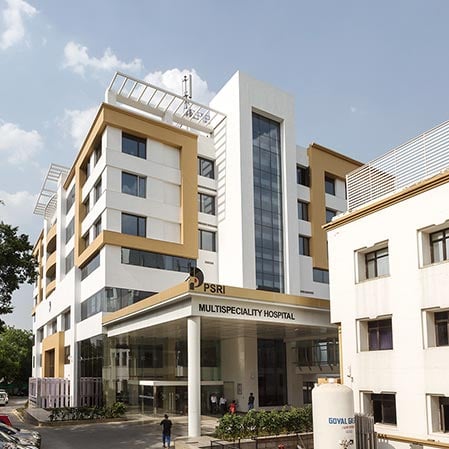
PSRI sjukhus, Delhi
Pushpawati Singhania Research Institute (PSRI Hospital), New Delhi, är ett ledande multi-specialty tertiärvårdssjukhus som grundades 1996 av JK Group....
Ackrediteringar
Faciliteter
Liknande förfaranden
Galleri
FAQ


Vår webbplats använder cookies. Sekretesspolicy.