
Behandling av pankreascancer Kostnad i Indien
Om Behandling av pankreascancer
Varje år, över510 000 människor över hela världendiagnostiseras med bukspottkörtelcancer, en av de mest utmanande cancerformerna att upptäcka och behandla tidigt. Ändå, tack vare stora medicinska framsteg under det senaste decenniet, har överlevnadsgraden förbättrats avsevärt genom tidig diagnos, minimalt invasiv kirurgi, riktade terapier och avancerade avbildningstekniker.
Vad är bukspottkörtelcancer?
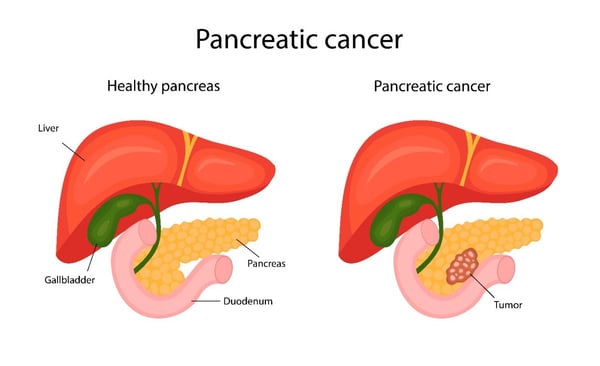
Bukspottkörtelcancer börjar när onormala celler växer okontrollerat iBukspottkörteln.Det är ett vitalt organ som ligger bakom magen som spelar en avgörande roll för att smälta mat och reglera blodsockernivåerna. Eftersom bukspottkörteln är placerad djupt inne i buken, utvecklas sjukdomen ofta tyst och upptäcks vanligtvis i senare skeden.
Denna cancer kan påverka två huvuddelar av bukspottkörteln:
- exokrina körtlar, som producerar matsmältningsenzymer (den vanligaste typen).
- endokrin körtlar, som gör hormoner som insulin och glukagon.
Bukspottkörtelcancer är känd för sin aggressiva natur, men tidig diagnos och kombinationsterapi kan avsevärt förbättra resultaten. Med avancerad bildbehandling, robotkirurgi och riktad läkemedelsbehandling har behandlingen blivit mycket mer exakt och effektiv de senaste åren.
Vilka är typerna och stadierna av cancer i bukspottkörteln?
Onkologer klassificerar pankreascancer baserat på vilken typ av celler som är involverade och hur långt sjukdomen har spridit sig. Att förstå dessa distinktioner hjälper läkare att planera den mest effektiva behandlingen för varje patient.
typer av bukspottkörtelcancer
- Exokrin pankreascancer:Detta är den vanligaste formen och står för över 90 % av fallen. Det utvecklas i kanalerna som bär matsmältningsenzymer och kallas ofta för pankreatiskt duktalt adenokarcinom (PDAC).
- Endokrin pankreascancer (neuroendokrina tumörer):Denna sällsynta typ bildas i hormonproducerande celler i bukspottkörteln. Det växer långsammare och kan frigöra överskott av hormoner, såsom insulin eller gastrin, vilket leder till tydliga symtom.
stadier av cancer i bukspottkörteln
Bukspottkörtelcancer är uppdelad i fyra huvudstadier beroende på tumörstorlek och spridning.
- Steg I – Lokaliserad:Cancer är begränsad i bukspottkörteln och kan avlägsnas helt genom operation.
- Steg II – Lokalt avancerad:Tumören kan involvera närliggande lymfkörtlar eller vävnader men förblir kirurgiskt behandlingsbar i vissa fall.
- Steg III – Regional spridning:Cancer sträcker sig till närliggande blodkärl eller större artärer, som ofta kräver kombinerad terapi istället för kirurgi.
- Steg IV – Metastaserande:Cancer har spridit sig till avlägsna organ som bröst, lever, lungor eller bukhinne. Behandlingen fokuserar på kontroll, symtomlindring och livsförlängning.
Läkare använder avbildningstester (som CT, MRI och PET-CT) och biopsiresultat för att fastställa både typen och stadium av sjukdomen, vilket säkerställer att varje patient får en personlig, stadiumspecifik behandlingsplan.
Hur behandlas bukspottkörtelcancer i Indien?
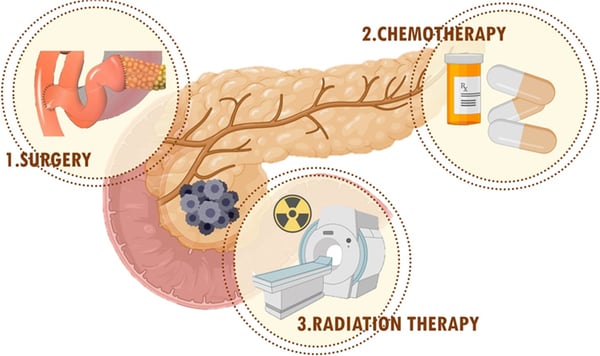
Behandling för pankreascancer i Indien är personlig, beroende på stadium, tumörplacering och patientens allmänna hälsa. De flesta sjukhus använder ett multidisciplinärt tillvägagångssätt, där kirurger, onkologer och radiologer samarbetar för att utveckla den mest effektiva behandlingsplanen.
operationssal
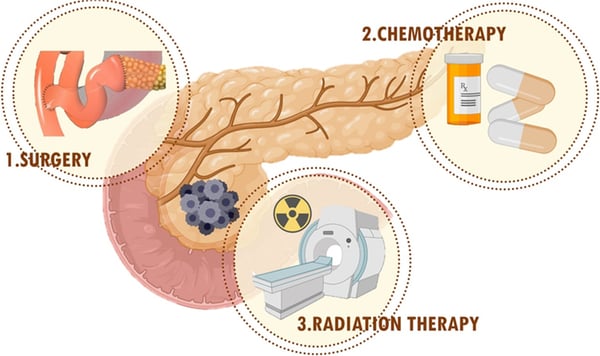
Kirurgi är den bästa chansen att bota mot cancer i tidigt stadium. Rutiner kan innefatta:
- Whipple-procedur:Tar bort huvudet på bukspottkörteln, en del av tunntarmen, och närliggande vävnader.
- Distal pankreatektomi:Tar bort kroppen eller svansen av bukspottkörteln, ofta med mjälten.
- Total pankreatektomi:Utförs när cancer har spridit sig över hela bukspottkörteln.
Robot- och laparoskopiska operationer är nu allmänt tillgängliga i Indien, vilket ger snabbare återhämtning och minskade komplikationer.
kemoterapi
Medicinska onkologer använder kemoterapi före operation för att krympa tumörer eller efter operation för att förstöra kvarvarande celler. Det är också den primära behandlingen för avancerade eller metastaserande fall. Vanliga läkemedel inkluderar gemcitabin, folfirinox och nab-paclitaxel, ofta kombinerade för starkare resultat.
strålbehandling
Strålningsonkologer använder högenergistrålningsstrålar för att rikta in sig på och förstöra cancerceller. Avancerad teknik, såsom IMRT, IGRT och SBRT, finns tillgängliga i stora indiska cancercentra, vilket möjliggör noggrann inriktning av strålning till tumören samtidigt som friska vävnader skonas.
målterapi
Detta tillvägagångssätt blockerar specifika genetiska mutationer eller vägar som driver tumörtillväxt. Läkemedel som erlotinib eller PARP-hämmare används hos utvalda patienter efter att genetisk testning bekräftar deras behörighet.
immunterapi
I vissa pankreascancer med specifika molekylära markörer används immunterapiläkemedel (checkpoint-hämmare) för att stärka immunsystemets svar mot tumörceller.
Få en gratis behandlingsplan
Om Behandling av pankreascancer i Indien
What Is the Cost of Pancreatic Cancer Treatment in India?
The average cost of pancreatic cancer treatment in India ranges from ₹4,50,000 to ₹15,00,000 ($5,400 – $18,000), depending on the stage of the disease, the type of treatment, and the hospital. The cost varies widely because treatment often involves a combination of surgery, chemotherapy, and radiation.
Treatment Type | Estimated Cost (INR) | Approx. USD Cost | Remarks |
| Diagnostic Tests (CT, MRI, PET-CT, Biopsy) | ₹40,000 – ₹1,00,000 | $480 – $1,200 | Initial evaluation & staging |
| Whipple Surgery | ₹5,00,000 – ₹9,00,000 | $6,000 – $10,800 | For resectable pancreatic cancer |
| Chemotherapy (6–8 cycles) | ₹1,50,000 – ₹4,00,000 | $1,800 – $4,800 | Based on drugs and cycles |
| Radiation Therapy (IMRT/IGRT) | ₹2,50,000 – ₹6,00,000 | $3,000 – $7,200 | For local tumor control |
| Targeted Therapy | ₹1,50,000 – ₹3,50,000 | $1,800 – $4,200 | For eligible genetic types |
| Immunotherapy | ₹2,00,000 – ₹5,00,000 per cycle | $2,400 – $6,000 | For advanced-stage cases |
Average Total Cost by Cancer Stage
Stage of Cancer | Average Cost (INR) | Approx. USD Cost |
| Stage I (Localized) | ₹5,00,000 – ₹8,00,000 | $6,000 – $9,600 |
| Stage II (Operable, Local Spread) | ₹7,00,000 – ₹10,00,000 | $8,400 – $12,000 |
| Stage III (Locally Advanced) | ₹9,00,000 – ₹12,00,000 | $10,800 – $14,400 |
| Stage IV (Metastatic) | ₹10,00,000 – ₹15,00,000 | $12,000 – $18,000 |
Key Cost Insights
- The Whipple procedure is the single largest cost component for surgical cases.
- Chemotherapy and radiation are the main expenses for inoperable cases.
- Genetic and biomarker tests may add ₹25,000–₹50,000 ($300–$600).
- Most hospitals offer customized treatment packages for international patients, which include all procedures and follow-up care.
Cost Includes
- Doctor Consultations and Oncologist Fees: Covers consultations with surgical, medical, and radiation oncologists throughout treatment.
- Hospital Stay and Nursing Charges: Room rent, nursing care, and ICU stay (if required) are included in most packages.
- Surgery and Operating Theatre Costs: Charges for Whipple or other pancreatic surgeries, including anesthesia and post-operative care.
- Chemotherapy or Radiation Sessions: Full cycle costs, including drugs, infusion charges, and day-care facilities.
- Routine Lab Tests and Monitoring: Includes complete blood counts, liver/kidney function tests, and periodic health assessments.
- Medications During Hospitalization: All medicines and consumables used during surgery or therapy.
- Post-Treatment Follow-Up Visits: Typically covers one or two follow-up appointments after discharge or completion of treatment.
Cost Excludes
- Advanced Imaging and Genetic Tests: PET-CT, molecular profiling, or PD-L1 testing are billed separately if not included in the package.
- High-Cost Targeted or Immunotherapy Drugs: Imported medicines, such as Keytruda or Olaparib, may be more expensive, depending on brand.
- Long-Term Medications and Home Care: Maintenance drugs, supplements, or palliative home services.
- Travel, Visa, and Accommodation: International travel and hotel stay for family or caregivers are not included.
- Emergency Complications: Rare but may require additional procedures, such as re-admission or an ICU stay, beyond the standard package.
Leading Indian cancer centers ensure transparent pricing and provide detailed written estimates before treatment begins, ensuring that patients face no hidden or unexpected costs.
City-Wise Pancreatic Cancer Treatment Cost in India
The cost of pancreatic cancer treatment in India varies depending on the city, hospital infrastructure, the oncologist's expertise, and the complexity of the treatment. Metropolitan cities such as Delhi, Mumbai, and Bangalore have advanced oncology setups, while cities like Chennai, Hyderabad, and Kochi offer high-quality care at moderate prices.
Here's a city-wise cost comparison to help international patients plan their treatment budget:
City | Average Cost (INR) | Approx. Cost (USD) |
| New Delhi | ₹6,00,000 – ₹14,00,000 | $7,200 – $16,800 |
| Mumbai | ₹6,50,000 – ₹15,00,000 | $7,800 – $18,000 |
| Bangalore | ₹5,50,000 – ₹13,00,000 | $6,600 – $15,600 |
| Chennai | ₹5,00,000 – ₹12,00,000 | $6,000 – $14,400 |
| Hyderabad | ₹5,00,000 – ₹11,00,000 | $6,000 – $13,200 |
| Pune | ₹4,50,000 – ₹10,00,000 | $5,400 – $12,000 |
| Gurgaon | ₹6,00,000 – ₹14,00,000 | $7,200 – $16,800 |
| Kochi | ₹4,50,000 – ₹9,00,000 | $5,400 – $10,800 |
What Factors Affect the Cost of Pancreatic Cancer Treatment in India?
The cost of pancreatic cancer treatment in India varies depending on the medical complexity, treatment duration, and hospital standards. Each patient's plan is unique, as it combines multiple therapies based on the stage and spread of the disease.
- Stage and Extent of Cancer: Early-stage pancreatic cancer is treated primarily with surgery and limited chemotherapy, making it less costly. Advanced or metastatic stages significantly increase total expenses.
- Type of Treatment Approach: Surgery-based cases are initially more expensive due to the need for hospital stays and recovery. Non-surgical or palliative cases involve longer durations of chemotherapy, radiation, or targeted therapy, leading to cumulative expenses over months.
- Hospital Infrastructure and Technology: Premium hospitals equipped with robotic surgery systems, IMRT/IGRT machines, and PET-CT imaging charge higher rates.
- Oncologist's Expertise and Team Composition: Treatment led by senior multidisciplinary teams (surgical, medical, and radiation oncologists) may incur slightly higher costs.
- Drug Selection and Therapy Duration: The costs of chemotherapy or targeted therapy depend on the specific drug brands and the number of treatment cycles. Imported or branded drugs like FOLFIRINOX or PARP inhibitors can raise costs compared to generic options.
- Diagnostic and Molecular Testing: Advanced imaging (PET-CT, MRI) and genetic biomarker testing for personalized medicine add to the total cost but improve accuracy and response rates.
- Post-Treatment Rehabilitation and Follow-Up: Patients often need follow-up imaging, diet plans, and physiotherapy after surgery or chemo. These services are usually billed separately as part of recovery support.
How Does the Cost in India Compare with Other Countries?
Pancreatic cancer treatment in India offers world-class medical outcomes at one of the most affordable rates globally. Patients receive care from internationally trained oncologists, modern surgical systems, and advanced drug protocols (the same standards followed in the US, UK, or Singapore), but at 60–75% lower cost.
India's hospitals also offer multidisciplinary cancer care, combining surgery, chemotherapy, and targeted therapy under a single, coordinated program, thereby reducing both costs and treatment time.
Country | Average Cost (USD) | Savings Compared to India |
| India | $5,400 – $18,000 | — |
| United States | $55,000 – $100,000 | 70–75% lower |
| United Kingdom | $45,000 – $80,000 | 65–70% lower |
| United Arab Emirates | $35,000 – $60,000 | 60–65% lower |
| Singapore | $30,000 – $55,000 | 55–60% lower |
| Thailand | $20,000 – $35,000 | 40–50% lower |
Why India Offers Exceptional Value
- Same global standards: Hospitals use FDA- and CE-approved technology and drug protocols.
- Highly experienced oncologists: Thousands of successful Whipple and complex cancer surgeries annually.
- Affordable multidisciplinary care: Surgery, chemotherapy, and radiation are all offered under one plan.
- Internationally accredited hospitals: NABH and JCI-certified institutions ensure global safety and quality.
What Is the Success Rate of Pancreatic Cancer Treatment in India?
The success rate of pancreatic cancer treatment in India ranges between 25% and 55%, depending on the cancer stage at diagnosis and the chosen treatment combination. For early-stage cases where surgery is feasible, the five-year survival rate can exceed 45%, aligning with global benchmarks.
In advanced or inoperable cancers, Indian oncologists achieve strong results through precision chemotherapy, targeted therapy, and advanced radiation, improving both survival and quality of life.
Stage-Wise Treatment Outcomes
Stage | Average Survival Rate | Treatment Approach |
| Stage I | 40% – 55% | Whipple surgery + adjuvant chemotherapy |
| Stage II | 30% – 40% | Surgery (if resectable) + chemoradiation |
| Stage III | 15% – 20% | Chemotherapy + targeted or radiation therapy |
| Stage IV | 2% – 9% | Palliative chemotherapy and immunotherapy |
Advancements Driving Success in India
- Early Detection and Precision Imaging: Advanced diagnostic imaging (PET-CT, MRI, EUS) helps identify tumors early and define surgical feasibility accurately.
- Robotic and Laparoscopic Surgery: Minimally invasive Whipple and distal pancreatectomy improve recovery time, reduce complications, and enhance long-term outcomes.
- Modern Chemotherapy and Targeted Drugs: Combinations such as FOLFIRINOX and Gemcitabine-Nab-Paclitaxel increase tumor response and survival, even in advanced cases.
- Advanced Radiation Techniques: Use of IMRT, IGRT, and SBRT ensures precise radiation delivery while protecting healthy tissues.
- Comprehensive Supportive Care: Nutrition, pain control, and rehabilitation programs enhance patient comfort and treatment adherence, improving overall well-being.
Behandling av pankreascancer Kostnadsjämförelse per land
Jämför Behandling av pankreascancer kostnader mellan olika länder för att fatta ett välgrundat beslut om din medicinska behandling.
| Land | Kostnadsintervall (USD) | Potentiella besparingar | Handling |
|---|---|---|---|
IndienNuvarandeBästa värde | $5,400 - $18,000 | — | Få offert |
Notera: Kostnaderna kan variera beroende på sjukhusval, rumstyp, tilläggstjänster och individuella medicinska krav.
Ledande sjukhus för Behandling av pankreascancer i Indien
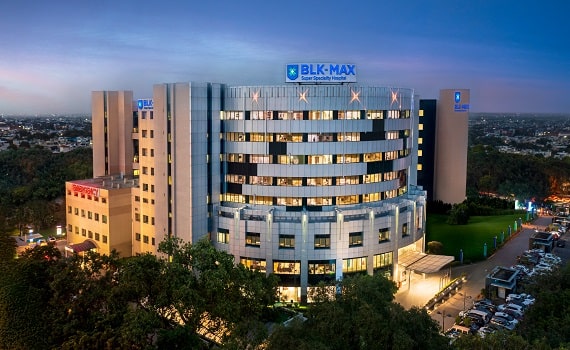
BLK-Max Super Specialty Hospital, New Delhi
BLK-Max Super Specialty Hospital i New Delhi är en av Indiens främsta vårdinstitutioner, som erbjuder 650 bäddar, 22 avancerade operationssalar och 13...
Ackrediteringar
Faciliteter
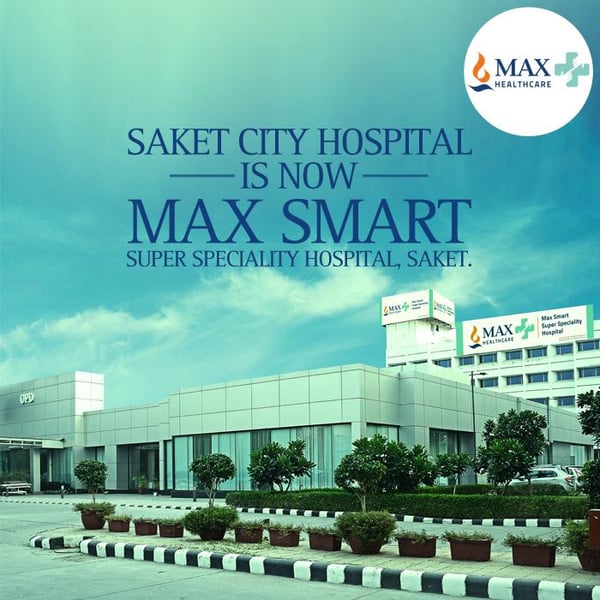
Max Smart Super Specialty Hospital, Saket, New Delhi
Max Smart Super Specialty Hospital, Saket, är ett sjukhus för tertiärvård med 250 bäddar i södra Delhi. Det erbjuder avancerad medicinsk och kirurgisk...
Ackrediteringar
Faciliteter
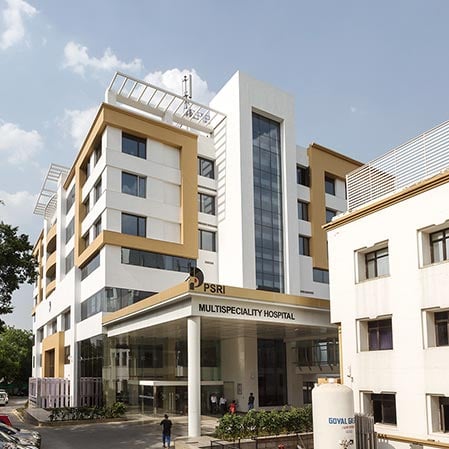
PSRI sjukhus, Delhi
Pushpawati Singhania Research Institute (PSRI Hospital), New Delhi, är ett ledande multi-specialty tertiärvårdssjukhus som grundades 1996 av JK Group....
Ackrediteringar
Faciliteter
Liknande förfaranden
Galleri
FAQ

Vår webbplats använder cookies. Sekretesspolicy.