
Upasuaji wa Tumor ya Ubongo Gharama katika India
Kuhusu Upasuaji wa Tumor ya Ubongo
Kila mwaka, zaidi yaWatu 300,000 duniani kotehugunduliwa na tumors za ubongo. Ni hali ambayo inaweza kuathiri harakati, hotuba, kumbukumbu, na hata utu. Lakini kutokana na upasuaji wa kisasa wa neva, kile ambacho hapo awali kilichukuliwa kuwa cha kutishia maisha sasa kinaweza kutibiwa kwa usalama na kwa ufanisi.
Wakiwa na miundombinu ya kiwango cha kimataifa, mifumo ya urambazaji wa nyuro, na vifaa vya MRI ndani ya upasuaji, wagonjwa sasa wananufaika kutokana na uondoaji wa uvimbe wa juu zaidi, kupona haraka na hatari ndogo ya neva.
Upasuaji wa Tumor ya Ubongo ni Nini?
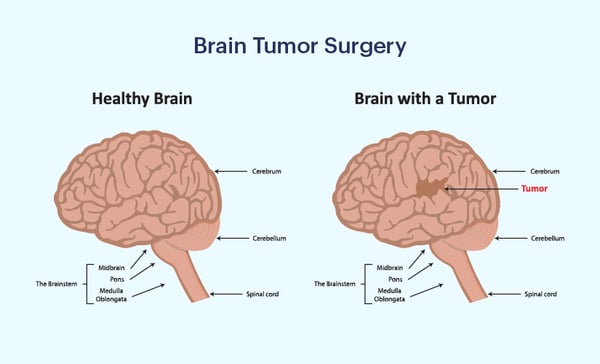
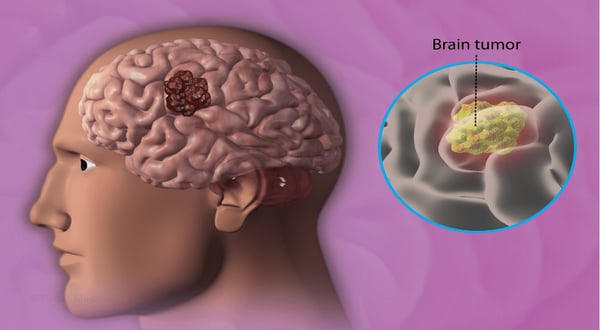
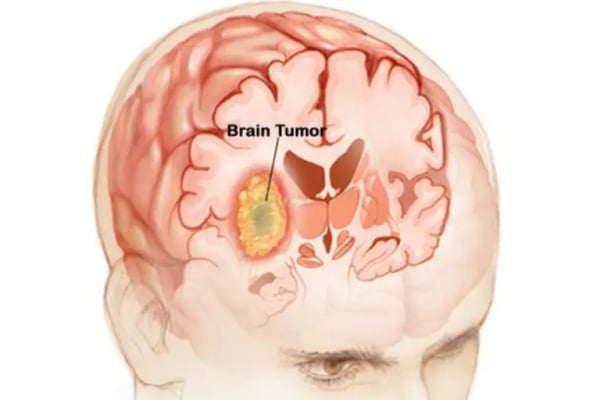
Upasuaji wa uvimbe wa ubongo ni utaratibu maalumu wa upasuaji wa neva ili kuondoa ukuaji usio wa kawaida au wingi kutoka kwa ubongo. Lengo kuu la upasuaji ni kuondoa uvimbe mwingi iwezekanavyo kwa usalama huku ukilinda tishu za ubongo zenye afya na kazi muhimu, kama vile harakati, hotuba, na kumbukumbu.
Madaktari wa upasuaji hutumia mbinu za hali ya juu, ikiwa ni pamoja na upasuaji wa microsurgery, neuronavigation, na ufuatiliaji wa ndani ya upasuaji, ili kufanya kazi kwa usahihi zaidi. Teknolojia hizi husaidia kutambua mipaka ya tumor kwa usahihi, kuhakikisha uondoaji wa juu wa tumor na uharibifu mdogo wa neva.
Upasuaji wa uvimbe wa ubongo unaweza kufanywa kwa wote wawilibenign (isiyo ya saratani)nambaya (kansa)uvimbe. Katika hali nyingi, ni sehemu ya mpango mpana wa matibabu unaojumuisha tiba ya mionzi, chemotherapy, au tiba inayolengwa kwa udhibiti kamili wa ugonjwa.
Upasuaji wa kisasa wa ubongo ni salama, unafaa, na hauathiri sana, huwezesha wagonjwa kupona haraka zaidi na kurejesha ubora wa maisha yao mapema.
Je! ni aina gani tofauti za tumors za ubongo?
Uvimbe wa ubongo huainishwa kulingana na mahali zinatoka na kiwango chao cha uchokozi. Kujua aina hizi husaidia madaktari kuamua mpango wa ufanisi zaidi wa matibabu ya upasuaji na matibabu.
Kulingana na Asili
- Tumors msingi za ubongo:Hizi huanzia ndani ya ubongo au tishu zilizo karibu kama vile uti wa mgongo, tezi ya pituitari, au neva za fuvu. Wanaweza kuwa mbaya (kukua polepole) au mbaya (kansa). Mifano ya kawaida ni pamoja na:
- Gliomas: Hutoka kwenye seli za glial na kutengeneza takriban 30% ya uvimbe wote wa ubongo.
- Meningiomas: Kwa kawaida uvimbe mdogo unaokua kwenye utando unaofunika ubongo.
- Adenoma ya Pituitary: Uvimbe huu huathiri tezi ya pituitari, mara nyingi husababisha kutofautiana kwa homoni.
- Neuroma za Acoustic (Schwannomas): Kukua kwenye mishipa inayodhibiti kusikia na kusawazisha.
- Medulloblastomas: Vivimbe vikali lakini vinavyoweza kutibika, mara nyingi huonekana kwa watoto.
- Uvimbe wa Ubongo wa Sekondari (Metastatic):Haya hutokea wakati saratani inaposambaa kutoka kwa kiungo kingine (kama vile mapafu, matiti, figo, au koloni) hadi kwenye ubongo. Ni kawaida zaidi kwa watu wazima na kwa kawaida huhitaji mchanganyiko wa upasuaji, mionzi, na tibakemikali.
Kulingana na Tabia na Kiwango cha Ukuaji
- Tumors nzuri:Inakua polepole, kwa kawaida huzuiliwa kwa eneo moja, na uwezekano mdogo wa kutokea tena baada ya kuondolewa.
- Tumors mbaya:Kukua kwa haraka na uvamizi; inaweza kuenea kwa tishu za ubongo zilizo karibu au kutokea tena hata baada ya matibabu.
Kulingana na Mahali
Uvimbe unaweza kukua katika maeneo mbalimbali, kama vile lobe ya mbele (tabia, harakati), lobe ya muda (hotuba, kumbukumbu), au cerebellum (usawa, uratibu). Mahali ilipo uvimbe una jukumu muhimu katika kupanga upasuaji na kutabiri kupona.
Upasuaji wa Tumor ya Ubongo Unafanywaje?
Upasuaji wa uvimbe wa ubongo ni utaratibu wa usahihi wa hali ya juu unaofanywa na madaktari bingwa wa upasuaji wa neva kwa kutumia upigaji picha wa hali ya juu, mwongozo wa kompyuta na zana za upasuaji mdogo. Kila hatua imepangwa kwa uangalifu ili kuondoa tumor kwa usalama wakati wa kulinda kazi muhimu za ubongo.
- Mipango ya Kabla ya Upasuaji:Kabla ya upasuaji, wagonjwa hupitia MRI, CT, au uchunguzi wa ubongo unaofanya kazi ili kutambua ukubwa kamili wa tumor, kina na ukaribu wake na neva muhimu au mishipa ya damu. Katika hali ngumu, programu ya urambazaji wa nyuro na MRI (fMRI) inayofanya kazi hutumika kupata maeneo yanayodhibiti usemi, maono au harakati.
- Anesthesia na nafasi ya mgonjwa:Upasuaji wa tumor ya ubongo kawaida hufanywa chini ya anesthesia ya jumla. Katika matukio yaliyochaguliwa, hasa wakati tumors iko karibu na hotuba muhimu au maeneo ya harakati, madaktari wa upasuaji hufanya craniotomy ya macho.
- Craniotomy (Kufungua Fuvu la Kichwa):Sehemu ndogo ya fuvu hutolewa kwa uangalifu ili kufikia ubongo. Ufunguzi huu unafanywa kuwa mdogo iwezekanavyo ili kupunguza kiwewe na kusaidia uponyaji wa haraka.
- Uondoaji wa Tumor:Chini ya darubini ya uendeshaji au endoscope, daktari wa upasuaji huondoa uvimbe mwingi iwezekanavyo kwa kutumia vyombo vya usahihi. Mifumo ya uelekezi wa wakati halisi, ikijumuisha MRI ya ndani ya upasuaji na urambazaji wa nyuro, husaidia katika kuthibitisha uondoaji kamili huku ukihifadhi tishu za ubongo zenye afya.
- Kufungwa na Urejeshaji:Baada ya kuondolewa kwa tumor, mfupa wa mfupa wa fuvu hubadilishwa na kuulinda. Wagonjwa huhamishiwa kwenye neuro-ICU kwa masaa 24-48 ya uchunguzi. Wengi hupona baada ya siku 5-10, kulingana na aina na eneo la tumor.
- Ufuatiliaji wa Baada ya Upasuaji:Uchunguzi wa ufuatiliaji unafanywa ili kuangalia tishu zilizobaki za tumor. Kulingana na ripoti ya ugonjwa, mionzi ya ziada au chemotherapy inaweza kupendekezwa kwa udhibiti kamili.
Pata mpango wa matibabu ya bure
Kuhusu Upasuaji wa Tumor ya Ubongo katika India
What Is the Cost of Brain Tumour Surgery in India?
The average cost of brain tumour surgery in India ranges between ₹3,50,000 and ₹8,00,000 ($4,200 – $9,600). The total cost depends on the tumour's size, type, location, and whether advanced technologies such as neuronavigation or intraoperative MRI are used.
Type of Surgery | Average Cost (INR) | Approx. USD Cost |
| Conventional Craniotomy | ₹3,00,000 – ₹5,00,000 | $3,600 – $6,000 |
| Endoscopic Brain Surgery | ₹3,50,000 – ₹6,00,000 | $4,200 – $7,200 |
| Stereotactic (Image-Guided) Surgery | ₹4,00,000 – ₹7,00,000 | $4,800 – $8,400 |
| Awake Craniotomy | ₹4,50,000 – ₹8,00,000 | $5,400 – $9,600 |
| Skull Base or Pituitary Surgery | ₹3,00,000 – ₹6,50,000 | $3,600 – $7,800 |
Additional Costs (if Required)
Treatment Component | Average Cost (INR) | Approx. USD Cost |
| MRI / CT Brain Scan | ₹15,000 – ₹30,000 | $180 – $360 |
| Biopsy / Histopathology | ₹10,000 – ₹25,000 | $120 – $300 |
| Radiation Therapy (IMRT/IGRT) | ₹2,50,000 – ₹6,00,000 | $3,000 – $7,200 |
| Chemotherapy (6 cycles) | ₹1,50,000 – ₹3,50,000 | $1,800 – $4,200 |
| ICU Stay (per day) | ₹8,000 – ₹15,000 | $95 – $180 |
- Advanced microsurgical or endoscopic techniques slightly increase costs but reduce complications and hospital stay.
- If post-surgery radiotherapy or chemotherapy is required, the total cost may rise by 30–40%.
- Some brain tumour surgeries qualify for cashless insurance or international patient packages with fixed pricing.
Cost Includes
- Doctor Consultations and Neurosurgeon Fees: All consultations, surgical planning, and daily visits by the neurosurgeon and medical team during hospitalization.
- Surgery and Operation Theatre Charges: Complete surgical procedure costs, including anaesthesia, consumables, instruments, and OT staff.
- Hospital Stay and ICU Care: Room charges, nursing care, and ICU observation (typically 1–2 days) after surgery.
- Routine Diagnostic and Imaging Tests: Includes basic blood work, CT or MRI scans used for surgical planning and post-surgery evaluation.
- Medications and Consumables: All drugs, fluids, and surgical materials used during the hospital stay.
- Post-Surgery Physiotherapy and Rehabilitation: Initial physical therapy or mobility training sessions are included during the inpatient period.
- Follow-Up Consultation (Initial): Most hospitals include one post-discharge follow-up visit as part of the package.
Cost Excludes
- Advanced Imaging or Functional Scans: PET-CT, fMRI, or neuro-navigation mapping may incur additional costs if not included in the base package.
- High-End Implants or Special Instruments: Imported clips, mesh, or specialized hardware (if needed for reconstruction) are charged separately.
- Extended ICU or Hospital Stay: Stays beyond the standard recovery period (5–10 days) may incur additional costs.
- Adjuvant Treatments: Any chemotherapy, radiation therapy, or targeted therapy recommended post-surgery.
- International Travel and Accommodation: Visa fees, flights, and hotel stays for patients or caregivers are not part of hospital packages.
- Long-Term Rehabilitation or Home Nursing: Extended physiotherapy or home-based care services are billed outside the primary surgical package.
City-Wise Brain Tumour Surgery Cost in India
The cost of surgical removal of the brain tumour varies by city, hospital infrastructure, neurosurgeon expertise, and available technology. Metropolitan hospitals are usually equipped with advanced neuronavigation, endoscopic, and robotic systems.
Below is a city-wise comparison of the average cost of brain tumour surgery in India:
City | Average Cost (INR) | Approx. USD Cost |
| New Delhi | ₹4,00,000 – ₹8,00,000 | $4,800 – $9,600 |
| Mumbai | ₹4,50,000 – ₹8,50,000 | $5,400 – $10,200 |
| Bangalore | ₹3,80,000 – ₹7,50,000 | $4,560 – $9,000 |
| Chennai | ₹3,50,000 – ₹7,00,000 | $4,200 – $8,400 |
| Hyderabad | ₹3,50,000 – ₹7,50,000 | $4,200 – $9,000 |
| Gurgaon | ₹4,00,000 – ₹8,50,000 | $4,800 – $10,200 |
| Pune | ₹3,20,000 – ₹6,50,000 | $3,840 – $7,800 |
| Kochi | ₹3,00,000 – ₹6,00,000 | $3,600 – $7,200 |
| Kolkata | ₹3,20,000 – ₹6,80,000 | $3,840 – $8,160 |
- Delhi, Mumbai, and Gurgaon lead in robotic, image-guided, and minimally invasive brain tumour surgeries.
- Bangalore, Chennai, and Hyderabad offer a balance of cutting-edge care and moderate pricing, making them ideal for long or complex treatments.
- Tier-2 cities such as Pune, Kochi, and Kolkata provide cost-effective yet safe alternatives, with excellent post-surgical recovery outcomes.
What Factors Affect the Cost of Brain Tumour Surgery in India?
The total cost of brain tumour surgery in India depends on several clinical and logistical factors. Each case is unique, influenced by the tumour's location, complexity, and the technologies used during the procedure.
- Type and Location of Tumor: Tumors near critical areas, such as the brainstem or speech centers, require microsurgical precision and intraoperative mapping, which increases overall cost. Superficial or benign tumours are simpler to remove and less expensive.
- Type of Surgery Performed: Costs vary by surgical method, including conventional craniotomy, endoscopic, and stereotactic image-guided surgery. Minimally invasive or awake procedures utilize advanced tools, which reduce hospital stay and recovery time.
- Technology and Equipment Used: Hospitals using neuronavigation, intraoperative MRI, or robotic systems may charge higher fees. However, these technologies improve tumour removal accuracy and reduce postoperative complications.
- Surgeon's Experience and Team Expertise: Highly experienced neurosurgeons and multidisciplinary teams (neuro-anaesthetists, physiotherapists, oncologists) contribute to better outcomes, and slightly higher consultation or surgical fees.
- Hospital Category and Accreditation: JCI- and NABH-accredited hospitals, which often feature advanced ICUs, rehabilitation units, and 24/7 neuro-monitoring facilities, tend to have higher package rates than smaller centers.
- Duration of Hospital Stay: Most patients stay 5–10 days post-surgery. Complex or recurrent tumours requiring longer ICU or ward care can raise the total cost.
- Post-Surgical Care and Rehabilitation: Following surgery, speech therapy, physiotherapy, or occupational therapy may be necessary. These add minor but important follow-up expenses to support complete recovery.
- Additional Treatments (If Needed): If the tumor is malignant, chemotherapy or radiotherapy may be recommended following surgery, which can increase the overall cost of care.
How Does the Cost in India Compare with Other Countries?
Brain tumour surgery in India offers world-class precision and outcomes at one of the lowest costs globally. Hospitals utilize the same FDA- and CE-approved surgical systems, neuronavigation technology, and intraoperative imaging as those found in leading US and European centers.
Country | Average Cost (USD) | Savings Compared to India |
| India | $4,200 – $9,600 | — |
| United States | $45,000 – $75,000 | 75–80% lower |
| United Kingdom | $35,000 – $60,000 | 70–75% lower |
| United Arab Emirates | $25,000 – $40,000 | 65–70% lower |
| Singapore | $20,000 – $35,000 | 60–65% lower |
| Thailand | $12,000 – $18,000 | 50–60% lower |
Why India Offers Better Value
- Advanced technology: Modern neuronavigation, intraoperative MRI, and endoscopic systems.
- Skilled neurosurgeons: High-volume centers with excellent outcomes in complex brain surgeries.
- Integrated care: Surgery, ICU care, and rehabilitation under one hospital stay.
- Transparent pricing: Fixed packages with detailed cost breakdowns for international patients.
What Does Recovery After Brain Tumour Surgery Look Like?
Recovery after brain tumour surgery depends on the tumour's location, type of surgery, and patient health — but most patients regain mobility and independence within a few weeks. Modern surgical techniques in India, such as microsurgery and endoscopic approaches, help ensure faster healing with fewer complications.
Hospital Stay and Immediate Recovery
Patients usually spend 1–2 days in the ICU for close neurological monitoring, followed by 5–7 days in a regular ward. Pain, swelling, or mild fatigue are common in the first week but subside with medication and rest. By the time of discharge, most patients are able to walk, eat, and communicate normally.
Home Recovery and Rehabilitation
At home, recovery continues for 4–6 weeks. Patients may experience temporary fatigue or mild weakness, depending on the brain area involved. Doctors often recommend:
- Physiotherapy to improve balance and coordination.
- Speech or occupational therapy if speech or hand movements were affected.
- Nutritional support to aid healing and brain function.
Follow-up MRI scans are done at 1 and 3 months post-surgery to ensure no tumour regrowth or fluid buildup.
Returning to Normal Life
Most patients resume light activities within a month and return to work or travel after 6 to 8 weeks, based on their progress. For malignant tumours, chemotherapy or radiotherapy may begin once the surgical wound has fully healed.
Emotional and Cognitive Recovery
It's normal to experience mood swings or mild concentration issues during recovery. Counselling, mental health support, and family involvement play a key role in emotional healing. Many Indian hospitals offer dedicated neuro-rehabilitation programs that combine physical and psychological care to facilitate a comprehensive recovery.
Long-Term Follow-Up
Patients are advised to maintain regular follow-ups every 6–12 months for MRI scans and neurological assessments. Lifestyle habits, such as getting enough sleep and maintaining a balanced diet, also support long-term brain health.
What Is the Success Rate of Brain Tumour Surgery in India?
Brain tumour surgery in India has a success rate of 80% to 95%, depending on the tumour's size, location, and whether it is benign or malignant. With the use of advanced neuronavigation, intraoperative MRI, and awake craniotomy techniques, Indian neurosurgeons achieve outcomes comparable to those of the world's top centers.
Success is defined not only by tumor removal but also by the preservation of neurological function (speech, memory, and mobility) and the patient's ability to return to everyday life.
- Benign Brain Tumours: For non-cancerous tumours, such as meningioma, pituitary adenoma, or acoustic neuroma, complete removal is possible in over 90% of cases. Recurrence rates remain below 10%, and most patients return to their normal lives within a few weeks.
- Malignant or Complex Tumours: For aggressive or deep-seated cancers, the success rate averages 70–85%, depending on tumour type and response to adjuvant therapy (radiation or chemotherapy). Combined treatment significantly improves both survival and long-term disease control.
- Pediatric Brain Tumours: India's leading pediatric neurosurgery units achieve 85–90% tumour control in children, using microsurgical and endoscopic techniques that minimize long-term side effects.
Upasuaji wa Tumor ya Ubongo kulinganisha gharama na nchi
Linganisha Upasuaji wa Tumor ya Ubongo gharama katika nchi tofauti kufanya uamuzi sahihi juu ya matibabu yako.
| Nchi | Anuwai ya gharama (USD) | Akiba inayowezekana | Hatua |
|---|---|---|---|
IndiaSasaThamani bora | $4,200 - $9,600 | — | Pata nukuu |
Kumbuka: Gharama zinaweza kutofautiana kulingana na uchaguzi wa hospitali, aina ya chumba, huduma za ziada, na mahitaji ya matibabu ya mtu binafsi.
Hospitali zinazoongoza kwa Upasuaji wa Tumor ya Ubongo katika India
Hospitali ya Bahcelievler ya Hifadhi ya Matibabu
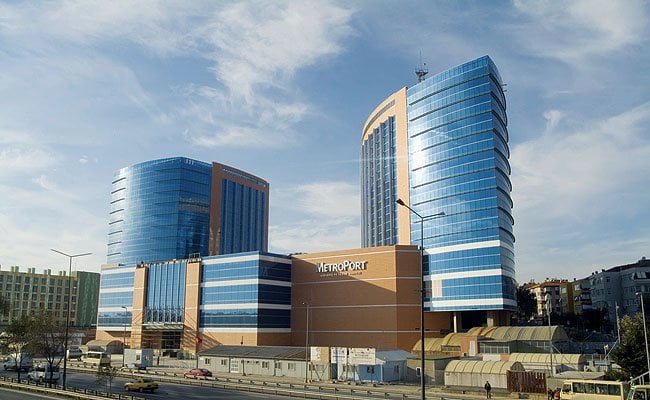
Hospitali ya Medical Park Bahcelievler ni hospitali iliyoidhinishwa na JCI ya vitanda 242 huko Istanbul, iliyoanzishwa mwaka wa 2007. Imeenea katika m...
Vibali

Vifaa

Hospitali ya Hisar Intercontinental, Istanbul
Hospitali ya Hisar Intercontinental huko Istanbul ni hospitali iliyoidhinishwa na JCI, yenye vitanda 212 yenye utaalamu mbalimbali inayochukua mita za...
Vibali
Vifaa
Hospitali ya Medipol Bahçelievler
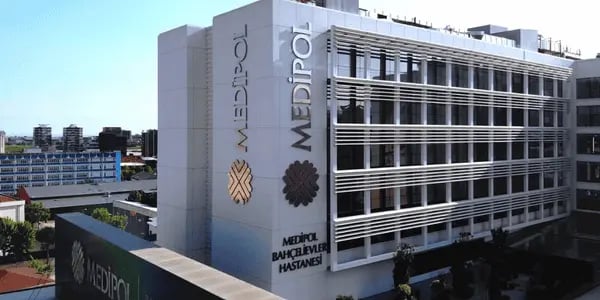
Hospitali ya Medipol Bahçelievler ni hospitali ya kibinafsi ya vitanda 441 huko Istanbul ambayo ilianza kufanya kazi Mei 2022. Inashughulikia mita za ...
Vibali
Vifaa
Taratibu zinazofanana
Upasuaji wa Ubongo Usiovamia Kidogo katika India
Matunzio
Maswali
Mhakiki
Tazama Zote
Dr. Priya Tiwari is a renowned medical oncologist trained at the prestigious All India Institute of Medical Sciences (AIIMS). She specializes in comprehensive cancer care and is committed to deliver... Soma zaidi

Tovuti yetu hutumia kuki. Sera ya faragha.