ለምን የሱዳን ታካሚዎች ህንድን ለላቀ የሕክምና ሕክምና ይመርጣሉ
Medical tourism between Sudan and India has witnessed remarkable growth in recent years. According to India’s Ministry of Tourism, the country welcomedover 54,000 African patients in 2023, and a significant share of these came from Sudan. The steady rise reflects the growing confidence Sudanese patients place in Indian healthcare.
For many families in Sudan, accessing advanced treatment can be difficult due to limited facilities and high costs abroad. In such circumstances, India has emerged as a lifeline. Patients from Khartoum and other cities are increasingly traveling to India forcancer care,bone marrow transplants,cardiac surgeries,organ transplants,orthopedic solutions, andfertility treatments. Instead of turning to costly Western hospitals, they are finding hope in India’s blend ofworld-class medical expertise, modern technology, and compassionate care.
Sudanese patients often arrive in India with uncertainty and fear, but they find comfort in hospitals that offer Arabic-speaking staff, halal food, and a warm environment that feels close to home. Beyond just treatment, India provides a sense of trust and security, something every patient needs during difficult times.
Today, India is recognized as one of the most preferred global healthcare destinations, offering high-quality treatment at nearlyone-fifth the cost of the US or UK. For Sudanese patients, it means access to the same advanced medical technologies available in Western countries, without the financial burden. As a result, India is no longer just an option. It has become the first choice for many Sudanese seeking life-saving care and a second chance at health.
Why is India the First Choice for Sudan Patients?
India has become a trusted name among Sudanese patients seeking advanced and affordable medical care. What makes the country stand out is not just its modern hospitals and expert doctors, but the way it combines world-class healthcare with compassion and cultural understanding.
- Affordable Medical Care:One of the strongest reasons Sudanese patients choose India is affordability. Treatments that might cost a fortune in Europe or the Middle East are available in India at a fraction of the price. A complex procedure like a BMT (bone marrow transplant) or a cardiac bypass surgery can be nearly70–80%cheaper in India compared to Western countries, without compromising on quality. For families already burdened by illness, this cost advantage makes life-saving care accessible.
- Advanced Technology and Modern Hospitals:Indian hospitals are equipped with robotic surgery systems, next-generation radiation therapies such asCyberKnife, state-of-the-art transplant facilities, and specialized oncology centers. For patients from Sudan, who often struggle with limited access to such technologies at home, India offers hope where it was once scarce.
- Language and Communication Support:Communication is a key factor in building trust. Many hospitals in India have English- and Arabic-speaking staff, ensuring Sudanese patients and their families can discuss their health concerns without barriers. From interpreters to multilingual doctors, the focus is on making patients feel understood and cared for at every step.
- Cultural Comfort and Community Presence:Sudanese patients often find Indian healthcare more welcoming because of the availability of halal food, prayer facilities, and familiar cultural practices. Several Sudanese families who previously traveled to India share their positive experiences within their communities back home, encouraging others to make the same choice.
What are the Popular Treatments Sudan Patients Seek in India?
Sudanese patients often travel to India for a wide range of advanced medical procedures that are either unavailable or very costly in their home country. India has become a trusted hub for critical treatments because it combines modern technology, specialized doctors, and affordable care. The following are some of the most sought-after therapies by patients from Sudan.
Cancer TreatmentandBone Marrow Transplant
Sudanese patients travel to India in large numbers for advanced cancer therapies andbone marrow transplants. Indian oncology centers provide access to modern chemotherapy protocols, targeted therapies, radiation techniques like IMRT andCyberKnife, and stem cell transplantation. These options give patients from Sudan a chance at treatments that are often unavailable or unaffordable at home.
Cardiac Surgeries and Interventions
Heart-related diseases are a growing concern in Sudan, and many patients come to India for procedures such ascoronary artery bypass grafting (CABG),valve replacements, andpacemaker implantation. Indian cardiac centers are known for high surgical success rates and the use of minimally invasive techniques that shorten recovery time.
Kidney and Liver Transplants
Organ failure is a life-threatening challenge, and Indian hospitals have become a trusted destination for Sudanese patients seekingkidneyandliver transplants. Specialized transplant units combine advanced surgical expertise with post-transplant care, ensuring patients receive comprehensive treatment that extends beyond surgery.
Orthopedic and Spine Surgeries
Many Sudanese patients suffering from joint damage, spinal deformities, or trauma-related injuries turn to India for orthopedic and spine procedures. Fromtotal hipandknee replacementsto corrective spinal surgeries, Indian hospitals offer advanced implants and minimally invasive techniques that restore mobility and improve quality of life.
Fertility and IVF Treatments
Couples from Sudan struggling with infertility often choose India for assisted reproductive technologies such asIVF,ICSI, egg donation, and surrogacy. Indian fertility clinics are recognized for offering personalized protocols, higher success rates, and cost-effective packages, making parenthood possible for many Sudanese families.
Is There Any Cost Advantage of Treatment in India?
One of the biggest reasons Sudanese patients choose India for their medical needs is the cost benefit. Healthcare in Sudan often lacks advanced facilities. At the same time, treatment in Western countries comes at a price that most families cannot afford. India bridges this gap by offering world-class care at prices within reach, making it the most practical choice for life-saving procedures.
Affordable Healthcare Compared to Other Countries
Medical treatment in India is significantly cheaper than in Western nations or the Middle East. A surgery that may cost over $50,000 in the US or $40,000 in the UK can be performed in India for a fraction of that amount, often between $5,000 and $10,000. This vast difference makes advanced care accessible to Sudanese patients without pushing families into financial crisis.
Transparent Pricing and Package-Based Care
Indian hospitals focus on providing clear and transparent treatment costs. Many facilities offer all-inclusive packages that cover surgery, hospital stay, medications, and follow-up care. This approach removes the uncertainty of hidden charges and helps Sudanese families plan their medical journey with confidence.
High Quality at a Fraction of the Cost
The cost savings in India do not mean lower standards. Patients from Sudan receive treatment from internationally trained doctors, with the support of advanced equipment and accredited hospitals. By paying nearly 70–80% less than Western prices, Sudanese patients gain access to the same level of care that is available in top global hospitals.
What are the Latest Medical Technologies Available in India for Sudanese Patients?
India has earned global recognition for adopting cutting-edge medical technologies that improve both treatment outcomes and patient safety. For Sudanese patients, this means gaining access to advanced procedures and equipment that may not be available in their home country. These innovations not only increase success rates but also reduce recovery times, making treatment in India both effective and patient-friendly.
- Robotic and Minimally Invasive Surgery:Indian hospitals use robotic systems and minimally invasive techniques to perform complex procedures with precision. For Sudanese patients, this translates to smaller incisions, shorter hospital stays, and less pain. Robotic technology is beneficial in cardiac surgery, urology, gynecology, and oncology.
- Advanced Cancer and Radiation Therapies:Cancer care in India benefits from next-generation radiation technologies such as CyberKnife, Proton Therapy, and IMRT (Intensity-Modulated Radiation Therapy). These methods allow doctors to target tumors accurately while protecting surrounding healthy tissues, offering Sudanese patients modern cancer treatment that ensures better outcomes.
- Transplant and Regenerative Medicine Facilities:India has highly specialized centers for kidney, liver, and bone marrow transplants, equipped with advanced surgical tools and post-operative monitoring systems. Sudanese patients undergoing transplant procedures benefit from improved success rates and access to stem cell therapies that provide new possibilities in treating complex diseases.
- Digital Health and Telemedicine Support:Many Indian hospitals have introduced telemedicine platforms that allow Sudanese patients to connect with doctors even before traveling. This technology helps in early diagnosis, treatment planning, and post-treatment follow-ups, ensuring continuity of care after patients return home.
How Does India Maintain Quality of Care and International Standards?
India has positioned itself as one of the top destinations for global healthcare by ensuring that hospitals and doctors meet international standards of excellence. For Sudanese patients, it means receiving treatment in facilities that follow strict safety guidelines and offer the same quality of care found in advanced Western nations.
- Internationally Accredited Hospitals:Many Indian hospitals hold global certifications such as JCI (Joint Commission International) and NABH (National Accreditation Board for Hospitals). These accreditations guarantee that the hospitals maintain high standards in patient safety, medical protocols, hygiene, and overall service quality.
- Experienced and Globally Trained Doctors:Many Indian doctors have studied, trained, or worked in leading medical centers across the US, UK, and Europe. Their international exposure, combined with extensive experience in handling complex cases, ensures that Sudanese patients are treated with expertise comparable to the best hospitals in the world.
- Strong Infrastructure and Multidisciplinary Care:Indian hospitals are equipped with advanced ICUs, modular operation theaters, specialized transplant units, and dedicated cancer centers. In addition, most hospitals follow a multidisciplinary approach, where doctors from different specialties work together on each patient’s case. This collaborative system helps Sudanese patients receive personalized care tailored to their specific medical needs.
What Are the Success Rates of Treatment in India for Sudanese Patients?
Success rates are one of the most crucial factors Sudanese patients consider when choosing where to receive treatment. India has built a reputation for delivering outcomes that match or even exceed global averages, especially in complex and high-risk procedures.
- Cancer Treatment Outcomes:Indian oncology centers have achieved survival rates that are comparable to Western countries, especially for breast cancer, blood cancers like leukemia, and lymphoma. The use of advanced therapies such as targeted drugs, immunotherapy, and precision radiation has improved recovery chances for Sudanese patients seeking cancer care.
- Organ Transplant Success:Kidney and liver transplants in India report success rates of85–90%, depending on the patient’s condition and donor compatibility. Hospitals have dedicated transplant units with advanced monitoring, which helps ensure long-term survival for Sudanese patients dealing with organ failure.
- Cardiac Surgery and Interventions:India is globally known for its excellence in cardiac care. Coronary artery bypass grafting (CABG) and valve replacement surgeries often achieve success rates above95%, with patients resuming their everyday lives after recovery. Sudanese patients with severe heart conditions find these outcomes reassuring compared to the limited options at home.
- Orthopedic and Spine Procedures:Knee and hip replacements, along with spinal correction surgeries, show very high rates of success and patient satisfaction in India. Sudanese patients frequently report restored mobility, less pain, and improved quality of life after these interventions.
- Fertility and IVF Treatments:Fertility clinics in India achieve IVF success rates ranging from40% to 60%, depending on age and medical history. These numbers are considered excellent when compared with global standards, giving Sudanese couples renewed hope of starting a family.
How Easy Is Travel for Sudanese Patients Coming to India?
Traveling from Sudan to India for treatment has become easier in recent years, thanks to direct connectivity and streamlined processes. Sudanese patients no longer see distance as a barrier because the journey is now smooth, affordable, and well-supported.
- Direct Flight Connectivity:Major Indian cities such as Delhi, Mumbai, and Chennai are connected to Khartoum through regular flights, either directly or with short layovers. This connectivity allows patients and their families to reach India within hours, reducing the stress of long and complicated travel routes.
- Multiple Entry Points into India:India has several international airports that serve as medical tourism hubs. Sudanese patients often land in Delhi, Mumbai, Bangalore, or Chennai, where top hospitals are located. This wide choice makes it easier to select a hospital based on the treatment required.
- Assistance from Medical Tourism Companies:Traveling abroad for medical care can feel overwhelming, but Sudanese patients benefit from support services provided by medical tourism agencies. These organizations help with airport transfers, accommodation bookings, hospital admissions, and even translation services, ensuring a smooth start to the treatment journey.
What Support Services Are Available for Sudan Patients in India?
Indian hospitals and medical tourism partners go beyond treatment to provide a wide range of support services for Sudanese patients. These services make sure that patients and their families feel comfortable, understood, and well cared for throughout their stay.
- Arabic Language Support:Communication is one of the biggest concerns for Sudanese families abroad. Many Indian hospitals employ Arabic-speaking staff and interpreters who help patients understand medical terms, treatment plans, and follow-up instructions. It removes the fear of miscommunication and builds confidence in the care process.
- Halal Food and Cultural Comfort:Indian hospitals and nearby accommodations cater to the cultural needs of Sudanese patients by offering halal food options and prayer facilities. It helps families maintain their daily routines and feel at home, even while receiving treatment in a foreign country.
- Assistance with Accommodation and Local Travel:Beyond hospital care, Sudanese patients often need help with stay arrangements and transportation. Medical tourism facilitators in India provide affordable hotel or guesthouse options near hospitals and organize local travel for check-ups, sightseeing, or shopping. It makes the experience less stressful for both patients and their companions.
- Companion and Family Care:Indian healthcare providers recognize that Sudanese patients usually travel with family members. Facilities are designed to accommodate attendants comfortably, offering them guidance, meals, and resting areas while their loved one undergoes treatment. The family-centered approach makes the entire journey easier and more reassuring.
What Is the Medical Visa Process for Sudanese Patients?
Getting a medical visa is one of the most essential steps for Sudanese patients traveling to India. Fortunately, the process is simple and well-structured, allowing families to plan their treatment without unnecessary delays.
Visa Fees and Validity
The cost of a medical visa for Indian treatment is usually around $80–100 (approximately 60,000–75,000 Sudanese Pounds), depending on the duration and embassy charges. The visa is generally valid for 60 days from the date of arrival, with triple entry permitted, so patients can return home and re-enter India if required. For longer treatments, extensions can be requested.
Required Documents
To apply for a medical visa, Sudanese patients need to provide:
- A valid passport with at least six months of validity.
- Recent passport-size photographs.
- A medical invitation letter from a recognized Indian hospital.
- Proof of sufficient funds to cover the stay and treatment.
- Completed visa application form.
These documents ensure that the process remains transparent and smooth.
Application and Processing Time
The medical visa application can be submitted at the Indian Embassy or Consulate in Sudan. With proper documentation, the visa is usually processed within three to five working days. In urgent cases, fast-track options may be available to help patients begin treatment quickly.
Visa Extension for Long-Term Treatment
In some cases, treatments such as transplants or cancer care require longer stays. Sudanese patients can apply for an extension through the Foreigners Regional Registration Office (FRRO) in India, provided they have a medical recommendation from their treating hospital.
What Is the Typical Patient Journey and Experience for Sudanese in India?
For Sudanese patients, traveling abroad for treatment can feel overwhelming. India makes this journey easier by offering a transparent and supportive process that begins even before arrival and continues well after the treatment is completed.
- Pre-Arrival Support:The journey usually starts with sharing medical reports online with an Indian hospital or medical tourism company. Doctors review the case and provide a treatment plan with cost estimates. Patients also receive assistance in arranging a medical visa and preparing travel documents. This early support helps families plan with confidence.
- In-India Experience:Upon arrival, Sudanese patients are often welcomed with airport pickup and transfer to the hospital or accommodation. At the hospital, multilingual staff guide patients through admissions, initial check-ups, and diagnostic tests. During treatment, doctors and nurses provide regular updates in Arabic or English, ensuring families stay informed and reassured.
- Post-Treatment Follow-Up:Care does not end after discharge. Indian hospitals offer telemedicine consultations and follow-up support once patients return to Sudan. Medication guidance, progress tracking, and periodic reviews help ensure recovery continues smoothly at home.
- Patient Feedback and Community Trust:Many Sudanese families who have received treatment in India share their experiences with relatives and friends. Positive stories of recovery, cost savings, and compassionate care create community trust and encourage more patients to seek treatment in India. Word of mouth has become one of the strongest bridges between Sudan and India in healthcare.
What Is the Future Outlook for India–Sudan Healthcare Ties?
The bond between India and Sudan in healthcare continues to grow stronger with every passing year. As more Sudanese patients travel to India for advanced treatment, the relationship is moving beyond individual cases and evolving into long-term medical partnerships.
Increasing Patient Flow from Sudan
Every year, the number of Sudanese patients arriving in India rises steadily. This trend is expected to continue, fueled by positive treatment outcomes, affordable costs, and strong word-of-mouth recommendations within Sudanese communities. India is likely to remain the top destination for Sudanese patients seeking specialized care.
Expanding Medical Collaborations
Indian hospitals and healthcare organizations are beginning to collaborate with Sudanese institutions through training programs, telemedicine, and medical camps. These collaborations aim to share expertise, improve healthcare systems in Sudan, and create smoother referral pathways for patients needing advanced treatment abroad.
Growth of Medical Tourism Services
The medical tourism sector in India is expanding rapidly, with dedicated services for patients from Africa, including Sudan. More Arabic-speaking coordinators, tailored accommodation options, and specialized support packages are being introduced to make the journey easier and more patient-friendly.
Building a Bridge of Care Between India and Africa
The growing healthcare connection between India and Sudan is also part of a larger trend — India becoming a trusted healthcare partner for African nations. With cost-effective solutions, international standards, and cultural sensitivity, India is expected to remain a bridge of care that brings world-class treatment closer to Sudanese families.
Takeaway
For Sudanese patients, India has become more than just a medical destination. It is a place of hope and healing. With advanced hospitals, internationally trained doctors, and treatments available at a fraction of Western costs, India offers a lifeline to families who might otherwise struggle to find affordable care.
Sudanese patients in India often discover compassion, cultural comfort, and world-class medical support that makes them feel at home. From life-saving surgeries to fertility treatments, India has proven itself as a trusted partner in restoring health and improving lives.
Looking ahead, the strong healthcare ties between India and Sudan promise even greater opportunities for patients. With easier visa access, growing medical collaborations, and tailored services for African families, India is set to remain the first choice for Sudanese patients seeking quality and affordable healthcare abroad.
ተዛማጅ ሆስፒታሎች
ጥራት ያለው የጤና እንክብካቤ አገልግሎቶች ከዚህ ርዕስ ጋር የሚዛመዱ ሆስፒታሎች እና የህክምና ማዕከሎች ያግኙ.
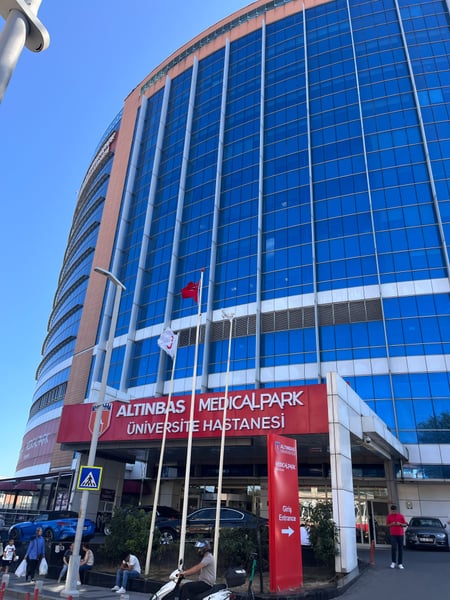
የሕክምና ፓርክ Bahcelievler ሆስፒታል
ሜዲካል ፓርክ Bahcelievler ሆስፒታል በ 242 አልጋ JCI እውቅና ያለው በኢስታንቡል ውስጥ የሚገኝ ሆስፒታል ነው በ2007 የተቋቋመ። ሆስፒታሉ ኤምአርአይ፣ ሲቲ እና አንጂዮግራፊን ጨምሮ 10 የቀዶ ሕክምና ክፍሎች፣ 89 የተመላላሽ...
መድኃኒቶች
መገልገያዎች
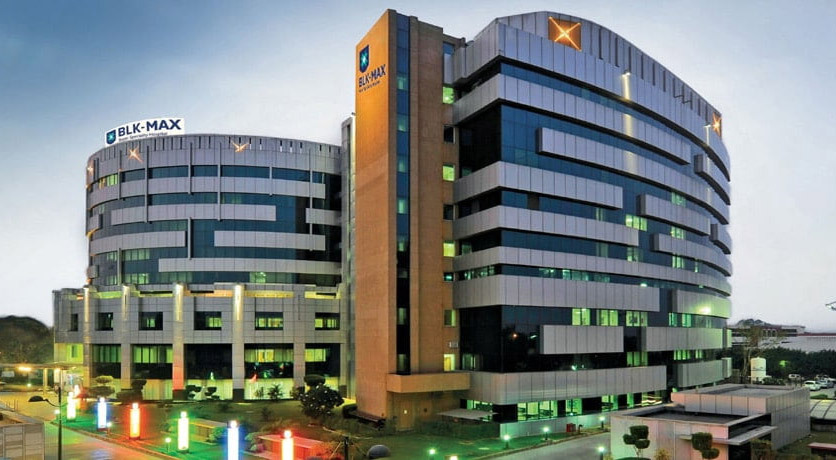
BLK-ማክስ ሱፐር ስፔሻሊቲ ሆስፒታል፣ ኒው ዴሊ
በኒው ዴሊ የሚገኘው BLK-Max Super Specialty ሆስፒታል 650 አልጋዎች፣ 22 የላቁ የኦፕሬሽን ቲያትሮች እና 13 የልህቀት ማእከላት በማቅረብ ከህንድ የመጀመሪያ የጤና እንክብካቤ ተቋማት አንዱ ነው። በአለም አቀፍ ደረጃ በካን...
መድኃኒቶች
መገልገያዎች
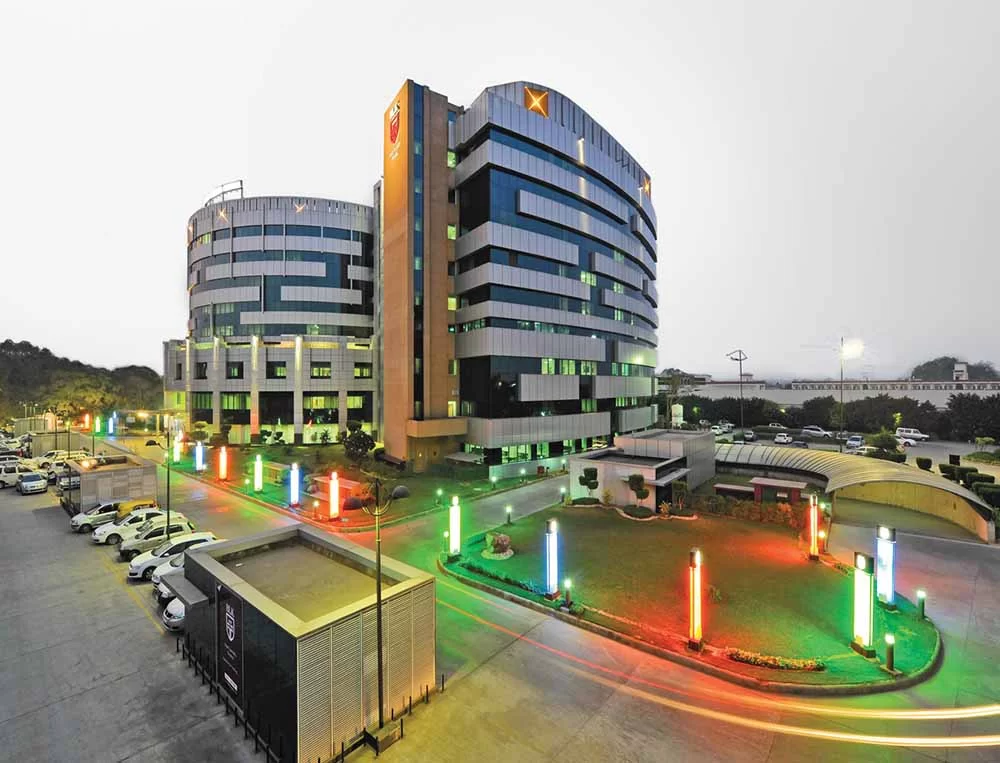
Fortis Memorial Research Institute (FMRI), Gurgaon
Fortis Memorial Research Institute (FMRI) Gurgaon በ 2013 የተቋቋመ አለም አቀፍ ደረጃውን የጠበቀ የብዝሃ-ስፔሻሊቲ ሆስፒታል ነው። ሆስፒታሉ 330 አልጋዎች፣ 15 የቀዶ ህክምና ቲያትሮች፣ 105 አይሲዩ አል...
መድኃኒቶች
መገልገያዎች
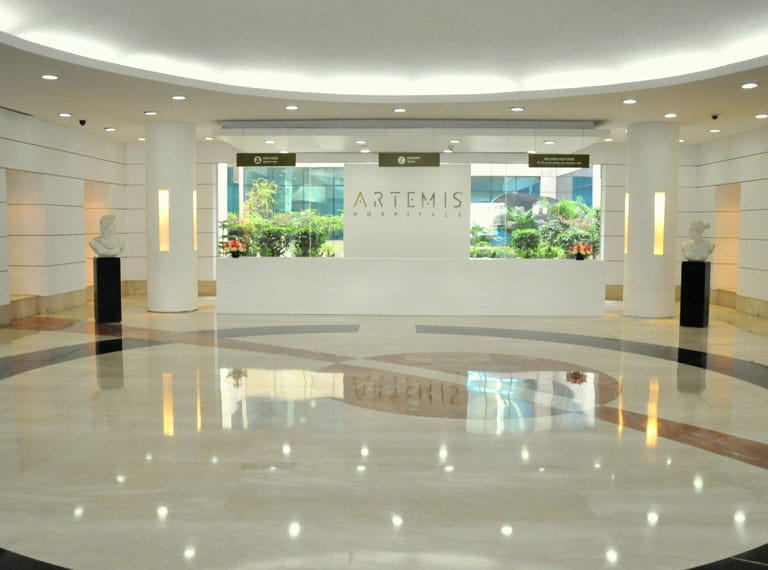
አርጤምስ ሆስፒታል ፣ ጉራጌን።
Artemis Hospital, Gurgaon በ 2007 የተቋቋመ JCI እውቅና ያለው ሁለገብ ልዩ ሆስፒታል ነው። 750+ አልጋዎች እና በ9 ሄክታር ላይ የሚሰራጩ አለም አቀፍ ደረጃ መሠረተ ልማቶችን ያቀርባል። አርጤምስ M6 CyberKnife...
መድኃኒቶች
መገልገያዎች
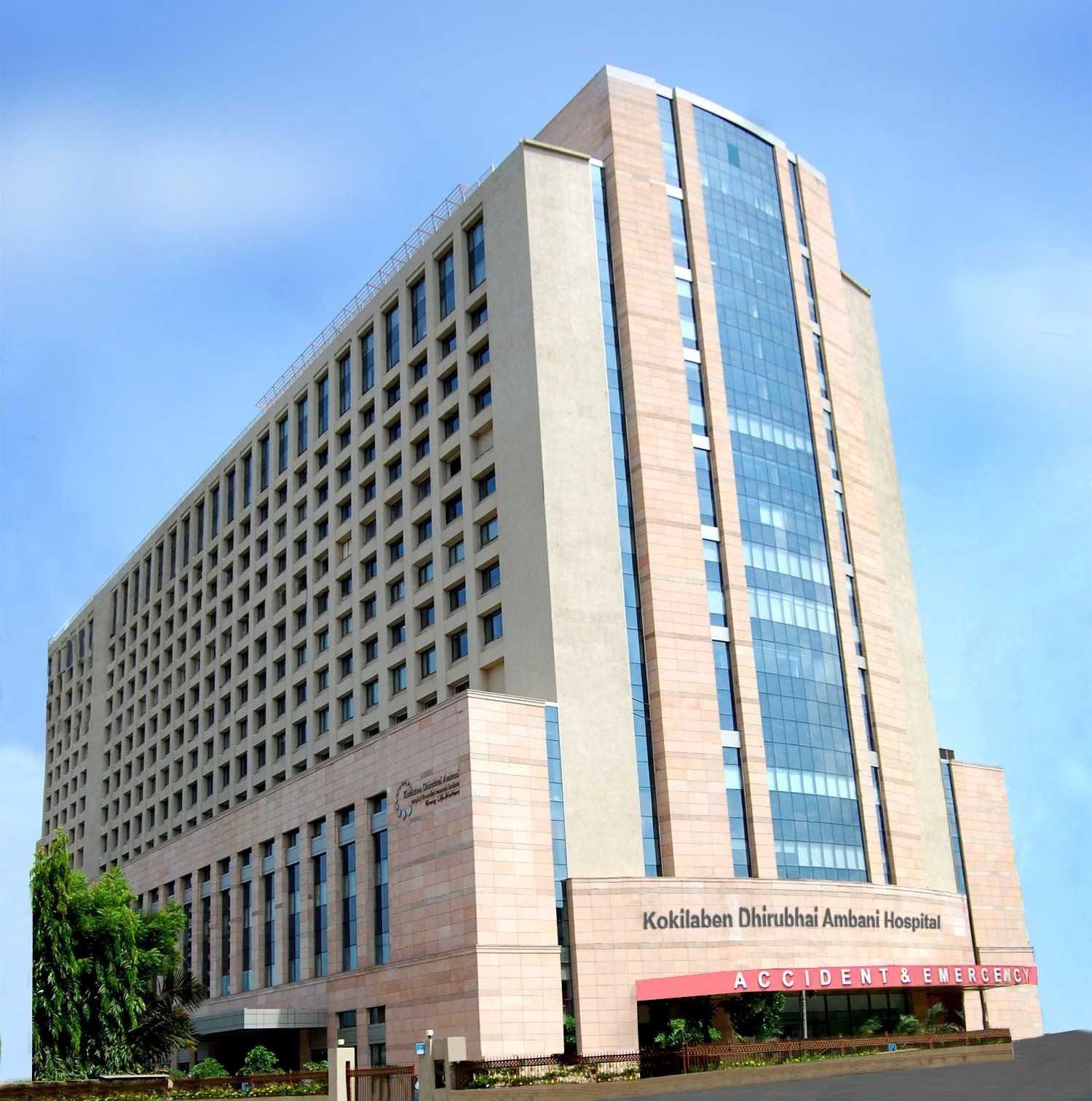
ኮኪላበን ድሩብሃይ አምባኒ ሆስፒታል፣ ሙምባይ
Kokilaben Dhirubhai Ambani ሆስፒታል፣ ሙምባይ፣ በJCI፣ NABH፣ NABL እና CAP እውቅና ያለው የኳተርን እንክብካቤ ሆስፒታል በ2009 የተቋቋመ ነው። በ750 አልጋዎች፣ 180 ICU አልጋዎች እና 22 የላቁ የኦፕሬሽን...
መድኃኒቶች
መገልገያዎች
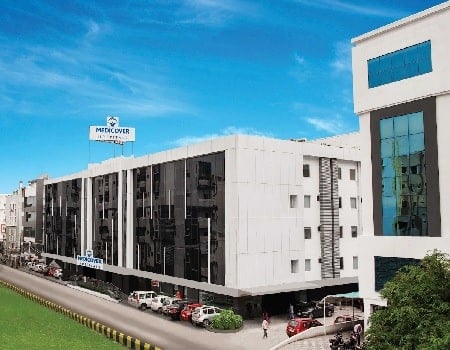
Medicover ሆስፒታሎች፣ Hitech City፣ Hyderabad
ሜዲኮቨር ሆስፒታሎች፣ ሂቴክ ሲቲ፣ ሃይደራባድ፣ በ 2011 በ 400 አልጋ በ NABH እውቅና ያለው ሱፐር-ስፔሻሊቲ ሆስፒታል የተቋቋመ ነው። በ18 አገሮች ውስጥ የሚሰራው የሜዲኮቭር፣ አለም አቀፍ እውቅና ያለው የጤና እንክብካቤ ብራንድ አ...
መድኃኒቶች
መገልገያዎች
ተዛማጅ ሐኪሞች
በዚህ መስክ ውስጥ ካሉ ልምዶች ተሞክሮዎች እና የሕክምና ባለሞያዎች ጋር ይገናኙ.
ዶ/ር አናንዳ ማንዳል
Consultant
ዶክተር ኢንድራኒል ካን
Consultant
ዶክተር ፕራዲፕ ቻክራባርቲ
Head of Department (HOD)
ዶክተር ራኬሽ Rajput
Head of Department (HOD)
ዶክተር ፕራቨን ኤል
Consultant
ዶክተር ቻንድራሞሃን ኬ
Senior Consultant
ተዛማጅ መጣጥፎች
ተመሳሳይ የጤና ርዕሶችን በተመለከተ ተጨማሪ ርዕሶችን እና ግንዛቤዎችን ያስሱ.
በውጭ አገር የአከርካሪ አጥንት ቀዶ ጥገና ደህንነቱ የተጠበቀ ነው?
በውጭ አገር ለአካል ትራንስፕላንት እንዴት እንደሚዘጋጁ፡- የህክምና፣ የህግ እና የጉዞ ማረጋገጫ ዝርዝር
ለአካል ትራንስፕላንት ምርጥ አገሮች፡ የ2026 የወጪ፣ የጥበቃ ጊዜ እና የህግ መስፈርቶች መመሪያ
Back Pain or Something More? When Does a Spine Tumor Require Surgery?
የአካል ክፍል ከተለወጠ በኋላ ምን ያህል ጊዜ ሊኖሩ ይችላሉ?
በህንድ ውስጥ የአካል ክፍል ትራንስፕላንት ማን ሊያገኝ ይችላል? የብቃት ደንቦች ተብራርተዋል
ደራሲ ደራሲ
ሁሉንም ይመልከቱ
ሲር የሕክምና ጸሐፊ
ዶ/ር Deepanshu Siwach የፋርማሲ ዶክተር ዲግሪ ያለው ልምድ ያለው ክሊኒካል ፋርማሲስት ነው። ከ 4 ዓመታት በላይ ልምድ ያለው እና በሺዎች ከሚቆጠሩ ታካሚዎች ጋር ሰርቷል. እሱ ከአንዳንድ ከፍተኛ ሆስፒታሎች ጋር ተቆራኝቷል፣ ለምሳሌ አርጤምስ ጉርጋዮን እና ቴርትታንከር ማሃቨር ሜዲካል ኮሌጅ እና የምርምር... ተጨማሪ ያንብቡ
ድር ጣቢያችን ኩኪዎችን ይጠቀማል. የግላዊነት ፖሊሲ.