
ICSI Treatment - Intracytoplasmic Sperm Injection Cost in India
About ICSI Treatment - Intracytoplasmic Sperm Injection
Every year, over 25,000 international couples travel to India seeking advanced fertility treatments. One procedure that offers them genuine hope is Intracytoplasmic Sperm Injection (ICSI).
When natural conception feels impossible, ICSI helps turn the dream of parenthood into reality. India has become one of the most preferred destinations for IVF and ICSI, thanks to high success rates, advanced laboratories, and affordable fertility care.
For couples struggling with male infertility, low sperm count, or unexplained conception challenges, ICSI offers a precise and effective solution. If you’ve been searching for a fertility treatment that combines technology, expertise, and affordability, ICSI treatment in India could be the right choice for you.
What Is Intracytoplasmic Sperm Injection (ICSI)?
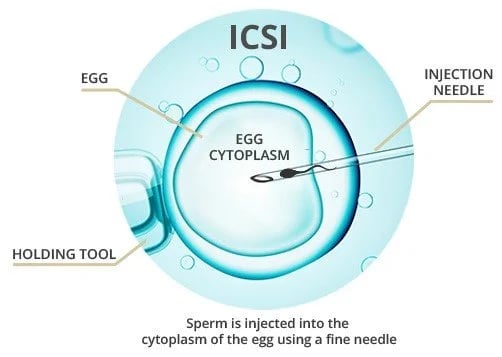
Intracytoplasmic Sperm Injection (ICSI) is an advanced form of In Vitro Fertilization (IVF) designed to help couples overcome severe infertility. In this technique, an embryologist injects a single healthy sperm directly into a mature egg under a microscope. This precise process improves fertilization chances even when sperm count or motility is very low.
Unlike conventional IVF, where eggs and sperm are mixed in a dish to fertilize naturally, ICSI allows doctors to control the fertilization process directly. It is particularly effective for couples who have faced multiple failed IVF cycles or where male infertility is the primary challenge.
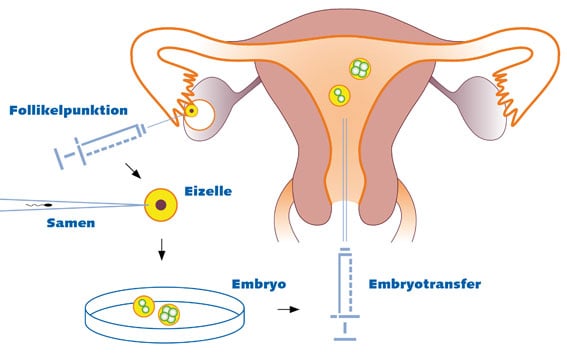
The fertilized egg develops into an embryo, which is later transferred into the uterus to achieve pregnancy. With modern laboratory technology and expert embryologists, ICSI treatment has achieved high success rates.
Who Needs ICSI Treatment?
Doctors recommend ICSI treatment for couples who face challenges with natural conception or have experienced repeated IVF failures. It helps address both male and female infertility factors, ensuring that fertilization happens even in complex cases.
- Male Infertility: ICSI is especially helpful when male fertility problems make natural conception unlikely. Doctors recommend it for:
- Very low sperm count (oligospermia)
- Poor sperm motility, where sperm cannot reach or penetrate the egg
- Abnormal sperm shape, which affects its fertilization ability
- Absence of sperm in semen (azoospermia), when sperm is retrieved directly from the testicles
- Cases after vasectomy or testicular injury
- Unexplained Infertility: Sometimes, all fertility tests appear normal, yet pregnancy doesn’t occur. In such cases, doctors use ICSI to ensure successful fertilization by directly injecting sperm into the egg.
- Previous IVF Failure: Couples who have undergone IVF cycles without fertilization or embryo formation can benefit from ICSI. This technique eliminates the unpredictability of sperm-egg interaction and improves fertilization outcomes.
- Frozen or Donor Sperm Use: ICSI works well when using frozen sperm samples or donor sperm, which may have limited mobility after thawing. It guarantees better control over fertilization and embryo quality.
- Assisted Reproductive Planning: Couples opting for genetic testing (PGT/PGS) or embryo freezing often combine these procedures with ICSI for improved embryo quality and selection.
How Is the ICSI Procedure Performed?
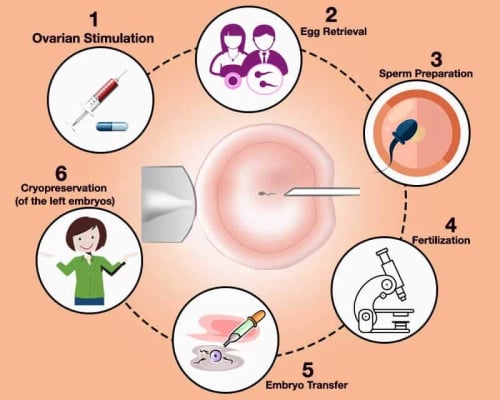
Doctors perform the ICSI procedure in a few precise steps that span two to three weeks. Each stage focuses on creating healthy embryos and maximizing the chance of pregnancy.
- Ovarian Stimulation: The process begins with daily hormone injections that help the ovaries produce multiple mature eggs. Doctors monitor progress through blood tests and ultrasounds to ensure optimal egg growth before collection.
- Egg Retrieval: Once the eggs are ready, doctors collect them using a fine needle under mild anesthesia. This process takes about 20–30 minutes and does not require stitches. Patients usually go home the same day.
- Sperm Collection and Preparation: A sperm sample is collected from the partner or retrieved surgically if necessary. Laboratory experts carefully select the healthiest, most active sperm for fertilization.
- Intracytoplasmic Sperm Injection (ICSI): Using advanced micromanipulation tools, an embryologist injects a single sperm directly into each mature egg. This step ensures fertilization even when sperm count or movement is poor.
- Embryo Culture: The fertilized eggs, now embryos, are placed in a controlled incubator for 3–5 days. Embryologists monitor their development closely to select the best embryos for transfer.
- Embryo Transfer: Doctors transfer one or two healthy embryos into the uterus using a thin catheter. The procedure is quick, painless, and usually requires no anesthesia.
- Pregnancy Test: About 10–12 days after the embryo transfer, a blood test confirms whether implantation has occurred and pregnancy has begun.
Get a Free Treatment Plan
About ICSI Treatment - Intracytoplasmic Sperm Injection in India
What Is the Cost of ICSI Treatment in India?
The average cost of ICSI treatment in India ranges between USD 3,000 and 5,000 per cycle, depending on the fertility clinic, medical protocol, and medication requirements. This cost is 60–80% lower than in Western countries, while maintaining the same clinical standards.
Component | Estimated Cost (USD) |
| Fertility consultation and diagnostic tests | 200 – 400 |
| Ovarian stimulation injections and medications | 800 – 1,200 |
| Egg retrieval and anesthesia | 500 – 700 |
| Sperm collection and preparation | 200 – 400 |
| ICSI procedure (sperm injection per egg) | 800 – 1,000 |
| Embryo culture and transfer | 400 – 600 |
| Total Estimated Cost per Cycle | 3,000 – 5,000 |
India’s fertility centers maintain international standards of care but operate at lower infrastructure and labor costs. It allows clinics to offer world-class IVF and ICSI treatments at one of the most affordable prices globally, without compromising technology or success rates.
What Does the Cost of ICSI Treatment in India Include and Exclude?
Fertility centers in India offer well-structured, transparent ICSI treatment packages. These packages cover most medical procedures, ensuring that patients know exactly what to expect before beginning their treatment.
Inclusions
A standard ICSI treatment package in India usually includes:
- Initial fertility consultation with the reproductive specialist
- Ultrasound scans and blood tests to monitor ovarian response
- Ovarian stimulation medications and hormone injections
- Egg retrieval procedure under mild anesthesia
- Sperm collection or surgical sperm retrieval, if required
- ICSI procedure — injection of sperm into mature eggs
- Embryo culture and observation for up to 5 days
- Embryo transfer procedure
- Basic post-transfer medications and pregnancy test follow-up
These inclusions cover all the essential medical steps needed to complete one ICSI cycle.
Exclusions
Certain services may require additional payment depending on the treatment plan:
- Advanced fertility tests like AMH, genetic, or hormonal panels
- Donor eggs or donor sperm, if used
- Embryo freezing and storage beyond the initial cycle
- Preimplantation genetic testing (PGT/PGS)
- Additional medications for complex stimulation cycles
- Travel, visa, and accommodation expenses for international patients
- Subsequent ICSI or IVF cycles, if needed
What Factors Affect the Cost of ICSI Treatment in India?
The cost of ICSI treatment in India depends on several medical and personal factors. Each couple’s journey is unique, and the final cost estimate reflects their specific diagnosis, age, and treatment needs.
- Type of Fertility Medication Used: Fertility drugs account for a significant part of the total cost. Different brands and dosage levels are prescribed based on ovarian response, and these vary from patient to patient.
- Age of the Female Partner: Women over 35 may require higher doses of medication or multiple stimulation cycles to produce high-quality eggs, which can slightly increase costs.
- Sperm Retrieval Technique: If sperm is collected through advanced procedures such as TESA (Testicular Sperm Aspiration) or PESA (Percutaneous Sperm Aspiration), these procedures add to the overall package cost.
- Laboratory and Technology Standards: Clinics with advanced embryology labs, time-lapse embryo monitoring, or AI-based embryo selection may charge more due to superior technology and higher success rates.
- Number of ICSI Cycles Required: Some couples may need more than one ICSI cycle to achieve pregnancy. Each additional cycle adds to the total cost.
- Additional Procedures: Services such as embryo freezing, genetic testing, or donor gametes are billed separately, depending on the treatment plan.
- Doctor’s Expertise and Clinic Location: Fertility centers in major Indian cities like Delhi, Mumbai, Chennai, or Bengaluru may have slightly higher fees due to specialized embryologists and advanced infrastructure.
How Does the Cost of ICSI in India Compare with Other Countries?
India offers some of the most affordable and advanced fertility treatments in the world. While maintaining global medical standards, Indian fertility centers provide ICSI at a fraction of the cost charged in Western countries.
Country | Average Cost per Cycle (USD) | Savings Compared to India |
| India | 3,000 – 5,000 | — |
| United States | 12,000 – 18,000 | 70–80% |
| United Kingdom | 10,000 – 14,000 | 65–75% |
| Singapore | 8,000 – 10,000 | 50–60% |
| Thailand | 6,000 – 8,000 | 35–45% |
| UAE | 7,000 – 9,000 | 40–55% |
Even with travel and accommodation expenses, couples save up to 80% by choosing India for ICSI. High clinical success, compassionate care, and affordable pricing make India a leading fertility hub for patients worldwide.
What Is the Success Rate of ICSI in India?
The success rate of ICSI treatment in India ranges between 50% and 65% per cycle, depending on the couple’s age, fertility history, and embryo quality. With advanced laboratories and experienced embryologists, India’s outcomes are comparable to the best fertility centers worldwide.
Success Rate by Age Group
Female Age Group | Average Success Rate per Cycle |
| Under 30 years | 50–65% |
| 30–35 years | 40–50% |
| 36–40 years | 30–40% |
| Above 40 years | 20–35% |
Factors That Influence Success
- Egg and sperm quality: Healthier gametes increase fertilization and embryo viability.
- Laboratory standards: Modern labs with temperature and humidity control ensure stable embryo development.
- Embryologist expertise: Precision during sperm injection directly impacts success.
- Uterine health: Proper lining and hormonal balance help successful implantation.
- Lifestyle factors: Balanced nutrition, stress management, and timely treatment improve overall outcomes.
Why Should You Choose India for ICSI Treatment?
India has emerged as one of the top global destinations for fertility and ICSI treatment, combining advanced reproductive technology, high success rates, and affordable costs. Here’s why thousands of international couples choose India every year to begin their parenthood journey.
- Expert Fertility Specialists: India’s fertility doctors and embryologists perform thousands of ICSI and IVF cycles annually. Their experience ensures precise sperm selection, healthy embryo formation, and higher pregnancy success rates.
- Advanced Laboratory Technology: Clinics use modern embryology labs with micromanipulators, time-lapse incubators, and AI-assisted embryo grading. This advanced technology ensures the best embryo quality.
- Affordable Treatment Packages: ICSI treatment in India costs up to 70–80% less than in the USA or UK. Hospitals offer transparent, all-inclusive packages that cover all major medical steps with no hidden fees.
- Comprehensive International Support: Dedicated international patient teams help with medical visas, airport transfers, and accommodation. They also assist with documentation and travel planning for couples visiting from abroad.
- High Success Rates: With an average success rate of 50–65% per cycle, India’s fertility outcomes match top global standards. Personalized treatment plans further enhance the chances of pregnancy.
- No Waiting Time: Patients can start their ICSI cycle immediately after sharing medical records. It helps couples save time and plan their treatment efficiently.
- Global Trust: India welcomes couples from over 70 countries each year for IVF and ICSI. Positive patient outcomes and international accreditations have made India a trusted name in fertility care.
ICSI Treatment - Intracytoplasmic Sperm Injection Cost Comparison by Country
Compare ICSI Treatment - Intracytoplasmic Sperm Injection costs across different countries to make an informed decision about your medical treatment.
| Country | Cost Range (USD) | Potential Savings | Action |
|---|---|---|---|
IndiaCurrentBest Value | $3,000 - $5,000 | — | Get Quote |
Note: Costs may vary based on hospital choice, room type, additional services, and individual medical requirements. Contact us for a personalized quote.
Leading Hospitals for ICSI Treatment - Intracytoplasmic Sperm Injection in India
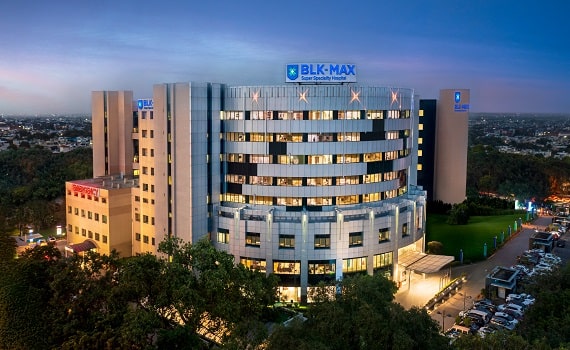
BLK-Max Super Speciality Hospital, New Delhi
BLK-Max Super Speciality Hospital in New Delhi is one of India's premier healthcare institutions, offering 650 beds, 22 advanced operation theatres, a...
Accreditations


Facilities

Max Smart Super Speciality Hospital, Saket, New Delhi
Max Smart Super Speciality Hospital, Saket, is a 250-bed tertiary care hospital in South Delhi. It offers advanced medical and surgical care across 22...
Accreditations
Facilities
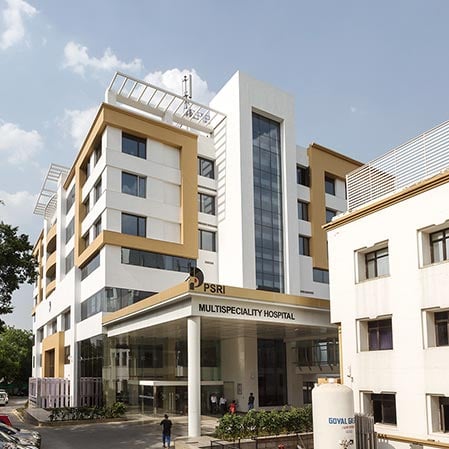
PSRI Hospital, Delhi
Pushpawati Singhania Research Institute (PSRI Hospital), New Delhi, is a leading multi-specialty tertiary care hospital established in 1996 by the JK ...
Accreditations
Facilities
Similar Procedures
Gallery
FAQ


Our website uses cookies. By clicking on accept you give your consent to the use of cookies as per our Privacy Policy.