
رعاية صحية فعالة من حيث التكلفة في الهند للمرضى من جمهورية الكونغو الديمقراطية
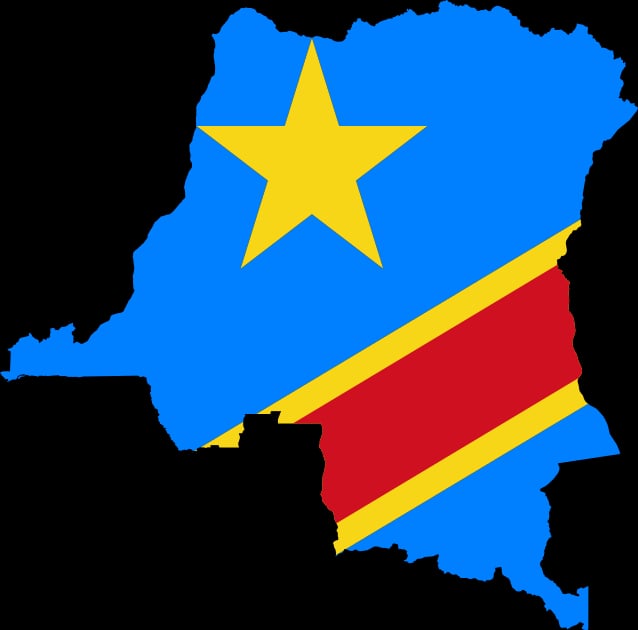
Patients from the Democratic Republic of the Congo increasingly seek medical treatment outside the country because severe health conditions often need services that remain difficult to access locally. Many families face urgent decisions when advanced care becomes necessary.
India has emerged as a practical option for patients from the DR Congo. The country treats a large number of international patients every year and offers organized treatment pathways across primary specialties. Many patients begin diagnosis and treatment soon after arrival.
For families in the DR Congo, traveling to India represents a step toward timely and dependable care. The decision reflects the need for speed, clarity, and confidence during serious medical situations.
What Healthcare Challenges Do Patients in the Democratic Republic of the Congo Face?
Patients in the DR Congo face multiple healthcare barriers that directly affect survival and recovery, especially for serious illnesses.
- Severe shortage of specialist doctors:The DR Congo has one of thelowest doctor-to-patient ratios in Africa. Most specialists in cancer care, heart surgery, neurology, and kidney disease work only in a few private facilities in major cities like Kinshasa. Patients from other provinces often have no access to specialists.
- Limited advanced diagnostic facilities:Many hospitals lack MRI, PET-CT, advanced pathology labs, and radiation therapy units. Cancer diagnosis often happens late because biopsy and imaging services remain unavailable or delayed.
- Weak referral and continuity of care systems:Patients frequently move between clinics without a clear treatment plan. Medical records often remain incomplete or paper-based. This gap makes it challenging to manage chronic diseases such as cancer, kidney failure, or heart disease.
- High out-of-pocket healthcare spending:Most patients pay for treatment themselves. Insurance coverage remains limited. Advanced private care within the country often costs more than families can afford and does not offer complete treatment options.
- Geographic and infrastructure challenges:The DR Congo’s vast size creates serious access issues. Patients from eastern and rural regions travel long distances to reach hospitals. Poor road networks and transport delays worsen medical outcomes.
These challenges force many Congolese families to look beyond national borders for specialist-led, timely medical care.
What Cultural and Practical Factors Connect the Democratic Republic of the Congo with India?
Patients from the DR Congo often choose India because the treatment journey aligns with their language comfort, cultural values, and financial realities.
- Comfort with English and French-supported communication:Many Congolese patients speak French, and English serves as a bridge language for international care. Indian hospitals communicate clearly in English and often assist with translation when needed.
- Firm reliance on family-led medical decisions:In Congolese culture, families take collective responsibility for medical decisions. Indian hospitals welcome family involvement during consultations and recovery.
- Experience with African patients and medical evacuations:Indian hospitals treat a large number of patients from Central and East Africa each year. Care teams understand documentation issues, travel constraints, and urgent referral cases common among Congolese patients.
- Affordability for self-paying families:Most Congolese patients fund treatment through savings or community support. India offers advanced care at prices that remain realistic for families who cannot rely on insurance or government funding.
- Long-stay practicality during treatment:Cancer therapy, transplants, and major surgeries require weeks or months of stay. India offers flexible accommodation and manageable daily expenses, which are suitable for long-term treatment.
Why Do Patients from the Democratic Republic of the Congo Prefer India for Medical Care?
Democratic Republic of the Congo patients prefer India because its healthcare system addresses problems they face at home, such as delays, incomplete treatment, and high uncertainty.
- Faster access to care for urgent and late-stage conditions:Many Congolese patients reach doctors at advanced stages of disease. India offers quick scheduling for imaging, biopsy, and surgery. Patients often complete diagnosis and begin treatment within days, which matters greatly for late-presenting cancer and heart disease.
- Ability to manage complex cases from start to finish:In the DR Congo, patients often receive partial treatment and then face referrals elsewhere. In India, patients receive diagnosis, surgery, medicines, and follow-up care within a single system.
- High experience with advanced and high-risk cases:Indian specialists treat huge numbers of cancer, cardiac, transplant, and orthopedic patients every year. Congolese families often choose India because doctors regularly handle complicated cases similar to theirs.
- Better value than regional alternatives:Nearby options often lack advanced services or charge high private fees without full treatment capabilities. India provides advanced care at a cost that families can realistically manage.
What Treatments Do Patients from the Democratic Republic of the Congo Commonly Seek in India?
Patients from the DR Congo mainly travel to India for treatments that require advanced technology, specialist depth, and long-term planning.
- Cancer treatment and blood disorders:Patients commonly seek care for breast cancer, prostate cancer, cervical cancer, gastrointestinal cancers, and blood cancers. Many arrive after a delayed diagnosis at home. India offers comprehensive cancer care, including imaging, biopsy, surgery, chemotherapy, and radiation, under a single plan.
- Heart disease and cardiac surgery:Heart disease affects many middle-aged adults in the DR Congo. Patients travel for bypass surgery, valve replacement, angioplasty, and advanced cardiac evaluation. Indian cardiac centers regularly manage high-risk and late-stage cases.
- Kidney disease and transplant evaluation:Chronic kidney disease leads many patients to seek dialysis and kidney transplant evaluation. Indian centers provide clear transplant strategies and long-term follow-up planning.
- Orthopedic surgery and joint replacement:Patients with severe arthritis, untreated fractures, or joint damage often seek total knee or hip replacement. India offers a high success rate and comprehensive rehabilitation support, helping patients return home safely.
- Neurology and spine treatment:Patients seek care for brain tumors, spinal cord compression, slipped discs, and nerve damage. Advanced imaging and surgical precision play a key role in these decisions.
What Is the Cost of Treatment in India for Patients from the Democratic Republic of the Congo?
Cost plays a decisive role for patients from the DR Congo because most families self-fund medical care. India offers advanced treatment at prices that better align with the financial realities of Congolese households.
- Upfront cost clarity before travel:Indian hospitals usually share treatment estimates after reviewing medical reports. These estimates help families decide before committing to international travel.
- Lower cost for complex and late-stage treatment:Many patients from the DR Congo arrive with advanced disease due to delayed diagnosis at home. In India, even complex cancer care, cardiac surgery, or organ transplant remains far more affordable than in Europe or the Middle East.
Approximate Treatment Costs in India
- Total Knee Replacement (TKR):USD 4,000 – 5,500
- Total Hip Replacement (THR):USD 4,500 – 6,000
- Heart Valve Replacement:USD 6,000 – 9000
- Bypass Surgery (CABG):USD 3,500 – 6000
- Kidney Transplant:USD 13,000 – 15000
- Liver Transplant:USD 35,000 – 45000
- Ovarian Cancer Treatment:USD 3,800 – 8,000
- Lung Cancer Treatment: USD 4,500 – 8,500
- Cervical Cancer Treatment: USD 2,500 – 7,500
- Prostate Cancer Treatment: USD 3,000 – 10,000
- Breast Cancer Treatment:USD 2,500 – 12,000
These costs often remain lower than those for partial treatment in private facilities in the region, where advanced care may still be incomplete.
For patients from the DR Congo, India removes the cost barrier to complete and timely treatment, not just temporary care.
How Does Treatment Cost in India Compare with Other Countries for Patients from the DR Congo?
Patients from the DR Congo often compare India with South Africa, Europe, the Middle East, and Turkey before making a decision. Cost differences between these destinations remain substantial.
- Comparison with South Africa:South Africa offers advanced care, but private treatment costs are high for international patients. Extended hospital stays, specialist fees, and living costs quickly increase the total bill. Many Congolese families find India more affordable with similar or broader treatment options.
- Comparison with Middle Eastern countries:Gulf countries provide modern facilities, but costs for cancer care, cardiac surgery, and transplants remain incredibly high. Insurance coverage rarely applies to Congolese patients. India offers similar procedures at a fraction of the cost.
- Comparison with Europe:European countries offer high-quality care, but treatment costs remain out of reach for most Congolese families. Visa timelines, long waiting lists, and high living expenses add further difficulty.
Treatment Type | South Africa / Middle East (USD) | Europe (USD) | India (USD) |
| Total Knee Replacement | 18,000 – 30,000 | 30,000 – 45,000 | 4,000 – 5,500 |
| Total Hip Replacement | 20,000 – 35,000 | 35,000 – 50,000 | 4,500 – 6,000 |
| Heart Valve Replacement | 25,000 – 45,000 | 60,000 – 90,000 | 6,000 – 9,000 |
| Kidney Transplant | 70,000 – 120,000 | 150,000 – 200,000 | 13,000 – 15,000 |
| Liver Transplant | 120,000 – 180,000 | 200,000+ | 35,000 – 45,000 |
| Cancer Treatment (full cycle) | 30,000 – 60,000 | 50,000 – 100,000 | 8,000 – 12,000 |
Lower cost allows patients to start treatment earlier and complete the full care plan. Families avoid stopping treatment halfway due to financial exhaustion.
What Is the Success Rate of Medical Treatment in India for Patients from the Democratic Republic of the Congo?
Patients from the DR Congo often travel after a late diagnosis or incomplete treatment at home. Success rates matter because families need confidence that long travel and cost will lead to real recovery. India reports strong outcomes across major procedures, driven by experience with advanced and high-risk cases.
- Total Knee Replacement (TKR) success rate:Many Congolese patients arrive with severe joint damage due to delayed treatment. Indian orthopedic centers report success rates of95%–98%, with most patients regaining mobility and achievinglong-term pain relief after rehabilitation.
- Total Hip Replacement (THR) success rate:Hip replacement shows durable outcomes even in complex cases. Long-term success rates range from95% to 98%, including patients with advanced arthritis or untreated priorfractures.
- Heart surgery success rate:Bypass surgery and valve replacement in India show success rates of94%–97%, depending on heart function and overall health at arrival.
- Kidney transplant success rate:One-year graft survival rates range between90% and 95%. Indian transplant teams place strong emphasis on medication adherence and follow-up planning before patients return to the DR Congo.
- Liver transplant success rate:For carefully selected patients, short-term success rates range between85% and 90%. Early stabilization and structured post-transplant care improve outcomes, even for late-referred cases.
- Cancer treatment outcomes:Many Congolese patients arrive with advanced-stage cancer. While outcomes depend on cancer type and stage, early response and disease control improve significantly with combined surgery, chemotherapy, and radiation. Early-stage cancers show high remission and control rates.
How Easy Is Travel from the Democratic Republic of the Congo to India for Medical Treatment?
Most Congolese patients travel viaAddis Ababa, Nairobi, Istanbul, or Dubaibefore connecting to major Indian cities. These hubs handle medical travelers regularly and offer reliable onward connections. Total travel time usually ranges between12 and 18 hours, depending on the route.
- Entry through major medical hubs in India:Cities such as Delhi, Mumbai, and Chennai receive a large number of international patients every day. Airport processes remain structured and predictable, which matters after long journeys.
- Arrival coordination for medical cases:Hospitals often arrange airport pickup and direct transfer to accommodation or the hospital. This support helps patients who arrive weak or in pain avoid the stress of local travel.
- Planning support before departure:Patients usually receive guidance on flight timing, transit needs, and arrival schedules. Precise planning helps families manage documents, medicines, and rest periods.
Despite the distance, travel from the DR Congo to India remains manageable for medical purposes, especially with pre-arranged coordination.
How Can Patients from the Democratic Republic of the Congo Get an Indian Medical Visa for Treatment?
The medical visa process is crucial for Congolese patients because treatment often requires urgent timelines and family involvement. India offers a clear medical visa pathway that supports this need.
- Indian Medical Visa (MED Visa):Patients apply for a Medical Visa issued explicitly for treatment. This visa allows a stay for diagnosis, surgery, therapy, and recovery. It also supports multiple entries if follow-up visits are required.
- Visa duration suited for long treatment:Medical visas usually remain valid for up toone year, depending on the treatment plan. This duration suits cancer therapy, transplant care, and recovery without pressure to exit early.
- Medical Attendant Visa for family members:Most patients from the DR Congo travel with a spouse or adult relative. India issues Medical Attendant Visas so family members can stay throughout treatment and recovery.
- Processing time for Congolese applicants:Once documents are complete, processing usually takes2 to 4 working days. Hospitals provide visa invitation letters that help expedite approval for urgent cases.
Documents commonly required
- Valid passport
- Recent passport-size photographs
- Medical reports from a hospital or doctor in the DR Congo
- Treatment or invitation letter from an Indian hospital
- Proof of funds for treatment and stay
- Completed medical visa application form
Summary
Patients from the DR Congo choose India because it offers complete treatment, faster access, and realistic costs. Specialists manage complex and late-stage cases daily. Families receive clear plans and steady support. This balance makes India a dependable option when serious illness requires urgent and reliable care.
المستشفيات ذات الصلة
اكتشف المستشفيات والمراكز الطبية المتعلقة بهذا الموضوع لخدمات الرعاية الصحية عالية الجودة.
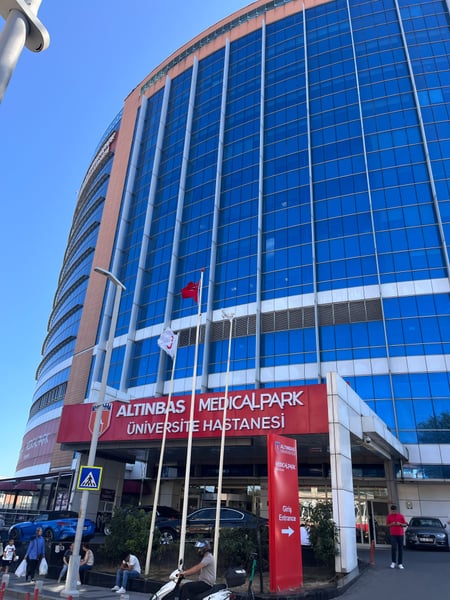
مستشفى ميديكال بارك بهجيليفلر
مستشفى ميديكال بارك باهجيليفلر هو مستشفى معتمد من اللجنة الدولية المشتركة في إسطنبول يضم 242 سريرًا، وقد تم إنشاؤه في عام 2007. يمتد على مساحة 33000 م...
الاعتماد
مرافق
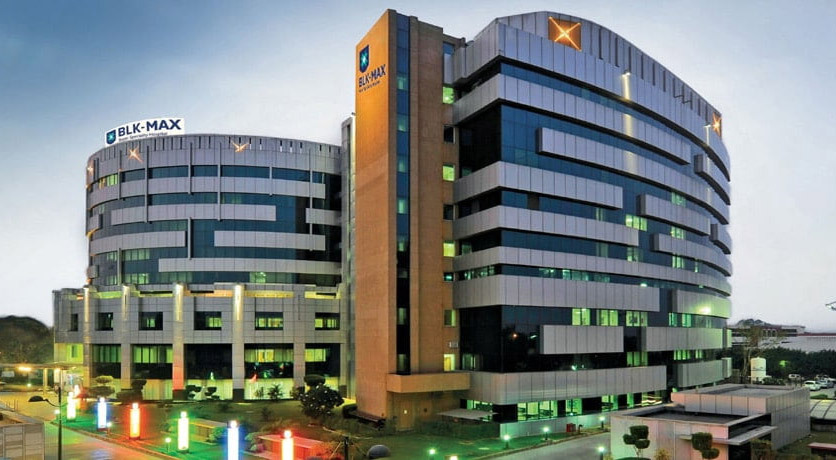
مستشفى بي إل كيه-ماكس سوبر التخصصي، نيودلهي
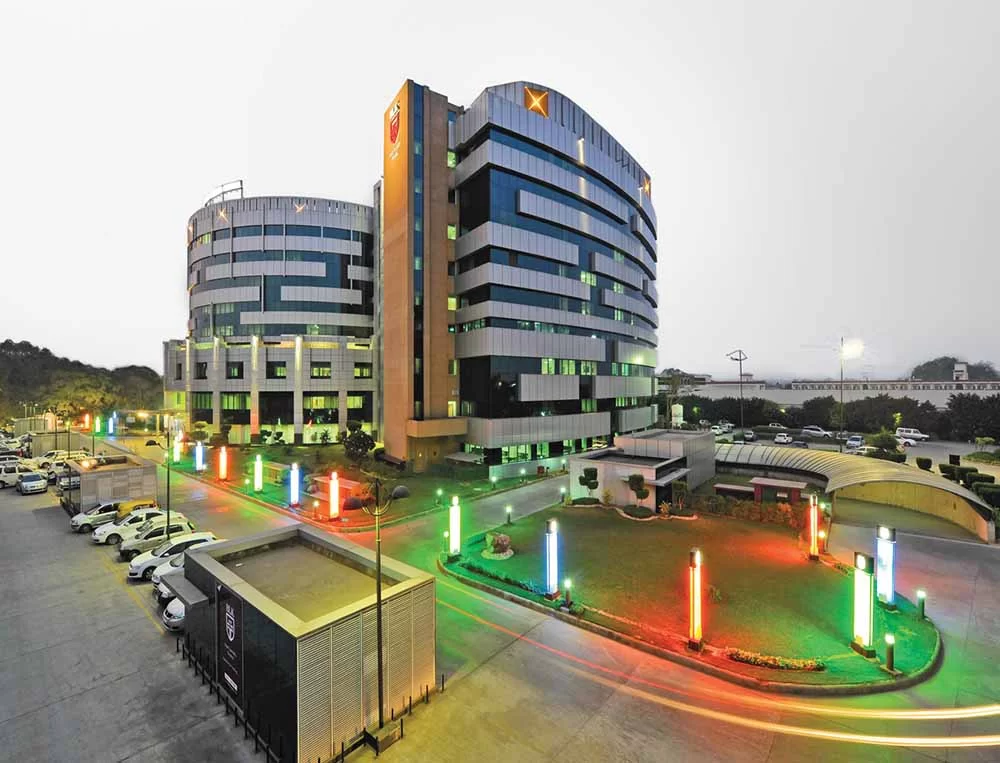
يعد مستشفى BLK-Max Super Specialty Hospital في نيودلهي أحد مؤسسات الرعاية الصحية الرائدة في الهند، حيث يقدم 650 سريرًا و22 غرفة عمليات متقدمة و13 مركز...
الاعتماد

مرافق
معهد فورتيس للأبحاث التذكارية (FMRI)، جورجاون
معهد فورتيس التذكاري للأبحاث (FMRI)، جورجاون، هو مستشفى عالمي متعدد التخصصات تم إنشاؤه في عام 2013. يوفر المستشفى 330 سريرًا و15 غرفة عمليات و105 أسرة...
الاعتماد


مرافق
Artemis Hospital, Gurgaon
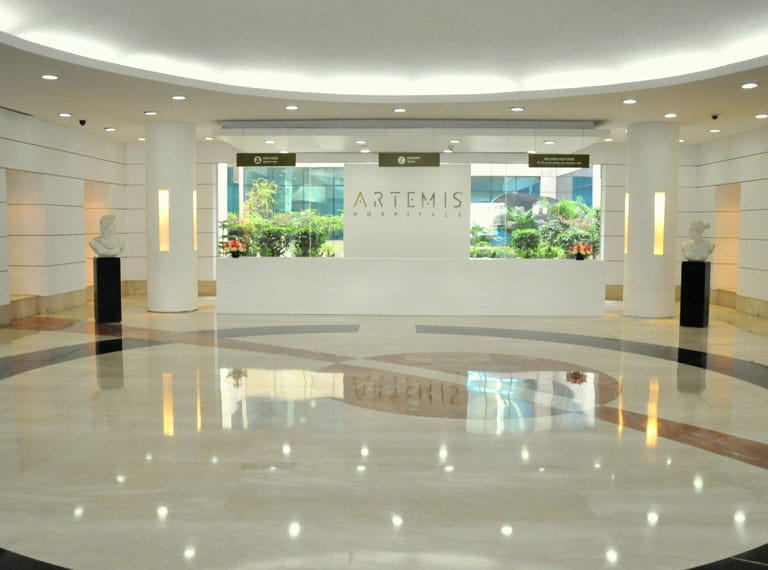
مستشفى أرتميس، جورجاون، هو مستشفى متعدد التخصصات معتمد من اللجنة الدولية المشتركة (JCI) تم إنشاؤه في عام 2007. ويقدم أكثر من 750 سريرًا وبنية تحتية عا...
الاعتماد


مرافق
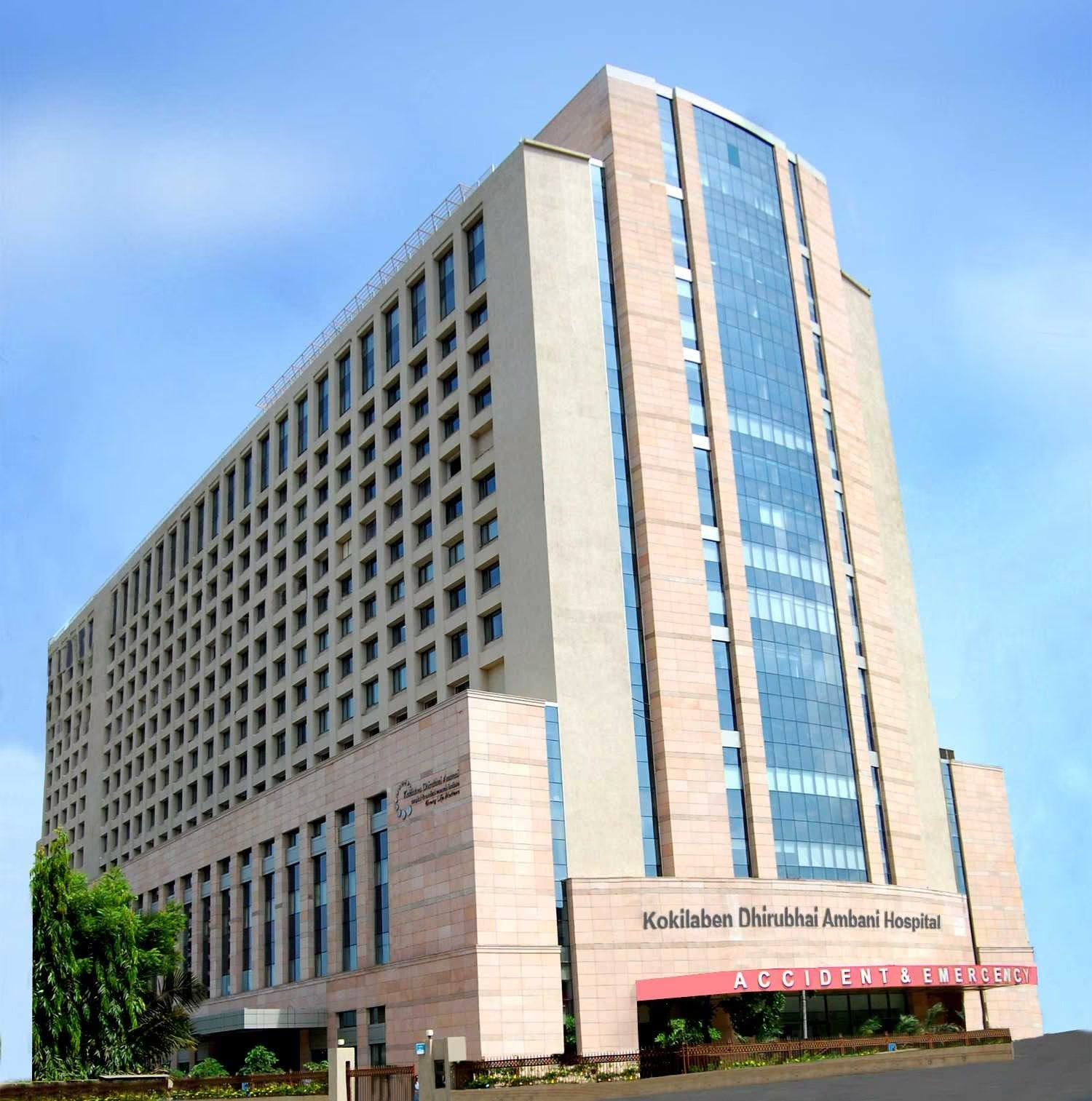
مستشفى كوكيلابين ديروبهاي أمباني، مومباي
مستشفى كوكيلابين ديروبهاي أمباني، مومباي، هو مستشفى رعاية رباعية معتمد من JCI وNABH وNABL وCAP، وقد تم تأسيسه في عام 2009. مع 750 سريرًا و180 سريرًا ل...
الاعتماد


مرافق
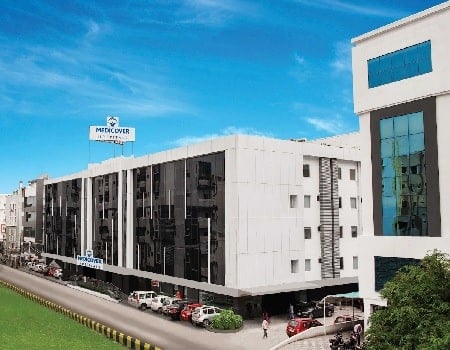
مستشفيات ميدي كوفر، مدينة هايتك، حيدر أباد
مستشفيات ميدي كوفر، هايتك سيتي، حيدر أباد، هي مستشفى فائقة التخصص معتمدة من NABH تضم 400 سرير، وقد تم تأسيسها في عام 2011. وهي جزء من ميدي كوفر، وهي ع...
الاعتماد


مرافق
الأطباء ذات الصلة
تواصل مع الأطباء ذوي الخبرة والمتخصصين الطبيين في هذا المجال.
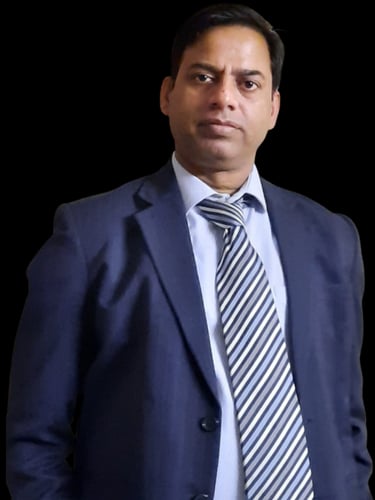
دكتور أناندا ماندال
Consultant
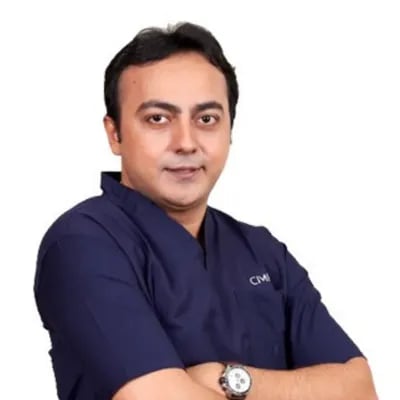
دكتور أندرانيل خان
Consultant
الدكتور براديب تشاكرابارتي
Head of Department (HOD)
دكتور راكيش راجبوت
Head of Department (HOD)
الدكتور برافين جي إل
Consultant
الدكتور شاندراموهان ك
Senior Consultant
المقالات ذات الصلة
استكشاف المزيد من المقالات والرؤى حول مواضيع صحية مماثلة.
Back Pain or Something More? When Does a Spine Tumor Require Surgery?

كم من الوقت يمكنك العيش بعد زراعة الأعضاء؟
من يمكنه إجراء عملية زرع الأعضاء في الهند؟ شرح قواعد الأهلية
هل زراعة الأعضاء آمنة للمرضى الدوليين في الهند؟ شرح القوانين والمخاطر ومعدلات النجاح
زرع نخاع العظم مقابل العلاج بالخلايا التائية CAR-T: أيهما أفضل لسرطان الدم؟
هل يمكنك النجاة من سرطان الدم دون زراعة نخاع العظم؟

مؤلف
عرض الكلالدكتور ديبانشو سيواتش هو صيدلي سريري ذو خبرة وحاصل على درجة دكتوراه في الصيدلة. لديه أكثر من 4 سنوات من الخبرة وعمل مع آلاف المرضى. لقد ارتبط ببعض أفضل المستشفيات، مثل Artemis Gurgaon وكلية Teertha... اقرأ المزيد
يستخدم موقعنا ملفات تعريف الارتباط. سياسة الخصوصية.
