
Breast Reconstruction After Breast Cancer Surgery
The conversation about breast reconstruction usually happens at the worst possible moment. A woman has just been told she needs a mastectomy. She is processing a cancer diagnosis, absorbing treatment information from multiple specialists, and managing the fear that sits behind every question. Then someone mentions that reconstruction is an option, and the decision has to be made, often before surgery, sometimes within days.
Breast reconstruction is not a cosmetic procedure in the usual sense. It is a reconstructive surgery that restores the physical form of the breast after mastectomy, with well-documented benefits for body image, psychosocial wellbeing, and quality of life.
The research is consistent: women who undergo reconstruction report significantly better outcomes on validated quality-of-life measures, including the BREAST-Q Reconstruction Module, compared to women who have mastectomy without reconstruction.
Yet access to reconstruction remains uneven globally. In many countries, patients are not offered it at all, or are told it must wait until after radiation and chemotherapy, which delays the process by a year or more.
For international patients, specialised plastic surgery centres in India and other medical tourism destinations now offer immediate and delayed reconstruction at substantially lower cost than equivalent care in the West, with the full range of implant-based and autologous techniques available.
Does Breast Reconstruction Affect Cancer Treatment or Recurrence?
This is the first question most patients ask, and the evidence is reassuring. Immediate breast reconstruction, performed during the same operation as the mastectomy, does not increase the incidence of local recurrence or distant metastases compared to mastectomy without reconstruction.
Multiple studies, including a propensity score-matched cohort of 496 patients from Seoul National University Hospital, reported five-year disease-free interval rates of 93 percent in the implant group and 90 percent in the flap group, with no statistically significant difference between the groups.
Reconstruction also does not delay the detection of recurrence. Modern surveillance protocols using clinical examination and imaging remain effective in reconstructed breasts.
How Reconstruction Can Affect Treatment Planning
While reconstruction itself does not worsen cancer outcomes, the choice and timing of reconstruction can influence how additional cancer treatment is planned.
Radiation therapy after mastectomy is one of the most important factors in reconstruction planning because it can affect healing, implant outcomes, and long-term cosmetic results. For this reason, patients who are likely to require post-mastectomy radiation therapy often need a different reconstructive strategy than patients undergoing surgery alone.
Ideally, the breast surgeon, oncologist, and plastic surgeon should coordinate treatment planning before mastectomy takes place. This multidisciplinary approach helps ensure that cancer treatment, reconstruction timing, and long-term aesthetic outcomes are aligned from the beginning.
What Is Implant-Based Breast Reconstruction and When Is It Used?
Breast reconstruction falls into two categories: implant-based and autologous. Both restore breast form but differ in surgical complexity, recovery, donor site impact, long-term feel, and performance under radiation.
Implant-Based Breast Reconstruction
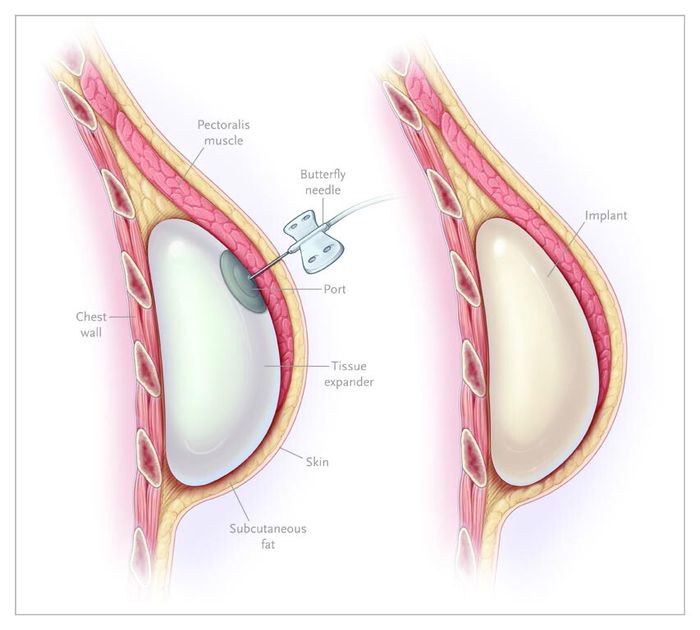
Implant-based reconstruction uses a silicone or saline implant to recreate the breast mound. It remains the most commonly performed breast reconstruction technique worldwide. It is often suitable for patients with smaller breast size, good skin coverage after mastectomy, and no planned post-mastectomy radiation therapy.
The most common approach is a two-stage reconstruction process.
- In the first stage, the surgeon places a temporary tissue expander beneath the chest muscle or in a prepectoral position above it. Over the following weeks, saline is gradually injected into the expander during clinic visits to stretch the skin and make space for the final implant.
- Once expansion is complete and any chemotherapy or additional treatment has finished, a second operation replaces the expander with a permanent silicone implant.
Direct-to-Implant (DTI) Reconstruction
Some patients may qualify for direct-to-implant (DTI) reconstruction, which avoids the tissue expander stage entirely. In this approach, the permanent implant is placed immediately during the mastectomy procedure.
The implant is usually supported with an acellular dermal matrix (ADM), such as AlloDerm, which acts as an internal support layer to help stabilise the implant position.
DTI reconstruction requires:
- good skin quality after mastectomy
- careful patient selection
- precise skin-sparing surgical technique
When appropriate, it allows reconstruction to be completed in a single operation without the need for repeated expansion appointments.
The Impact of Radiation Therapy
Radiation therapy is one of the most important factors affecting implant reconstruction outcomes. Post-mastectomy radiation delivered to a tissue expander or permanent implant significantly increases the risk of:
- capsular contracture
- implant failure
- breast asymmetry
- reoperation
For women who know they will receive post-mastectomy radiation, autologous reconstruction or a delayed-immediate strategy is generally the better clinical path.
What Is Autologous Breast Reconstruction and Which Flap Is Best?
Autologous reconstruction uses tissue transferred from another part of the patient's own body to rebuild the breast. The result feels softer and more natural than an implant, behaves more like natural breast tissue when touched, and is not susceptible to implant failure, capsular contracture, or implant-related revision surgery.
DIEP Flap Reconstruction
The current gold standard in autologous reconstruction is the DIEP flap (deep inferior epigastric artery perforator flap).
In this procedure, surgeons transfer skin and fat from the lower abdomen while conserving the rectus abdominis muscle. The tissue is removed along with its blood supply and then transferred to the chest as a free flap, where microsurgeons reconnect the blood vessels to recipient vessels, usually the internal mammary artery and vein.
Because the abdominal muscles are preserved, DIEP flap reconstruction reduces the risk of long-term abdominal weakness compared with older flap techniques. The procedure is technically demanding and usually requires four to six hours per breast, along with a plastic surgeon trained in microsurgical reconstruction.
TRAM Flap Reconstruction
The older TRAM flap (transverse rectus abdominis myocutaneous flap) also uses tissue from the lower abdomen, but unlike DIEP reconstruction, it removes part of the rectus muscle along with the skin and fat.
Pedicled TRAM flap procedures are associated with higher rates of fat necrosis and greater abdominal wall weakness than free TRAM or DIEP flap reconstruction. For this reason, DIEP reconstruction has increasingly become the preferred autologous option at specialist breast reconstruction centres.
A 2025 Health Science Reports study further supported DIEP flap reconstruction as the preferred option, particularly in patients with previous implant failure or radiation-damaged chest tissue.
Implant vs Flap Reconstruction Outcomes
A 2024 systematic review involving 14,196 patients found that flap-based reconstruction was associated with higher patient satisfaction with aesthetic appearance and psychosocial outcomes, while implant reconstruction was associated with fewer short-term surgical complications.
Both approaches, however, significantly improved quality of life compared to mastectomy without reconstruction. The most appropriate option depends on the patient's anatomy, cancer treatment plan, recovery priorities, and willingness to undergo more extensive surgery.
What Flap Options Exist When Abdominal Tissue Is Not Available?
For women with previous major abdominal surgery or insufficient abdominal donor tissue, several alternative flap sites exist.
- The SGAP flap (superior gluteal artery perforator) harvests tissue from the buttocks.
- The PAP flap (profunda artery perforator) uses the upper inner thigh.
- The TUG flap (transverse upper gracilis) also comes from the inner thigh but includes muscle.
- The latissimus dorsi (LD) flap transfers muscle and skin from the back through a tunnel under the armpit. It is less complex than DIEP but results in a visible donor scar on the back and usually still requires an implant to achieve the target volume for larger reconstructions.
When Should Reconstruction Happen?
Timing is one of the most consequential decisions in breast reconstruction because it cannot be easily reversed.
- Immediate reconstruction occurs during the same procedure as the mastectomy. It preserves the skin envelope, generally produces better cosmetic results, reduces the total number of operations, and avoids the period of living without a breast. Published data confirm that immediate reconstruction does not compromise oncological safety and yields superior body image outcomes compared with delayed reconstruction in most studies.
- Delayed reconstruction takes place six to twelve months or more after mastectomy, after adjuvant treatment is complete. It adds a surgical procedure but allows the oncology team to assess treatment response before committing to a reconstruction that may be affected by radiation or further surgery.
- Delayed-immediate reconstruction is a middle path developed specifically for women whose need for post-mastectomy radiation is uncertain at the time of mastectomy. A tissue expander is placed at mastectomy and kept deflated or partially filled during radiation. Once radiation is complete, the expander is filled or replaced with definitive reconstruction. This approach protects the skin envelope during the wait period and allows definitive reconstruction to proceed in a more controlled setting.
How Does Radiation Affect Reconstruction Outcomes?
Radiation therapy significantly affects reconstruction planning, particularly in implant-based reconstruction.
When radiation is delivered to a tissue expander or permanent implant, complication rates increase substantially. Patients face higher risks of capsular contracture, implant failure, asymmetry, and additional revision surgery, while overall satisfaction scores tend to decline.
Because of this, many surgeons prefer autologous reconstruction in patients who are known to require radiation therapy.
A 2024 Phase II trial from MD Anderson Cancer Centre, published in JAMA Network Open, explored a different sequence: radiation therapy delivered before mastectomy, followed by immediate reconstruction afterwards.
Among 49 patients followed for a median of 29.7 months, researchers reported no complete flap losses and no disease recurrences. The approach also reduced the total number of surgeries required and improved patient satisfaction by avoiding radiation exposure to implants or tissue expanders altogether.
What Does Breast Reconstruction Cost in India?
Breast reconstruction cost in India ranges from USD 3,500 to USD 15,000. It is significantly more affordable than in most Western countries while still offering access to specialist breast surgeons, microsurgical reconstruction teams, and internationally accredited hospitals.
The total cost depends primarily on:
- the reconstruction method used
- whether one or both breasts are reconstructed
- the need for microsurgery
- implant type and hospital category
- whether reconstruction is immediate or delayed
Implant-based reconstruction (USD 3,500 – USD 7,000) is generally the more affordable option, whereas microsurgical flap procedures, such as DIEP flap reconstruction (USD 7,000 – USD 15,000), entail greater surgical complexity and longer operative times.
Average Breast Reconstruction Cost in India
Procedure Type | Average Cost in India |
| Implant-Based Reconstruction | USD 3,500 – USD 7,000 |
| Tissue Expander + Implant Reconstruction | USD 4,500 – USD 8,000 |
| DIEP Flap Reconstruction | USD 7,000 – USD 15,000 |
| Bilateral DIEP Flap Reconstruction | USD 12,000 – USD 20,000 |
| Nipple Reconstruction and Areola Tattooing | USD 500 – USD 1,500 |
Breast Reconstruction Cost Comparison by Country
For international patients, India remains one of the most cost-effective destinations for both implant and microsurgical breast reconstruction.
Country | Implant Reconstruction | DIEP Flap Reconstruction |
| India | USD 3,500 – USD 7,000 | USD 7,000 – USD 15,000 |
| Thailand | USD 6,000 – USD 12,000 | USD 15,000 – USD 28,000 |
| Turkey | USD 5,000 – USD 10,000 | USD 14,000 – USD 25,000 |
| United Kingdom | GBP 8,000 – GBP 18,000 | GBP 25,000 – GBP 45,000 |
| United States | USD 10,000 – USD 20,000 | USD 40,000 – USD 60,000+ |
For complex microsurgical procedures such as DIEP flap reconstruction, the cost difference can exceed 60-75 percent compared with treatment in the United States or the United Kingdom.
What Is Usually Included in the Cost?
Most international patient packages at JCI or NABH-accredited hospitals include:
- surgeon and anaesthesia fees
- operating theatre charges
- hospital admission
- routine post-operative medications
- inpatient nursing care
However, patients should confirm whether the quotation also includes:
- implants or tissue expanders
- compression garments
- follow-up consultations
- nipple reconstruction
- medical tattooing
- revision procedures if needed
Why Costs Vary Between Patients
The reconstruction method is the single largest factor affecting cost. Implant reconstruction involves shorter surgery and recovery, while DIEP flap reconstruction requires:
- microsurgical expertise
- longer operating times
- advanced monitoring after surgery
- larger surgical teams
Patients should also understand that breast reconstruction is often completed in stages. Fat grafting, symmetry correction, implant exchange, or nipple reconstruction may be performed several months after the primary procedure to refine the final result.
For international patients considering breast reconstruction in India, Qonaq Health can help coordinate consultations with specialist breast reconstruction surgeons and accredited cancer centres experienced in both implant-based and microsurgical flap reconstruction.
What Does Recovery Look Like After Breast Reconstruction?
The recovery timeline depends almost entirely on the type of reconstruction performed.
- Implant-based reconstruction, particularly DTI, has the shortest recovery time. Most patients go home within 1 to 2 days and return to light activity within 2 to 3 weeks. The tissue expansion process adds serial clinic visits over six to twelve weeks before the second stage, but the individual appointments are brief.
- Autologous DIEP flap reconstruction requires a hospital stay of 3 to 5 days for the microsurgical healing period. Total recovery to full activity takes 6 to 8 weeks. The abdominal donor site recovers in parallel with the chest, and most patients describe the abdominal recovery as the more demanding of the two in the first two weeks. Long-term, the abdomen typically feels firmer and flatter, with an effect similar to an abdominoplasty, which many patients regard positively.
The final aesthetic result for either reconstruction type takes 12 months to fully settle, as swelling resolves, tissue softens, and scars fade. Nipple reconstruction, where desired, is typically performed as a small outpatient procedure after the main reconstruction has settled, followed by medical tattooing to recreate the areola.
To Conclude
Breast reconstruction is not something patients pursue after cancer treatment ends. At its best, it is planned alongside mastectomy, sequenced with radiation and chemotherapy, and delivered by a plastic surgeon who works as part of the oncology team from the beginning.
The clinical evidence clearly supports this approach. Immediate or well-timed delayed reconstruction does not compromise oncological outcomes. It does significantly improve quality of life, body image, psychosocial wellbeing, and long-term satisfaction compared to mastectomy without reconstruction.
For patients who receive only a mastectomy because reconstruction was not offered, not explained, or not available locally, that gap represents a meaningful inequality in care. For international patients who pursue reconstruction abroad, the relevant comparison is not between countries. It is between receiving reconstruction and not receiving it.
Disclaimer: This article provides general medical information about breast reconstruction options after mastectomy. It does not constitute medical advice and must not replace a consultation with a competent breast surgeon and oncology team. Individual treatment decisions depend on cancer diagnosis, treatment plan, body habitus, radiation history, and patient preferences. Patients should consult their treating medical team before making any decisions about reconstruction.
Related Hospitals
Discover hospitals and medical centers related to this topic for quality healthcare services.
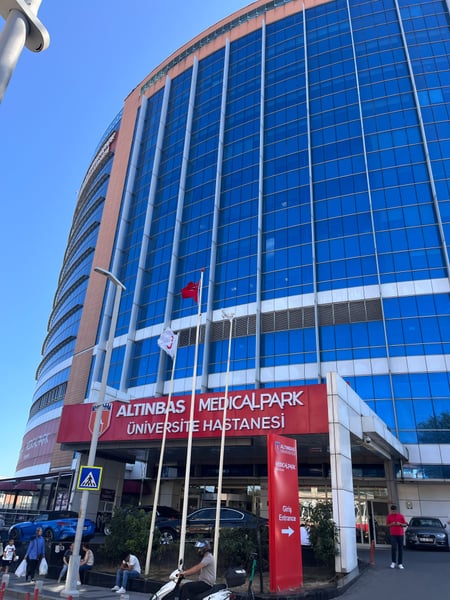
Medical Park Bahcelievler Hospital
Medical Park Bahcelievler Hospital is a 242-bed JCI-accredited hospital in Istanbul, established in 2007. Spread across 33,000 square meters and 19 fl...
Accreditations
Facilities
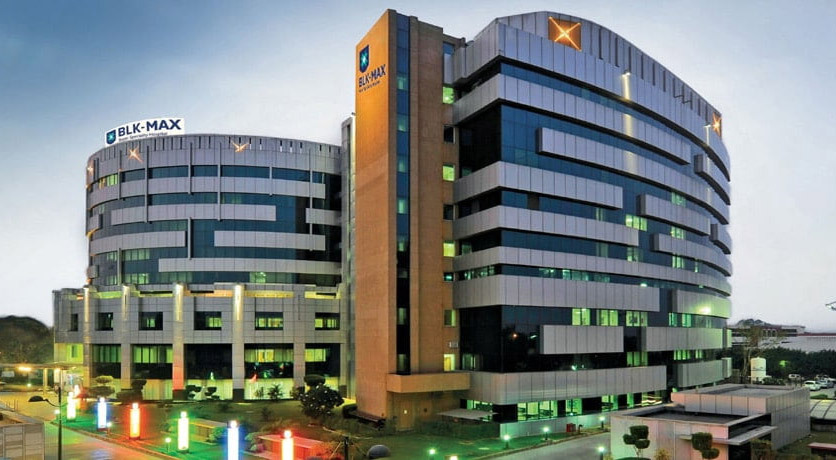
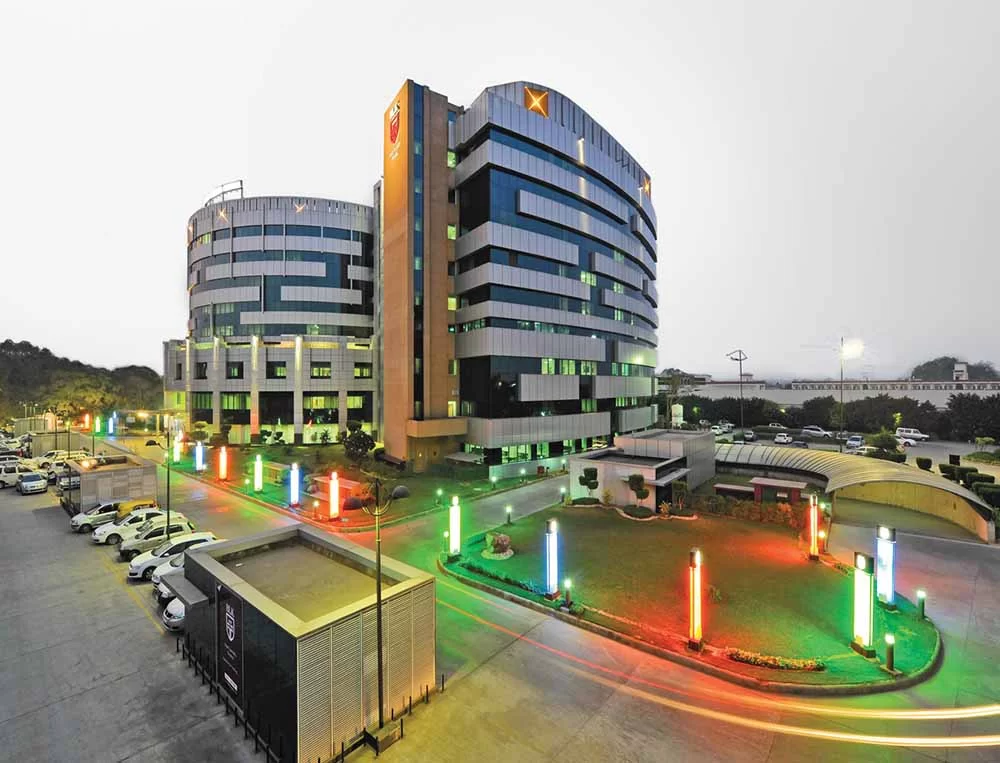
BLK-Max Super Speciality Hospital, New Delhi
BLK-Max Super Speciality Hospital in New Delhi is one of India's premier healthcare institutions, offering 650 beds, 22 advanced operation theatres, a...
Accreditations


Facilities
Fortis Memorial Research Institute (FMRI), Gurgaon
Fortis Memorial Research Institute (FMRI), Gurgaon, is a world-class multi-specialty hospital established in 2013. The hospital offers 330 beds, 15 op...
Accreditations


Facilities
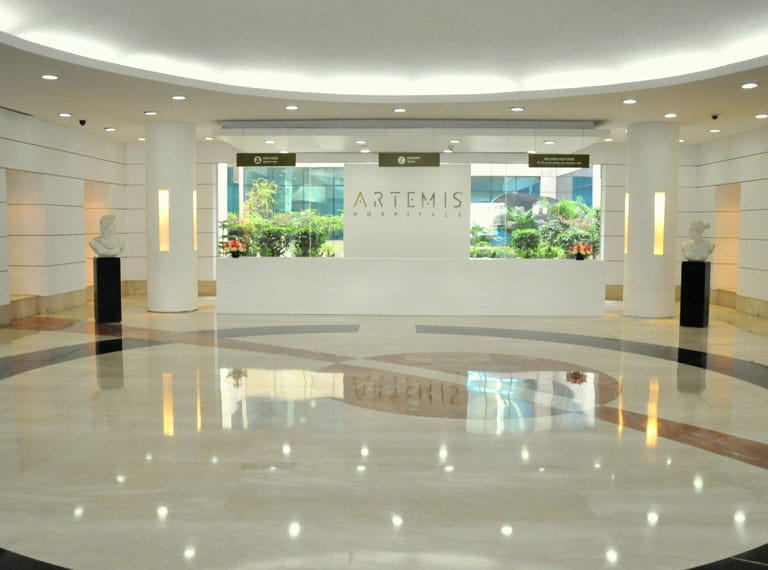
Artemis Hospital, Gurgaon
Artemis Hospital, Gurgaon, is a JCI accredited multispecialty hospital that was established in 2007. It offers 750+ beds and world -class infrastructu...
Accreditations


Facilities
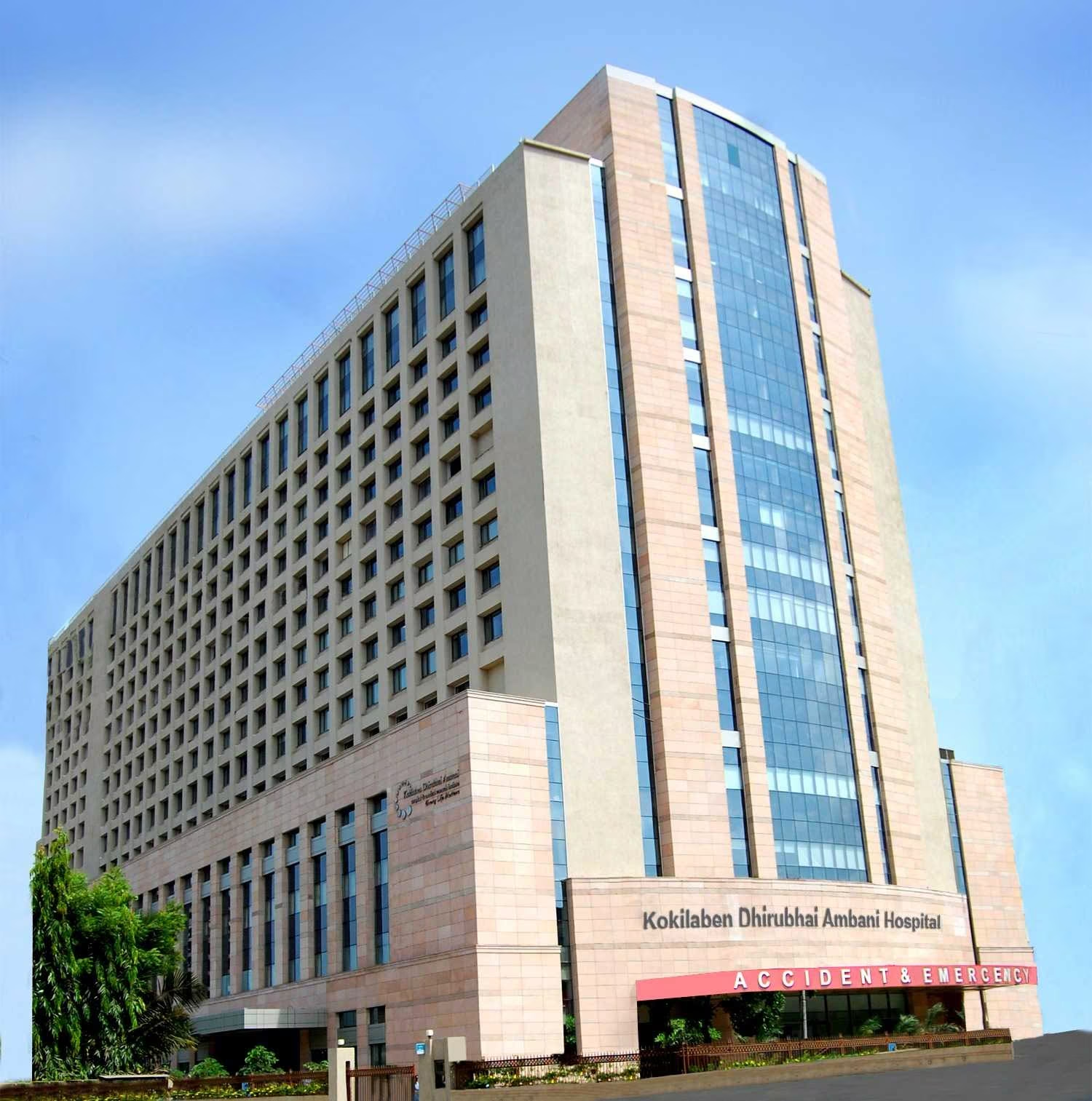
Kokilaben Dhirubhai Ambani Hospital, Mumbai
Kokilaben Dhirubhai Ambani Hospital, Mumbai, is a JCI, NABH, NABL, and CAP-accredited quaternary care hospital established in 2009. With 750 beds, 180...
Accreditations


Facilities
Medicover Hospitals, Hitech City, Hyderabad
Medicover Hospitals, Hitech City, Hyderabad, is a 400-bed NABH-accredited super-specialty hospital established in 2011. It is part of Medicover, a glo...
Accreditations


Facilities
Related Doctors
Connect with experienced doctors and medical specialists in this field.

Dr. Chatpong Sastarasadhit
Consultant
Dr. Mandeep Singh
Head of Department (HOD)
Related Articles
Explore more articles and insights on similar health topics.
Tummy Tuck Surgery in India: Cost, Recovery, Techniques, and Results
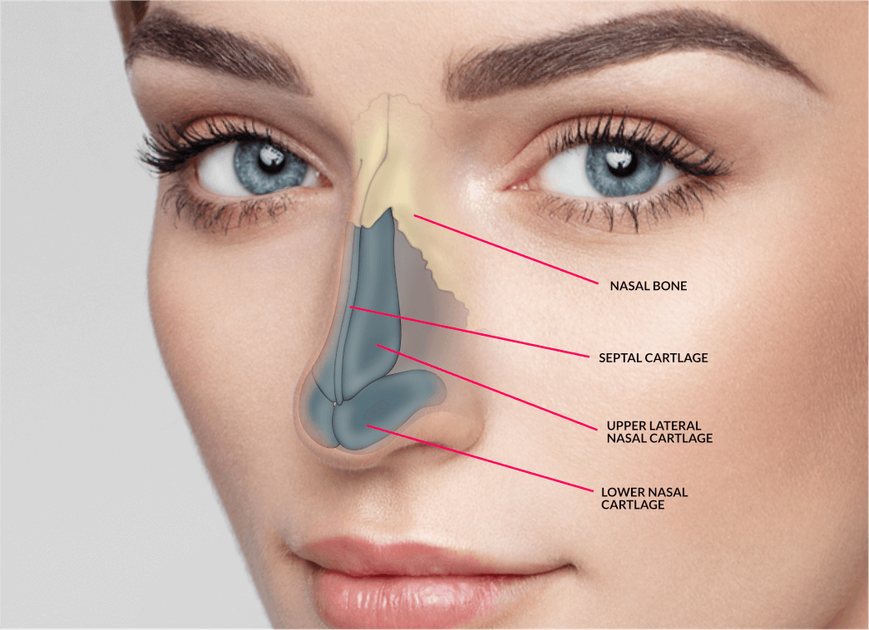
Rhinoplasty in India: Cost, New Techniques, and Recovery

Why IVF Fails: Common Causes and What to Do Next
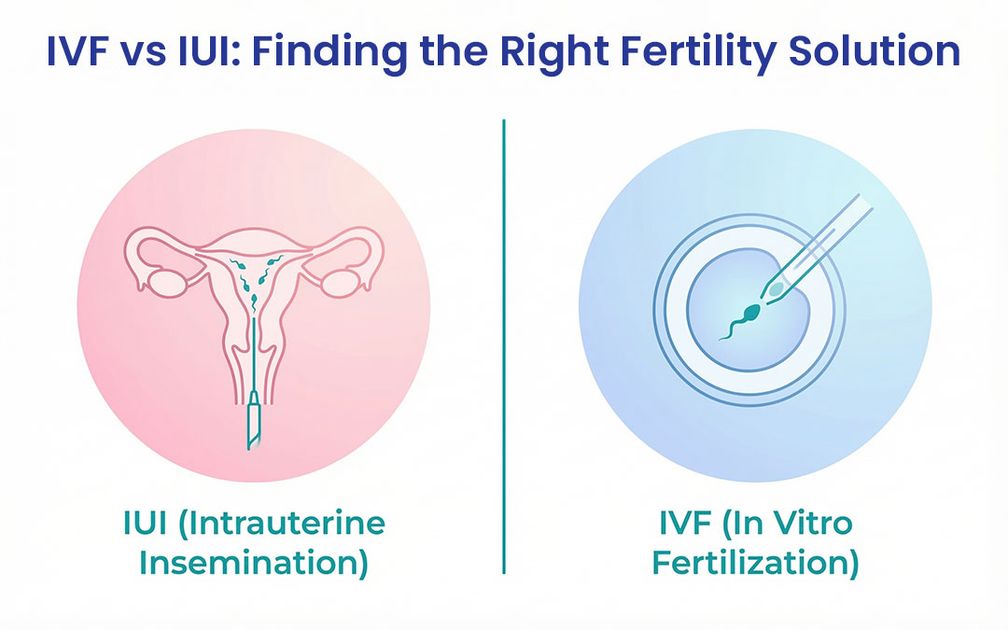
IVF vs IUI: Differences, Success Rates, Costs, and Which Treatment Is Right for You

Egg Freezing Abroad: Best Countries, Costs, and What to Expect

IVF Success Rates in India: What Couples Should Know in 2026

Author
View AllHead - International Patient Services
Dr. Riya Shree is a clinical physiotherapist who completed her internship at Mata Chanan Devi Hospital, New Delhi, gaining hands-on experience in patient care and rehabilitation. She served on the fr... Read More
Our website uses cookies. By clicking on accept you give your consent to the use of cookies as per our Privacy Policy.
