Rhinoplasty in India: Cost, New Techniques, and Recovery

11/6/2026, 5:58:34 AM 10 min read Medical Tourism
Rhinoplasty in India: Cost, New Techniques, and Recovery
Of all the cosmetic procedures patients travel abroad for, rhinoplasty is the one with the highest stakes and the smallest margin for error. The nose sits at the geometric centre of the face. Every millimetre of change affects the overall balance, in ways immediately visible to everyone. A result that is slightly off is harder to hide than almost any other surgical outcome.


It is also the most commonly revised cosmetic procedure. Revision rhinoplasty accounts for roughly 15 percent of all nose surgeries performed globally, according to 2025 data, meaning one in seven rhinoplasty patients eventually returns to the operating room to correct what the first surgery produced.


None of this means rhinoplasty carries exceptional risk in experienced hands. What it means is that surgeon selection, pre-operative planning, and honest goal-setting matter more here than for almost any other elective procedure. India has built a growing cohort of facial plastic and ENT surgeons with genuine rhinoplasty expertise, offering the full range of primary, functional, ethnic, and revision procedures at 60 to 75 percent lower cost than equivalent care in the United Kingdom, United States, or Australia.


What Is Rhinoplasty and What Can It Actually Change?

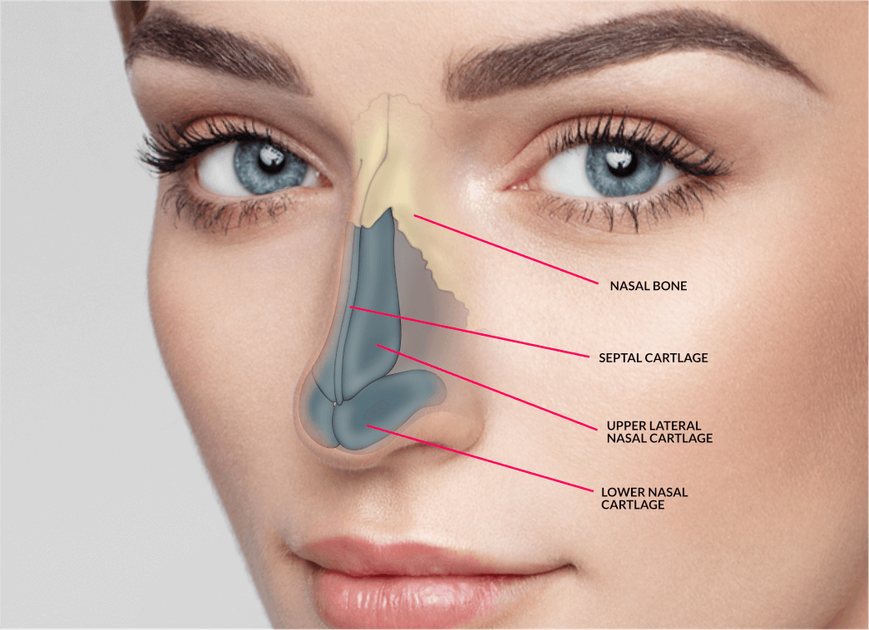
Rhinoplasty reshapes the nose by modifying the underlying framework of bone and cartilage, then redrapes the overlying skin across the new structure. The skin itself is not cut away or reduced. Its final appearance depends on how it conforms to the reshaped framework beneath it, which is why patients with thick, sebaceous skin produce softer, less sharply defined results than patients with thin skin, regardless of the quality of the surgical work.


What Rhinoplasty Can Change

Rhinoplasty can improve:


  • The overall size of the nose in proportion to the face
  • The width or projection of the nasal bridge
  • The shape and definition of the nasal tip
  • Nasal symmetry from the front, side, or underside view
  • The size and flare of the nostrils


What Rhinoplasty Cannot Reliably Change?

Rhinoplasty cannot reliably change:


  • Skin texture
  • Pore size
  • The thickness of soft tissue over the nasal tip

Surgeons who promise highly sharp or defined nasal tip results in patients with thick nasal skin may be setting unrealistic expectations.


Functional Rhinoplasty and Breathing Improvement

Functional rhinoplasty focuses on correcting structural problems that impair breathing, including:


  • A deviated nasal septum
  • Enlarged turbinates
  • Collapsed nasal valves

Many patients undergo septorhinoplasty, a procedure that combines cosmetic and functional correction in a single procedure.


According to published 2025 data, functional rhinoplasty improves nasal airflow in approximately 82% of patients. In some cases, the functional portion of the procedure may qualify for medical insurance reimbursement, even when the cosmetic portion does not.


What Are the Different Rhinoplasty Techniques Available in India?

The technique used determines incision placement, the degree of intraoperative access, the precision of bone work, and the visible scar pattern. Not all surgeons offer all techniques, and the right choice depends on each patient's specific anatomy and goals.


Open Rhinoplasty

Open rhinoplasty uses a small incision across the columella, the narrow strip of tissue between the nostrils. The surgeon then lifts the nasal skin to expose the underlying bone and cartilage directly.

This approach provides:


  • Full visibility of the nasal structure
  • Greater precision during complex reshaping
  • Better access for cartilage graft placement
  • Improved control in revision rhinoplasty cases

Open rhinoplasty is commonly recommended for:


  • Complex tip reshaping
  • Significant structural correction
  • Revision rhinoplasty
  • Cases requiring cartilage grafting

The small columellar scar typically fades within 12 months and is rarely noticeable during normal conversation.


Closed Rhinoplasty

Closed rhinoplasty places all incisions inside the nostrils, leaving no visible external scar. Because the surgeon works through internal incisions, this technique offers:


  • No external scarring
  • Less tissue dissection
  • Potentially reduced swelling in selected cases

However, closed rhinoplasty also provides more limited visibility and access. It is generally best suited for patients who need modest changes, particularly in the upper two-thirds of the nose. In experienced hands, closed rhinoplasty can achieve excellent results for carefully selected patients.


What Are the Newer Rhinoplasty Techniques Available at Indian Centres?

Modern rhinoplasty techniques focus not only on reshaping the nose, but also on preserving natural structure, reducing recovery time, and improving long-term stability. Many leading facial plastic surgery centres in India now offer advanced approaches that were previously available only at specialised international clinics.

Preservation Rhinoplasty

  • Preservation rhinoplasty is as much a philosophy as a technique. Rather than reducing and reconstructing the nasal bridge with bone removal and cartilage grafting, preservation rhinoplasty repositions the dorsum as a unit while maintaining the ligamentous and soft-tissue attachments that help the nose look natural over time. 
  • A 2025 prospective study in Aesthetic Surgery Journal evaluated 734 patients undergoing preservation rhinoplasty and found that piezo-assisted closed preservation techniques improved precision and reduced postoperative trauma, supporting the approach for patients seeking natural, proportionate results rather than dramatic reshaping.


Ultrasonic (Piezo) Rhinoplasty

  • Ultrasonic rhinoplasty, also called piezoelectric or piezo rhinoplasty, uses high-frequency ultrasonic vibrations to sculpt the nasal bone with accuracy that conventional osteotomes cannot match. 
  • The piezo device cuts bone while leaving surrounding soft tissue, blood vessels, and the nasal mucosa largely undisturbed. Published data show 50 percent less swelling and bruising than with traditional osteotomy techniques. 
  • Piezo technology was used in approximately 30 percent of rhinoplasty cases in 2025, and is now available at India's leading facial plastic surgery centres. 
  • For patients whose primary concern is the postoperative period (visible bruising, time off work, comfort during recovery), piezo rhinoplasty is the more attractive option where it is clinically appropriate.


Ethnic Rhinoplasty

  • Ethnic rhinoplasty addresses nasal characteristics specific to patients of South Asian, Middle Eastern, East Asian, African, or mixed heritage. The goal is refinement that is consistent with the patient's ethnic identity and facial proportions, rather than approximating a single aesthetic template. 
  • For Indian and GCC-origin patients specifically, ethnic rhinoplasty expertise matters: the characteristic anatomy (broader tip, lower dorsal projection, thicker skin in many patients) requires different cartilage-grafting strategies and tip-projection techniques than those developed for Caucasian anatomy. India's leading rhinoplasty surgeons bring high volumes of this specific patient profile.


What Does Rhinoplasty Cost in India?

Rhinoplasty costs in India generally range from USD 1,200 to USD 4,500 at accredited hospitals and specialist cosmetic surgery centres. The exact cost depends on the complexity of rhinoplasty, the surgeon's experience, and the hospital or clinic where the surgery is performed.


Cost by Procedure Type

Simple tip rhinoplasty or minor dorsal refinement procedures usually fall toward the lower end of the range. More complex procedures, such as open rhinoplasty with cartilage grafting, septorhinoplasty, or ethnic rhinoplasty with advanced tip reshaping, typically cost more because they require longer operating time and greater technical expertise.


Revision rhinoplasty is usually the most expensive category. Secondary nasal surgery is significantly more challenging due to scar tissue, altered anatomy, and the frequent need for structural grafting. At specialist Indian rhinoplasty centres, revision procedures commonly range from USD 3,000 to USD 5,000.


Cost Comparison: India vs Western Countries

For comparison, primary rhinoplasty in the United States generally costs between USD 8,000 and USD 15,000 before anaesthesia and facility fees. In the United Kingdom, private rhinoplasty procedures typically range from GBP 6,000 to GBP 12,000.


For many international patients, travelling to India provides a 60 to 75 percent cost saving while still allowing access to experienced surgeons and JCI or NABH-accredited hospitals.


What Is Usually Included in the Cost?

Most international patient packages include:


  • surgeon's fees
  • anaesthesia
  • operating theatre charges
  • pre-operative assessment
  • one night of hospital stay if required

However, medications, nasal splints, and follow-up appointments are sometimes billed separately. Patients should always confirm what is included before finalising treatment.


3D Imaging and Surgical Planning

Many major rhinoplasty centres in India now offer 3D imaging and digital surgical simulation as part of the consultation process. Globally, around 85 percent of rhinoplasty consultations use 3D simulation tools to help patients develop realistic expectations before surgery.


Patients should ask whether digital simulation is available before consultation, as it allows a more accurate discussion of expected results than verbal descriptions alone.


What Is the Recovery Timeline After Rhinoplasty?

The immediate postoperative period is usually the most demanding part of recovery. Swelling, nasal congestion, and bruising around the eyes are expected during the first seven to fourteen days after surgery.


A rigid nasal splint is typically worn externally for about one week to support the new nasal structure during early healing. Some patients also require internal splints or silicone sheets, which are usually removed at the first postoperative appointment.


Most patients are medically fit to travel home around 10 to 14 days after surgery, once the external splint has been removed and swelling has decreased to a level that no longer requires close daily monitoring.

Flying earlier than this is generally discouraged. Cabin pressure changes can worsen swelling and may increase the risk of bleeding during the first postoperative week.


Social Recovery vs Final Results

Recovery after rhinoplasty occurs in stages. Once the splint is removed, most patients enter what surgeons often describe as the "social recovery" phase. During this period, swelling is still present but usually not obvious to casual observers. This phase typically lasts between three and six weeks.


The second stage is the final refinement phase, during which deeper swelling gradually resolves and the nasal skin fully adapts to the reshaped framework beneath it. According to published 2025 data, the median time to final aesthetic result after rhinoplasty is approximately twelve months.


Patients who judge their outcome too early, particularly within the first six weeks, are evaluating a nose that is still actively healing.


Recovery in Thick-Skinned Patients

Patients with thicker nasal skin usually take longer to see their final definition after rhinoplasty. The skin takes longer to contract and settle around the modified cartilage framework.


This slower refinement process is not a complication. It reflects normal anatomical healing patterns in thick-skinned noses.


How Should International Patients Choose a Rhinoplasty Surgeon in India?

Rhinoplasty is a subspecialist skill, not a general plastic surgery competency. A surgeon who performs high volumes of breast augmentation and abdominoplasty is not automatically well-positioned to deliver complex nasal work. The reverse is also true. Rhinoplasty demands a specific combination of three-dimensional spatial thinking, precise cartilage technique, and restraint to avoid over-correcting.


Specific Experience

Volume matters, but volume alone is not sufficient. A surgeon performing 700 rhinoplasties a year at a busy centre has breadth of experience. What is more informative is whether those cases include the specific type of rhinoplasty the patient needs: revision cases, ethnic rhinoplasty, or functional septorhinoplasty. Each is a specialist category with its own learning curve.


Training and Board Certification

Certification from the Association of Plastic Surgeons of India (APSI) or, for ENT-trained rhinoplasty surgeons, the Association of Otolaryngologists of India (AOI), confirms a baseline standard of training and examination. Surgeons with additional fellowship training in facial plastic surgery or who have studied rhinoplasty techniques abroad bring an extra layer of subspecialist depth.


Evaluating Before-and-After Results

Before-and-after photographs are the most direct evidence of a surgeon's aesthetic sensibility. Patients should look at results on noses that resemble their own in terms of skin thickness, ethnicity, and specific anatomical starting point, not just the best outcomes from the widest range of cases.


What Questions Should International Patients Ask Before Booking?

International patients should treat the consultation process seriously, particularly with rhinoplasty, where surgical judgement and aesthetic philosophy matter as much as technical skill. The quality of the consultation often reveals how individualised the surgeon's approach really is.


Before booking surgery, patients should ask:


  1. Which technique does the surgeon recommend for this specific anatomy and goal, and why: open, closed, preservation, or piezo-assisted? A surgeon who recommends the same technique for every patient is not individualising the approach.
  2. How many rhinoplasties does the surgeon perform per year, and what proportion involve the specific type needed: ethnic rhinoplasty, revision, or functional correction?
  3. Is 3D imaging or digital simulation available at the consultation, and will the surgeon review pre-operative photographs before the patient travels?
  4. What does the package cost cover, and which items are billed separately: medications, postoperative splints, follow-up appointments, and revision consultations?
  5. What is the surgeon's protocol for managing complications such as postoperative infection, prolonged swelling, or asymmetry that becomes visible only after the splint is removed?
  6. If a revision is required, what is the surgeon's policy on timing, fee, and access for international patients returning from abroad?


Summary

Rhinoplasty in India is not a commodity in which every provider delivers comparable results. The surgical technique, aesthetic judgment, approach to ethnic anatomy, and quality of the pre-operative conversation vary enormously between surgeons, even at facilities with the same accreditation.


For international patients, the financial advantage is substantial. Rhinoplasty in India typically costs 60 to 75 percent less than equivalent procedures in the United States or the United Kingdom, often with access to highly experienced surgeons and advanced surgical techniques.


The value of that saving, however, depends entirely on choosing the right surgeon for the specific case rather than simply selecting the lowest price or nearest accredited facility.


Most specialist rhinoplasty surgeons in India now offer remote video consultations for international patients. These consultations allow patients to share photographs, discuss goals, review anatomy, and in some cases evaluate digital simulations before making travel plans. 


If you are considering rhinoplasty in India, contact us today to connect you with experienced rhinoplasty specialists, compare treatment options, and arrange consultations at accredited hospitals and facial plastic surgery centres across India. 


Disclaimer: This article provides general information about rhinoplasty in India. It does not constitute medical advice and must not replace a consultation with a plastic surgeon. Individual outcomes depend on nasal anatomy, skin type, surgical technique, and postoperative care. Patients should consult a qualified surgeon before making any decisions about rhinoplasty.

Related Hospitals

Discover hospitals and medical centers related to this topic for quality healthcare services.
Medical Park Bahcelievler Hospital
Platinum
View Details

Medical Park Bahcelievler Hospital

Istanbul, Turkey

Medical Park Bahcelievler Hospital is a 242-bed JCI-accredited hospital in Istanbul, established in 2007. Spread across 33,000 square meters and 19 fl...

Multi-specialty
Established 2007
242 beds
Accreditations
Joint Commission International (JCI)
Facilities
+13
BLK-Max Super Speciality Hospital, New Delhi
Platinum
View Details

BLK-Max Super Speciality Hospital, New Delhi

New Delhi, India

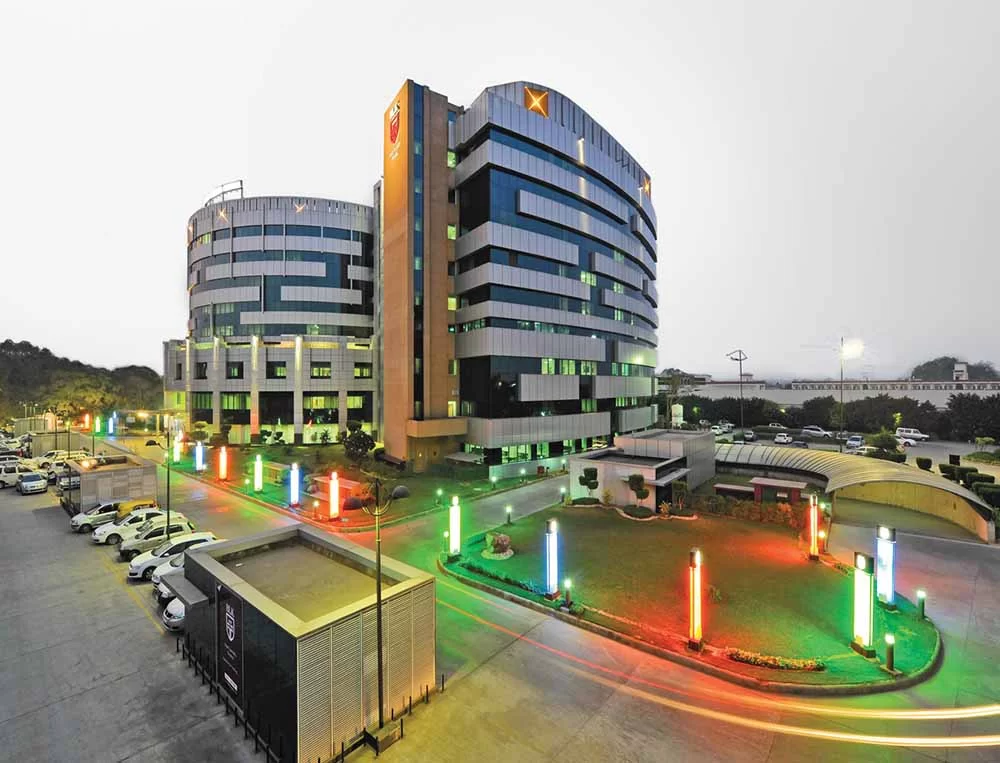
BLK-Max Super Speciality Hospital in New Delhi is one of India's premier healthcare institutions, offering 650 beds, 22 advanced operation theatres, a...

Multi-specialty
Established 1959
650 beds
Accreditations
Joint Commission International (JCI)
National Accreditation Board for Hospitals & Healthcare Providers (NABH)
Facilities
+13
Fortis Memorial Research Institute (FMRI), Gurgaon
Platinum
View Details

Fortis Memorial Research Institute (FMRI), Gurgaon

Gurgaon, India

Fortis Memorial Research Institute (FMRI), Gurgaon, is a world-class multi-specialty hospital established in 2013. The hospital offers 330 beds, 15 op...

Multi-specialty
Established 2013
330 beds
Accreditations
Joint Commission International (JCI)
National Accreditation Board for Hospitals & Healthcare Providers (NABH)
Facilities
+13
Artemis Hospital, Gurgaon
Platinum
View Details

Artemis Hospital, Gurgaon

Gurgaon, India

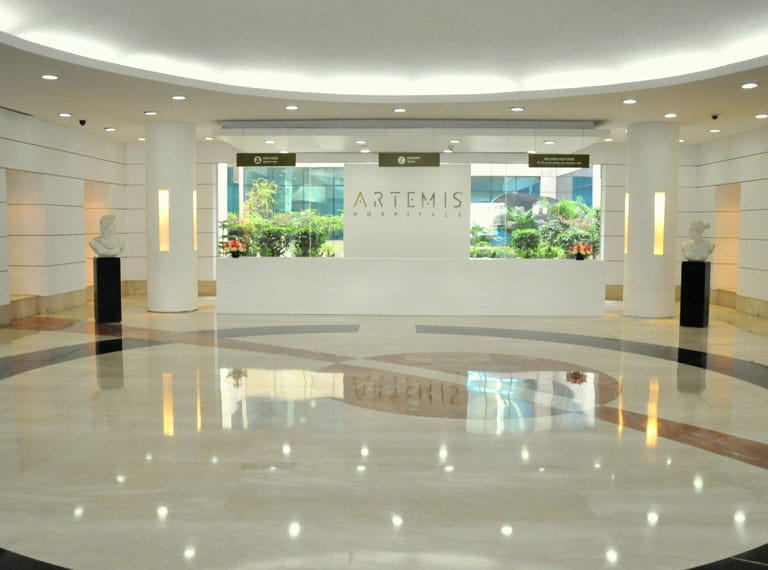
Artemis Hospital, Gurgaon, is a JCI accredited multispecialty hospital that was established in 2007. It offers 750+ beds and world -class infrastructu...

Multi-specialty
Established 2007
750 beds
Accreditations
Joint Commission International (JCI)
National Accreditation Board for Hospitals & Healthcare Providers (NABH)
International Organization for Standardization (ISO)
Facilities
+13
Kokilaben Dhirubhai Ambani Hospital, Mumbai
Platinum
View Details

Kokilaben Dhirubhai Ambani Hospital, Mumbai

Mumbai, India

Kokilaben Dhirubhai Ambani Hospital, Mumbai, is a JCI, NABH, NABL, and CAP-accredited quaternary care hospital established in 2009. With 750 beds, 180...

Multi-specialty
Established 2009
750 beds
Accreditations
Joint Commission International (JCI)
National Accreditation Board for Hospitals & Healthcare Providers (NABH)
International Organization for Standardization (ISO)
Facilities
+13
Medicover Hospitals, Hitech City, Hyderabad
Platinum
View Details

Medicover Hospitals, Hitech City, Hyderabad

Hyderabad, India

Medicover Hospitals, Hitech City, Hyderabad, is a 400-bed NABH-accredited super-specialty hospital established in 2011. It is part of Medicover, a glo...

Multi-specialty
Established 2011
400 beds
Accreditations
National Accreditation Board for Hospitals & Healthcare Providers (NABH)
Joint Commission International (JCI)
Facilities
+13

Related Doctors

Connect with experienced doctors and medical specialists in this field.
Dr. Chatpong Sastarasadhit

Dr. Chatpong Sastarasadhit

Consultant
30 years of experience
View Details
Dr. Mandeep Singh

Dr. Mandeep Singh

Head of Department (HOD)

20 years of experience
View Details

Related Articles

Explore more articles and insights on similar health topics.

Tummy Tuck Surgery in India: Cost, Recovery, Techniques, and Results
Medical Tourism

Tummy Tuck Surgery in India: Cost, Recovery, Techniques, and Results

11/6/2026, 7:02:43 AM
9 min read
There is a specific kind of frustration that brings people to a tummy tuck consultation. They have done the work. The weight is gone, or the pregnanci...
Breast Reconstruction After Breast Cancer Surgery

Medical Tourism

Breast Reconstruction After Breast Cancer Surgery

11/6/2026, 6:14:49 AM
11 min read
The conversation about breast reconstruction usually happens at the worst possible moment. A woman has just been told she needs a mastectomy. She is p...
Why IVF Fails: Common Causes and What to Do Next
Medical Tourism

Why IVF Fails: Common Causes and What to Do Next

10/6/2026, 8:51:09 PM
13 min read
A failed IVF cycle is a particular kind of grief. Unlike other fertility losses, it arrives after weeks of injections, monitoring appointments, early ...
IVF vs IUI: Differences, Success Rates, Costs, and Which Treatment Is Right for You

Medical Tourism

IVF vs IUI: Differences, Success Rates, Costs, and Which Treatment Is Right for You

10/6/2026, 8:35:36 PM
10 min read
Nobody arrives at a fertility clinic hoping to need IVF. Most couples start with the quieter hope that something simpler will work. IUI feels more app...
Egg Freezing Abroad: Best Countries, Costs, and What to Expect

Medical Tourism

Egg Freezing Abroad: Best Countries, Costs, and What to Expect

10/6/2026, 8:23:16 PM
10 min read
The question most women arrive with is simple enough: is it too late? They are usually 33, or 36, or 38. They have a demanding job, or the right perso...
IVF Success Rates in India: What Couples Should Know in 2026

Medical Tourism

IVF Success Rates in India: What Couples Should Know in 2026

10/6/2026, 8:08:36 PM
10 min read
Somewhere between the third failed cycle and the fifth specialist appointment, most couples stop asking whether IVF will work and start asking where t...
Dr. Deepanshu Siwach

Sr. Medical Writer

Sr. Medical Content Writer Qonaq Health and Wellness
Doctor of Pharmacy

Dr. Deepanshu Siwach is an experienced clinical pharmacist with a Doctor of Pharmacy degree. He has over 4 years of experience and has worked with thousands of patients. He has been associated with ... Read More

Our website uses cookies. By clicking on accept you give your consent to the use of cookies as per our Privacy Policy.